LAST UPDATED: 8/26/26 – Tools for Learning a Language
Travelers today are seeking deeper, more meaningful experiences, and one of the best ways to achieve that is by learning a language. Whether you’re navigating a new city, chatting with locals, or immersing yourself in a new culture, learning a language opens doors that guidebooks and translation apps simply can’t. With modern tools becoming more flexible and accessible, learning a language has never been easier—or more tailored to different learning styles.
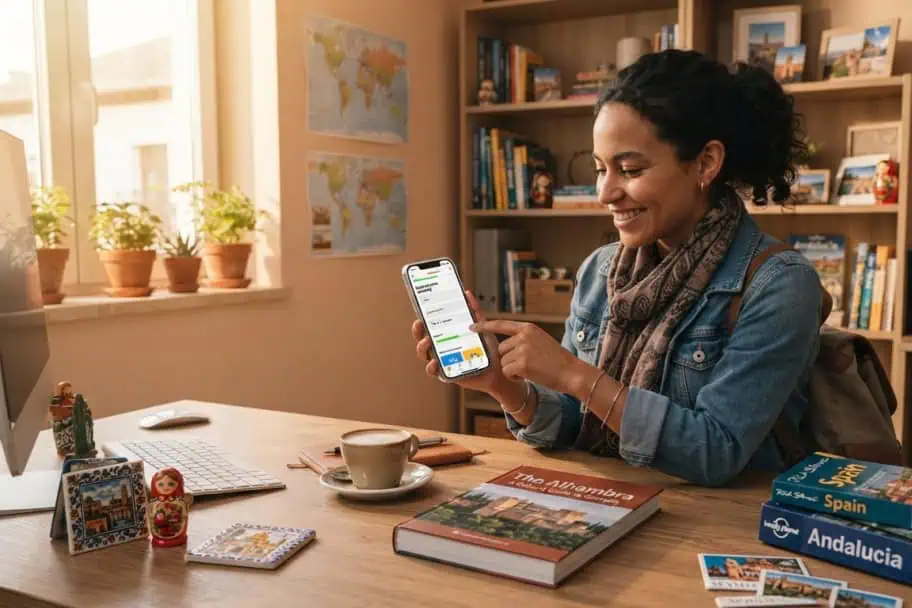
As international travel continues to grow, speaking even a little of the local language can transform your trip. It builds confidence, strengthens cultural understanding, and helps you connect with people in a way that feels authentic and respectful. For this week’s Friday Sound‑Off, I want to explore the best tools available today and hear your thoughts on what actually works for travelers.
Why Learning Another Language Matters for Today’s Travelers
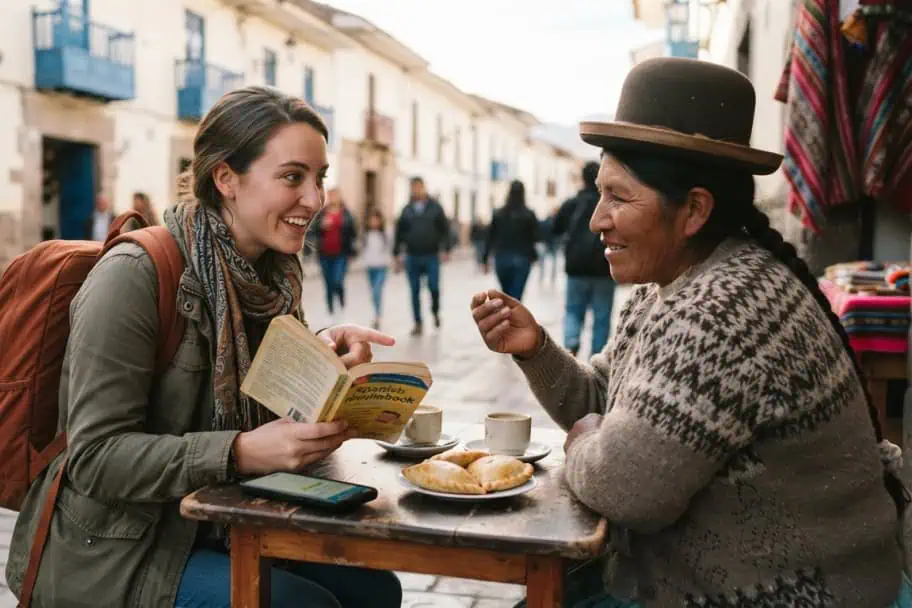
Learning a language is especially important for travelers who want to move beyond surface‑level tourism. Even basic proficiency can make transportation easier, help you order food confidently, and create genuine connections with the people you meet. For this week’s Friday Sound‑Off, I want to hear your thoughts on the best tools for learning a new language—and which ones actually deliver results.
Like many Americans, I took Spanish throughout school, but my speaking skills never fully stuck. I can follow conversations, but forming sentences on the fly takes effort, and my pronunciation isn’t always perfect. Before my trip to Peru and Ecuador in 2018, I was especially motivated to sharpen my Spanish, and I know many travelers have found themselves in that same situation—making this a perfect topic to explore together.
The Modern Language‑Learning Landscape
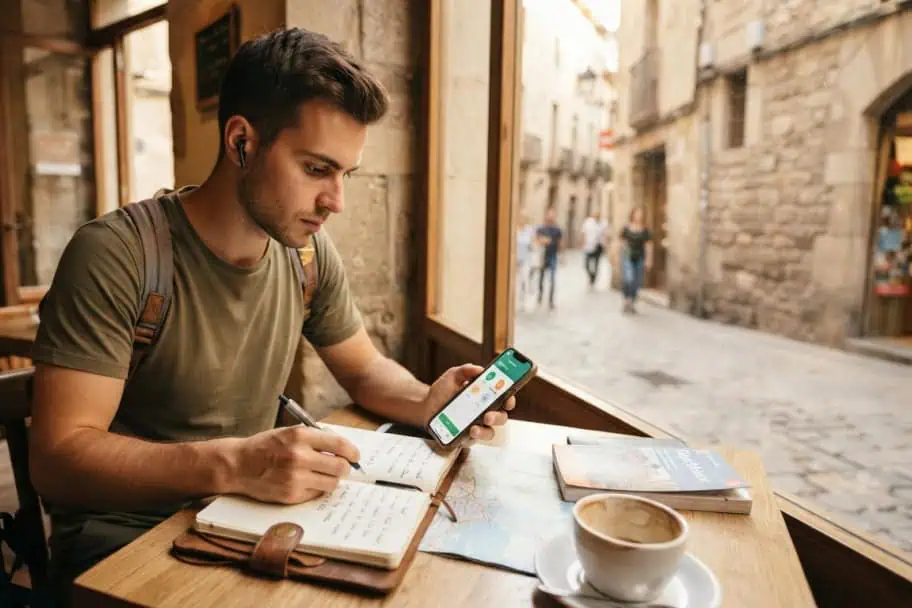
Today’s language‑learning options are more diverse and effective than ever. You can choose from apps, video‑based platforms, AI tutors, online communities, and immersive listening tools. Some focus on vocabulary, others on grammar, and many now emphasize real‑world conversation skills using native‑speaker audio and cultural context.
Below, I’ve broken down several of the most popular tools—what they offer, who they’re best for, and how they fit into a traveler’s learning routine.
Duolingo
Duolingo is one of the most widely used language‑learning apps, known for its gamified lessons and bite‑sized daily practice. It’s great for building vocabulary, reinforcing grammar patterns, and staying consistent through streaks and reminders.
- Best for: casual learners, beginners, daily habit‑building.
- Strengths: fun interface, quick lessons, strong vocabulary repetition.
- Limitations: less emphasis on real conversational fluency.
Babbel
Babbel focuses more on real‑world conversation and practical phrases you’ll actually use while traveling. Lessons are structured around dialogue, pronunciation, and cultural context.
- Best for: travelers who want functional speaking skills.
- Strengths: conversation‑based lessons, strong grammar explanations.
- Limitations: less gamified, requires more focused study time.
FluentU
FluentU uses real videos—interviews, news clips, travel content, and everyday conversations—to teach language through immersion. It’s one of the best tools for hearing how native speakers actually talk.
- Best for: intermediate learners, travelers wanting cultural immersion.
- Strengths: real-world audio, contextual learning, natural pacing.
- Limitations: requires more time and attention than app‑based drills.
Rosetta Stone
Rosetta Stone remains a classic option, focusing on immersive learning without translation. It’s designed to help you think in the language rather than mentally convert English to Spanish.
- Best for: learners who want long-term fluency.
- Strengths: immersive method, strong pronunciation training.
- Limitations: slower progress for travelers needing quick wins.
AI‑Powered Tutors
Newer platforms now use AI to simulate real conversations, correct pronunciation, and adapt lessons to your speaking patterns. These tools can act like on‑demand language partners, giving you real‑time feedback.
- Best for: travelers who want speaking practice anytime.
- Strengths: personalized feedback, natural conversation practice.
- Limitations: quality varies by platform; requires consistent use.
Conclusion
With so many effective tools available today, travelers have more opportunities than ever to build confidence and communicate meaningfully across cultures. Whether you prefer structured lessons, immersive video content, or AI‑driven conversation practice, the right approach can make learning a language both enjoyable and practical. As more people seek authentic travel experiences, choosing a method that fits your goals and learning style can make all the difference in how you connect with the world.
Don’t Forget to Subscribe to My Adventures!

Let Me Help You Save On Your Next Adventure!
‘Start Exploring Today’ Merchandise Available Now!
 |
 |
 |
 |
 |
 |
 |




















I’ve been using Duolingo since the beginning of the year now, and maybe it’s just me (as I knew almost no Spanish before!), but it’s so easy to just use the app and go through the motions without actually practising using the words – some of the activities feel just like games. I lived in Spain for a season a couple of years ago and began picking up Spanish so quickly because a lot of people where I worked just didn’t speak English. For me, that’s the best way I could learn a language, by being forced to use it haha! It depends I suppose, on your learning style. If you’re like me, then Duolingo might be a fun, cheap tool to use for a bit, but won’t actually make a huge difference, but if you’ve got a good memory and things like that just seem to sink in, then it’ll probably work for you. Worth looking at in the interim, as it’s free I suppose 🙂
Thank you so much for reading and for the input! I absolutely agree that immersing yourself is the best way to learn. I will give Duolingo a try 😀
Reblogged this on Vietnam Travel & Trade Portal and commented:
To learn Spanish for you upcoming trip, the best option is a free course offered by the BBC online. You can take the complete course and get a certificate.
When I started to study Spanish, I got a high school textbook for a Spanish student learning English and worked through the book backwards. That was a great help but the BBC course can’t be beat.
For French I used the JE French Course, which I purchased online. It is absolutely the best course I found. I also used Rosetta stone and it is helpful because their is no translation involved.
I also used Rosetta Stone when I started learning Vietnamese and then went on to some Vietnamese courses.
Unfortunately, most all of the courses you mention are of little value because they all translate from English to the other language. When one wants to learn a foreign language pick a course where there is no translation involved at all.
My wife and I speak a total of five languages. Out two year old twins speak only English and Vietnamese right now. We plan to start teaching then Spanish in the near future.
I don’t like any of the other courses you mentioned and would not recommend them to anyone.
Do you have a link to the BBC online course?
http://www.bbc.co.uk/languages/
Great info!! Thank you !!!
The best tool is youth! My kids picked up Tagalog in short order when we first visited the Philippines for a mere 3 months. I returned here 25 years later and after 7 years of being in country I still cannot construct complete sentences. I know enough words to be polite, but I am lacking in conversational skills. As you get older your mind is continually filled with all that has gone before and that leaves little room for a new language.
In my youth, I took Spanish in high school. It seemed easy to learn back then. In fact, today I know more Spanish than Tagalog.
I salute all those you have the ability to learn a new a language.
I wish you the best as you embark on your journey.
Yes I’ve been using Duolingo to learn Spanish for almost 2 months now. I find I am getting better at reading and when the words are in front of me I can put them together correctly most of the time. I started writing done each word I was learning in a separate book and it’s translation so I could have that extra input into my brain. I also started watching shows that have Spanish in them so I can practice listening and I find I can get the idea of what they are saying just by knowing the few words that I know. I go to Ecuador and the Galápagos Islands at the end of June for a month so I’m just happy to know the words for animals so I won’t accidentally eat one as I’m vegetarian haha
I started learning German with Babbel which I found to be great and it had a lot of content on there. I find Duolingo great too but I think actually paying for it motivated me to get my money’s worth, whereas Duolingo is a little more casual.
I guess it depends what your intentions are. If it’s just a case of refreshing the Spanish you already know I’d probably go with Duolingo but I think if you’re aiming for more fluency Duolingo will only get you so far.
I’d also recommend listening to music in another language, watching tv shows or films in another language or even reading books in another language. Even better if it’s a tv show, film or book you’re already familiar with! I started reading Harry Potter in German and it’s amazing how much you can understand when it’s a story you know well.
Thank you for the awesome tips!! And thank you for reading!
We took several Spanish lessons when we lived in Mexico for a year and kept all our materials so we just reviewed them before coming to Patagonia. I have heard good things about Babbel and Duolingo. I will be interested to hear more from your readers.
Thanks for the great feedback LuAnn!
Not sure I offered much but I can’t stop by without at least saying hi. 🙂
Hi LuAnn!! Thanks for stopping by! 😀
I can speak three languages, and all of them I learned when I was young. Yet, I’m learning korea now and it’s my first Asian language so the grammar is different, the writing style as well it can be quite discouraging coming from a Latin root based languages. However, I tried pimsleur and I like it because it actually gets you talking! Which for me is vital, since I want to start talking to people, but Rosetta Stone didn’t do much for me and duolingo seems more like a game for me than actually learning.
Great advice!!!! Thank you!!
Hi,
I love your writing on “What Tool is Best for Learning a Language?”. Your post is very much helpful and informative. Keep up the good work and present us your best.
Regards
Thank you so much!!