LAST UPDATED: 5/10/24 – Zimbabwe Entrance Requirements for Visitors
If you are traveling to Zimbabwe from outside of the country, you should be aware of the Zimbabwe entrance requirements for visitors before you start planning your travel. If you do not meet the passport, VISA, or immunization requirements, you could be denied entry into Zimbabwe. This is not something that I would wait until the last minute to take care of as you might not have enough time to sort out any issues at the last minute should you run into them.
To assist you in making sure you meet the necessary requirements to visit Zimbabwe, I have outlined all of the requirements you need to be concerned about in this article. Furthermore, I have also created the handy checklist I linked below for you to use as a point of reference and to track all of the requirements as you meet them.
Download the Zimbabwe Entrance Requirements Checklist

Zimbabwe Passport Requirements
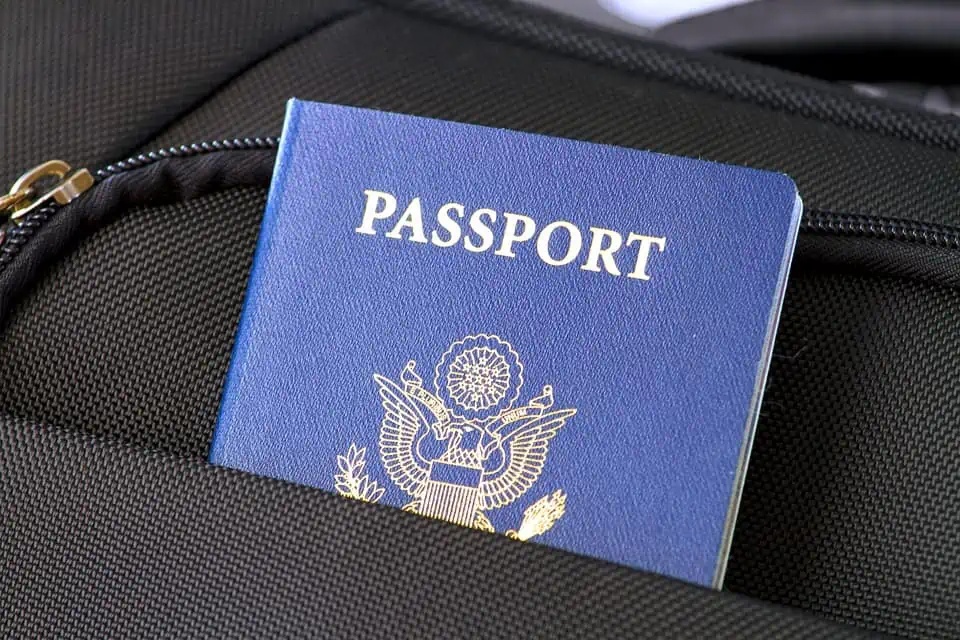
One of the most important Zimbabwe entrance requirements you will need to consider when planning your trip is the country’s passport requirements. To be allowed into Zimbabwe, not only will your passport need to be valid, but it will need to be valid for at least 6 months after your date of arrival. So, if your passport is set to expire within 6-months of your arrival date, you will need to renew your passport before you travel to Zimbabwe.
| Passport Validity | Blank Pages Required |
|---|---|
| At least 6-months beyond arrival date. | 2 consecutive empty visa pages per entry. |
Zimbabwe VISA Requirements
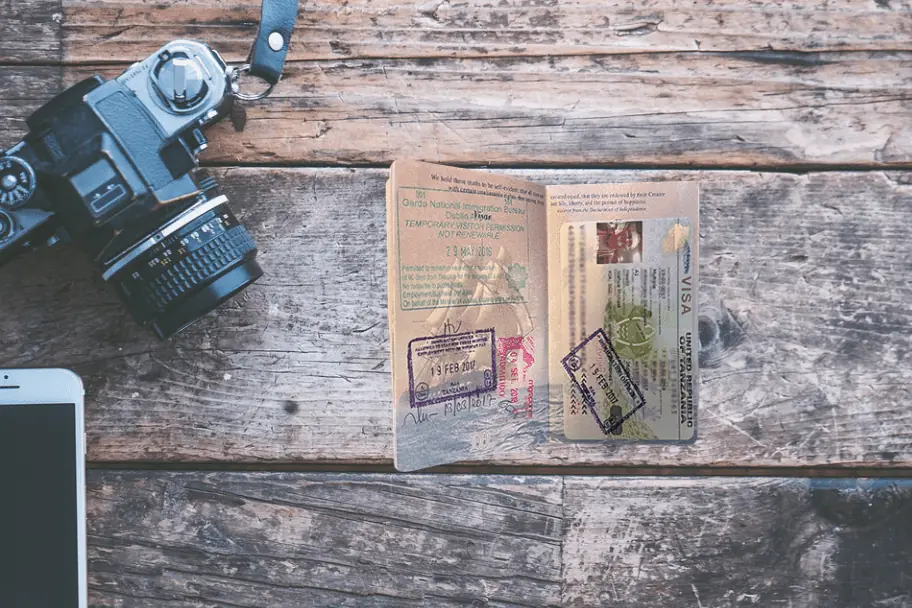
Depending on your nationality, you may or may not have to obtain a visitor VISA before being allowed to enter Zimbabwe. In addition, depending on the passport you hold, you may be able to apply for a VISA upon arrival. If this option is available to you, it is what I strongly recommend.
For travelers who are ineligible for a VISA upon arrival, you will need to coordinate your VISA before traveling to Zimbabwe. For more information on the type of VISA you will need, please see the information I have included below.
Visa Exempt Countries
If you are a passport holder from one of the following countries, you will not need a VISA to visit Zimbabwe for 3 months or less:
 |
Angola |  |
Belize |  |
Eswatini |
 |
Jamaica |  |
Malaysia |  |
Montserrat |
 |
Saint Lucia |  |
Solomon Islands |  |
Turks and Caicos Islands |
 |
Antigua and Barbuda |  |
Botswana |  |
Fiji |
 |
Kenya |  |
Malawi |  |
Mozambique |
 |
St Vincent and the Grenadines |  |
South Africa |  |
Tuvalu |
 |
Aruba |  |
Cayman Islands |  |
Ghana |
 |
Kiribati |  |
Maldives |  |
Namibia |
 |
Samoa |  |
Tanzania |  |
Uganda |
 |
Bahamas |  |
Cyprus |  |
Grenada |
 |
Lesotho |  |
Malta |  |
Nauru |
 |
Seychelles |  |
Tonga |  |
Vanuatu |
 |
Barbados |  |
Democratic Republic of the Congo |  |
Hong Kong |
 |
Madagascar |  |
Mauritius |  |
Saint Kitts and Nevis |
 |
Singapore |  |
Trinidad and Tobago |  |
Zambia |
Visa On Arrival Eligible Countries
If you aren’t a passport holder from one of the VISA-exempt countries listed above, you must obtain a VISA before entering Zimbabwe. For those who are from countries that are eligible for a VISA upon arrival, I strongly recommend waiting to get your VISA until you arrive. I have listed the countries that are eligible for VISA upon arrival for you to review below.
 |
Albania |  |
Equatorial Guinea |  |
Palestine |
 |
Algeria |  |
Ethiopia |  |
Panama |
 |
Andorra |  |
Georgia |  |
Papua New Guinea |
 |
Argentina |  |
Guatemala |  |
Paraguay |
 |
Armenia |  |
Guyana |  |
Peru |
 |
Australia |  |
Haiti |  |
Russia |
 |
Azerbaijan |  |
Honduras |  |
Rwanda |
 |
Bahrain |  |
Iceland |  |
San Marino |
 |
Belarus |  |
India |  |
Sao Tome and Principe |
 |
Bermuda |  |
Indonesia |  |
Senegal |
 |
Bhutan |  |
Iran |  |
Serbia |
 |
Bosnia and Herzegovina |  |
Israel |  |
South Korea |
 |
Brazil |  |
Japan |  |
Suriname |
 |
British Virgin Islands |  |
Kazakhstan |  |
Switzerland |
 |
Brunei |  |
Kuwait |  |
Tajikistan |
 |
Burundi |  |
Kyrgyzstan |  |
Turkey |
 |
Canada |  |
Liechtenstein |  |
Turkmenistan |
 |
Cabo Verde |  |
Macau |  |
Ukraine |
 |
Chile |  |
Marshall Islands |  |
United Arab Emirates |
 |
China |  |
Mexico |  |
United Kingdom |
 |
Comoros |  |
Micronesia |  |
United States |
 |
Costa Rica |  |
Moldova |  |
Uruguay |
 |
Cuba |  |
Monaco |  |
Uzbekistan |
 |
Dominican Republic |  |
New Zealand |  |
Vatican City |
 |
Ecuador |  |
Nicaragua |  |
Venezuela |
 |
Egypt |  |
Norway | ||
 |
El Salvador |  |
Palau |
Those Who Aren’t Eligible for Visa Upon Arrival
If you aren’t a passport holder of a nation that is VISA-exempt or eligible for VISA upon arrival, you will need to apply for a visitor VISA before traveling to Zimbabwe. For more information on how to apply for a visitor VISA for Zimabwe, please refer to the VISA Guide Page for Zimabwe.
Zimbabwe Immunization Requirements

Important Note: I am not a medical doctor and do not have any medical experience. The information provided in this section is a summary of information that I got from the recommendations of the Centers for Disease Control and Prevention in the United States for travel to Zimbabwe. I am providing you this information to help bring awareness of the necessary vaccinations to you, but consultation with my guide should not replace a discussion about your travels with your doctor or a travel medical clinic.
One of the most important, and yet most often overlooked, aspects of travel is the necessary vaccinations that are required or recommended to keep you safe and healthy when you travel. Before you depart for Zimbabwe, you are going to want to make sure that you have all of the proper vaccinations.
Some of these vaccinations, like the Yellow Fever vaccination, are included in the Zimbabwe entrance requirements if you are traveling to Zimbabwe from certain high-risk locations. Other vaccinations, such as a flu shot and the Rabies vaccine, are recommended, but not required. For your convenience, I have summarized the CDC’s recommendations on vaccines and healthcare for travelers visiting Zimbabwe for you to review below.
Recommended Travel Vaccinations for Zimbabwe
There are several vaccinations that the CDC recommends that you get before traveling to Zimbabwe, which I have outlined for you below. If you are traveling to Zimbabwe from a destination where Yellow Fever is common, even if it is only a long layover, then you will be required to show proof of vaccination before you will be allowed into the country. The other vaccinations on this list are not in the Zimbabwe entrance requirements, but they are strongly recommended.
| Vaccine | How Disease Spreads | Details |
|---|---|---|
| Hepatitis A | Food & Water | Recommended for most travelers |
| Hepatitis B | Blood & Body Fluids | Accelerated schedule available |
| Yellow Fever | Thru the bite of infected mosquitoes. | If you are going to be traveling from a country where Yellow Fever is endemic, even if it is only for a layover twelve hours or more, you will need to receive a Yellow Fever vaccination and have certification of that vaccination before you will be allowed into Zimbabwe. |
| Rabies | The saliva of infected animals. Bites or licks on open wounds are the most common vector. | Requires three shots over 21-28 days |
| Typhoid | From food and water you handle or ingest. | Recommended for most travelers, especially those staying with friends or relatives or visiting smaller cities or rural areas. |
| COVID-19 | From being around or coming into contact with someone who is sick. | Depending on Vaccine brand, will require one or two shots over multiple weeks. Everyone 16 years of age and older should get fully vaccinated for COVID-19 before travel. |
| Measles | Various vectors. | Infants 6 to 11 months old traveling internationally should get 1 dose of measles-mumps-rubella (MMR) vaccine before travel. This dose does not count as part of the routine childhood vaccination series. |
| Malaria | Contracted from mosquito bites. | CDC recommends that travelers going to certain areas of Zimbabwe take prescription medicine to prevent malaria. Depending on the medicine you take, you will need to start taking this medicine multiple days before your trip, as well as during and after your trip. Talk to your doctor about which malaria medication you should take. |
| READ MORE: |
 |
| Rabies Vaccination for Travel – Why I think All Travelers Should Consider It |
Routine Vaccinations for Zimbabwe
In addition, to the vaccinations that are recommended for travel to Zimbabwe specifically, there are other routine vaccinations that you should make sure that you are current on before traveling anywhere in this world. For an overview of the routine vaccinations recommended by the CDC, please review the chart that I have included below.
| Disease Name | How Disease Spreads | Advice |
|---|---|---|
| Measles Mumps Rubella (MMR) | Various Vectors | Given to anyone unvaccinated and/or born after 1957. One time adult booster recommended |
| TDAP (Tetanus, Diphtheria & Pertussis) | Thru open wounds & airborne transmission | Only one adult booster of pertussis required |
| Chickenpox | Direct contact with infected individuals & airborne transmission | Given to those unvaccinated that did not have chickenpox |
| Shingles | Direct contact with infected individuals | Vaccine can still be given if you have had shingles. |
| Pneumonia | Airborne transmission | Two vaccines given separately. All 65+ or immunocompromised should receive both |
| Influenza | airborne transmission | Vaccine components change annually |
| Meningitis | Direct contact with infected individuals & airborne transmission | Given to anyone unvaccinated or at an increased risk, especially students |
| Polio | Thru contaminated food and water | Considered a routine vaccination for most travel itineraries. Single adult booster recommended |
Non-Vaccine Preventable Diseases
In addition to the recommended vaccinations, there are other health precautions that you should take when traveling to Zimbabwe to avoid getting sick. While these health precautions aren’t on the list of Zimbabwe entrance requirements, they are important measures that you can take to make sure you don’t get ill while traveling.
aVOID CONTAMINATED WATER
When traveling, one of the easiest ways to get sick is to come into contact with contaminated water. Several illnesses are found in Zimbabwe that can be spread by either drinking or swimming in contaminated water. Before you depart for your trip, you will want to be aware of the illnesses below. To avoid getting sick, make sure you stick to drinking bottled water and avoid swimming in stagnant pools.
| Disease Name | How Disease Spreads | Advice |
|---|---|---|
| Leptospirosis | Touching fluids of infected animal or drinking or swimming in contaminated water. | Avoid contaminated water and soil |
| Schistosomiasis | Wading, swimming, bathing, or washing in contaminated freshwater streams, rivers, ponds, lakes, or untreated pools. | Avoid contaminated water and soil |
AVOID BUG BITES
Another easy way to get sick while traveling is to be bitten by bugs that carry illnesses. The most common insect that spreads diseases to humans is the mosquito, but ticks and flies can also spread serious illnesses through their bites. To make sure you don’t fall ill from an insect bite while in Zimbabwe, I would recommend bringing insect repellent and mosquito netting with you when you visit and avoid getting bitten by bugs as much as possible.
| Disease Name | How Disease Spreads | Advice |
|---|---|---|
| African Tick-Bite Fever | Tick bite | Avoid Bug Bites |
| Chikungunya | Mosquito bite | Avoid Bug Bites |
| Crimean-Congo Hemorrhagic fever | Tick bite or touching the body fluids of a person or animal infected with CCHF. | Avoid Bug Bites |
| African Sleeping Sickness | Tsetse Fly bite | Avoid Bug Bites |
| Dengue | Mosquito bite | Avoid Bug Bites |
| READ MORE: |
 |
| Are Antimalarial Medications Worth Taking? |

Avoid Animals
In addition to illnesses that you can contract via contaminated water and bug bites, there are also several severe illnesses that you can contract from animals in Zimbabwe. You should always avoid touching wild or domesticated animals, their waste or body fluids, and where they bed and live. According to the CDC, the following severe illnesses can be contracted from animals in Zimbabwe.
| Disease Name | How Disease Spreads | Advice |
|---|---|---|
| Marburg Hemorrhagic Fever | Touching infected animals, their waste or body fluids, or objects contaminated with these fluids. | Avoid sick people and animals. |
| Rift River Valley | Touching blood, body fluids, or tissue of infected livestock or by mosquito bite. | Avoid animals and bug bites. |
be aware of airborne AND droplet illnesses
Out of all the ways that illnesses can be spread, airborne diseases are the hardest to protect yourself against. After all, you don’t have to physically touch or be touched by an infected person or animal and there isn’t a repellant that you can spray on to avoid catching these illnesses.
This is why it is always important to be observant of those with whom you interact while traveling and make sure you don’t expose yourself to potentially harmful airborne illnesses. According to the CDC, the particular airborne illnesses that you should be aware of while traveling to Zimbabwe are as follows:
| Disease Name | How Disease Spreads | Advice |
|---|---|---|
| Tuberculosis (TB) | Breathing in the air from an infected individual (via cough, speaking, etc..) | Avoid people who look sick |
| Hantavirus | Coming into contact with bodily fluids or droppings of infected rodents, being biten by an infected rodent, or less commonly from coming into contact with someone else who is infected | Avoid rodents and people who look sick |
Zimbabwe Customs Restrictions
Free Import
When traveling to Zimbabwe, it is important to understand what types of items you are free to bring into the country and which items you will be charged or prohibited from bringing in. According to the VISAHQ.com, website, the following items are considered free-import items, but with limits (as described below).
- 200 cigarettes, 50 cigars, 100 cigarillos, or 500g of tobacco
- 1L of spirits (over 25% volume of alcohol) or 2L of lighter alcohol beverages (up to 25% volume of alcohol)
- Non-commercial amounts of gifts and other items for personal use
Prohibited Items
Before you will be allowed into Zimbabwe, you will also need to clear customs to be sure you aren’t carrying any prohibited items with you. For instance, travelers are strictly prohibited from bringing the following items into Zimbabwe:
- Narcotics
- Pornography (please consider the term as used under the Islamic law)
- Counterfeit items
- Cultural artifacts and other objects of cultural importance
- Henna
- Palm tree and any products thereof
- Explosive material
Controlled Items
In addition to these prohibited items, the government of Zimbabwe has placed limits on the quantity of other items that can be brought into the country. If you plan to travel with any of the following items when visiting Zimbabwe, you will want to plan accordingly so that you do not violate the Zimbabwe entrance requirements:
- Live animals – health certificate required along with complete and valid inoculations. Contact the nearest embassy to obtain permission.
- Endangered species and any products or parts thereof as outlined by CITES may be brought in only with CITES permission.
- Medication
- Hunting weapons are permissible only with authorization obtainable from the Ministry of Interior. Contact the nearest embassy for more information (see Contact tab).
Zimbabwe Currency Restrictions

The final aspect of the Zimbabwe entrance requirements that you will want to make sure you comply with when traveling to Zimbabwe is the amount of currency you plan on bringing to the country. When visiting Zimbabwe, like all countries, you can’t just bring any amount of currency that you want into the country or leave with any amount of currency when visiting. According to the US State Department website, the government of Zimbabwe has the following currency limits and regulations in place:
- There are no currency restrictions on entry.
- There is a $2,000 currency restriction on exit unless more is declared upon entry.
IMPORTANT NOTE: There is currently a currency shortage in Zimbabwe, so make sure you have small denominations of currency with you when you visit as getting change back on purchases may not be possible. After years of hyperinflation, the country has gone back to using the US dollar as its currency, but there are limits to how much you can withdraw from banks and ATMs per day. Very few places accept international credit cards, so I would STRONGLY suggest pre-paying for as much of your travel (hotels, tours, etc..) ahead of time so that you can reserve your cash for other expenses and souvenirs.
Don’t Forget to Subscribe to My Adventures!

Let Me Help You Save On Your Next Adventure!
‘Start Exploring Today’ Merchandise Available Now!
 |
 |
 |
 |
 |
 |
 |



















You must be getting excited! I remember being in Laos and wanting to pet a dog, but then I remembered about the advice from the doctor and had to hold back. Sounds like it’ll be the same for you there.
I am getting so excited!! It has been too long since I have been able to travel internationally. I definitely won’t be petting any dogs, even though I love them. I have read to many scary stories of travelers scrambling to find rabies vaccinations internationally. 😬
Almost all the airport/airline horror stories I’ve read have been about Europe, so hopefully everything will go smoothly for you.
Fingers crossed!! We do go thru Amsterdam on the way home, so that has me a little anxious. Direct flight from Atlanta there.
🤞
I’m flying to San Diego in two days and I’m even nervous about that. More than ever, my essentials will be going in my carry-on.
Great idea!! I might even try and go just carry-on for my international flights right now. Or at least my essentials and some clothes in case.
I wish I could. I’m a chronic overpacker. 🙁
I read about an idea I might try. Pack just clothes you want to donate and then donate them at your destination (wash first obviously). Means much less to pack on way home.
Yes, I’ve heard about that, too. I’ve never tried it but I should because it’s such a good idea (although I’ve heard that even charity shops and consignment store throw away tons of unsold clothes every year, at least in the US – kinda bursts the bubble).
I read that a lot of what people won’t buy at charity snd consignment shops in the US gets sent to Africa and Asia anyways. You bring up a great point though. I don’t want to donate to places that will just try to profit off my altruism at the expense of the needy. Might have to look into this more before my trip.
Oh, I think I gave you the wrong idea. What I was referring to was that there is just too much stuff (e.g., clothing) floating around in America. So much that even Goodwill and their ilk can’t use all of it.
Gotcha. I did not know that. 😮
Hello! Thank you for all the information you’ve provided – we are traveling to Africa for 2 months (Sep-Oct ’24) and I’ve found many useful tips in your posts. I have a question about the VISA for Zimbabwe (we are Canadian)… ordinarily I would try to make sure I have all my VISAs before leaving home, but you mention you recommend waiting to get it on arrival. May I ask why? Thanks!
Hi there! Thank you so much for the kind words and for reading!
You certainly can get your visa ahead of time if you’d prefer. Zimbabwe does offer e-visas (https://www.evisa.gov.zw).
We got ours on arrival and it was a really quick process. It really didn’t delay us much at all at the airport. And I visited during the end of COVID where we had to also show our vaccination proof.
It really depends on what you are more comfortable with.