Dominican Republic Travel
LAST UPDATED: 11/2/26 – Dominican Republic Travel Resources
The Dominican Republic is a captivating Caribbean nation that beckons travelers with its vibrant culture, stunning natural beauty, and rich history. From the bustling capital city of Santo Domingo, with its remarkably preserved colonial architecture and lively plazas, to the serene beaches that fringe the island’s northern and eastern coasts, the Dominican Republic offers a diverse array of experiences for visitors.
No matter one’s interests, careful planning is essential to make the most of all this captivating destination has to offer, from identifying must-see historical sites and planning an itinerary that allows ample time for relaxation, to researching the best local tour operators and budgeting for everything from accommodations to culinary delights.
Please use this Dominican Republic travel page as you plan your next adventure. To help you navigate the information I have included on this page, I have provided a quick navigation menu for you to use below. This will make it fast and easy for you to see which top destinations I recommend, which popular parks and destinations in the Dominican Republic you should consider visiting, and links to all of the travel guides, itineraries, and packing articles I have written to help you plan your adventure.
I have also included some key information you will need when planning your travel to the Dominican Republic. Information such as the languages spoken, the currency used, emergency contact numbers to be aware of, VISA and passport considerations, required vaccinations, and important driving information (if you plan on driving while on your visit).


Top Things to See
Before you start planning your Dominican Republic travel, check out my gallery of the top things to see in the country below for some inspiration. There is so much to see and do in the country, so you won’t want to miss out on the top sights!
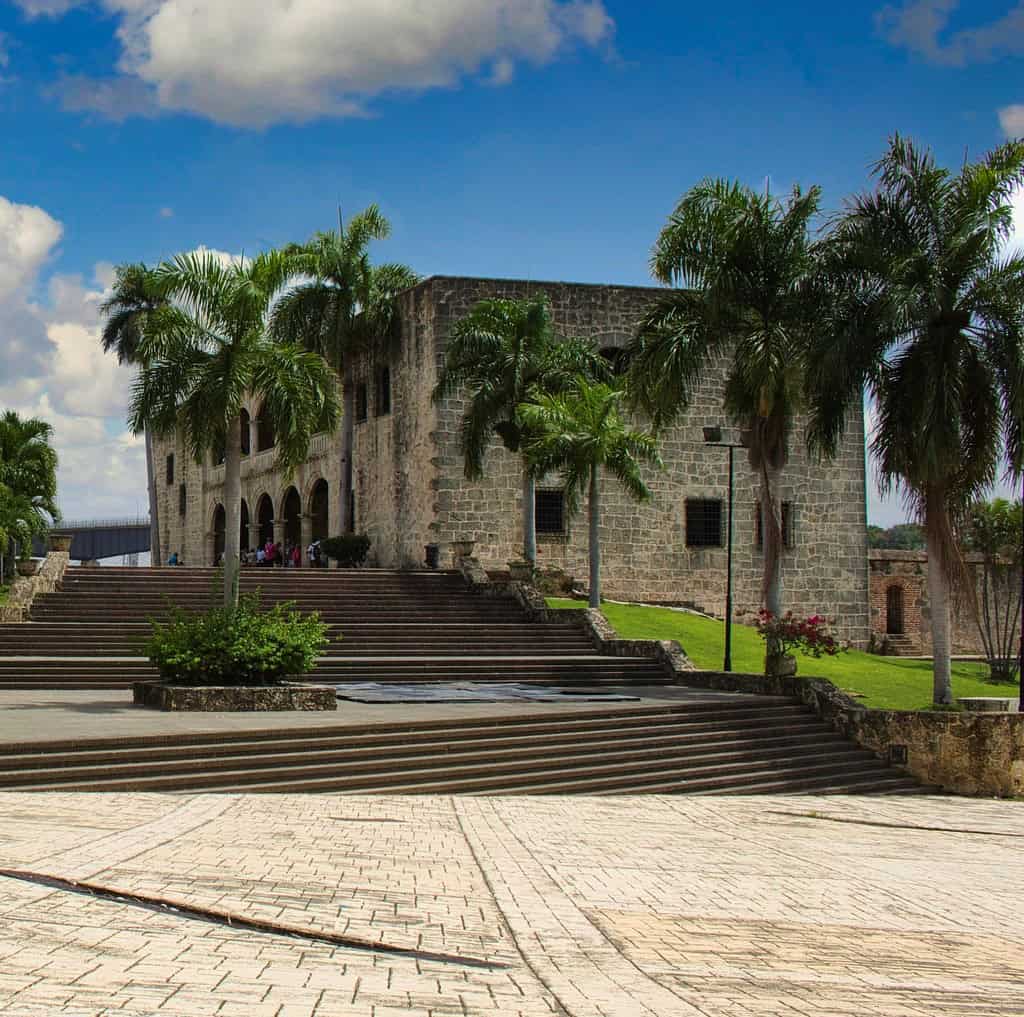
Alcázar de Colón in Santa Domingo

Altos De Chavon

Cathedral of Santa María la Menor in Santo Domingo

Cayo Levantado
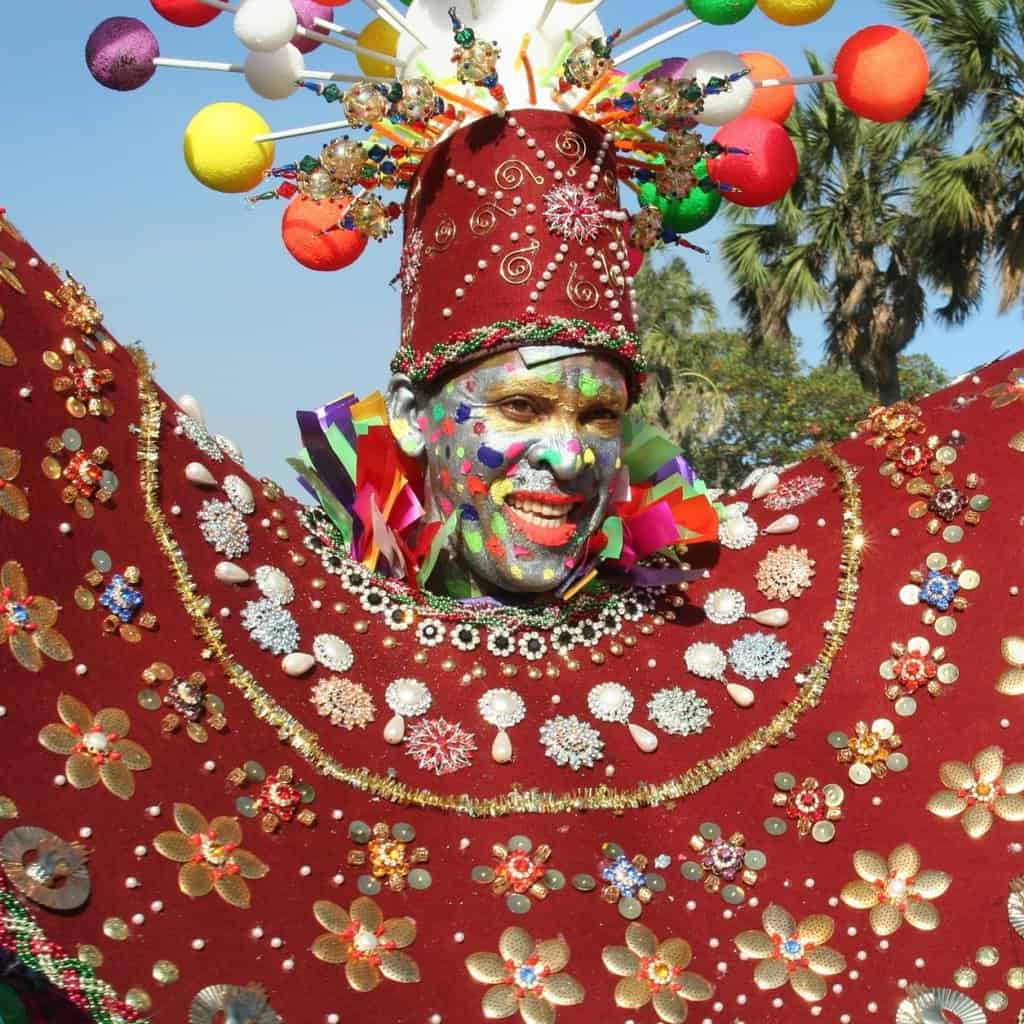
The Carnival Festival
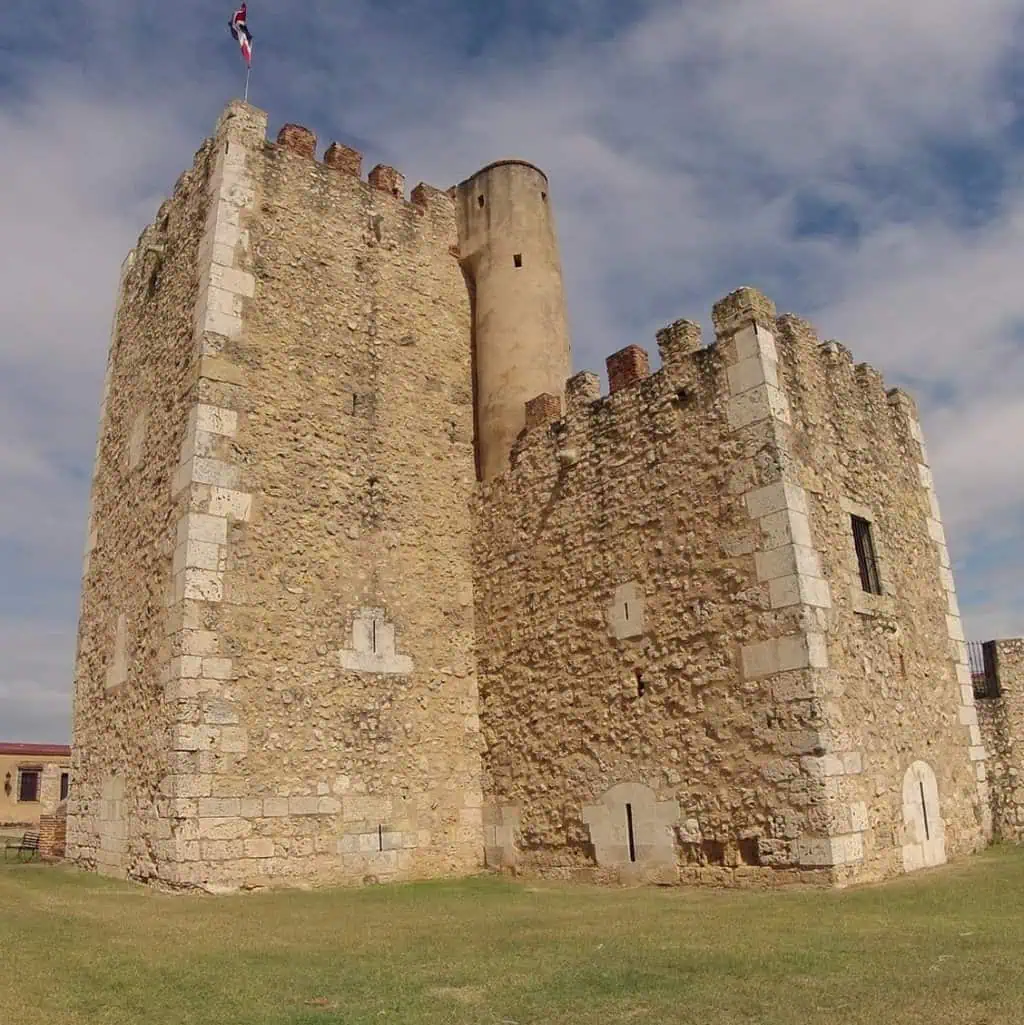
Fortaleza Ozama in Santo Domingo

Puerto Plata Cable Car

Mount Isabel de Torres

Punta Cana
If you are looking for some more fun things to see and do while you are in the Dominican Republic, I have linked to my article on the Top Things to Do in the Dominican Republic below.
Popular Cities

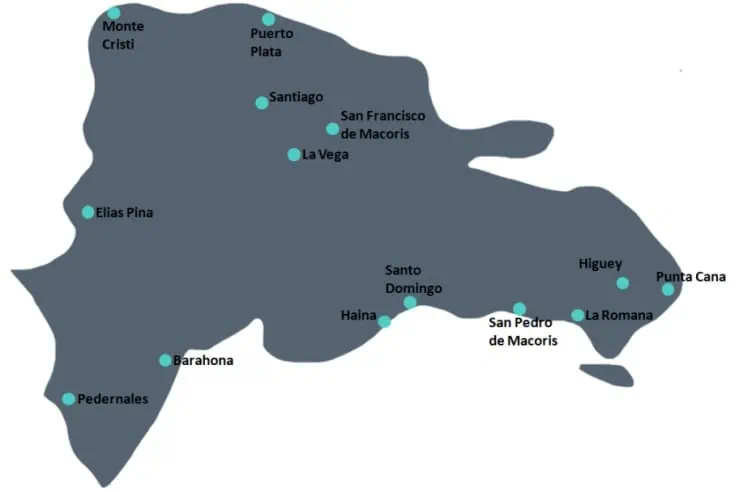
As you start planning your Dominican Republic travel, you will want to familiarize yourself with the country’s largest and most popular cities (which are not always one and the same).
This is not only to see if you would like to visit and tour these cities but also because they will typically be your ports of entry and transportation hubs as you visit them on your trip. To help you with this, I have included a map of some of the key cities within the Dominican Republic that you will want to become familiar with below.
Languages Spoken
According to Homeschool Spanish Academy, the primary language spoken in the Dominican Republic is a variation of Spanish known as Dominican Spanish. This language is spoken by roughly 85% of the population in the Dominican Republic, which makes knowing Spanish very useful when visiting the country. A full breakdown of the different languages spoken in the Dominican Republic is listed below.
- Dominican Spanish (85% of the population)
- Haitian Creole (2%)
- Samana English (1%)
- Chinese (0.5%)
- Japanese (0.1%)
- Italian (0.1%)
- Other (11%)
Currency
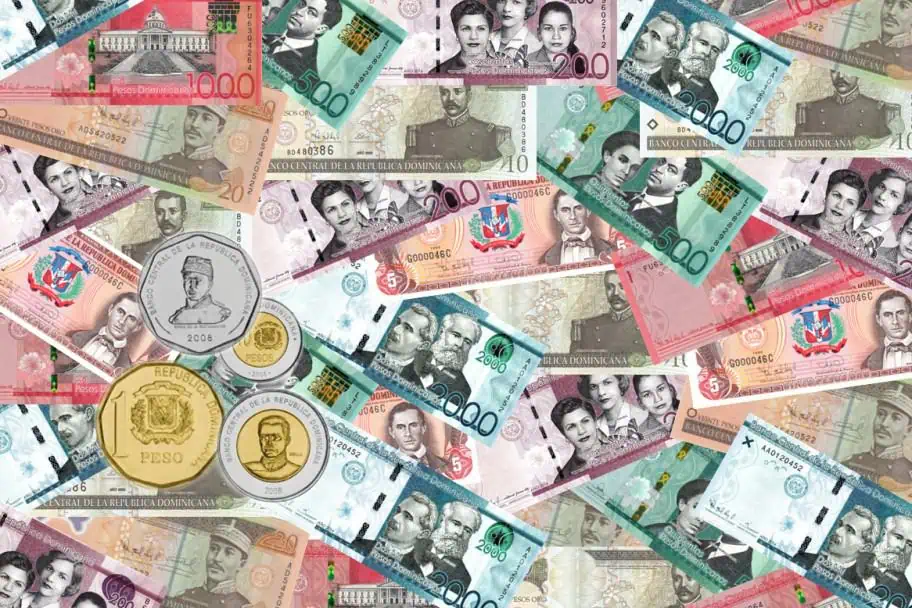
The official currency in the Dominican Republic is the Dominican Peso (DOP). One Dominican Peso is made up of 100 cents, or centavos. However, centavos coins are very rare nowadays because of their low value. Every now and then, you will see a 50 centavos coin, but not often. The more common denominations for coins are 1, 5, 10, and 25 pesos coins.
The Dominican Peso also comes in bank notes, with denominations for bank notes being 50, 100, 200, 500, 1,000, and 2,000 pesos notes.
Power Adapters Required

One of the most overlooked aspects of international travel is ensuring you have the proper power adapters. You may or may not be aware that both the voltage and the type of outlet available differ widely from one region of the world to the next. If you aren’t prepared, you won’t be able to charge your electronic devices as you travel.
Even worse, you may damage or even destroy your electronic devices if you don’t have the right adapter with a voltage converter. Electricity supplies worldwide can vary from anything between 100V and 240V. It can be extremely dangerous to use an electrical appliance that is rated at a voltage different from the supply.
To ensure that this doesn’t happen to you, I have included some critical information on the electrical system in the Dominican Republic for you to review below. This includes what types of international power adapters you should bring with you on your trip.
Electrical Voltage in the Dominican Republic
In the Dominican Republic, the voltage of the electrical supply is 120V. This is the same voltage used in the United States. If you have an appliance that is single voltage rated, the voltage rating of the device must be 120V for you to use it without a voltage converter. When shopping for a travel power adapter, it is important to confirm that the adapter you choose has a voltage converter included and isn’t just an adapter.
A power adapter will change the type of plug from one type to another so that you can plug into different outlets. However, a simple power adapter will not change the voltage of the supply to the voltage used by the devices you brought from home (220V-230V in many parts of the world). You will need a travel power adapter with a voltage converter to do that.
Electrical Outlets in the Dominican Republic
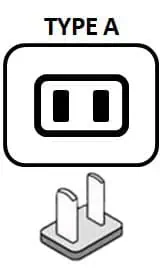
In the Dominican Republic, the two types of electrical plugs used are Type A and Type B. The Type A plug is the type with two parallel flat pins. Meanwhile, the Type B plug has two parallel flat pins and a grounding pin. Please see the illustrations of the Type A and Type B plugs below to better understand what they look like. These are the same plugs that are typically used in the United States.

Emergency Contact
In case of an emergency when traveling in the Dominican Republic, dial 9-1-1 from any telephone to reach the local emergency services.
Visa, Passport, and Immunization Info

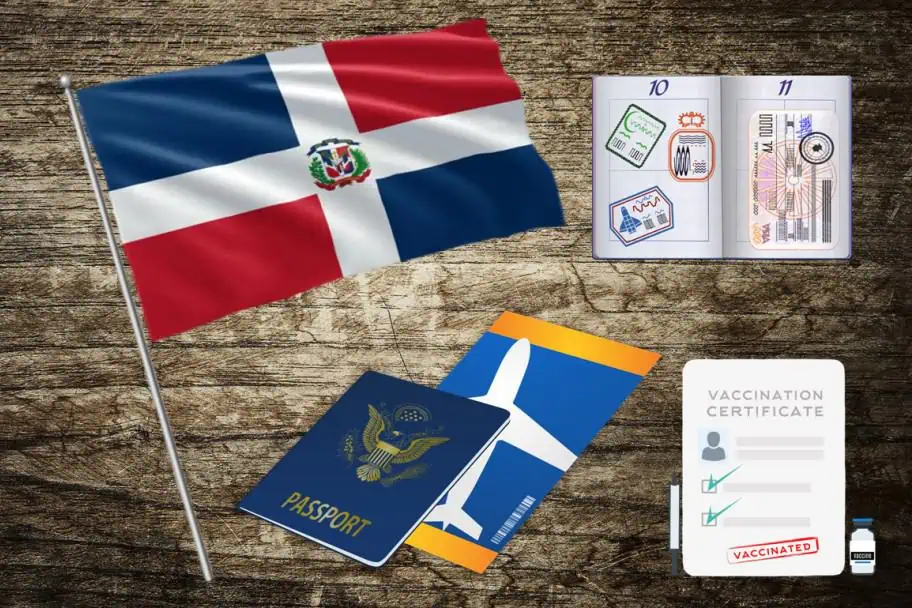
Before you embark on your Dominican Republic adventure, it is important to make sure you understand the current passport, visa, and immunization requirements for entering the country. Rather than listing those requirements here, I have put together a detailed entrance requirements guide that will walk you through everything you need to know before you travel. You can access that guide using the link below.
Key Phrases
As a part of your Dominican Republic travel preparation, you will need to prepare yourself for how they talk in the Dominican Republic so that you can understand the dialog as you interact with local residents and other travelers. This includes understanding key phrases so that you can ask for things, respond to others, and get around the country much more easily.
Here are some common phrases that you may need to use while visiting the Dominican Republic:
Greetings and Introductions
- My name is… – Me llamo…
- What is your name? – ¿Cómo te llamas?
- Hello – Hola.
- How are you? – ¿Cómo estás?
- I’m fine, thanks – Estoy bien, ¡gracias!
- Nice to meet you – Mucho gusto.
- Good morning – Buenos días.
- Good afternoon – Buenas tardes.
- Good night – Buenas noches.
- See you later – Hasta luego.
- See you tomorrow – ¡Hasta mañana!
Asking for Directions
- I am lost – Estoy perdido/a.
- To the right – A la derecha.
- To the left – A la izquierda.
- Stop (verb) – Pare.
- Stop (noun) – Parada.
- Where is the bathroom? – ¿Donde esta el baño?
- Can you give me directions to… – ¿Puedes darme direcciones para…?
- Where is the…? – Dónde está (el/la)…?
Everyday Phrases
- Do you speak English? – ¿Habla inglés?
- I don’t speak Spanish – No hablo español.
- Can I take your picture? – ¿Le puedo tomar una foto?
- Can you take my picture? – ¿Me puedes tomar una foto?
- Please – Por favor.
- Excuse me – Disculpe.
- Thank you -Gracias.
- You’re welcome – De nada.
- I am …. years old – Yo tengo … años.
- Excuse me – ¡Perdone!
- Can you speak more slowly? – ¿Puede hablar más despacio?
Shopping
- Do you have any…? – ¿Usted tiene alguna…?
- I would like to purchase…. – Me gustaría comprar….
- I would like to order… – Me gustaría pedir….
- How much does this cost? – ¿Cuánto cuesta esto?
- The bill, please – La cuenta, por favor.
Emergency Assistance
- Help me! – ¡Socorro!
- I need a doctor – Necesito un doctor.
- I need a pharmacy – Necesito una farmacia.
- Where is the tourism police – ¿Dónde está la oficina de la Policía de Turismo?
- I have an emergency – Tengo una emergencia.
Driving Info

Most travelers who visit the Dominican Republic rely on car transfer services or tours that include transportation to get around. Sometimes, that is the easier and less stressful option. However, renting a car may be a convenient option depending on where you are going and what you want to see. If you are interested in driving while you are in the Dominican Republic, I have provided some tips for you to review below.
License Requirements
You must be 18 years or older to drive a vehicle in the Dominican Republic. While it may not be mandatory to have one, it is strongly recommended that you obtain an International Driver’s Permit (IDP) before traveling to the Dominican Republic. In addition to the IDP, you will need to carry both your local driver’s license and your passport with you at all times while driving.
IMPORTANT NOTE: Even with this IDP, you will need to have your regular license and your passport with you as well.
Driving Tips
Before you depart for your trip, you will want to familiarize yourself with the following tips for driving in the Dominican Republic.
- If you are planning to make a left turn, pay attention to the road before making your turn. Other cars may still pass you on the left-hand side of your vehicle.
- Be aware of and look for pedestrians at all times. They may try to cross the road even when they don’t have the right of way.
- Be cautious when driving at night, especially in rural areas. Sometimes the roads can be very rough and have big potholes.
- The gas stations in the Dominican Republic are sparse and spread out. So, make sure you fill up on gas every time you see a gas station. You don’t know when you will see the next one.
- There are tolls on all of the main roads from Santo Domingo.
- If you encounter a police or military checkpoint, make sure you stop and comply with all instructions. Typically, they are just checking to ensure you have the proper documentation.
Traffic Laws
The final and arguably the most important things that you will need to know before driving in the Dominican Republic are the driving laws and regulations. For your convenience, I have included some of the most important regulations for you to review below.
- Seat belts are mandatory for all occupants of the vehicle.
- The allowable blood alcohol level is 0.05%.
- You are not allowed to use a mobile phone while driving unless it is in hands-free mode.
- You are allowed to make a right turn on a red light after stopping.
- The right of way always goes to the vehicle on the bigger street.
- Speed limits are typically as follows:
- Within a City – 40 km/h (25 mph)
- Outside City Limits – 80 km/h (50 mph)
- On Major Highways – 120 km/h (75 mph)
Relative Guides, Itineraries, and Articles
To assist you as you start to put together your travel plans for the Dominican Republic, I have provided a comprehensive list of all of my travel guides, travel itineraries, and travel inspiration articles for the Dominican Republic for you to review below.

Packing and Planning Tips
Once you start putting together your Dominican Republic travel plans, you may want to reference some of my handy travel packing and planning guides that I have put together. To make it easy to find and access these guides, I have included them for your reference below.







Popular Tours
The Dominican Republic is a treasure trove of stunning landscapes and vibrant culture, making it a top destination for adventurers and leisure seekers alike. Among the most popular tours, visitors often rave about the exhilarating zip-lining experiences in the lush jungles. The picturesque water activities in Punta Cana, where you can dive into crystal-clear waters, are also a massive hit. Whether you’re seeking adrenaline-pumping adventures or immersive cultural experiences, the Dominican Republic has a tour that caters to every traveler’s desire.
Don’t Forget to Subscribe to My Adventures!

Let Me Help You Save On Your Next Adventure!
‘Start Exploring Today’ Merchandise Available Now!
 |
 |
 |
 |
 |
 |
 |
Leave a Reply