Brazil Travel
LAST UPDATED: 6/22/26 – Brazil Travel Planning
Few other countries offer as incredible a mix of vibrant culture, stunning landscapes, and diverse wildlife as Brazil. From the bustling streets of Rio de Janeiro, where the iconic Christ the Redeemer statue overlooks the city, to the lush Amazon rainforest teeming with life, Brazil is a destination that captivates the senses. If you are in the process of making Brazil travel plans, you have come to the right place.
Each region of Brazil presents its own unique charm, making it a country that invites exploration and adventure. To start, the natural beauty of Brazil is nothing short of breathtaking. The pristine beaches of Bahia provide the perfect backdrop for relaxation and water sports. Meanwhile, the majestic Iguazu Falls and the incredible Pantanal wetlands offer a thrilling encounter with nature. This dynamic blend of nature, culture, and adventure makes Brazil a must-visit destination for any traveler.

Please use this Brazil travel page as you plan your next adventure. To help you navigate the information I have included on this page, I have provided a quick navigation menu for you to use below. This will make it fast and easy for you to see which top destinations I recommend, which popular parks and destinations in Brazil you should consider visiting, and links to all of the travel guides, itineraries, and packing articles I have written to help you plan your adventure.
I have also included some key information you will need when planning your travel to Brazil. This includes information such as the languages spoken, the currency used, emergency contact numbers to be aware of, visa and passport considerations, required vaccinations, and important driving information (if you plan on driving while on your visit).


Top Things to See
Before planning your Brazil travel, check out my gallery of the top things to see in the country below for inspiration. There is so much to see and do in the country, so you won’t want to miss out on the top sights!

São Paulo
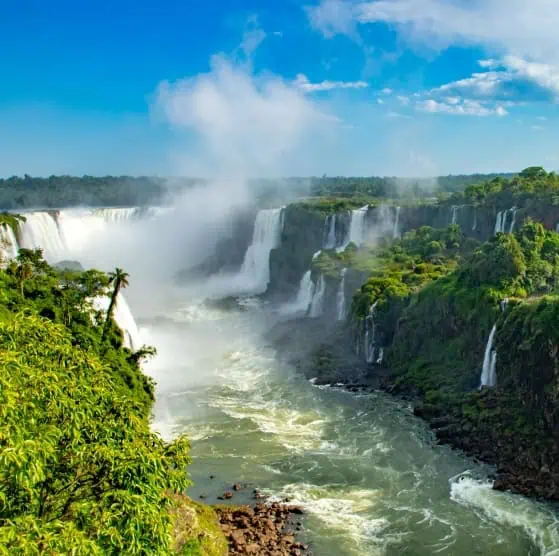
Iguazu Falls

Recife
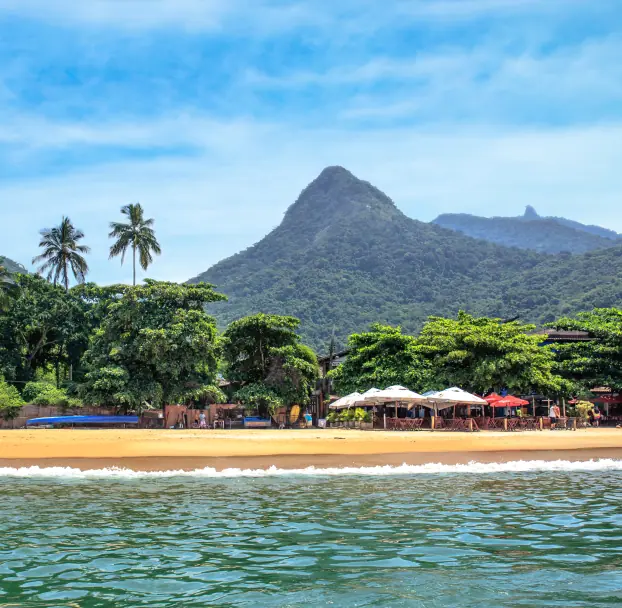
Ilha Grande
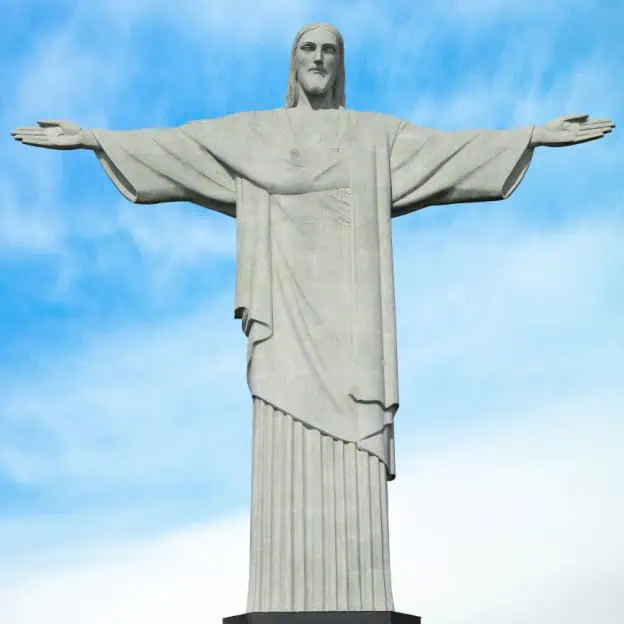
Rio de Janeiro

The Pantanal
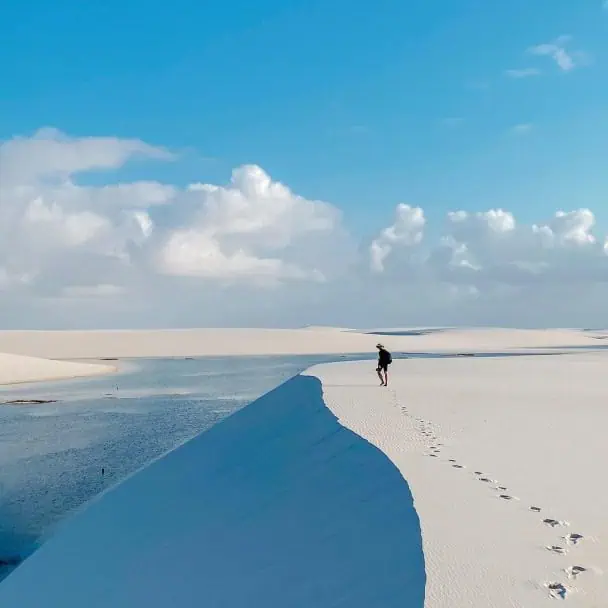
Lencois Maranhenses National Park

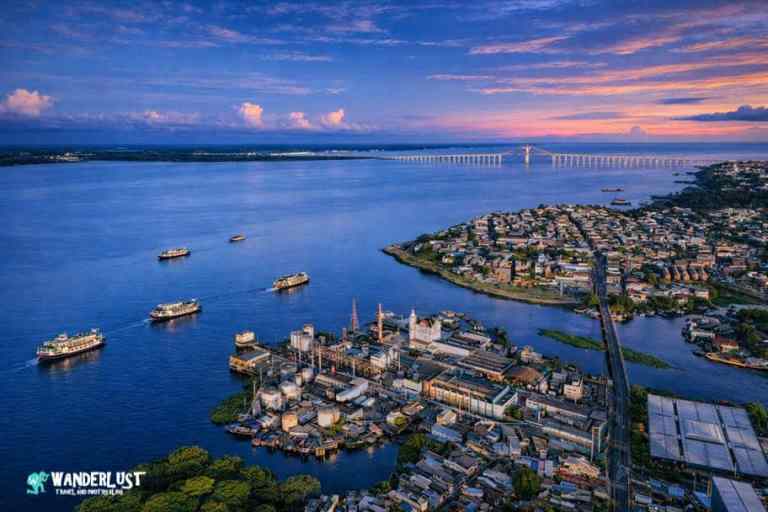
The Amazon Rainforest
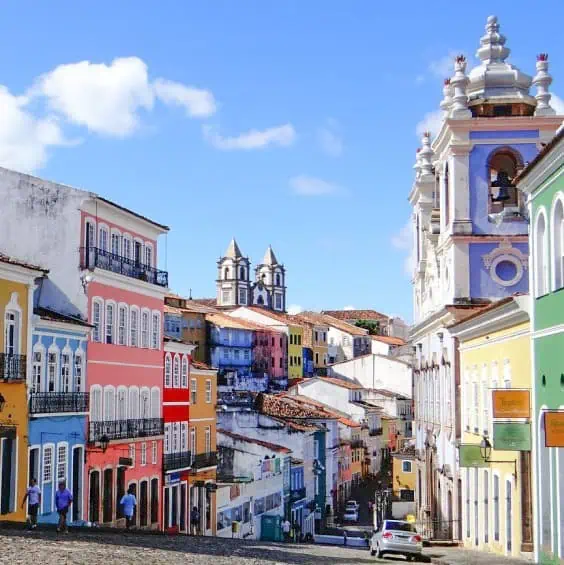
Salvador
If you are looking for some more fun things to see and do while you are in Brazil, I have linked to my article on the Top 15 Things to Do in Brazil below.
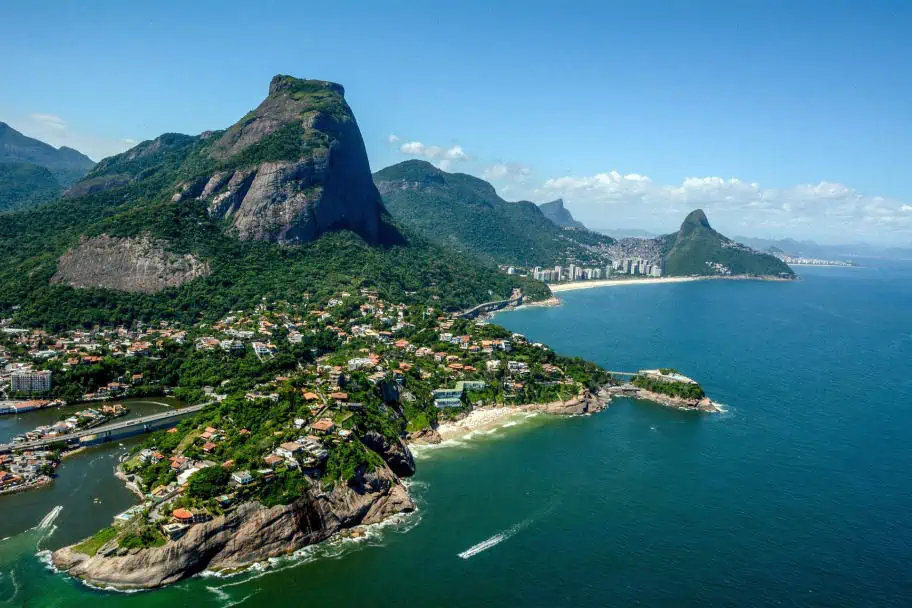
Popular Cities
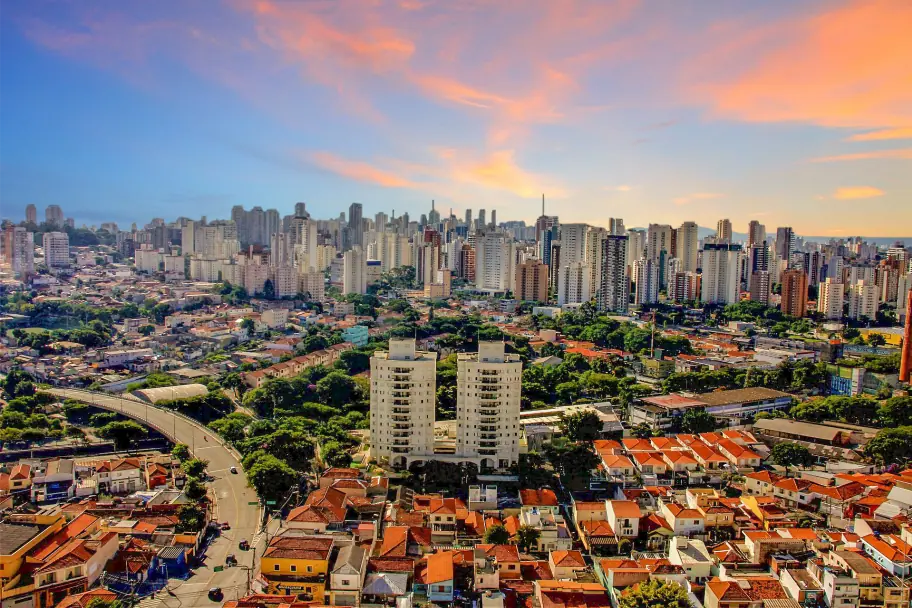
As you start planning your Brazil travel, you will want to familiarize yourself with the country’s largest and most popular cities (which are not always one and the same).
This is not only to see if you would like to visit and tour these cities, but also because they will typically be your ports of entry and transportation hubs as you visit them on your trip. To help you with this, I have included a map of some of the key cities within Brazil that you will want to become familiar with below.

Languages Spoken
The official language spoken in Brazil is Portuguese, which is widely spoken by nearly the entire population of the country. In fact, Brazil is the most populous Portuguese-speaking country in the world. After Portuguese, the most commonly spoken languages in Brazil include Spanish, English, and German. The following list shows how many people in Brazil are estimated to speak each of these languages.
- Portuguese – 208.31 million speakers.
- Spanish – 6.38 million speakers.
- English – 8.50 million speakers.
- German – 2.13 million speakers.
Currency

The official currency in Brazil is the Brazilian real (BRL). The symbol of the Brazilian real is R$. One Brazilian real is made up of 100 cents, or centavos. Brazilian banknotes are printed in denominations of 2 reals, 5 reals, 10 reals, 20 reals, 50 reals, 100 reals, and 200 reals. Meanwhile, Brazilian coins are minted in denominations of 5 centavos, 10 centavos, 25 centavos, 50 centavos, and 1 Brazilian real.
Power Adapters Required

One of the most overlooked aspects of international travel is ensuring you have the proper power adapters. You may or may not be aware that both the voltage and the type of outlet available differ widely from one region of the world to the next. If you aren’t prepared, you won’t be able to charge your electronic devices as you travel.
Even worse, you may damage or even destroy your electronic devices if you don’t have the right adapter with a voltage converter. Electricity supplies worldwide can vary from anything between 100V and 240V. It can be extremely dangerous to use an electrical appliance that is rated at a voltage different from the supply.
To ensure that this doesn’t happen to you, I have included some critical information on the electrical system in Brazil for you to review below. This includes what types of international power adapters you should bring with you on your trip.
Electrical Voltage in Brazil
In Brazil, they operate on a 127/220V supply voltage and 60Hz. While the power supply in Brazil is 127V, some of the newer hotels operate at 220V. If you have an appliance that is single-voltage rated, the voltage rating of the device must be 220V for you to use it without a voltage converter. When shopping for a travel power adapter, it is important to confirm that the adapter you choose has a voltage converter included and isn’t just an adapter.
A power adapter will change the type of plug from one type to another so that you can plug into different outlets. However, a simple power adapter will not change the voltage of the supply to the voltage used by the devices you brought from home (120V in the United States). To do that, you will need a travel power adapter with a voltage converter.
Electrical Outlets in Brazil
In Brazil, the two types of electrical plugs used are Type C and Type N. The Type C plug is the one that has two round pins. Meanwhile, the Type N plug is the one that has two round pins and a grounding pin. Please see the illustrations of the Type C and Type N plugs below to better understand what they look like.


Emergency Contact
In case of an emergency when traveling in Brazil, you should be aware of the following emergency service numbers.
- 190 – Military Police.
- 191 – Federal Highway Police.
- 192 – Ambulance.
- 193 – Fire Department.
Visa, Passport, and Immunization Info

Before booking your Brazil travel, you will want to be sure that you meet all of the necessary passport, VISA, and immunization requirements so that you can ensure you will be allowed into the country. To assist you, I have listed the requirements you will need to consider below for you to review.

Key Phrases
As a part of your Brazil travel preparation, you will need to prepare yourself for how they talk in Brazil so that you can understand the dialog as you interact with local residents and other travelers. This includes understanding key phrases so that you can ask for things, respond to others, and get around the country much more easily.
Here are some common phrases that you may need to use while visiting Brazil:
Greetings and Introductions
- My name is… – Meu nome é…
- What is your name? – Qual o seu nome?
- Hello – Olá.
- How are you? – Como vai você?
- I’m fine, thanks – Eu estou bem, obrigado.
- Nice to meet you – Prazer em conhecê-lo.
- Good morning – Bom dia.
- Good afternoon – Boa tarde.
- Good night – Boa noite.
- See you later – Até mais.
- See you tomorrow – Vejo você amanhã.
Asking for Directions
- I am lost – estou perdido.
- To the right – Para a direita.
- To the left – Para a esquerda.
- Stop (verb) – Parar.
- Where is the bathroom? – Onde fica o banheiro?
- Can you give me directions to… – Você pode me dar instruções para…
- Where is the…? – Onde está o…?
Everyday Phrases
- Do you speak English? – Você fala inglês?
- I don’t speak Spanish – eu não falo português.
- Can I take your picture? – Posso tirar uma foto sua?
- Can you take my picture? – Você pode tirar minha foto?
- Please – Por favor.
- Excuse me – Com licença.
- Thank you -Obrigado.
- You’re welcome – De nada.
- I am …. years old – Eu sou …. anos.
- Can you speak more slowly? – Você consegue falar mais devagar?
Shopping
- Do you have any…? – Você tem algum…?
- I would like to purchase…. – gostaria de comprar….
- I would like to order… – gostaria de fazer o pedido…
- How much does this cost? – Quanto custa isso?
- The bill, please – A conta, por favor.
Emergency Assistance
- Help me! – Me ajude!
- I need a doctor – Eu preciso de um médico.
- I need a pharmacy – Eu preciso de uma farmácia.
- Where is the tourism police – Onde está a polícia de turismo?
- I have an emergency – Estou em uma situação de emergência.
Driving Info
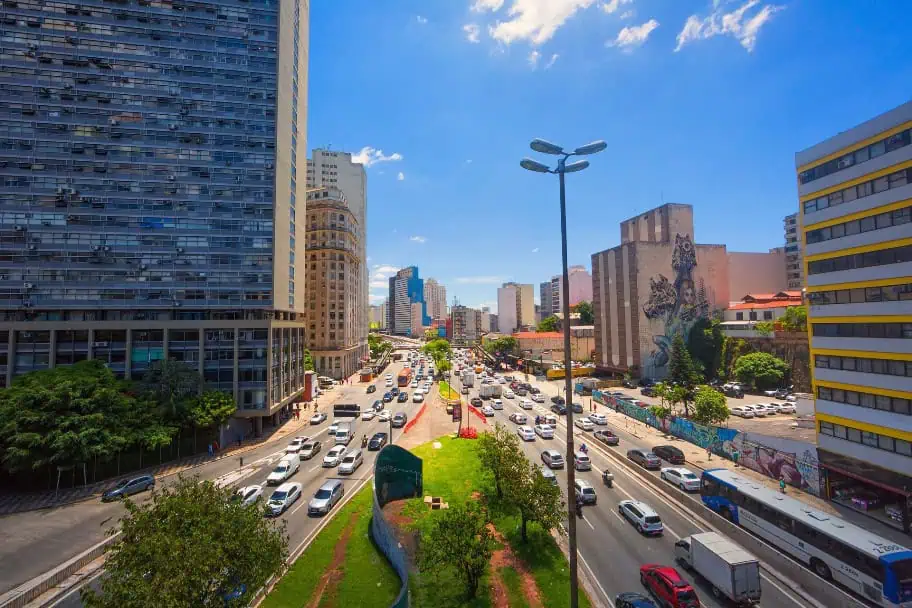
Most travelers who visit Brazil rely on car transfer services, ride-share services, or tours that include transportation to get around. In fact, the Uber ride-share service is a great way to get around while visiting Brazil. I used Uber quite a bit, and it worked wonderfully. However, renting a car may be a convenient option in some circumstances. If you are interested in driving while you are in Brazil, I have provided some tips for you to review below.
License Requirements
You must be 18 years or older to drive a vehicle in Brazil. Having an International Driver’s Permit (IDP) to drive in Brazil is not mandatory if you will be visiting for 180 days or less. However, obtaining an IDP before visiting Brazil may be a good idea to be safe. In addition to the IDP, you must always carry your local driver’s license and your passport with you while driving.
Important Note: Even with this IDP, you will need to have your regular license and passport with you.
Driving Tips
Before you depart for your trip, you will want to familiarize yourself with the following tips for driving in Brazil.
- Roads that connect one state to another are federal highways known as BR-000, in which “000” should be replaced by another three-digit number.
- If this number starts with 0, then the highway starts at Brasília and runs towards the extremes of the country.
- Highways starting with 1 run north-south.
- Highways starting with 2 cross the country from east to west.
- Highways starting with 3 run northwest-southeast or northeast-southwest.
- State highways that run within a single state will start with the two-letter code of the state (e.g., SP-101 stands for São Paulo State Highway 101) instead of the “BR”.
- Roads in some cities may be toll roads, and the cost can vary from R$1,50 to R$20,00 depending on the road.
- If you are planning to make a left turn, pay attention to the road before making your turn. Other cars may still pass you on the left-hand side of your vehicle.
- Be aware of and look for pedestrians at all times. They may try to cross the road even when they don’t have the right of way.
- Many Brazilian streets and sometimes even highways have speed bumps. These speed bumps are typically clearly marked, so be mindful to look out for them.
- Driving at night may be dangerous in less developed areas of Brazil due to the lack of visibility and street lights. It is always best to avoid stopping at red lights in these areas due to the risk of being robbed.
- If someone hits your vehicle at night, it may be a criminal trying to get you to stop. Try leading them to a place with more people (say, a police station, a hospital, or a 24-hour gas station).
Traffic Laws
The final and arguably the most important things that you will need to know before driving in Brazil are the driving laws and regulations. For your convenience, I have included some of the most important regulations for you to review below.
- Stop signs are the red octagonal signs found in most of the world, with the text “PARE” meaning stop in Portuguese.
- The “give way” or “yield” sign is displayed in an equilateral, red-edged triangle pointed downwards.
- Unless posted otherwise, the speed limits in Brazil are typically as follows:
- Residential/local streets: 30 km/h.
- Multi-lane avenues: 60 km/h.
- Highways (urban areas): 80 km/h for light vehicles, 60 km/h for heavy vehicles.
- Highways (rural areas): 110 km/h for light vehicles, 80 km/h for heavy vehicles.
- Traffic lights in Brazil typically mean the following:
- Red: Stop and stay stopped until the light changes. It is illegal to turn right on Red in Brazil unless a direita livre sign is placed next to the traffic light.
- Red Arrow: Traffic in the direction of the arrow must stop.
- Yellow: Stop unless you cannot safely do so, as the light is about to turn Red.
- Flashing Yellow: This means the lights are not working.
- Green: You may proceed unless you block the intersection, in which case you must wait for traffic to clear before proceeding.
- Green Arrow: Traffic in the direction of the arrow may proceed as long as the intersection is clear.
- Red and Green Person: Used at pedestrian crossings. Green means walk, and Red means do not enter the intersection.
- Seat belts are mandatory for all occupants of the vehicle.
- Since 2008, Brazil has practiced a zero-tolerance policy for drunk driving. Any driver with a blood alcohol content (BAC) of up to 0.03% will have their license suspended for 12 months and will be fined BRL 2,934.70. A BAC of over 0.03% is a criminal offense and is subject to jail time.
- The following regulations pertain to driving with children in the vehicle:
- Children under the age of 10: Must always ride in the back seat. If there are more children in the car than can fit in the back seat, the tallest child is allowed to ride in the front seat. This does not apply to children under the age of 1.
- Children under the age of 1: Must ride in rear-facing seats.
- Children between the ages of 1 and 4: Must ride in front-facing seats.
- Children between the ages of 4 and 7: Must use a car booster seat.
Relative Guides, Itineraries, and Articles
To assist you as you start to put together your travel plans for Brazil, I have provided a comprehensive list of all of my travel guides, itineraries, and travel inspiration articles for you to review below.





Packing and Planning Tips
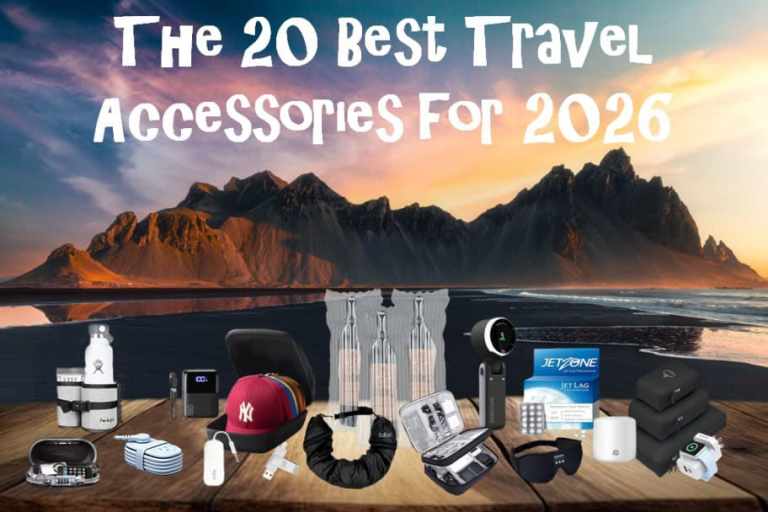
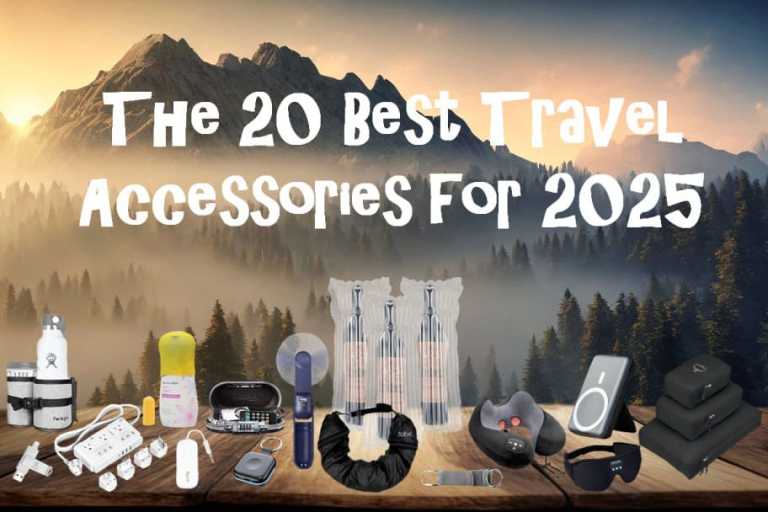
Once you start putting together your Brazil travel plans, you may want to reference some of my handy travel packing and planning guides that I have put together. To make it easy to find and access these guides, I have included them for your reference below.





Popular Tours
Brazil offers an incredible range of popular tours, from exploring the Amazon Rainforest by boat to joining guided hikes through the otherworldly landscapes of Lençóis Maranhenses. Travelers often enjoy Rio de Janeiro city tours, which include Christ the Redeemer, Sugarloaf Mountain, and the vibrant neighborhoods that define the city’s culture.
Adventure‑seekers gravitate toward Iguazu Falls excursions, wildlife‑focused Pantanal safaris, and scenic boat trips along the coast. These guided experiences make it easy to see Brazil’s most iconic landscapes while learning from local experts. I’ve linked to several of the most highly rated and popular tours below so you can explore the best options for your trip.
Don’t Forget to Subscribe to My Adventures!

Let Me Help You Save On Your Next Adventure!
‘Start Exploring Today’ Merchandise Available Now!
 |
 |
 |
 |
 |
 |
 |

You must be logged in to post a comment.