This Natural Bridges National Monument guide post contains my Hotels.com, Expedia, Vrbo, and Viator affiliate links. I may receive a commission when you book a hotel or tour from this article, though at no additional cost to you. I hand-pick and recommend only the hotels and tours that I have thoroughly researched and feel comfortable recommending.
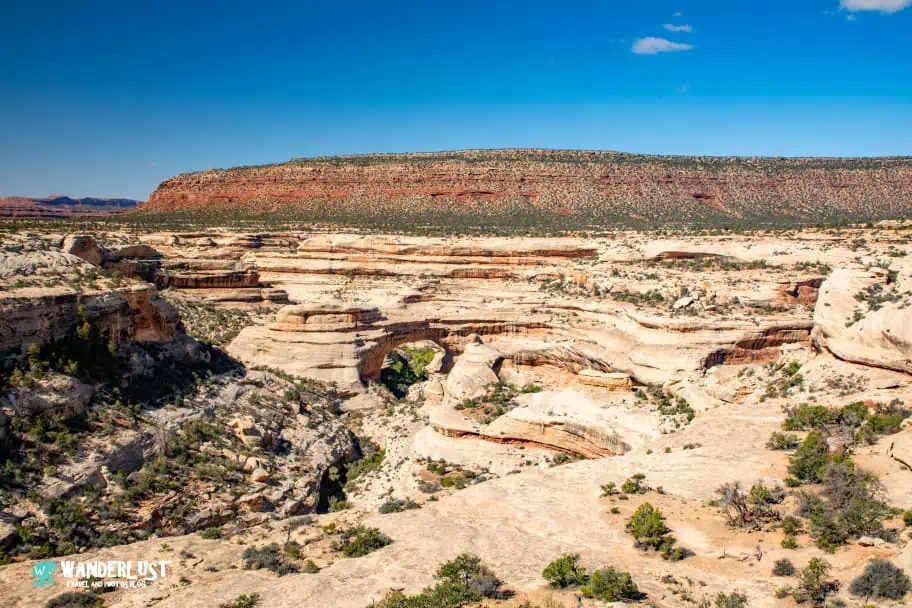
Nestled in southeastern Utah, this remarkable national monument is renowned for its impressive natural rock formations, which have been sculpted by the relentless forces of nature over thousands of years. The main attractions at the site are three magnificent natural bridges—Sipapu, Kachina, and Owachomo—each showcasing unique characteristics and breathtaking views.
However, Natural Bridges National Monument isn’t just known for its beauty. It also provides an opportunity to delve into the area’s rich cultural history. The Ancestral Puebloans, who inhabited this region centuries ago, left behind traces of their existence, including ancient petroglyphs and remnants of their dwellings. Visiting the area is a great way to learn about these early inhabitants and their deep connection to the land.
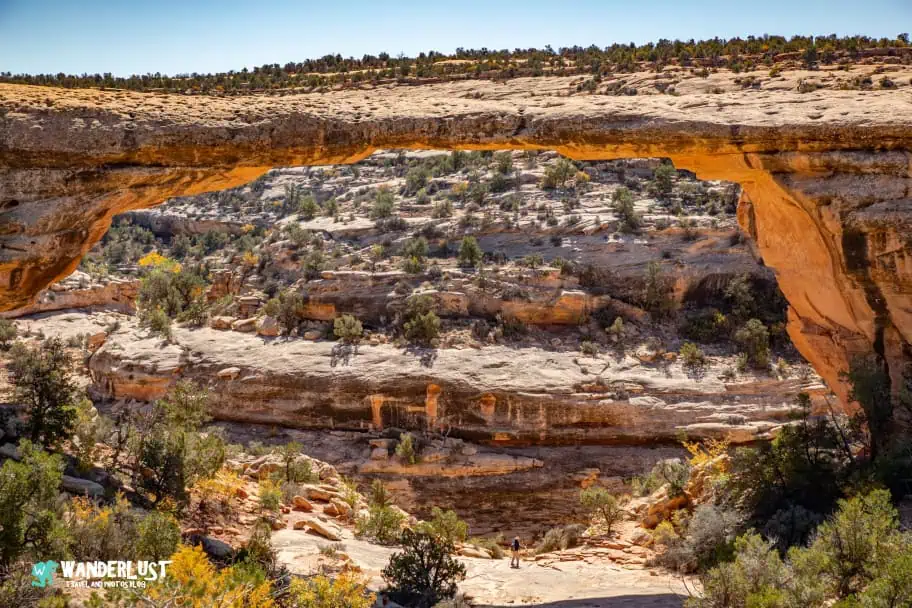
In addition to the geological wonders and historical significance, the Natural Bridges National Monument is a haven for outdoor enthusiasts. The park offers a variety of hiking trails that cater to different skill levels, allowing visitors to explore the diverse ecosystems that thrive in this arid environment.
An All-You-Need Natural Bridges Guide
In my Natural Bridges National Monument guide, I will provide all the information you need to plan a fun and memorable trip to the monument. I explain the best way for travelers to get there from outside the state or outside the country.
I also outline the best times to visit the national monument and highlight the top things to see and do while you are there. Finally, I also give you my suggestions on the best things to see and do outside of the monument while on your trip. With this information in hand, it will be easy to plan a trip to Natural Bridges that you will remember for a lifetime.
Natural Bridges Guide Navigation Menu


How to Get to Natural Bridges National Monument

Natural Bridges National Monument is situated in the southeastern region of Utah, nestled within the stunning landscapes of the Colorado Plateau. This remarkable national monument is approximately 45 miles west of the town of Blanding, Utah. The best way to get to the monument will ultimately depend on where you are visiting from.
For those who are visiting from out of state, the closest major airport is Salt Lake City International Airport (SLC), which is approximately a four-hour drive from the monument. When you rent a car, I suggest getting a vehicle with 4WD as some of the roads in the area can be rough. The other option is to drive to Natural Bridges. This is an attractive option if you have the time because there are so many other incredible sights for you to see in the area.
If you are just starting to plan your trip to Natural Bridges National Monument, you are in luck. I provide you with some guidance on where the monument is located, which cities and other attractions are nearby, and how to get there below.

To understand where the national monument is located in relation to other large cities and attractions in the region, please reference the map and the driving chart I have included in this Mammoth Cave National Park guide below.
Important Note: Natural Bridges National Monument is in the Mountain Standard Time Zone (MST).
Driving Distance from Other Area Attractions
| City\Park | Distance | Drive Time |
|---|---|---|
| Blanding, UT | 40 miles | 0hrs 43min |
| Goosenecks SP | 41 miles | 0hrs 55min |
| Mexican Hat, UT | 42 miles | 0hrs 54min |
| Valley of the Gods | 48 miles | 1hrs 13min |
| Monument Valley | 77 miles | 1hrs 46min |
| Bears Ears NM | 88 miles | 1hrs 36min |
| Canyonlands NP | 105 miles | 1hrs 59min |
| Bullfrog, UT (Glen Canyon NRA) | 109 miles | 1hrs 59min |
| Moab, UT | 113 miles | 2hrs 01min |
| Arches NP | 118 miles | 2hrs 09min |
| Capitol Reef NP | 123 miles | 2hrs 12min |
| Goblin Valley SP | 127 miles | 2hrs 19min |
| Page, AZ | 184 miles | 3hrs 13min |
| Grand Canyon NP | 238 miles | 4hrs 17min |
| Bryce Canyon NP | 250 miles | 4hrs 37min |
| Zion NP | 289 miles | 5hrs 06min |
| Salt Lake City, UT | 325 miles | 5hrs 16min |
| Phoenix, AZ | 379 miles | 6hrs 09min |
| Las Vegas, NV | 466 miles | 7hrs 32min |
| NP = National Park |
| NM = National Monument |
| SP = State Park |
| NRA = National Recreation Area |
Top Things to See in Natural Bridges
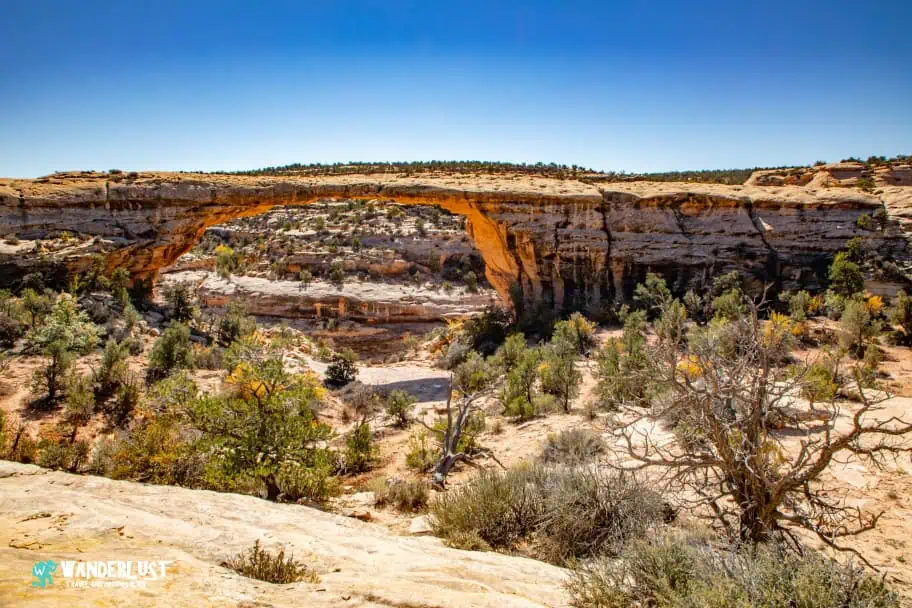
Natural Bridges National Monument offers a captivating array of sights that are sure to leave visitors in awe. One of the most striking features of the park is its three magnificent natural bridges: Sipapu, Kachina, and Owachomo. Each bridge has its own unique characteristics and stories, shaped over millennia by the relentless forces of nature. In addition to the breathtaking bridges, the park is home to a variety of hiking trails that allow visitors to explore the stunning landscape up close.
Wildlife enthusiasts will also find plenty to admire in the national monument. The park is home to a variety of animal species, so be sure to keep a lookout during your visit. Whether you are drawn by the majestic natural bridges, the scenic trails, or the vibrant wildlife, Natural Bridges National Monument promises an unforgettable experience for all who visit. To help you put together your itinerary, I have included my top things to see in Natural Bridges below.
Sipapu Bridge
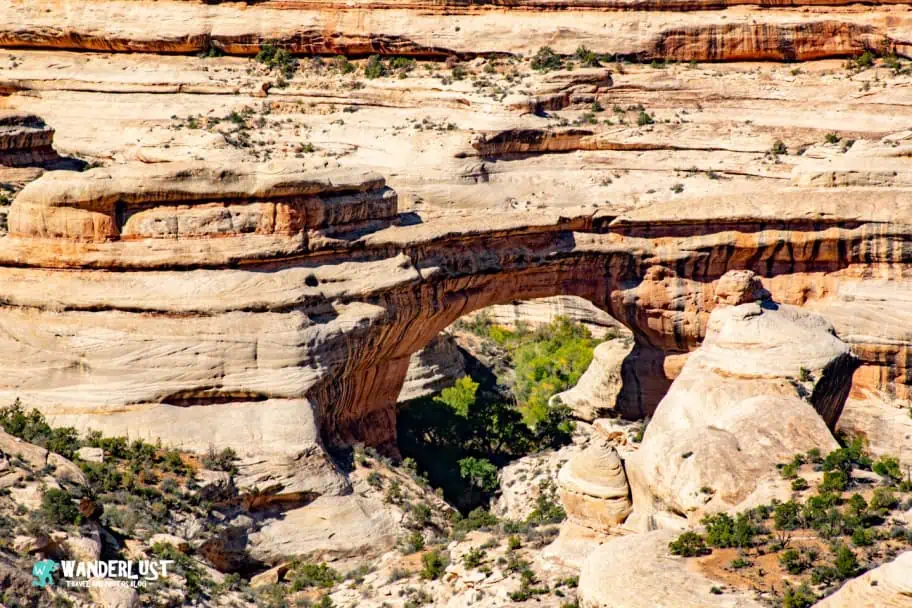
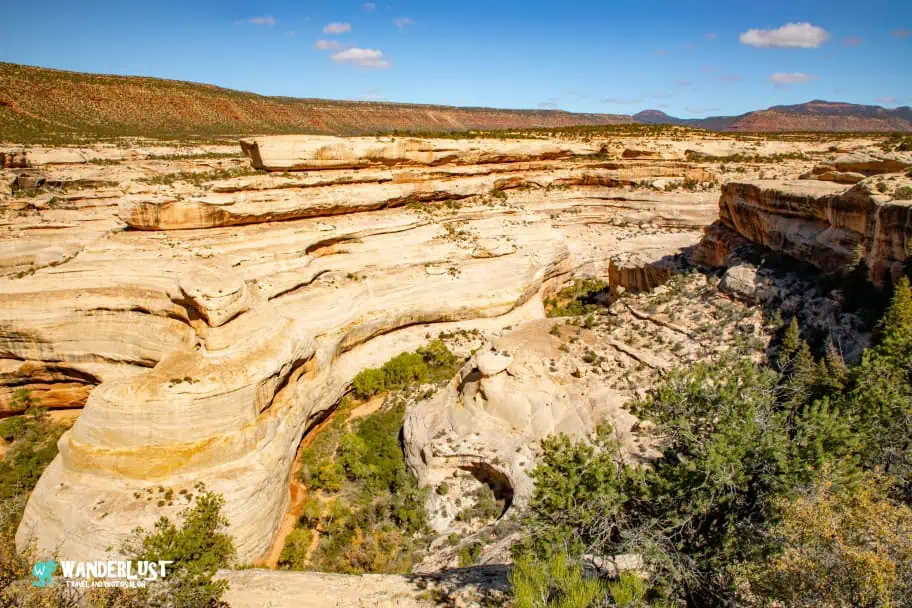
This impressive arch, carved by the relentless forces of nature over millennia, stands as one of the largest natural bridges in the world. Surrounded by a breathtaking landscape of rugged canyons and unique rock formations, Sipapu Bridge offers a striking contrast to the vibrant blue sky above.
Although Sipapu is the largest and most incredible of the three natural bridges within the monument, it isn’t the oldest arch in the monument. That distinction goes to Owachomo. Because of its size and beauty, Sipapu Bridge is a popular attraction for landscape photographers and national park enthusiasts alike.
Horse Collar Ruin Overlook
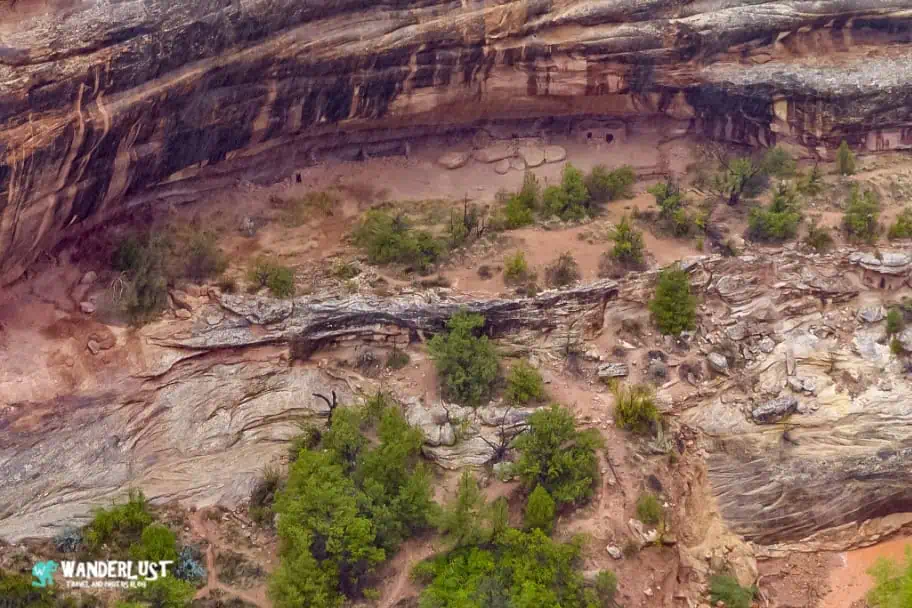
This overlook provides visitors with a unique opportunity to gaze upon the remnants of ancient cliff dwellings of the ancestral Puebloans who once inhabited this region. The site is named for its distinctive shape, reminiscent of a horse collar, which adds an intriguing element to the natural beauty surrounding it. Informational signs along the trail provide insights into the history of the Puebloan people, making it a great stop for those who love learning.
Kachina Bridge

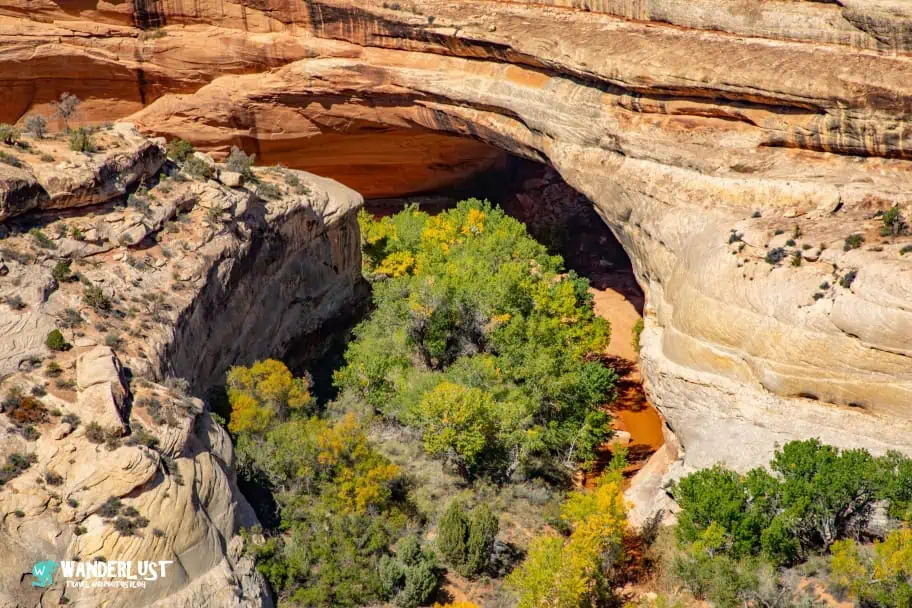
Standing at 210 feet tall and spanning 204 feet, Kachine is considered the “middle bridge” within the Natural Bridges National Monument. While it is larger than Owachomo, it isn’t quite as large as Sipapu. According to the National Park Service website, Government surveyor William Douglas named the bridge upon discovering petroglyphs at the base of the bridge. He assumed the dancing figures he saw in the petroglyphs were Kachina dancers, which is why he gave it that name.
Owachomo Bridge
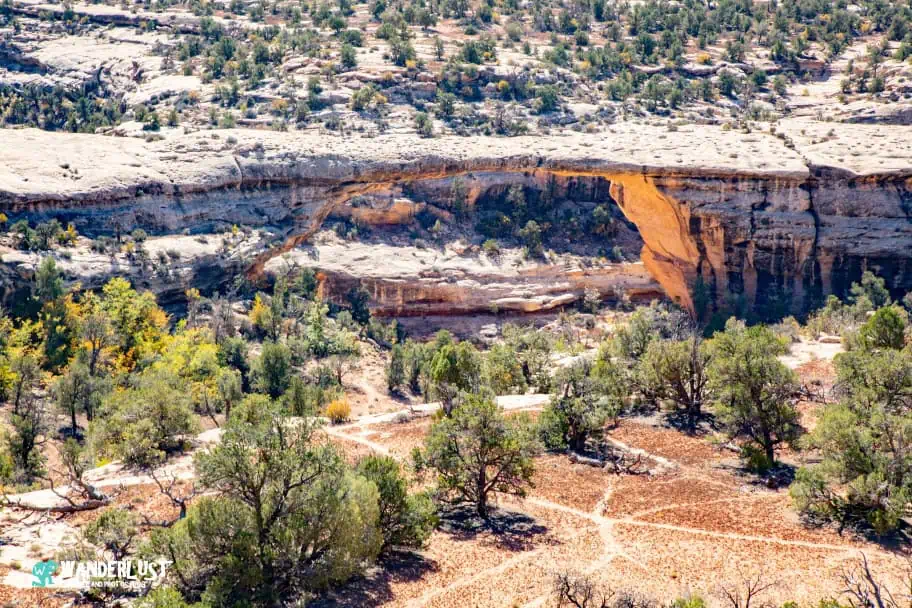
Although the Owachomo Bridge is the smallest and thinnest of the three natural bridges, it is widely thought to be the oldest. The fact that this enormous natural bridge has survived weathering for as long as it has is remarkable. In my opinion, it is also the prettiest of the natural bridges within the monument. For that reason alone, I think it is a must-visit site when coming to the Natural Bridges National Monument.
Bears Ears Butte Viewpoint
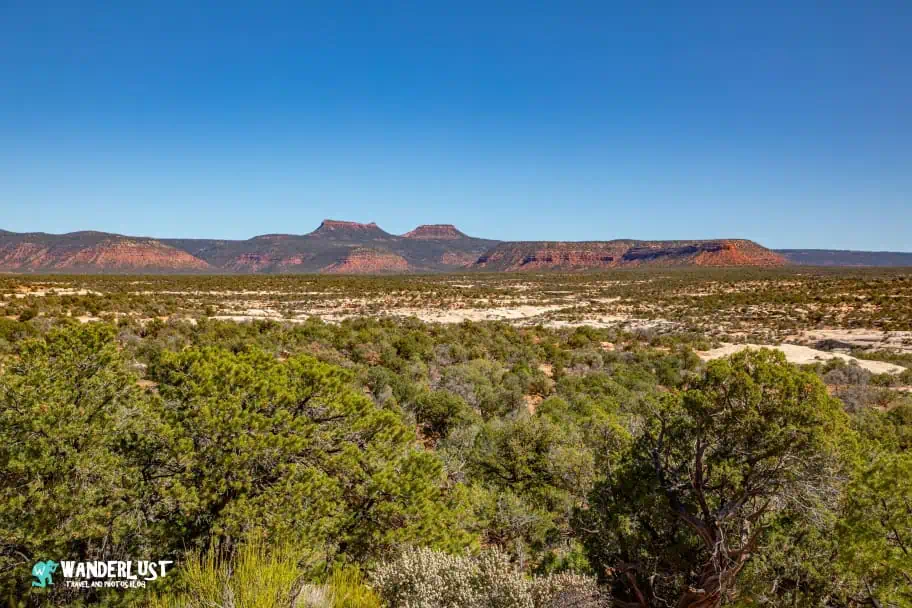
The Bears Ears Buttes are both beautiful and sacred. These buttes and the area that surrounds them have been used by many indigenous people throughout the years for ceremonies, which makes them extremely sacred. While you can spot these buttes from many different places in the area, one of the best spots to see them is from within the Natural Bridges National Monument.
Hiking in the National Monument
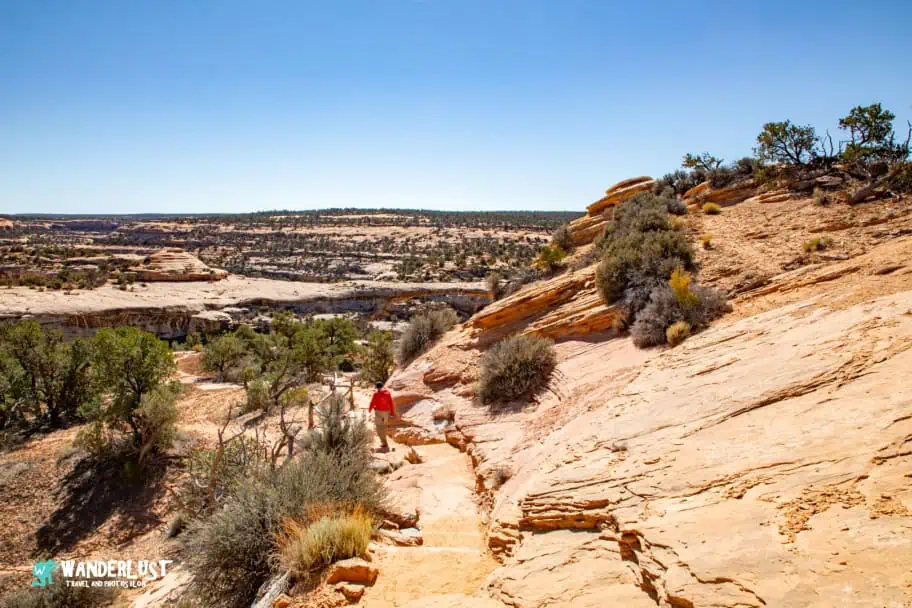
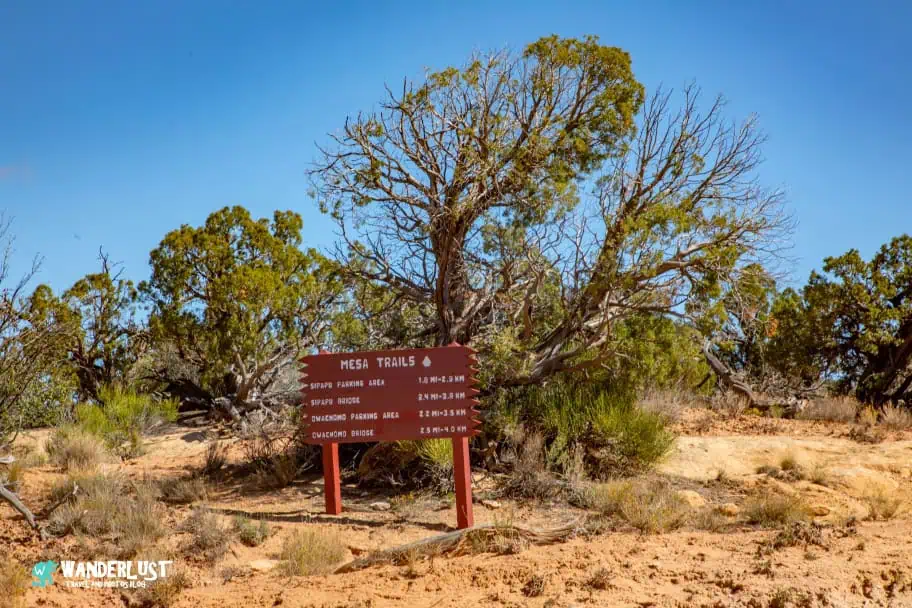
In addition to its beautiful sights, the Natural Bridges National Monument is also home to many incredible hiking trails. These trails are a great way to explore the monument’s impressive rock formations, cultural sights, and diverse wildlife. If you would like to do some hiking during your visit to Natural Bridges, I have included a list of the top trails for you to review below.
Popular Trails in the Natural Bridges National Monument
| Trail Name | Rating | Distance | Elevation |
| Sipapu Bridge | Moderate | 1.2 mi | 403 ft |
| Owachomo Bridge Trail | Moderate | 0.6 mi | 144 ft |
| Sipapu Bridge to Kachina Bridge Loop | Moderate | 5.8 mi | 990 ft |
| Under the Natural Bridges Loop | Difficult | 8.2 mi | 1,023 ft |
| Kachina Bridge Trail | Moderate | 1.3 mi | 436 ft |
| Horsecollar Ruin Trail | Easy | 0.6 mi | 55 ft |
| Kachina Bridge Overlook | Easy | 0.3 mi | 36 ft |
| Natural Bridges Katchina to Owachomo | Difficult | 6.7 mi | 1,003 ft |
| Natural Bridges National Monument Drive | Difficult | 9 mi | 761 ft |
| Sipapu Bridge Viewpoint | Easy | 0.1 mi | 3 ft |
Camping Under the Stars
In March of 2007, the International Dark-Sky Association certified Natural Bridges National Monument as the first International Dark Sky Park. Ever since then, visitors have been flocking to the area to see some of the most breathtaking night skies in the world. In fact, on some nights, you can see up to 15,000 stars in the night sky. It’s neat to sit and enjoy the breathtaking views of the night sky and know that this is how the sky would have looked to the ancestral Puebloans over 800 years ago.
Spot Wildlife

While many who visit Natural Bridges come to see the incredible rock formations, the monument is also home to a diverse array of wildlife for visitors to enjoy. Visitors may encounter nimble mule deer gracefully navigating the rocky outcrops, while the elusive bobcat stealthily prowls through the underbrush. Meanwhile, birdwatchers will delight in spotting the vibrant plumage of the Western Bluebird or the majestic flight of the Red-tailed Hawk soaring overhead.
The monument’s varied landscapes, from sandstone formations to lush riparian zones, support a rich array of flora and fauna. In addition, the park’s unique geological features also provide shelter and nesting sites for numerous bird species, making it a critical habitat for avian life. As the seasons change, so too does the wildlife, with migratory birds passing through and different species becoming more active.
Natural Bridges National Monument Resources
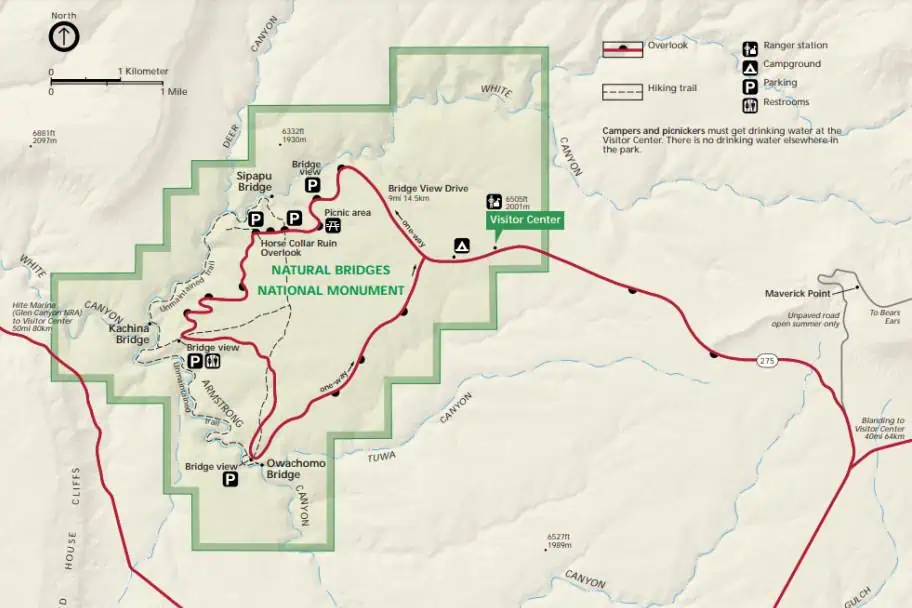
Download the Detailed Park Map
When planning any trip, you can never have too many resources. In addition to the information I have provided you in this guide, I have linked to several other official resources from the US National Parks Service below to plan your trip.
Park Resources
- Fees and Passes
- Permits and Reservations
- Park Regulations
- Maps
- Camping
- Visitor Centers
- Hiking
- Stargazing
- Bird Watching
- Nearby Attractions
- Wildlife in the Park
Best Times to Visit Natural Bridges

Deciding when to visit Natural Bridges National Monument requires consideration of many different factors. While great to visit year-round, the monument offers a different charm throughout the seasons. The best time for you to visit will ultimately depend on what you would like to do when you are there. To help you determine what time of year would be best for you, I have included some important weather and vistitor information for you to review below.
Visiting Natural Bridges in the Spring
As the weather begins to warm up, the landscape transforms into a vibrant tapestry of colors, with wildflowers blooming and the lush greenery coming to life. In addition, the mild temperatures create an ideal environment for hiking and exploring the stunning rock formations that the monument is renowned for.
The spring is also a great time to go hiking in the national monument as wildlife starts to get more active. Not to mention, the nterplay of sunlight and shadows on the rock formations enhances their beauty, making every angle a perfect opportunity for photography. However, you also need to prepare for insects if you plan to visit in the spring. From mid-May to mid-June it is biting gnat season in the area, so packing long pants and a long-sleeve shirt is advised.
Visiting Natural Bridges in the Summer
While the long days make the summer months and appealing time to explore Natural Bridges National Monument, you need to be prepared to visit during the summer. The area routinely gets very hot temperatures during this time of year, which can be uncomfortable if not dangerous if you aren’t prepared. Make sure you have plenty of water with you if you plan to go hiking, bring a hat to shade your head, and make sure to pack sunscreen.
Visiting Natural Bridges in the Autumn
One of my favorite times of the year to visit Natural Bridges National Monument is during the autumn months. As the leaves transform into vibrant hues of red, orange, and gold, the landscape becomes a picturesque canvas that enhances the already remarkable rock formations. In addition, the tranquility of autumn at Natural Bridges offers a serene escape from the hustle and bustle of daily life.
The cooler temperatures make for comfortable hiking conditions, allowing visitors to fully appreciate the intricate details of the natural surroundings. Not only that, but wildlife is often more active during this season, providing opportunities for birdwatching and spotting other creatures that call this area home. Cooler temperatures, smaller crowds, more active wildlife, and a beautiful painted landscape are some of the many reasons to visit Natural Bridges in autumn.
Visiting Natural Bridges in the Winter
Without a doubt, the quietest time of the year to visit Natural Bridges is during the winter. In fact, on some days, it will feel like you have the national monument all to yourself. While the temperatures can get quite chilly during the winter, a fresh snowfall can create a beautiful contrast with the natural rock landscape.
If you do decide to visit during the winter, you should be aware that some of the facilities in the parkland are closed during the winter months. This includes the visitor centers at times. Before you decide to visit during the winter, make sure you have a map of the national monument printed out and are prepared with the necessary clothing to keep you warm.
Average Temperature (°F)
One of the main factors that you will need to consider when planning your trip to Natural Bridges is the temperature. Visitors can expect warm summers, where daytime highs often reach into the 80s and 90s Fahrenheit, creating an inviting atmosphere for outdoor exploration. Conversely, winters can be quite chilly, with temperatures occasionally dipping below freezing, particularly during the night.
Spring and fall serve as transitional periods, offering mild temperatures that are ideal for hiking and sightseeing. During these seasons, daytime temperatures typically hover in the comfortable range of the 60s to 70s, making it a perfect time for visitors to experience the breathtaking views and geological formations without the extremes of summer heat or winter cold. In addition, the changing colors of the foliage in fall and the blooming wildflowers in spring add an extra layer of beauty to the monument.
Average Precipitation (Inches)
Another factor that will influence when you visit the national monument is the amount of precipitation the area gets throughout the year. The climate in this region is characterized by distinct seasonal changes, with rainfall patterns that fluctuate significantly. Throughout the year, the monument receives an average amount of rainfall that plays a crucial role in shaping its natural beauty.
The wettest months typically occur during the spring and early summer, when thunderstorms are more frequent, leading to a lush and vibrant landscape. Conversely, the drier months, often seen in late summer and fall, can result in a more arid appearance, showcasing the stark contrasts that define this remarkable area.
Average Number of Visitors
The final factor that you may want to consider in determining when to visit is the number of other visitors in the park. The average visitor count at Natural Bridges National Monument fluctuates with the seasons, reflecting the diverse activities available and the varying weather conditions that attract different crowds. As you can see in the chart below, the quiestest time in the park is during the winter months of December through February.
As the calendar turns to spring, the park sees more-and-more visitors each month as the weather warms up. The peak season in the park is during the months of April and May. Once summer arrives in June, the number of visitors in the park starts to decline as the repressively hot temperatures arrive. When autumn arrives in September, the national monument sees another uptick in visitors as the stiflingly hot temperatures recede.
Other Things to See in the Area
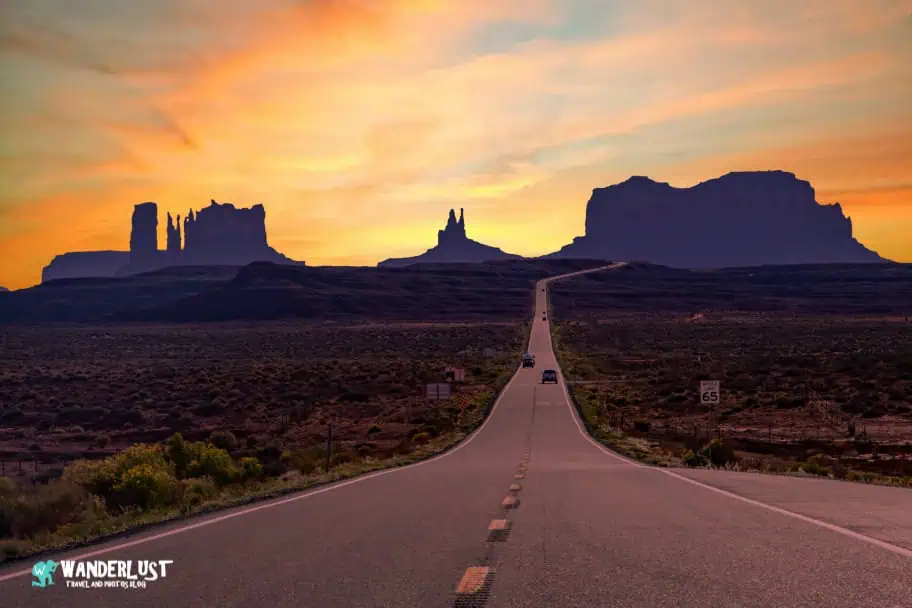
Natural Bridges National Monument is surrounded by a wealth of attractions that enhance the experience of visitors. Just a short drive away, you can explore the stunning landscapes of the Bears Ears National Monument, where ancient rock formations and rich cultural history await. It is one of the lesser known parklands in Southern Utah, but definitely worth exploring.
In addition to Bears Ears, the nearby Goosenecks State Park offers a unique geological perspective with its dramatic meanders of the San Juan River. Utah has some incredible state parks, and Goosenecks is no exception. If you’re in the area, I would also suggest exploring the Valley of the Gods, which is one of the most breathtaking desert landscapes you will ever see. For more details on these and other attractions in the area, please see my list below.
Monument Valley
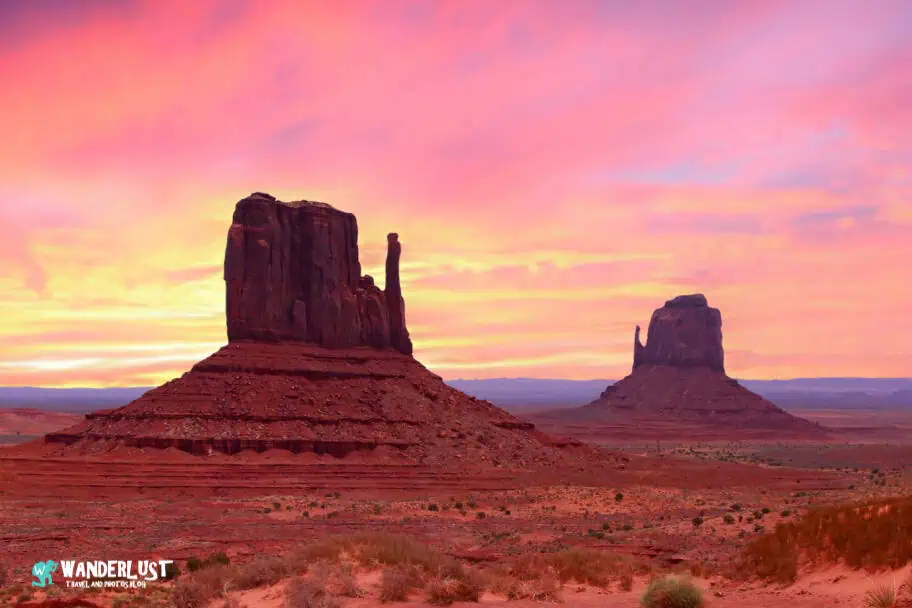
If you have seen the iconic old Western films, Monument Valley should look familiar. This breathtaking expanse of iconic sandstone buttes and mesas on the Arizona-Utah border is where many of these movies were filmed. Visitors to Monument Valley can explore its vast terrain through guided tours, often led by Navajo guides who share stories and insights about the land’s history and spiritual importance.
| READ MORE: |
 |
| The One Stop Monument Valley Guide |
Goosenecks State Park
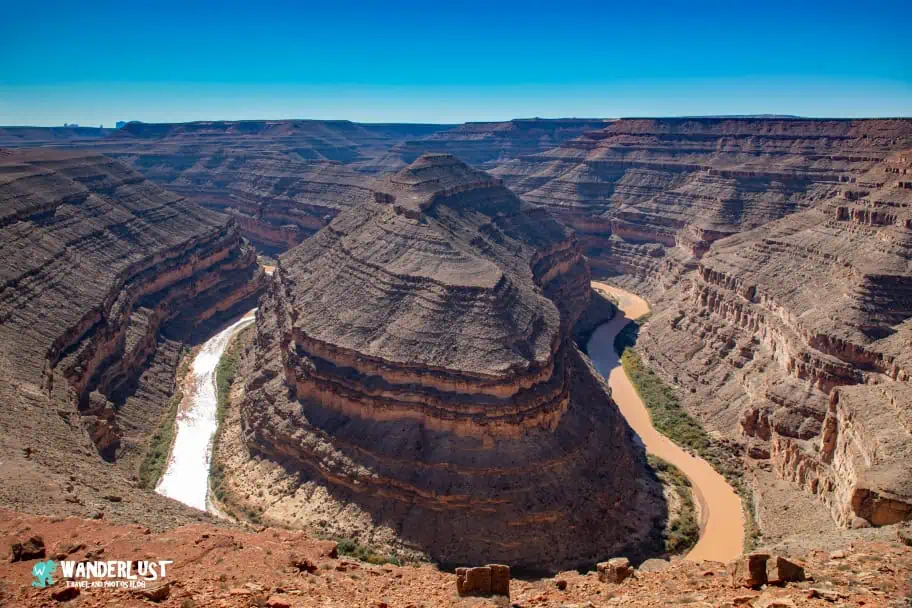
Renowned for its stunning views of the meandering San Juan River as it carves its way through the rugged landscape, Goosenecks State Park is a must see if you are in the area. The park features a series of dramatic, tightly wound bends in the river, much like the iconic Horseshoe Bend. Visitors to the park can enjoy panoramic vistas from several viewpoints, where the deep canyons and intricate rock formations come together to create a mesmerizing tapestry of colors and textures.
Valley of the Gods
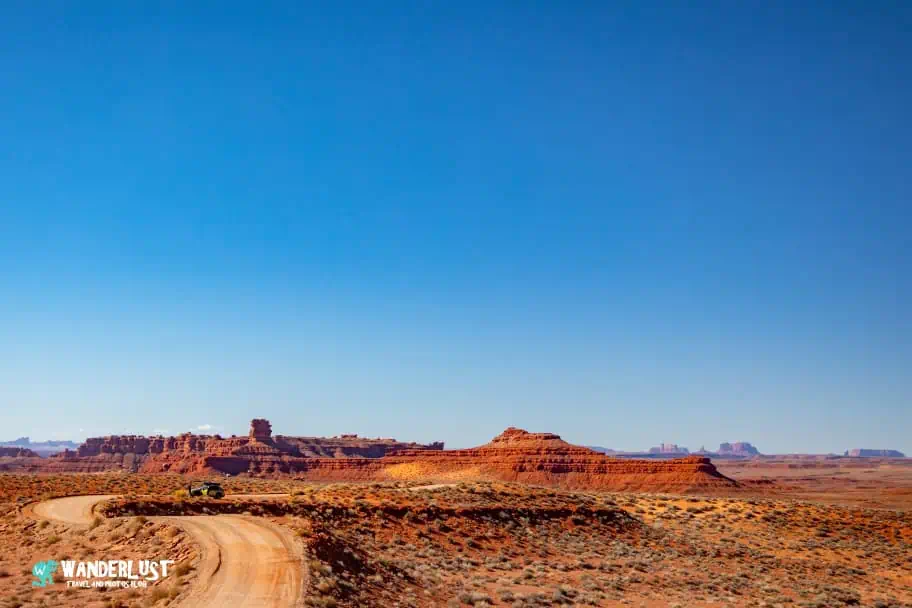
The Valley of the Gods is a breathtaking expanse of natural beauty, characterized by its towering sandstone buttes and sprawling desert landscapes. Renowned for its incredible backcountry campsites, Valley of the Gods is a mangnet for outdoor enthusiasts that want to escape the crowds of Southern Utah. Not only is it a great place to camp, but the area is also home to many incredible hiking trails for visitors to explore.

Goblin Valley State Park
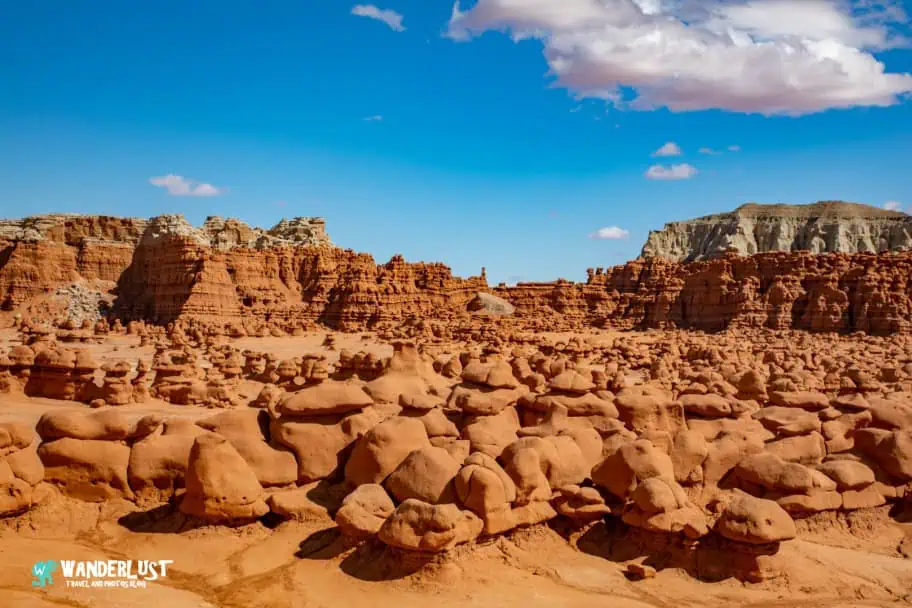
Renowned for its otherworldly landscape filled with unique rock formations that resemble goblins, Goblin Valley State Park is one of Southern Utah’s most visited state parklands. Visitors can explore the vast expanse of the valley, where they can hike, photograph, and marvel at the whimsical shapes that dot the terrain. The park is not only a haven for outdoor enthusiasts but also a fantastic spot for stargazing, as its remote location offers a clear view of the night sky.
| READ MORE: |
 |
| Ultimate Goblin Valley State Park Guide |
Where to Stay Near Natural Bridges

Campgrounds
When visiting the national parks and monuments of the United States, it is an incredible experience to camp out during your visit. Some of the best campgrounds in America can be found inside the country’s national parks and monuments and the surrounding areas.
This is especially true of Natural Bridges area, which has some great campsites. If you are interested in camping out during your visit, I have included a map of some area campgrounds for you to review in my Natural Bridges National Monument guide below.
Hotels
If you aren’t into camping, there are numerous motels, hotels, and property rentals in the Natural Bridges National Monument area for you to stay at during your trip. The closest city to the monument is Blanding, Utah, which has numerous accommodation options to choose from.
In addition, the cities of Monticello, UT and Bluff, UT are also fairly close to the park and have accommodations as well. To help you find a place to stay for your trip, I have included a map and list of accommodations at different pricepoints for you to review below.


Activities in the Natural Bridges Area
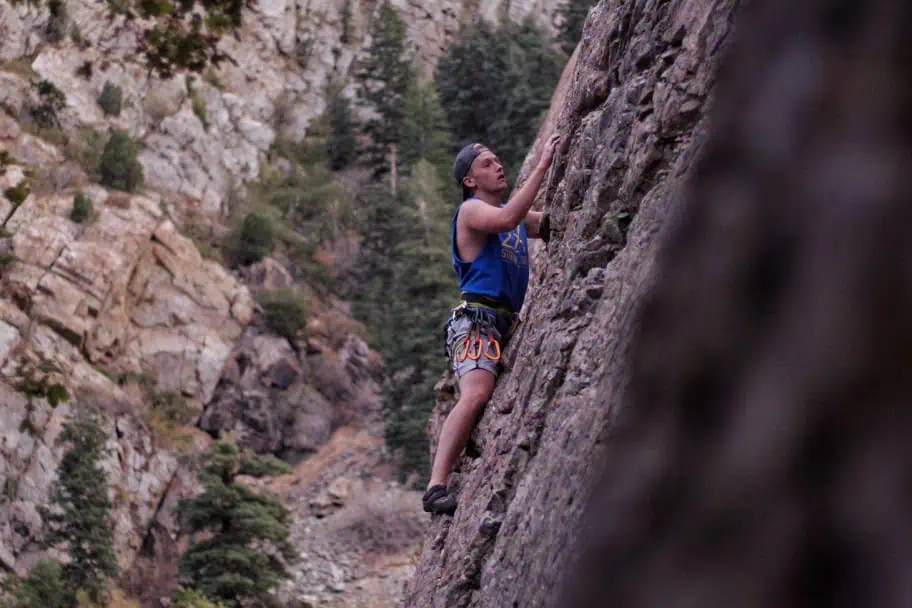
One of the best ways to appreciate any national parkland is to get out and enjoy some activities when you visit. Like most parklands, there are many wonderful activities you can enjoy at Natural Bridges National Monument. If you are looking for some ideas for your trip, I have included links to some activity information for you to review below.
Top Tour and Outdoor Activity Picks
All Recommended Tours and Outdoor Activities
Natural Bridges National Monument Photo Gallery
Natural Bridges National Monument is one of the hidden gems of Southern Utah. While it may not get as much attention as the national parks in the area, it has some breathtakingly beautiful spots that everyone should see. If you would like to see some of the beautiful photos that I have taken during my visits, I have included a photo gallery for you to review below.
If you’re interested in exploring more of my travel photography, I’d love for you to join me on Instagram! Creating this blog to share my free guides, itineraries, and travel photography tips takes a lot of effort, and a follow on Instagram would truly mean the world to me. Your support makes it all worthwhile!
FOLLOW ME!




Don’t Forget to Subscribe to My Adventures!

Let Me Help You Save On Your Next Adventure!
‘Start Exploring Today’ Merchandise Available Now!
 |
 |
 |
 |
 |
 |
 |


















Such amazing natural formations! Incredible to think about how long those bridges have been there and are still standing. It certainly is an impressive area to visit. Would love to do a road trip there one day!
You definitely should!! So much beauty in that area!