This Iceland photography guide references products on my Amazon Store site. I may receive a commission when you purchase these products from my store, though at no additional cost to you. I hand-pick and recommend only products with which I am familiar or comfortable recommending.
Iceland is a photographer’s paradise, offering a breathtaking array of landscapes that captivate the imagination. From the dramatic cliffs of the South Coast to the serene beauty of the Blue Lagoon, the country is a canvas painted with nature’s finest brushstrokes. However, as beautiful as Iceland is, it can also be a very challenging place to photograph. With wet conditions, unpredictable lighting, and hard-to-reach places presenting obstacles, it is good to be prepared.
An All-You-Need Photography Guide
In this Iceland photography guide, I provide you with all the information you will need to capture incredible photographs during your visit. To begin, I highlight some of the country’s most popular photography destinations. Iconic waterfalls like Seljalandsfoss, Skógafoss, and Gullfoss, the stunning black sand beach of Reynisfjara, and the breathtaking Diamond Beach are but a few examples.
In addition to helping you decide where to photograph in Iceland, I also provide you with some helpful photography tips. The ever-changing weather in Iceland can be unpredictable, so understanding how to photograph in these conditions is essential. Beyond that, there are certain tips and tricks for photographing the northern lights and other aspects of Iceland’s beauty that you will want to understand.
Finally, I will cover what photography gear you will want to have with you on your trip. For instance, many people are unaware that batteries tend to drain faster in cold weather, so having extra camera batteries with you when you visit Iceland is essential. When it comes to gear, packing wisely is crucial for a successful photography trip, and I have you covered in this Iceland photography guide.
Navigation Menu


The Best Iceland Photo Spots
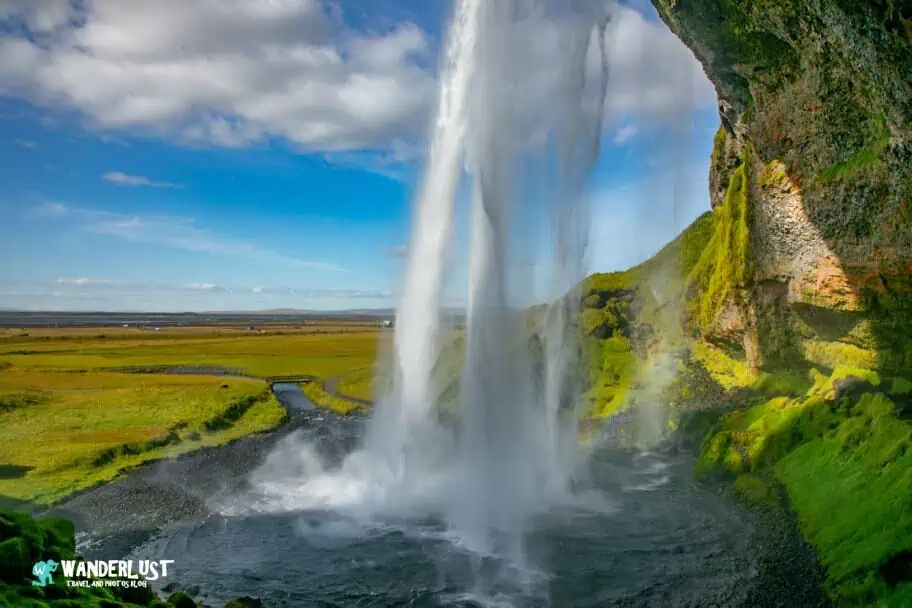
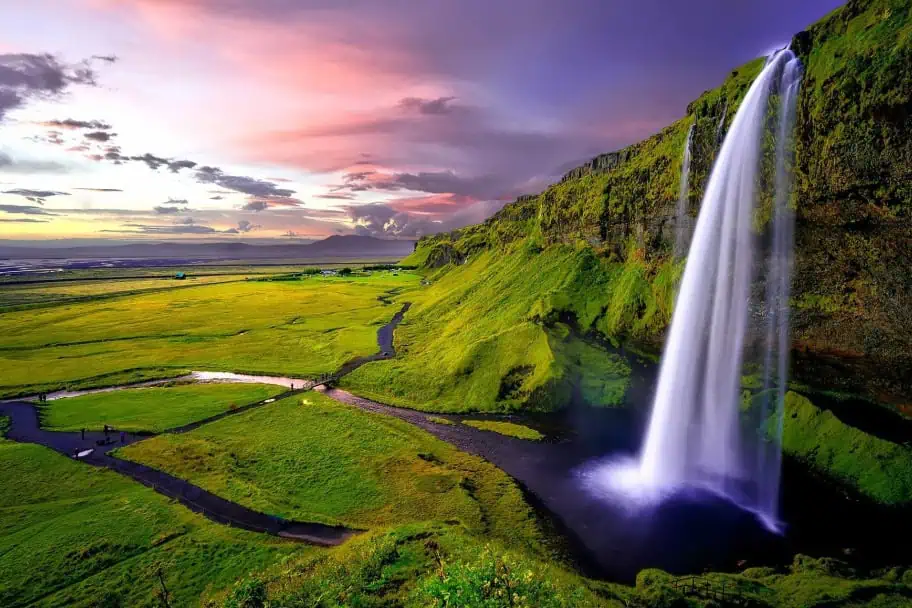
One of the most important ways in which you can prepare for your photography adventure in Iceland is to understand where to photograph. Iceland is a photographer’s paradise, offering a diverse array of breathtaking landscapes that captivate the imagination. Whether you’re an amateur or a seasoned photographer, understanding where to photograph is essential to capturing the beauty of this country.
From the dramatic waterfalls like Gullfoss and Seljalandsfoss, where cascading water plunges into deep gorges, to the otherworldly black sand beaches of Vik, each location presents unique opportunities for breathtaking shots. I have included some of the top spots you should consider photographing in my Iceland photography guide below.

Download Iceland Photography Spots Map


Photography Tips for Iceland
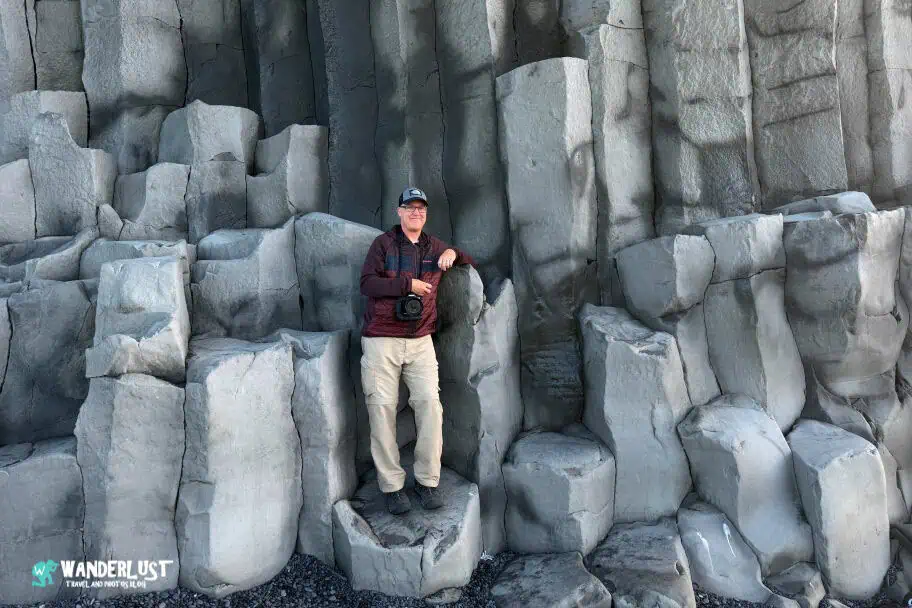
Now that I have covered the top photography spots in Iceland, I want to follow that up with some helpful photography tips. While beautiful, capturing the stunning beauty of Iceland’s landscapes can be tricky. Tips such as using the rule of thirds, incorporating leading lines, and adjusting the white balance of your photographs can really help make your photographs stand out. If you are interested in learning more, I have included my tips in my Iceland photography guide below.
Use a Full Frame Camera and Wide-Angle Lens

One of the most important tips I have for you in this Iceland photography guide is to bring a full-frame camera and a wide-angle lens. The expansive vistas and dramatic scenery that Iceland offers, from its rugged mountains to its sweeping coastlines, can be best appreciated and documented with the ability to capture a broader field of view.
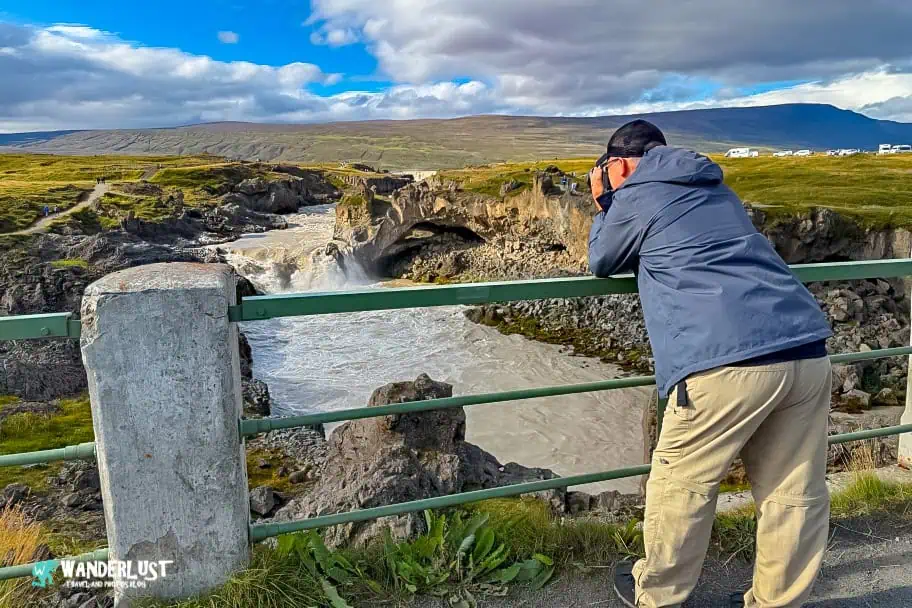
You can see a prime example of where this setup shines in my photograph of the Goðafoss Waterfall above. With a wide-angle lens, you can effectively capture the full scale of the waterfall, showcasing not only the rushing water but also the surrounding landscape, which includes lush greenery and rocky outcrops. The ability to include both the waterfall and its environment in a single shot enhanced the storytelling aspect of the photo.
Take Advantage of the Golden Hours
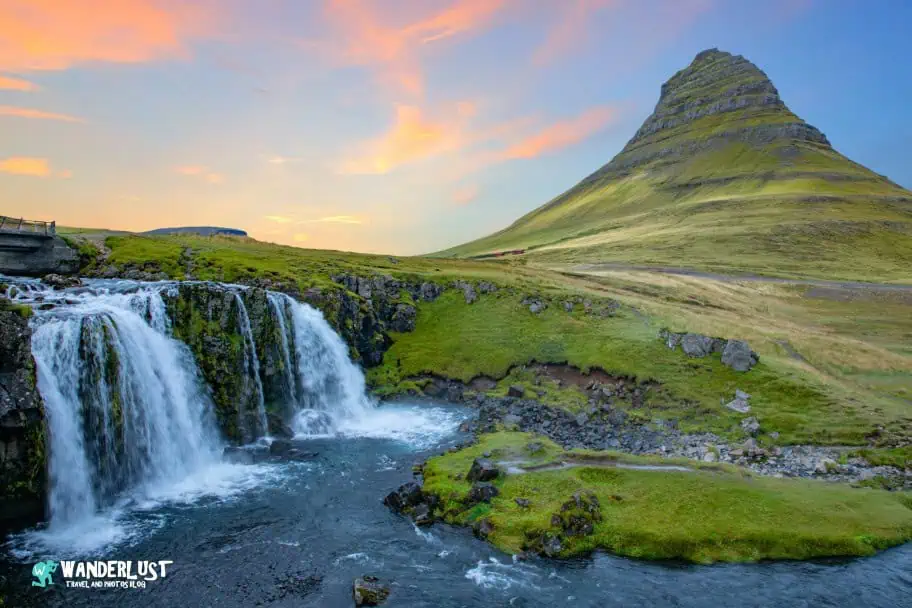
TAnother great way to enhance the photographs you take in Iceland is to take advantage of the golden hours. Referring to the hour after sunrise and the hour before sunset, these times are characterized by a soft, warm glow that enhances the landscape, making it an ideal setting for capturing the breathtaking beauty of Iceland’s unique terrain.
You can see how the soft evening light really enhanced the photograph I took of Kirkjufell mountain and Kirkjufellsfoss waterfall above. The soft light created dramatic contrasts that elevated the image from ordinary to extraordinary. Now, if you plan to visit Iceland during the summer months or the dead of winter, the long and short days will make using the golden hours tough. However, if you visit during the spring or autumn, it’s a great way to enhance your photos.
Prepare for Rain
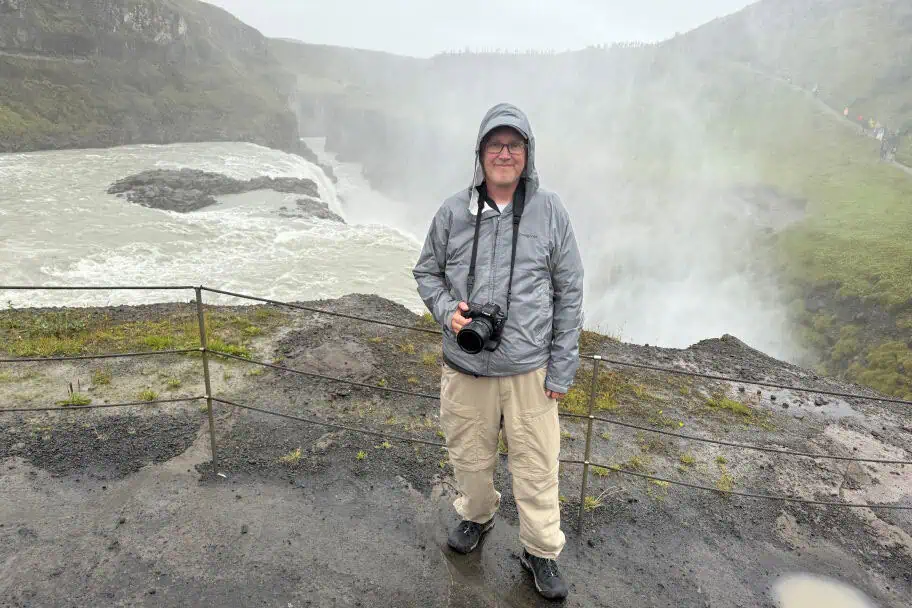
Another important tip that I want to share in this Iceland photography guide is to be prepared for the unpredictable weather, particularly the frequent rain. The island’s unique geography and climate contribute to sudden changes, which can transform a sunny landscape into a misty, rain-soaked scene in a matter of minutes. I experienced this first-hand when I was photographing the Gullfoss Waterfall. It was sunny when we arrived, and not shortly after we were scrambling for rain gear.
This variability not only affects your shooting conditions but also presents opportunities for capturing stunning images that showcase the dramatic interplay of light and water. Therefore, having the right gear, such as waterproof camera bags and protective lens covers, is crucial to ensure that your equipment remains safe and functional throughout your adventure.
Adjust Your White Balance
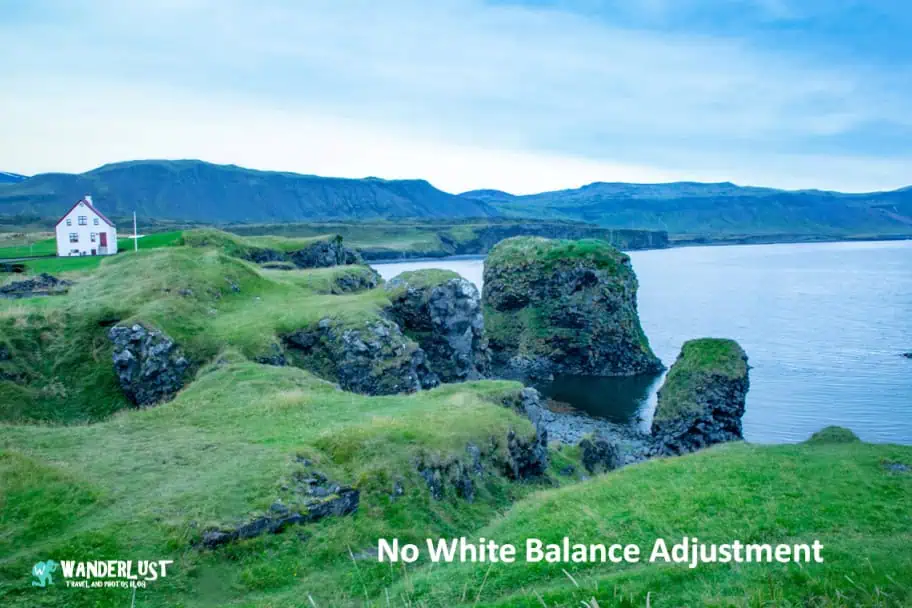
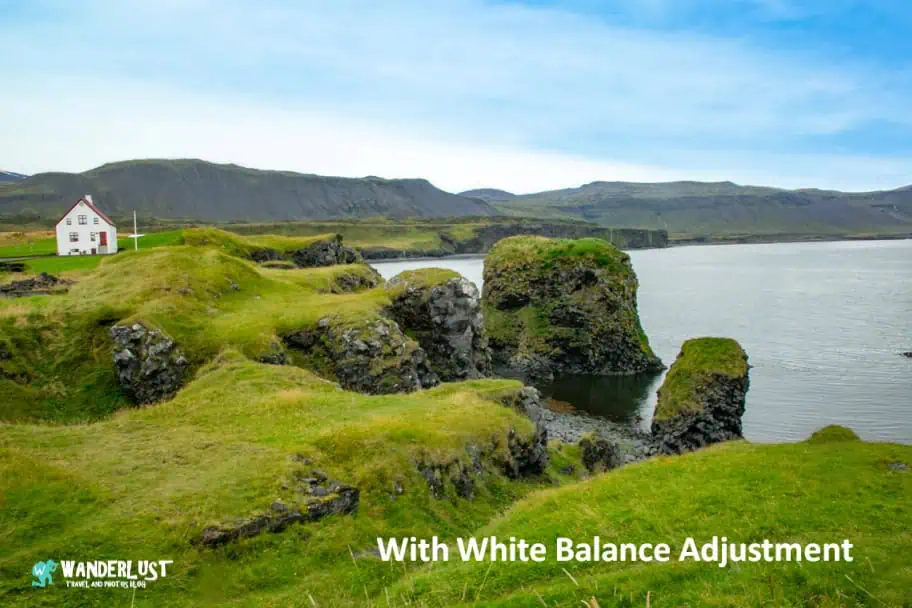
Another important tip that I want to highlight in this Iceland photography guide is to adjust the white balance setting on your camera. The unique lighting conditions in Iceland, particularly during overcast days or in shaded areas, can significantly affect the colors in your images. By setting your white balance to ‘cloudy’ or ‘shade,’ you can counteract the cool tones that often dominate these environments, resulting in warmer and more vibrant photographs.
This adjustment helps to bring out the rich hues of the natural scenery, from the deep greens of the moss-covered lava fields to the striking blues of glacial ice. You can really notice the difference in the example of the two photographs I took in Arnarstapi Harbour above. Without the white balance adjustment, the photo looks very cold and clinical. By changing the white balance setting to “shade”, it really brought out the warmth in the landscape.
Be Creative with Your Photo Compositions
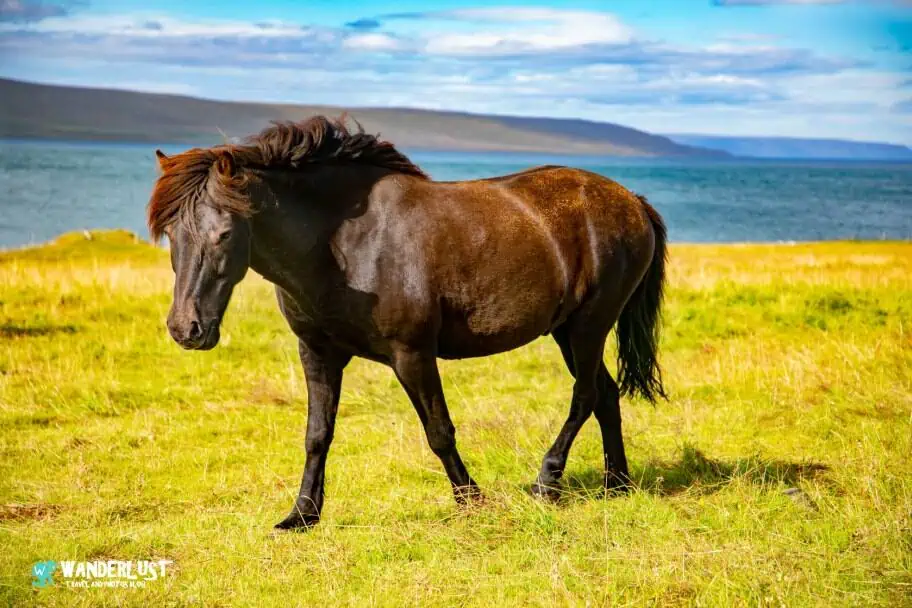
When capturing the breathtaking landscapes of Iceland, one of the most effective tips is to experiment with your photo compositions. he unique geography of the country, with its dramatic waterfalls, rugged mountains, and expansive glaciers, offers countless opportunities for creativity. Instead of simply framing your shots with the iconic landmarks, consider incorporating elements of foreground interest, such as wildflowers or textured rocks, to add depth and context to your images.
For instance, in the example above, I framed an Icelandic horse in the foreground of a picture I took of a coastline, allowing it to serve as a striking focal point. This also helps tell a story about the photograph and provides the viewer with some context as to what it must have been like to be there. Not to mention, Icelandic horses are beautiful animals.
Bring a GoPro to Photograph Wet Locations

Another important tip that I can pass onto you is to make sure you have a waterproof camera when visiting Iceland, especially during activities like whale watching or exploring the majestic waterfalls. One of the best tools to have in your arsenal is a GoPro camera. This compact and durable device is specifically designed to withstand wet conditions, making it ideal for capturing stunning images and videos in places where traditional cameras might falter.
In addition to its resilience against water, the GoPro offers a range of features that enhance your photography experience. With its wide-angle lens, you can capture expansive landscapes and the grandeur of Iceland’s natural wonders in a single frame. The camera’s versatility allows for various shooting modes, including time-lapse and slow-motion, which can add a creative flair to your footage. I was able to use my GoPro to capture the image of a humpback whale diving near Húsavík that you see above.
| READ MORE: |
 |
| Whale Watching Tour in Húsavík, Iceland |
Incorporate Leading Lines to Enhance Your Photos

If you are looking for ways to make your photographs of Iceland more visually appealing, a great way to do that is to use leading lines. These natural or man-made lines guide the viewer’s eye through the image, creating a sense of depth and perspective. In Iceland, you can find numerous opportunities to incorporate leading lines, whether it’s the winding paths of a hiking trail, the flowing rivers that snake through valleys, or the dramatic edges of volcanic formations.
In my photograph of Geitafoss Waterfall above, I used the natural contour of the river below the falls as a leading line to draw the viewer’s attention along the entire length of the waterfall. This approach not only added a three-dimensional quality to the image but also created a more immersive experience for the viewer, inviting them to explore the scene further.
Use the Rule of Thirds When Composing Photos
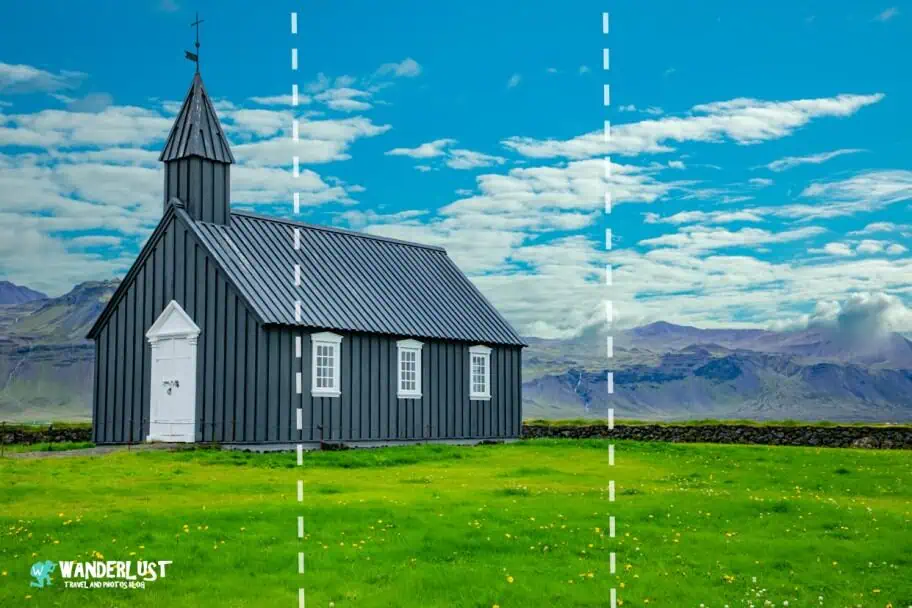
The last photography tip that I would like to share in this Iceland photography guide is to use the rule of thirds when composing your photographs. This compositional guideline suggests dividing your frame into a grid of nine equal parts by two equally spaced horizontal lines and two vertical lines. By positioning key elements of your scene along these lines or at their intersections, you can create a more balanced and engaging image.
In Iceland, the natural beauty is abundant, and the rule of thirds can help you highlight the unique features of the landscape. For instance, I used the rule of thirds when photographing the beautiful Black Church of Budir above. This method draws the viewer’s eye naturally to the subject while allowing the surrounding landscape to complement the scene, making the photograph more engaging.
Recommended Photography Gear for Iceland
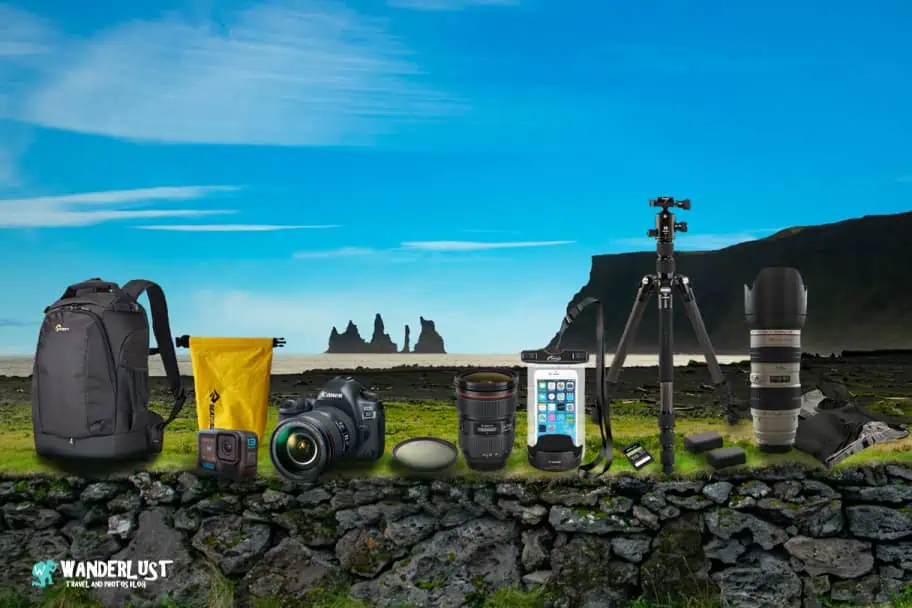
When preparing for a photography adventure in Iceland, selecting the right equipment is crucial to capturing the stunning landscapes and unique natural phenomena the country has to offer. Without the right equipment, you may not be able to capture quality photographs or even risk damaging your camera in the country’s unpredictable weather. To assist you in your planning and packing, I have outlined some of the photography gear I recommend for Iceland below.
Full Frame DSLR or Mirrorless Camera
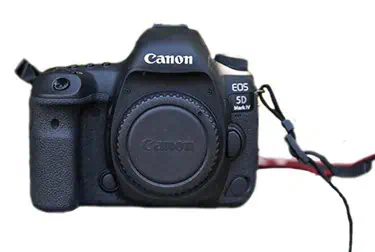 |
One of the most important pieces of equipment I can recommend in this Iceland photography guide is a good full-frame DSLR or mirrorless camera. These types of cameras provide superior image quality, allowing you to take advantage of the stunning light conditions, from the ethereal glow of the Northern Lights to the dramatic contrasts of the midnight sun. It’s incredible how big of a difference a full-frame camera can have in poor lighting conditions. |
| View Recommendations on Amazon.com | |
Camera Backpack
 |
When preparing for a photography adventure in Iceland, selecting the right camera backpack is essential for both convenience and protection of your gear. A well-designed backpack should offer ample space to accommodate your camera body, multiple lenses, and essential accessories like filters, batteries, and memory cards, all while ensuring easy access during your explorations. Look for features such as padded compartments to safeguard your equipment from the rugged Icelandic terrain, as well as weather-resistant materials to shield against the unpredictable elements. Additionally, consider a backpack with adjustable straps and a breathable back panel for comfort during long hikes, allowing you to focus on capturing the stunning landscapes without the distraction of discomfort. |
| View Recommendations on Amazon.com | |
Wide-Angle Lens
 |
Another essential piece of equipment I want to cover in this Iceland photography guide is a good wide-angle lens. This type of lens is particularly advantageous for capturing the breathtaking landscapes that the country is renowned for, from its dramatic waterfalls and expansive glaciers to the stunning vistas of volcanic terrain and rugged coastlines. A wide-angle lens allows you to encompass more of the scene in a single shot, making it ideal for photographing the vastness of Iceland’s natural beauty. Whether you are standing at the edge of a fjord or gazing up at the towering cliffs of a national park, this lens will help you convey the scale and grandeur of your surroundings. |
| View Recommendations on Amazon.com | |
Zoom Lens
 |
While you will likely spend most of your time in Iceland photographing landscapes with you wide-angle lens, having a good zoom lens with you is helpful as well. This versatile piece of equipment allows you to capture the breathtaking unique wildlife that the country is renowned for, from the elusive puffins to majestic whales. It is often difficult to get close to these creatures, so being able to zoom in and capture them is important. |
| View Recommendations on Amazon.com | |
GoPro Camera
 |
For those who want to capture video while in Iceland, a good GoPro camera is an invaluable piece of equipment to bring. With its compact size and versatility, a GoPro allows you to easily navigate the diverse environments, from the icy shores of Jokulsarlon Glacier Lagoon to the vibrant hues of the Northern Lights dancing across the night sky. The camera’s ability to withstand harsh weather conditions means you can venture into the heart of Iceland’s natural wonders without worrying about equipment failure. |
| View Recommendations on Amazon.com | |
Lens Hoods
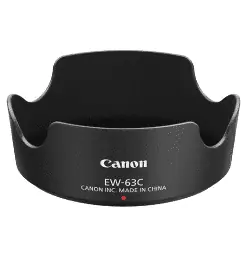 |
An often overlooked piece of photographer equipment that you should always bring with you are quality lens hoods for your lenses. To capture the stunning beauty of this unique environment, using lens hoods is essential. These accessories help to reduce lens flare caused by the sun’s rays, ensuring that your images maintain their clarity and vibrancy. In the ever-changing light conditions of Iceland, where the sun can peek through clouds unexpectedly, a lens hood becomes invaluable. It not only protects the lens from stray light but also shields it from moisture and dust, which are common in Iceland’s rugged terrain. |
| View Recommendations on Amazon.com | |
Polarizing Filters
 |
One of the most underrated pieces of gear that I recommend in this Iceland photography guide is good polarizing filters for your lenses. These filters work by reducing glare and reflections, allowing for richer colors and deeper contrasts in your images. When photographing the vibrant hues of Iceland’s natural wonders, such as the striking blue of glacial ice or the lush greens of moss-covered lava fields, a polarizing filter can help to saturate these colors, making them pop in your photographs. Additionally, they can improve the clarity of the sky, making clouds appear more defined against a brilliant blue backdrop. Whether you are shooting the ethereal Northern Lights or the rugged coastline, incorporating a polarizing filter into your gear can elevate your images, ensuring that the beauty of Iceland is captured in all its glory. |
| View Recommendations on Amazon.com | |
Tripod
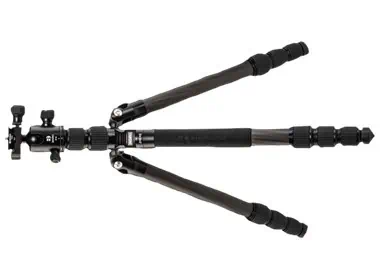 |
The unique landscapes of Iceland, characterized by dramatic waterfalls, rugged mountains, and the mesmerizing Northern Lights, demand stability and precision for capturing breathtaking images. A reliable tripod not only helps in achieving sharp, long-exposure shots but also allows for creative compositions, especially in low-light conditions. Opt for a lightweight yet durable model that can withstand the unpredictable Icelandic weather, as you may encounter strong winds and rain. Additionally, consider a tripod with adjustable legs and a versatile head to accommodate various shooting angles and terrains, ensuring you can adapt to the diverse environments you’ll encounter. |
| View Recommendations on Amazon.com | |
Camera Rain Cover
 |
Another essential item to include in your gear when packing for Iceland is a reliable rain cover for your camera. The unpredictable weather in this stunning country can shift from bright sunshine to heavy rain in a matter of minutes, making it crucial to protect your equipment from moisture. A high-quality rain cover not only shields your camera from the elements but also allows you to continue capturing breathtaking landscapes without interruption. Look for a cover that is lightweight and compact, ensuring it can easily fit into your camera bag without adding unnecessary bulk. Additionally, consider a design that offers easy access to your camera controls, so you can swiftly adjust settings while keeping your gear safe. |
| View Recommendations on Amazon.com | |
Extra Camera Batteries
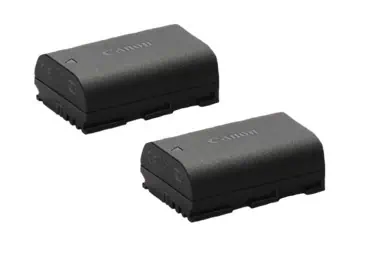 |
Another important piece of gear that I don’t want to overlook mentioning in this Iceland photography guide is extra camera batteries. The breathtaking landscapes, from the majestic waterfalls to the stunning glaciers, often demand extended shooting sessions, and the last thing you want is to miss capturing a perfect moment due to a drained battery. Given the cold temperatures that can significantly reduce battery life, having several fully charged spares on hand is essential. It’s wise to store these batteries in a warm place, such as an inner pocket of your jacket, to ensure they perform optimally when you need them most. Additionally, consider investing in a portable charger or a solar-powered battery pack, which can be invaluable during long days spent exploring the remote and rugged terrain. |
| View Recommendations on Amazon.com | |
High Capacity Memory Card
 |
Given the breathtaking landscapes and dynamic natural phenomena that the country offers, such as the mesmerizing Northern Lights, stunning waterfalls, and dramatic volcanic terrain, you will want to ensure that you have ample storage space to capture every moment. A high-capacity memory card not only allows you to take numerous high-resolution images without the constant need to offload files, but it also provides the speed necessary for shooting in burst mode or recording high-definition video. This is particularly important in a place like Iceland, where the lighting conditions can change rapidly, and you may find yourself needing to snap a shot at a moment’s notice. |
| View Recommendations on Amazon.com | |
Water Protector for your Phone
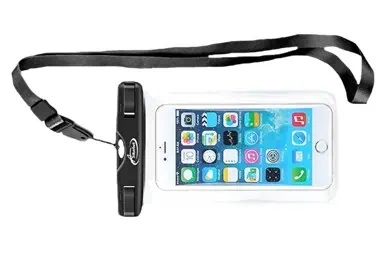 |
Another crucial item to include in your packing list is a water protector for your phone. This accessory not only safeguards your device from rain, mist, and splashes but also allows you to capture breathtaking moments without the fear of damaging your phone. Whether you’re standing near a thundering waterfall, exploring the rugged coastline, or hiking through volcanic terrain, having a reliable water protector ensures that you can document your journey without interruption. |
| View Recommendations on Amazon.com | |
Dry Bag
 |
The final piece of gear that I want to recommend in this Iceland photography guide is a quality dry bag. These bags are essential for protecting your photography gear and valuables from getting wet. The dry bag should be spacious enough to accommodate your batteries, lenses, and other accessories while ensuring they remain safe from moisture and dust. Opt for a bag made from durable, waterproof materials that can withstand the rigors of outdoor exploration, including sudden rain showers or splashes from waterfalls. |
| View Recommendations on Amazon.com | |
Don’t Forget to Subscribe to My Adventures!

Let Me Help You Save On Your Next Adventure!
‘Start Exploring Today’ Merchandise Available Now!
 |
 |
 |
 |
 |
 |
 |

















Leave a Reply