This Reykjavik Travel Guide contains my Hotels.com, Expedia, VRBO, and Viator affiliate links. I may receive a commission when you book a hotel or tour from this article, though at no additional cost to you. I hand-pick and recommend only the hotels and tours that I have thoroughly researched and feel comfortable recommending.
Reykjavik, the capital of Iceland, is a vibrant city that seamlessly blends modernity with rich history and stunning natural beauty. The city is renowned for its lively arts scene, with numerous galleries, museums, and theaters showcasing local talent. Two of the must-visit attractions in the city are the iconic Hallgrímskirkja cathedral and the breathtaking Harpa Concert Hall, the latter of which hosts variety of performances and events.
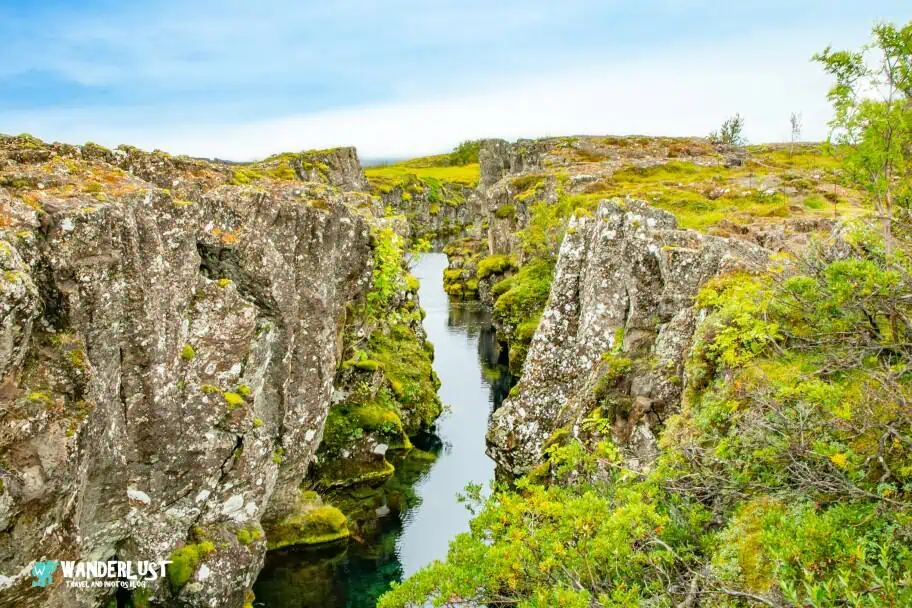
In addition to its cultural offerings, Reykjavik is a gateway to some of Iceland’s most spectacular natural wonders. Just a short drive from the city, you can explore the Golden Circle, which includes the stunning Þingvellir National Park, the powerful Gullfoss waterfall, and the geothermal area in Haukadalur, home to the famous geysers Geysir and Strokkur.

An All-You-Need Reykjavik Travel Guide
In this Reykjavik Travel Guide, I provide you with all of the information you will need to plan a successful trip. To start, I cover the best times to visit Iceland and the best ways to get there. This way, you can maximize the amount of time you have to explore this stunning city.
In addition, I also outline the top things to see and do during your visit to Reykjavik. There are many incredible things that you won’t want to miss during your stay. With my guide in hand, you won’t miss a thing. Finally, I provide you with some great restaurant and hotel recommendations to make your stay more enjoyable. Using the information I provide, the planning process will be stress-free.
Reykjavik Travel Guide Navigation Menu


At a Glance
Before you start making any travel plans, you need to be sure that you meet the country’s entrance requirements. This includes all of the passport, VISA, and immunization requirements for Iceland.
You will also need to know some basic information about Iceland to help you get around. To start, this includes clearly understanding what languages they speak in Iceland. This way, you can plan any translation needs you may have. In addition, you will need to know what currency they use in Iceland. Knowing this, you can plan to exchange currency before your trip if necessary.
To assist you in your preparation, I have included this key information in my Reykjavik Travel Guide for you to review below.
 |
Passport requirements exist. See my Entrance Requirements Guide below for details. |
 |
Immunization recommendations are listed in my Entrance Requirements Guide below. |
 |
The official language in Iceland is Icelandic. |
 |
The official currency in Iceland is the Króna. |
Passport, VISA, Customs, and Immunization Requirements

Before you leave for your trip to Reykjavik, you need to make sure you have all of the proper vaccinations. Not only to protect yourself but to protect others. If you have questions on what immunizations you may need and what to look out for when you go to get them, you are in luck. I have included some general guidelines I can pass on from my experience in my guide to the Iceland entrance requirements below.

Packing Tips

Outside of knowing the entry and immunization requirements, there is no pre-travel task more important than packing. Don’t worry, I am here to make sure you are packed and prepared for your trip. I have included links to my packing resources in my Reykjavik Travel Guide below for you to review.

Top Things to See and Do in Reykjavik

One thing that Reykjavik is not in short supply of is incredible things for visitors to see and do. The city brilliantly blends modernity with its rich history and stunning natural beauty. From iconic churches and incredible museums to a vibrant street art scene, you could spend days exploring all the amazing spots in the city. Additionally, the city’s numerous cafes and shops offer a taste of local cuisine and crafts, allowing travelers to immerse themselves in the Icelandic way of life.
If you are in the process of planning your trip and need to fill out your itinerary, I have included a list of my top things to see and do in my Reykjavik Travel Guide below.
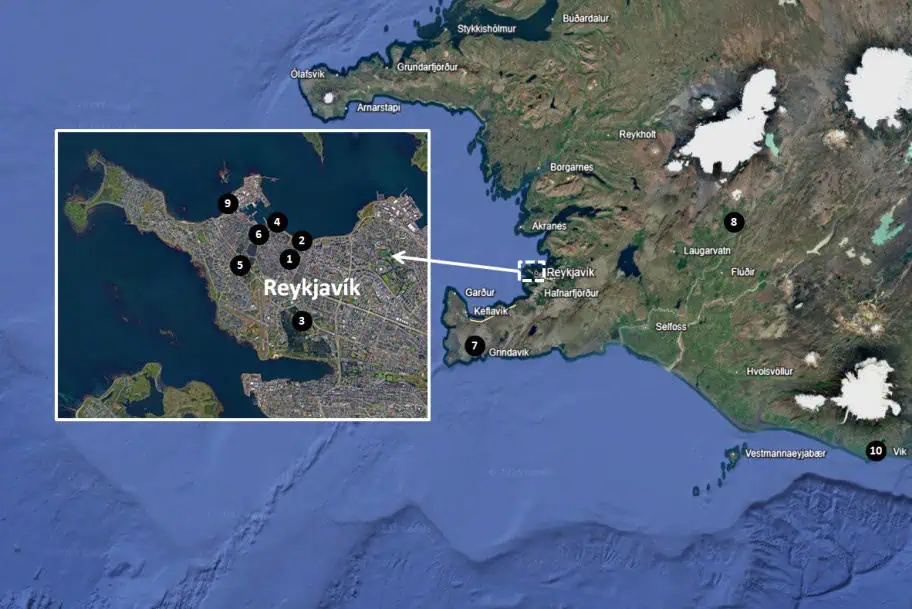
 |
Hallgrimskirkja |
 |
The Sun Voyager Statue |
 |
Perlan |
 |
Harpa Concert Hall |
 |
The National Museum of Iceland |
 |
Austurvöllur Square |
 |
The Blue Lagoon |
 |
The Golden Circle |
 |
Whale Watching Tour |
 |
Tour Southern Iceland |
Hallgrimskirkja

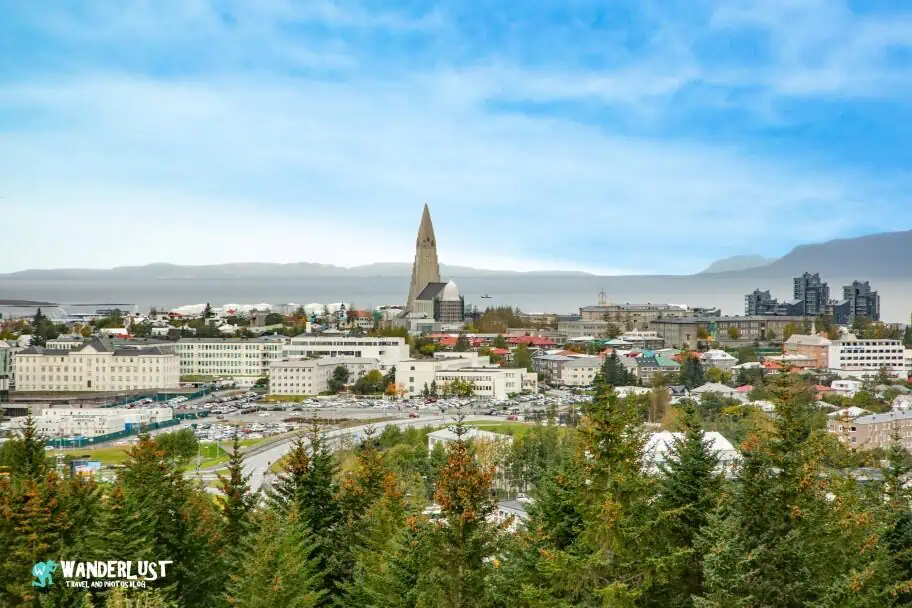
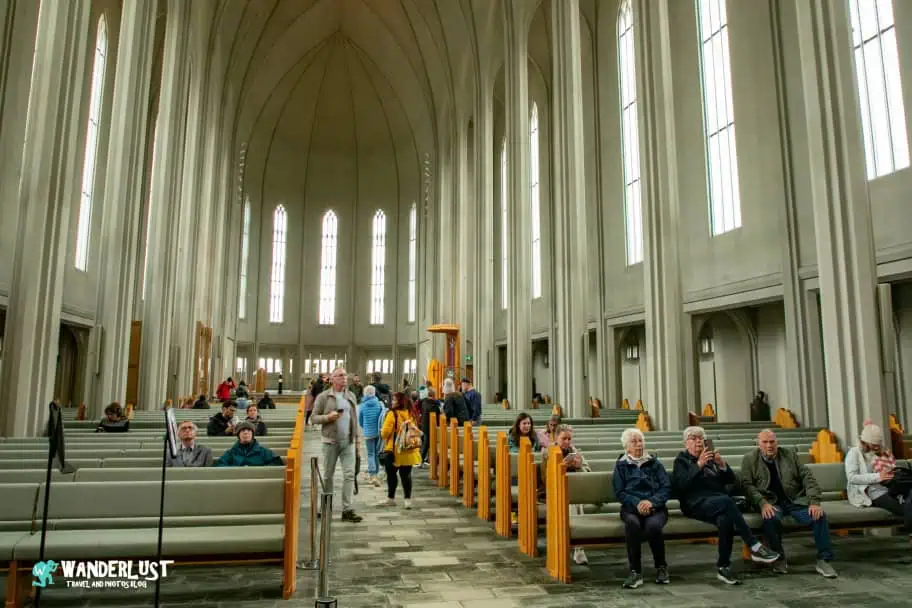
One of the most iconic landmarks in the city and the most can’t-miss spot I cover in this Reykjavík travel guide is the incredible Hallgrimskirkja. Designed by architect Guðjón Samúelsson, this striking Lutheran church towers over the skyline. Its design is inspired by the natural basalt columns found throughout Iceland, giving it a distinctive and dramatic appearance.
Standing at 245 feet (or 74.5 meters) tall, Hallgrimskirkja is not only the largest church in Iceland but also one of the tallest structures in the country. The church’s façade is clad in light-colored concrete, which reflects the changing light of the Icelandic sky, creating a mesmerizing visual effect throughout the day.
To fully appreciate the beauty of Hallgrimskirkja, visitors can take an elevator to the top of the tower, where they are rewarded with breathtaking panoramic views of Reykjavik and the surrounding landscape. From this vantage point, one can see the colorful rooftops of the city, the shimmering waters of the Atlantic Ocean, and the majestic mountains that frame the horizon.
The Sun Voyager Statue

This stunning sculpture, known as Sólfar in Icelandic, was designed by the artist Jón Gunnar Árnason in 1990 to commemorate the 200th anniversary of the city. The statue is crafted from stainless steel and resembles a Viking ship, symbolizing exploration and the promise of new beginnings. Positioned along the waterfront, the Sun Voyager sculpture offers breathtaking views of the surrounding mountains and the vast ocean, making it an ideal location for photography and reflection.
Perlan

One of my favorite spots I cover in this Reykjavík travel guide is the incredible Perlan. Perched atop a hill, this glass dome is not only an architectural marvel but also houses a variety of exhibitions that delve into Iceland’s stunning landscapes, including glaciers, volcanoes, and geothermal activity. Inside Perlan, guests can immerse themselves in interactive displays that highlight the fascinating geological features of Iceland.
The Wonders of Iceland exhibition, for instance, showcases a real ice cave, allowing visitors to experience the chilling beauty of glacial formations up close. Additionally, the observation deck provides panoramic views of Reykjavik and the surrounding mountains, offering a breathtaking backdrop for photography enthusiasts. However, the top attraction at Perlan is undoubtedly their volcano exhibit, where you can take a 3D ride into a volcano to learn what powers these incredible geothermal wonders.
Harpa Concert Hall
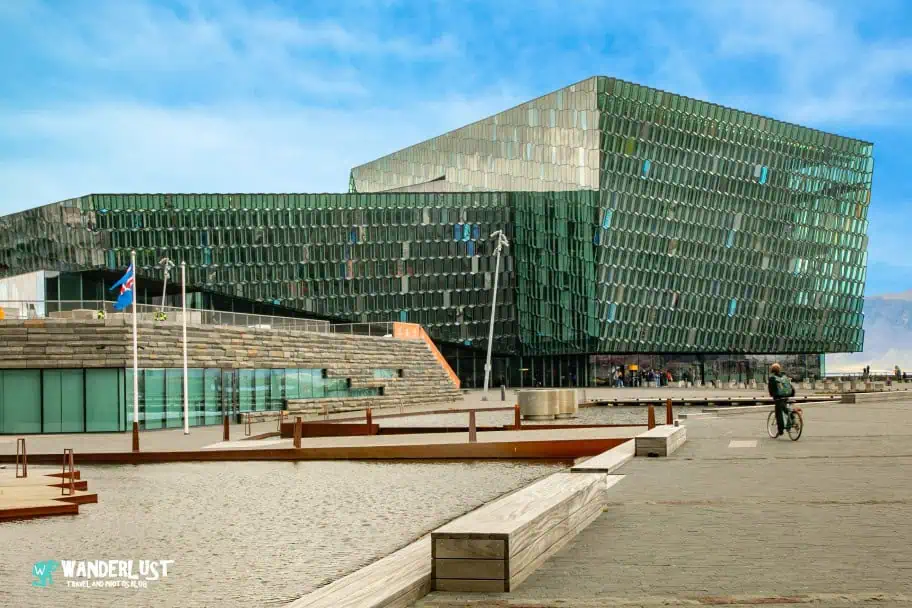
Since opening in 2011, this striking structure is a true architectural marvel that has become a symbol of the city. Its façade, composed of a series of geometric glass panels, reflects the ever-changing Icelandic light, creating a mesmerizing visual experience that captivates both locals and visitors alike. The building’s design is inspired by the natural landscape of Iceland, echoing the shapes of basalt columns found throughout the country, which adds a unique cultural touch to its modern aesthetic.
Inside, Harpa is just as impressive, featuring a variety of performance spaces that cater to a wide range of artistic expressions. The main concert hall, known as the Eldborg, boasts exceptional acoustics and can accommodate up to 1,800 guests, making it an ideal venue for orchestras, choirs, and solo performances. Additionally, the building houses several smaller halls and exhibition spaces, allowing for a diverse array of events, from classical concerts to contemporary art exhibitions.
Beyond its role as a concert hall, the Harpa Concert Hall serves as a cultural hub for Reykjavik, hosting festivals, conferences, and community events throughout the year. Its location by the waterfront offers stunning views of the surrounding mountains and the harbor, making it a popular spot for both tourists and locals to gather. These are just some of the many reasons why I included it as a must-see place in my Reykjavik travel guide.
The National Museum of Iceland
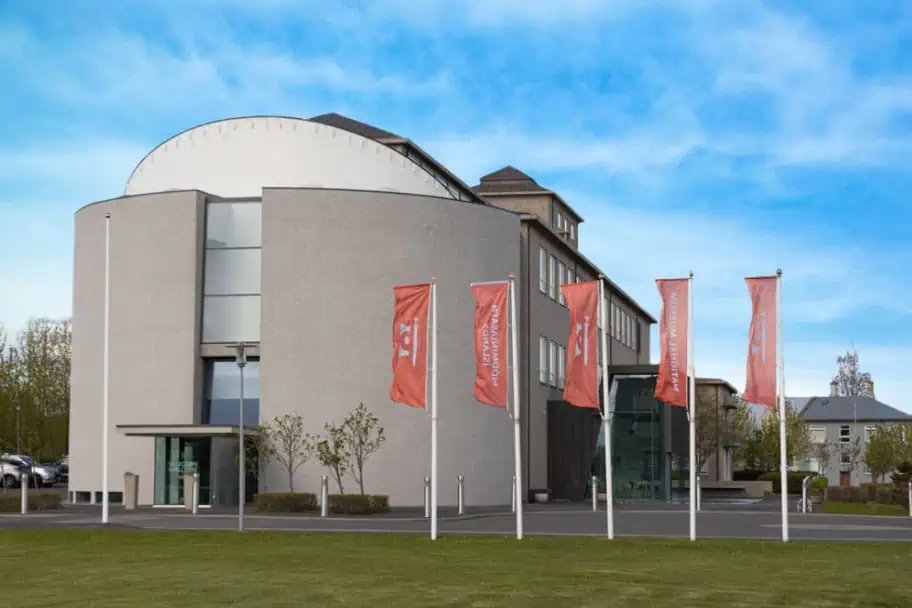
Established in 1863, the National Museum of Iceland serves as a custodian of Icelandic artifacts, showcasing a timeline that spans from the Viking Age to the present day. The museum’s architecture itself is a blend of modern design and traditional elements, creating an inviting atmosphere for both locals and tourists.
One of the museum’s most captivating features is the permanent exhibition titled “Making of a Nation,” which intricately narrates the story of Iceland from its settlement in the 9th century to the present day. This exhibition is thoughtfully organized into thematic sections, allowing visitors to explore significant milestones in Icelandic history, such as the establishment of the Althing, one of the world’s oldest parliaments, and the impact of the Reformation.
Interactive displays and multimedia presentations enhance the experience, making it not only educational but also engaging for visitors of all ages. The museum also hosts temporary exhibitions that delve into specific aspects of Icelandic culture, art, and history, ensuring that there is always something new to discover.
Austurvöllur Square

Nestled in the heart of Reykjavik, Austurvöllur Square is surrounded by significant landmarks, including the Icelandic Parliament and the iconic Hallgrímskirkja church. The square serves as a gathering place for locals and tourists alike, offering a picturesque setting for relaxation and social interaction. With its lush green lawns, charming benches, and well-maintained pathways, Austurvöllur invites visitors to take a leisurely stroll or enjoy a moment of tranquility amidst the urban bustle.
The Blue Lagoon

Another amazing thing to see when visiting Reykjavík is the nearby Blue Lagoon. Located just a short drive from the city, this geothermal spa is renowned for its milky blue waters, rich in minerals such as silica and sulfur, which are believed to possess therapeutic properties. Visitors can indulge in a unique experience, soaking in the warm, mineral-rich waters while surrounded by a dramatic landscape of lava fields and moss-covered rocks.
In addition to a relaxing soak, visitors can enjoy various amenities, including luxurious spa treatments, saunas, and steam rooms, all designed to enhance relaxation and rejuvenation. The on-site restaurant serves a delectable menu featuring local ingredients, allowing visitors to savor Icelandic cuisine while taking in breathtaking views of the lagoon.
For those seeking a more exclusive experience, private cabanas are available, providing a serene retreat where one can unwind in peace. The combination of natural beauty and modern luxury makes the Blue Lagoon a must-visit destination for anyone traveling to Reykjavik.
The Golden Circle
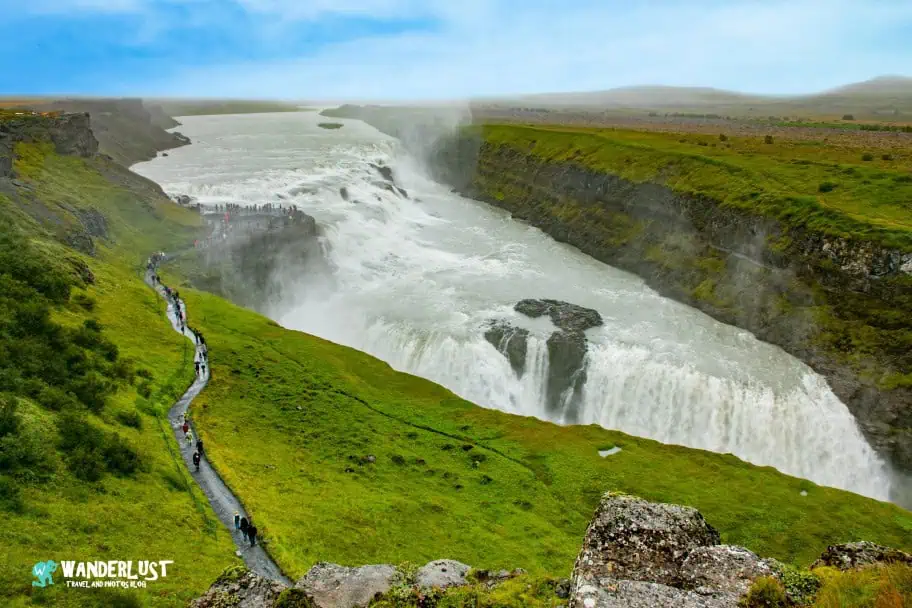
In addition to seeing the spectacular sights inside the city, another great thing about visiting Reykjavík is that it is a great starting point for exploring the iconic Golden Circle. This popular tourist trail spans approximately 186 miles (or 300 kilometers) and encompasses three primary attractions: Thingvellir National Park, the Geysir geothermal area, and Gullfoss waterfall.
Each of these sites offers a unique glimpse into Iceland’s geological and historical significance, making the Golden Circle a must-visit for anyone traveling to the country. At Thingvellir National Park, you can walk between the North American and Eurasian tectonic plates, a rare opportunity that highlights the dynamic nature of the Earth’s crust. The park is dotted with picturesque hiking trails, crystal-clear waters, and fascinating geological formations, making it an ideal spot for nature lovers and history enthusiasts alike.
Continuing along the Golden Circle, the Geysir geothermal area captivates visitors with its bubbling hot springs and erupting geysers, the most famous of which is Strokkur. This geyser erupts every few minutes, shooting boiling water high into the air. Finally, just a short drive away, the majestic Gullfoss waterfall awaits, cascading down two tiers into a rugged canyon. These are just some of the sights that make the Golden Circle a must-do road trip when visiting Reykjavík.
Whale Watching Tour

One of the most popular excursions for travelers who visit Reykjavík is to take a whale watching tour. There are a number of reputable tour companies near the city that employ incredible guides that visitors with fascinating information about these gentle giants. On a whale tour, you may encounter a wide variety of marine life, including majestic humpback whales, playful dolphins, and the elusive minke whales.
Each tour is a unique journey, as the waters of Faxaflói Bay are teeming with diverse wildlife, making every outing a potential spectacle of nature. For recommendations on whale watching tours, please be sure to check out the Recommended Tours in the Reykjavík Area section of this Reykjavík travel guide below.
Tour Southern Iceland
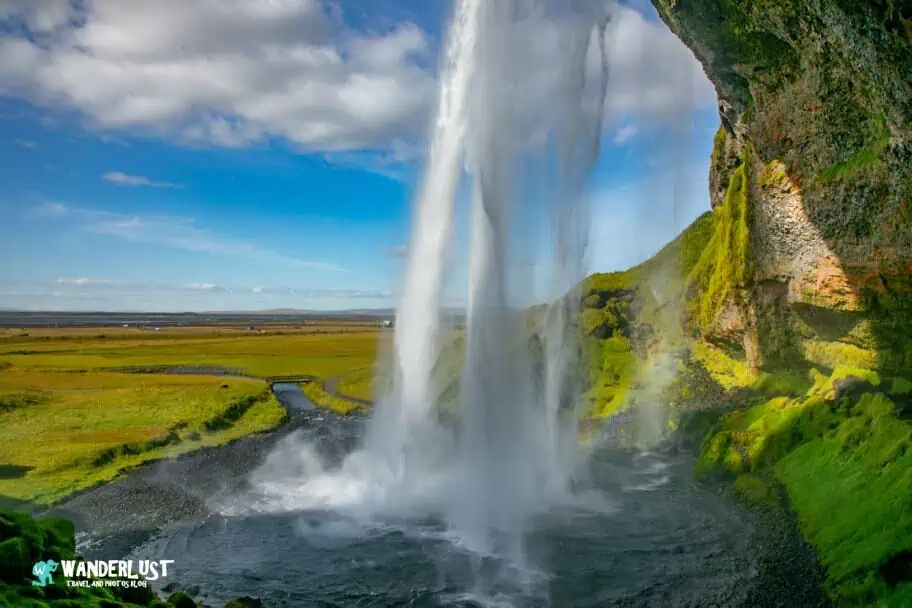
Another popular excursion that travelers take when visiting Reykjavík is a tour of the beautiful southern coast of the country. Here, the landscape transforms into a mesmerizing tapestry of waterfalls, glaciers, and volcanic terrain. Countless breathtaking waterfalls await you in the South, as well as canyons so beautiful they will literally leave you speechless.
The region is also home to the breathtaking Vatnajökull National Park, which boasts Europe’s largest glacier, offering opportunities for ice hiking and exploring glacial lagoons. Lastly, no tour of Southern Iceland would be complete without a visit to the black sand beaches of Vík and the towering cliffs of Reynisfjara, where you can marvel at the unique basalt columns and the dramatic sea stacks rising from the ocean.

How to Get to Reykjavik

How you get to Reykjavik will depend a great deal on where you are visiting from. For most travelers, flying into the city will be the most convenient way to visit. This is especially true if you will be visiting from outside of Iceland. In this case, the easiest airport to fly into to visit Reykjavik is the Keflavík International Airport (KEF).
Direct Flights from the United States to Reykjavik
For those traveling from the United States to Reykjavik, there are over 200 direct flights from the USA to Reykjavík every week that are operated by at least four different airlines out of roughly 17 different cities. For more information on these direct flights, please refer to the list I linked below.
- Icelandair – Direct flights from Baltimore (BWI), Boston (BOS), Chicago (ORD), Denver (DEN), Minneapolis-St. Paul (MSP), New York (JFK and EWR), Orlando (MCO), Raleigh-Durham (RDU), Seattle (SEA), and Washington, D.C. (IAD).
- Delta Airlines – Direct flights from Boston (BOS), Detroit (DTW), Minneapolis-St. Paul (MSP), New York (JFK), and Seattle (SEA).
- United Airlines – Offers seasonal direct flights from Chicago (ORD) and New York/Newark (EWR).
- American Airlines – Offers seasonal direct flights from Dallas/Fort Worth (DFW) and Philadelphia (PHL).
When to Visit Reykjavik
One of the most important decisions you must make when planning your trip to Reykjavik is when to visit. Like most places, certain times of year are better than others. To help you decide what time of year to plan your trip, I have included some important annual weather information for you to review in my Reykjavik Travel Guide below.
Average Temperature (°F)
One of the most important factors in determining when to visit that I cover in this Reykjavík travel guide is the average temperature throughout the year. In January, the average temperature hovers around 30°F (-1°C), providing a chilly yet enchanting atmosphere, perfect for witnessing the Northern Lights. As spring approaches in March, temperatures gradually rise to about 34°F (1°C), signaling the end of winter and the beginning of longer days.
By June, the city basks in the warmth of summer, with averages reaching a pleasant 50°F (10°C), allowing visitors to explore its stunning landscapes and rich culture. However, as autumn sets in by October, temperatures dip again to around 41°F (5°C), reminding travelers of the impending winter.
Average Precipitation (Inches)
Another key factor to consider when deciding on the best time of year to visit Reykjavík is the city’s annual rainfall. On average, the city sees its highest precipitation during the autumn months, particularly in September and October, when the combination of cooler temperatures and increased storm activity leads to frequent rain showers.
Conversely, the summer months, especially June and July, tend to be drier, offering visitors a more pleasant experience with longer daylight hours and milder weather. However, even in the summer, occasional rain can occur, so travelers should always be prepared for sudden changes in the weather. The winter months, while colder, also bring their own charm, with snow occasionally blanketing the city, creating a picturesque winter landscape.
Best Months to Visit Reykjavik
The best time of year for you to plan your visit to Reykjavík will ultimately depend on what you want to do during your visit. For those eager to witness the majestic puffins, the summer months from June to August are ideal, as these charming birds nest along the coastal cliffs. Additionally, this period boasts the warmest weather, making it perfect for hiking and exploring the stunning landscapes that Iceland is renowned for.
As autumn approaches, from September to October, travelers can enjoy a different kind of magic. This is the prime time for witnessing the breathtaking Northern Lights, as the nights grow longer and darker. The crisp air and clear skies create optimal conditions for viewing this natural phenomenon. Whale watching also remains popular during these months, with various species migrating along the coast, providing unforgettable encounters with these magnificent creatures.
Winter, particularly from November to March, transforms Iceland into a wonderland of ice and snow. This is the season for exploring the enchanting ice caves that form in the glaciers, offering a surreal experience for adventurous travelers. While the temperatures drop, the allure of the Northern Lights continues, drawing visitors eager to witness the celestial dance across the night sky. Additionally, winter sports enthusiasts can take advantage of the snowy landscapes for activities like skiing and snowboarding.
| Puffins | Rainy | ||||||||||
| Northern Lights | |||||||||||
| JAN | FEB | MAR | APR | MAY | JUN | JUL | AUG | SEP | OCT | NOV | DEC |
| Cold | Whales in Iceland | ||||||||||
| = Great | = Good | = Fair | = Poor |
Where to Stay in Reykjavik

One of the most important decisions you are going to have to make when planning your trip to Reykjavik is where you will stay. When you travel, the accommodations you choose are often times amongst the biggest expenditures for your trip.
So not only do you need to be comfortable where you are staying, but you also need to be comfortable with how much you are paying to stay there. Finding the right accommodations for your trip involves looking at the amenities, the location, and most importantly, the price.
If you are starting to plan your trip to Reykjavik and want some hotel and hostel suggestions, I have included some great options at different price points in my Reykjavik Travel Guide below for you to review. As always, don’t be afraid to expand your search to room-sharing sites such as Airbnb or VRBO if you aren’t finding a hotel or hostel that meets your needs.

Where to Eat in Reykjavik

When most people plan a trip, the primary focus is on how to get there, where to stay, and what is on the list of things to see and do. What many travelers neglect to plan, is where to eat when you are there.
Granted, it is sometimes fun to be spontaneous when choosing a restaurant while traveling, and it is always smart to get recommendations when you arrive. However, it can also be advantageous to have some ideas of restaurants you would like to try during your trip written down beforehand as well.
This way you can be assured that you won’t miss out on a highly recommended culinary experience that you will regret. To help you decide on some restaurants in Reykjavik to add to your list, I have included a list of some highly recommended options for you to review in my Reykjavik Travel Guide below.
| Restaurant | Cuisine | Price |
|---|---|---|
| Potturinn og Pannan | Seafood, Vegetarian friendly | $$-$$$ |
| Old Iceland Restaurant | Seafood, European | $$-$$$ |
| Mama Reykjavik | International, Healthy | $$-$$$ |
| Cafe Loki | Cafe, European | $$-$$$ |
| OTO (Michlin Rated) | Italian, Japanese | $$$$ |
| Brút Restaurant (Michlin Rated) | Seafood, European | $$$$ |
Recommended Tours in the Reykjavik Area
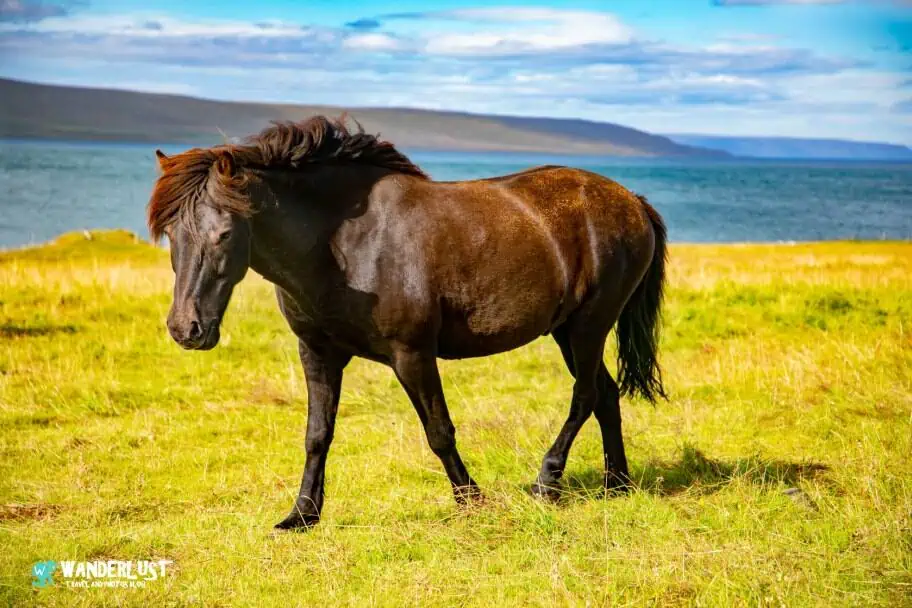
There is an abundance of amazing things to see and do in the Reykjavik area, and one of the best ways to experience those things is on a tour. If you are looking for fun tours and excursions to fill out your trip, I have included some highly rated tours and excursions that I recommend in my Reykjavik Travel Guide below.
Golden Circle Tours
Southern Iceland Tours
Snæfellsnes Peninsula Tours
Sky and Blue Lagoon Tours
Northern Lights Tours
Icelandic Horse Tours
Glacier Tours
Food and Drink Tours
Whale Watching Tours
Reykjavík Sightseeing Tours
Airport Transfers
Other Recommended Tours
Iceland Photography Tips
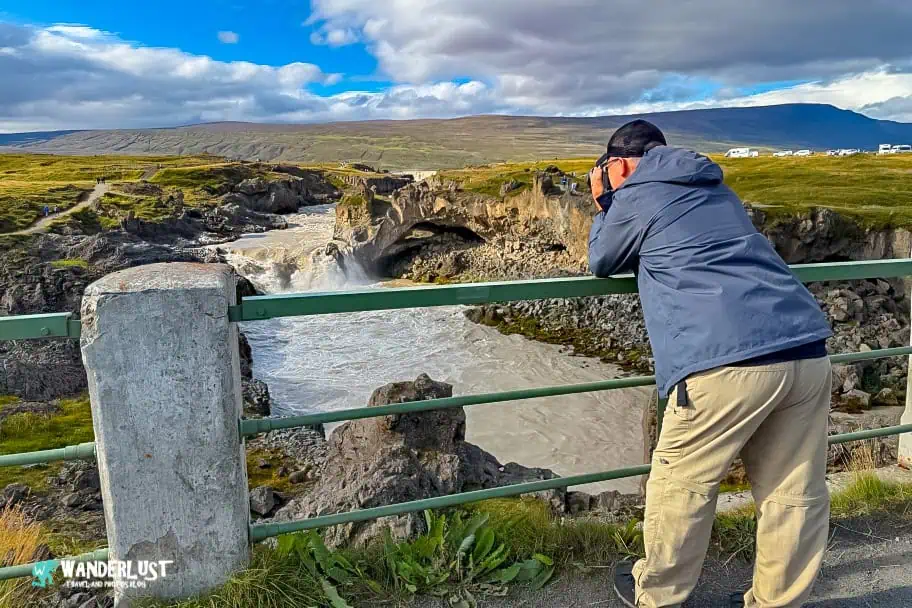
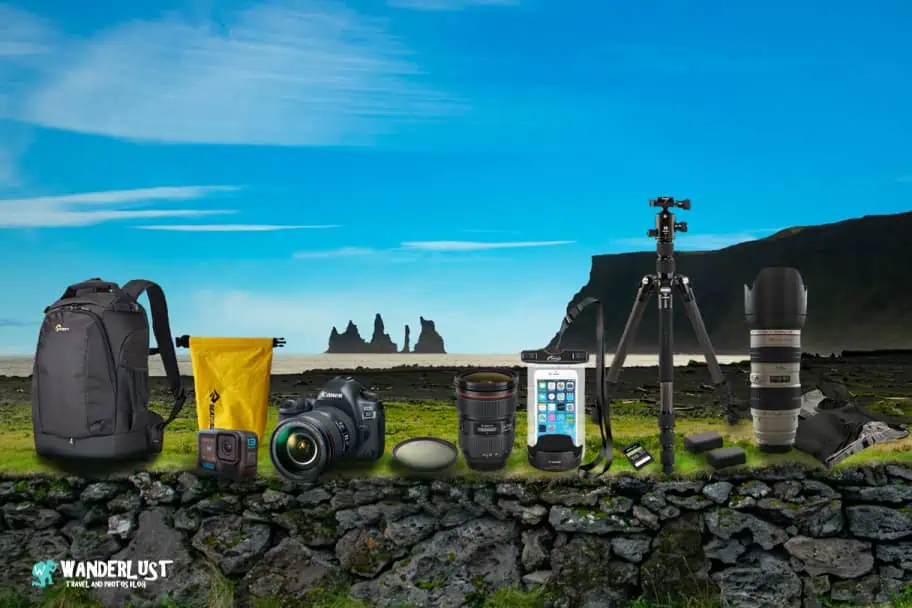
Few places on Earth have as many spectacular spots as possible to photograph than the breathtaking island country of Iceland. However, as beautiful as it may be, it can also be challenging to photograph. When visiting, it is essential to be prepared for the unique lighting conditions and rapidly changing weather. For tips on how to deal with these challenges and set yourself up to take the best photographs, check out my Iceland photography guide below.
Reykjavik Photo Gallery
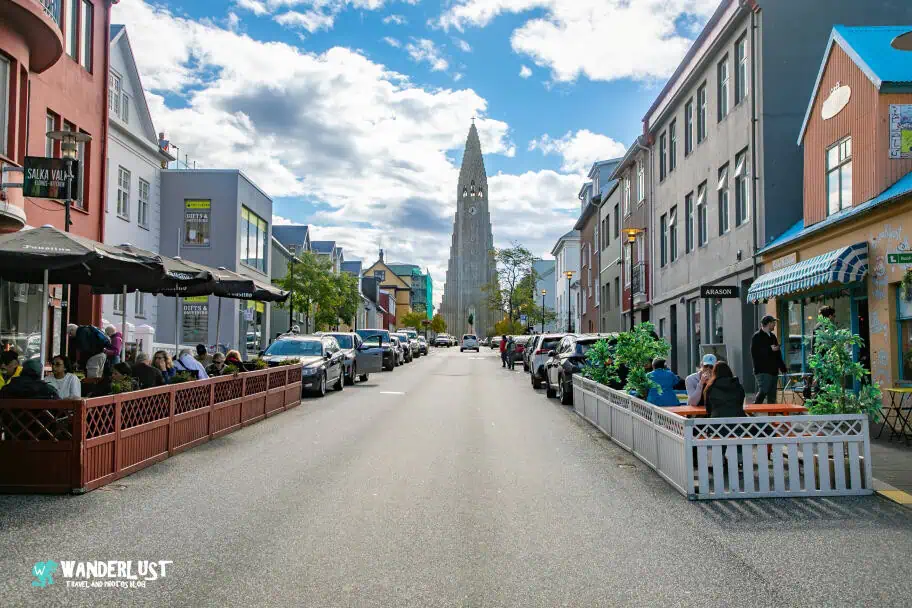
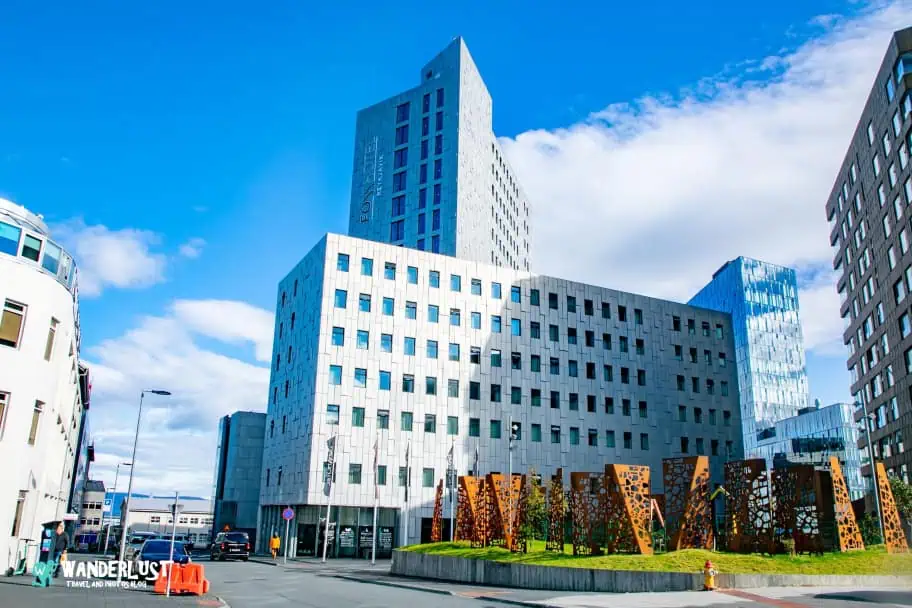
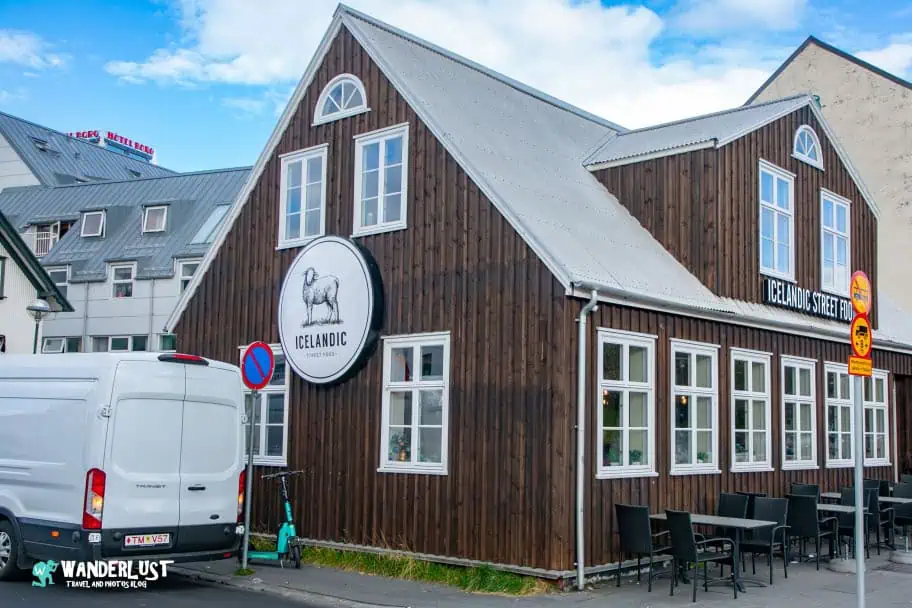
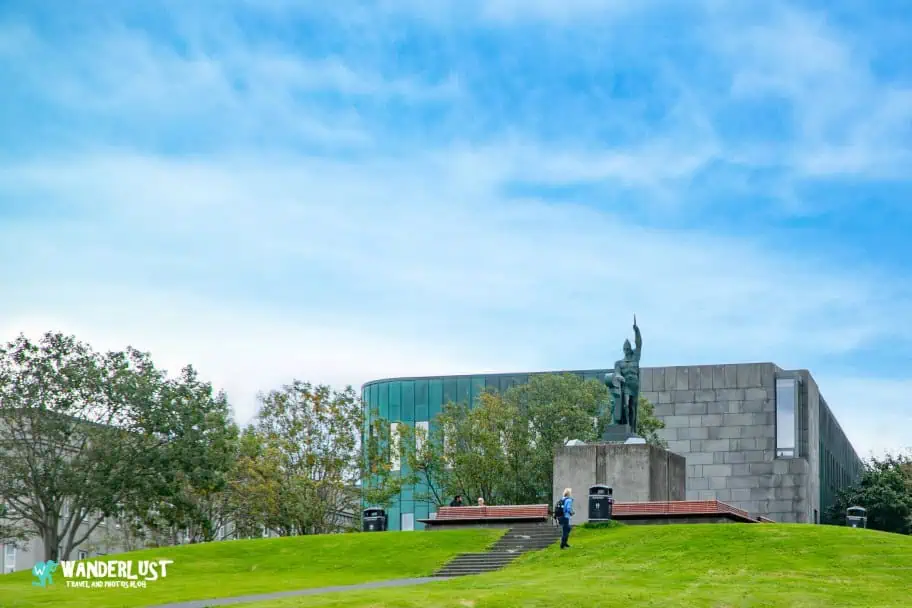
From its colorful buildings and bustling streets to the serene landscapes surrounding it, the beautiful city of Reykjavík offers a stunning array of photographic opportunities that capture the essence of this vibrant city. To see more photographs of this charming city, I have included a gallery for you to review in my Reykjavík travel guide below.
If you’re interested in exploring more of my travel photography, I’d love for you to join me on Instagram! Creating this blog to share my free guides, itineraries, and travel photography tips takes a lot of effort, and a follow on Instagram would truly mean the world to me. Your support makes it all worthwhile!
FOLLOW ME!






Don’t Forget to Subscribe to My Adventures!

Let Me Help You Save On Your Next Adventure!
‘Start Exploring Today’ Merchandise Available Now!
 |
 |
 |
 |
 |
 |
 |




















beautiful, I was there last year.
Such an incredible place!