This South Iceland guide post contains my Hotels.com, Expedia, Vrbo, and Viator affiliate links. I may receive a commission when you book a hotel or tour from this article, though at no additional cost to you. I hand-pick and recommend only the hotels and tours that I have thoroughly researched and feel comfortable recommending.
Southern Iceland is a captivating destination that offers a unique blend of stunning landscapes, rich culture, and thrilling adventures. The region is renowned for its dramatic scenery, featuring towering waterfalls, black sand beaches, and majestic glaciers. If you are making plans to visit Iceland, you won’t want to miss visiting the southern region of the country.
From the iconic Seljalandsfoss waterfall, where visitors can walk behind the cascading water, to the spectacular Vatnajökull National Park, which showcases Europe’s largest glacier, there is an amazing sight to enjoy around every corner. Meanwhile, adventure seekers will find plenty of activities to keep them engaged in Southern Iclenad. From horseback riding to glacier hiking, the region is a magnet for outdoor adventure seekers.

An All-You-Need South Iceland Guide
In this South Iceland guide, I provide you with all of the information you will need to plan a successful trip. To start, I cover the best times to visit Iceland and the best ways to get there. This way, you can maximize the amount of time you have to explore this stunning country.
In addition, I also outline the top things to see and do during your visit to South Iceland. There are many incredible things that you won’t want to miss during your stay. With my guide in hand, you won’t miss a thing. Finally, I provide you with some great restaurant and hotel recommendations to make your stay more enjoyable. Using the information I provide, the planning process will be stress-free.
South Iceland Guide Navigation Menu


At a Glance
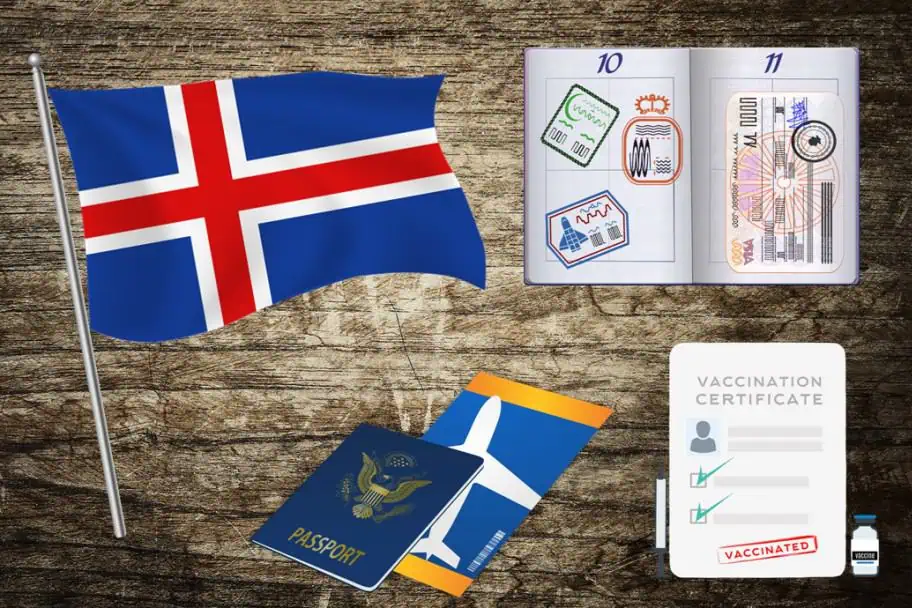
Before you start making any travel plans, you need to be sure that you meet the country’s entrance requirements. This includes all of the passport, VISA, and immunization requirements for Iceland.
You will also need to know some basic information about Iceland to help you get around. To start, this includes clearly understanding the languages they speak in Iceland. This way, you can plan any translation needs you may have. In addition, you will need to know what currency they use in Iceland. Knowing this, you can plan to exchange currency before your trip if necessary.
To assist you in your preparation, I have included this key information in my South Iceland guide for you to review below.
 |
Passport requirements exist. See my Entrance Requirements Guide below for details. |
 |
Immunization recommendations are listed in my Entrance Requirements Guide below. |
 |
The official language in Iceland is Icelandic. |
 |
The official currency in Iceland is the Króna. |
Passport, VISA, Customs, and Immunization Requirements

Before you leave for your trip to Iceland, you need to make sure you have all of the proper vaccinations. Not only to protect yourself but to protect others. If you have questions on what immunizations you may need and what to look out for when you go to get them, you are in luck. I have included some general guidelines I can pass on from my experience in my guide to the Iceland entrance requirements below.
Packing Tips
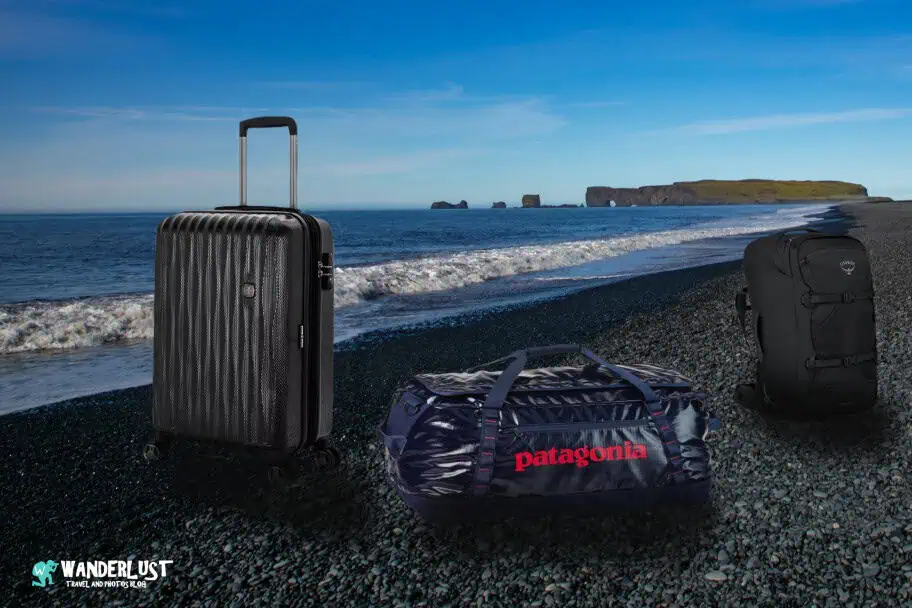
Outside of knowing the entry and immunization requirements, there is no pre-travel task more important than packing. Don’t worry, I am here to make sure you are packed and prepared for your trip. I have included links to my packing resources in my South Iceland Guide below for you to review.

Top Things to See and Do in South Iceland
Southern Iceland is a treasure trove of natural wonders, offering a breathtaking array of landscapes that will leave you speechless. Not only is Southern Iceland famous for its incredible waterfalls, but the region is also home to some of the country’s most breathtaking canyons and stunning black sand beaches. These are just some of the many things that make South Iceland a truly unforgettable destination.
If you are in the process of planning your trip and need to fill out your itinerary, I have included a list of my top things to see and do in my South Iceland guide below.


Jökulsárlón Glacier Lagoon

Nestled at the edge of Vatnajökull National Park, the Jökulsárlón Glacier Lagoon is filled with luminous blue icebergs that have calved from the nearby Breiðamerkurjökull glacier. The contrast of the icy blue hues against the dark volcanic sands creates a mesmerizing landscape that feels almost otherworldly. Whether you choose to take a boat tour to glide among the icebergs or simply enjoy the view from the shore, the sight of these massive, floating sculptures is sure to leave a lasting impression.
Mulagljufur Canyon

The spectacular Mulagljufur Canyon is carved by the relentless forces of nature, showcasing dramatic cliffs that rise steeply from the valley floor. Visitors are treated to spectacular vistas, from panoramic views of the canyon’s depths to glimpses of the distant glaciers. Its beauty has made it one of Iceland’s most popular canyons to visit, but the hike can be a bit challenging.
Spanning approximately 4.4 miles (or roughly 7 kilometers) with an elevation gain of 1,263 feet (or 385 meters), the Mulagljufur Canyon trail is a difficult hike that typically takes 4 to 5 hours to complete. The trails are very well marked, so navigation isn’t an issue. However, there are two small creek crossings on the trail, so proper footwear is a must. For more information on this hike, I have included a trail map in my South Iceland guide below.
| Trail Stats | |
|---|---|
| Trail Type: | Out-and-Back |
| Distance: | 4.4 miles/7 kilometers |
| Elevation Gain: | 1,263 feet/385 meters |
| Time to Complete: | 4 to 5 hours |
| Difficulty Level: | Difficult |
| Trail Map |
|---|
Svartifoss Waterfall
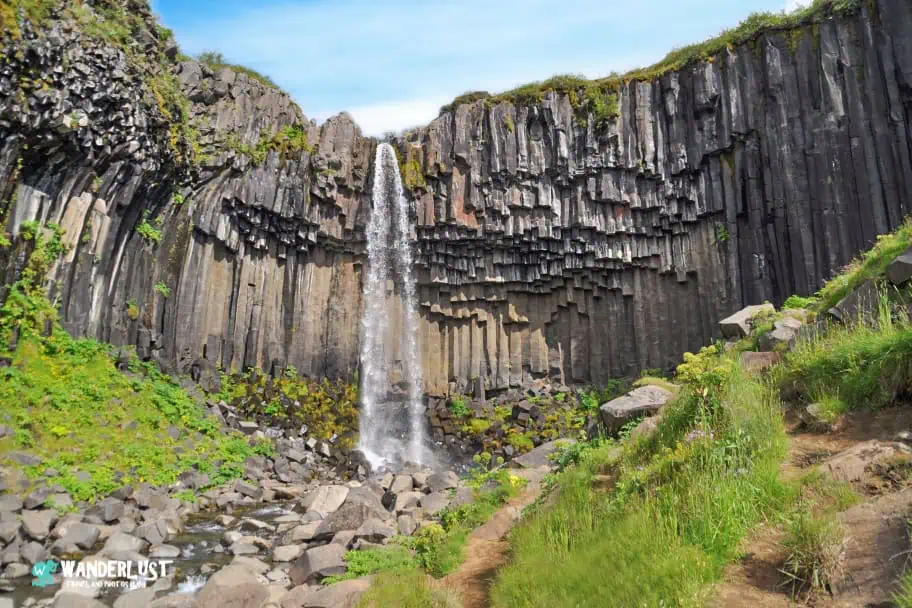
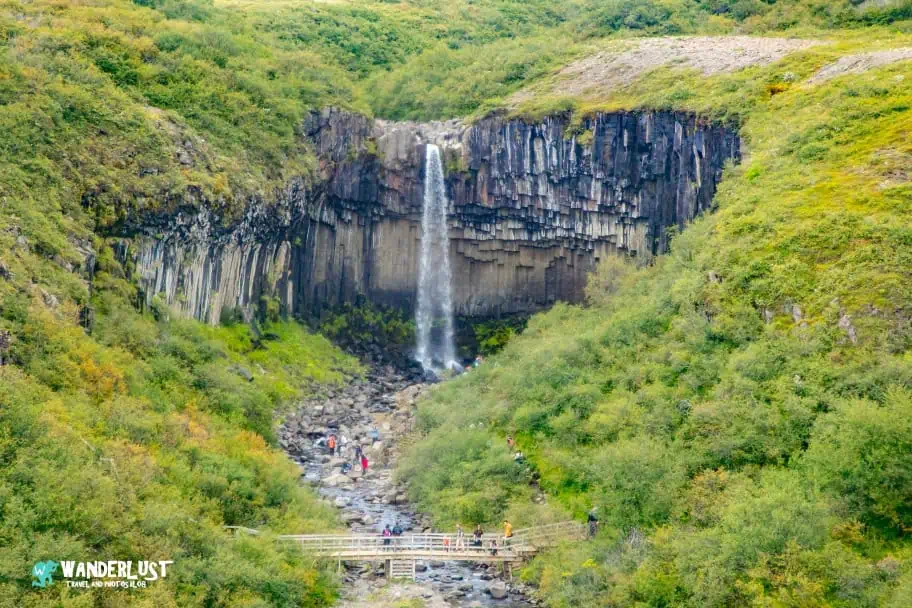
The breathtaking Svartifoss Waterfall is another of the many spectacular waterfalls in Southern Iceland for visitors to see. The water cascading down the dark basalt columns is nothing short of mesmerizing. These unique columns were created by ancient lava flows, which further enhance the beauty of the falls.
The trail to the falls, which spans approximately 2.1 miles (about 3.4 kilometers) round trip, takes you through a diverse array of terrains, including lush greenery and rugged volcanic rock formations. As you ascend, you will experience an elevation gain of approximately 436 feet (around 133 meters), which offers a moderate challenge suitable for most hikers. The path is well-marked, making it accessible for families and outdoor enthusiasts alike.
| Trail Stats | |
|---|---|
| Trail Type: | Out-and-Back |
| Distance: | 2.1 miles/3.4 kilometers |
| Elevation Gain: | 436 feet/133 meters |
| Time to Complete: | 1 to 1.5 hours |
| Difficulty Level: | Moderate |
| Trail Map |
|---|
Diamond Beach

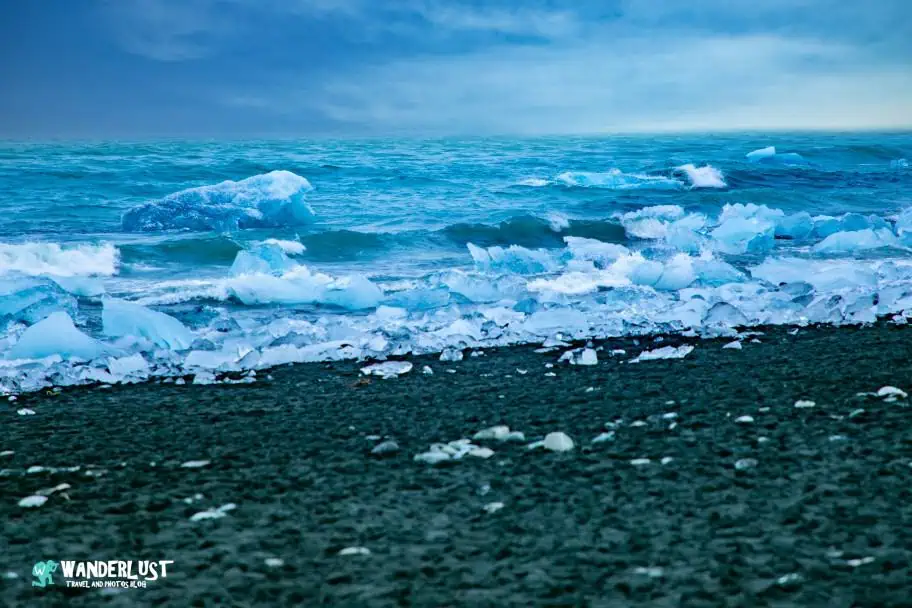
Located near the famous Jökulsárlón Glacier Lagoon, the beautiful Diamond Beach is renowned for its striking contrast between the black volcanic sand and the shimmering icebergs that wash ashore. The sight of these ice formations, shaped by the relentless waves of the Atlantic Ocean, creates a surreal landscape that feels almost otherworldly. No matter what time of year you visit, Diamond Beach is certain to leave a lasting impression.
Hofskirkja Turf Church

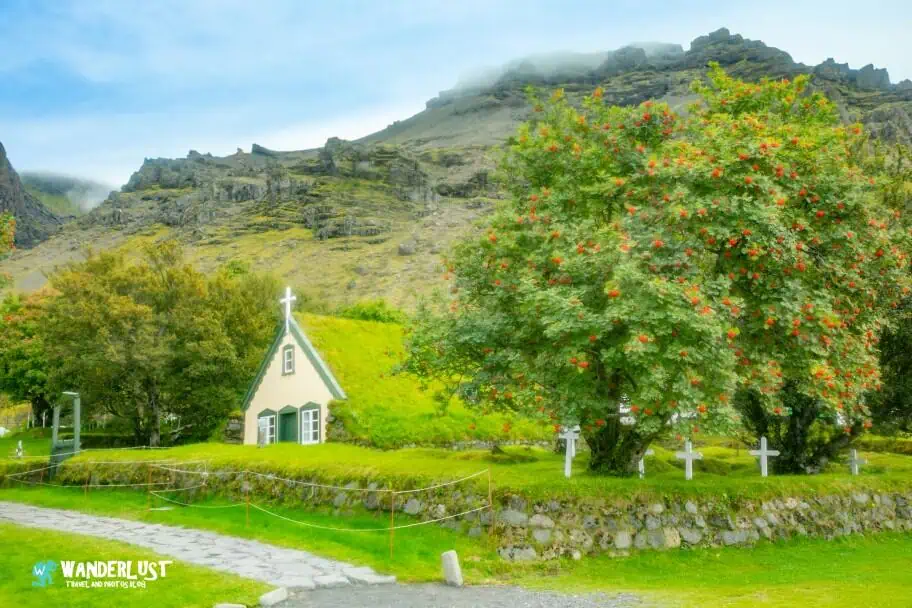
Built in 1884, the charming Hofskirkja Turf Church is renowned for its distinctive turf-covered roof and walls, which blend seamlessly into the surrounding greenery. The sight of this quaint wooden structure, framed by majestic mountains and lush fields, evokes a sense of tranquility and reverence. Inside, you will discover a beautiful interior adorned with wooden pews and traditional Icelandic art. For those looking to explore the Icelandic culture, the church is an absolute must-visit spot when touring South Iceland.
Fjaðrárgljúfur Canyon

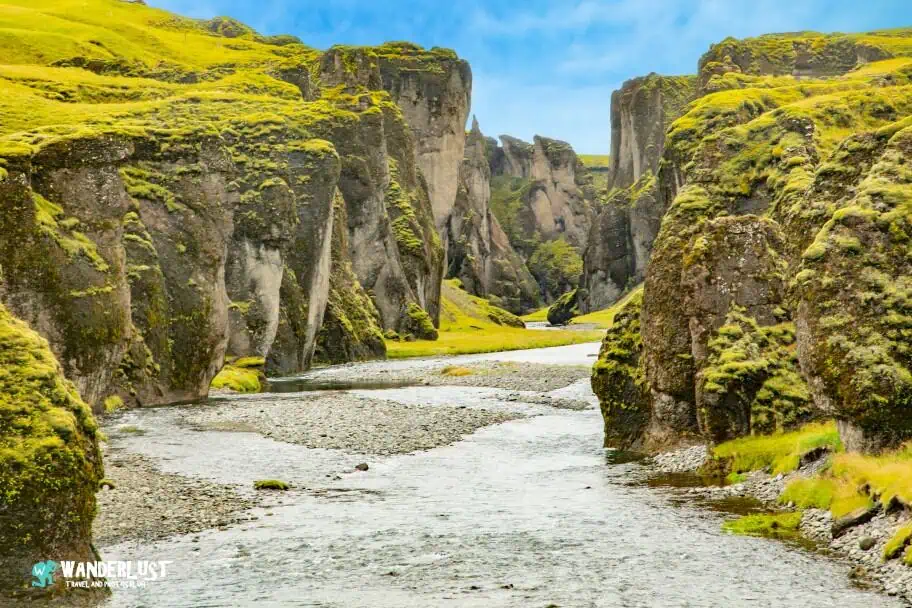
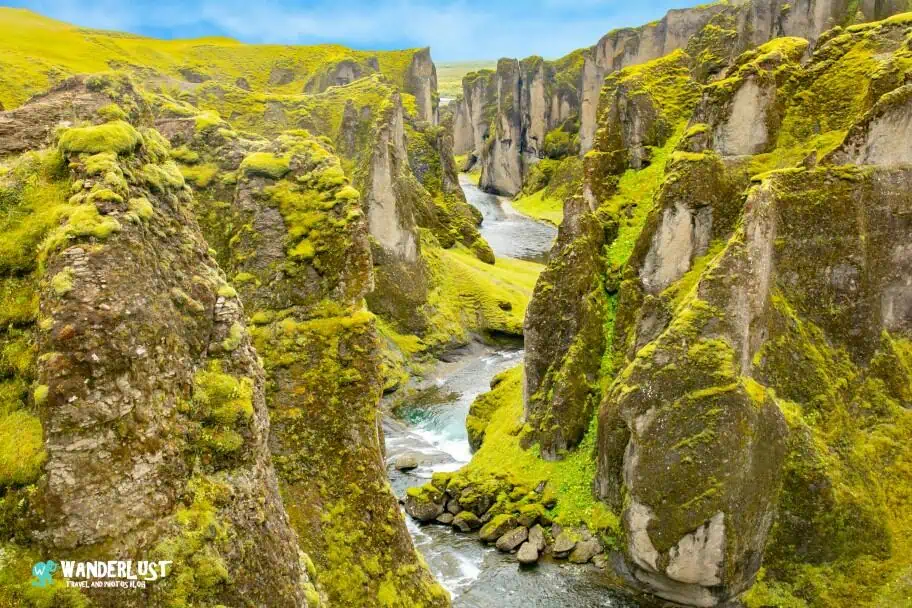
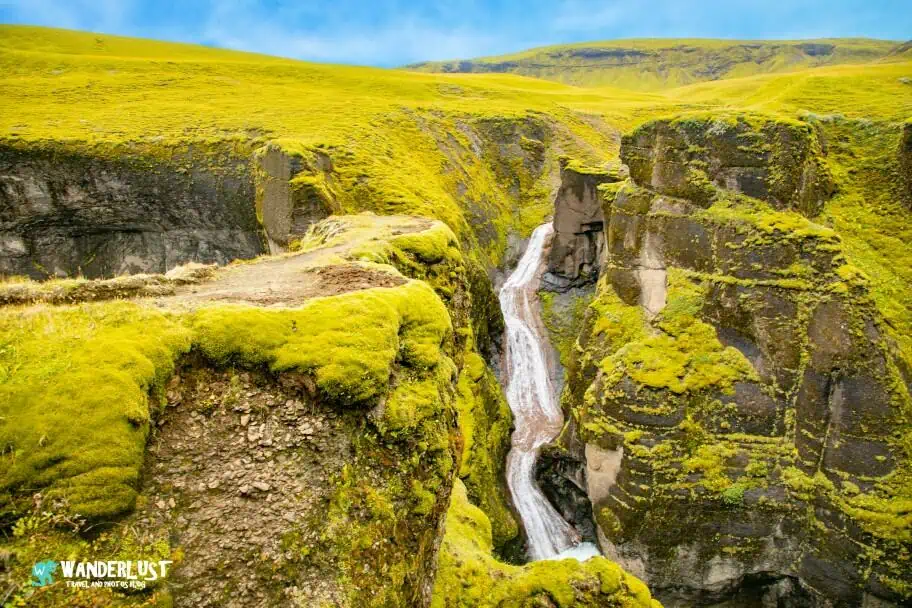
The remarkable Fjaðrárgljúfur Canyon stretches approximately 2.1 miles (3.4 kilometers) in length, with towering walls that rise dramatically up to 100 meters high. Along the canyon’s well-marked trails, you will encounter breathtaking views of the canyon’s serpentine shape, carved by the Fjaðrá River over millennia. The hike is relatively moderate, making it accessible to a wide range of outdoor enthusiasts, though some sections may require careful footing due to rocky terrain and steep inclines.
The trail is typically completed in about 1 to 2 hours, depending on your pace and how often you stop to take in the scenery or capture photographs. The total elevation gain is around 396 feet (roughly 120 meters), providing a satisfying challenge while rewarding hikers with panoramic vistas at various viewpoints along the way. For more information on the trail to see this incredible canyon, please see the trail map I included in this South Iceland guide below.
| Trail Stats | |
|---|---|
| Trail Type: | Out-and-Back |
| Distance: | 2.1 miles/3.4 kilometers |
| Elevation Gain: | 396 feet/120 meters |
| Time to Complete: | 1 to 1.5 hours |
| Difficulty Level: | Easy |
| Trail Map |
|---|
Eldhraun Lava Field
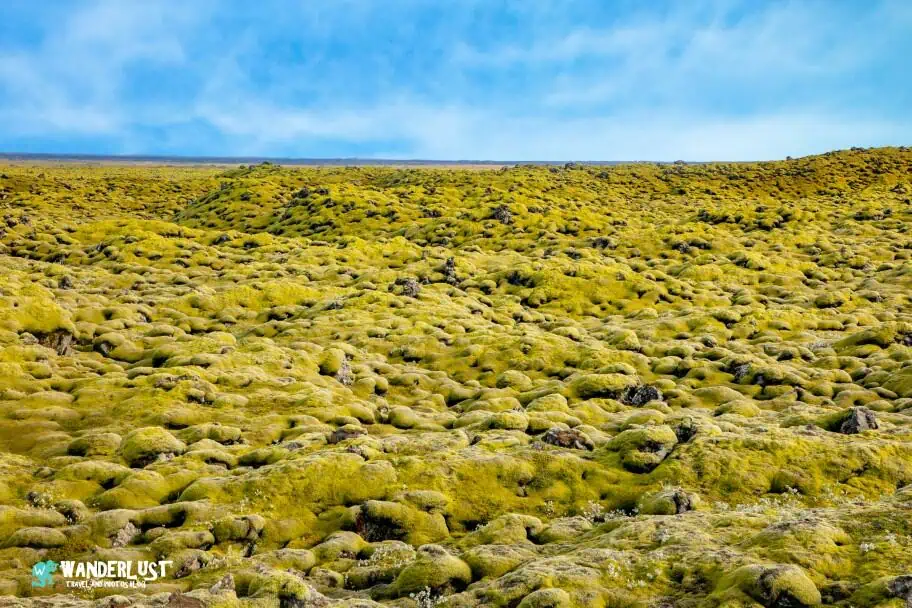
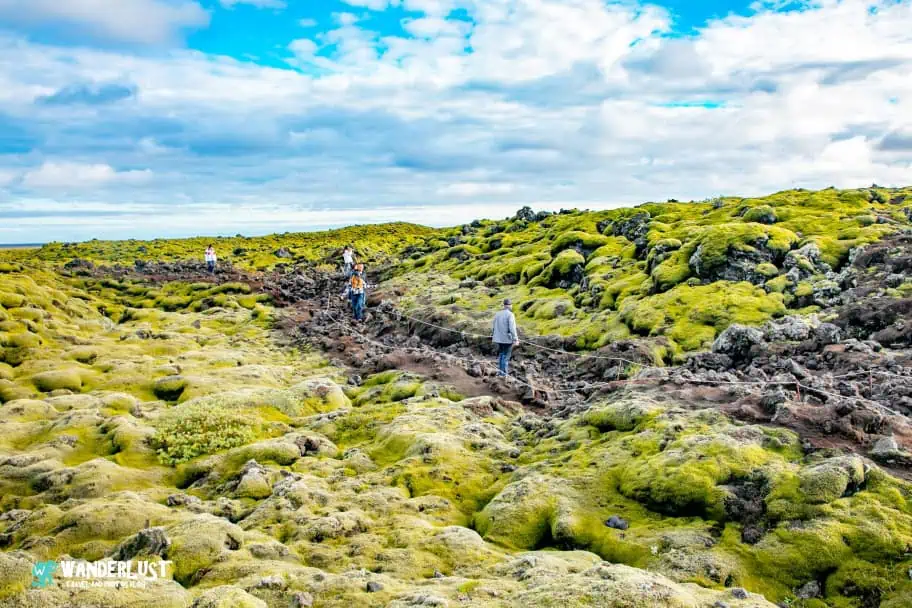
This vast expanse, formed by one of the largest lava flows in history during the 18th century, showcases a unique terrain blanketed in moss-covered lava rocks, creating a striking contrast against the stark Icelandic sky. However, the Eldhraun Lava Field is more than just an interesting landscape. The area is also a haven for wildlife, with numerous bird species and the occasional Arctic fox making an appearance for visitors.
Reynisfjara Black Sand Beach
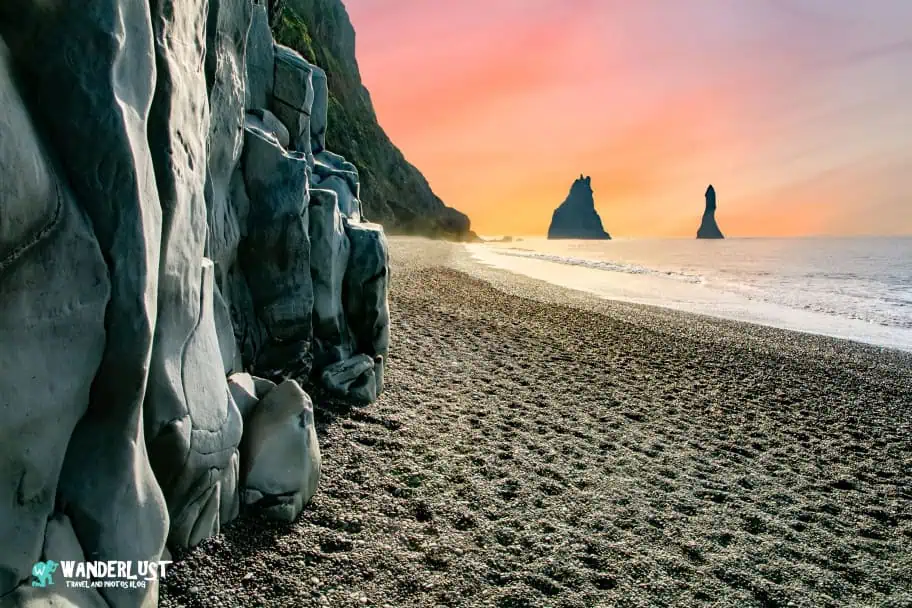
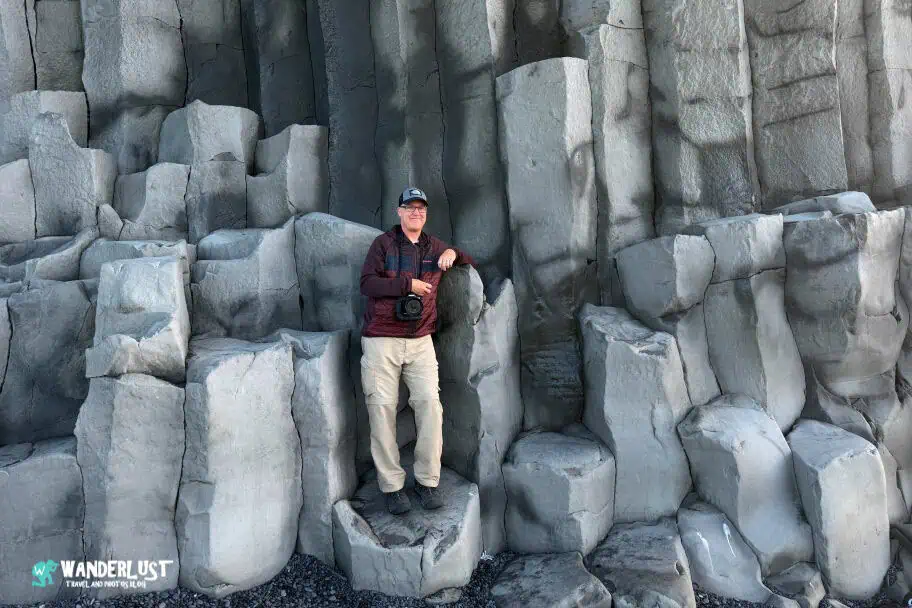
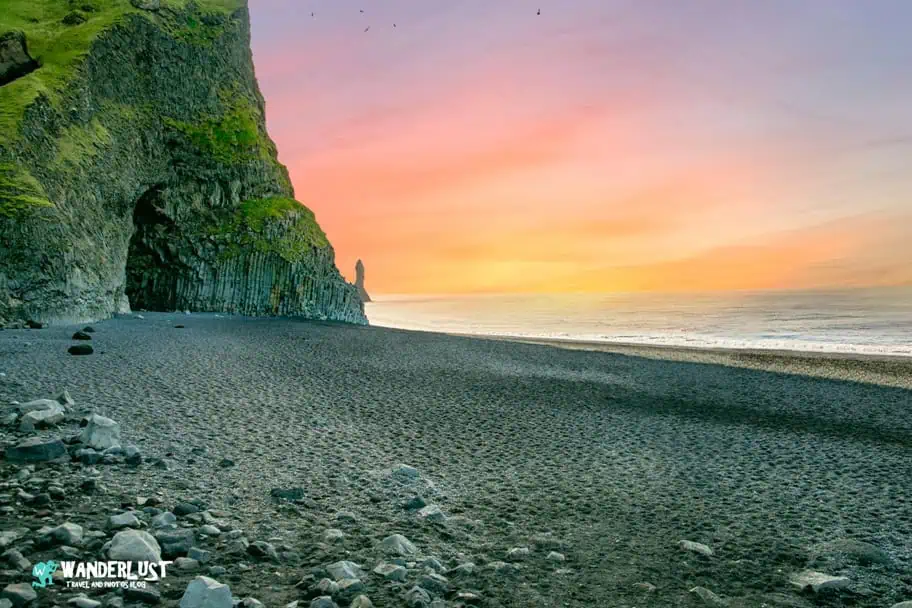
One of the most strikingly beautiful spots in South Iceland is the renowned Reynisfjara Black Sand Beach. This incredible beach captivates visitors with its dramatic landscapes and unique geological features. The beach is famous for its striking black sands, formed from volcanic basalt, which contrast sharply with the white froth of the Atlantic waves crashing against the shore.
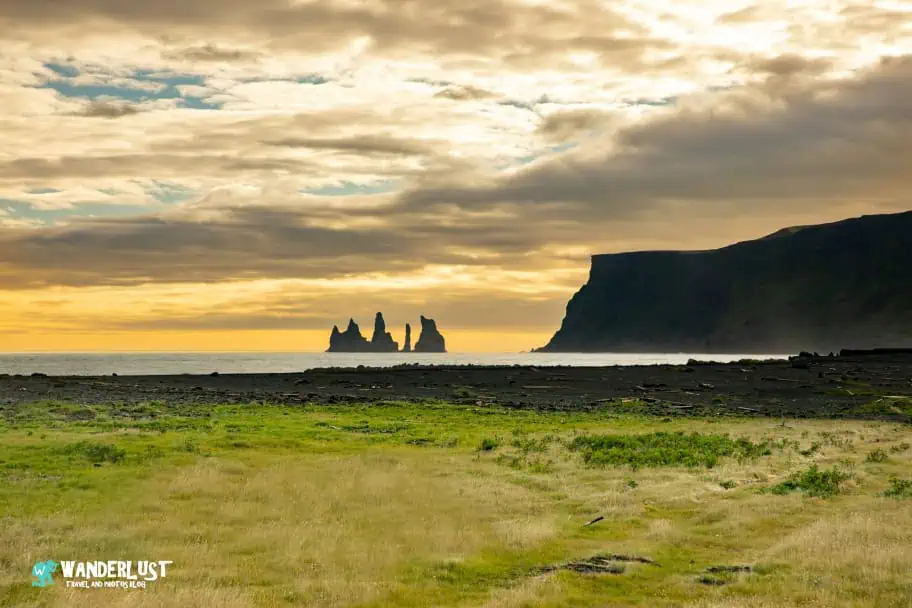
Towering basalt columns, shaped by centuries of erosion, rise majestically from the cliffs, creating a stunning backdrop that has inspired countless photographers and nature enthusiasts. Nearby, the Reynisdrangar sea stacks, steeped in local folklore, stand sentinel just offshore, adding an air of mystique to the scene. Without a doubt, the beach is a must-visit destination for anyone exploring the enchanting landscapes of Iceland.
Dyrholaey Sea Arch

Rising majestically from the Atlantic Ocean, the arch is famous for its dramatic cliffs and the striking hole that has been carved through the rock by centuries of relentless waves. The area is also a haven for birdwatchers, as it serves as a nesting site for various seabird species, including puffins, which can be seen fluttering around the cliffs during the summer months. If you visit South Iceland, a stop to see the Dyrhólaey Sea Arch is a must.
Skogafoss Waterfall
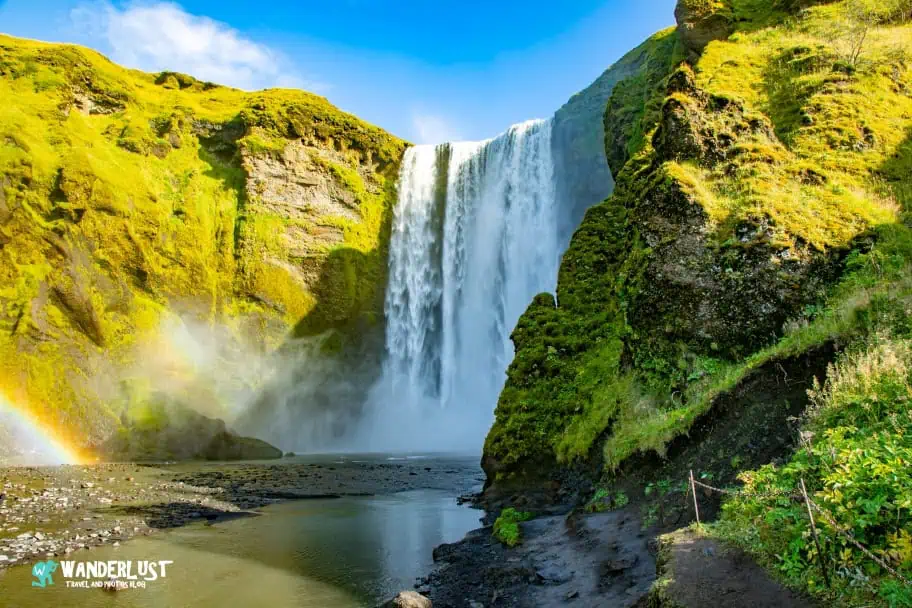
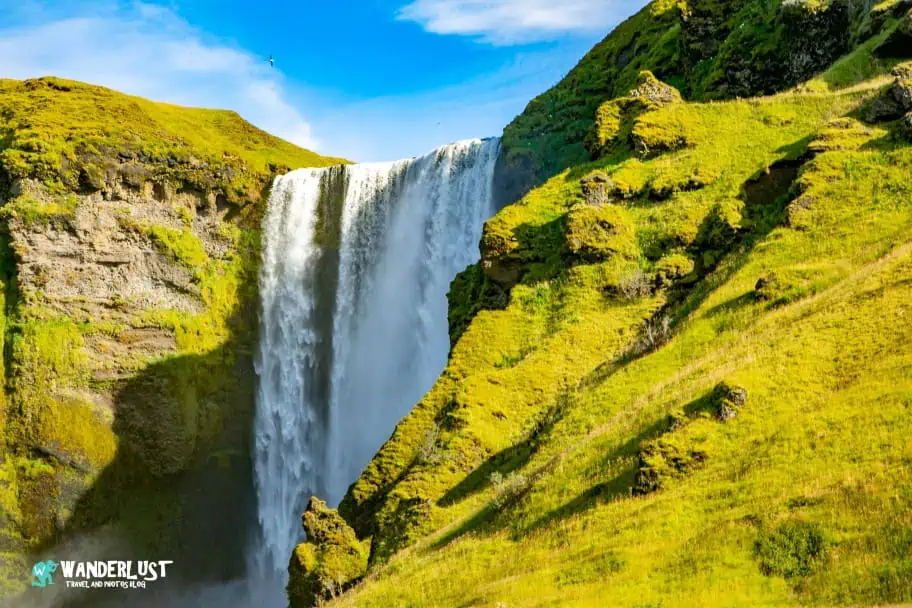
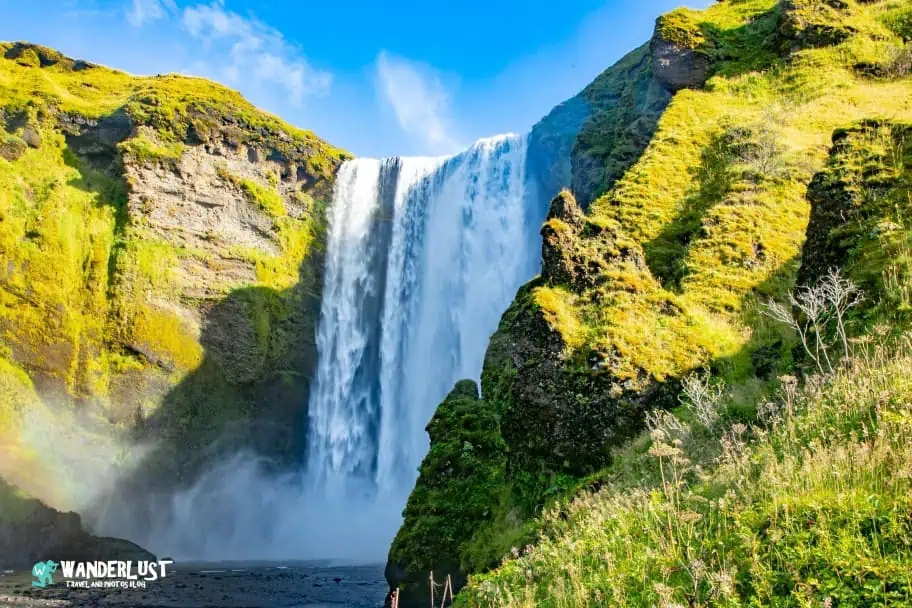
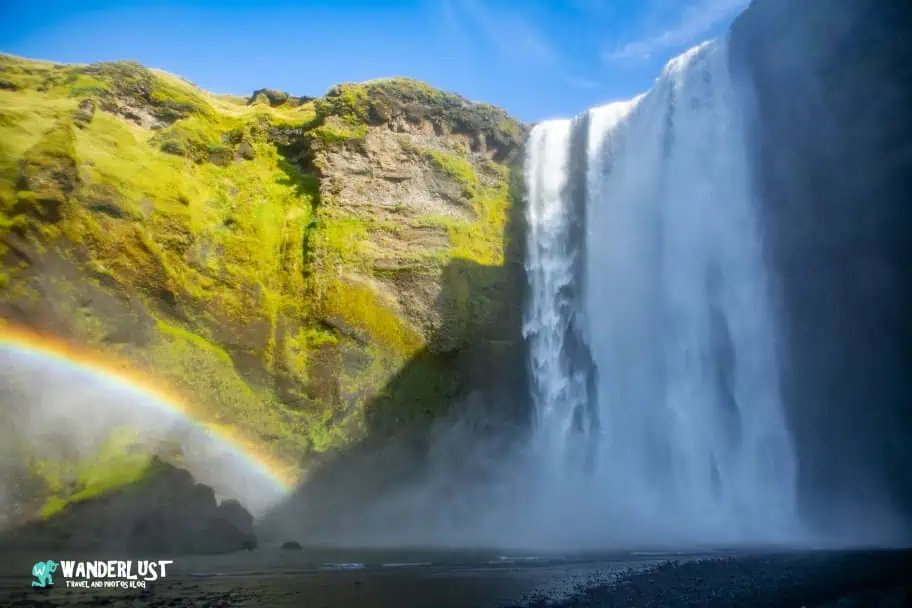
The incredible Skõgarfoss is one of the most famous waterfalls in all of Iceland. Located just off the Ring Road, this breathtaking waterfall has been featured in several movies, including Thor: The Dark World and The Secret Life of Walter Mitty. It was also used in the final season of the HBO miniseries Game of Thrones.
It is only a short walk to view the Skõgarfoss from ground level, but there is a staircase that leads to the top of the falls. At the top of this 527-step staircase, you will be treated to breathtaking views of the Skõgarfoss from above. From here, you can truly appreciate the beauty and power of this amazing waterfall. In addition to spectacular views of Skõgarfoss, the top of the staircase is also where you will find the beginning of the Fimmvörðuháls Trail.
This trail spans 16.1 miles (or roughly 26 kilometers) with 3,710 feet (or approximately 1,130 meters) of elevation gain, making it a very difficult hike. However, if you have the time, it is definitely worth it. The trail takes you past 26 beautiful waterfalls, including the stunning Steinbogafoss and Skálabrekkufoss falls. For more information, check out the trail map I included in this South Iceland guide below.
| Trail Stats | |
|---|---|
| Trail Type: | Out-and-Back |
| Distance: | 16.1 miles/26 kilometers |
| Elevation Gain: | 3,710 feet/1,130 meters |
| Time to Complete: | 10 to 12 hours |
| Difficulty Level: | Very Difficult |
| Trail Map |
|---|
Kvernufoss Waterfall

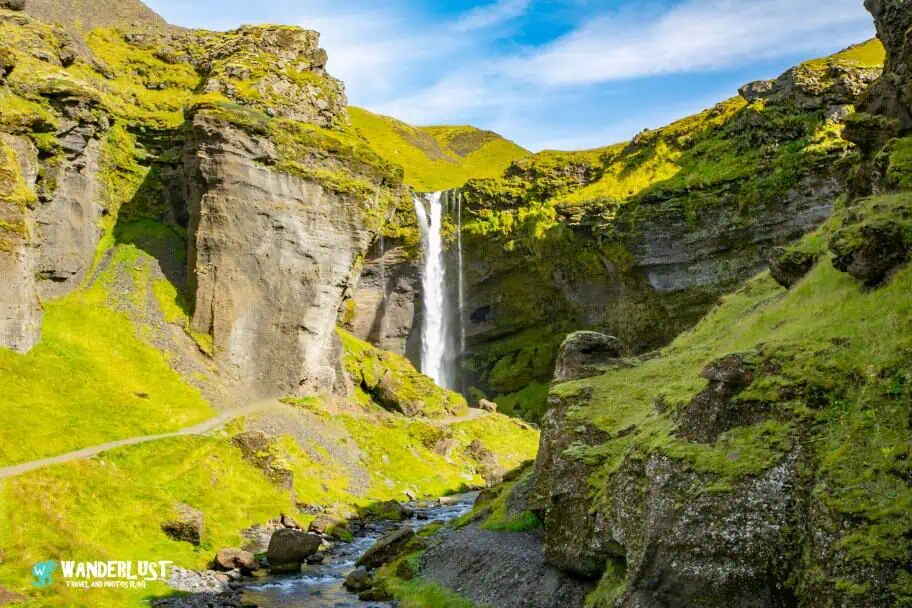
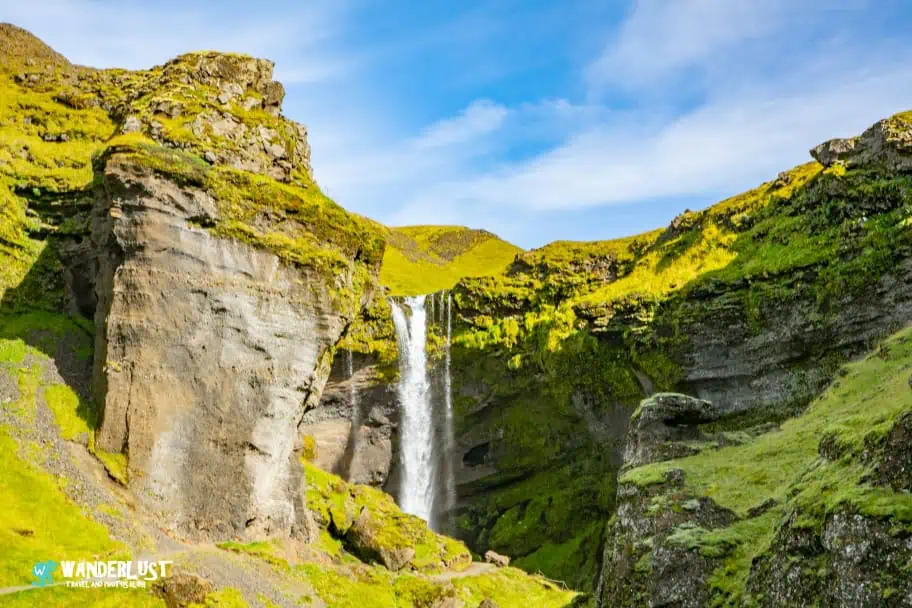
One of the prettier waterfalls you will see in South Iceland is the amazing Kvernufoss Waterfall. This beautiful waterfall is unique in that it allows visitors to walk behind the curtain of water, offering a rare perspective. There is also a great chance you will spot sheep grazing along the way, which adds to the charm of the waterfall. The trail to the waterfall is approximately 0.9 miles (or roughly 1.5 kilometers) long, making it a manageable trek for most visitors.
Along the route, you will encounter a gradual elevation gain of about 187 feet (or 57 meters), which provides a gentle challenge without being overly strenuous. The path is also well-marked, so navigation won’t be an issue. In total, it shouldn’t take more than an hour to hike to the falls, grab some photos, and then hike back. For more details on the trail to the Kvernufoss Waterfall, check out the trail map I included in this South Iceland guide below.
| Trail Stats | |
|---|---|
| Trail Type: | Out-and-Back |
| Distance: | 0.9 miles/1.5 kilometers |
| Elevation Gain: | 187 feet/57 meters |
| Time to Complete: | 1/2 to 1 hours |
| Difficulty Level: | Easy |
| Trail Map |
|---|
Rutshellir Cave
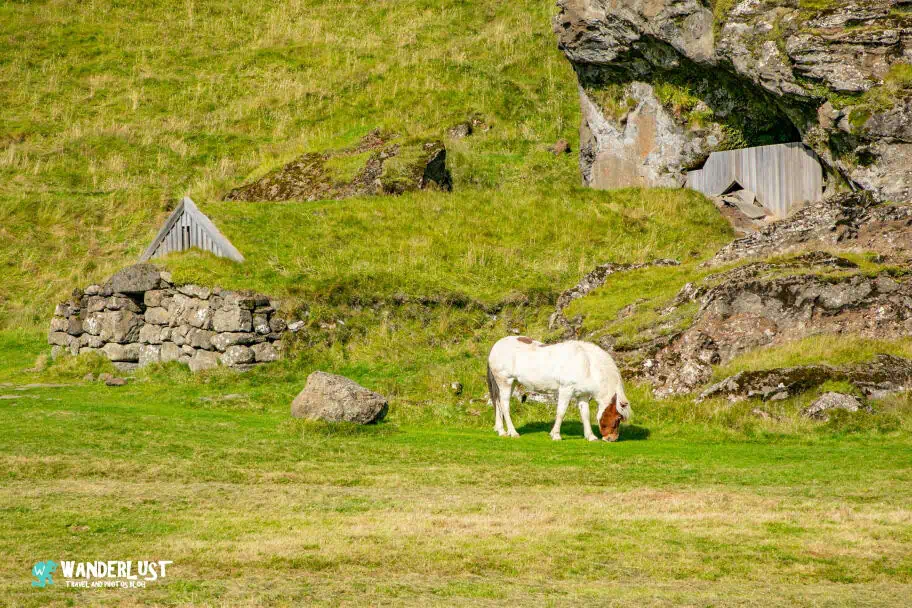
One of the more unique sights to see in Southern Iceland is the Rutshellir Cave. Considered to be the largest man-made cave in Iceland, the cave is so tall that a second floor was installed at one time. In the ceiling, you will notice the carving of a cross, which indicates the cave dates back to the day of the Irish monks, well before the Norse settlement. It is located right off of Highway 1, making it an easy stop for those who would like to experience a little Icelandic history.
Seljalandsfoss Waterfall
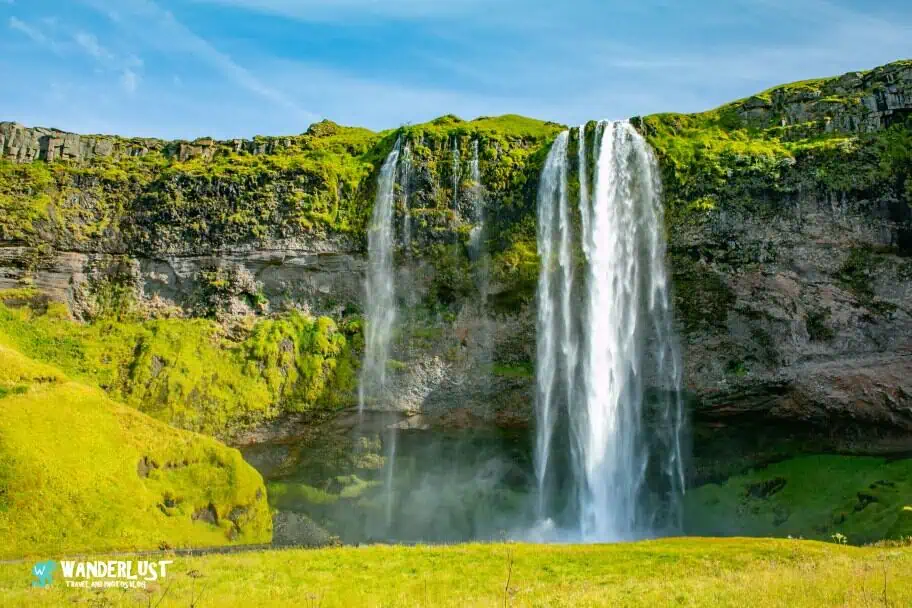
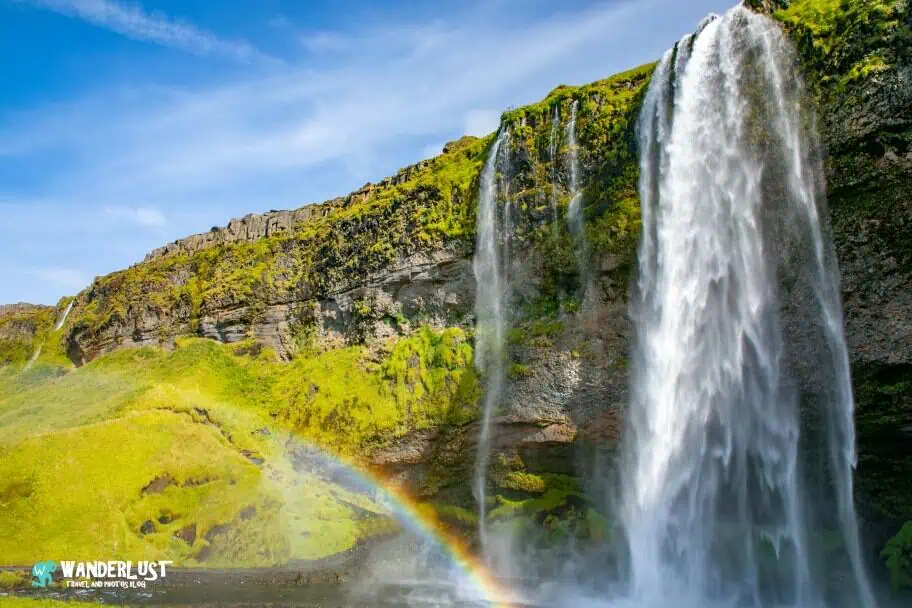
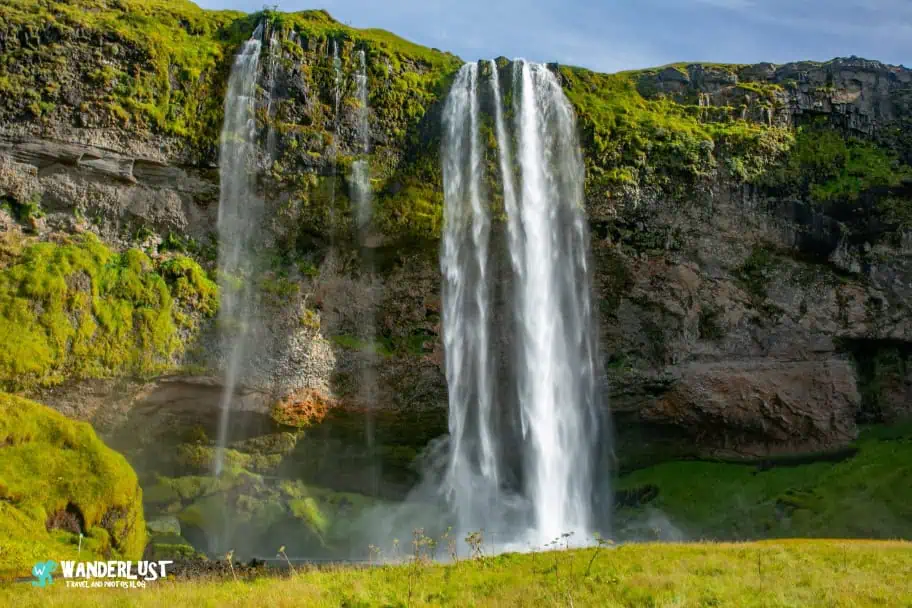
Another of South Iceland’s top attractions is the beautiful Seljalandsfoss Waterfall. This stunning waterfall, which cascades down a dramatic cliff face, is unique in that it allows visitors to walk behind the rushing water, offering a rare perspective that few other waterfalls can provide. The surrounding landscape is equally captivating, with lush green hills and rugged rock formations that frame the waterfall, making it a perfect spot for photography enthusiasts.
The hike to Seljalandsfoss is relatively short, covering a distance of approximately 1.2 miles (roughly 2 kilometers) round-trip. The trail is well marked and the elevation gain is modest, making it accessible for most hikers, but be prepared for some uneven terrain as you approach the waterfall.
While the hike is generally considered easy, it is essential to wear sturdy footwear, as the path can be slippery, especially near the waterfall. For more information on the hike to the waterfall, please see the trail map I included in my South Iceland guide below.
| Trail Stats | |
|---|---|
| Trail Type: | Out-and-Back |
| Distance: | 1.2 miles/2 kilometers |
| Elevation Gain: | 246 feet/75 meters |
| Time to Complete: | 1/2 to 1 hours |
| Difficulty Level: | Easy |
| Trail Map |
|---|
Keldur Turf Houses

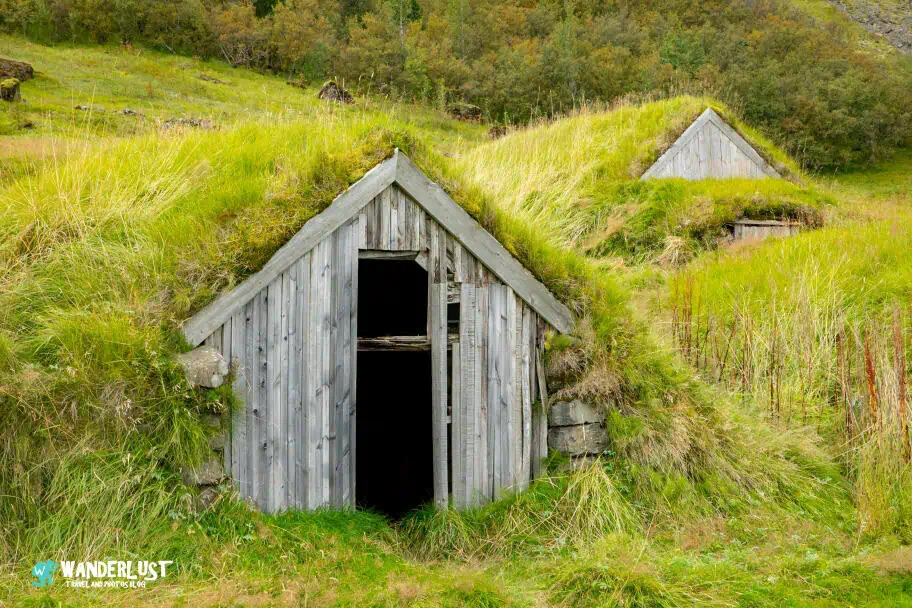
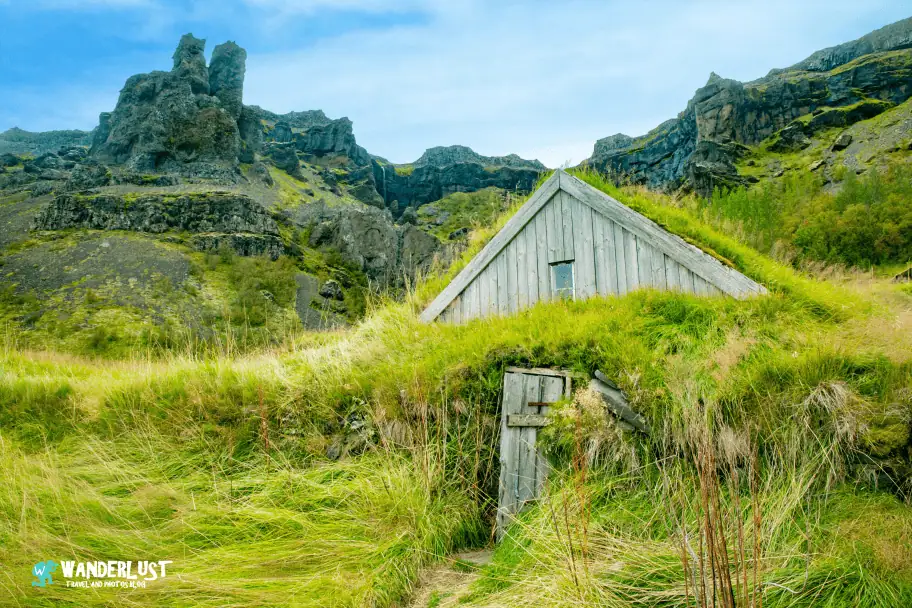
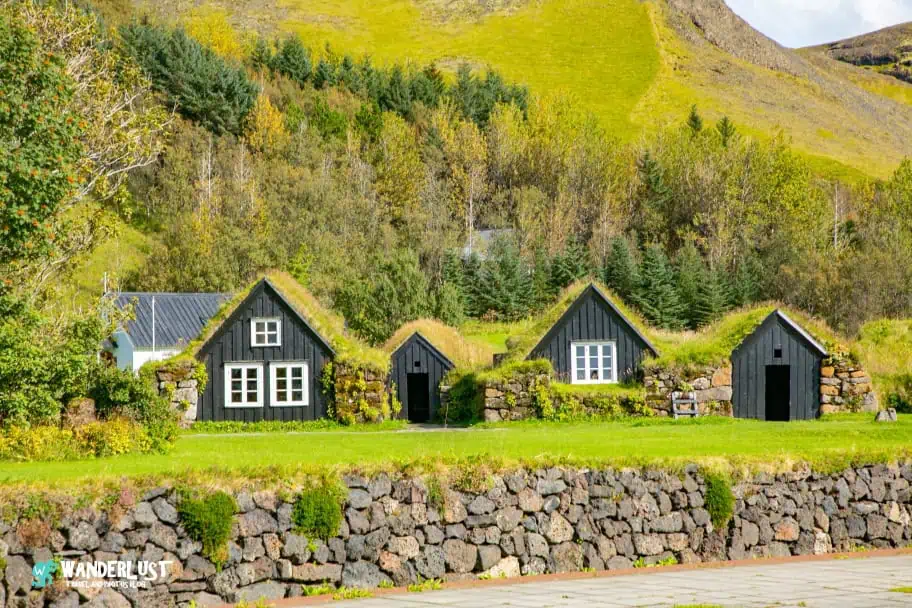
Nestled in the scenic landscape of South Iceland, the Keldur Turf Houses date back to the 11th century and are among the oldest of their kind in the region. The turf houses, built using a combination of earth, grass, and stone, were designed to withstand the harsh Icelandic climate, showcasing the resourcefulness of early settlers who adapted to their environment.
The surrounding area is equally captivating, with lush greenery and stunning views of the nearby mountains. Visitors can learn about the daily lives of the inhabitants who once called these houses home, gaining insight into their traditions, challenges, and the evolution of Icelandic society. With all the history to explore, it is no wonder that the turf houses are amongst South Iceland’s most popular attractions.
Haifoss Waterfall
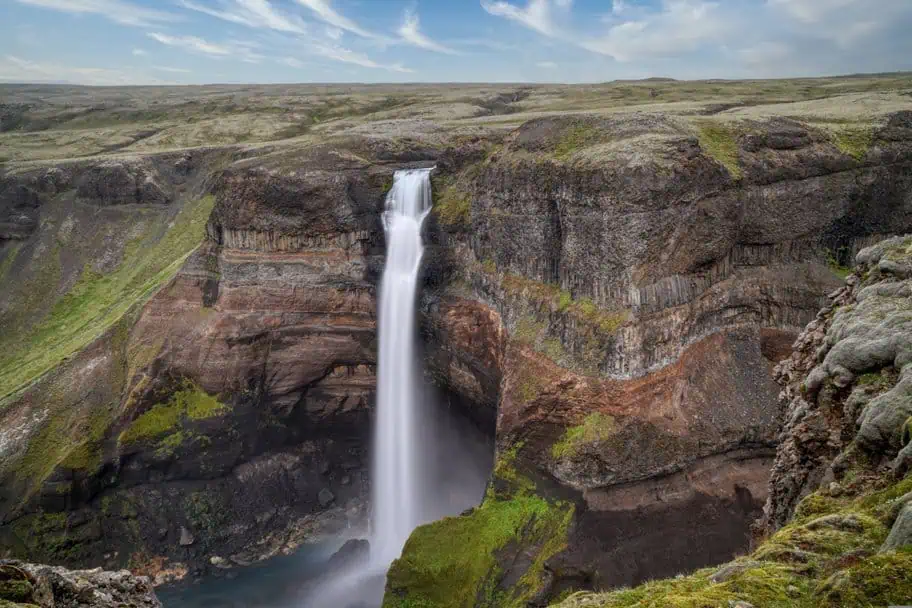
Located in the Þjórsárdalur valley, Haifoss Waterfall is one of the tallest waterfalls in the country, plunging an impressive 122 meters into a rugged canyon. However, seeing the falls is just part of the adventure. The journey to the falls is as captivating as the destination itself, with winding roads that offer stunning views of the surrounding landscape, characterized by lush green hills and volcanic rock formations.
The trip is worth it, though, as the sight of cascading water, framed by dramatic cliffs and vibrant moss, is nothing short of spectacular. The trail to reach the falls spans approximately 2.6 miles (about 4.2 kilometers) round-trip and passes through a diverse landscape with picturesque views. On the hike to the falls, you will encounter a significant elevation gain of around 672 feet (approximately 205 meters), which adds a rewarding challenge to the experience.
While the hike is classified as moderate in difficulty, it is suitable for those with a reasonable level of fitness and a sense of adventure. The combination of stunning vistas, the thrill of the hike, and the majestic beauty of Haifoss Falls makes this trek an unforgettable experience. For more information on the trail, please see the trail map I included in this South Iceland guide below.
| Trail Stats | |
|---|---|
| Trail Type: | Out-and-Back |
| Distance: | 2.6 miles/4.2 kilometers |
| Elevation Gain: | 672 feet/205 meters |
| Time to Complete: | 1 to 2 hours |
| Difficulty Level: | Moderate |
| Trail Map |
|---|
How to Get to South Iceland

How you get to South Iceland will depend a great deal on where you are visiting from. Most travelers fly into Keflavík International Airport (KEF) near Reykjavik and then either drive to the south coast or take a tour that provides transportation to the South. For those who are choosing to drive the Ring Road, you will travel through South Iceland as you circumvent the country on that epic road trip.

Direct Flights from the United States to Iceland
For travelers heading from the United States to Reykjavik, there are more than 200 direct flights available each week from the USA to Reykjavík, operated by at least four different airlines from approximately 17 cities. For additional details on these direct flights, please check the list I have linked below.
- Icelandair – Direct flights from Baltimore (BWI), Boston (BOS), Chicago (ORD), Denver (DEN), Minneapolis-St. Paul (MSP), New York (JFK and EWR), Orlando (MCO), Raleigh-Durham (RDU), Seattle (SEA), and Washington, D.C. (IAD).
- Delta Airlines – Direct flights from Boston (BOS), Detroit (DTW), Minneapolis-St. Paul (MSP), New York (JFK), and Seattle (SEA).
- United Airlines – Offers seasonal direct flights from Chicago (ORD) and New York/Newark (EWR).
- American Airlines – Offers seasonal direct flights from Dallas/Fort Worth (DFW) and Philadelphia (PHL).
When to Visit South Iceland

One of the most important decisions you must make when planning your trip to South Iceland is when to visit. Like most places, certain times of year are better than others. To help you decide what time of year to plan your trip, I have included some important annual weather information for you to review in my South Iceland guide below.
Average Temperature (°F)
Southern Iceland experiences a diverse range of average temperatures throughout the year, shaped by its unique geographical features and proximity to the North Atlantic Ocean. In winter, from December to February, temperatures typically hover around 30°F to 39°F (-1°C to 4°C), with the coastal areas enjoying milder conditions compared to the interior. Snowfall is common, creating a picturesque winter landscape, while the northern winds can bring chillier spells.
As spring arrives in March and lasts until May, temperatures gradually rise, averaging between 34°F to 50°F (1°C and 10°C). Meanwhile, the summer months, spanning from June to August, showcase the warmest temperatures of the year. Visitors can expect temperatures between 50°F to 60°F (10°C to 15°C), with occasional peaks reaching up to 70°F (20°C). This makes the summer months the ideal time of year for outdoor activities.
Finally, autumn, from September to November, sees a return to cooler temperatures, averaging between 32°F to 50°F (0°C and 10°C). As the days shorten, vibrant fall colors dominate the landscape and set the stage for the enchanting Northern Lights that can be witnessed in the clear, crisp nights.
Average Precipitation (Inches)
Another factor you need to consider when planning a trip to Iceland is the amount of precipitation to expect. This is especially important if you plan to enjoy the outdoor activities Iceland is famous for. The region typically sees the highest levels of rainfall during the autumn months, particularly in September and October, when the transition from summer to winter brings increased storm activity.
Average annual precipitation can reach up to 60 inches (or 1,500 millimeters), with coastal areas receiving more moisture than the interior. Winter months, while colder, also contribute to the overall precipitation totals, as snow becomes a significant component of the annual accumulation.
Spring tends to be drier, but as summer approaches, the weather can become unpredictable, with occasional rain showers interspersed with sunny spells. While the frequent rain can be a challenge to deal with, it is what makes Iceland the spectacularly green wonderland full of amazing waterfalls that we have all come to love.
Best Months to Visit Iceland
The best time of year for you to plan your visit to South Iceland will ultimately depend on what you plan on doing. For those eager to witness the beautiful puffins, the summer months from June to August are ideal, as these delightful birds nest along the coastal cliffs. Additionally, this period boasts the warmest weather, making it the best time for hiking and exploring the gorgeous landscapes that Iceland is renowned for.
As autumn approaches, from September to October, travelers can enjoy a different kind of magic. This is the prime time for witnessing the spectacular Northern Lights, as the nights grow longer and darker. The cool air and clear skies offer perfect conditions for witnessing this natural wonder. Additionally, whale watching continues to thrive during these months, with numerous species migrating along the coastline, providing unforgettable encounters with these magnificent creatures.
Winter, particularly from November to March, transforms Iceland into a wonderland of ice and snow. This is the season for exploring the enchanting ice caves that form in the glaciers, offering a surreal experience for adventurous travelers. South Iceland is particularly famous for its breathtaking ice caves. While the temperatures drop, the allure of the Northern Lights continues, drawing visitors eager to witness the celestial dance across the night sky.
| Puffins | Rainy | ||||||||||
| Northern Lights | |||||||||||
| JAN | FEB | MAR | APR | MAY | JUN | JUL | AUG | SEP | OCT | NOV | DEC |
| Cold | Whales in Iceland | ||||||||||
| = Great | = Good | = Fair | = Poor |
Where to Stay in South Iceland
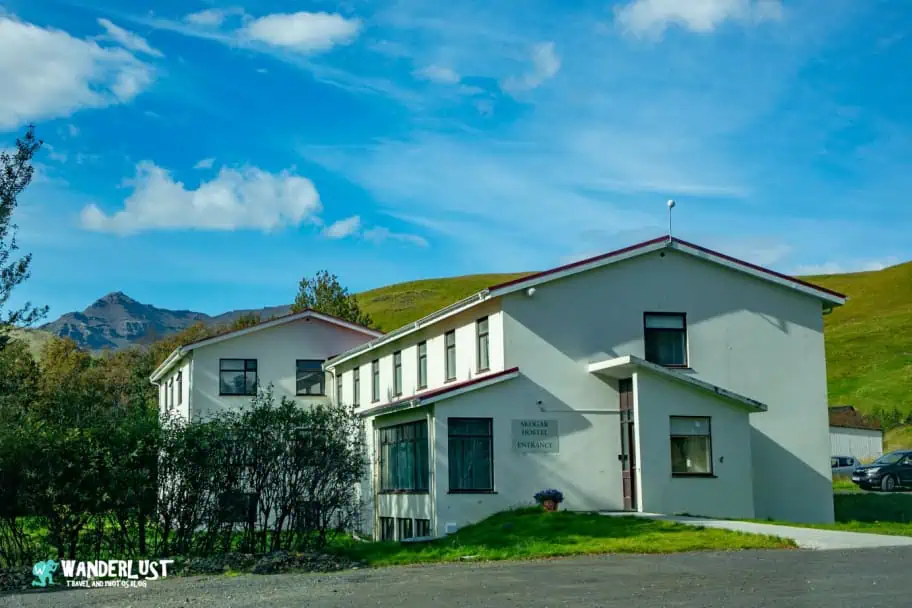
One of the most important decisions you are going to have to make when planning your trip to South Iceland is where you will stay. When you travel, the accommodations you choose are often among the biggest expenditures for your trip.
So not only do you need to be comfortable where you are staying, but you also need to be comfortable with how much you are paying to stay there. Finding the right accommodations for your trip involves looking at the amenities, the location, and most importantly, the price.
If you are starting to plan your trip to South Iceland and want some hotel and hostel suggestions, I have included some great options at different price points in my South Iceland guide below for you to review. As always, don’t be afraid to expand your search to room-sharing sites such as Airbnb or VRBO if you aren’t finding a hotel or hostel that meets your needs.
Where to Eat in South Iceland
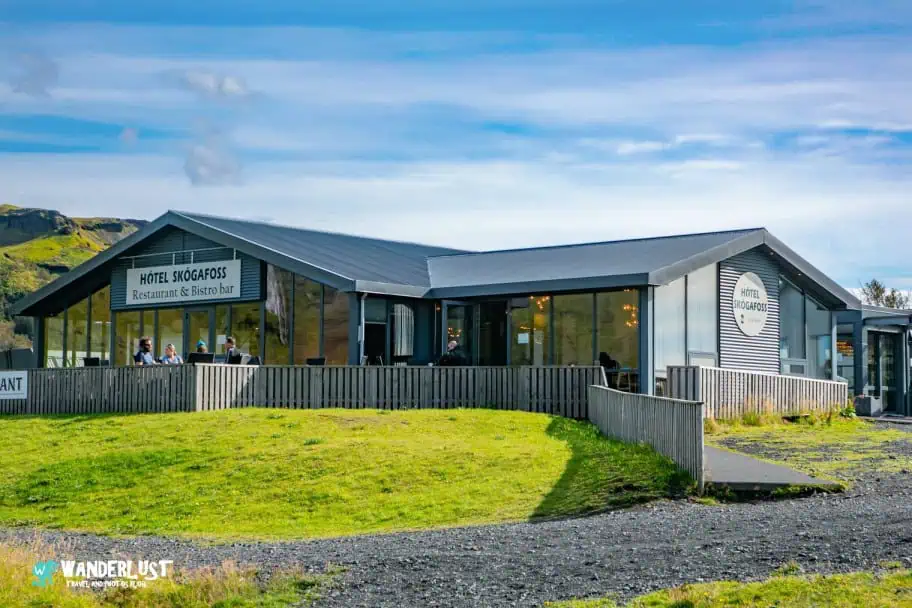
When most people plan a trip, the primary focus is on how to get there, where to stay, and what is on the list of things to see and do. What many travelers neglect to plan is where to eat when they are there.
Granted, it is sometimes fun to be spontaneous when choosing a restaurant while traveling, and it is always smart to get recommendations when you arrive. However, it can also be advantageous to have some ideas of restaurants you would like to try during your trip written down beforehand as well.
This way, you can be assured that you won’t miss out on a highly recommended culinary experience that you will regret. To help you decide on some restaurants in South Iceland to add to your list, I have included a list of some highly recommended options for you to review in my South Iceland Guide below.
| Restaurant | Cuisine | Price |
|---|---|---|
| Smidjan Brugghus | American, Brew Pub | $$-$$$ |
| Suður-Vík | Bar, Pizza | $$-$$$ |
| Strondin Pub Vík | Bar, International | $$-$$$ |
| Black Crust Pizzeria | Pizza, Vegetarian friendly | $$-$$$ |
| Drangar Restaurant | European, Scandinavian | $$$$ |
| Berg Restaurant | European, Scandinavian | $$$$ |
Recommended Tours in the South Iceland Area

There is an abundance of amazing things to see and do in the South Iceland area, and one of the best ways to experience those things is on a tour. If you are looking for fun tours and excursions to fill out your trip, I have included some highly rated tours and excursions that I recommend in my South Iceland Guide below.
Ice Cave Tours
Glacier Hike Tours
Jeep, ATV, and Snowmobile Tours
Other Popular South Iceland Tours
Iceland Photography Tips
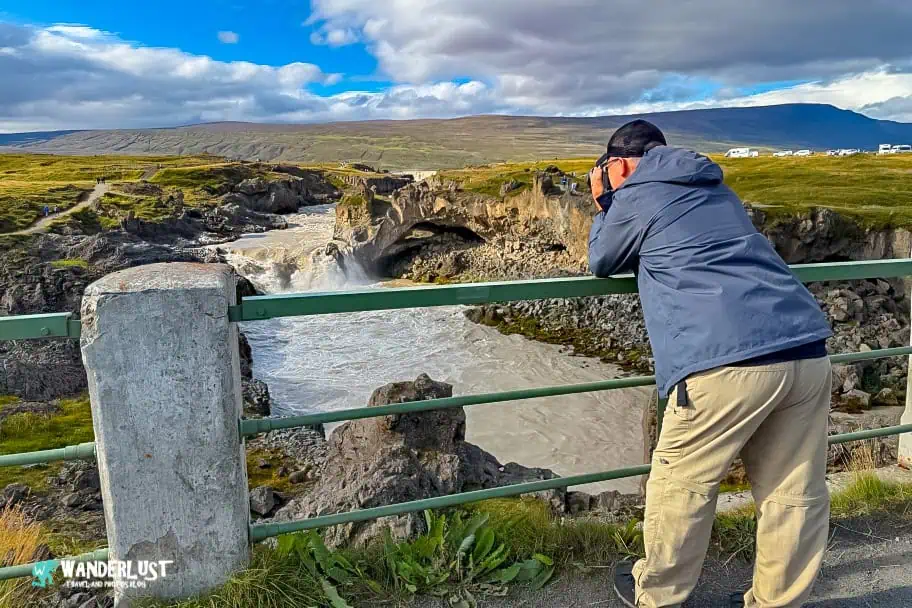
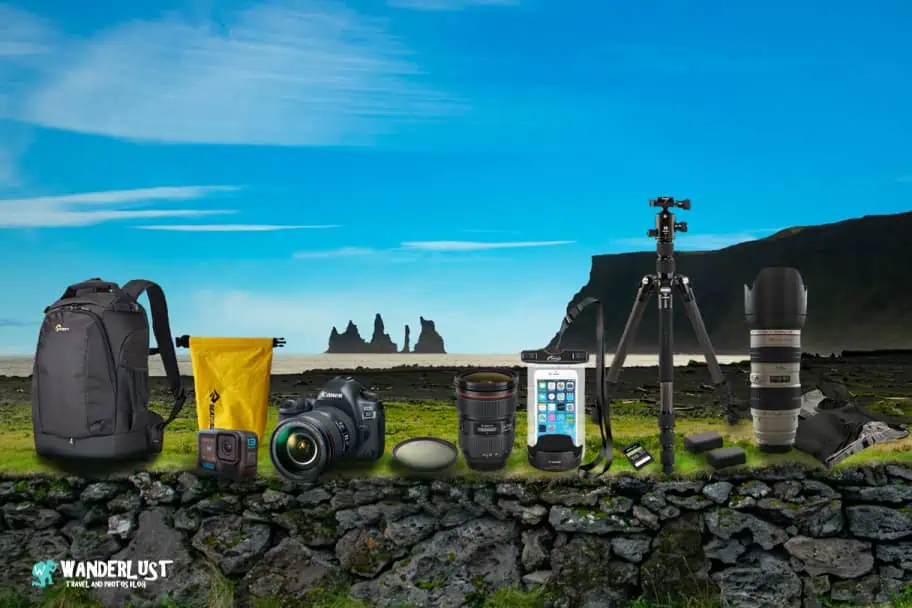
Iceland, with its breathtaking landscapes, is truly a photographer’s paradise. However, capturing the island’s essence is no easy feat! As you embark on your adventure, prepare to embrace the unique lighting and ever-changing weather that Iceland offers. To help you make the most of your photography experience, check out my comprehensive guide below. It’s packed with tips to ensure you capture stunning images that reflect the magic of this extraordinary destination!
South Iceland Photo Gallery
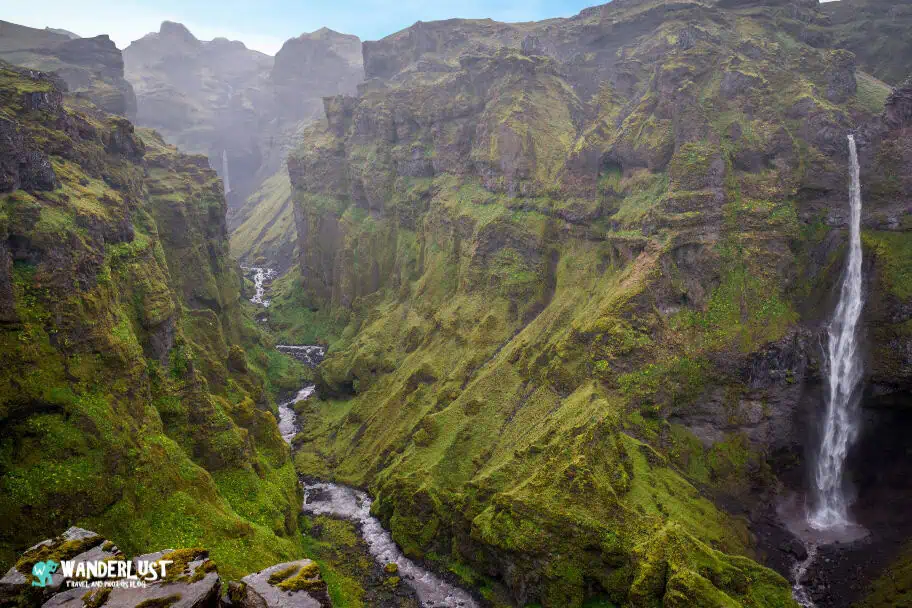
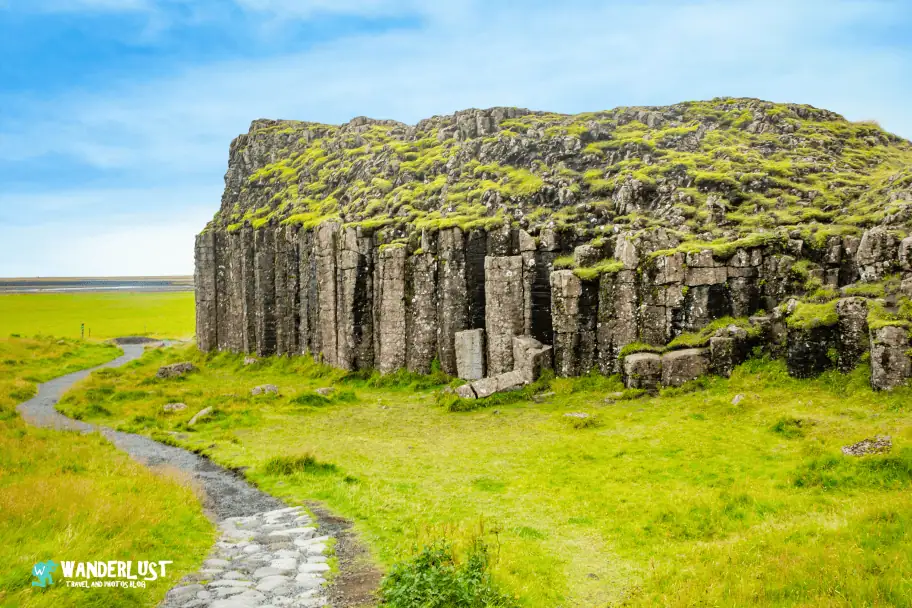
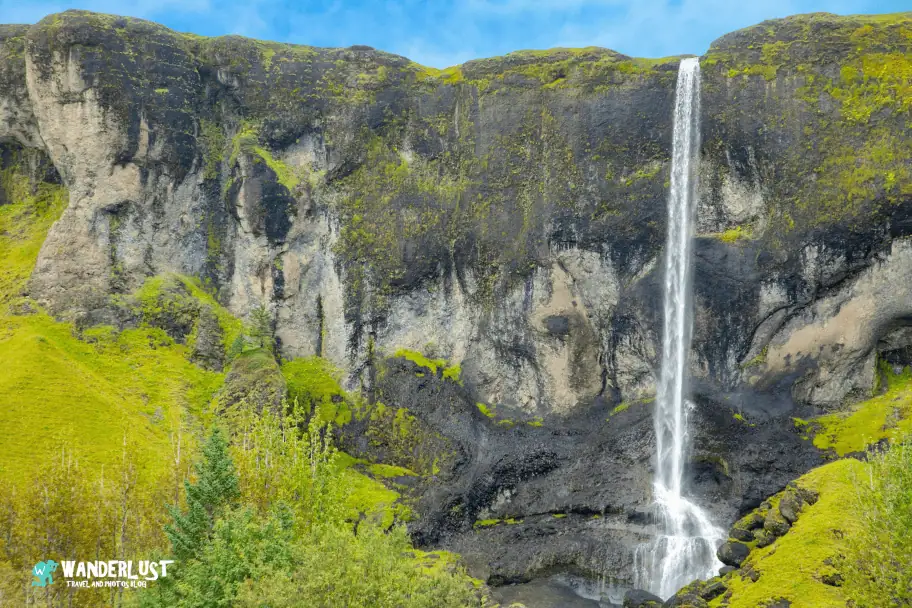
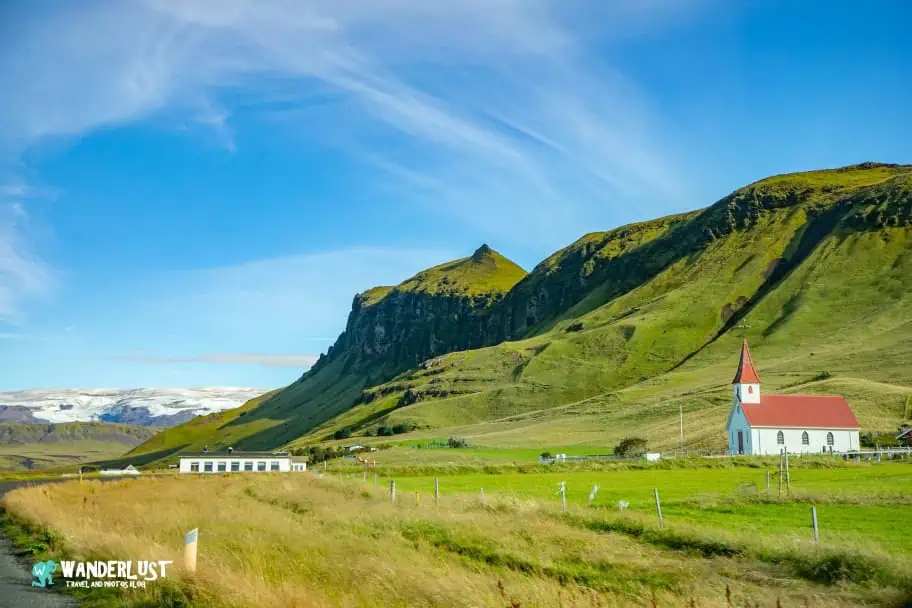
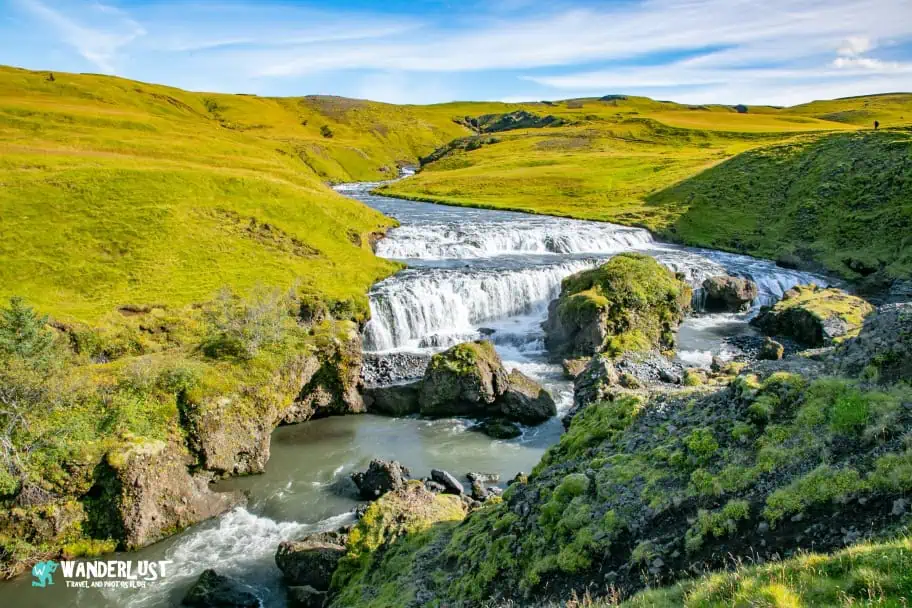
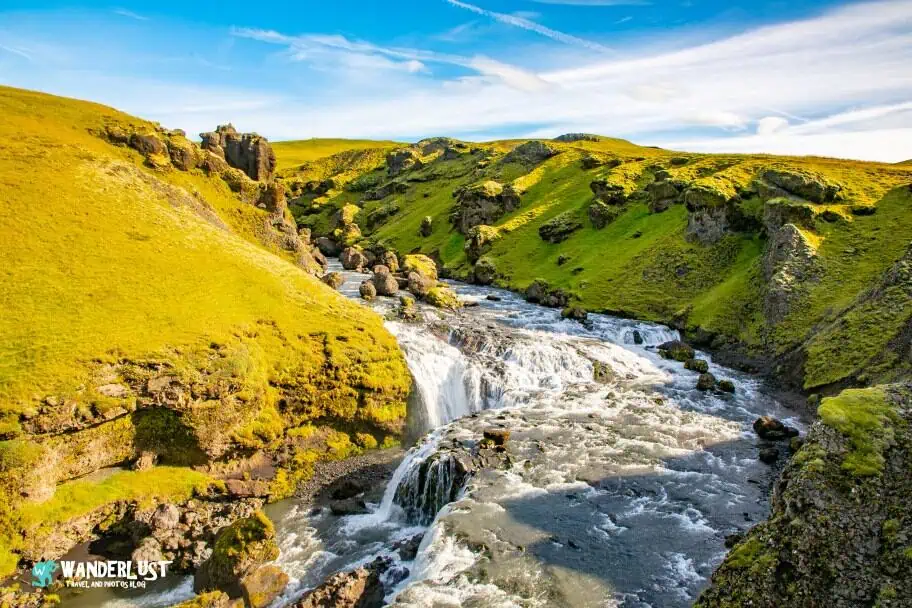
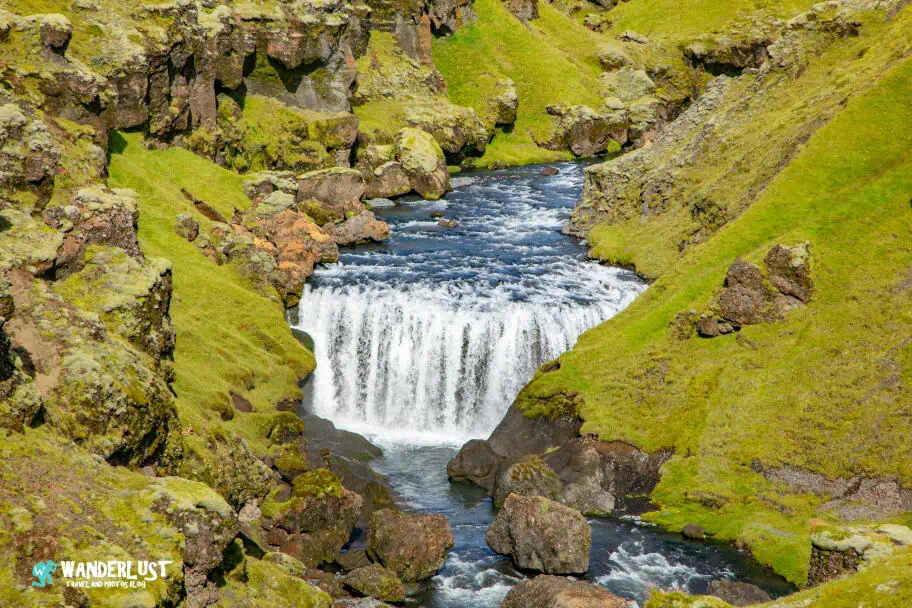
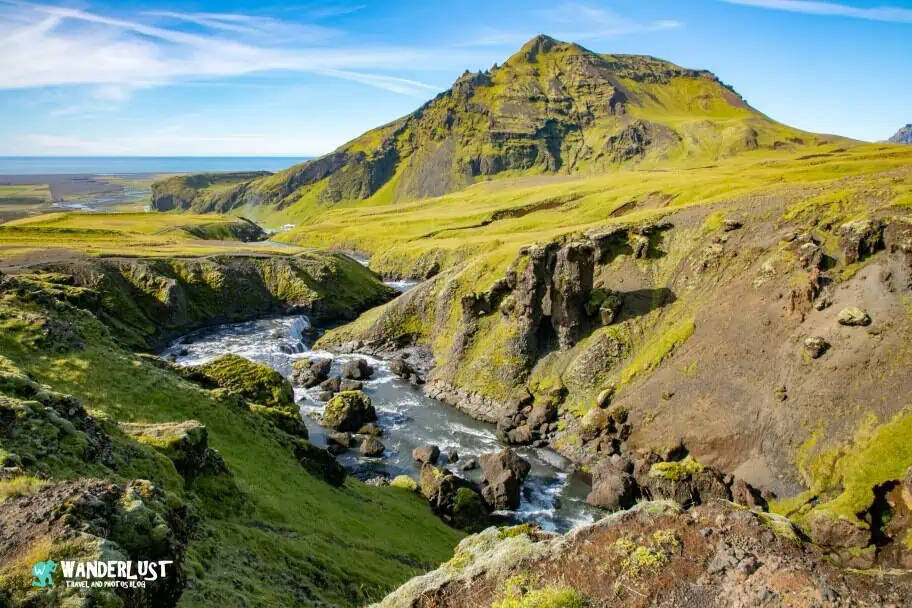
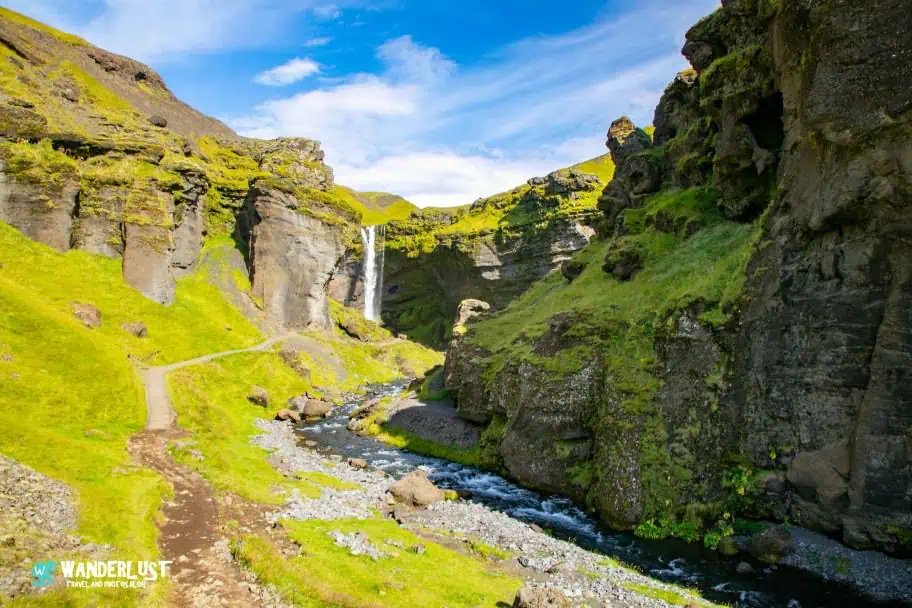
During my recent journey to South Iceland, I captured a stunning array of photographs that showcase the breathtaking landscapes and unique natural wonders of the region. From the dramatic waterfalls cascading down rugged cliffs to the serene black sand beaches framed by towering basalt columns, each image tells a story of the raw beauty that defines this part of the world. For those who would like to see more photos from my visit, I have included a gallery in my South Iceland guide below.
If you’re interested in exploring more of my travel photography, I’d love for you to join me on Instagram! Creating this blog to share my free guides, itineraries, and travel photography tips takes a lot of effort, and a follow on Instagram would truly mean the world to me. Your support makes it all worthwhile!
FOLLOW ME!







Don’t Forget to Subscribe to My Adventures!

Let Me Help You Save On Your Next Adventure!
‘Start Exploring Today’ Merchandise Available Now!
 |
 |
 |
 |
 |
 |
 |


















Leave a Reply