This Northwest Iceland Guide post contains my Hotels.com, Expedia, Vrbo, and Viator affiliate links. I may receive a commission when you book a hotel or tour from this article, though at no additional cost to you. I hand-pick and recommend only the hotels and tours that I have thoroughly researched and feel comfortable recommending.
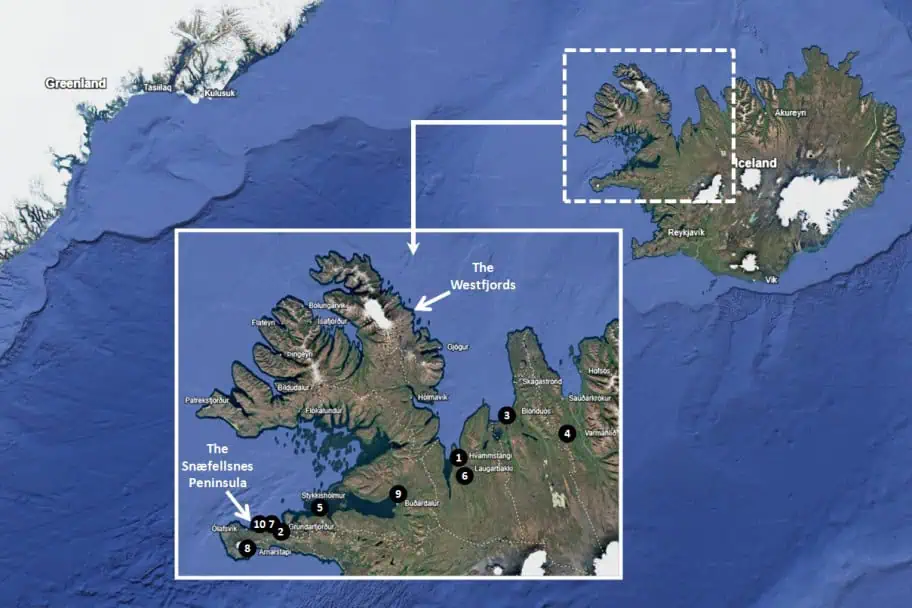
While the South Coast and the Golden Circle get most of the attention, Northwest Iceland is a region that shouldn’t be overlooked when planning your adventure. This captivating region of the country boasts the stunning Snæfellsnes Peninsula and the rugged beauty of the Westfjords. Here, you will find a dramatic tapestry of fjords, steep cliffs, and cascading waterfalls.
In addition to its breathtaking scenery, Northwest Iceland is steeped in folklore and history. The area is dotted with ancient sagas and legends, from the tales of Viking settlers to the stories of elves and hidden people that locals still believe in today. Visitors can immerse themselves in this rich cultural tapestry by exploring historical sites such as the old turf houses and some of the country’s oldest churches.

An All-You-Need Northwest Iceland Guide
In this Northwest Iceland Guide, I provide you with all of the information you will need to plan a successful trip. To begin, I cover the best times to visit Iceland and the most effective ways to get there. This way, you can maximize the amount of time you have to explore this stunning country.
Additionally, I outline the top things to see and do during your visit to Northwest Iceland. There are many incredible things that you won’t want to miss during your stay. With my guide in hand, you won’t miss a thing. Finally, I provide you with some great restaurant and hotel recommendations to make your stay more enjoyable. Using the information I provide, the planning process will be stress-free.
Northwest Iceland Guide Navigation Menu


At a Glance
Before you start making any travel plans, you need to be sure that you meet the country’s entrance requirements. This includes all of the passport, VISA, and immunization requirements for Iceland.
You will also need to know some basic information about Iceland to help you get around. To start, this includes clearly understanding what languages they speak in Iceland. This way, you can plan any translation needs you may have. In addition, you will need to know what currency they use in Iceland. Knowing this, you can plan to exchange currency before your trip if necessary.
To assist you in your preparation, I have included this key information in my Northwest Iceland Guide for you to review below.
 |
Passport requirements exist. See my Entrance Requirements Guide below for details. |
 |
Immunization recommendations are listed in my Entrance Requirements Guide below. |
 |
The official language in Iceland is Icelandic. |
 |
The official currency in Iceland is the Króna. |
Passport, VISA, Customs, and Immunization

Before you leave for your trip to Northwest Iceland, you need to make sure you have all of the proper vaccinations. Not only to protect yourself but to protect others. If you have questions on what immunizations you may need and what to look out for when you go to get them, you are in luck. I have included some general guidelines I can share based on my experience in my guide to the Iceland entrance requirements below.
Packing Tips

Outside of knowing the entry and immunization requirements, there is no pre-travel task more important than packing. Don’t worry, I am here to make sure you are packed and prepared for your trip. I have included links to my packing resources in my Northwest Iceland Guide below for you to review.

Top Things to See and Do in Northwest Iceland
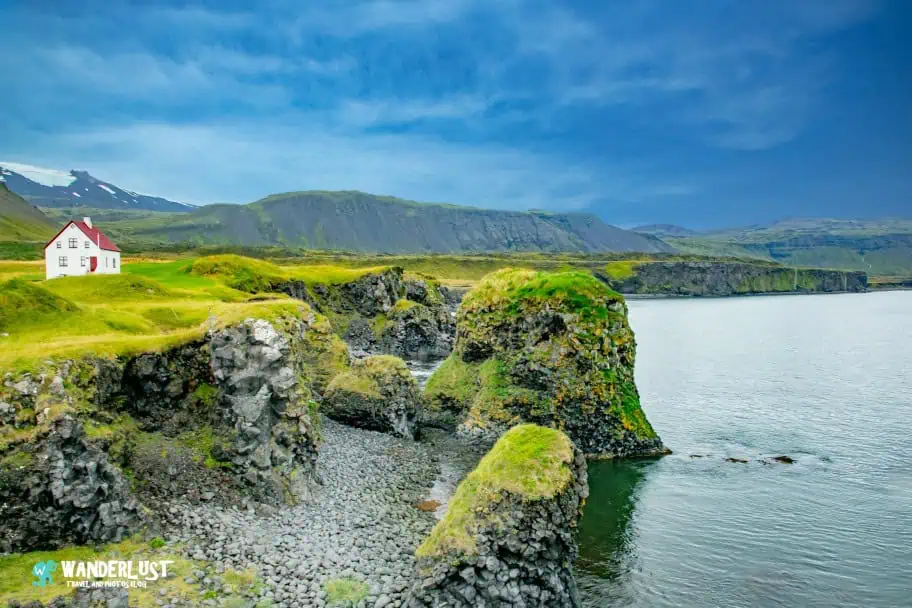
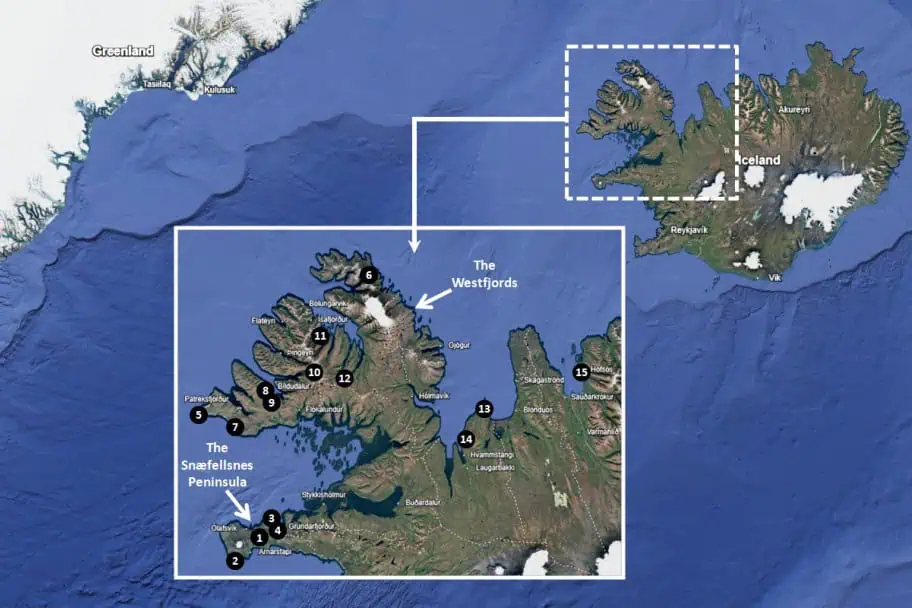
Northwest Iceland is a treasure trove of natural wonders and cultural experiences that captivate every visitor. The area is home to a wide array of breathtaking landscapes, including dramatic volcanic craters, rugged coastlines, and picturesque fishing villages. Two of the top destinations in the region are the stunning Snæfellsnes Peninsula and the rugged Westfjords.
The Snæfellsnes Peninsula
The Snæfellsnes Peninsula, often referred to as “Iceland in Miniature,” is a captivating region that showcases the diverse natural beauty of Iceland. Stretching out into the Atlantic Ocean, this peninsula is home to a stunning array of landscapes, including dramatic volcanic peaks, lush green valleys, and rugged coastlines. At its heart lies the iconic Snæfellsjökull glacier, a dormant volcano that towers majestically over the surrounding terrain.
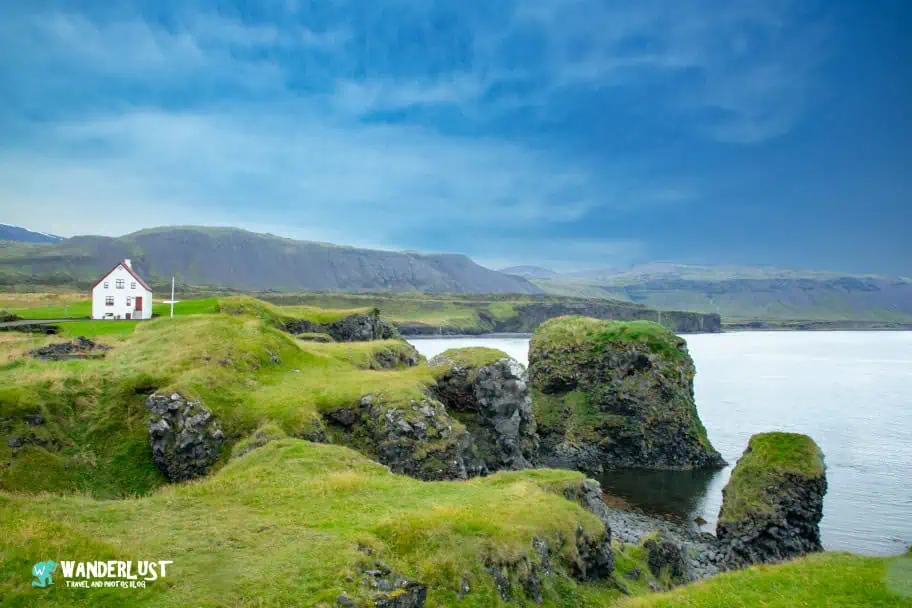
The peninsula is also home to the infamous Kirkjufell Mountain, which is Iceland’s most famous and photographed mountain. In addition to enjoying the beautiful coastline and stunning landscapes, visitors can also explore the peninsula’s charming fishing villages like Arnarstapi and Hellnar, where colorful houses dot the shoreline and the sound of waves crashing against the cliffs creates a serene atmosphere.
The Westfjords
This remote and rugged region of Iceland offers some of the country’s most dramatic and breathtaking landscapes. Characterized by its dramatic fjords, steep cliffs, and cascading waterfalls, the country’s Westfjords is the perfect destination for adventure travelers. This is where you will find some of Iceland’s most pristine natural wonders, including the iconic Dynjandi waterfall, which tumbles down in a series of tiered cascades, resembling a bridal veil.
In addition to the area’s stunning landscapes, wildlife thrives in the Westfjords. Visitors will have abundant opportunities to spot puffins, seals, and even whales in the surrounding waters. Not to be overlooked, the region’s isolation has also preserved its unique culture, with charming fishing villages like Ísafjörður showcasing traditional Icelandic architecture and a rich maritime heritage.
If you’re planning your trip and need to fill out your itinerary, I have included a list of my top recommendations for things to see and do in my Northwest Iceland Guide below.


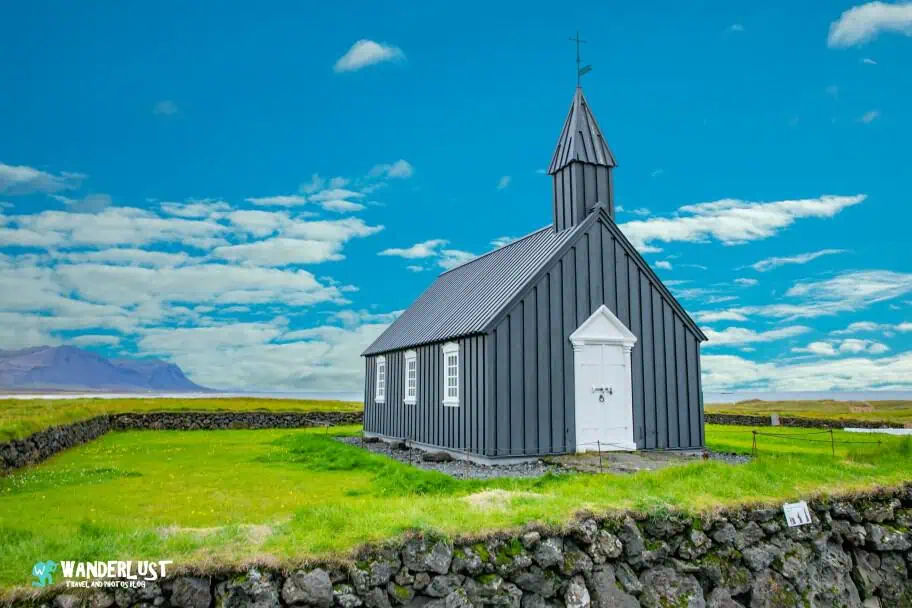
The Black Church of Budir
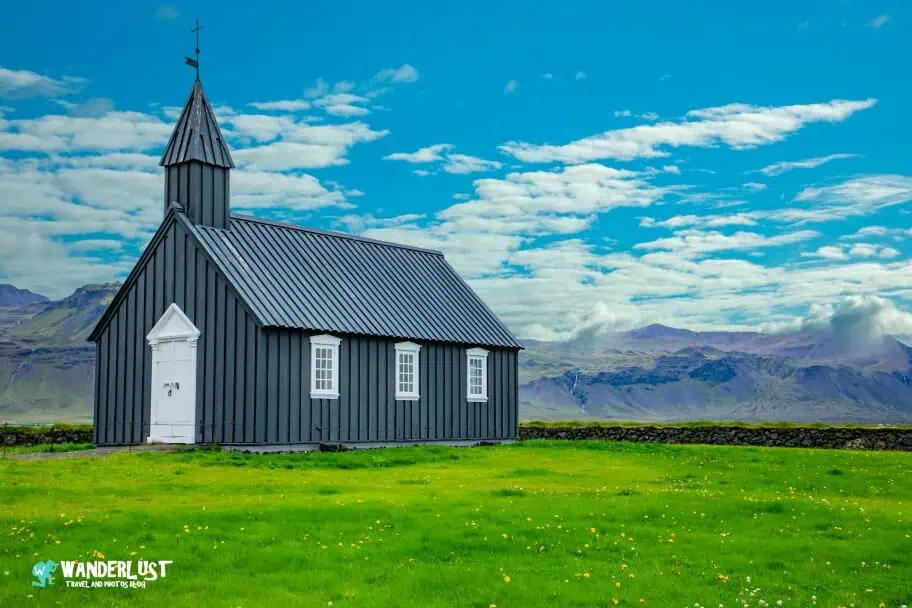
Constructed in 1987, this small yet iconic church stands out against the backdrop of the rugged terrain, its deep black exterior contrasting beautifully with the surrounding greenery and the distant mountains. Known locally as Budakirkja, the church is built in a traditional Icelandic style, featuring a simple yet elegant design that reflects the country’s rich cultural heritage.
Its interior, though modest, is adorned with wooden furnishings and a serene atmosphere that invites contemplation and reflection. The Black Church has become a popular destination for both tourists and locals, not only for its aesthetic appeal but also for the sense of peace it imparts.
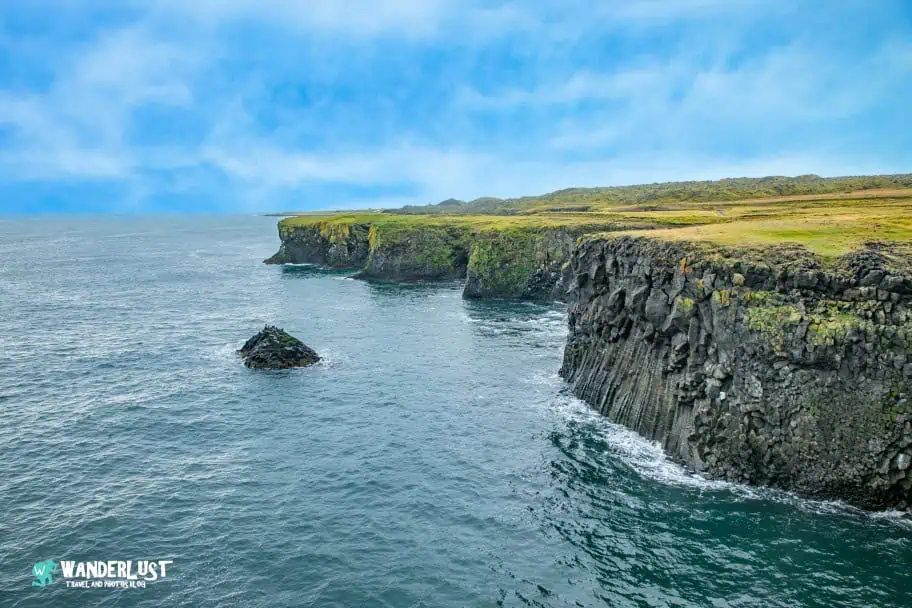
Londrangar Basalt Cliffs

Located on the Snæfellsnes Peninsula, the Londrangar Basalt Cliffs rise dramatically from the rugged coastline. These towering formations, remnants of ancient volcanic activity, are composed of dark basalt columns that have been sculpted by centuries of relentless ocean waves and harsh weather conditions. However, the area isn’t just renowned for its beauty. The area is also rich in wildlife. Seabirds such as puffins and guillemots nest in the crevices of the cliffs, providing a lively spectacle during the breeding season.
Kirkjufell Mountain

Located on the Snæfellsnes Peninsula, Kirkjufell Mountain is easily the most photographed mountain in Iceland. The mountain is infamous for its distinctive shape, resembling a steeply pointed cone, and is surrounded by the serene waters of the Kirkjufellsfoss waterfall. If you can visit around sunrise or sunset, the mountain’s unique profile is particularly captivating when the changing light casts a magical glow over its slopes.
| Kirkjufell Mountain Sunrises and Sunsets Map |
|---|

| Sunrise | Sunset | |||
|---|---|---|---|---|
 |
January 1 Sunrise (11:38am) |  |
January 1 Sunset (3:35pm) | |
 |
April 1 Sunrise (6:48am) |  |
April 1 Sunset (8:26pm) | |
 |
July 1 Sunrise (2:50am) |  |
July 1 Sunset (12:23am) | |
 |
October 1 Sunrise (7:43am) |  |
October Sunset (7:00pm) | |
Kirkjufellsfoss Waterfall
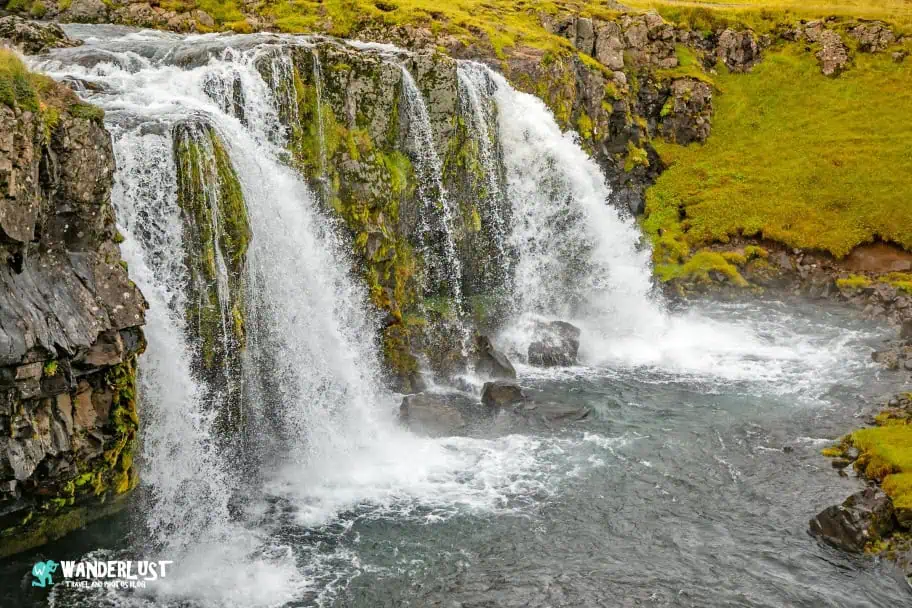
Located next to the iconic Kirkjufell Mountain, the Kirkjufellsfoss Waterfall cascades gracefully down a series of rocky ledges, creating a mesmerizing sight that draws photographers from around the world. If you stand at the right angle, you can capture both the mountain and the waterfall in the same shot. If you visit, make sure you arrive early, as it can get quite crowded during the peak tourism season.
Látrabjarg Cliffs
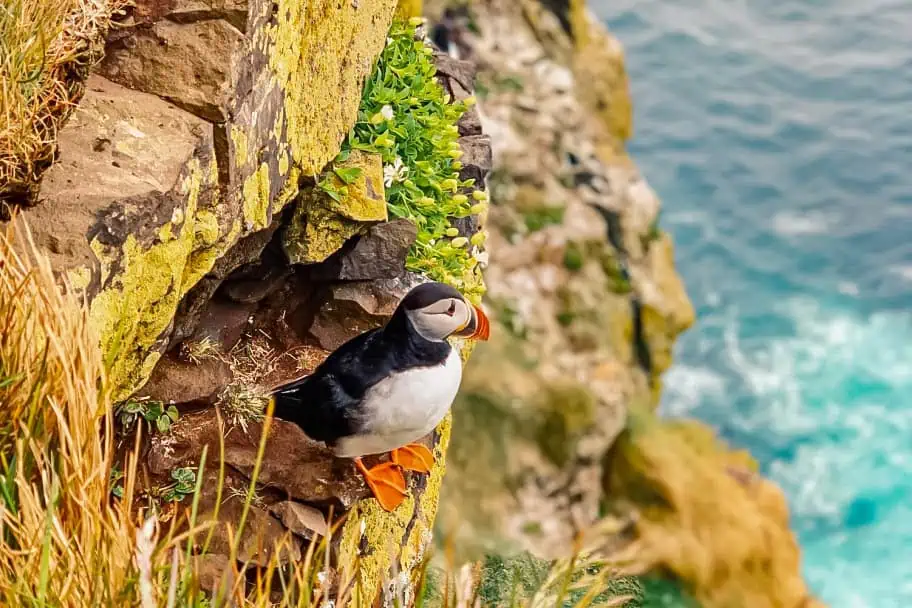
Located in Iceland’s rugged Westfjords, the Látrabjarg Cliffs are one of the most breathtaking natural wonders in the country. These towering cliffs, which rise dramatically from the Atlantic Ocean, stretch for approximately 8.5 miles (or roughly 14 kilometers) and reach heights of up to 1,443 feet (or 440 meters), offering stunning panoramic views of the surrounding landscape.
The cliffs are renowned not only for their sheer beauty but also for their rich biodiversity, serving as a vital nesting ground for millions of seabirds, including puffins, guillemots, and razorbills. Visitors to Látrabjarg can experience the thrill of standing at the edge of these majestic cliffs, where the sound of crashing waves below and the sight of birds soaring overhead create an unforgettable atmosphere.
Hornstrandir Nature Reserve
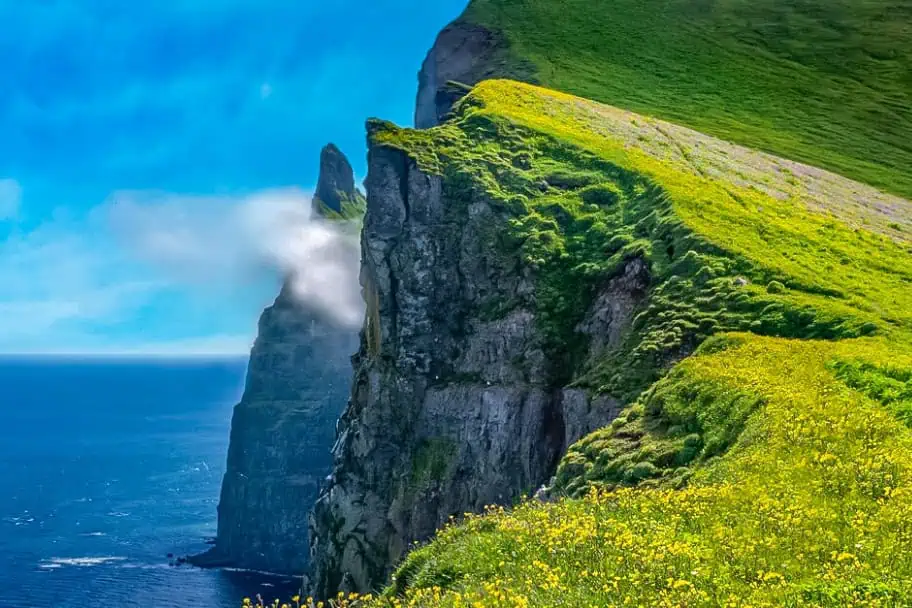
Located in the far north of Iceland’s rugged Westfjords, the Hornstrandir Nature Reserve is a breathtaking expanse of land that is renowned for its dramatic landscapes and rich biodiversity. This pristine wilderness, characterized by steep cliffs, rugged mountains, and lush valleys, offers a unique habitat for a variety of wildlife, including Arctic foxes, seabirds, and an array of marine life along its coastline.
The reserve is largely untouched by human activity, making it a haven for nature enthusiasts and hikers seeking solitude and adventure. Visitors can explore its numerous trails that wind through stunning scenery, providing opportunities to witness the vibrant flora and fauna that thrive in this harsh yet beautiful environment. Its isolated location also makes it an incredible spot to observe the Northern Lights during the winter months, which further adds to the reserve’s allure.
Raudasandur Beach

Tucked away in Iceland’s remote Westfjords region, Raudasandur Beach is a hidden gem that is known for its expansive stretch of golden sand that is framed by dramatic cliffs. With its vibrant hues and rugged surrounding landscape, the beach almost feels otherworldly. The beach is renowned for its striking red and black sands, a result of the area’s volcanic activity, which adds to its allure.
However, the beach isn’t just known for its beauty. It is also a haven for birdwatchers, as various seabird species nest in the nearby cliffs. Meanwhile, off the shores, you have a great chance of spotting whales. In fact, the Westfjords are the best place to see Orcas off the coastline of Iceland. Between January and June, they feed on large schools of herring off the shoreline of the Westfjords, and Raudasandur Beach is a good place to spot them from shore.
Strengfell
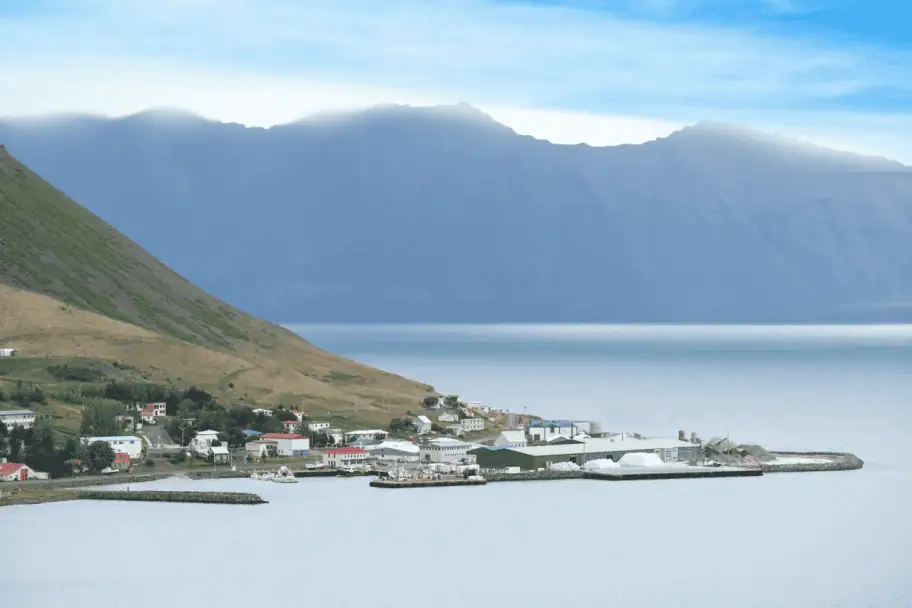
Nestled near the quaint village of Bíldudalur in Iceland’s sweeping Westfjords, Strengfell offers a unique blend of natural wonders and rich cultural history. The area is famous for its diverse landscapes, which include dramatic cliffs, lush valleys, stark mountains, and vibrant wildlife, making it a paradise for hikers and wildlife enthusiasts.
The area is also steeped in folklore, with tales of elves and hidden people adding a mystical charm to the surroundings. Meanwhile, the charm of Bíldudalur, with its colorful houses and rich maritime history, adds to the allure of the region, making it a perfect base for those looking to immerse themselves in the natural wonders and cultural heritage of the Westfjords.
Fossfjörður Waterfall
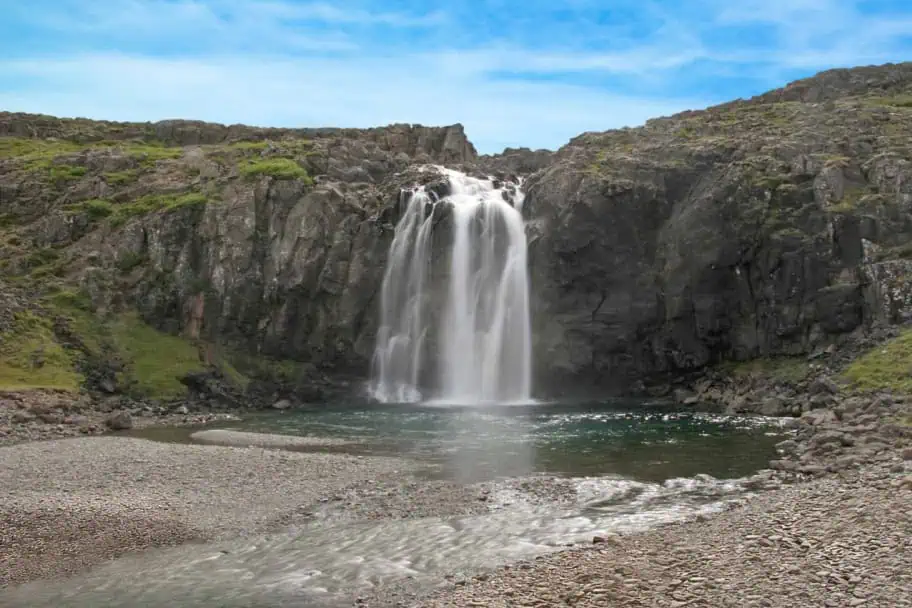
This hidden gem is located near the picturesque village of Þingeyri in the Westfjords, where the rugged terrain meets the tranquil waters. Surrounded by steep cliffs and lush greenery, the waterfall cascades gracefully down a series of rocky ledges. There are several vantage points from which to admire the Fossfjörður Waterfall, each offering a unique perspective of its grandeur. In addition, the area is also known for its abundance of wildlife. Various bird species frequent the area, and seals can often be seen basking on the rocky shores of the nearby fjord.
Dynjandi (Fjallfoss) Waterfall
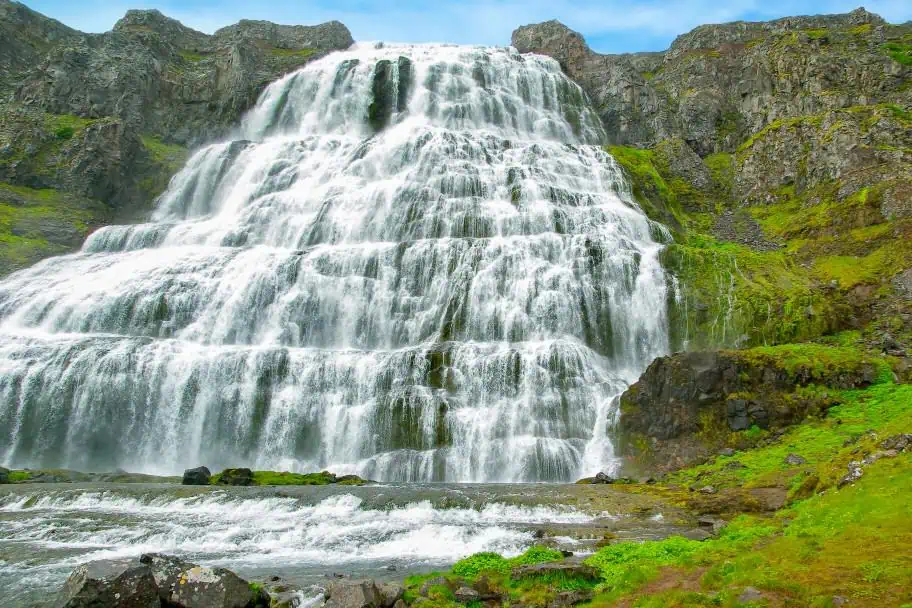
Commonly known as Dynjandi, Fjallfoss in the Westfjords is one of Iceland’s most iconic waterfalls. This stunning natural wonder is renowned for its unique tiered structure, which cascades gracefully down a series of rocky ledges, creating a mesmerizing display of water that draws visitors from around the globe. The waterfall stands at an impressive height of 100 meters, making it one of the tallest in the region.
Its name, which translates to “thundering,” aptly describes the powerful sound of water crashing down, echoing through the surrounding valleys and adding to the dramatic atmosphere of the landscape. The path leading to Dynjandi is well-marked and features several viewpoints, allowing hikers to appreciate the waterfall from different angles. The vibrant green moss and wildflowers that adorn the rocky surroundings create a striking contrast against the shimmering blue water, making Hæstahjallafoss one of Iceland’s most beautiful waterfalls.
| Trail Stats | |
|---|---|
| Trail Type: | Out-and-Back |
| Distance: | 0.9 miles/1.5 kilometers |
| Elevation Gain: | 301 feet/92 meters |
| Time to Complete: | 1/2 to 1 hours |
| Difficulty Level: | Moderate |
| Trail Map |
|---|
Valagil Waterfall
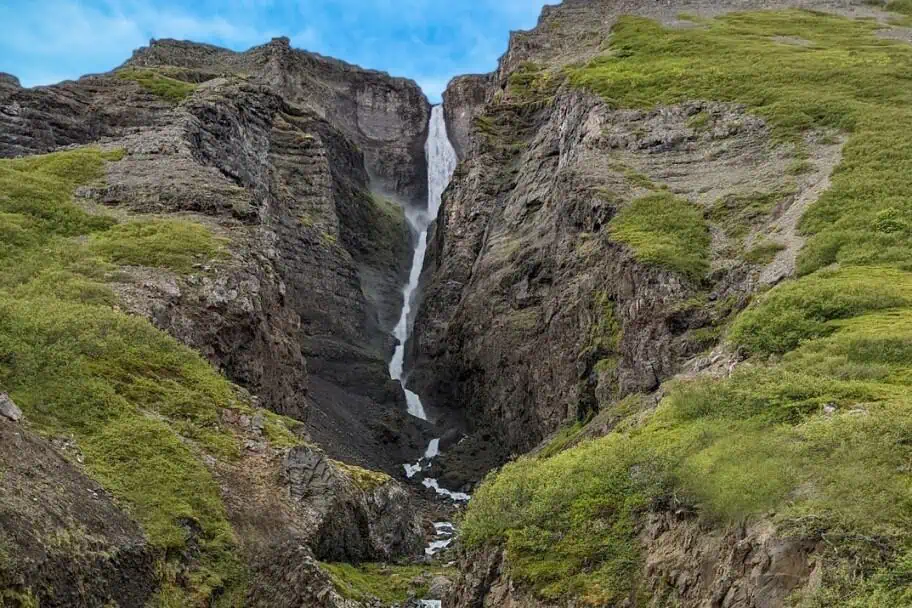
Another beautiful waterfall in the Westfjords that shouldn’t be missed is the beautiful Valagil Waterfall. Surrounded by rugged cliffs and lush greenery, this enchanting waterfall cascades down a series of rocky ledges, creating a mesmerizing display that has made it one of the region’s top sights to see. Not only is the waterfall beautiful, but the trail to get there is an adventure in itself.
The roughly 4.5-mile (or 7.25-kilometer) trail leads you through lush valleys and alongside dramatic cliffs, providing breathtaking views at every turn. The hike is moderately challenging, with sections that require careful footing, but the reward is well worth the effort. For more details on the hike to this incredible waterfall, check out the trail map I included in this Northwest Iceland guide below.
| Trail Stats | |
|---|---|
| Trail Type: | Out-and-Back |
| Distance: | 4.4 miles/7.25 kilometers |
| Elevation Gain: | 567 feet/173 meters |
| Time to Complete: | 2 to 2.5 hours |
| Difficulty Level: | Moderate |
| Trail Map |
|---|
Gervidalsárfoss Waterfall

The last waterfall that I want to cover in my Northwest Iceland guide is the beautiful Gervidalsárfoss Waterfall. This hidden gem isn’t well known in tourist circles, so there is a decent chance you will have it to yourself when you visit. Surrounded by lush greenery and dramatic volcanic formations, the waterfall cascades down a series of rocky cliffs and into the river below.
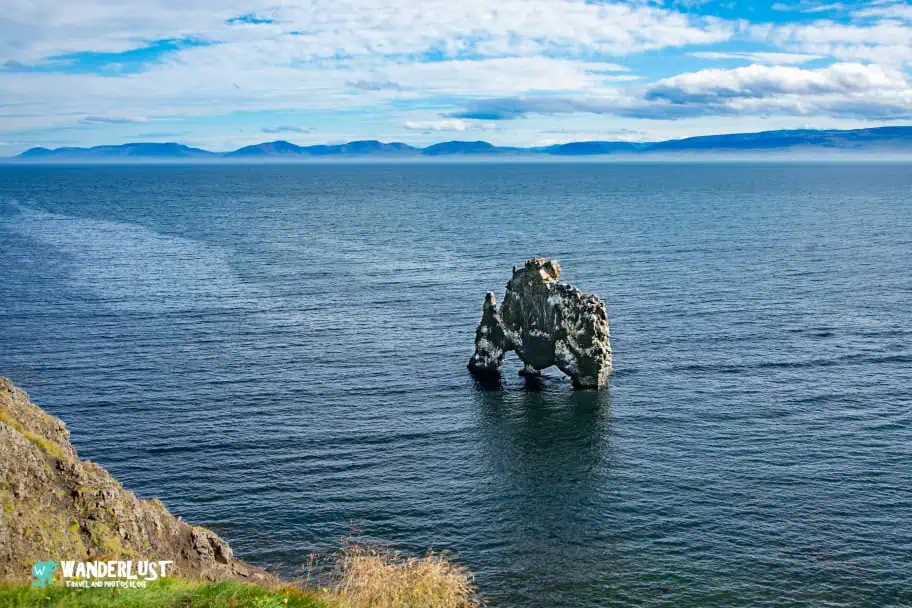
Hvitserkur Cliff
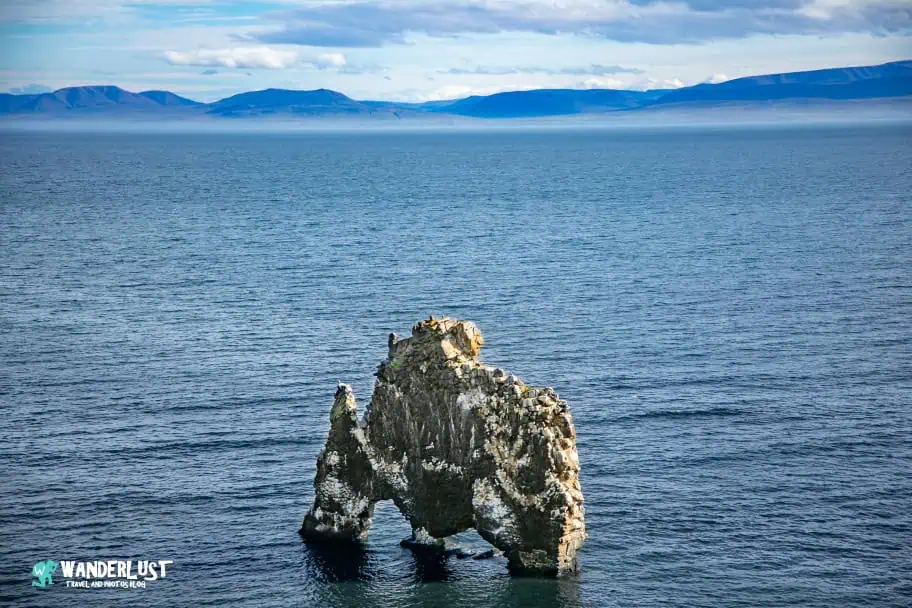
The coastline of Iceland is one of the most beautiful in the world, mainly because of its rugged, rocky shoreline. One of the most beautiful coastal spots is the incredible Hvitserkur Cliff. This striking natural formation, which stands approximately 500 feet (or roughly 15 meters) tall, captivates visitors with its unique silhouette resembling a dragon drinking from the sea.
The cliff is situated near the Vatnsnes Peninsula, an area renowned for its rich wildlife, including seals and a variety of seabirds that nest in the surrounding cliffs. As the tides ebb and flow, the rock’s appearance changes dramatically, creating a mesmerizing spectacle. It is definitely one of the most unique spots to see that I have outlined in this Northwest Iceland guide.
Skardsviti Lighthouse
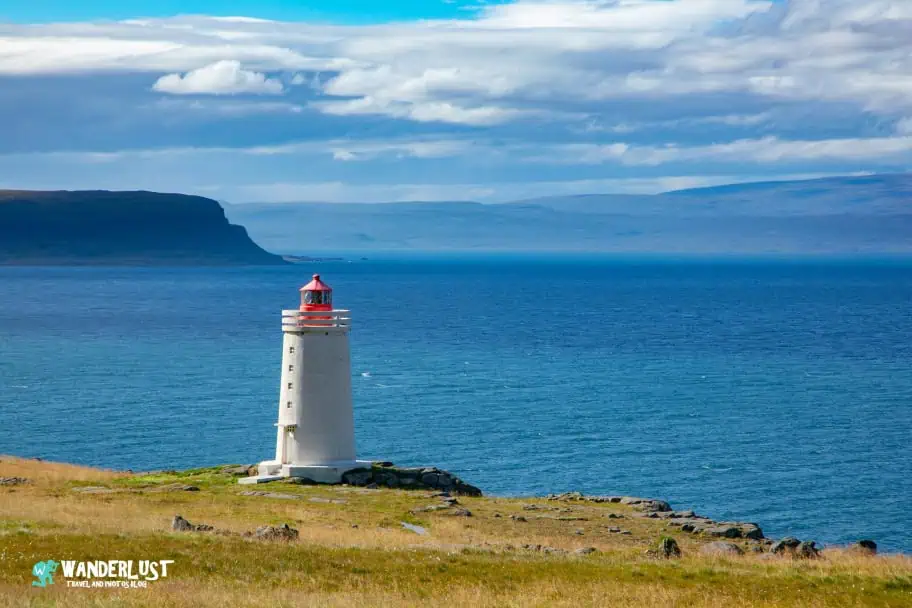
Constructed in 1913, the Skardsviti Lighthouse is perched on the rugged cliffs of Northwest Iceland and is one of the prettier lighthouses in the region. With its distinctive white tower and red top, the lighthouse has become a popular stop for photographers touring the region. The area is also rich in wildlife, with seabirds nesting on the cliffs and seals often spotted basking on the rocks below. If you are touring the Vatnsnes Peninsula, the lighthouse is a can’t-miss stop.
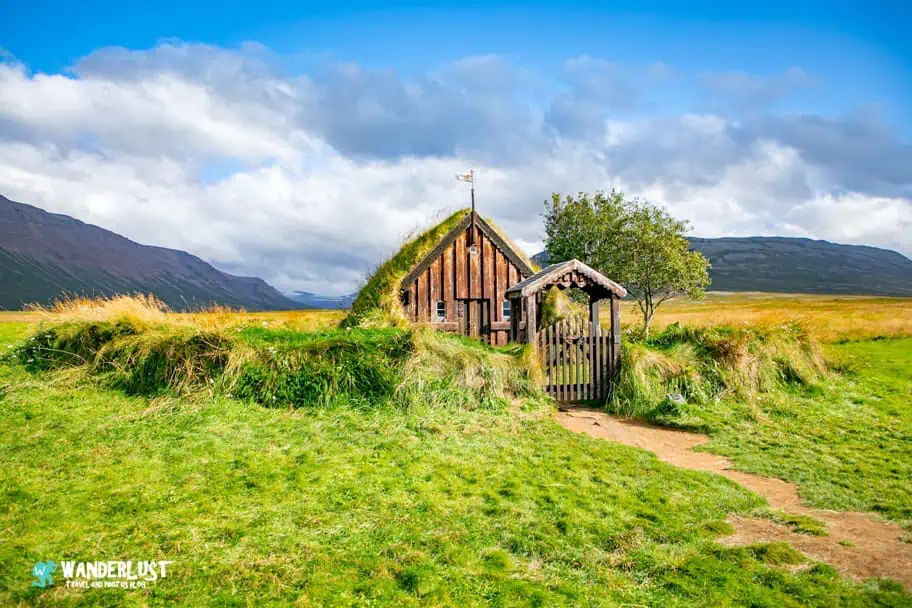
Grafarkirkja (Iceland’s Oldest Church)
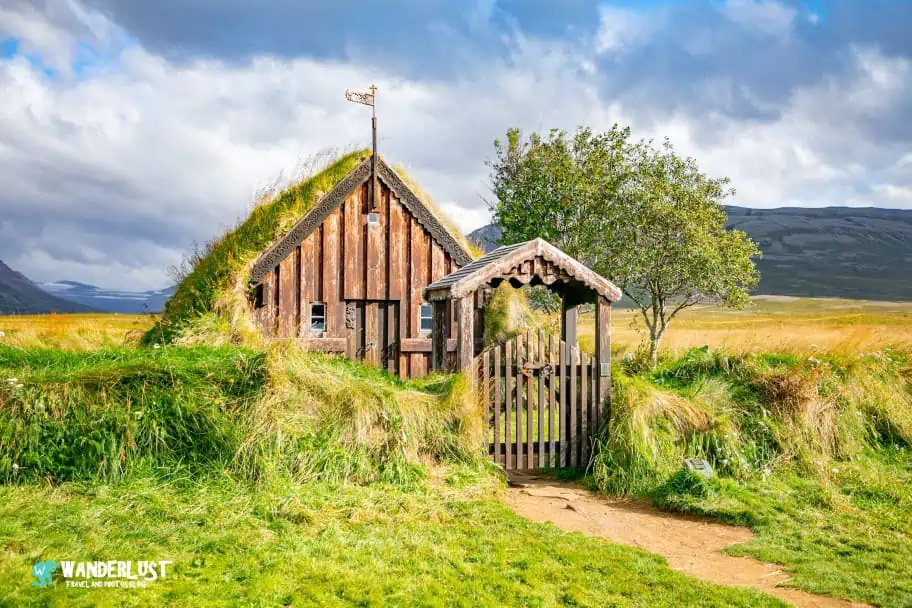
If you love history, then this is a place that you won’t want to miss during your visit. The historical significance of Grafarkirkja cannot be overstated. It is one of the oldest churches in Iceland, with roots tracing back to the 19th century. The church’s unique design, characterized by its traditional Icelandic turf construction, reflects the ingenuity of early settlers who adapted their building techniques to the harsh climate.
Inside Grafarkirkja, the ambiance is equally captivating. The interior features simple yet elegant furnishings that embody the spirit of Icelandic craftsmanship. Visitors can admire the wooden altar and the intricately carved details that adorn the church, each telling a story of faith and community. There are few better ways to connect with Iceland’s heritage than to visit one of its oldest cultural sites.
How to Get to Northwest Iceland
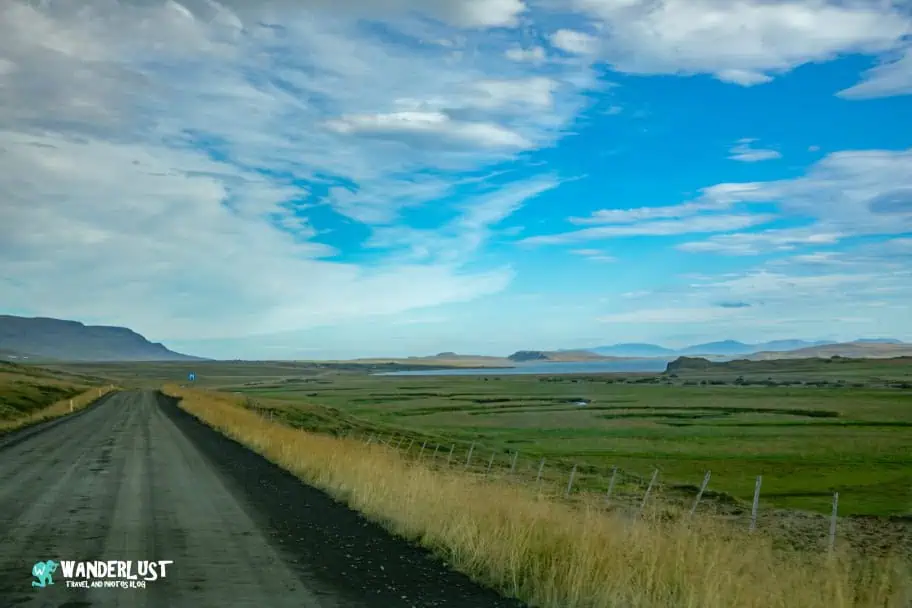
How you get to Northwest Iceland will depend a great deal on where you are visiting from. Most travelers will fly into the Keflavík International Airport (KEF) near Reykjavík, rent a car, and then drive the Ring Road to Northwest Iceland. However, depending on where you would like to visit, there are some tours available from Reykjavík to both the Snæfellsnes Peninsula and the Westfjords.
Direct Flights from the United States to Northwest Iceland
For travelers heading from the United States to Reykjavik, there are more than 200 direct flights available each week from the USA to Reykjavík, operated by at least four different airlines from approximately 17 cities. For additional details on these direct flights, please check the list I have linked below.
- Icelandair – Direct flights from Baltimore (BWI), Boston (BOS), Chicago (ORD), Denver (DEN), Minneapolis-St. Paul (MSP), New York (JFK and EWR), Orlando (MCO), Raleigh-Durham (RDU), Seattle (SEA), and Washington, D.C. (IAD).
- Delta Airlines – Direct flights from Boston (BOS), Detroit (DTW), Minneapolis-St. Paul (MSP), New York (JFK), and Seattle (SEA).
- United Airlines – Offers seasonal direct flights from Chicago (ORD) and New York/Newark (EWR).
- American Airlines – Offers seasonal direct flights from Dallas/Fort Worth (DFW) and Philadelphia (PHL).
When to Visit Northwest Iceland

One of the most important decisions you must make when planning your trip to Northwest Iceland is when to visit. Like most places, certain times of year are better than others. To help you decide what time of year to plan your trip, I have included some important annual weather information for you to review in my Northwest Iceland Guide below.
Average Temperature (°F)
Northwest Iceland experiences a diverse range of temperatures throughout the year, shaped by its unique geographical features and proximity to the North Atlantic Ocean. During the winter months, from December to February, the region is characterized by cold temperatures that typically hover around 30°F to 37°F (-1°C to 3°C). However, the interior can experience more severe cold, with temperatures occasionally dropping below 14°F (-10°C), especially in the more elevated regions.
As spring arrives, temperatures gradually begin to rise, with March through May seeing averages between 32°F to 46°F (0°C and 8°C). This transitional season brings a mix of lingering winter conditions and the first signs of warmth, as the snow starts to melt and the landscape awakens. The days lengthen significantly, allowing for more sunlight, which contributes to the gradual warming. By late May, the region often experiences pleasant days, making it an ideal time for outdoor activities.
Summer, spanning from June to August, is the warmest season, with average temperatures ranging from 50°F to 60°F (10°C to 15°C). This period is marked by long daylight hours, with the phenomenon of the midnight sun providing nearly 24 hours of daylight in June. As autumn approaches, temperatures begin to cool again, with September and October seeing averages between 41°F to 50°F (5°C and 10°C), as the vibrant fall colors emerge, creating a stunning backdrop for those exploring this captivating part of Iceland.
Average Precipitation (Inches)
Like the temperature, the amount of precipitation in Northwest Iceland can vary significantly throughout the year. During the winter months, particularly from December to February, the region is characterized by significant snowfall, which can accumulate to substantial depths. This period often sees the highest levels of precipitation, as moist air from the Atlantic Ocean collides with the colder temperatures of the land, resulting in frequent snowstorms.
As spring arrives, the precipitation patterns begin to shift. March through May typically brings a mix of rain and melting snow, leading to a gradual increase in water levels in rivers and lakes. This transitional season can be quite unpredictable, with occasional snow flurries still possible, but overall, the trend leans towards increased rainfall, which supports the awakening of flora and fauna after the long winter months.
Summer in Northwest Iceland, spanning from June to August, is marked by milder temperatures and a decrease in overall precipitation. While the region still receives some rainfall, it is generally less frequent and intense compared to the winter and spring months. This season is ideal for outdoor activities, as the landscape flourishes with vibrant colors and abundant wildlife. As autumn approaches, the precipitation begins to rise again, setting the stage for the cycle to repeat, with the first signs of winter re-emerging by late September.
Best Months to Visit Northwest Iceland
The perfect time to plan your adventure in South Iceland really hinges on what you want to experience. If you’re keen on catching a glimpse of the charming puffins, June to August is your best bet. During these summer months, you’ll find these delightful birds nesting along the coastal cliffs, creating a spectacle that’s a must-see! Additionally, this time of year offers the warmest weather, making it an ideal opportunity to hike and explore the stunning landscapes for which Iceland is famous.
As autumn settles in, from September to October, a different kind of magic unfolds for travelers. This period marks the ultimate season for experiencing the breathtaking Northern Lights, as nights stretch longer and darker, setting the stage for an enchanting light show. Additionally, whale watching is particularly popular during these months. A variety of majestic species migrate along the coastline, offering unforgettable encounters that will leave you in awe of these incredible creatures.
Winter in Iceland, especially from November to March, turns the landscape into a mesmerizing wonderland blanketed in ice and snow. This magical season beckons adventurous souls to delve into the rugged landscape of the Westfjords, where you will find some of Iceland’s most untouched wilderness. As the temperatures drop, the enchanting Northern Lights continue to captivate, drawing visitors who yearn to witness this celestial spectacle dancing across the night sky.
| Puffins | Rainy | ||||||||||
| Northern Lights | |||||||||||
| JAN | FEB | MAR | APR | MAY | JUN | JUL | AUG | SEP | OCT | NOV | DEC |
| Cold | Whales in Iceland | ||||||||||
| = Great | = Good | = Fair | = Poor |
Where to Stay in Northwest Iceland
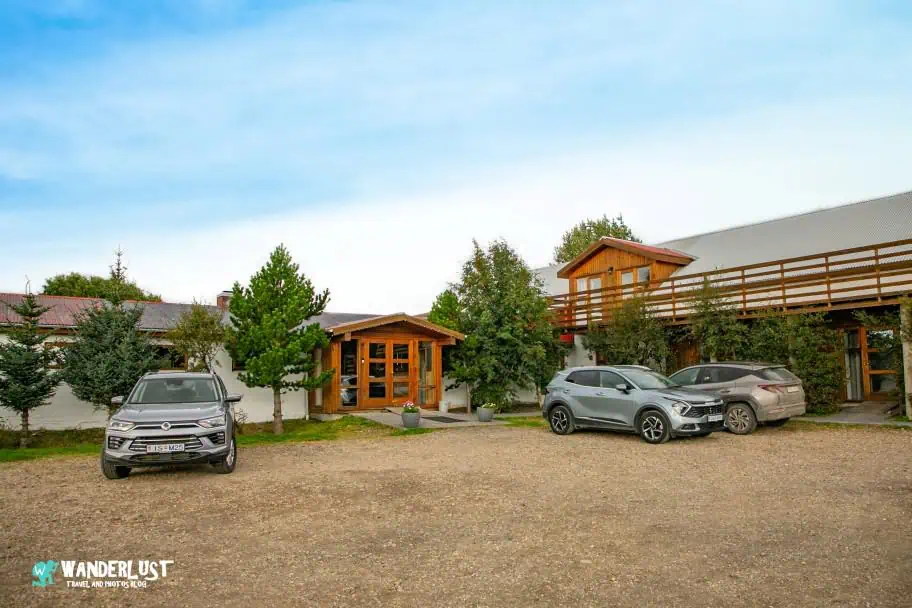
One of the most important decisions you are going to have to make when planning your trip to Northwest Iceland is where you will stay. When you travel, the accommodations you choose are often among the biggest expenditures for your trip.
So not only do you need to be comfortable where you are staying, but you also need to be comfortable with how much you are paying to stay there. Finding the right accommodations for your trip involves looking at the amenities, the location, and most importantly, the price.
If you are starting to plan your trip to Northwest Iceland and want some hotel and hostel suggestions, I have included some great options at different price points in my Northwest Iceland Guide below for you to review. As always, don’t be afraid to expand your search to room-sharing sites such as Airbnb or VRBO if you aren’t finding a hotel or hostel that meets your needs.
Where to Eat in Northwest Iceland

When most people plan a trip, the primary focus is on how to get there, where to stay, and what is on the list of things to see and do. What many travelers neglect to plan is where to eat when you are there.
Granted, it is sometimes fun to be spontaneous when choosing a restaurant while traveling, and it is always smart to get recommendations when you arrive. However, it can also be advantageous to have some ideas of restaurants you would like to try during your trip written down beforehand as well.
This way, you can be assured that you won’t miss out on a highly recommended culinary experience that you will regret. To help you decide on some restaurants in Northwest Iceland to add to your list, I have included a list of some highly recommended options for you to review in my Northwest Iceland Guide below.
| Restaurant | Cuisine | Price |
|---|---|---|
| Hotel Flókalundur Restaurant (Flókalundur, Iceland) | International, Vegetarian friendly | $$-$$$ |
| Sjavarpakkhusid (Stykkisholmur, Iceland) | Seafood, Gluten free options | $$-$$$ |
| Narfeyrarstofa (Stykkisholmur, Iceland) | Seafood, International | $$-$$$ |
| Bjargarsteinn mathus (Grundarfjorour, Iceland) | Seafood, European | $$-$$$ |
| Café Riis Hólmavík (Hólmavík, Iceland) | Pizza, Seafood | $$-$$$ |
| Stukuhusid (Patreksfjörður, Iceland) | Cafe, European | $$-$$$ |
Recommended Tours in the Northwest Iceland Area
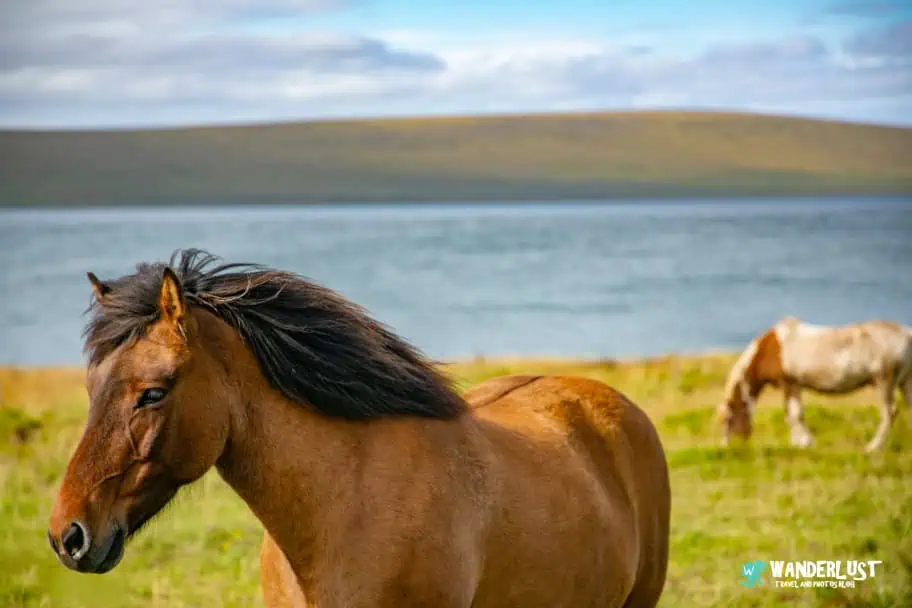
There is an abundance of amazing things to see and do in the Northwest Iceland area, and one of the best ways to experience those things is on a tour. If you are looking for fun tours and excursions to fill out your trip, I have included some highly rated tours and excursions that I recommend in my Northwest Iceland Guide below.
Snaefellsnes Peninsula Tours
Westfjords Tours
Iceland Photography Tips
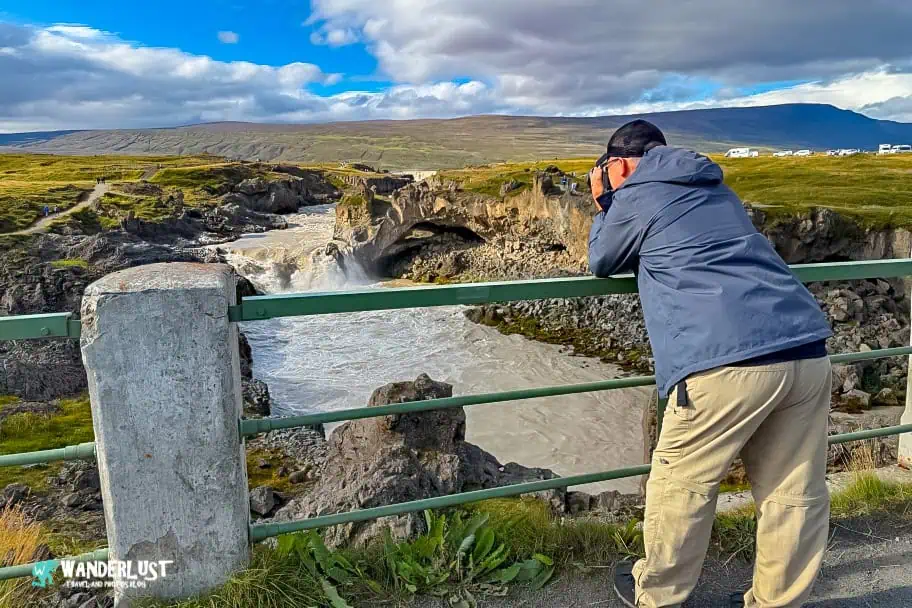
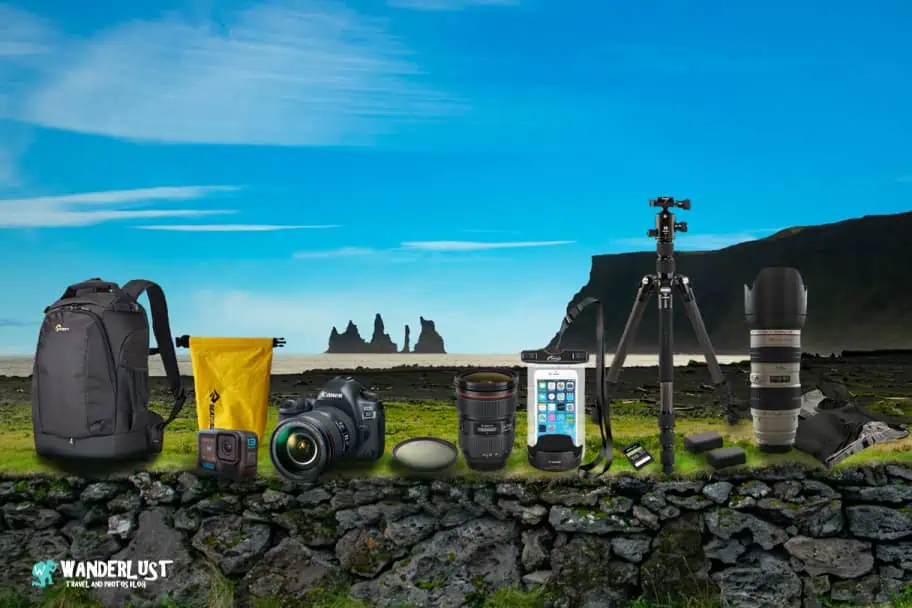
Iceland is a photographer’s dream, boasting stunning landscapes that are simply awe-inspiring! However, capturing the spirit of this incredible island can be quite the challenge. As you set off on your journey, get ready to embrace Iceland’s unique lighting and unpredictable weather. To maximize your photography adventure, check out my detailed guide below. It’s filled with tips to help you snap breathtaking images that truly reflect the magic of this remarkable destination!
Northwest Iceland Photo Gallery
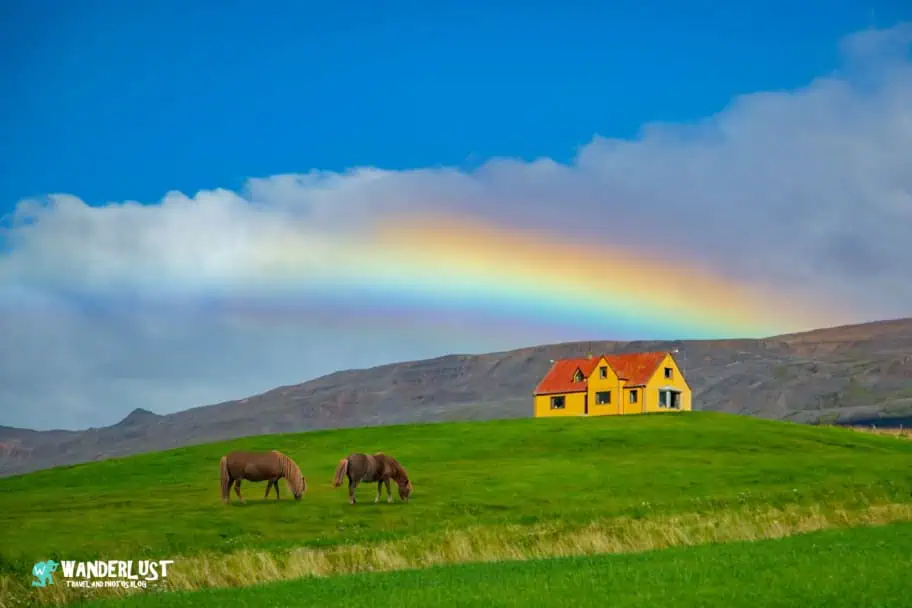
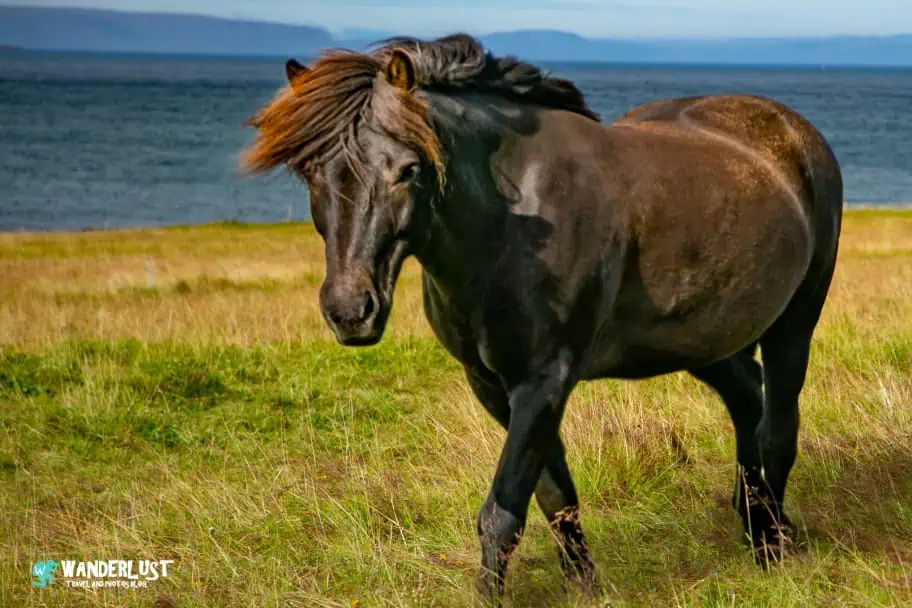
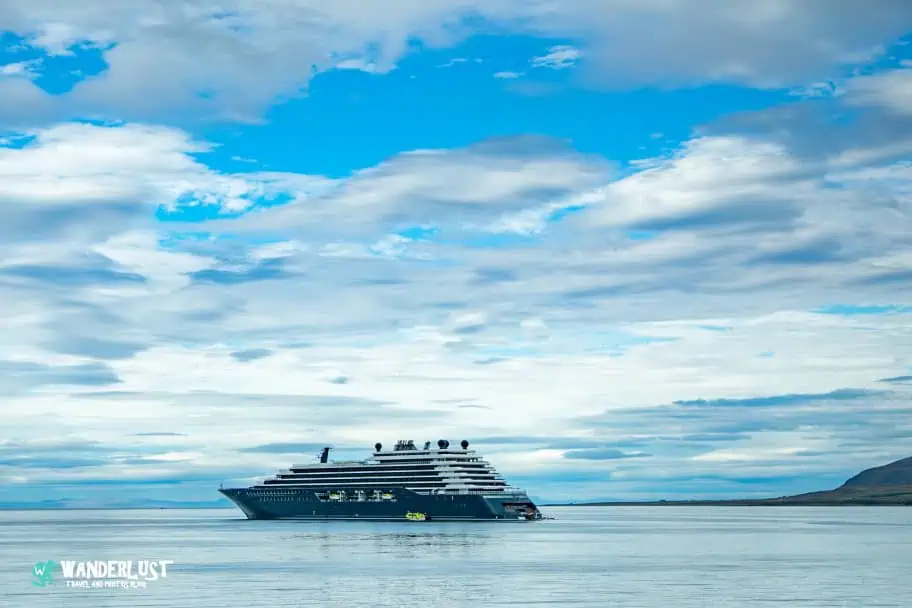
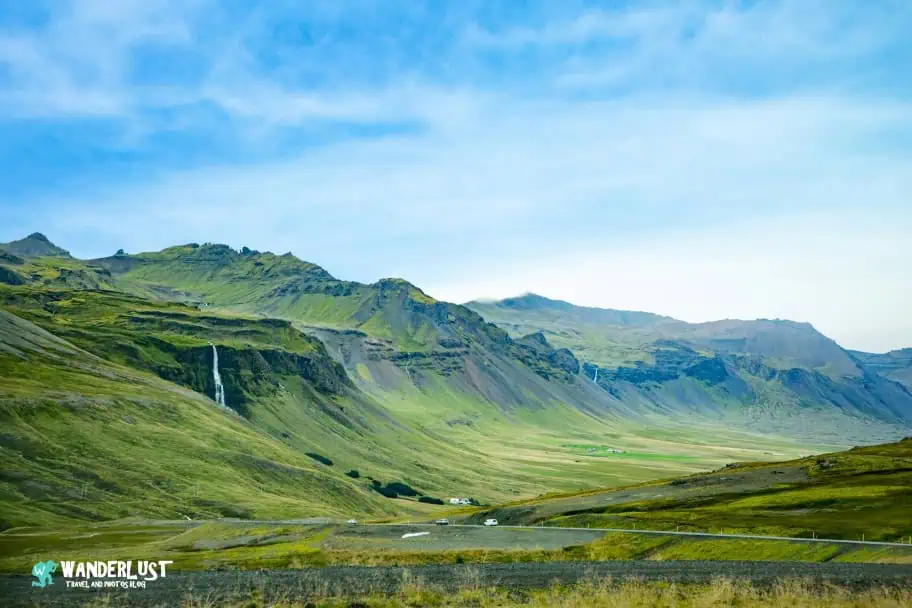
Northwest Iceland is full of stunning landscapes that will take your breath away. During my visit, I was lucky enough to be able to explore much of this rugged and beautiful land and captured much of it in photographs. From steep cliffs to serene waterfalls, each photograph tells a story about this iconic destination. If you would like to see more of what I was able to capture of this destination’s iconic beauty, I included a photo gallery for you to review in my Northwest Iceland guide below.
If you’re interested in exploring more of my travel photography, I’d love for you to join me on Instagram! Creating this blog to share my free guides, itineraries, and travel photography tips takes a lot of effort, and a follow on Instagram would truly mean the world to me. Your support makes it all worthwhile!
FOLLOW ME!





Don’t Forget to Subscribe to My Adventures!

Let Me Help You Save On Your Next Adventure!
‘Start Exploring Today’ Merchandise Available Now!
 |
 |
 |
 |
 |
 |
 |


















Leave a Reply