This northeast Iceland travel guide post contains my Hotels.com, Expedia, Vrbo, and Viator affiliate links. I may receive a commission when you book a hotel or tour from this article, though at no additional cost to you. I hand-pick and recommend only the hotels and tours that I have thoroughly researched and feel comfortable recommending.
Northeast Iceland is a treasure trove of natural wonders, making it an ideal destination for travelers seeking breathtaking landscapes and unique experiences. The natural beauty of the region is nothing short of breathtaking, characterized by dramatic landscapes that range from rugged coastlines to serene fjords and volcanic mountains. The area is home to several national parks, including the stunning Vatnajökull National Park, where visitors can witness the awe-inspiring sight of glaciers and waterfalls.
However, the region isn’t just beautiful. It is also steeped in history, with its roots tracing back to the Viking Age. Visitors can immerse themselves in the vibrant culture by exploring charming towns like Akureyri, often referred to as the “Capital of the North,” where art galleries, museums, and lively festivals showcase the region’s artistic spirit.
Culinary experiences in Northeast Iceland are equally enticing, with a focus on fresh, local ingredients that reflect the region’s natural bounty. Traditional dishes often feature seafood, lamb, and dairy, prepared with a modern twist that highlights Icelandic flavors. Visitors can indulge in local delicacies at cozy restaurants or sample street food at seasonal markets, where the emphasis is on sustainability and farm-to-table practices.
An All-You-Need Northeast Iceland Travel Guide
In this northeast Iceland travel guide, I provide you with all of the information you will need to plan a successful trip. To start, I cover the best times to visit Iceland and the best ways to get there. This way, you can maximize the amount of time you have to explore this stunning country.
In addition, I also outline the top things to see and do during your visit to northeast Iceland. There are many incredible things that you won’t want to miss during your stay. With my guide in hand, you won’t miss a thing. Finally, I provide you with some great restaurant and hotel recommendations to make your stay more enjoyable. Using the information I provide, the planning process will be stress-free.
Northeast Iceland Travel Guide Navigation Menu


At a Glance
Before you start making any travel plans, you need to be sure that you meet the country’s entrance requirements. This includes all of the passport, VISA, and immunization requirements for Iceland.
You will also need to know some basic information about Iceland to help you get around. To start, this includes clearly understanding what languages they speak in Iceland. This way, you can plan any translation needs you may have. In addition, you will need to know what currency they use in Iceland. Knowing this, you can plan to exchange currency before your trip if necessary.
To assist you in your preparation, I have included this key information in my northeast Iceland travel guide for you to review below.
 |
Passport requirements exist. See my Entrance Requirements Guide below for details. |
 |
Immunization recommendations are listed in my Entrance Requirements Guide below. |
 |
The official language in Iceland is Icelandic. |
 |
The official currency in Iceland is the Króna. |
Passport, VISA, Customs, and Immunization Requirements

Before you leave for your trip to northeast Iceland, you need to make sure you have all of the proper vaccinations. Not only to protect yourself but to protect others. If you have questions on what immunizations you may need and what to look out for when you go to get them, you are in luck. I have included some general guidelines I can pass on from my experience in my guide to the Iceland entrance requirements below.
Packing Tips

Outside of knowing the entry and immunization requirements, there is no pre-travel task more important than packing. Don’t worry, I am here to make sure you are packed and prepared for your trip. I have included links to my packing resources in my northeast Iceland travel guide below for you to review.

Top Things to See and Do in Northeast Iceland
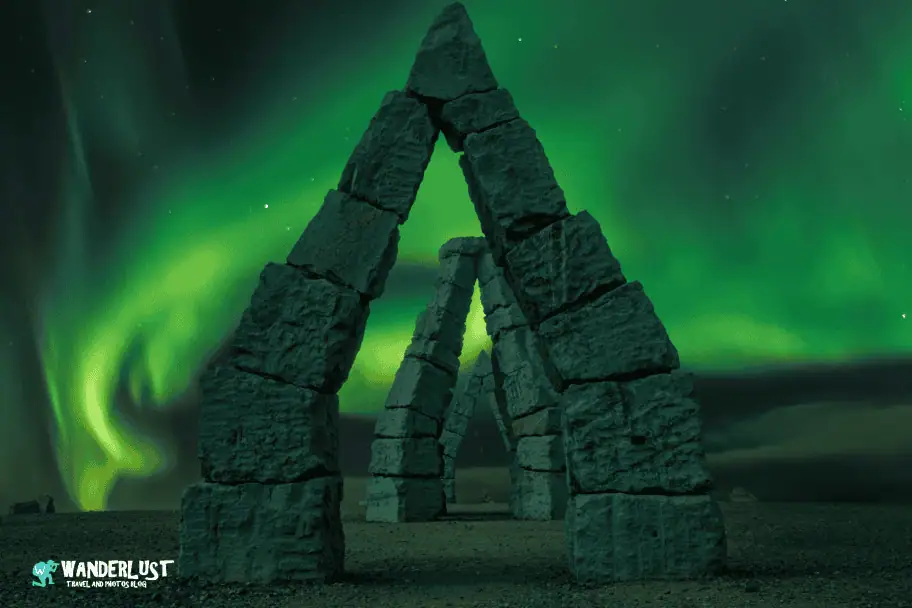
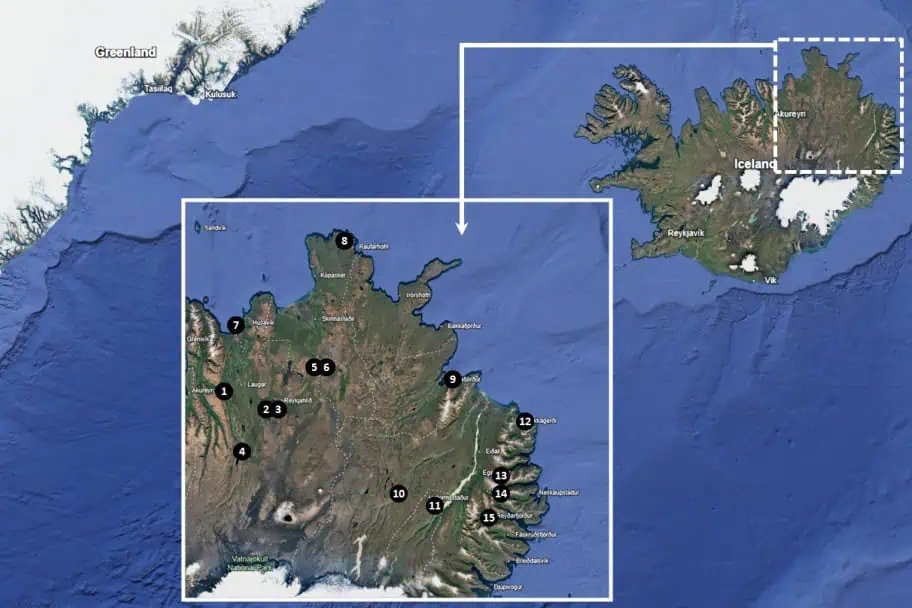
When it comes to Northeastern Iceland, you won’t have trouble filling your itinerary with incredible things to see. The area is home to some of Iceland’s most ruggedly beautiful waterfalls, including the spectacular Goðafoss and Dettifoss waterfalls. It’s also home to the stunning Stuðlagil Canyon, which offers a unique opportunity for photography and exploration. And we can’t forget the incredible Arctic Henge, which acts as a gateway to the Arctic and plays upon the rich folklore of the region.
If you are in the process of planning your trip and need to fill out your itinerary, I have included a list of my top things to see and do in my northeast Iceland travel guide below.


Goðafoss Waterfall

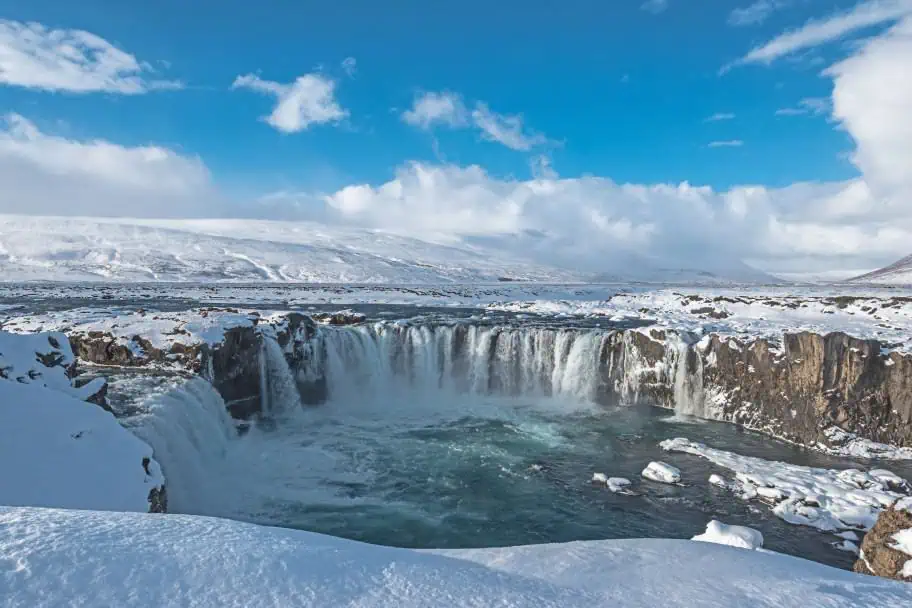
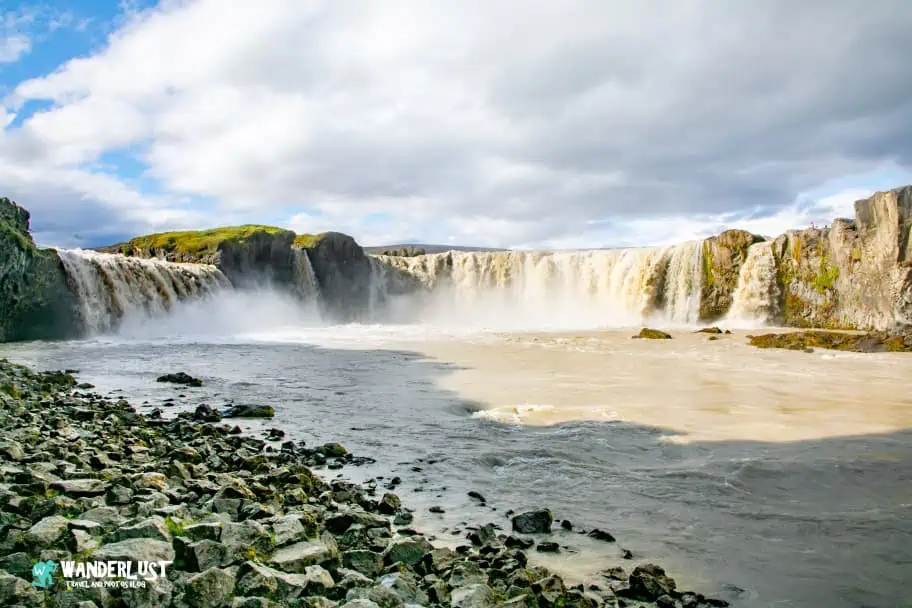
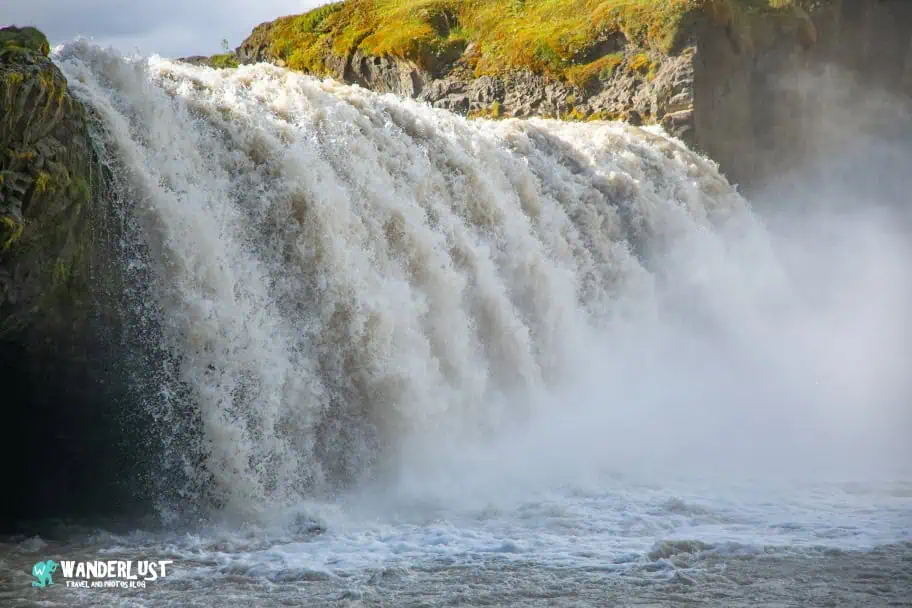
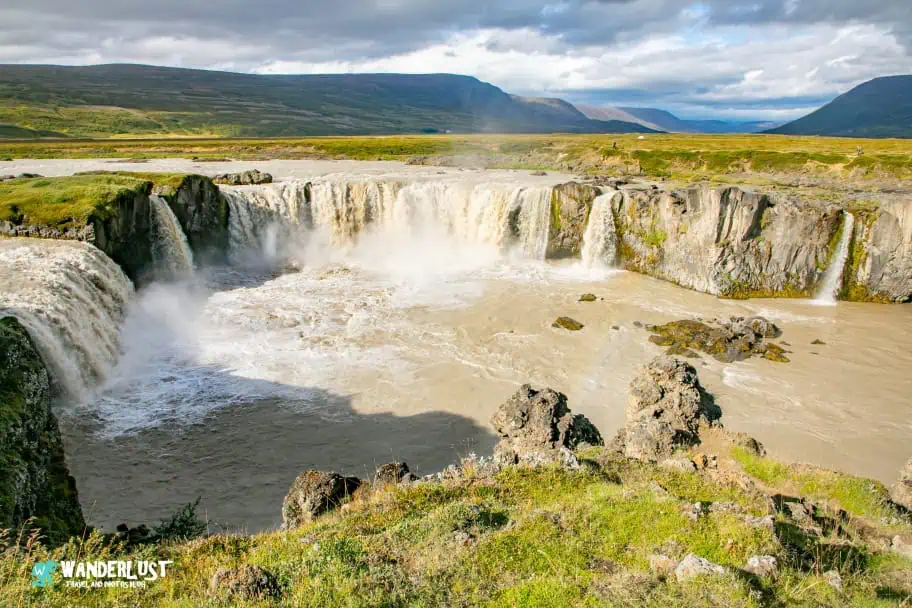
The waterfall, known as the “Waterfall of the Gods,” cascades dramatically over a wide horseshoe-shaped cliff, with water plunging from a height of about 40 feet (12 meters) into a stunning turquoise pool below. On both sides of the waterfall, visitors can explore well-maintained paths that offer various vantage points, allowing for spectacular views and photo opportunities.
The surrounding landscape is equally enchanting, with lush greenery and rugged volcanic rock formations that contrast beautifully with the vibrant blue of the water. As you stand at the edge, the mist from the falls gently kisses your skin, and you can’t help but feel a sense of awe and reverence for the raw power of nature. Whether you visit during the bright summer months or the serene winter season, Goðafoss offers a unique and mesmerizing experience.
Lake Mývatn
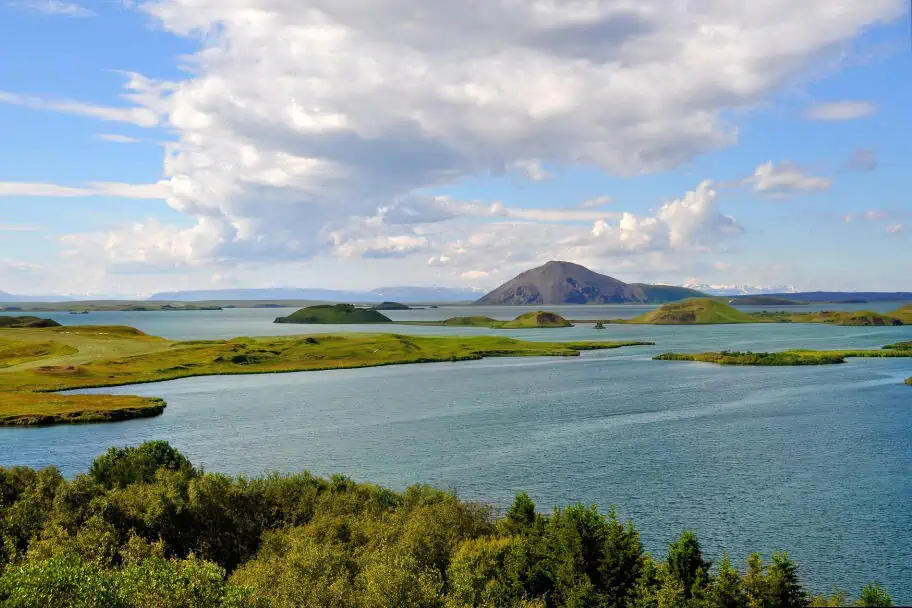
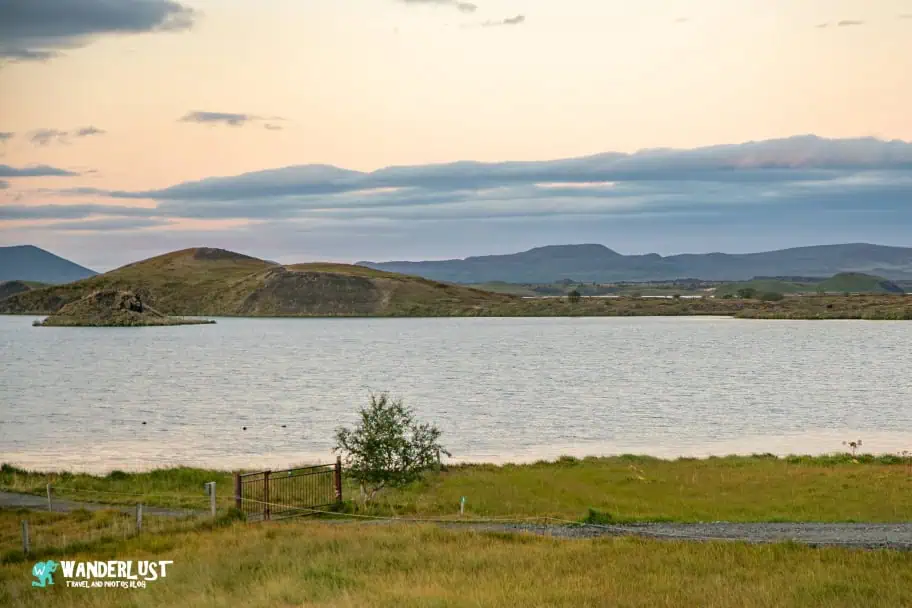
This expansive lake, formed by volcanic activity, is surrounded by a landscape dotted with pseudocraters, geothermal hot springs, and vibrant lava fields, creating a surreal and picturesque environment. Among other things, the area is renowned for its diverse birdlife, particularly during the summer months when migratory species flock to the region, making it a paradise for birdwatchers.
Additionally, the nearby geothermal areas, such as Hverir, offer a glimpse into the earth’s raw power, with bubbling mud pots and steaming fumaroles that create an otherworldly atmosphere. Visitors can also explore the tranquil shores of the lake, where they can enjoy hiking trails that wind through the stunning scenery. Lake Mývatn is the perfect place to relax and unwind after a busy day exploring the stunning landscapes of Northeastern Iceland.
Mývatn Nature Baths

These geothermal baths offer a serene escape, surrounded by breathtaking landscapes of volcanic formations and lush greenery. As you soak in the warm, mineral-rich waters, you can enjoy panoramic views of the nearby Lake Mývatn, known for its unique geological features and diverse birdlife. The baths are designed to provide a tranquil atmosphere, allowing visitors to unwind and rejuvenate while taking in the soothing sounds of nature.
The water, heated by geothermal activity, is not only relaxing but also believed to have therapeutic properties, making it a perfect spot for both relaxation and wellness. Whether you choose to visit during the bright summer months or the enchanting winter season, the Mývatn Nature Baths promise a unique and captivating experience that highlights the natural wonders of Iceland.
Aldeyjarfoss Waterfall

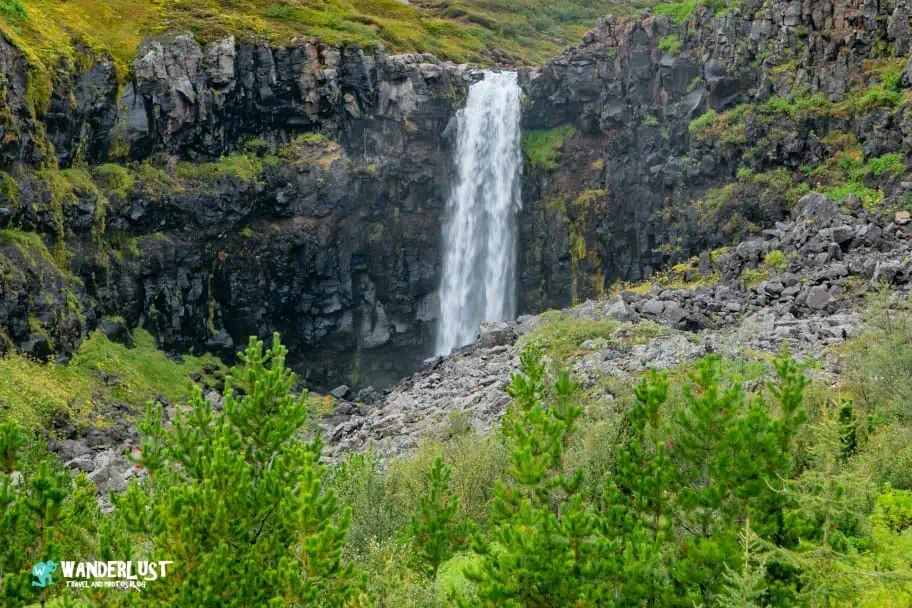
One of the most underrated places to see that I cover in this Northeastern Iceland travel guide is the beautiful Aldeyjarfoss Waterfall. Nestled in the heart of the Highlands, this stunning waterfall cascades dramatically over a series of basalt columns, creating a breathtaking spectacle as the water plunges into the turquoise river below.
The journey to Aldeyjarfoss is as captivating as the destination itself, with winding roads that offer glimpses of rugged terrain and volcanic formations. The surrounding area is adorned with unique geological features, making it a perfect spot for photography enthusiasts and nature lovers alike. Whether you choose to hike along the nearby trails or simply relax and take in the view, Aldeyjarfoss promises a serene escape into one of Iceland’s most picturesque settings.
| Trail Stats | |
|---|---|
| Trail Type: | Out-and-Back |
| Distance: | 1.5 miles/2.4 kilometers |
| Elevation Gain: | 252 feet/77 meters |
| Time to Complete: | 1/2 to 1 hours |
| Difficulty Level: | Easy |
| Trail Map |
|---|
Dettifoss Waterfall
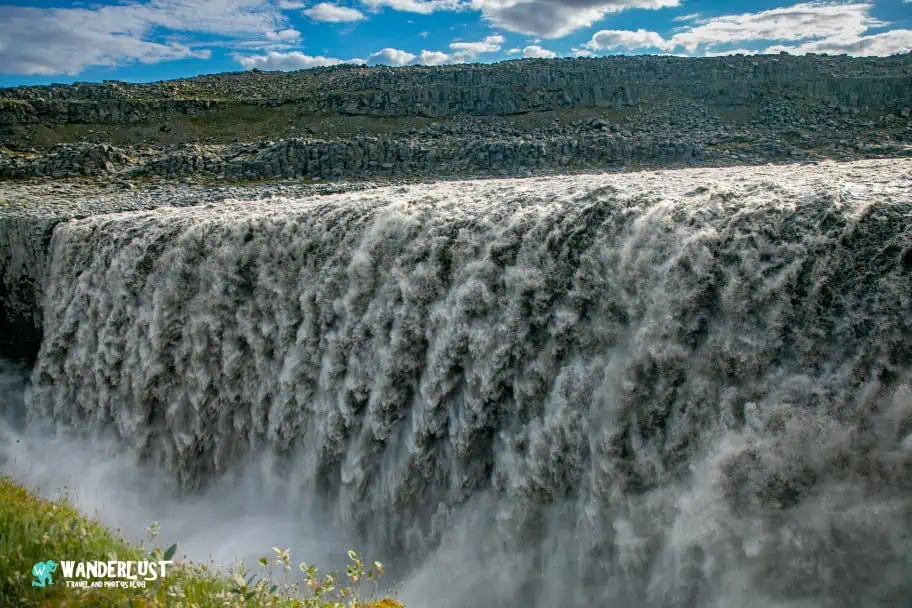
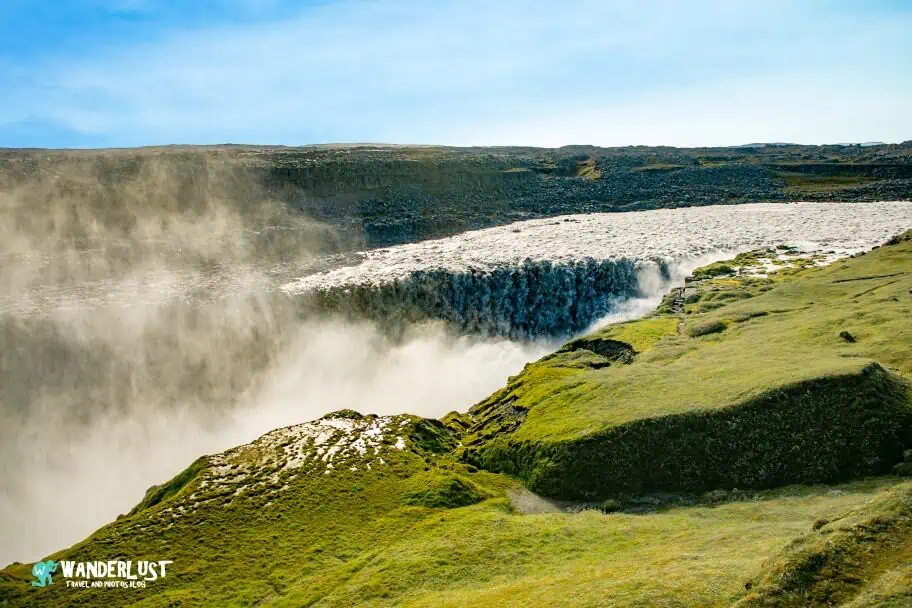
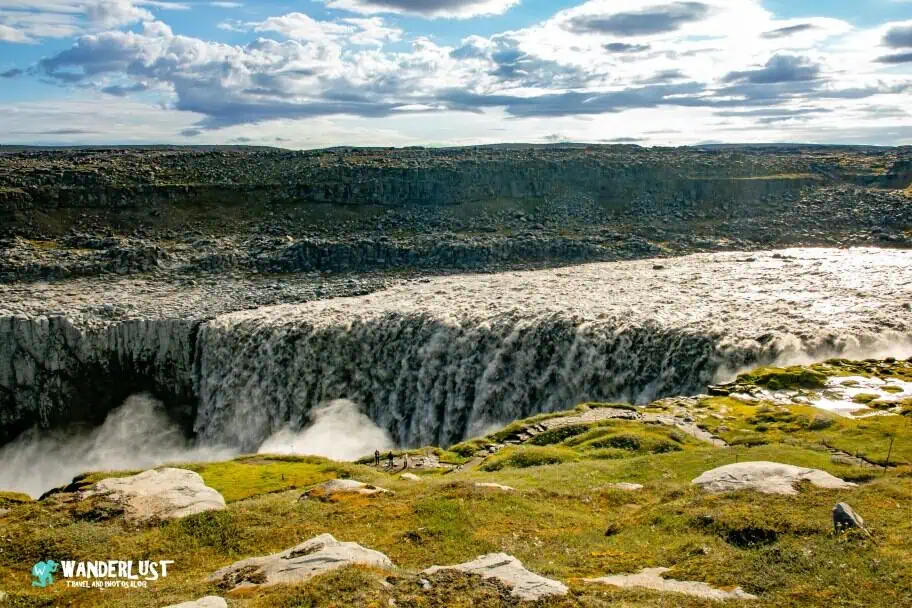
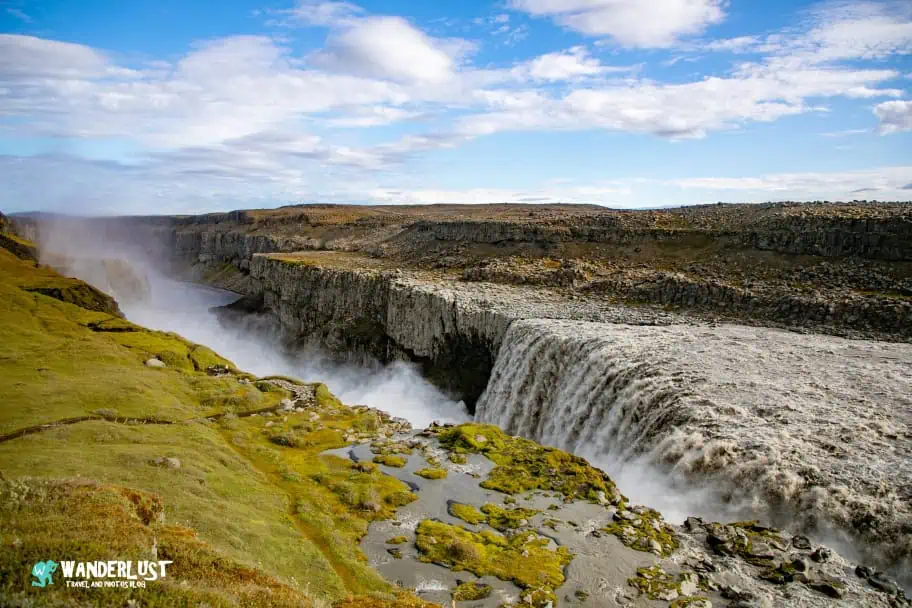
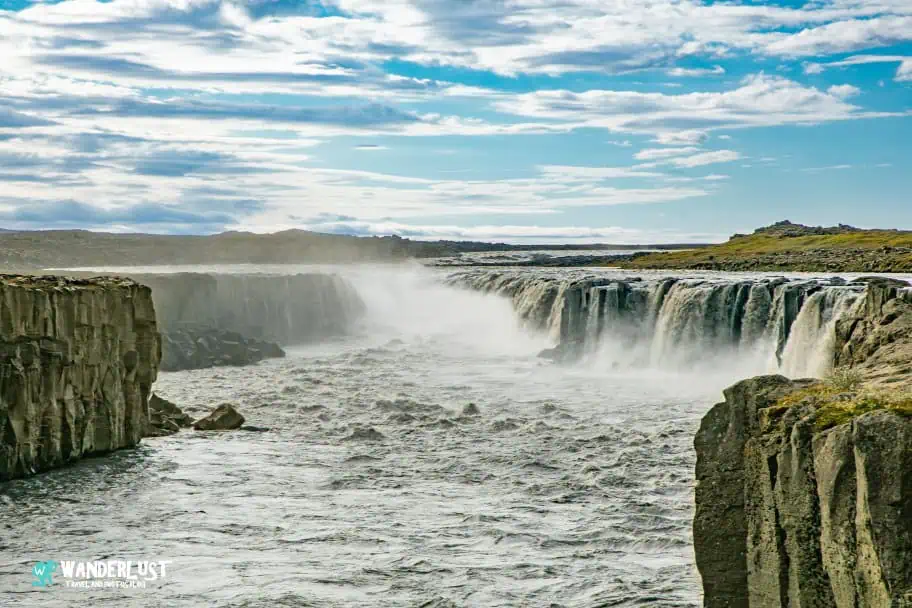
Located in the famed Vatnajökull National Park, Dettifoss is renowned for being one of the most powerful waterfalls in Europe, with an impressive flow rate of around 633 feet per second (193 cubic meters per second). The surrounding landscape is rugged and dramatic, characterized by stark basalt cliffs and a vast canyon carved by glacial meltwater.
Standing at the edge, you can feel the mist on your face and witness the sheer force of the water cascading down a height of 144 feet (44 meters) into the Jökulsá á Fjöllum river below. The sight is nothing short of breathtaking, especially when the sunlight catches the spray, creating shimmering rainbows that dance in the air. Without a doubt, the Dettifoss Waterfall is the most can’t-miss spot in this Northeastern Iceland travel guide.
| Trail Stats | |
|---|---|
| Trail Type: | Out-and-Back |
| Distance: | 2.5 miles/3.2 kilometers |
| Elevation Gain: | 561 feet/171 meters |
| Time to Complete: | 1/2 to 1.5 hours |
| Difficulty Level: | Moderate |
| Trail Map |
|---|
Hafragilsfoss Waterfall
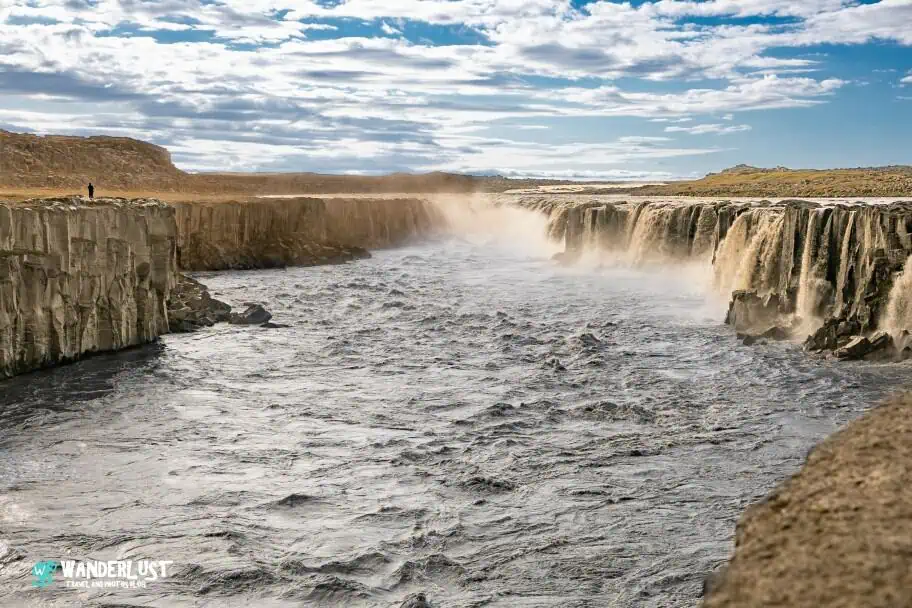
If you make a stop to visit Dettifoss, don’t miss making a stop at the nearby Hafragilsfoss Waterfall. This magnificent waterfall cascades dramatically over a rugged cliff, creating a breathtaking spectacle as the water plunges into the deep canyon below. The surrounding scenery is equally breathtaking, with lush greenery contrasting against the stark, volcanic rock formations that define the region.
For those seeking adventure, the area around Hafragilsfoss offers numerous opportunities for exploration. Hiking trails lead to various vantage points, allowing visitors to appreciate the waterfall from different angles. To help you plan your hike to see both waterfalls, I have included a trail map in my Northeast Iceland travel guide below.
| Trail Stats | |
|---|---|
| Trail Type: | Loop |
| Distance: | 5.6 miles/9 kilometers |
| Elevation Gain: | 918 feet/280 meters |
| Time to Complete: | 1.5 to 2.5 hours |
| Difficulty Level: | Moderate |
| Trail Map |
|---|
Huisavik Whale Watching
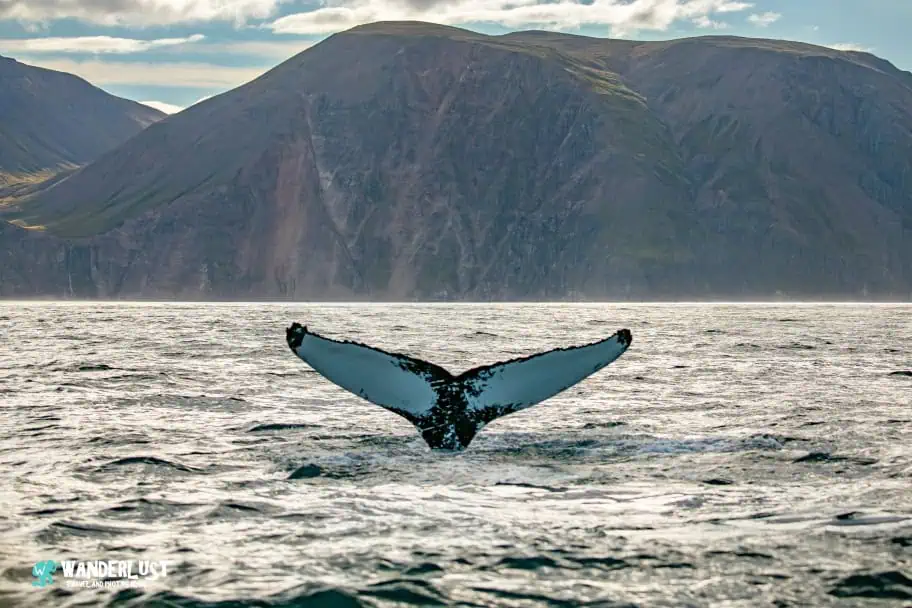
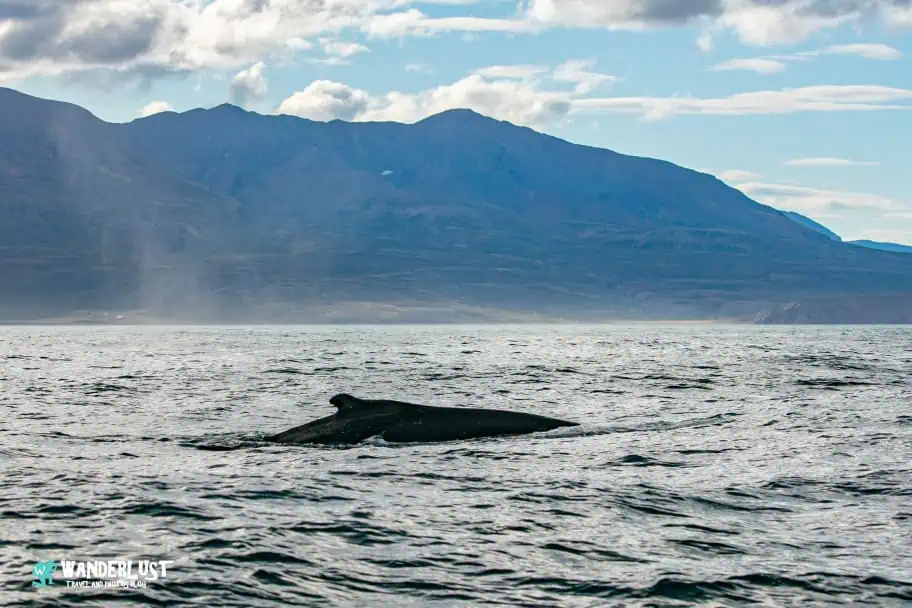
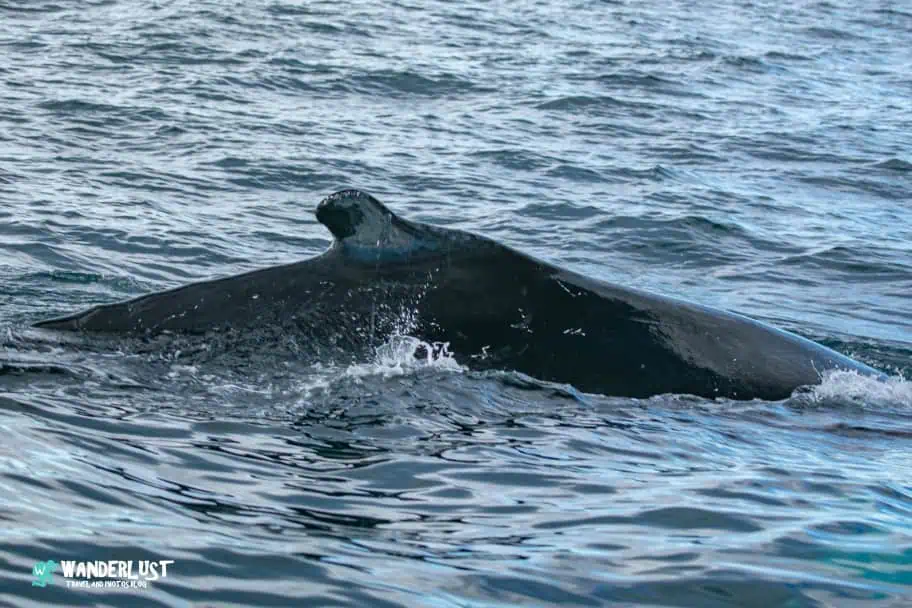
Often referred to as the whale watching capital of Iceland, Húsavík offers an unparalleled opportunity to witness the majestic beauty of marine life in its natural habitat. Nestled along the scenic shores of Skjálfandi Bay, this charming town is not only known for its stunning landscapes but also for its rich biodiversity. On tours, various species of whales, including humpbacks, minke, and even the occasional blue whale, can be spotted.
The whale watching tours in Húsavík are designed to cater to both seasoned enthusiasts and first-time observers. Knowledgeable guides accompany each expedition, sharing fascinating insights about the whales’ behaviors, migration patterns, and the ecological significance of the region. For an idea of what it is like to go on a whale watching tour in Húsavík, check out the video of my tour in the article linked below.
The Arctic Henge

This extraordinary monument, designed by the visionary artist and architect Guðmundur Ingi Þorsteinsson, is not just an architectural feat but also a profound homage to the natural elements and the celestial phenomena that define the Arctic region. The Henge is constructed from a series of large stones arranged in a circular formation, each carefully positioned to align with the sun’s path during the solstices and equinoxes.
This alignment creates a stunning interplay of light and shadow, allowing visitors to experience the changing seasons in a truly immersive way. The stones, some weighing several tons, are sourced from the surrounding landscape, blending seamlessly with the rugged terrain. The design of the Arctic Henge incorporates various elements of Norse mythology and local folklore, making it a cultural landmark as well as a natural one.
Gljúfursárfoss Waterfall

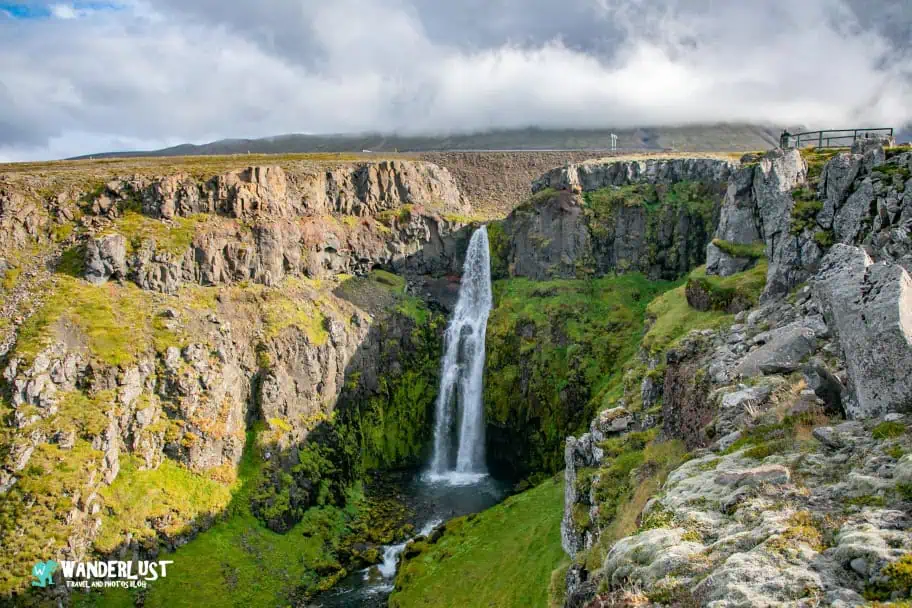
This hidden gem, nestled in a stunning gorge, is a breathtaking waterfall that will leave you in awe. Don’t forget to explore the narrow paths that lead behind the waterfall, where you can enjoy a truly unique perspective of nature’s power. The Gljúfursárfoss Waterfall is also a part of a larger network of trails that lead to other stunning geological formations and scenic viewpoints. So, take some extra time to explore the area during your visit.
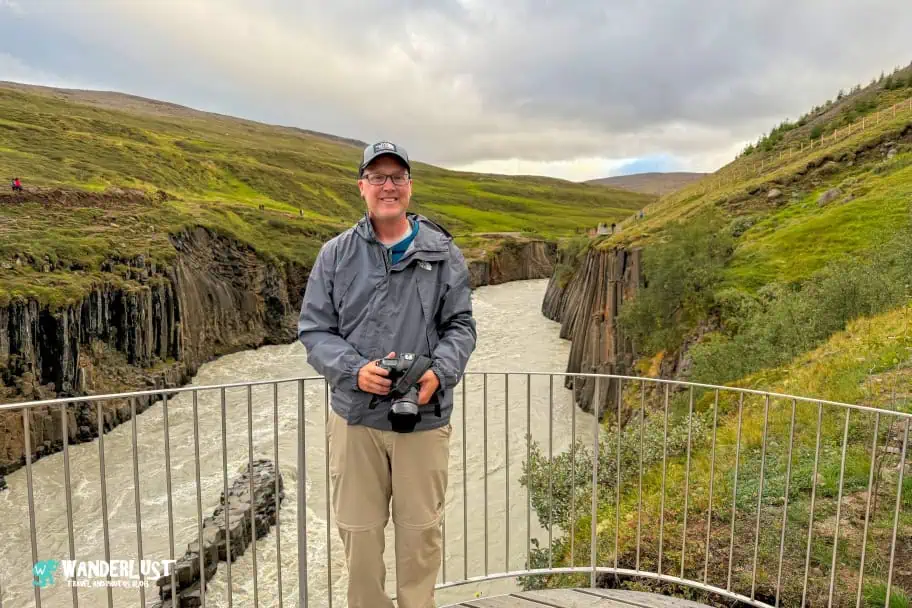
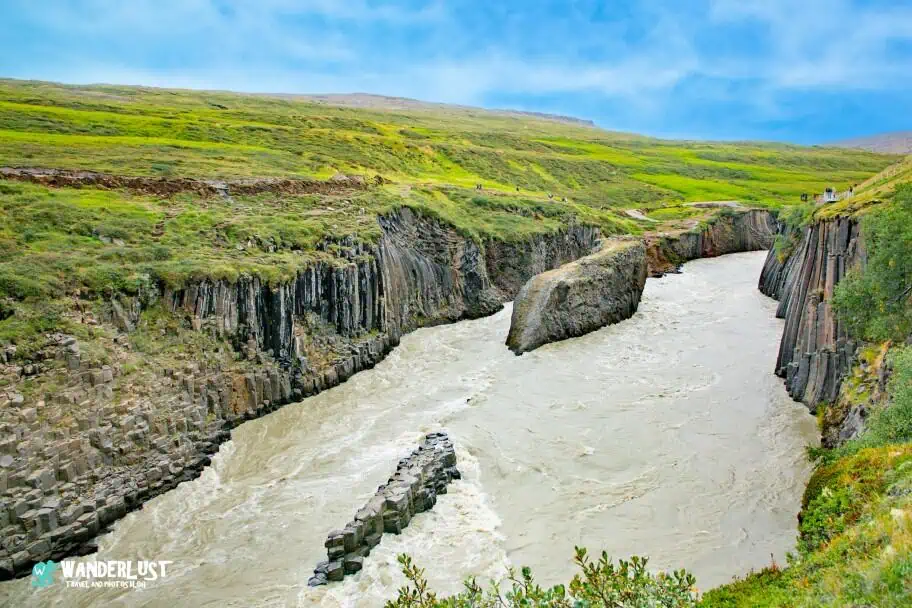
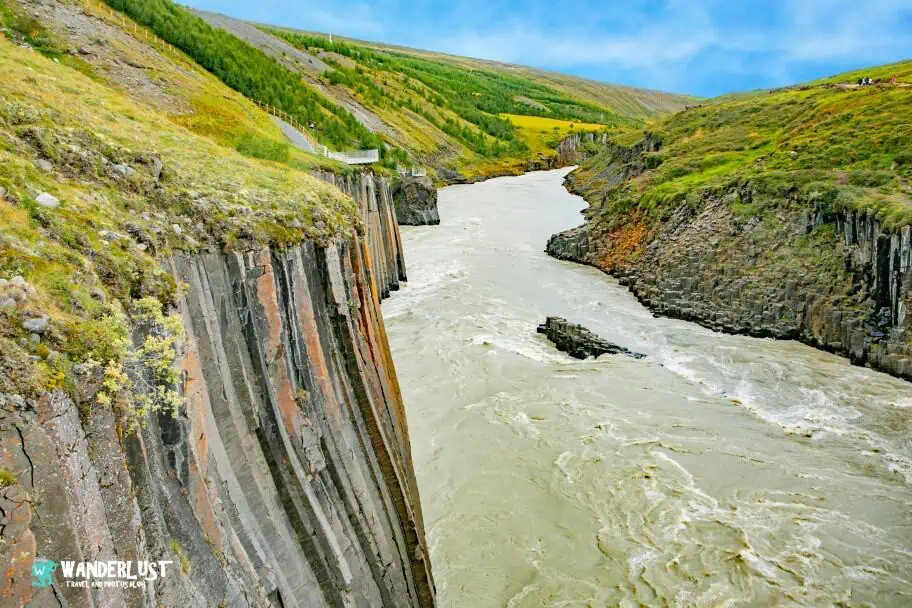
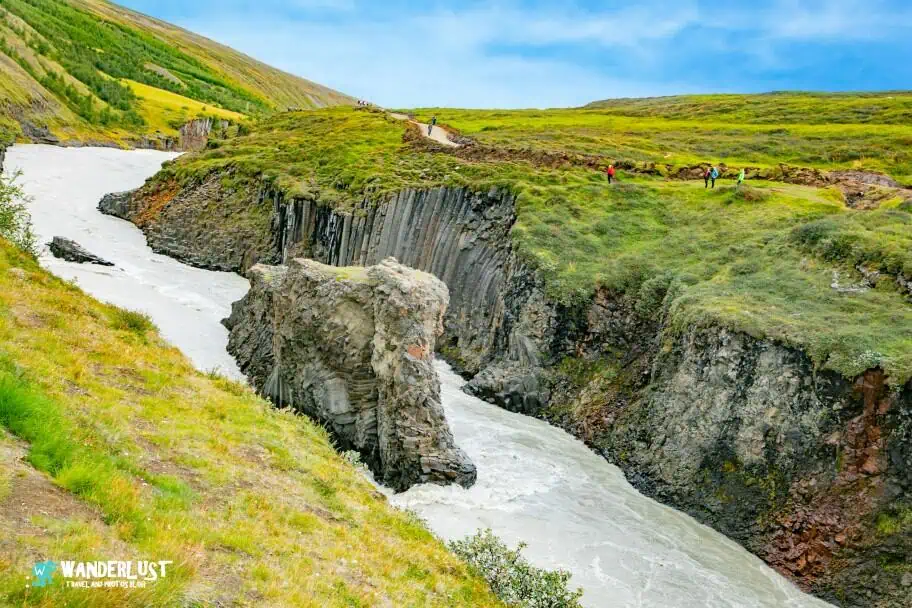
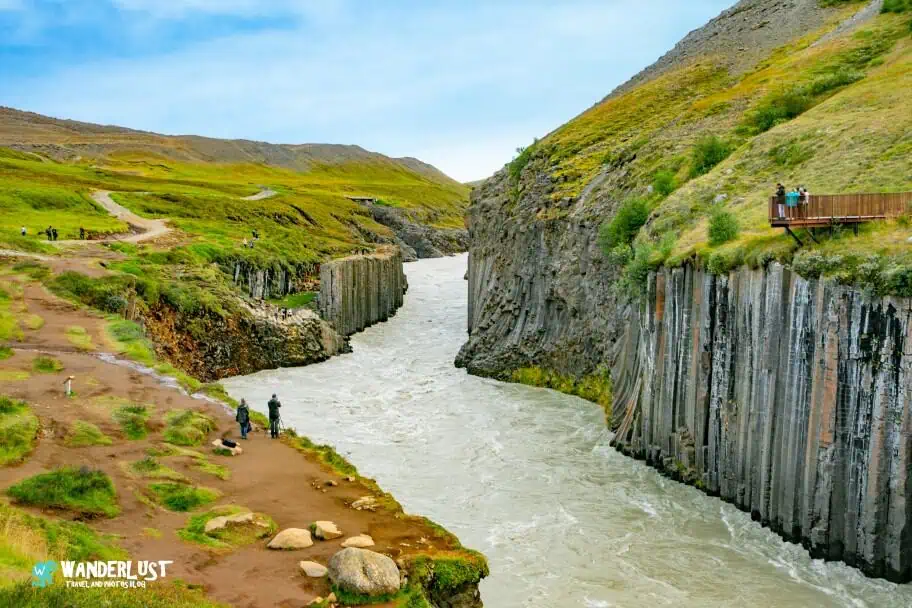
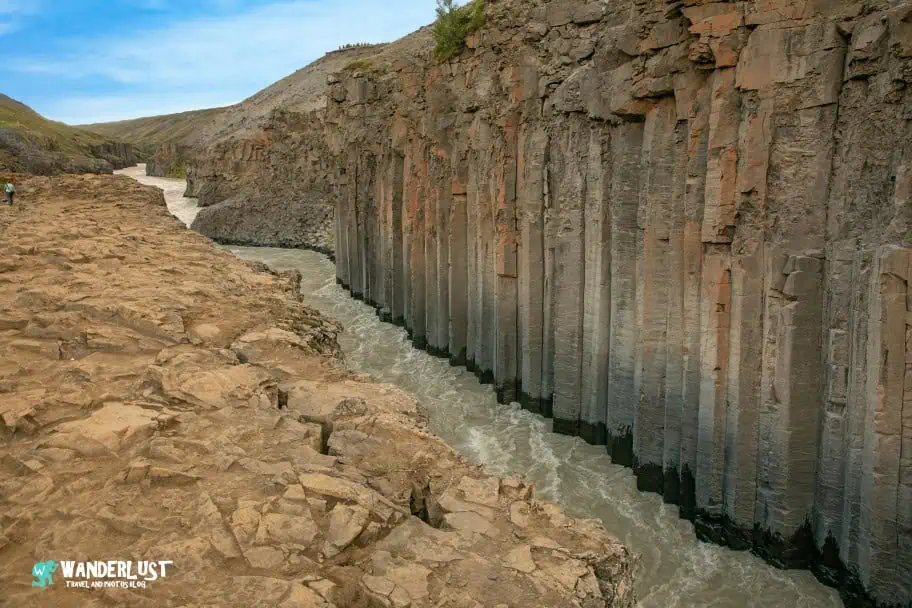
Stuðlagil Canyon
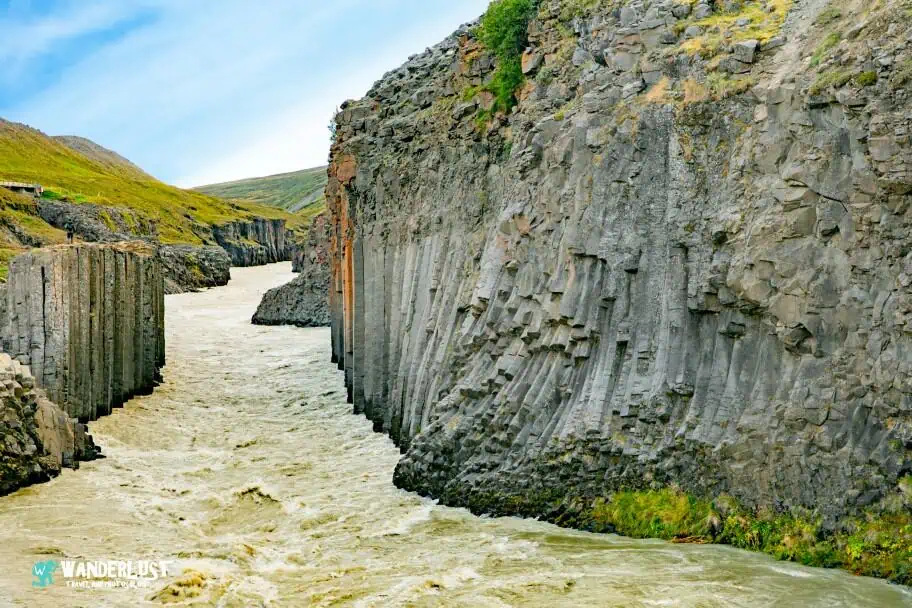
This breathtaking natural wonder is renowned for its striking basalt columns and vibrant turquoise waters. Formed by volcanic activity and glacial erosion, the dramatic landscape at Stuðlagil Canyon captivates visitors with its unique beauty. The canyon stretches for several kilometers, showcasing towering cliffs that rise majestically on either side, adorned with unique hexagonal basalt formations.
Visitors often embark on a scenic hike that leads them through lush green valleys and alongside the Jökla River, where the sound of rushing water adds to the serene atmosphere. The area is relatively less crowded compared to other popular tourist spots in Iceland, allowing for a more intimate experience with nature. The area is perfect for hiking, photography, and even kayaking for the more adventurous souls.
Pro Tip: Make sure you visit the canyon on both sides of the Jökla River. While the East side has great viewing platforms that offer great views of the canyon, the West side lets you get closer to the main tunnel section of the canyon. This is where most of the famous pictures of the canyon that you see online were taken. Keep in mind, reaching the canyon from the West side does require a moderate hike. To give you an idea of the length and difficulty, I have included a trail map in my Northeastern Iceland travel guide below.
| Trail Stats | |
|---|---|
| Trail Type: | Out-and-Back |
| Distance: | 6 miles/9.7 kilometers |
| Elevation Gain: | 633 feet/193 meters |
| Time to Complete: | 1 to 2 hours |
| Difficulty Level: | Moderate |
| Trail Map |
|---|
Hengifoss Waterfall

Towering at an impressive 420 feet (128 meters), Hengifoss Waterfall is the third-tallest waterfall in Iceland. The waterfall is fed by the glacial river Hengifossá, which flows from the nearby Vatnajökull glacier. This stunning waterfall is most famous for its vibrant layers of red and black basalt rock, which gives it one of the most unqiue looks of any of the waterfalls you will see in the country.
The hike to Hengifoss is equally enchanting, winding through lush landscapes and offering breathtaking views of the rugged terrain, making it a favorite among photographers. While there is a good deal of elevation gain that makes the trail to the falls moderately challenging, the trail is well-marked and safe enough for most travelers.
| Trail Stats | |
|---|---|
| Trail Type: | Loop |
| Distance: | 3.1 miles/5 kilometers |
| Elevation Gain: | 869 feet/265 meters |
| Time to Complete: | 1.5 to 2 hours |
| Difficulty Level: | Moderate |
| Trail Map |
|---|
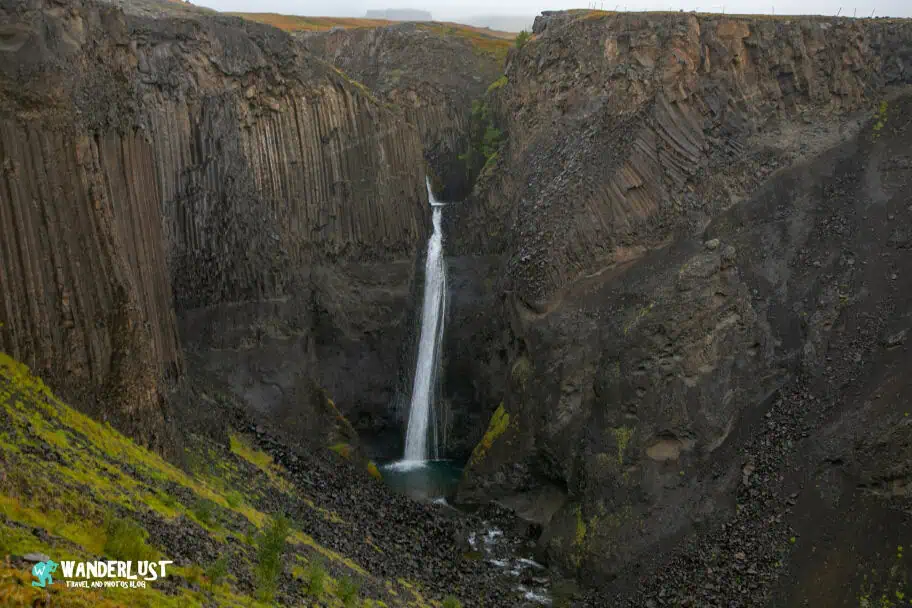
Litlanesfoss Waterfall
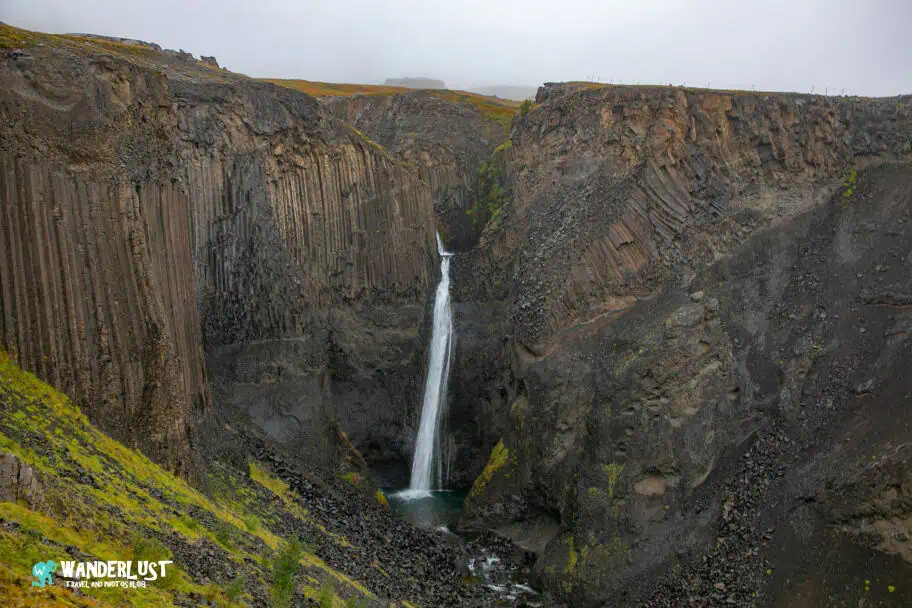
In case you haven’t noticed, Iceland is full of incredible waterfalls. Another amazing one that you can see in Northeastern Iceland is the stunning Litlanesfoss Waterfall. Located in the beautiful Eastfjords, this magnificent waterfall cascades down a series of basalt columns, creating a striking visual spectacle. In addition to its natural beauty, the waterfall holds cultural significance, often featured in local folklore and stories.
Reaching Litlanesfoss is an adventure in itself, as it involves a scenic walk along well-marked trails that showcase Iceland’s breathtaking landscapes. Along the way, hikers are treated to views of rolling hills, rugged mountains, and the shimmering waters of nearby rivers. The hike is enjoyable for all age groups, making it a popular choice for families.
Borgarfjarðarhöfn

If seeing puffins is high on your wish list, you won’t want to miss stopping at Borgarfjarðarhöfn when visiting Iceland. This stunning harbor offers a unique opportunity to observe these charming seabirds in their natural habitat. The puffins, with their distinctive, colorful beaks and striking black-and-white plumage, can often be seen nesting in the crevices of the cliffs, making for a delightful spectacle for birdwatchers and nature enthusiasts alike.
The best time to visit Borgarfjarðarhöfn for puffin watching is during the summer months, particularly from late April to early August, when these birds return to the region to breed. During this period, you can embark on boat tours that take you close to the cliffs, providing an up-close view of the puffins as they soar gracefully through the air or dive into the ocean for fish.
Gufu Waterfall

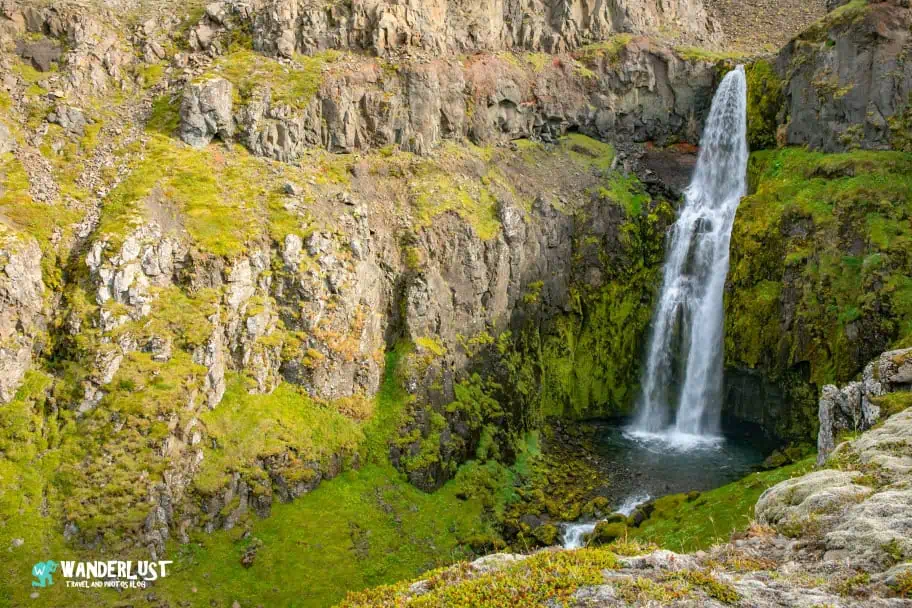
Gufu Waterfall, also known as Gufa, is one of Iceland’s hidden gems in its stunning landscape. Located near the lively town of Höfn, this waterfall may not be as famous as Gullfoss or Skógafoss, but it truly has its own charm. What makes Gufu Waterfall particularly captivating is its unique setting. Nestled in a lush, verdant landscape, the waterfall cascades dramatically over rocky cliffs, creating a mesmerizing display. It’s definitely a can’t miss spot you will want to have on your Iceland itinerary.
Búðarárfoss Waterfall
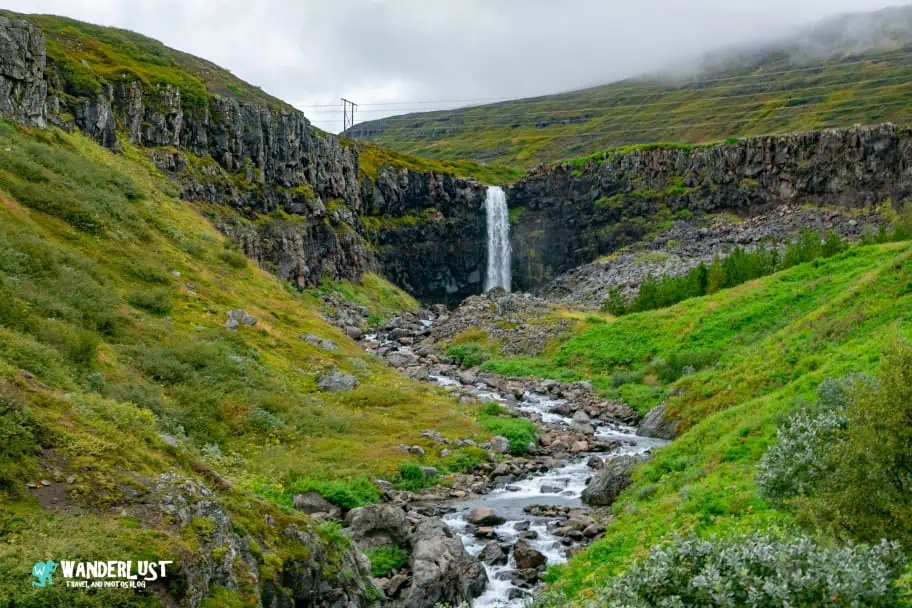
Hidden away in the rugged East Fjords, the Búðarárfoss Waterfall is often overlook by travelers passing through the area. However, missing it would be a mistake as it is a beautiful waterfall. What it lacks in size it certainly makes up for in charm. What makes Búðarárfoss special is its setting. It’s framed by black lava fields, creating a dramatic contrast with the white water. And because it is lesser-known, there is a great chance you will have this breathtaking waterfall all to yourself.
How to Get to Northeast Iceland

How you get to Northeast Iceland will depend a great deal on where you are visiting from. Most travelers will fly into the Keflavík International Airport (KEF) near Reykjavík, rent a car, and then drive the Ring Road to Northeast Iceland. However, depending on where you would like to visit, there are also some smaller airports in Northeast Iceland, which I have listed below.
Direct Flights from the United States to Northeast Iceland
For travelers heading from the United States to Reykjavik, there are more than 200 direct flights available each week from the USA to Reykjavík, operated by at least four different airlines from approximately 17 cities. For additional details on these direct flights, please check the list I have linked below.
- Icelandair – Direct flights from Baltimore (BWI), Boston (BOS), Chicago (ORD), Denver (DEN), Minneapolis-St. Paul (MSP), New York (JFK and EWR), Orlando (MCO), Raleigh-Durham (RDU), Seattle (SEA), and Washington, D.C. (IAD).
- Delta Airlines – Direct flights from Boston (BOS), Detroit (DTW), Minneapolis-St. Paul (MSP), New York (JFK), and Seattle (SEA).
- United Airlines – Offers seasonal direct flights from Chicago (ORD) and New York/Newark (EWR).
- American Airlines – Offers seasonal direct flights from Dallas/Fort Worth (DFW) and Philadelphia (PHL).
When to Visit Northeast Iceland
One of the most important decisions you must make when planning your trip to northeast Iceland is when to visit. Like most places, certain times of year are better than others. To help you decide what time of year to plan your trip, I have included some important annual weather information for you to review in my northeast Iceland travel guide below.
Average Temperature (°F)
The weater in Northeastern Iceland can vary signifantly from season-to-season. During the winter months, from December to February, temperatures can plummet, often ranging from 5°F to 40°F (or -5°C to -15°C). This frigid period is marked by heavy snowfall and icy conditions, creating a picturesque winter landscape that attracts visitors eager to experience the Northern Lights.
As spring arrives in March and lasts through May, temperatures begin to rise gradually, with averages ranging from 22°F to 46°F (or -2°C to 8°C). Spring is a time of renewal in Northeastern Iceland, with migratory birds returning and the first signs of greenery appearing, making it an ideal time for nature enthusiasts to explore the region’s stunning vistas. Summer, spanning from June to August, brings the warmest temperatures, averaging between 10°C and 15°C, though it can occasionally reach higher.
The summer season is marked by the phenomenon of the midnight sun, where daylight stretches into the late hours, allowing for extended outdoor activities. As summer transitions into autumn, from September to November, temperatures begin to cool again, ranging from 32°F to 50°F (or 0°C to 10°C), and the landscape is painted with vibrant fall colors, creating a stunning backdrop for those who venture into this captivating part of Iceland.
Average Precipitation (Inches)
The weather in Northeastern Iceland is as varied as unpredictable as its temperatures. During the winter months, particularly from December to February, the region sees a significant amount of snowfall, which can accumulate to create a picturesque winter landscape. The average precipitation during this season can reach up to 8 inches, primarily falling as snow due to the cold temperatures.
As spring arrives, the weather begins to shift, and the precipitation patterns change accordingly. From March to May, the average rainfall increases, with totals often exceeding 6 inches. This period marks a transition where the snow starts to melt, leading to a mix of rain and lingering snow. The landscape begins to bloom, showcasing the vibrant colors of wildflowers and greenery, all nourished by the spring rains.
Summer in Northeastern Iceland, spanning from June to August, brings a different climate dynamic, characterized by milder temperatures and reduced precipitation. Average rainfall during these months typically hovers around 4 inches, making it the driest season of the year. This season is crucial for agriculture and tourism, as the lush landscapes and relatively stable weather conditions attract visitors eager to explore the natural beauty of the region.
Best Months to Visit Northeast Iceland
The ideal time to plan your journey in Northeastern Iceland depends on what you want to experience while your’re there. If you’re eager to spot the adorable puffins, the months from June to August are your best bets. In this summer period, you can observe these lovely birds nesting on the coastal cliffs, offering you the best chance to see them in the wild. In addition, summer is typically the warmest time of year, which also makes it the best time of year to explore Iceland’s stunning landscapes.
As the calendar turns to autumn, between September to November, a different type of magic begins to appear in Iceland. This is when the night skies begin to get dark enough to see the incredible Northern Lights. In addition, autumn is also one of the best times of year to spot whales in the waters off Iceland, with a variety of species migrating along the coastline during this time.
When winter arrives, between December and early March, the landscape turns into a beautiful winter wonderland. This magical time of year beckons the most adventurous travelers to explore the rugged terrain of Northeastern Iceland on snowmobiles. This is when you get to see Iceland at its most untouched beauty, with frequent sightings of the Northern lights possible with the long, dark nights.
| Puffins | Rainy | ||||||||||
| Northern Lights | |||||||||||
| JAN | FEB | MAR | APR | MAY | JUN | JUL | AUG | SEP | OCT | NOV | DEC |
| Cold | Whales in Iceland | ||||||||||
| = Great | = Good | = Fair | = Poor |
Where to Stay in Northeast Iceland
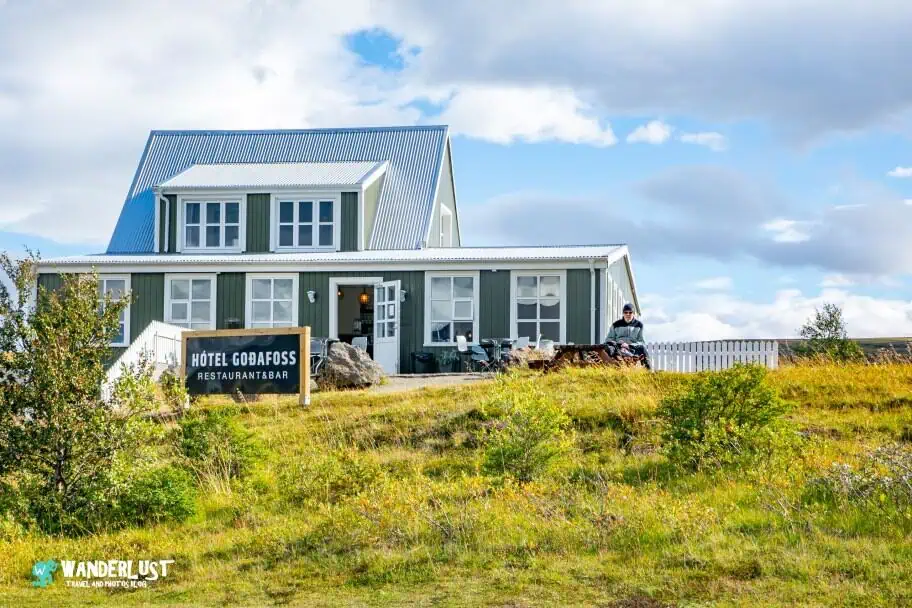
One of the most important decisions you are going to have to make when planning your trip to northeast Iceland is where you will stay. When you travel, the accommodations you choose are often among the biggest expenditures for your trip.
So, not only do you need to be comfortable where you are staying, but you also need to be comfortable with how much you are paying to stay there. Finding the right accommodations for your trip involves looking at the amenities, the location, And most importantly, the price.
If you are starting to plan your trip to northeast Iceland And want some hotel And hostel suggestions, I have included some great options at different price points in my northeast Iceland travel guide below for you to review. As always, don’t be afraid to expand your search to room-sharing sites such as Airbnb or VRBO if you aren’t finding a hotel or hostel that meets your needs.
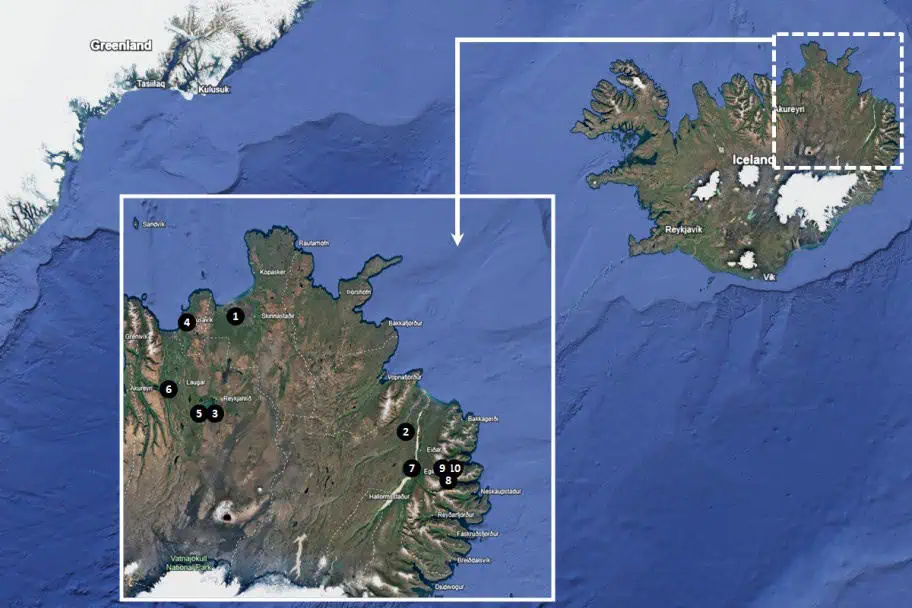
Where to Eat in Northeast Iceland
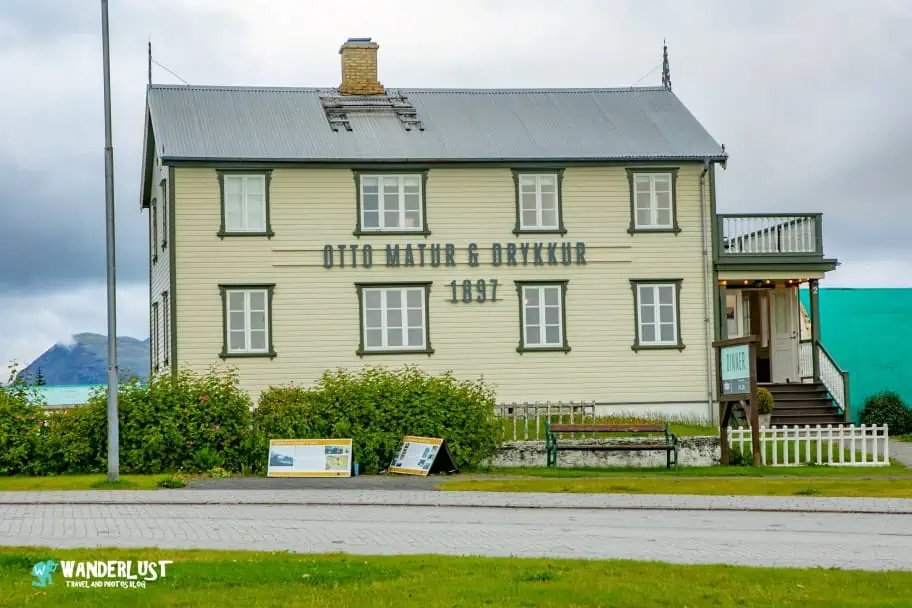
When most people plan a trip, the primary focus is on how to get there, where to stay, and what is on the list of things to see and do. What many travelers neglect to plan is where to eat when you are there.
Granted, it is sometimes fun to be spontaneous when choosing a restaurant while traveling, and it is always smart to get recommendations when you arrive. However, it can also be advantageous to have some ideas of restaurants you would like to try during your trip written down beforehand as well.
This way, you can be assured that you won’t miss out on a highly recommended culinary experience that you will regret. To help you decide on some restaurants in northeast Iceland to add to your list, I have included a list of some highly recommended options for you to review in my northeast Iceland travel guide below.
| Restaurant | Cuisine | Price |
|---|---|---|
| Naustið (Húsavík) | Seafood, European | $$-$$$ |
| Restaurant Salka (Húsavík) | Steakhouse, Seafood | $$-$$$ |
| Vogafjós Farm Resort (Lake Myvatn) | European, Scandinavian | $$-$$$ |
| Eldey Restaurant (Lake Myvatn) | European, Fusion | $$-$$$ |
| Eldhusid Restaurant (Egilsstaðir) | Seafood, European | $$-$$$ |
| Otto Matur & Drykkur (Hofn) | International, Healthy | $$-$$$ |
Recommended Tours in the Northeast Iceland Area
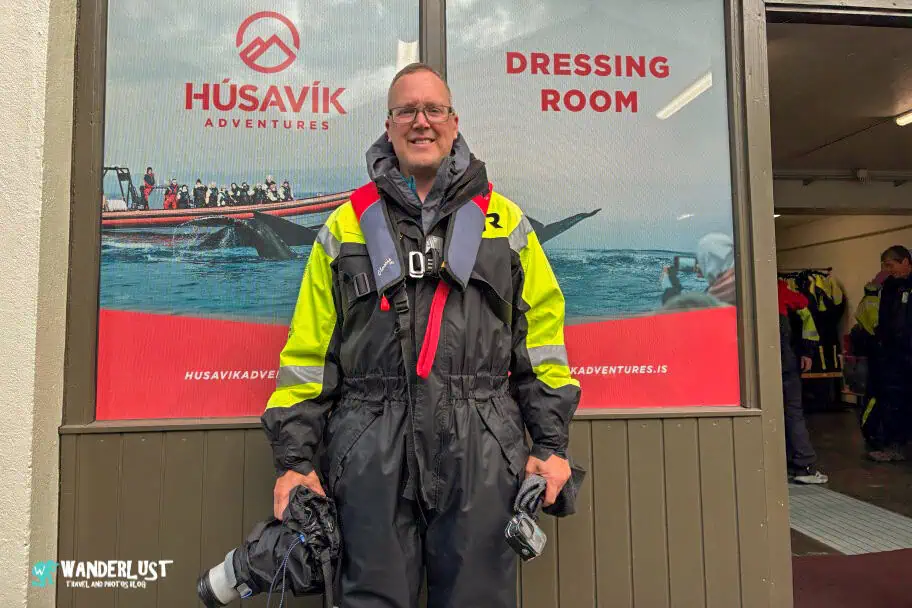
There is an abundance of amazing things to see and do in the northeast Iceland area, and one of the best ways to experience those things is on a tour. If you are looking for fun tours and excursions to fill out your trip, I have included some highly rated tours and excursions that I recommend in my northeast Iceland travel guide below.
Tours from Akureyri
Tours from Husavik
Multi-Day Tours
Iceland Photography Tips
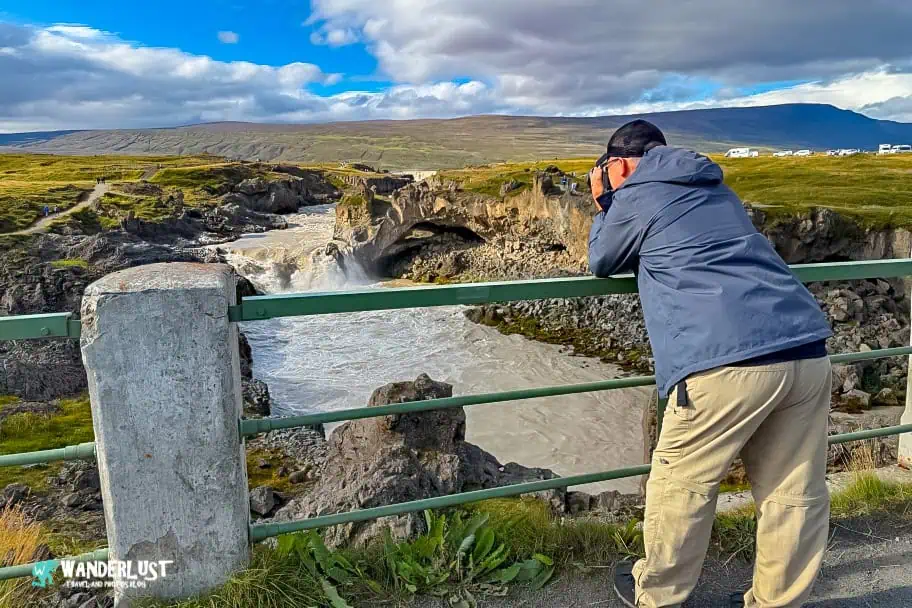
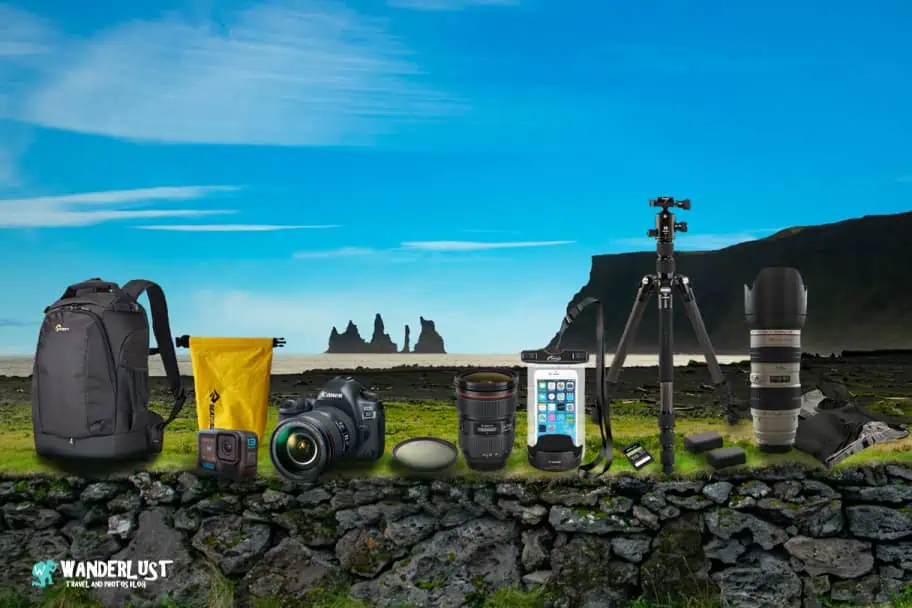
Iceland is one of the most stunningly beautiful places on Earth. However, as beautiful as it is, it can be equally challenging to photograph. With ever-changing light, unpredictable weather, and remote and rugged wilderness, you need to understand the challenges of photographing in Iceland to be successful at it. If you are planning a trip to this breathtaking country and would like some tips on how to capture the best photos possible, I have included a link to my Iceland photography guide for you to review below.
Northeast Iceland Photo Gallery
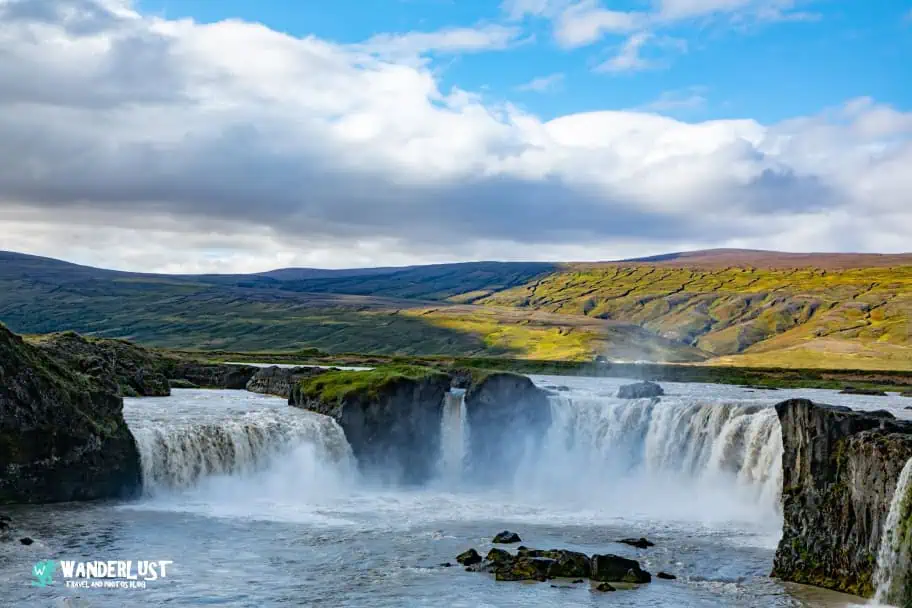
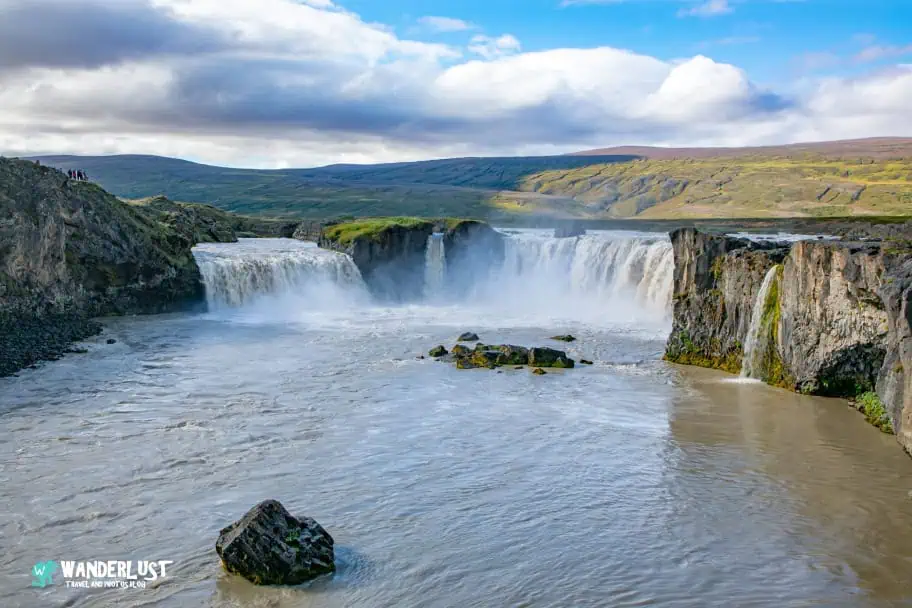
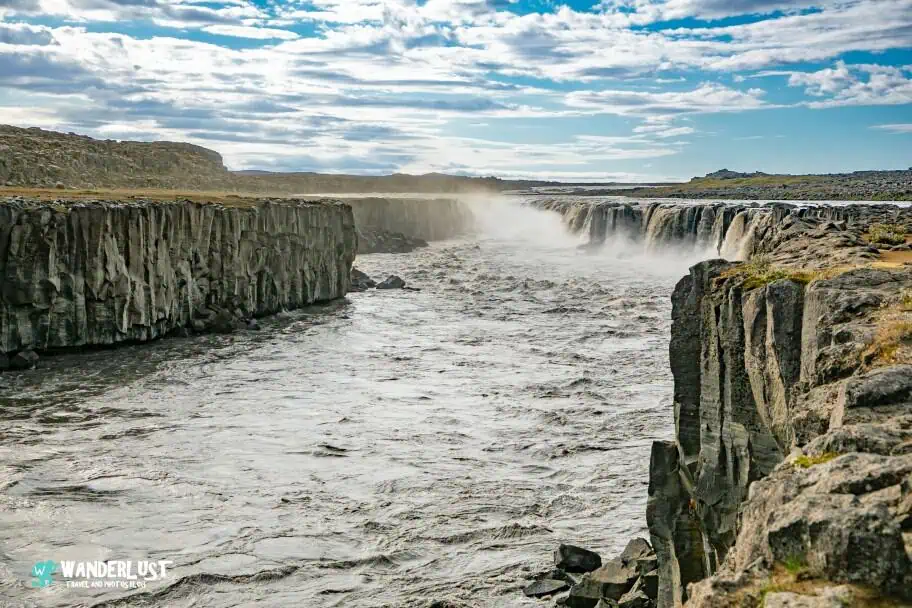
The northeast was one of my favorite regions of breathtaking Iceland. From the stunning Northern Lights to the incredible canyons and waterfalls that make the region famous, there were so many opportunities for me to photograph this beautiful place. If you would like to see more of the pictures I took during my time in Northeastern Iceland, I have included a gallery for you to review below.
If you’re interested in exploring more of my travel photography, I’d love for you to join me on Instagram! Creating this blog to share my free guides, itineraries, and travel photography tips takes a lot of effort, and a follow on Instagram would truly mean the world to me. Your support makes it all worthwhile!
FOLLOW ME!
















Don’t Forget to Subscribe to My Adventures!

Let Me Help You Save On Your Next Adventure!
‘Start Exploring Today’ Merchandise Available Now!
 |
 |
 |
 |
 |
 |
 |

















Mr. Hewitt, This is an excellent overview. What is your suggestion about the number of days you need for this trip as well as the number of days to visit the Reykjavik?
Thanks
Thank you so much!! I would recommend at least 10 days in Iceland to do the whole Ring Road. 1-2 days for Reykjavik, 1 day for the Golden Circle, 1 day for the Snæfellsnes Peninsula, 2 days in the Westfjords, 1 day in Northwest Iceland, 1 day in the East Fjords, and 2-3 days in South Iceland. I am working on a Ring Road itinerary as we speak!