Choosing the right Antarctica cruise is one of the most exciting—and overwhelming—decisions a traveler can make. With so many routes, ships, and styles of expeditions available, the journey to the bottom of the world is anything but one‑size‑fits‑all. Whether you’re dreaming of stepping onto the icy continent for the first time or planning a return to explore deeper, the choices you make now will shape every moment of your polar adventure.

What makes Antarctica unique is that every cruise offers a different blend of wildlife encounters, landscapes, comfort levels, and activities. Some travelers want maximum time ashore with penguins and glaciers, while others prioritize a smoother crossing, a more luxurious ship, or a chance to venture as far south as the Antarctic Circle. Understanding how factors like ship size, itinerary, timing, and onboard programs influence your experience is the key to crafting a journey that matches your expectations.
Key Factors to Consider
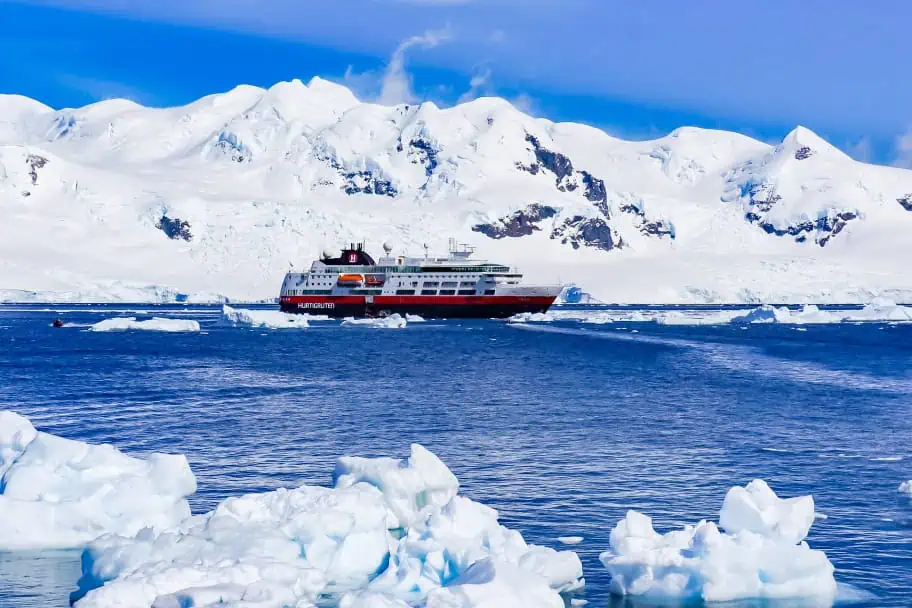
This guide breaks down the essential elements to consider so you can confidently select the expedition that fits your travel style, budget, and sense of adventure. From choosing the right route to evaluating operators, cabins, and activities, you’ll find everything you need to make an informed decision—and start your Antarctic dream with clarity and excitement.
The Route and Itinerary
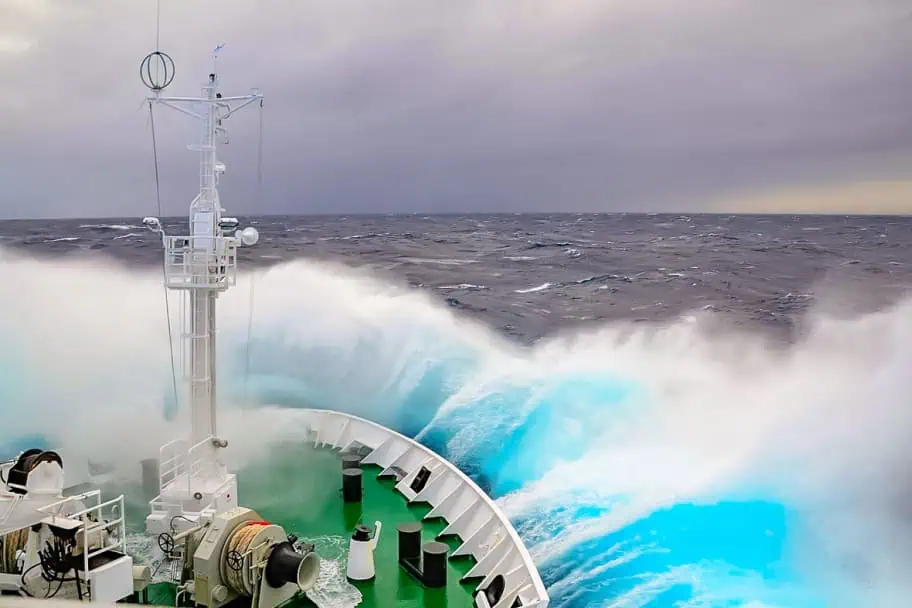
When choosing the right Antarctica cruise, one of the first decisions is selecting the route that best fits your travel style. Most travelers start with the Classic Antarctic Peninsula, while others opt for the wildlife‑rich journey to South Georgia and the Falkland Islands. There’s also the option to fly the Drake Passage for a quicker, smoother arrival. This section gives you a quick overview of these main routes so you can decide which direction your adventure should take.
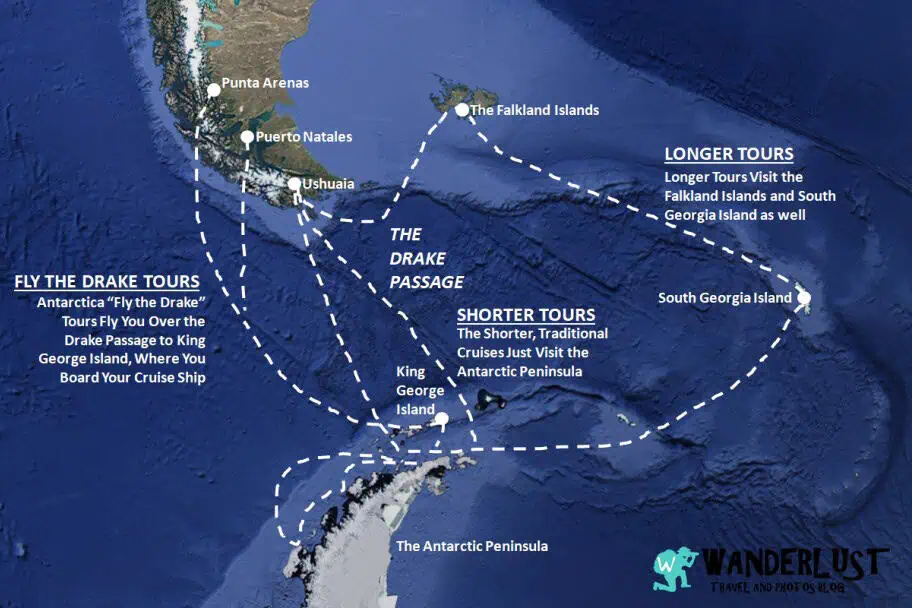
The Classic Antarctic Peninsula Route
A traditional Antarctic Peninsula cruise is the experience most travelers picture when they imagine setting foot on the White Continent. These voyages typically begin with a dramatic crossing of the Drake Passage before arriving at a world of towering glaciers, sculpted icebergs, and bustling penguin colonies. Expedition teams lead daily landings and Zodiac cruises, giving you the chance to walk among gentoo penguins, watch seals hauled out on ice floes, and glide past blue‑tinged ice formations that seem almost unreal in their scale and color.
Because choosing the right Antarctica cruise depends so much on what kind of experience you want, it helps to understand the rhythm of a Peninsula itinerary. Expect a blend of active exploration and quiet moments of awe: shore landings, wildlife encounters, onboard lectures, and long stretches of breathtaking scenery as your ship navigates channels like the Lemaire or Neumayer. It’s an immersive, expedition‑style journey designed to maximize time off the ship while still offering comfort, stability, and expert guidance in one of the most remote places on Earth.
South Georgia Island and the Falkland Islands
An extended voyage that includes the Falkland Islands and South Georgia Island offers a far richer and more varied experience than a classic Peninsula‑only itinerary. These longer expeditions typically begin with several days at sea before reaching the windswept Falklands, where colorful settlements, dramatic cliffs, and thriving birdlife set the tone for the journey ahead.
From there, the ship continues toward South Georgia—often called the “Serengeti of the Southern Ocean” — where travelers can expect staggering wildlife encounters, from tens of thousands of king penguins to vast fur seal colonies spread across black‑sand beaches framed by jagged mountains. Because choosing the right Antarctica cruise depends heavily on how deep and diverse you want your polar experience to be, it’s important to understand what makes these extended itineraries so special.
After exploring South Georgia, the voyage continues south to the Antarctic Peninsula, where you’ll enjoy the familiar mix of Zodiac cruises, shore landings, and glacier‑lined channels—but with a deeper appreciation for the region’s scale and variety after visiting its sub‑Antarctic neighbors. These longer journeys offer more wildlife, more history, and more time immersed in the Southern Ocean, making them ideal for travelers who want the most comprehensive adventure possible.
Fly the Drake Passage Tours
A Fly the Drake Passage Antarctic Peninsula cruise is designed for travelers who want to experience Antarctica without the two‑day crossing of the often‑rough Drake Passage. Instead of sailing from South America, you take a charter flight from southern Chile to King George Island, landing just a short Zodiac ride from your expedition vessel.
This approach lets you step into the icy landscapes of the South Shetland Islands and the Antarctic Peninsula within hours, not days, giving you more time among glaciers, penguins, and dramatic polar scenery. Because choosing the right Antarctica cruise often comes down to comfort, timing, and how you want to spend your days, Fly the Drake itineraries offer a compelling alternative.
Once aboard, the experience mirrors a classic Peninsula expedition: daily landings, Zodiac cruises, wildlife encounters, and expert‑led lectures that deepen your understanding of the region. The difference is that you begin your adventure already in Antarctica, maximizing exploration time while avoiding the Drake’s notorious swells—an ideal option for travelers who want the full expedition experience with a smoother start and finish.
When to Plan Your Antarctic Cruise

When choosing the right Antarctica cruise, timing plays a big role in shaping your experience. Some travelers prefer the peak summer months for the most wildlife activity and milder conditions, while others enjoy the quieter shoulder seasons with their unique light, landscapes, and pricing advantages. This section gives you a quick overview of how the timing of your trip can influence your journey before we dive deeper into each part of the season.
October and November
Visiting Antarctica in October or November means experiencing the continent at its most pristine, when winter snows are still deep and the landscapes look freshly carved by ice and wind. Early‑season cruises are defined by dramatic, snow‑covered shorelines, towering icebergs, and a sense of untouched wilderness that gradually changes as the season progresses. Wildlife is just beginning to stir: penguins are returning to their colonies to build nests, elephant seals are active on the beaches, and seabirds circle overhead in huge numbers.
Because pack ice is still retreating from winter, ships may encounter thicker sea ice than later in the season, which can limit access to certain landing sites but also creates spectacular scenery and a true sense of expedition. For travelers focused on choosing the right Antarctica cruise, it’s important to understand how early‑season conditions shape the experience. Expect colder temperatures, more snow underfoot during landings, and a higher chance of your captain navigating around sea ice to find the best wildlife and safest routes.
The trade‑off is that October and November offer some of the most photogenic conditions of the entire season, with brilliant white landscapes, dramatic light, and the excitement of watching penguin colonies come to life as courtship, nest‑building, and early egg‑laying begin. It’s a time of raw beauty and genuine exploration—perfect for travelers who want Antarctica at its wildest and most untouched.
PROS
- Pristine, untouched landscapes — Winter snowpack is still deep, creating bright white scenery and dramatic contrasts for photography.
- Incredible early‑season light — Long, low‑angled sunlight produces soft pastels, glowing ice, and some of the best photographic conditions of the year.
- Penguin courtship and nest‑building — Colonies are lively as gentoo, chinstrap, and Adélie penguins return to shore, flirt, steal pebbles, and build nests.
- Fewer ships and fewer visitors — Early season is quieter, with less vessel traffic and more of a true expedition feel.
- More sea ice = more dramatic icebergs — The lingering pack ice creates spectacular scenery and a stronger sense of wilderness.
- Lower prices compared to peak season — Many operators offer better rates for early departures.
CONS
- Pack ice can limit access — Some landing sites or channels may still be blocked by winter ice, requiring itinerary flexibility.
- Colder temperatures — Expect chillier conditions than later in the season, especially during Zodiac rides and landings.
- Less wildlife diversity than December–February — Penguins are active, but chicks haven’t hatched yet; whales are just beginning to return and sightings are less frequent.
- More snow underfoot — Deep snow can make some landings more strenuous and occasionally restrict access to higher terrain.
- Unpredictable weather — Early season can bring more wind, fresh snowfall, and shifting ice conditions that affect daily plans.
December and January
Traveling to Antarctica in December or January means arriving at the height of the austral summer, when wildlife activity is at its peak and daylight stretches late into the night. Penguin colonies are buzzing with energy as chicks hatch and parents shuttle back and forth to the sea, while seals haul out on rocky beaches and humpback whales become increasingly common in the surrounding waters. Snow is still present—especially on higher ground—but lower‑lying areas begin to show more exposed rock as the season progresses.
Pack ice has retreated significantly by this time of year, allowing ships to access more landing sites and navigate channels that may have been blocked earlier in the season. For travelers focused on choosing the right Antarctica cruise, it’s helpful to understand how mid‑season conditions shape the experience. Expect warmer temperatures, more stable weather, and a wider variety of wildlife encounters, from playful penguin chicks to feeding whales.
The trade‑off is that the landscapes look a bit less pristine than in early season, and popular sites can feel busier as more ships operate during this peak window. Still, December and January offer the most reliable combination of wildlife, accessibility, and comfortable conditions—ideal for travelers who want the classic Antarctic experience at its most vibrant.
PROS
- Peak wildlife activity — Penguin chicks are hatching, parents are feeding them nonstop, and humpback whales are far more common as they arrive to feed in large numbers.
- Milder temperatures — This is the warmest period of the season, making landings more comfortable and Zodiac rides less biting.
- Long daylight hours — Extended sunlight gives you more time for photography, wildlife viewing, and scenic cruising.
- Best access to landing sites — Pack ice has retreated significantly, allowing ships to reach more bays, channels, and colonies that may be inaccessible earlier.
- Vibrant landscapes — Snow is still present, but cliffs, beaches, and rocky terrain begin to emerge, offering more varied scenery.
CONS
- Busier season — More ships operate during this window, so popular landing sites can feel more scheduled and less solitary.
- Less pristine snow — Lower‑lying areas may show footprints, mud patches, or exposed rock as the season warms.
- Higher prices — This is peak demand, and mid‑season itineraries typically cost more than early‑ or late‑season options.
- More wildlife restrictions — With chicks on nests, some colonies may have tighter approach limits to protect the animals.
February and March
Visiting Antarctica in February or March offers a very different feel from the early and mid‑season months, as the austral summer begins to wind down and wildlife activity reaches a fascinating late‑season peak. Penguin colonies are full of nearly grown chicks learning to swim, while leopard seals patrol the shallows looking for inexperienced fledglings. This is also the best time of year for whale watching—humpbacks, in particular, are abundant and often curious, lingering near Zodiacs or bubble‑net feeding in groups.
Snow cover is at its lowest, especially at sea level, revealing more rocky terrain and giving landings a slightly different character than the pristine white landscapes of November or December. Pack ice is at its most open, allowing ships to explore deeper into channels and reach sites that may have been inaccessible earlier in the season. For travelers focused on choosing the right Antarctica cruise, it’s important to understand how late‑season conditions shape the experience.
Expect warmer temperatures, excellent marine wildlife encounters, and a more rugged, exposed landscape as the summer melt continues. The trade‑off is that some penguin colonies begin to thin out as adults head back to sea, and the scenery—while still spectacular—looks less snowy than earlier in the season. Still, February and March offer unmatched opportunities for whale photography, quieter landing sites as the season winds down, and a sense of witnessing Antarctica in transition, making this period ideal for travelers who prioritize wildlife behavior and rich marine encounters.
PROS
- Best whale watching of the season — Humpbacks, minkes, and fins are abundant and often curious, creating exceptional photography opportunities.
- Penguin chicks are nearly grown — Colonies are full of fluffy juveniles learning to swim, offering lively and often comical behavior.
- Warmest water and air temperatures — Late summer brings relatively mild conditions, making Zodiac cruises and landings more comfortable.
- Most open pack ice — Channels and landing sites that were blocked earlier in the season are usually accessible now, allowing deeper exploration.
- Quieter end‑of‑season feel — Fewer ships operate in March, giving some landings a more peaceful, intimate atmosphere.
CONS
- Less snow on shore — Many lower‑lying areas are rocky and muddy rather than pristine white, which changes the visual feel of landings.
- Some penguin colonies begin thinning out — Adults start heading back to sea, so colonies may feel less densely populated than in December or January.
- Weather can shift toward autumn — While still generally stable, late‑season conditions can bring more wind or early hints of seasonal change.
- Shorter daylight hours — Still long by normal standards, but noticeably less than the near‑24‑hour light of December and early January.
The Cost of the Antarctic Cruise
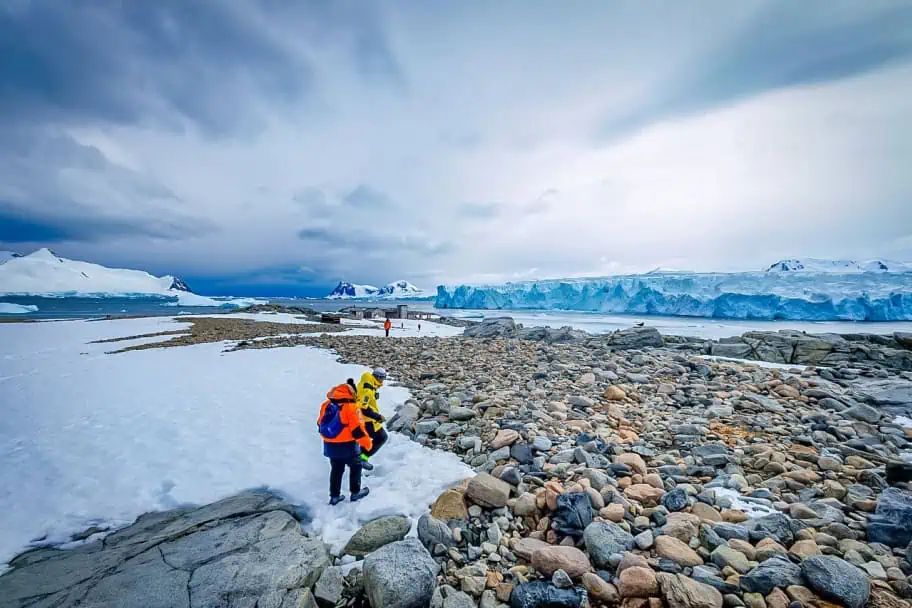
The cost of an Antarctica cruise can vary dramatically, ranging from around $9,000–$15,000 for shorter, entry‑level Peninsula voyages to $15,000–$50,000+ for longer expeditions that include South Georgia or luxury‑class ships. Ultra‑premium itineraries, private cabins, and specialty programs can climb even higher. Because choosing the right Antarctica cruise depends heavily on your budget and expectations, it’s helpful to understand what drives these price differences.
One of the biggest factors is the time of year. Early‑season departures in October or November and late‑season trips in March tend to be more affordable, while peak‑season voyages in December and January command the highest prices due to better weather, abundant wildlife, and increased demand. Cruise length also plays a major role: a classic 10–12 day Peninsula itinerary costs far less than a 16–23 day expedition that includes the Falklands and South Georgia.
Overview of the Factors that Impact Antarctica Cruise Costs
Cabin choice can shift the price significantly as well. Shared cabins or interior rooms offer the lowest rates, while balcony suites, premium locations, and luxury accommodations increase the cost. Finally, the number of included activities—such as kayaking, camping, photography workshops, or mountaineering—can influence the overall price, as some operators bundle these experiences while others charge à la carte. Understanding how these elements interact helps travelers find the best balance between cost, comfort, and adventure.
The Activities and Excursions You Want to Enjoy
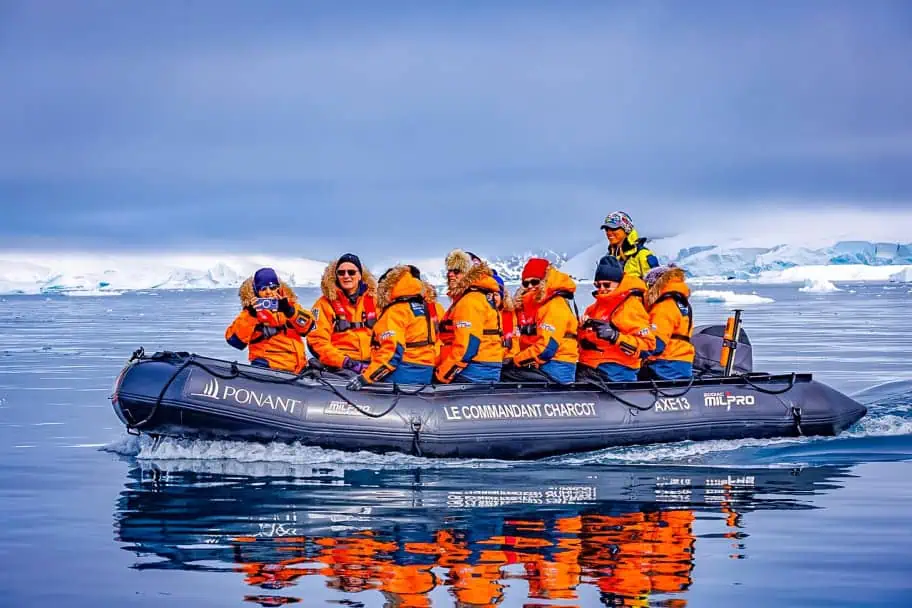
Antarctica cruises offer a surprisingly wide range of activities, from classic shore landings and Zodiac cruises to more adventurous options like kayaking, camping, snowshoeing, and even mountaineering on select itineraries. Every voyage includes daily landings and Zodiac outings as part of the base experience, but many of the premium or high‑adventure activities come with an additional fee.
Kayaking is the most common add‑on, often sold as a multi‑day program with limited spots, while camping, photography workshops, and mountaineering are offered by select operators depending on ship capabilities and expedition staff. Because choosing the right Antarctica cruise depends so much on what you want to do once you arrive, it’s important to understand how the time of year affects activity availability.
Early in the season, deep snow and lingering pack ice can limit access to certain landing sites, making snowshoeing more common and kayaking more dependent on conditions. By December and January, the ice has retreated, allowing for more consistent Zodiac cruising and a wider variety of landing locations. Late‑season voyages in February and March often offer the best kayaking and whale‑watching opportunities, though some snow‑based activities become less feasible as the landscape melts.
The type of ship you choose also plays a major role in what activities are offered. Smaller expedition vessels typically provide more adventurous options and more time off the ship, while larger or more luxurious ships may focus on comfort, onboard amenities, and educational programming rather than technical activities like mountaineering. Some operators include all activities in the fare, while others charge à la carte, so you should pay close attention to what’s included when comparing itineraries.
The Ship and Cabin for Your Antarctica Cruise
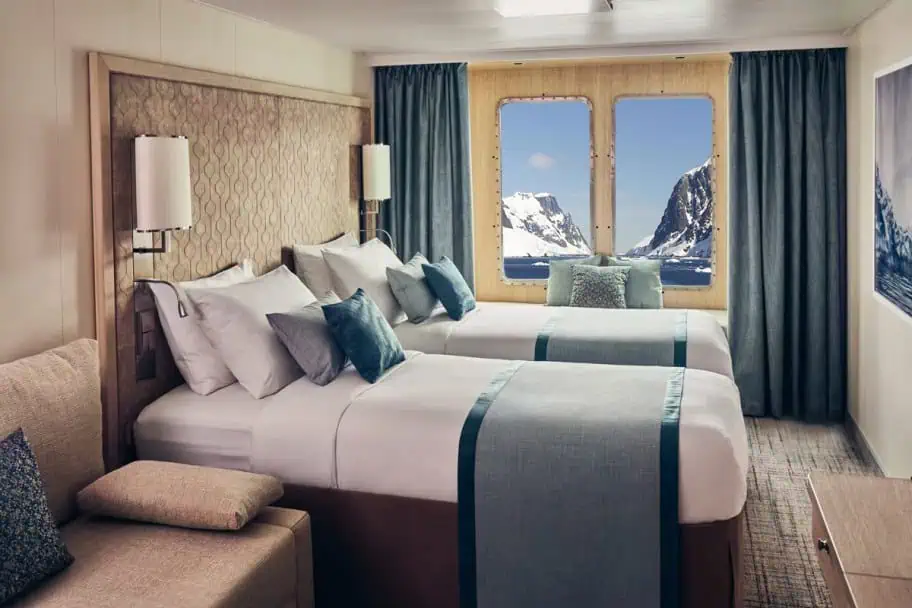
As you think about choosing the right Antarctica cruise, it’s also important to consider the ship itself and the type of cabin you’ll call home during your journey. Ship size and passenger capacity can influence everything from stability to landing opportunities, while cabin choices range from interior rooms to windowed options that offer views of the ice. Features like modern stabilizers and having a private bathroom and shower can also make a meaningful difference in comfort. This section gives you a quick overview before we explore each of these elements in more detail.
The Size and Capacity of the Ship
When you’re choosing the right Antarctica cruise, the size and capacity of the ship play a surprisingly big role in shaping your experience. Smaller expedition vessels—typically under 200 passengers—offer more frequent landings, shorter wait times for boarding Zodiacs, and a more intimate feel with the expedition team. Larger ships may provide extra amenities and greater stability in rough seas, but they’re limited in how many guests can go ashore at once under Antarctic regulations. That difference can dramatically affect how much time you actually spend exploring the continent rather than watching it from the deck.
Ship capacity also influences the overall atmosphere on board. A smaller group often means easier access to guides, more flexible daily plans, and a quieter, more immersive environment. Larger ships can feel more like traditional cruising, with more dining options and entertainment, but less spontaneity. Understanding how ship size shapes both logistics and onboard culture helps you choose the style of adventure that matches your priorities—whether that’s comfort, exploration, or a balance of both.
Window, Balcony, or Interior Cabin
Choosing between a window, balcony, or internal cabin is one of the most personal decisions you’ll make when choosing the right Antarctica cruise, because it shapes how you experience the scenery and how much you spend. A window or balcony cabin gives you a constant connection to the outside world—icebergs drifting past, shifting light, and wildlife sightings you might otherwise miss—making your cabin feel like an extension of the expedition.
Balcony cabins add fresh air and private viewing space, though they often come at a premium. Internal cabins, on the other hand, offer the best value and can be perfectly comfortable for travelers who plan to spend most of their time on deck or in shared spaces. Thinking about how much in‑cabin viewing matters to you helps you strike the right balance between budget and experience.
Private Bathroom and Shower
Having a private bathroom and shower in your cabin can make a meaningful difference, especially on longer itineraries where comfort becomes part of the overall experience. While many modern expedition ships offer en‑suite facilities in most categories, some older or more budget‑friendly vessels still include shared bathrooms along the corridor.
A private bathroom not only adds convenience—letting you warm up with a hot shower right after a Zodiac landing—but also gives you more privacy and flexibility as you settle into the rhythm of life at sea. For travelers who value comfort after long, cold days exploring the ice, this small upgrade can feel surprisingly significant.
Ship Stabilization
A ship’s stabilization system is another factor worth weighing because it can influence how comfortable you feel during notoriously rough stretches like the Drake Passage. Most modern expedition ships use active fin stabilizers, which extend from the hull and counteract rolling motions in real time—these are the most effective and the most common on Antarctic‑bound vessels. Some older or smaller ships rely on passive stabilizers, such as bilge keels, which reduce motion but don’t adapt dynamically to changing seas.
A few budget‑friendly or very small expedition ships may have minimal stabilization at all, which can make crossings feel noticeably more energetic. Understanding what type of system your ship uses helps you set expectations for comfort and decide whether the trade‑off between price, ship age, and stability aligns with the kind of adventure you want.
Choosing a Tour Operator

As you think about choosing the right Antarctica cruise, it’s also essential to consider the tour operator behind the experience. Each company differs in its safety standards, expedition expertise, guide quality, ship style, and overall approach to exploring the White Continent. This section offers a quick overview of the key factors to keep in mind when evaluating operators before we break down each one in more detail.
The Cruise Operators Working in Antarctica
When you’re choosing the right Antarctica cruise, the tour operator you select can shape everything from the ship’s style to the expedition philosophy behind your journey. The industry includes a mix of large, well‑established companies and smaller, niche operators—each offering a different balance of comfort, adventure, and scientific focus. Below, I’ve included a full list of tour companies for readers to review, but it helps to understand how they differ before diving into the details.
- Lindblad Expeditions–National Geographic
- Quark Expeditions
- Silversea Expeditions
- PONANT
- Hurtigruten / HX Expeditions
- Seabourn
- Viking
- Oceanwide Expeditions
- Aurora / AE Expeditions
- Albatros Expeditions
- Hapag‑Lloyd Cruises
- Scenic
- Antarpply Expeditions
Using a Small versus a Large Tour Operator
Some of the largest and most recognizable operators—such as Lindblad Expeditions-National Geographic, Quark Expeditions, Hurtigruten/HX Expeditions, Viking, and Silversea Expeditions — run modern fleets with strong reputations for safety, onboard education, and consistent expedition leadership. These companies often offer a wide range of itineraries, from classic Peninsula voyages to longer routes that include South Georgia and the Falklands. They also tend to have larger ships with more amenities, though still within the size limits appropriate for Antarctic travel.
Mid‑sized and boutique operators like PONANT, Seabourn, Oceanwide Expeditions, Aurora/AE Expeditions, Albatros Expeditions, Hapag‑Lloyd Cruises, and Scenic often differentiate themselves through ship design, luxury level, or a particular expedition style. Some emphasize French or German hospitality, others focus on hybrid‑powered vessels or ultra‑luxury suites, and many operate smaller ships that allow for more frequent landings and a more intimate feel.
Choosing the Right Operator for Your Antarctica Cruise
When you’re choosing the right Antarctica cruise, selecting the right tour operator is just as important as picking the ship or itinerary. Each company brings its own philosophy, ship design, activity style, and level of comfort to the table, and those differences can dramatically shape your experience. Some operators focus on classic expedition travel with strong scientific programming, while others lean into luxury, wellness, or cultural enrichment. Understanding these distinctions helps you match your expectations—whether you want maximum time ashore, a premium onboard experience, or a balance of both.
The major players in the Antarctic market — Lindblad Expeditions, National Geographic, Quark Expeditions, Hurtigruten/HX Expeditions, Viking, and Silversea Expeditions — all offer high‑quality expeditions, but they differ in fleet size, itinerary variety, activity inclusions, and price range. Some specialize in small‑ship adventure with a strong expedition heritage, while others operate larger, more luxurious vessels with all‑inclusive amenities. A few offer Fly the Drake options for travelers who want to skip the Drake Passage, while others focus exclusively on traditional sea crossings. Comparing these operators side‑by‑side helps clarify which one aligns best with your priorities, whether that’s cost, comfort, itinerary length, or the breadth of included activities.
| Tour Operator | Fly the Drake Option | Itineraries Offered (Peninsula / South Georgia / Falklands) | Cost Range (Approx.) | Typical Tour Length | Fleet Size (Antarctica-capable ships) | Activities Included? | Food & Beverages Included? |
|---|---|---|---|---|---|---|---|
| Lindblad Expeditions – National Geographic | Yes (Fly the Drake available) | Peninsula + South Georgia + Falklands | High | 8–24 days | ~3 | Most activities included; some premium options extra | All meals included; alcohol varies by ship |
| Quark Expeditions | Yes (Fly the Drake available) | Peninsula + South Georgia + Falklands | Mid–high | 8–23 days | ~2–3 | Many activities included; some (e.g., kayaking, camping) extra | All meals included; alcohol not fully included |
| Hurtigruten/HX Expeditions | No (sea crossing only) | Peninsula + South Georgia + Falklands | Mid‑range | 12–23 days | ~3 | Most activities included; some specialty options extra | All meals included; alcohol not included |
| Viking | No (sea crossing only) | Peninsula + South Georgia + Falklands | High | 13–19 days | 2 | Most activities included | All meals + beer/wine included |
| Silversea Expeditions | Yes (Fly the Drake on select voyages) | Peninsula + South Georgia + Falklands | Luxury | 10–22 days | ~4 | Most activities included; some premium options extra | All meals + most beverages included |
Don’t Forget to Subscribe to My Adventures!

Let Me Help You Save On Your Next Adventure!
‘Start Exploring Today’ Merchandise Available Now!
 |
 |
 |
 |
 |
 |
 |




















Leave a Reply