The truth is, Antarctica cruise tips nobody shares are often the ones that matter most once you’re actually standing on the deck, staring at a horizon of ice and realizing how much you didn’t know before boarding. This article is designed to help you avoid the most common Antarctica cruise mistakes by revealing the practical, unglamorous, and genuinely useful insights travelers usually learn only after they’ve already committed to the journey.
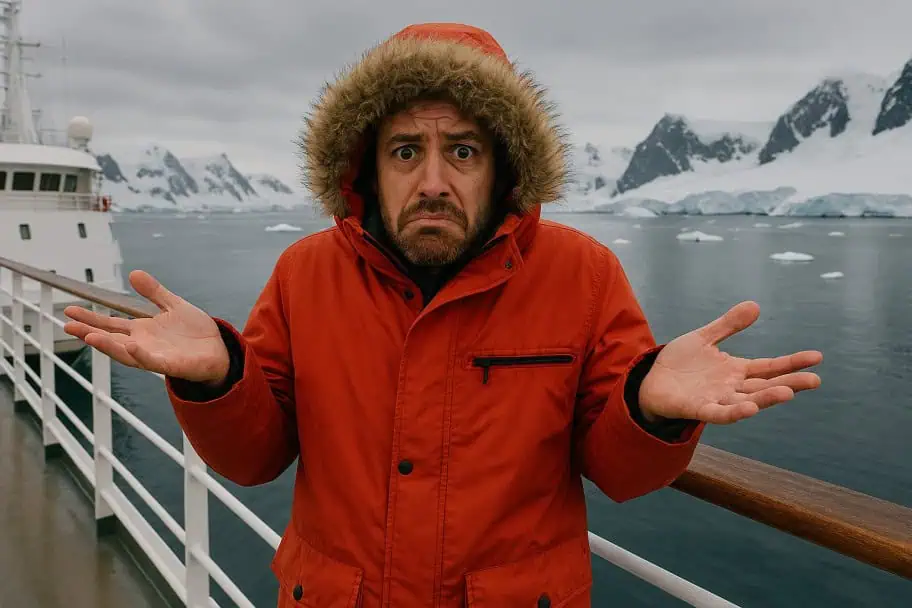
Before you sail south, you deserve a clear picture of what really awaits you—because the surprises begin long before the first iceberg appears. From weather and navigation curveballs that reshape itineraries overnight to wildlife encounters that rarely match the glossy brochure expectations, the realities of Antarctica demand flexibility, patience, and a bit of insider knowledge. This guide pulls back the curtain so you can step onboard prepared rather than overwhelmed.
You’ll also get a candid look at the parts of expedition cruising that operators tend to gloss over: the unadvertised rhythms of life onboard, the strict rules that catch first‑timers off guard, the unexpected add‑on costs, and the small but meaningful details that shape your daily experience. By the end, you’ll know exactly what seasoned travelers wish they’d understood before setting foot on their ship—and you’ll be far better equipped to make the most of your own Antarctic adventure.
Your Itinerary is a Living Document
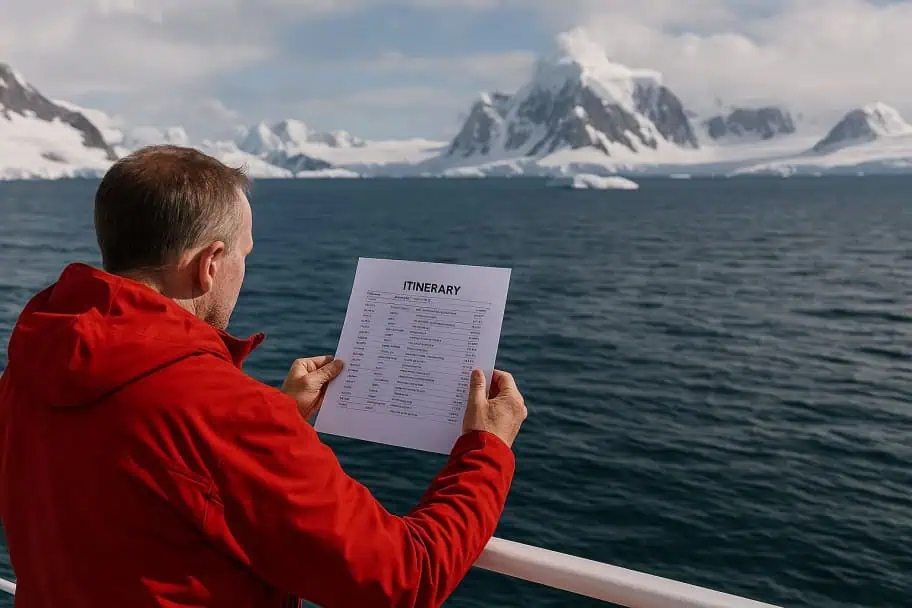
Your itinerary may look beautifully structured on paper, but in Antarctica it’s really just a hopeful outline—a living document that shifts with the forces of nature. This is one of those Antarctica cruise tips nobody shares until you’re already onboard, staring at a daily schedule that suddenly no longer applies. The posted plan is more of a wish list than a promise, because the White Continent doesn’t care how carefully your operator designed the route.
Wind, ice, visibility, swell, and wildlife activity all have the power to rewrite your day with zero warning. A landing that seemed guaranteed the night before can be canceled by morning if katabatic winds pick up. A channel that was open yesterday may be choked with pack ice today. Even the expedition team’s best intentions can’t override the captain’s judgment, and safety always wins. The key is embracing flexibility—treating each successful landing as a gift rather than an expectation.

A Medical Emergency Can End the Voyage
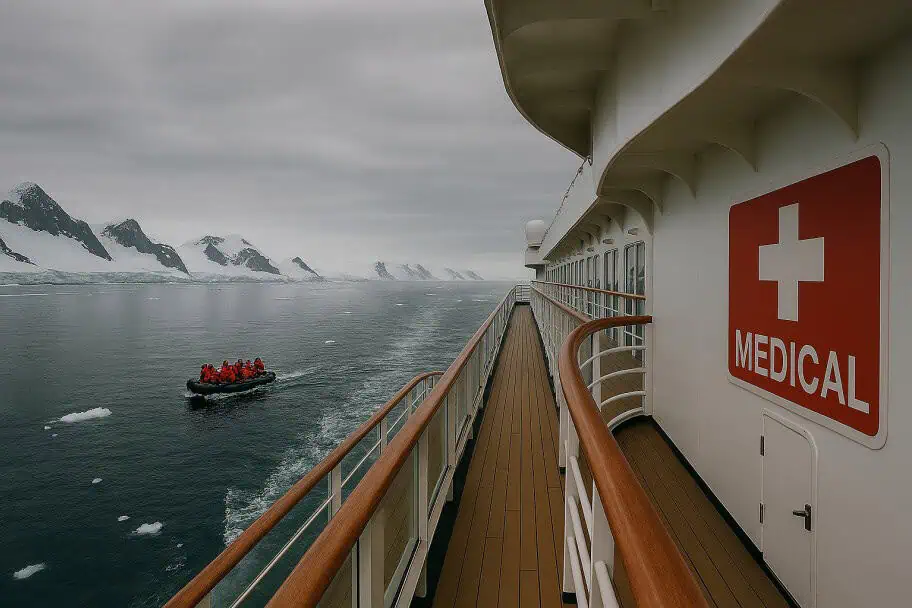
A single medical issue doesn’t just affect one traveler in Antarctica—it can reroute the entire ship. This is one of those Antarctica cruise tips nobody shares until you’re already sailing south and hear the captain announce a sudden change of course. If someone onboard needs urgent evacuation, the ship must turn around and head back to South America. That detour can take days, and it ends the voyage for everyone, no matter how close you were to your dream landing.
Because of this, having the right travel insurance isn’t optional. It’s essential. Medical evacuation from Antarctica is extremely expensive, and most basic policies don’t come close to covering it. A strong plan protects your wallet if the unexpected happens, and it also safeguards your investment if the cruise ends early. When a single emergency can alter the entire expedition, proper insurance becomes one of the smartest decisions you can make before stepping onboard.
| READ MORE: |
 |
| Have a Back-up Plan for your Travel Plan |
The Weather Calls the Shots
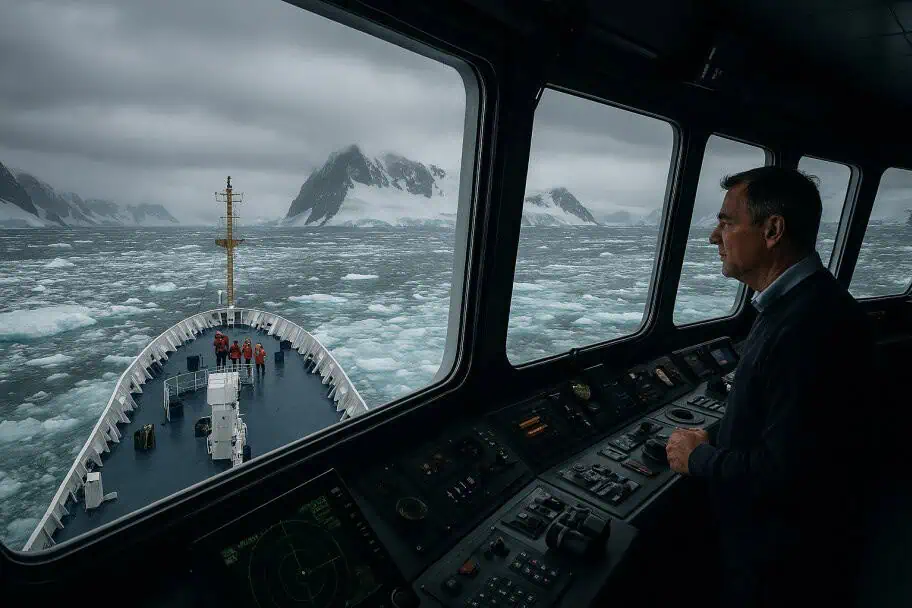
Weather and navigation surprises aren’t something you typically think about until you’re already suited up for a landing that suddenly gets canceled. The expedition team may be eager to go ashore, but the captain has the final say. If the bridge decides conditions aren’t safe, the plan changes instantly. Even famous stops like Deception Island or Neko Harbour can disappear from the schedule because the wind shifts or visibility drops.
You might get one landing in a day, or none at all. Operators rarely emphasize how often weather forces them to scrap the plan. Ice can also reshape your route. Entire channels may be blocked for days, sending the ship on a completely different path. Flexibility isn’t just helpful here—it’s essential. The more you embrace the unpredictability, the more you’ll enjoy the moments Antarctica actually gives you.
What They Don’t Tell You About Wildlife

Wildlife encounters in Antarctica are magical, but they rarely match the tidy expectations set by brochures. This is one of those Antarctica cruise tips nobody shares until you’re standing on a penguin‑covered beach, realizing they smell far worse than anyone warned you. The colonies are adorable, lively, and unforgettable—but also pungent in a way that surprises almost every first‑time visitor.
You also won’t see every species on every itinerary. Chinstraps, gentoos, and Adélies are highly dependent on both location and season, so your sightings will vary no matter how carefully you plan. Whale encounters are just as unpredictable. Early season often brings fewer whales, while late season offers more activity but also rougher seas. The key is going in with curiosity rather than a checklist, because the wildlife you do see will feel far more special when you’re not expecting guarantees.
Life Onboard That They Don’t Advertise

Life onboard an Antarctica cruise looks smooth and effortless in the brochures, but the daily reality is far more structured than most travelers expect. This is one of those Antarctica cruise tips nobody shares until you’re already sitting through your third mandatory briefing of the day.
IAATO rules require constant safety and environmental updates, so you’ll spend more time in the lecture hall than you might imagine. Boot‑washing also becomes a twice‑daily ritual. It’s strict, time‑consuming, and absolutely non‑negotiable if you want to step ashore.
The onboard rhythm is equally surprising. Long queues for zodiac loading are common, especially on larger ships where hundreds of passengers rotate through limited landing windows. Cabin announcements start early and happen often, whether it’s a wildlife sighting, a weather shift, or a sudden change in the day’s plan.
Sleep is not sacred here. Even meals follow the expedition schedule rather than your appetite. Landings dictate when the kitchen opens, so flexibility becomes part of the adventure. Understanding these hidden routines helps you settle in faster and enjoy the experience rather than feeling caught off guard.
Zodiac and Landing Realities

Zodiac outings look effortless in promotional videos, but the reality is far wetter and more chaotic. Even on calm days, spray is unavoidable, and you can expect your outer layers to take a beating. Landings are also more physical than most operators admit. The terrain can be slippery, uneven, and surprisingly steep, which makes every step a small adventure of its own.
What many travelers don’t realize is how quickly conditions can change. A landing may start smoothly, only for the wind or swell to worsen mid‑rotation. Half the ship might make it ashore while the other half waits in full gear, only to be told the rest of the outing is canceled. It’s one of those moments that reminds you Antarctica sets the rules, not the itinerary. Flexibility keeps the experience enjoyable, even when plans shift without warning.
Rules and Restrictions You Don’t Expect

Some of the strictest rules in Antarctica are the ones travelers never expect, and they can reshape how you move through every landing. This is one of those Antarctica cruise tips nobody shares until you’re already ashore and a guide stops you from kneeling in the snow. In many places, you can’t sit or kneel at all because even a single footprint can disrupt wildlife paths. The same goes for animal encounters. You must keep a strict distance from penguins, seals, and birds, even if they wander straight toward you. Guides enforce this without hesitation, and for good reason.
Another surprise is the near‑universal drone ban. Many travelers pack one without realizing they won’t be allowed to use it anywhere on the peninsula. Between wildlife protection rules, safety concerns, and IAATO regulations, drones stay grounded for the entire voyage. These restrictions can feel unexpected at first, but they’re part of what keeps Antarctica wild, protected, and genuinely special for every visitor.
Photography Surprises
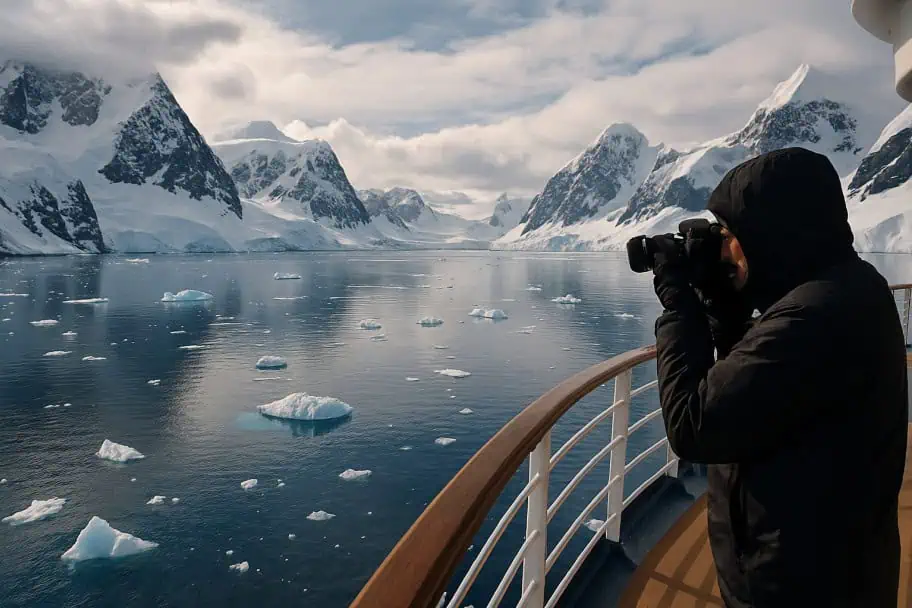
Photography in Antarctica comes with surprises that most travelers never anticipate. You’ll take far fewer photos during landings than you expect because gloves, wind, and strict time limits make handling a camera difficult. Even simple adjustments feel clumsy when your fingers are numb and the zodiac is bouncing in the swell. Many travelers end up putting the camera away just to stay balanced and warm.
What operators rarely mention is that your best photos often come from the ship, not the landings. The deck gives you stable footing, warmer hands, and uninterrupted views of icebergs, whales, and dramatic light. Some of the most striking shots happen when you’re not rushing to follow a landing group or fighting the wind. Once you realize this, you start to appreciate the quiet moments onboard just as much as the time ashore.
Cost and Add‑On Surprises
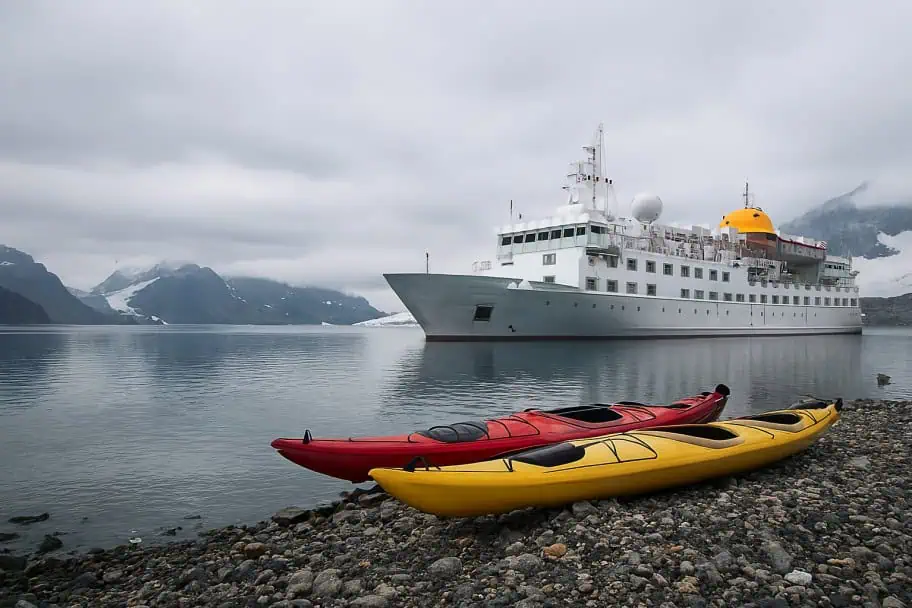
Cost surprises are some of the Antarctica cruise tips nobody shares until you’re already onboard and realizing how many “included” activities depend entirely on the weather. Kayaking, camping, and mountaineering sound guaranteed in the brochure, but they’re often canceled when conditions shift. You might never get the chance to do them, even if you planned your entire trip around those experiences. Optional activities add another layer of surprise. Kayaking spots, in particular, are extremely limited and often sell out long before you even reach the ship.
Then there’s the Wi‑Fi. It’s expensive, slow, and frequently unreliable, yet operators tend to gloss over this reality during the booking process. Many travelers expect to upload photos or stay connected, only to discover that even basic messaging can be a struggle. When you combine weather‑dependent activities, limited availability, and high‑priced connectivity, the true cost of an Antarctica cruise becomes clearer. Knowing this ahead of time helps you budget realistically and avoid frustration once you’re at the bottom of the world.
Environmental and Ethical Realities

The environmental and ethical realities of Antarctica hit you fast, and they’re far more sobering than most travelers expect. This is one of those things you don’t fully comprehend until you’re standing in front of a glacier that has retreated dramatically in just a few years. You’ll see shifting penguin colonies, thinning ice, and weather patterns that feel increasingly unpredictable. It’s a powerful reminder that you’re visiting a place changing in real time.
These realities shape every part of the expedition, including the strict biosecurity rules that govern your daily routine. Your gear will be inspected constantly—every zipper, every pocket, every bit of Velcro. It’s meticulous and sometimes tedious, but it’s essential for protecting fragile ecosystems already under pressure. Once you understand what’s at stake, the process feels less like a chore and more like a responsibility you’re proud to uphold.
Don’t Forget to Subscribe to My Adventures!

Let Me Help You Save On Your Next Adventure!
‘Start Exploring Today’ Merchandise Available Now!
 |
 |
 |
 |
 |
 |
 |



















Leave a Reply