Australia Travel
LAST UPDATED: 7/22/24 – Australia Travel
Australia is an incredible country with a wealth of beautiful and unique landscapes and kind and generous people. If you are planning Australian travel shortly and would like some ideas on where to go, what to see, where to stay, how to get around, and how much time to plan for your trip, you have come to the right place!
Please feel free to use this page as you start to plan your next adventure. To help you navigate the information I have included on this page, I have provided a quick navigation menu for you to use below. This will make it quick and easy for you to see which top destinations I recommend, and which popular cities in Australia you should consider visiting, as well as links to all of the travel guides, itineraries, and packing articles that I have written to help you plan your adventure.
I have also included some key information that you will need when planning your Australia travel. Information such as the languages spoken, the currency used, emergency contact numbers to be aware of, VISA and passport considerations, required vaccinations, and important driving information (if you plan on driving while on your visit).


Top Things to See
Before you start planning your Australia travel, make sure you check out my gallery of the top things to see in the country below for some inspiration. There is so much to see and do in the country, so you won’t want to miss out on the top sights!
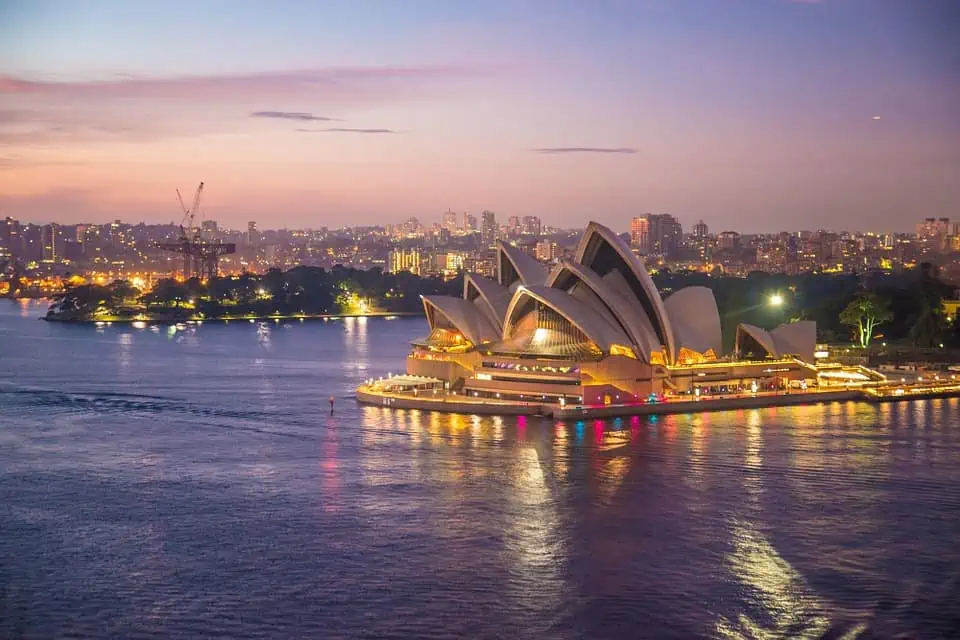
Sydney
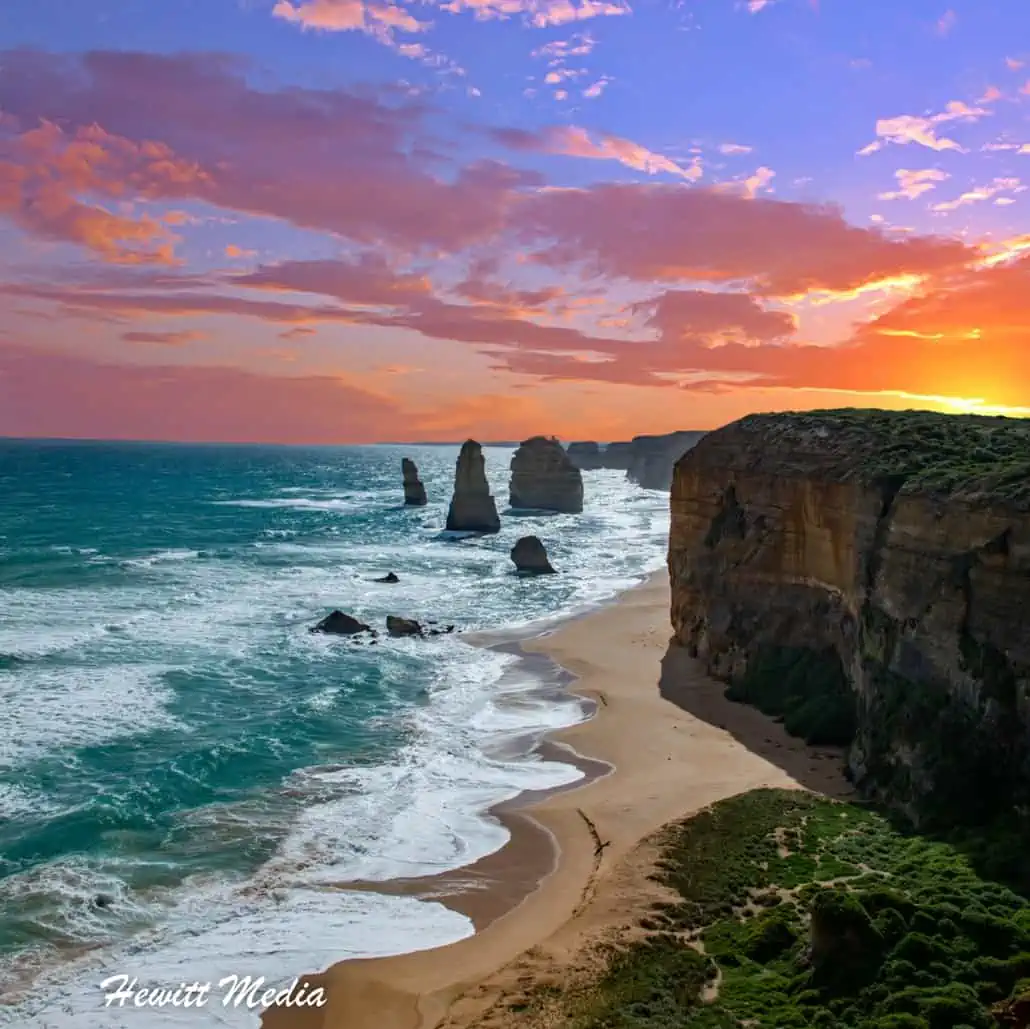
The Great Ocean Road
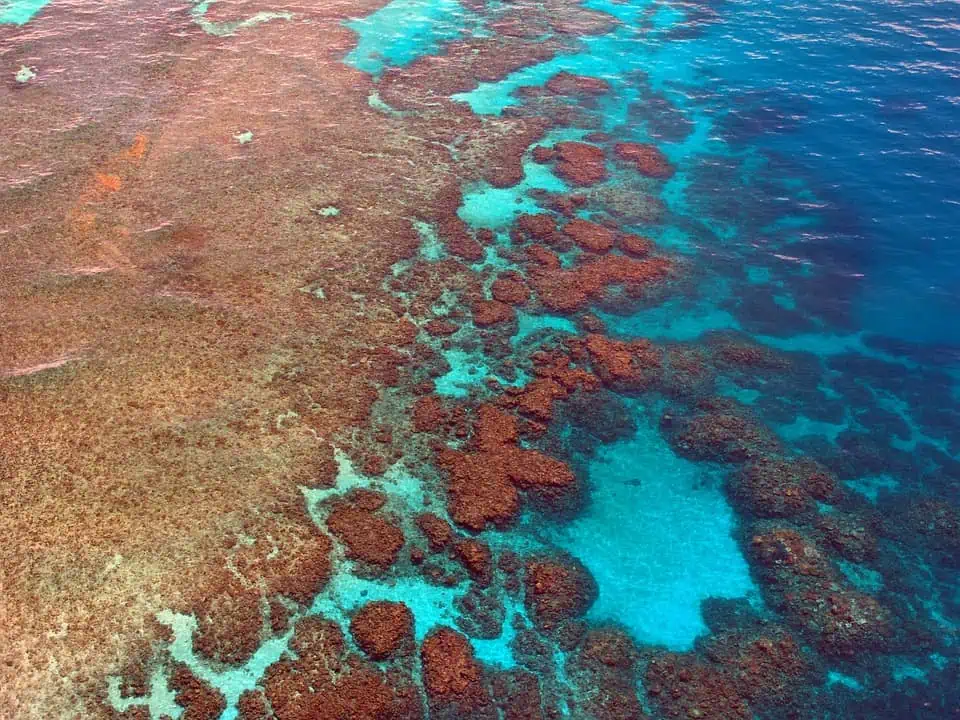
The Great Barrier Reef

Uluru
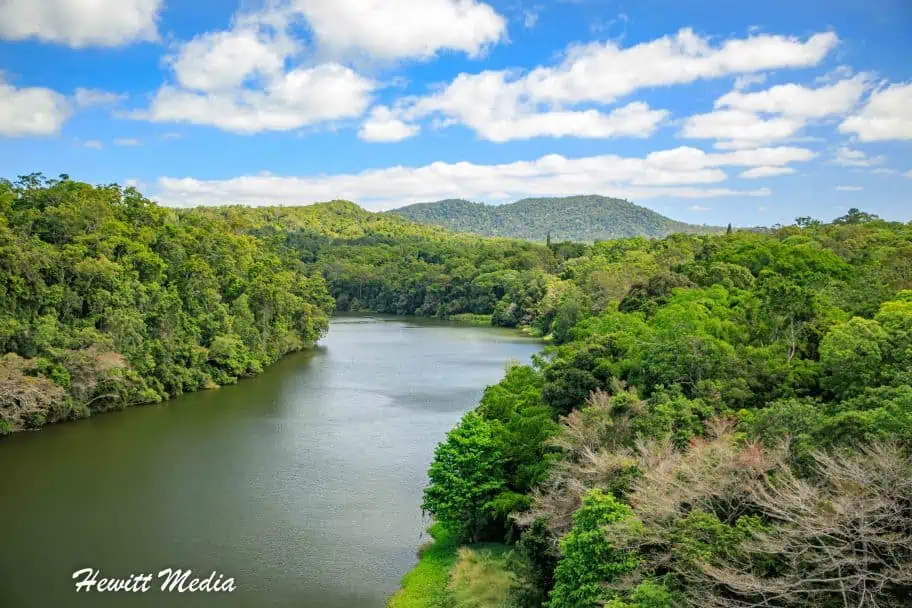
The Kuranda Rainforest
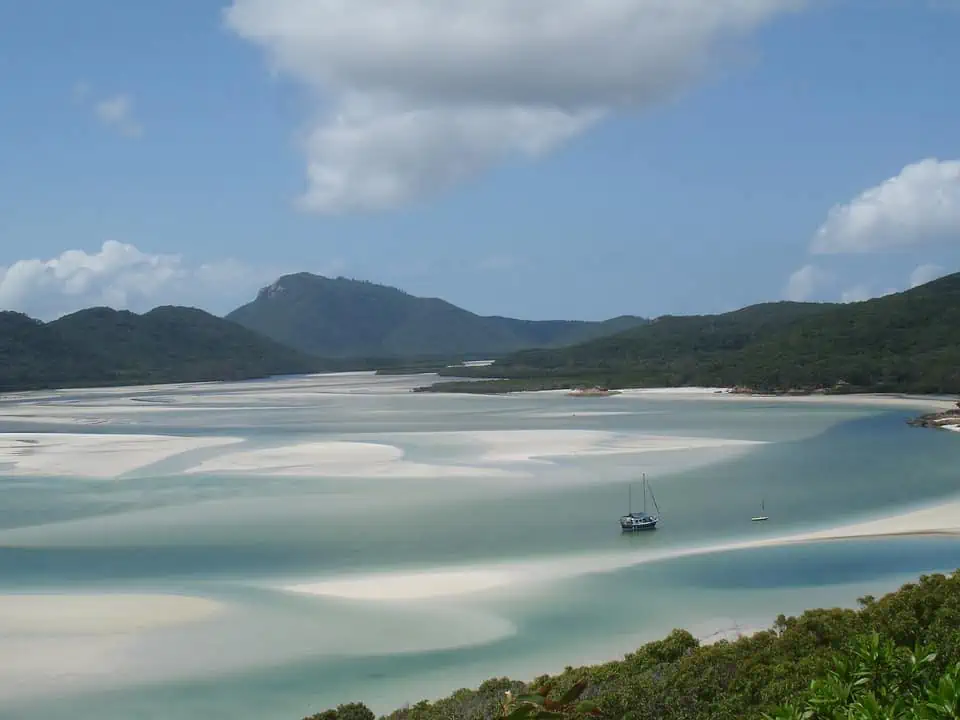
Whitsundays
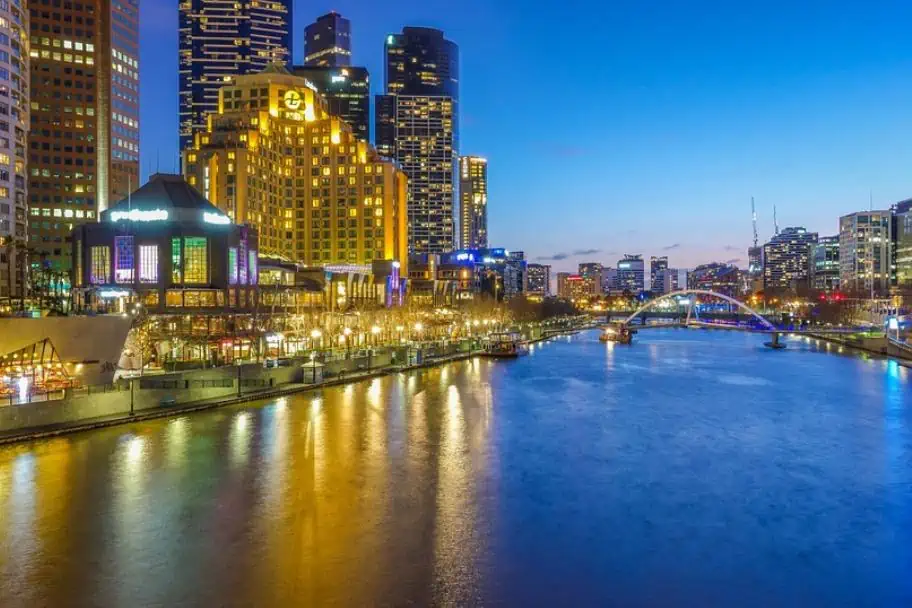
Melbourne
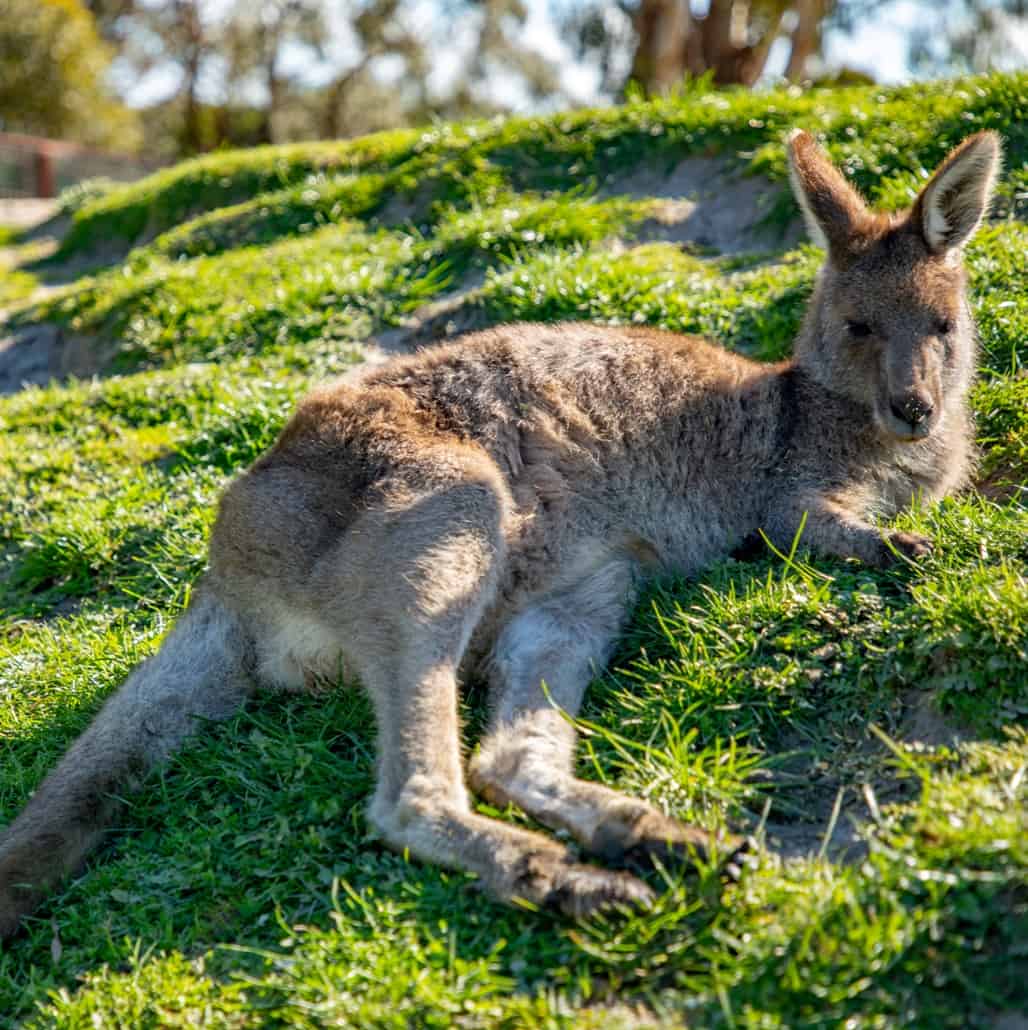
Kangaroo Island

The Pinnacles Desert
If you are looking for some additional ideas, please see my Top 40 Things to See When Visiting Australia article linked below.
| READ MORE: |
 |
| Top 40 Things to See When Visiting Australia |
Popular Cities
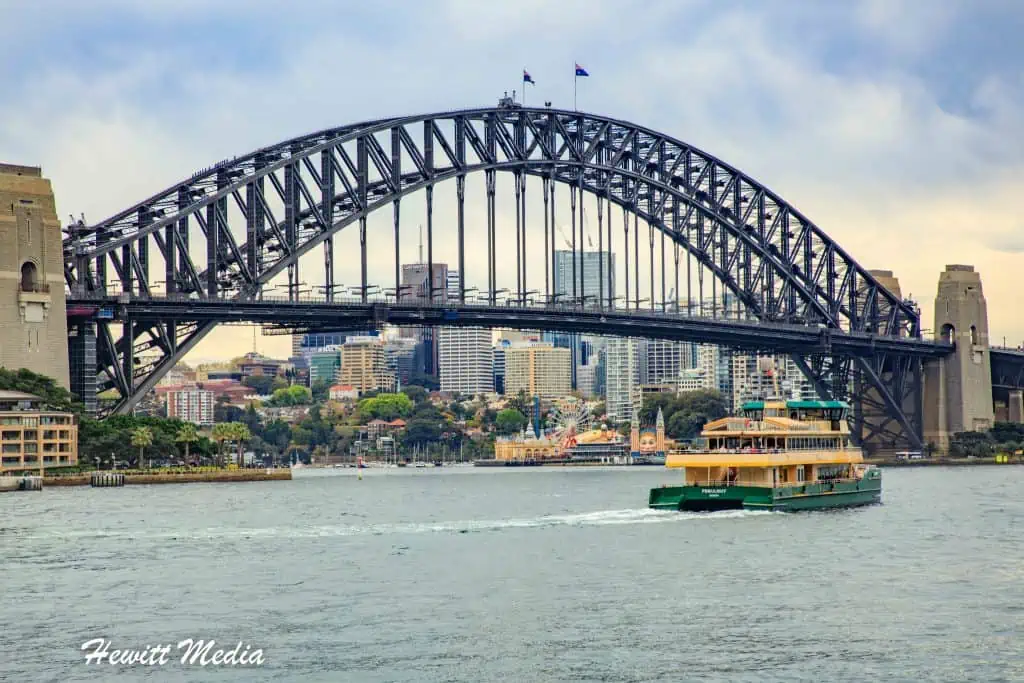
As you start to plan your Australia travel, you will want to familiarize yourself with the largest and most popular cities (which are not always one and the same) in the country.
Not only to see if you would like to visit and tour these cities but because these cities will typically be your ports of entry and transportation hubs as you visit on your trip. To help you with this, I have included a map of some of the key cities within Australia that you will want to become familiar with below.

Languages Spoken
Some travelers may not realize it, but the country of Australia is a very big and diverse place. In fact, some Australian cities like Melbourne have been celebrated in recent years for being some of the most diverse and welcoming cities in the world. Because the country is so diverse, there are many different languages spoken by the people who live there.
While the most common spoken language in Australia is English, there are more than 400 different spoken languages used in Australia. Of these, 167 are actively spoken Aboriginal and Torres Strait Islander languages. In fact, roughly a quarter of all Australians reported speaking a language other than English while at home. Like most places in the world, these languages will vary depending on which state in Australia you are visiting.
If you are planning on visiting Australia from abroad and are fluent in English, you should have no issues with getting around the country. However, being sensitive to other cultures and knowing some key phrases in the languages spoken by the people who live where you are visiting is always encouraged. Suppose you are planning a trip to Australia and would like to know which other languages are often spoken in the state(s) you will be visiting. In that case, I have included some helpful information to review below.
New South Wales
Other common languages spoken in New South Wales:
- Mandarin
- Arabic
- Cantonese
- Vietnamese
- Hindi
- Greek
- Spanish
- Nepali
- Italian
- Korean
Victoria
Other common languages spoken in Victoria:
- Mandarin
- Vietnamese
- Greek
- Punjabi
- Italian
- Arabic
- Cantonese
- Hindi
- Sinhalese
- Spanish
Queensland
Other common languages spoken in Queensland:
- Mandarin
- Vietnamese
- Punjabi
- Spanish
- Cantonese
- Korean
- Hindi
- Taglag
- Italian
- Japanese
South Australia
Other common languages spoken in South Australia:
- Mandarin
- Italian
- Greek
- Vietnamese
- Punjabi
- Arabic
- Cantonese
- Hindi
- Nepali
- Hazaraghi
Western Australia
Other common languages spoken in Western Australia:
- Mandarin
- Italian
- Vietnamese
- Punjabi
- Cantonese
- Tagalog
- Arabic
- Afrikaans
- Spanish
- Filipino
Tasmania
Other common languages spoken in Tasmania:
- Mandarin
- Nepali
- Punjabi
- Spanish
- Cantonese
- Urdu
- Vietnamese
- German
- Hindi
- Greek
Northern Territory
Other common languages spoken in the Northern Territory:
- Kriol
- Djambarrpuyngu
- Greek
- Nepali
- Tagalog
- Mandarin
- Warlpiri
- Filipino
- Murrinh Patha
- Tiwi
Australian Capital Territory
Other common languages spoken in the Australian Capital Territory:
- Mandarin
- Nepali
- Vietnamese
- Punjabi
- Hindi
- Cantonese
- Spanish
- Arabic
- Urdu
- Italian
Other Territories
Other common languages spoken in the Other Territories:
- Malay
- Norf’k-Pitcairn
- Mandarin
- Cantonese
- Min Nan
- Tagalog
- Fijian
- Indonesian
- Filipino
- Spanish
Currency

The recognized currency in Australia is the Australian Dollar (AUD or AU$). One dollar equals 100 cents. Common denominations of Australian dollars come in $100, $50, $20, $10, and $5 banknotes. $1 and $2 come in coins. Australian cents are denominated in 5, 10, 20, and 50 cent coins.
When referring to currency, the following terms may be used by Australians:
- $5 bills are often called “fivers” and $10 bills are often referred to as “tenners”.
- $20 bills are sometimes called “lobsters” because of their red color.
- $50 bills are often referred to as “pineapples” because of their yellow color.
Power Adapters Required

One of the most overlooked aspects of international travel is ensuring you have the proper power adapters. You may or may not be aware that both the voltage and the type of outlet available differ widely from one region of the world to the next. If you aren’t prepared, you won’t be able to charge your electronic devices as you travel.
Even worse, you may damage or even destroy your electronic devices if you don’t have the right adapter with a voltage converter. Electricity supplies worldwide can vary from anything between 100V and 240V. It can be extremely dangerous to use an electrical appliance that is rated at a voltage different from the supply.
To ensure that this doesn’t happen to you, I have included some critical information on the electrical system in Australia for you to review below. This includes what types of international power adapters you should bring with you on your trip.
Electrical Voltage in Australia
In Australia, the voltage of the electrical supply is 230V and 50Hz. If you have an appliance that is single voltage rated, the voltage rating of the device must be 230V for you to use it without a voltage converter. When shopping for a travel power adapter, it is important to confirm that the adapter you choose has a voltage converter included and isn’t just an adapter.
A power adapter will change the type of plug from one type to another so that you can plug into different outlets. However, a simple power adapter will not change the voltage of the supply to the voltage used by the devices you brought from home (120V in the United States). To do that, you will need a travel power adapter with a voltage converter.
Electrical Outlets in Australia
In Australia, the type of electrical plug that they use is the Type I plug, which has three flat pins in a triangular pattern. Please see the illustration below for a better understanding of what a Type I plug looks like.

Emergency Contact
In case of an emergency when traveling in Australia, dial 0-0-0 from any telephone to reach the local emergency services.
Visa, Passport, and Immunization Info
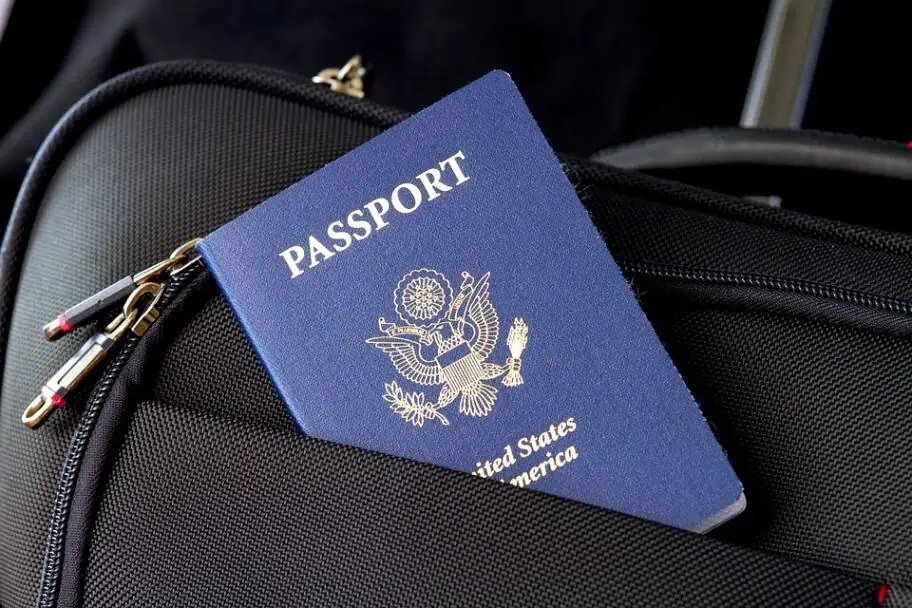
Before booking your Australia travel, you will want to be sure that you meet all of the necessary passport, VISA, and immunization requirements so that you can ensure you will be allowed into the country. To assist you, I have listed the requirements you will need to consider below for you to review.

Passport Validity
All visitors must have a passport that is valid for at least 6 months passed the end of their stay in Australia. Visitors must also show that they have return airfare back home already reserved and paid for before being allowed to enter the country.
VISA Requirements
Per the Australian Government’s VISA website, all visitors to Australia must purchase a travel VISA before being permitted into the country. If you are a New Zealand passport holder, you can apply for a VISA upon arriving in Australia. Visitors from all other countries must apply for a VISA before being allowed to board their plane to Australia.
Depending on your needs, there are three different types of visitor VISAs that you can elect to apply for. These visitor VISA options are as follows:
- Electronic Travel Authority VISA (subclass 601) – This particular VISA allows you to visit Australia as many times as you wish, for up to one year, and stay for as long as three months with each visit. For step-by-step instructions on how to apply for this VISA, please see the Australian Government Department of Home Affairs Electronic Travel Authority website. This type of VISA is available to passport holders from the following countries:
 |
Brunei Darussalam |  |
Canada |  |
Hong Kong | |
 |
Japan |  |
Malaysia |  |
Singapore | |
 |
South Korea |  |
United States |
- eVisitor VISA (subclass 651) – This type of VISA is free and is good for multiple visits to Australia for tourism or business purposes for up to three months at a time within 12 months. However, this VISA is only available to passport holders from certain countries and cannot be extended. You can apply for this type of VISA if you hold a passport from one of the following countries:
 |
European Union Countries |  |
Monaco |  |
Switzerland | |
 |
Andorra |  |
Norway |  |
United Kingdom | |
 |
Iceland |  |
San Marino |  |
Vatican City | |
 |
Liechtenstein |
- Visitor VISA (subclass 600) – This visitor VISA allows you to visit Australia, either for tourism or for business purposes, and is open to all nationalities. Generally, the VISA is only good for a stay of up to three months, but it can be granted for up to 12 months in certain circumstances. All applicants will have to pay a few to submit their VISA application. This type of VISA is available to all countries.
Immunization Requirements
Currently, the only vaccination requirement to enter Australia is for the Yellow Fever vaccination for travelers who are visiting from a high-risk area. This includes travelers who have had a layover of longer than 12 hours in a high-risk area. I have included some recommendations on general vaccinations and travel vaccinations for Australia below. For more information on vaccination recommendations, please see the Centers for Disease Control website for Australia Travel.
Routine Vaccination Recommendations
The following routine vaccinations are recommended for anyone who will be traveling:
- Chickenpox (Varicella)
- Diphtheria-Tetanus-Pertussis
- Flu (influenza)
- Measles-Mumps-Rubella (MMR)
- Polio
- Shingles
Recommended Travel Vaccinations for Australia
In addition to the routine vaccinations above, the following are additional vaccinations you may want to consider for Australia.
- Yellow Fever – The Yellow Fever vaccination is required to enter Australia if you are visiting from a high-risk area or had a layover of greater than 12 hours in a high-risk area while traveling to Australia. Please see the Centers for Disease Control (CDC) map of the areas where a Yellow Fever vaccination is recommended for more detail.
- Hepatitis A & B (if you haven’t had them).
- Tetanus (if you aren’t current).
- Flu Shot
- COVID Vaccination (not required for entry but recommended).
Key Phrases to Know
As a part of your Australia travel preparation, you will need to prepare yourself for how they talk in Australia so that you can understand the dialog as you interact with Australians. This includes understanding key phrases and the different regional dialects within this very large and very diverse country.
Here are some common phrases that you may need to use while visiting Australia:
- Good Morning – used to greet people early in the day.
- Good Afternoon – used to greet people during the mid-day.
- Good Evening – used to greet people late in the day.
- Thank You – use to express appreciation.
- Hello – used to greet people.
- Please – Used to express appreciation when asking for something. For instance, “Can you please help me?”.
- Excuse Me – Used to get someone’s attention or to apologize for interruption. For instance, “Excuse me, can you help me?” or “Excuse me, sorry for interrupting”.
- I Need Help – Used to get assistance.
- Where Is… – Used to ask for the location of something. For instance, “Where is the bathroom”?
- I Don’t Understand – Used to communicate confusion with an explanation. For instance, “I don’t understand what you are asking for”.
- I’m Sorry – Used to express remorse. For instance, “I’m sorry, I didn’t see you”.
- You’re Welcome – Used to show gratitude for being given thanks. For instance, when someone tells you “Thank you” for something you have done, the proper reply is “You’re welcome”.
- Yes – To express an affirmative response. For instance, “Yes, I would like that”.
- No – To express a negative response. For instance, “No, I would not like to go there”.
- I Am (your name\nationality) – To inform someone of who you are or what nationality you are.
- Call An Ambulance – To request medical assistance. You can also dial 0-0-0 for medical assistance.
- Call The Police – To request law enforcement assistance. You can also dial 0-0-0 for medical assistance.
In addition, here are some key slang terms that you may hear in Australia and what they mean:
- Good on ya! – Means a Good Job or Well Done.
- You little beauty – That’s great!
- G’day – Hello.
- To crack onto somebody – To flirt with someone.
- Having a whinge – To complain about something.
- Cobber – A very good friend.
- Mozzie – Mosquito.
- It’s chockers in here – It is crowded in here.
- Crikey – An expression of surprise.
- A Tiny – A can of beer.
- Barbie – Barbeque.
- Sanger – Sandwich.
- Snag – Sausage.
- Avo – Avocado.
- Chook – Chicken.
- Dunny – Toilet.
- Arvo – Afternoon.
- Brekky/brekkie – Breakfast.
- Mate – Friend.
- Bludger – Lazy Person.
- To be pissed – To be drunk, not angry as Americans use the term.
- Pissed Off – Annoyed.
- Rapt – Very happy.
- Thongs – Flip Flop shoes, not the undergarment as it is referred to in America.
- Budgie Smugglers – Speedos.
- Bathers – Swimsuit.
- Ute – Pickup Truck.
- Sunnies — Sunglasses.
- Brolly — Umbrella.
- She’ll Be Right – Everything will be alright.
- Have a Captain Cook – Have a brief inspection or look.
- Billabong – A pond in a dry riverbed.
- Buggered – Exhausted.
- Ya – You.
- Yous – (youse) plural of you!
If you would like to familiarize yourself with other important phrases that you will want to know when visiting Australia, please refer to the Australia: Important Phrases page on Tripadvisor.
Driving Info

An important part of your Australia travel planning will be deciding on how you will get around while inside Australia. While it is possible to visit Australia without renting a car and driving, you may want to rent a car if you aren’t using tours, or you are planning on visiting places where public transportation doesn’t service.
If you are planning on renting a car while visiting Australia, I have included some key information on driving in Australia that you will want to review below.
Driver’s License Requirement
You can drive in Australia using your foreign driver’s license for up to three months, as long as the license is in English. If your driver’s license doesn’t have a photo on it, you should carry your passport with you when you drive. If your driver’s license is not in English, you will need to obtain an International Driving Permit (IDP), which you will want to obtain before you leave.
IMPORTANT NOTE: The minimum driving age in Australia varies by the state or territory that you are visiting but will be either 17 or 18 years of age.
General Driving Tips
- Vehicles in Australia have the steering wheel on the right side of the car and cars drive on the left side of the road.
- Most rental cars in Australia use unleaded fuel, although some 4WD vehicles do use diesel. Before you fill up, make sure you are using the correct fuel.
- In Australia, gas stations are referred to as petrol stations, but most locals call them “servos”, which is short for “service stations”. Petrol stations can be found along all major highways and typically have toilets available for use as well as snacks and drinks for sale. In remote areas of Australia, gas stations are often referred to as roadhouses and will often have cafes and hotels attached to them.
- Do not rely on your cell phone for navigation when traveling outside major cities as the cell phone service can be spotty, especially in the “Outback” regions of Australia. Most rental car companies will offer a GPS device with rental, and I would suggest using one if you are planning on driving to remote places.
Important Driving Rules and Regulations
- Wearing a seatbelt is mandatory in Australia and there are special rules about children’s car seats that you will need to obey. Also, if you plan to ride a motorcycle, motorbike, scooter, moped, e-bike, or bicycle, you must wear a helmet according to the law.
- It is against the law to use a mobile phone while driving, even if you are stopped at a traffic light or are in standing traffic. If you use your phone for navigation, it must be used hands-free.
- The blood alcohol limit for operating any motorized vehicle in Australia is 0.05. Police often conduct random breath and drug tests on roadsides across the country and prosecute offenses. To be on the safe side, I would avoid driving completely if you have consumed any alcohol.
- Australia uses the metric system, so all speed limits are in kilometers per hour (kph) and not miles per hour (mph). In urban areas, the speed limit is typically 50 kph unless otherwise posted. Most other roads have a maximum speed limit of 100 kph, although there are some highways with 110 kph posted limits.
- Be particularly careful when driving around schools as lower speed limits are typically posted. They are very strict about speeding in Australia, so be sure you are always driving under the speed limit. In some areas, even driving just a few kph over the speed limit will result in a ticket. Also, traffic cameras are widely used in Australia and any offenses caught on camera will be sent to your rental car company and you will be charged for them.
- When parking, always park on the left-hand side of the road. In Australia, it is illegal to park facing oncoming traffic. Parking limits will often be posted with 2P indicating two-hour parking, 3P indicating three-hour parking, and so on. Parking regulations are strictly enforced in Australia, and you will be fined or have your vehicle towed away if you violate a parking regulation.
Relative Travel Guides and Articles
To assist you as you start to put together your Australia travel plans, I have provided a comprehensive list of all of my travel guides, travel itineraries, and travel inspiration articles for Australia for you to review below.





Packing and Planning Tips
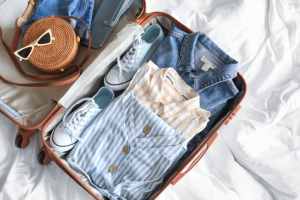
Once you start putting together your Australia travel plans, you may want to reference some of my handy travel packing and planning guides that I have put together. To make it easy to find and access these guides, I have included them for your reference below.






Don’t Forget to Subscribe to My Adventures!


You must be logged in to post a comment.