Ireland Travel
LAST UPDATED: 11/6/25 – Ireland Travel Resources
Ireland is a captivating destination that offers a rich tapestry of history, culture, and stunning landscapes. From the rugged cliffs of Moher to the lush greenery of the countryside, the natural beauty of the Emerald Isle is truly breathtaking. Visitors can explore ancient castles like the infamous Blarney Castle, vibrant cities like Dublin and Galway, or play a round of golf at renowned courses like Old Head. The options are seemingly limitless when planning your Ireland travel.
In addition to its splendid destinations, traveling through Ireland itself is an adventure filled with unique experiences. The Wild Atlantic Way, a scenic coastal route, invites travelers to discover hidden beaches, charming fishing villages, and dramatic coastal views. Along the way, one can indulge in local cuisine, sampling hearty dishes like Irish stew and fresh seafood, often accompanied by a pint of Guinness or a glass of whiskey from one of the many distilleries.

Please use this Ireland travel page as you plan your next adventure. To help you navigate the information I have included on this page, I have provided a quick navigation menu for you to use below. This will make it fast and easy for you to see which top destinations I recommend, which popular parks and destinations in Ireland you should consider visiting, and links to all of the travel guides, itineraries, and packing articles I have written to help you plan your adventure.
I have also included some key information you will need when planning your travel to Ireland. This includes information such as the languages spoken, the currency used, emergency contact numbers to be aware of, visa and passport considerations, required vaccinations, and important driving information (if you plan on driving while on your visit).


Top Things to See
Before planning your Ireland travel, check out my gallery of the top things to see in the country below for inspiration. There is so much to see and do in the country, so you won’t want to miss out on the top sights!

The Belfast Castle

The Carrick-a-Rede Bridge
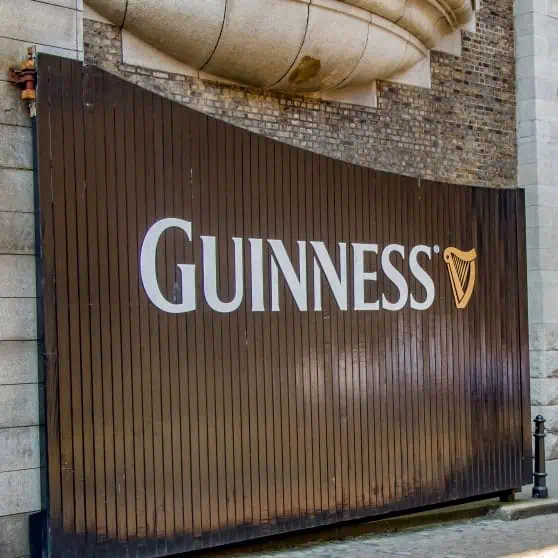
The Guinness Storehouse
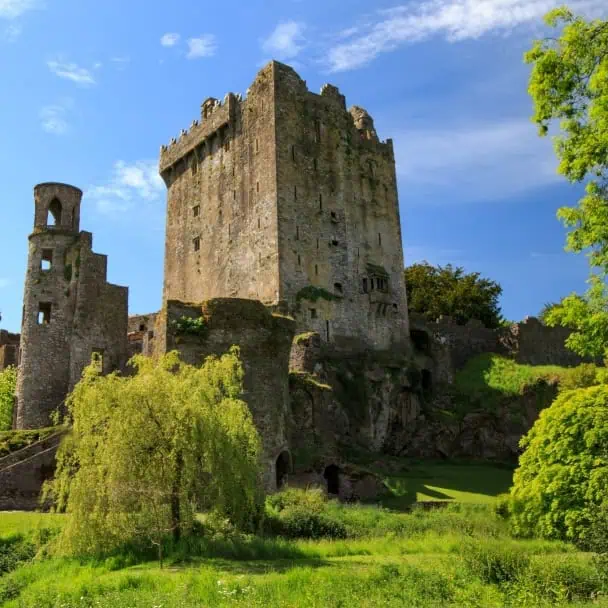
The Blarney Castle

The Cliffs of Moher
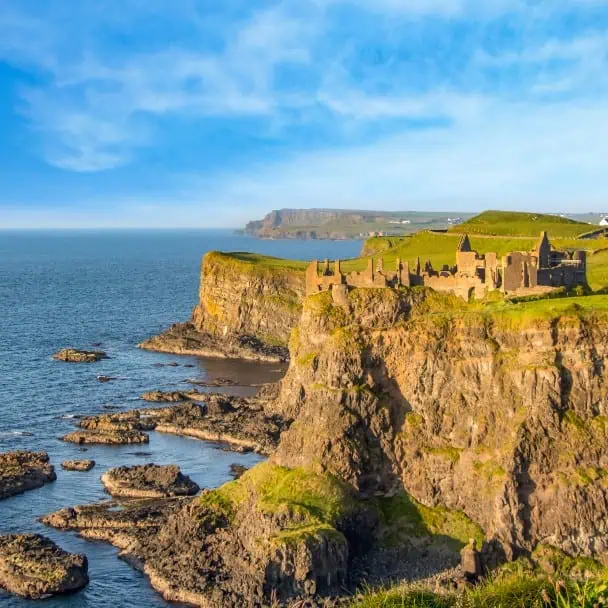
The Dunluce Castle
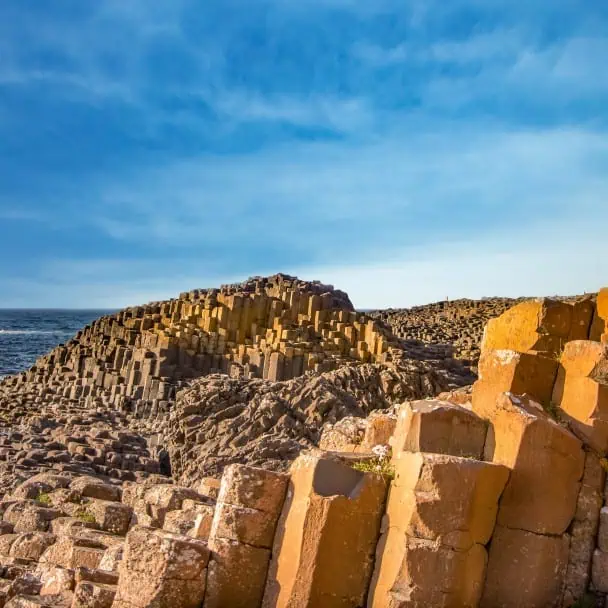
The Giant's Causeway
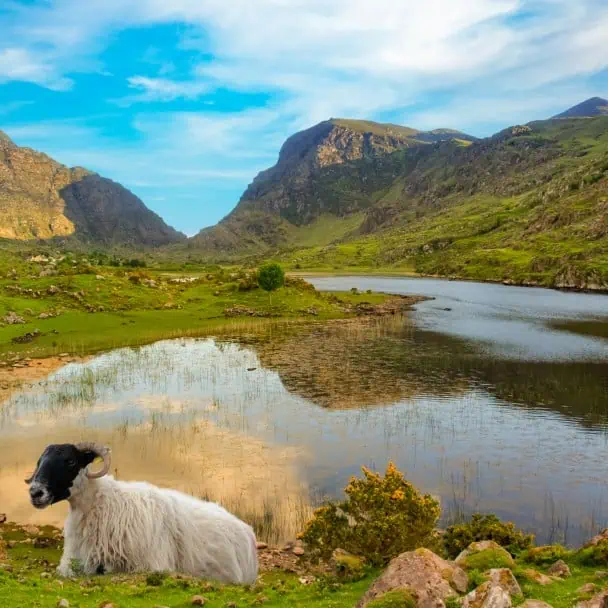
The Ring of Kerry

The Titanic Quarter
If you are looking for some more fun things to see and do while you are in Ireland, I have linked to my article on the Top 30 Things to See in Ireland below.
| READ MORE: |
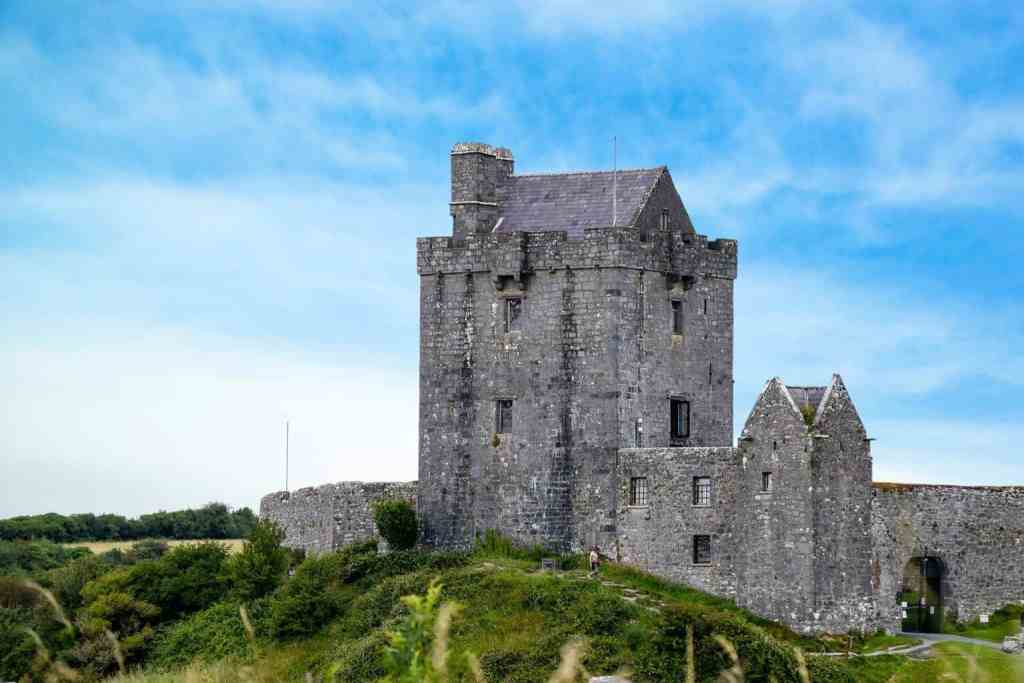 |
| The Top 30 Things to See in Ireland |
Popular Cities

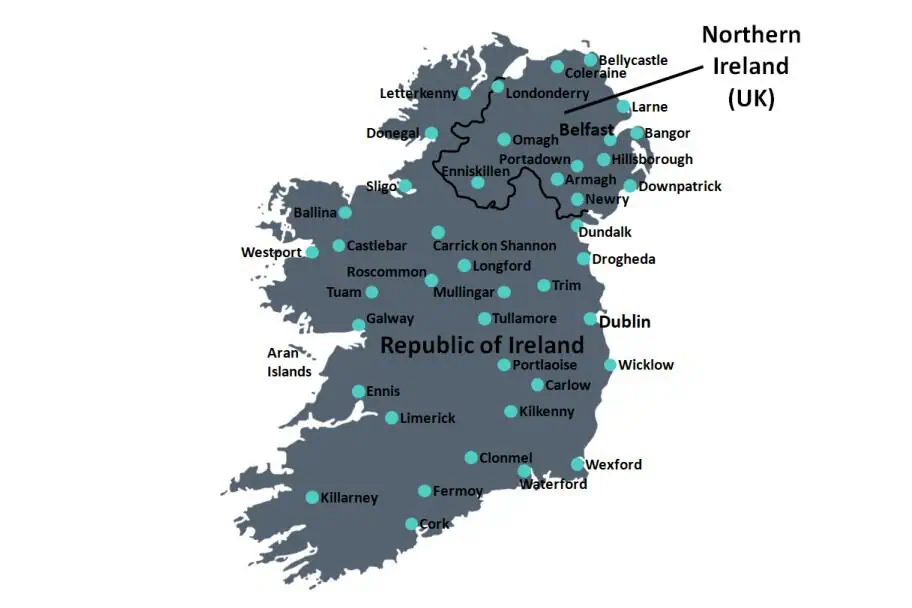
As you plan your Ireland travel, you will want to start familiarizing yourself with the country. This way, you will better understand which cities and other attractions you want to see. When exploring the enchanting landscapes of Ireland and Northern Ireland, there is a wealth of vibrant cities for you to choose from. Dublin, the capital of Ireland, stands out as a must-visit destination. The city is home to iconic landmarks, such as Trinity College and the Guinness Storehouse.
Moving north, Belfast, the capital of Northern Ireland, presents a compelling mix of history and modernity. The city has undergone a remarkable transformation in recent years, emerging as a vibrant cultural hub. Another gem worth exploring is Galway, often referred to as the cultural heart of Ireland. This charming city is renowned for its colorful streets, lively festivals, and artistic community.
Regardless of what brings you to Ireland and Northern Ireland, there are countless cities that offer a blend of culture and natural beauty waiting to captivate you. To help you familiarize yourself with the key cities to visit, I have included a map for you to review in this Ireland travel guide below.
Languages Spoken
Ireland and Northern Ireland are rich in cultural heritage, and this is reflected in the diverse languages spoken across the regions. The primary language in both areas is English, which serves as the main mode of communication for the majority of the population. However, the influence of the Irish language, or Gaeilge, is significant, particularly in the Republic of Ireland, where Irish is recognized as the first official language.
In certain regions, especially in the west and northwest, Irish is actively spoken and taught in schools, contributing to a revival of interest in this ancient language. The presence of bilingual road signs and public information in both English and Irish further highlights the importance of preserving this linguistic heritage.
In Northern Ireland, English remains the dominant language, but the cultural landscape is enriched by the presence of Ulster Scots, a variety of Scots that has historical roots in the region. This dialect is spoken by a portion of the population and is recognized as part of the cultural identity of Northern Ireland. Additionally, the region has seen a growing interest in the Irish language, with various initiatives aimed at promoting its use in everyday life.
Currency
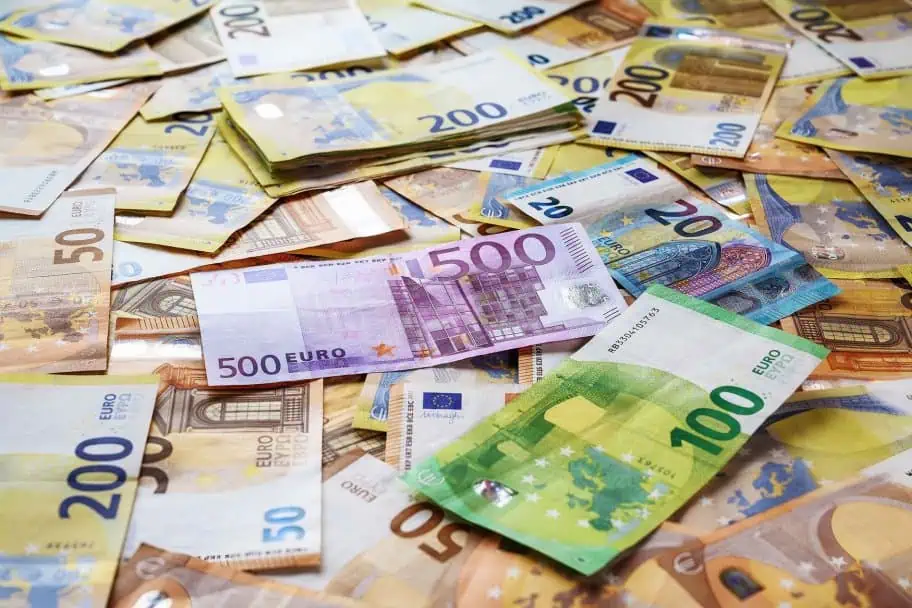
The official currency in Italy is the Euro (€). One Euro is made up of 100 cents. Common denominations for coins are 1, 2, 5, 10, 20, and 50 cents, as well as 1 and 2 euros. The denominations for Euro banknotes include €5, €10, €20, €50, €100, €200, and €500.
However, this first series of Euro bank notes, which started in 2022, is slowly being replaced by the second series of bank notes, known as the Europa series. The denominations for the Europa series bank notes are €5, €10, €20, €50, €100 and €200.
Power Adapters Required

One of the most overlooked aspects of international travel is ensuring you have the proper power adapters. You may or may not be aware that both the voltage and the type of outlet available differ widely from one region of the world to the next. If you aren’t prepared, you won’t be able to charge your electronic devices as you travel.
Even worse, you may damage or even destroy your electronic devices if you don’t have the right adapter with a voltage converter. Electricity supplies worldwide can vary from anything between 100V and 240V. It can be extremely dangerous to use an electrical appliance that is rated at a voltage different from the supply.
To ensure that this doesn’t happen to you, I have included some critical information on the electrical system in Ireland for you to review below. This includes what types of international power adapters you should bring with you on your trip.
Electrical Voltage in Ireland
In Ireland, the voltage of the electrical supply is 230V. If you have an appliance that is single-voltage rated, the voltage rating of the device must be 230V for you to use it without a voltage converter. When shopping for a travel power adapter, it is important to confirm that the adapter you choose has a voltage converter included and isn’t just an adapter.
A power adapter will change the type of plug from one type to another so that you can plug into different outlets. However, a simple power adapter will not change the voltage of the supply to the voltage used by the devices you brought from home (120V in the United States). You will need a travel power adapter with a voltage converter to do that.
Electrical Outlets in Ireland
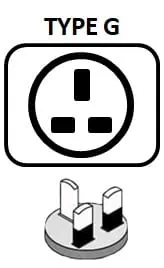
In Ireland, the type of electrical plug used is the Type G plug. This plug has three rectangular pins in a triangular pattern. Please refer to the illustration of the Type G plug below for a better understanding of what it looks like.
Emergency Contact
When traveling in Ireland and Northern Ireland, it is crucial to be aware of the emergency contact numbers that can provide assistance in urgent situations. In both regions, the primary emergency number is 112, which connects you to police, fire, and ambulance services. This number is accessible from any phone, including mobile devices, and is free of charge.
Additionally, in the Republic of Ireland, you can also dial 999 for emergency services, which operates similarly to 112. It is advisable to familiarize yourself with local healthcare facilities and their contact information, as well as the nearest embassy or consulate if you are a foreign traveler. Having these numbers saved in your phone or written down can be invaluable, ensuring that you can quickly reach help if needed.
Visa, Passport, and Immunization Info
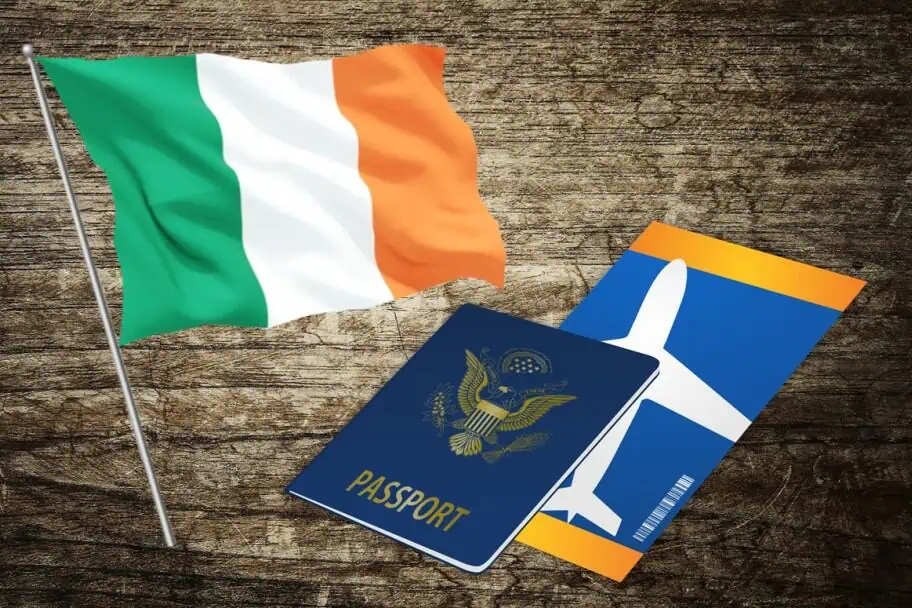
Before booking your Ireland travel, you will want to be sure that you meet all of the necessary passport, visa, and immunization requirements so that you can ensure you will be allowed into the country. To assist you, I have listed the requirements you will need to consider below for you to review.

Passport Validity
To be allowed into Ireland, your passport must be valid for the duration of your stay in the country. If your passport is set to expire before you return from your trip, you will need to get your passport renewed before traveling.
VISA Requirements
Depending on which country you are from, you may or may not need to apply for a tourist VISA to visit Ireland. The following sections outline the Irish tourist VISA requirements and how to apply.
Visa-Exempt Countries
Travelers from other countries may be exempt from having to obtain a VISA to visit Ireland. If you are a passport holder from one of the countries listed below, you will not need to obtain a VISA before visiting Ireland if you plan on staying for less than 90 days.
 |
Andorra |  |
Hong Kong |  |
Samoa |
 |
Antigua & Barbuda |  |
Israel |  |
San Marino |
 |
Argentina |  |
Japan |  |
Seychelles |
 |
Australia |  |
Kiribati |  |
Singapore |
 |
Bahamas |  |
Macau |  |
Solomon Islands |
 |
Barbados |  |
Malaysia |  |
South Korea |
 |
Belize |  |
Maldives |  |
Eswatini |
 |
Brazil |  |
Mexico |  |
Taiwan |
 |
Brunei |  |
Monaco |  |
Tonga |
 |
Canada |  |
New Zealand |  |
Tuvalu |
 |
Chile |  |
Nicaragua |  |
Ukraine |
 |
Costa Rica |  |
Panama |  |
United Arab Emirates |
 |
El Salvador |  |
Paraguay |  |
United Kingdom * |
 |
Fiji |  |
Saint Kitts & Nevis |  |
United States of America |
 |
Grenada |  |
Saint Lucia |  |
Uruguay |
 |
Guatemala |  |
Saint Vincent & Grenadines |  |
Vatican City |
 |
Guyana |
* Visa free travel also applies to the following types of British nationality: Overseas British nationals, overseas British territories citizens, and overseas British citizens.
Important Note: As of May 12, 2025, nationals of Trinidad and Tobago must get a visa before travelling to Ireland.
Traveling Between Ireland and Northern Ireland
As both regions are part of the Common Travel Area, there are generally no routine border checks, allowing for relatively easy movement. However, travelers should carry valid identification, such as a passport or national ID card, especially if they are not citizens of the UK or Ireland. It is also important to be aware of any customs regulations, particularly regarding the importation of goods, as Northern Ireland follows certain rules that may differ from those in the Republic of Ireland.
Immunization Requirements
Important Note: I am not a medical doctor and don’t have medical experience. The information provided in this section is a summary of information that I got from the Centers for Disease Control and Prevention in the United States for travel to Ireland. I am providing you with this information to help bring awareness of the necessary vaccinations to you. Still, consultation with my guide should not replace a discussion about your travels with your doctor or a travel medical clinic.
Currently, there are no vaccine requirements for entry into Ireland, and there are no current health notices for the country. However, you will want to check the Centers for Disease Control website for Ireland before your travel to ensure there aren’t any new notices. To assist you with the rest of your vaccination planning, I have included some general vaccination and travel vaccination recommendations for you to review below.
Routine Vaccinations
The following routine vaccinations are recommended for anyone who will be traveling:
- Chickenpox (Varicella)
- Diphtheria-Tetanus-Pertussis
- Flu (influenza)
- Measles-Mumps-Rubella (MMR)
- Polio
- Shingles
Recommended Travel Vaccinations for Ireland
In addition to the routine vaccinations above, the following are additional vaccinations you may want to consider for Ireland:
- Hepatitis A & B (if you haven’t had them).
- COVID Vaccination (not required for entry but recommended).
Customs and Currency Restrictions
In addition to the other entry requirements for Ireland, you also need to make sure you understand and comply with the country’s customs and currency restrictions. For your convenience, I have highlighted these restrictions for your review below. More in-depth information on the customs restrictions can be found on the VisaHQ website for Ireland Travel.
Free Import
The following items are considered free-import items when visiting Ireland:
- 800 cigarettes, 400 cigarillos (max. 3g each), 200 cigars, or 1kg of smoking tobacco when traveling inside the EU.
- 200 cigarettes, 100 cigarillos, 50 cigars, or 250g of smoking tobacco when traveling by air from outside the EU.
- 40 cigarettes, 20 cigarillos, 10 cigars, or 50g of smoking tobacco when traveling by land from outside the EU.
- 10 litres of spirits over 22%, 20 litres of alcoholic beverages less than 22%, 90 litres of wine (though no more than 60 litres of sparkling wine), or 110 litres of beer when traveling inside the EU.
- 2 litres of alcohol that does not exceed 22% volume of alcohol, 4 litres of still wine, or 16 litres of beer when traveling from outside the EU.
- Medication – for personal use only.
- Personal items of non-commercial nature worth up to 430 euros when travelling by air or sea
- Personal items of non-commercial nature worth up to 300 euros when travelling by land
- Personal items of non-commercial nature worth up to 150 euros for travellers under 15 years of age.
Important Notes: Travelers must be 18 years of age or older to consume alcohol and at least 21 years of age or older to purchase and use tobacco products in Ireland.
Non-commercial items are typically occasional and are solely comprised of goods meant for the personal or family use of the traveler, or items designated as gifts. The type and amount of these goods should not suggest that they are being brought in for commercial purposes.
Prohibited Items
Before you are allowed into Ireland, you will also need to clear customs to be sure you aren’t carrying any prohibited items with you. For instance, travelers are strictly prohibited from bringing the following items into Ireland:
- Illegal drugs (make sure medications are in the prescription bottle).
- Any weapons and ammunition – unless granted permission.
- Knives and deadly weapons.
- Meat and milk and any items thereof from non-EU countries (except for limited amounts from Andorra, Croatia, the Faeroe Islands, Greenland, Iceland).
- Protected species and products thereof as listed by the CITES (Washington Convention), for example, ivory, tortoise shell, coral, reptile skin, and wood from Amazonian forests.
Controlled Items
In addition to these prohibited items, the government of Ireland has placed limits on the quantity of other items that can be brought into the country. The following items are considered controlled items in Ireland:
- Pets must be identifiable, either through a tattoo or an electronic identification system, vaccinated for rabies, and possess a health certificate.
- A maximum of 10 kg of meat, milk, and dairy products is allowed from Croatia, the Faroe Islands, Greenland, and Iceland.
- Powdered milk intended for infants, food for kids, and specialized medical food (including pet food) may be permitted as long as they do not require refrigeration before opening, are in their original brand packaging, and the packaging has an intact seal (unless it is currently being used). Additionally, the total weight must not surpass 10 kg if sourced from Croatia, the Færøer Islands, Greenland, or Iceland, and must not exceed 2 kg if it comes from other countries.
- Only fish if it has been disembowelled and weighs no more than 20 kg.
- Coats, as well as fur and leather footwear crafted from protected species, will require specific authorization.
Currency Restrictions
According to the US State Department website for travel to Ireland, there are currency restrictions in place. If you plan to enter or exit Ireland with more than 10,000 Euros or equivalent, you will need to declare it on entry or exit.
Key Phrases
When planning a trip to Ireland, it’s essential to familiarize yourself with some common phrases that can enhance your experience and help you connect with the locals. The Irish are known for their warm hospitality, and using a few key expressions can go a long way in making your interactions more enjoyable. Here are some common phrases that you may need to use while visiting Ireland and Northern Ireland:
Greetings, Salutations, and Common Phrases
- Dia duit: This is the traditional Irish greeting, meaning “May God be with you”.
- Conas atá tú?: “How are you?”.
- Slán: “Goodbye”.
- Slán leat: “Goodbye” (when you’re leaving).
- Slán agat: “Goodbye” (when someone else is leaving).
- Cén scéal?: “What’s the news?” or “What’s up?”.
- What’s the craic?: “What’s going on?” or “What’s up?”.
- Fair play: Means “well done” or “good for you”.
- You’re sound: A stamp of approval, similar to “you’re good”.
- I’m grand: A way of saying “I’m fine” or “I’m alright”.
- Acting the maggot: Means “misbehaving” or “acting foolishly”. For example, “he’s acting the maggot”.
- Arseways: To do something wrong or the wrong way.
- C’mere to me: A casual way to say “listen to me” or “I have something to tell you”.
- Quare: Means “very” or “extremely”.
Food and Drink
- Wet the tea: A way of asking someone to prepare a cup of tea.
- Pint of gat: A way of asking for a pint of Guinness.
- Rasher: Means “bacon”.
- Messages: Means “groceries” or “grocery shopping”.
- Sláinte: The Irish word for “cheers!” is often used in pubs when raising a glass.
- On the tear: Going drinking.
- Pan: Bread.
- Chipper: Fish and Chips restaurant.
- Afters: Desert.
- Poppy: Potatoes.
- Pandy: Mashed Potatoes.
Other Useful Phrases
- Gaff: A house or home.
- Yoke: A general term for a thing or object.
- Press: Means “cupboard”.
- Guards: The Irish word for “police”.
- Bleedin‘: A common adjective to show intensity. For example, “it is bleedin’ cold outside”.
- Banjaxed: Broken, ruined, or worn out.
- Meeting/shifting: Casual words for kissing. For example, “they were shifting at the dance last night”.
- Dose: Slang for illness. For example, “What is the dose that is going around”?
- Tóg go bog é: Gaelic for take it easy or chill out.
- Giving out: Slang for criticizing or complaining about someone or something. For instance, “he was giving out about the weather”.
- Suckin diesel: Slang for things are going well or going smoothly.
- Deadly: A slang adjective that means something is excellent, impressive, or really cool.
- The Jacks: Slang term for bathroom or toilet.
- Up to ninety: Slang for being very busy or stressed out. For example, “I’m up to ninety at work”.
- Sure look: A slang term for acceptance. For example, “Sure, look, it’s raining again”.
- Oul‘ Dear / Oul‘ Wan: Mother or mom.
- Oul’ Fella: Father.
- Jo Maxi: Taxi or cab.
- Stall the ball: Slow down or stop.
- Boreen: A narrow lane.
Driving Info
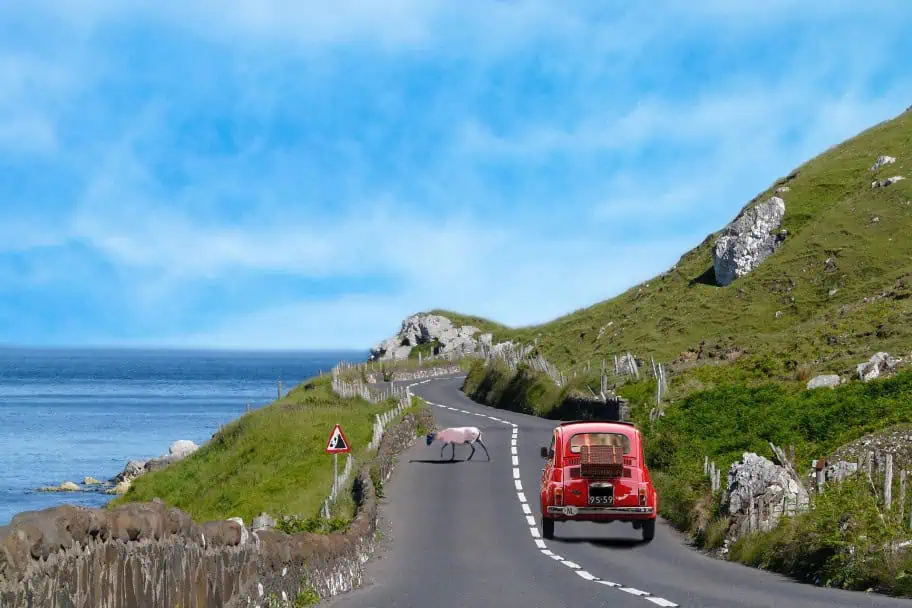
One of the greatest advantages of traveling across Europe, including Ireland, is the fantastic public transportation system. The train network throughout Europe is remarkable for its convenience and cost-effectiveness. Therefore, if you prefer not to drive while in Ireland, you truly don’t need to.
That said, having your own car offers convenience and the freedom to create your own itinerary. The scenic routes, such as the Wild Atlantic Way, provide breathtaking views and opportunities to stop at quaint villages and historical sites. If you’re considering driving during your trip to Ireland, I’ve included some helpful tips below.
License Requirements
In Ireland, you must be at least 17 years old to drive. Typically, you do not need an International Driving Permit (IDP) to drive in Ireland if you possess a valid driving license from the US, Canada, or the EU. However, certain car rental agencies might ask for or favor an IDP, particularly if your license is not in English. Furthermore, if you intend to stay in the country for over a year and wish to drive while there, you will need to obtain an international driver’s permit (IDP) before traveling to Ireland.
Important Note: Even with this IDP, you will need to have your regular license with you as well.
Auto Insurance
It is essential to have car insurance, either under your name or as a named driver on someone else’s policy. Vehicles registered in the EU must possess a green card (which serves as proof of motor insurance) for all vehicles, including caravans and trailers, when driving in Northern Ireland or if you intend to cross the border into the Republic of Ireland. However, UK-registered vehicles that have valid insurance do not require a Green Card to operate in Ireland or to travel from Northern Ireland to the Republic of Ireland.
Driving Tips
Before you depart for your trip, you will want to familiarize yourself with the following tips for driving in Ireland.
- In both Ireland and Northern Ireland, motorists drive on the left side of the road, and the driver’s seat is on the right side of the car.
- Both Ireland and Northern Ireland use the metric system, so mileage is listed in kilometers instead of miles.
- In the Republic of Ireland, distances and speed limits on road signs are indicated in kilometres. Both Irish (Gaelic) and English are used for road signs and place names. However, in Gaeltacht regions, where Irish is the main language, only Irish is utilized.
- In Northern Ireland, speed limits and signposts are measured in miles and miles per hour, and all place names are presented solely in English.
- You will need to pay for parking in many places throughout Ireland. Look for street signgs showing parking information and instructions on how to pay.
- The main car rental companies in Europe are Avis, Hertz, Budget, Europcar, and Sixt.
- If you choose to pick up your car while at the airport, you will likely get charged an extra fee. To save money, you can consider renting from a location outside the airport. Whether the cost savings on the rental is worth it or not will depend on the cost of transportation to pick up the car and the amount of time it will require.
- Most car rental companies in Europe will charge you an extra fee to take your rental car outside the country, but this typically does not apply to travel between the Republic of Ireland and Northern Ireland. However, I would strongly suggest you check with the car rental company to confirm before signing your rental agreement.
- In Ireland, the motorways have the letter “M” as a prefix (such as M30), while the national roads are prefixed with the letter “N” (such as N30). Be cautious when on secondary roads as they could have two-way traffic. In Northern Ireland, motorways are also prefixed with the letter “M” (such as M30), and primary and non-primary roads are prefixed with the letters “A” and “B”, respectively.
Traffic Laws
The final and arguably the most important things that you will need to know before driving in Ireland are the driving laws and regulations. For your convenience, I have included some of the most important regulations for you to review below.
- Everyone in the vehicle (front and back seats) must wear a seat belt at all times.
- Child car seats are mandatory for children under 150cm\20 inches in height.
- If you are driving a motorcycle, the driver and passenger must wear helmets.
- There are strict laws and penalties for driving under the influence of alcohol or drugs in Ireland. While the legal blood alcohol limit (BAC) is 0.05%, it is best to not drink at all when driving.
- It is against the law to use a mobile phone while driving.
- The speed limits in the Republic of Ireland are typically as follows:
- 50kph/30mph in built-up urban areas.
- 80kph/50mph on single non-national open roads.
- 100kph/60mph on national roads.
- 120kph/74.5mph on motorways.
- The speed limits in Northern Ireland are typically as follows:
- 50kph/30mph in built-up urban areas
- 96kph/60mph on single carriageways
- 112kph/70mph on dual carriageways and motorways
- 112kph/70mph on motorways
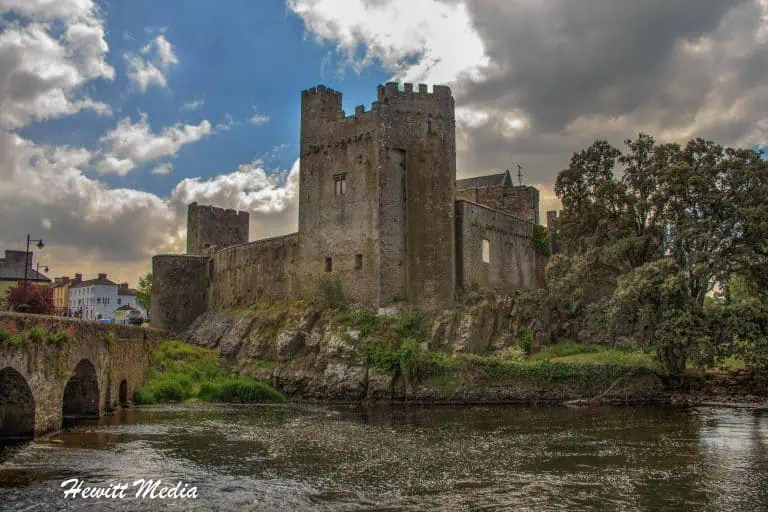
Relative Guides, Itineraries, and Articles
To assist you as you start to put together your travel plans for Ireland, I have provided a comprehensive list of all of my travel guides, itineraries, and travel inspiration articles for you to review below.






Packing and Planning Tips
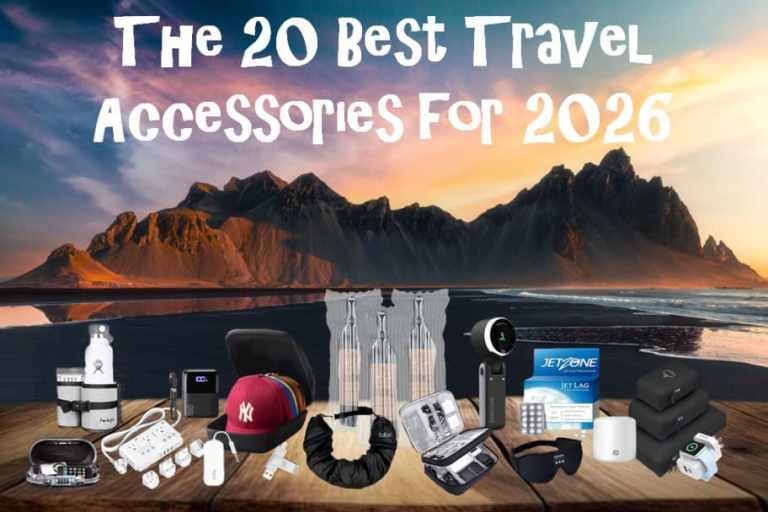
Once you start putting together your Ireland travel plans, you may want to reference some of my handy travel packing and planning guides that I have put together. To make it easy to find and access these guides, I have included them for your reference below.







Popular Tours
If you’re dreaming of the lush landscapes and rich history of Ireland, you’ll want to check out some of the most popular tours that travelers rave about! From the breathtaking Cliffs of Moher to the charming streets of Dublin, there’s something for everyone. Whether you’re seeking adventure or a bit of history, these tours are guaranteed to create unforgettable memories. So gather your friends, pack your bags, and prepare for an enchanting Irish adventure that you won’t soon forget!
Don’t Forget to Subscribe to My Adventures!

Let Me Help You Save On Your Next Adventure!
‘Start Exploring Today’ Merchandise Available Now!
 |
 |
 |
 |
 |
 |
 |

You must be logged in to post a comment.