Italy Travel
LAST UPDATED: 11/6/25 – Italy Travel Resources
Italy is a captivating travel destination that offers a rich tapestry of history, culture, and natural beauty to explore. From the sun-drenched Amalfi Coast with its colorful seaside villages to the iconic landmarks of Rome like the Colosseum and Trevi Fountain, Italy beckons visitors to immerse themselves in its timeless allure.
When it comes to planning a trip to Italy, there are countless factors to consider to craft the perfect itinerary. Deciding where to focus your limited time and resources can be a daunting task, requiring extensive research into the unique character and attractions of Italy’s diverse regions. But with the right preparation and a spirit of adventure, a journey through this captivating country is sure to leave you with memories that will last a lifetime.

Please use this Italy travel page as you plan your next adventure. To help you navigate the information on this page, I have included a quick navigation menu for you to use below. This will make it fast and easy for you to see which top destinations I recommend, which popular parks and destinations in Italy you should consider visiting, and links to all of the travel guides, itineraries, and packing articles I have written to help you plan your adventure.
I have also included some key information you will need when planning your travel to Italy. Information such as the languages spoken, the currency used, emergency contact numbers to be aware of, VISA and passport considerations, required vaccinations, and important driving information (if you plan on driving while on your visit).


Top Things to See
Before you start planning your Italy travel, check out my gallery of the top things to see in the country below for some inspiration. There is so much to see and do in the country, so you won’t want to miss out on the top sights!

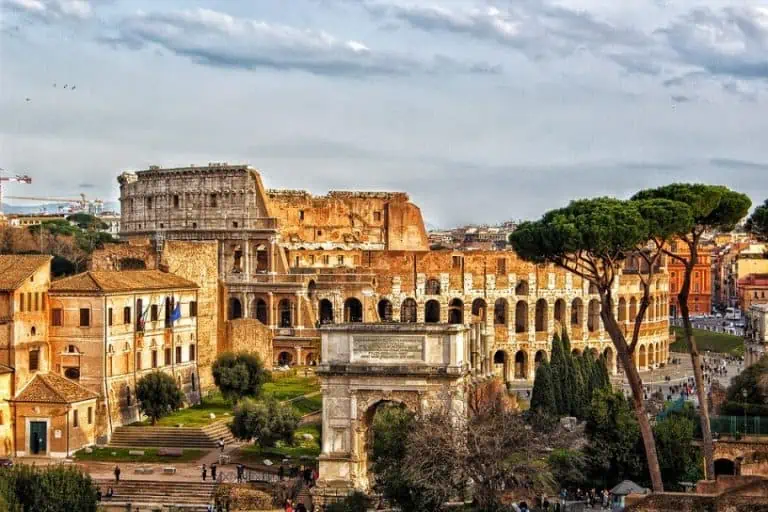
The Colosseum in Rome

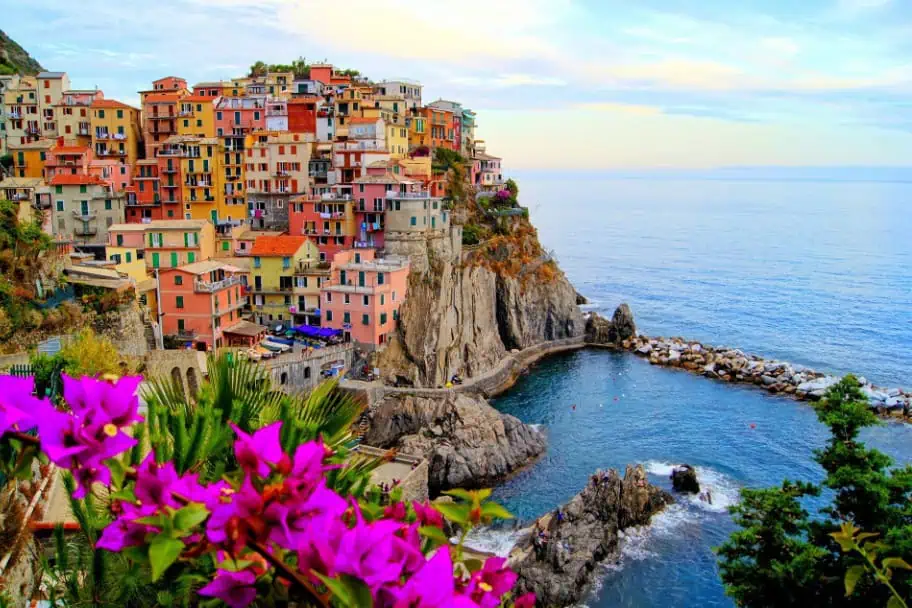
Cinque Terre
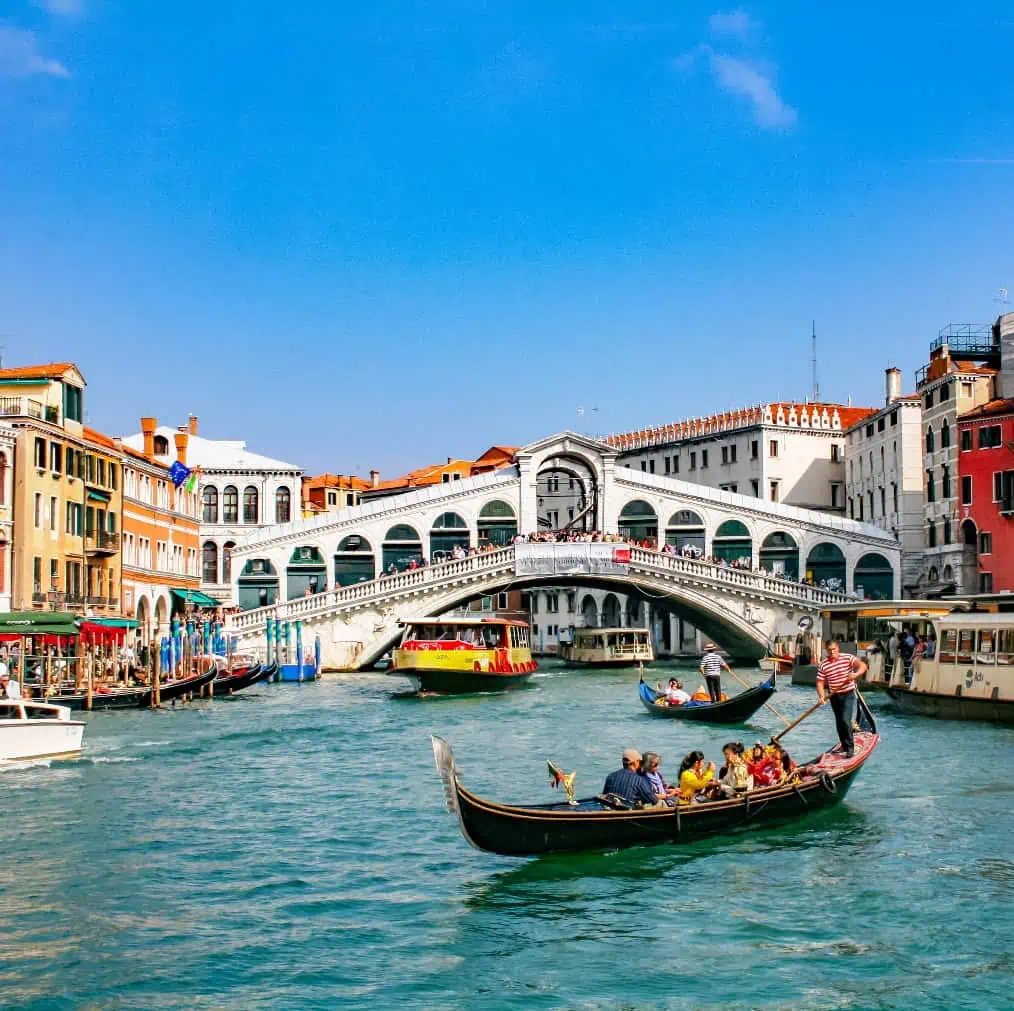
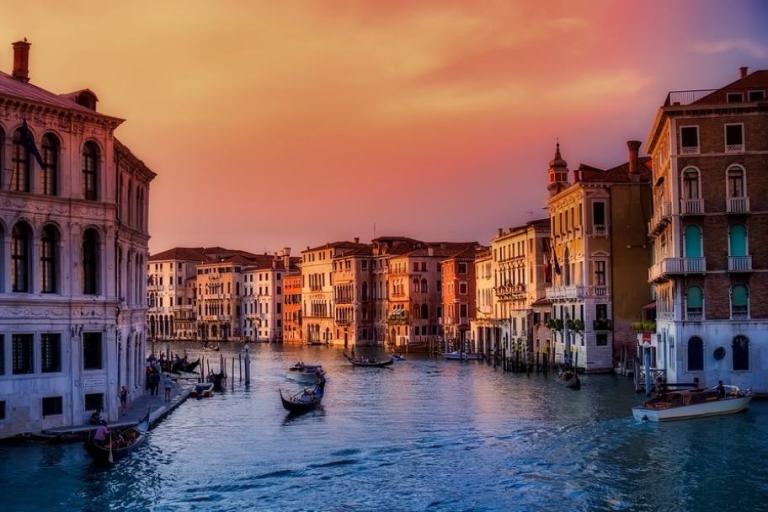
The Grand Canal in Venice

The Dolomites

The Leaning Tower of Pisa

The Duomo of Florence

Lake Como

The Sistine Chapel in Vatican City

The Duomo of Milan
Popular Cities
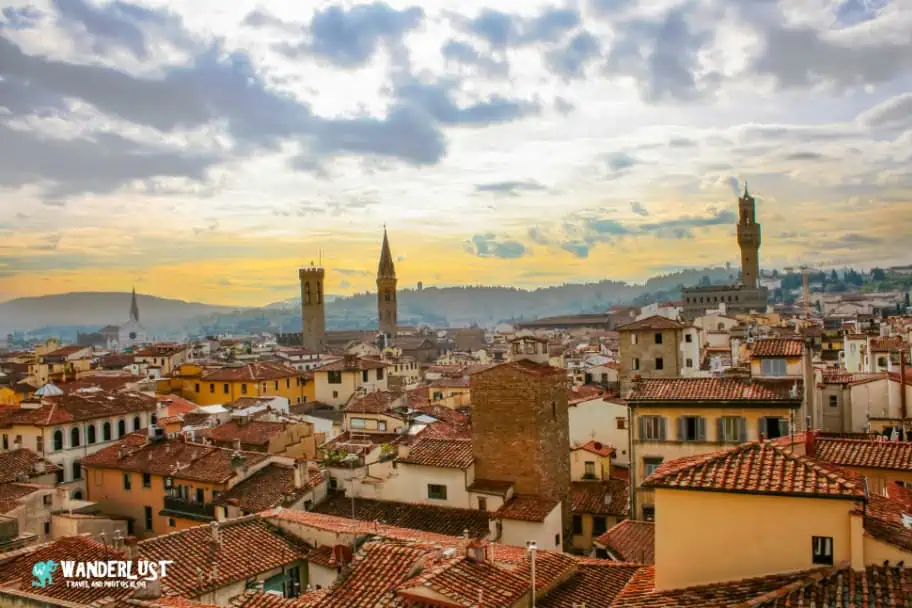
As you start planning your Italy travel, you will want to familiarize yourself with the country’s largest and most popular cities (which are not always one and the same).
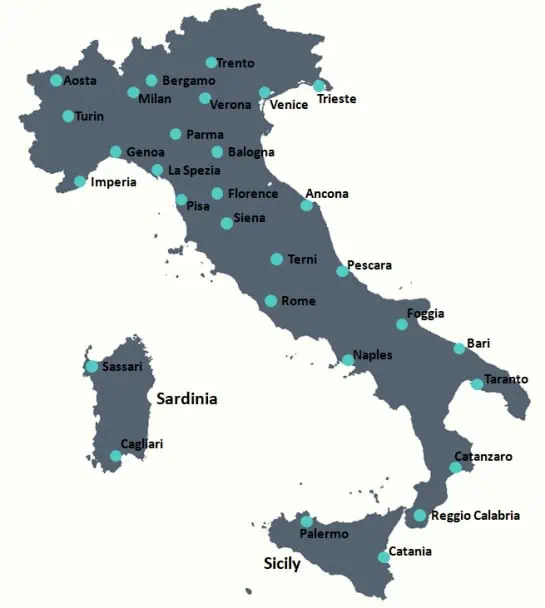
This is not only to see if you would like to visit and tour these cities, but also because they will typically be your ports of entry and transportation hubs as you visit them on your trip. To help you with this, I have included a map of some of the key cities within Italy that you will want to become familiar with below.
If you are looking for some additional destinations to see in your Italy travel, make sure you check out my article on the Top 30 Things to See in Italy: Your Ultimate Travel Guide, linked below.
Languages Spoken
While the official language spoken in Italy is Italian, around half the population of Italy speaks a regional variation of Italian. These regional dialects are distinctive but are similar enough that they aren’t recognized as separate languages. According to Housing Anywhere, roughly 42% of the population of Italy reports speaking a second language. The most common second languages spoken are as follows:
- English – 13% of Italians speak English as a second language.
- French – 8.5% of Italians speak French as a second language.
- Spanish – 6.5% of Italians speak Spanish as a second language.
- German – 2% of Italians speak German as a second language.
Currency

The official currency in Italy is the Euro (€). One Euro is made up of 100 cents. Common denominations for coins are 1, 2, 5, 10, 20, and 50 cents, as well as 1 and 2 euros. The denominations for Euro banknotes include €5, €10, €20, €50, €100, €200 and €500.
However, this first series of Euro banknotes, which started in 2022, is slowly being replaced by the second series of banknotes, known as the Europa series. The denominations for the Europa series bank notes are €5, €10, €20, €50, €100 and €200.
Power Adapters Required

One of the most overlooked aspects of international travel is ensuring you have the proper power adapters. You may or may not be aware that both the voltage and the type of outlet available differ widely from one region of the world to the next. If you aren’t prepared, you won’t be able to charge your electronic devices as you travel.
Even worse, you may damage or even destroy your electronic devices if you don’t have the right adapter with a voltage converter. Electricity supplies worldwide can vary from anything between 100V to 240V. It can be extremely dangerous to use an electrical appliance that is rated at a voltage different from the supply.
To ensure that this doesn’t happen to you, I have included some critical information on the electrical system in Italy for you to review below. This includes what types of international power adapters you should bring with you on your trip.
Electrical Voltage in Italy
In Italy, the voltage of the electrical supply is 230V. If you have an appliance that is single-voltage rated, the voltage rating of the device must be 230V for you to use it without a voltage converter. When shopping for a travel power adapter, it is important to confirm that the adapter you choose has a voltage converter included and isn’t just an adapter.
A power adapter will change the type of plug from one type to another so that you can plug into different outlets. However, a simple power adapter will not change the voltage of the supply to the voltage used by the devices you brought from home (120V in the United States). To do that, you will need a travel power adapter with a voltage converter.
Electrical Outlets in Italy
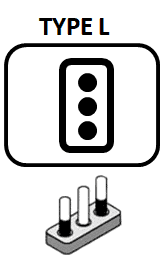
In Italy, the three types of electrical plugs used are Type C, Type F, and Type L. The Type C plug is the plug that has two round pins while the Type F plug has two round pins in addition to two earth clips on the sides. Finally, the Type L plug has three horizontal round pins in a row. Please see the illustrations of the Type C, Type F, and Type L plugs below for a better understanding of what these plugs look like.


Emergency Contact
There are three different emergency services in Italy: The police (Polizia), the fire department (Vigili del fuoco), and the ambulance services (Ambulanza). You can contact the emergency services by dialing the pan-European emergency number (112) from any telephone in Italy. The operator will divert you to the correct emergency service.
- Ambulance: 118
- Fire Department: 115
- Local Police: 113
- Roadside Assistance: 803.116
Visa, Passport, and Immunization Info
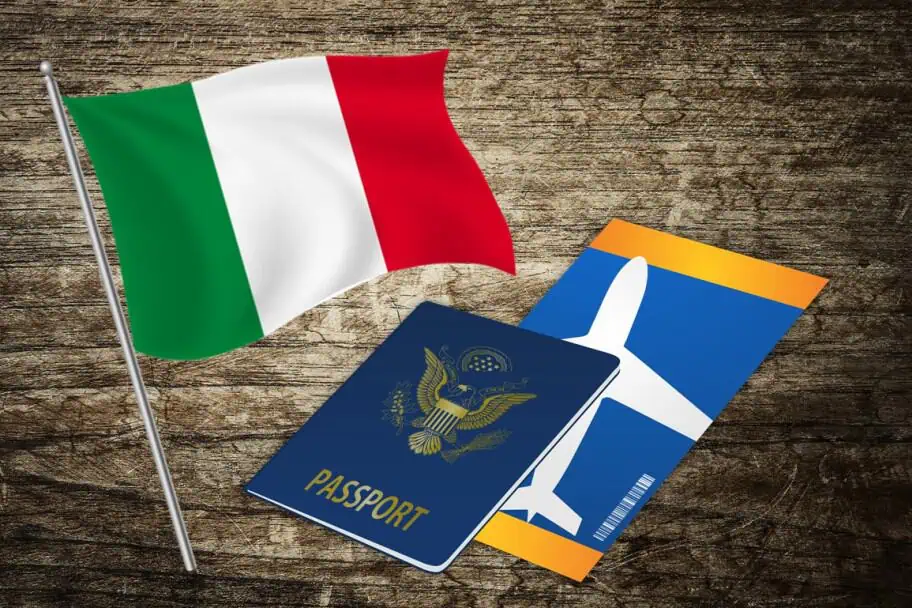
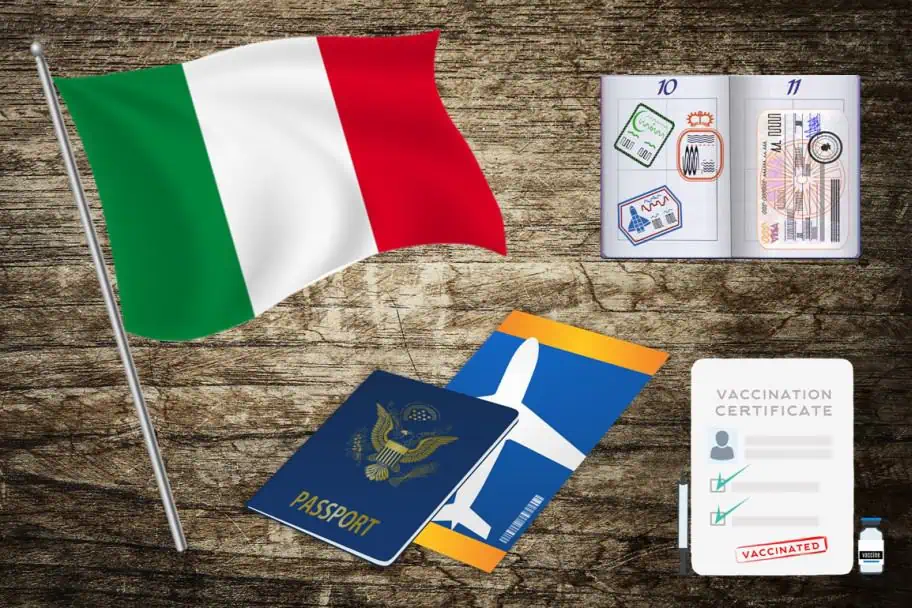
Before booking your Italy travel, you will want to be sure that you meet all of the necessary passport, VISA, and immunization requirements so that you can ensure you will be allowed into the country. To assist you, I have listed the requirements you will need to consider below for you to review.
Passport Validity
It is required that all visitors have a passport that is valid for at least 3 months past the end of their stay in Italy. To be safe, it is recommended that your passport be valid for at least 6 months past the end of your stay in Italy. You may also be required to show proof of accommodation while in Italy, and the purchase of a return flight home before being allowed to enter the country.
VISA Requirements
Depending on which country you are from, you may or may not be required to obtain a travel VISA before being allowed to enter Italy. If you hold a passport from a VISA-exempt country, you will not need to obtain a VISA. However, if you are not a passport holder from a VISA-exempt country, you must apply for a VISA to visit Italy.
Citizens of Vatican City and San Marino
Nationals who hold a passport from the Holy See (Vatican City) or San Marino are exempt from any VISA requirement.
VISA-Exempt Countries
The following countries are exempt from the VISA requirement for Italy. If you hold a passport from one of these countries, you do not need to obtain a tourist VISA before traveling to Italy if you plan to stay for less than 90 days.
 |
Albania |  |
Hong Kong |  |
Peru |
 |
Andorra |  |
Israel |  |
Saint Kitts and Nevis |
 |
Antigua and Barbuda |  |
Japan |  |
Saint Lucia |
 |
Argentina |  |
Kiribati |  |
Samoa |
 |
Australia |  |
Kosovo |  |
Serbia ** |
 |
Bahamas |  |
Macao |  |
Seychelles |
 |
Barbados |  |
Malaysia |  |
Singapore |
 |
Bosnia and Herzegovina ** |  |
Marshall Islands |  |
Solomon Islands |
 |
Brazil |  |
Mauritius |  |
South Korea |
 |
Brunei |  |
Mexico |  |
St. Vincent and Grenadines |
 |
Canada |  |
Micronesia |  |
Taiwan * |
 |
Chile |  |
Moldova ** |  |
Tonga |
 |
Colombia |  |
Monaco |  |
Trinidad and Tobago |
 |
Costa Rica |  |
Montenegro ** |  |
Tuvalu |
 |
Dominica |  |
Nauru |  |
Ukraine ** |
 |
East Timor |  |
New Zealand |  |
United Arab Emirates |
 |
El Salvador |  |
Nicaragua |  |
United Kingdom |
 |
Georgia |  |
North Macedonia ** |  |
United States |
 |
Grenada |  |
Palau |  |
Uruguay |
 |
Guatemala |  |
Panama |  |
Vanuatu |
 |
Honduras |  |
Paraguay |  |
Venezuela |
| * The visa waiver applies only to the holders of passports that include an identity card number. |
| ** The visa waiver applies only to the holders of biometric passports. |
Immunization Requirements
Important Note: I am not a medical doctor and don’t have medical experience. The information provided in this section is a summary of information that I got from the Centers for Disease Control and Prevention in the United States for travel to Italy. I am providing you with this information to help bring awareness of the necessary vaccinations to you, but consultation with my guide should not replace a discussion about your travels with your doctor or a travel medical clinic.
Currently, there are no vaccine requirements for entry into Italy, and there are no current health notices for the country. However, you will want to check the Centers for Disease Control website for Italy before your travel to ensure there aren’t any new notices. To assist you with the rest of your vaccination planning, I have included some general vaccination and travel vaccination recommendations for you to review below.
Routine Vaccinations
The following routine vaccinations are recommended for anyone who will be traveling:
- Chickenpox (Varicella)
- Diphtheria-Tetanus-Pertussis
- Flu (influenza)
- Measles-Mumps-Rubella (MMR)
- Polio
- Shingles
Recommended Travel Vaccinations for Italy
In addition to the routine vaccinations above, the following are additional vaccinations you may want to consider for Italy:
- Hepatitis A & B (if you haven’t had them).
- COVID Vaccination (not required for entry but recommended).
Customs and Currency Restrictions
In addition to the other entry requirements for Italy, you also need to make sure you understand and comply with the country’s customs and currency restrictions. For your convenience, I have highlighted these restrictions for your review below. More in-depth information on the customs restrictions can be found on the VisaHQ website for Italy Travel.
Free Import (Traveling from Within the European Union)
The following items are considered free-import items when traveling within the European Union but with limits (as described below).
- 800 cigarettes, 400 cigarillos (max. 3g each), 200 cigars, or 1kg smoking tobacco.
- 10 liters of spirits over 22%, 20 liters of alcoholic beverages less than 22%, 90 liters of wine (though no more than 60 liters of sparkling wine), or 110 liters of beer.
Free Import (Traveling from Outside the European Union)
The following items are considered free-import items when traveling from outside the European Union but with limits (as described below).
- Medication – for personal use only (should be in a prescription bottle if applicable).
- Non-commercial personal goods of up to 430 euros value if entering by air or by sea.
- Non-commercial personal goods of up to 300 euros value if entering by land.
- Non-commercial personal goods of up to 150 euros value for travelers under 15-years of age.
- 200 cigarettes, 100 cigarillos, 50 cigars, or 250 g of smoking tobacco when entering by air or by sea.
- 40 cigarettes, 20 cigarillos, 10 cigars, or 50 g of smoking tobacco when entering by land.
- 1 liter of alcohol that does not exceed 22% volume of alcohol, or un-denatured ethyl alcohol 80% volume and over.
- 2 liters of alcohol that does not exceed 22% volume of alcohol.
- 4 liters of still wine.
- 16 liters of beer.
Important Note: Travelers must be 17 years old or older to drink alcohol or use tobacco in Italy. Also, the first two types of alcohol can be combined as long the alcohol volume does not exceed 100%.
Prohibited Items
Before you will be allowed into Italy, you will also need to clear customs to be sure you aren’t carrying any prohibited items with you. For instance, travelers are strictly prohibited from bringing the following items into Italy:
- Any meat or milk products.
- Any items made from protected species (for example – ivory, coral, reptile skin, wood from Amazonian forests).
Controlled Items
In addition to these prohibited items, the government of Italy has placed limits on the quantity of other items that can be brought into the country. The following items are considered controlled items in Italy:
- Pets must be identifiable via tattoo or electronic chip and have the proper vaccinations (including rabies vaccination).
- A maximum of 10 kg of meat, milk, and dairy products from Croatia, Færøer Islands, Greenland, and Iceland.
- Powdered milk for babies may be allowed if it doesn’t need to be refrigerated before opening and is brand-packaged with the original seal (quantity must not exceed the weight of 10 kg originating from Croatia, Færøer Islands, Greenland, and Iceland, and of 2 kg if originating in other countries).
- Fish are allowed if disemboweled and they do not exceed 20 kg in weight.
Currency Restrictions
According to the US State Department website for travel to Italy, there are currency restrictions in place. If you plan to enter or exit Italy with more than 10,000 Euros or equivalent you will need to declare it on entry or exit.
Key Phrases
As a part of your Italy travel preparation, you will need to prepare yourself for how they talk in Italy so that you can understand the dialog as you interact with Italian residents. This includes understanding key phrases so that you can ask for things, respond to others, and get around the country much easier.
Here are some common phrases that you may need to use while visiting Italy:
Greetings and Salutations
- Ciao – Hello\Goodbye.
- Buongiorno – Good morning.
- Buona Sera – Good afternoon.
- Arrivederci – Goodbye.
- Salute! – Cheers!
- Mi Chiamo… – My name is…
- Come si chiama? – What is your name?
- Piacere – Please to meet you.
Common Courtesies
- Grazie – Thank you.
- Prego – You’re welcome.
- Per favore – Please.
- Mi scusi – Excuse me.
- Mi dispiace – I’m Sorry.
- Capisco – I understand.
- Non capisco – I don’t understand.
- Parla Inglese? – Do you speak English?
- Mi aiuti, per favore? – Can you help me, please?
Getting Around
- Scusi, come arrivo a…? – Excuse me, how do I get to…?
- Dov’è…? – Where is….?
- Entrata – Entrance.
- Uscita – Exit.
- Sinistra – Left.
- Destra – Right.
- Dritto – Straight ahead.
- Dov’è il bagno? – Where is the bathroom?
- Dov’è la stazione? – Where is the train station?
- Dov’è la fermata? – Where is the bus stop?
- Andata – One way.
- Ritorno – Return.
Ordering Food
- Il menu, per favore? – Can I see a menu, please?
- Il conto, per favore – The check, please.
- Posso pagare con la carte? – Can I pay by card?
- Che cosa ci consiglia? – What do you recommend?
- Sono allergica/o a… – I’m allergic to…
- Glutine / Lattecini / Pesce – Gluten / Dairy / Fish.
- Vino rosso / bianco – Red / white wine.
- Una bicchiere / una bottiglia – A glass / bottle.
- Dolci – Dessert.
- Buon appetite! – Enjoy your meal!
- Caldo/Freddo – Hot/Cold.
Shopping
- Vorrei provare questo – I would like to try this on.
- Quanto costa questo? – How much is this?
- Potete offrire uno sconto migliore? – Can you offer a discount?
- Posso vedere la taglia…? – Can I see a size ….?
- Lo prendo – I will take it.
- È troppo caro – It’s too expensive.
- Puoi spedire a…? – Can you ship it to….?
Driving Info
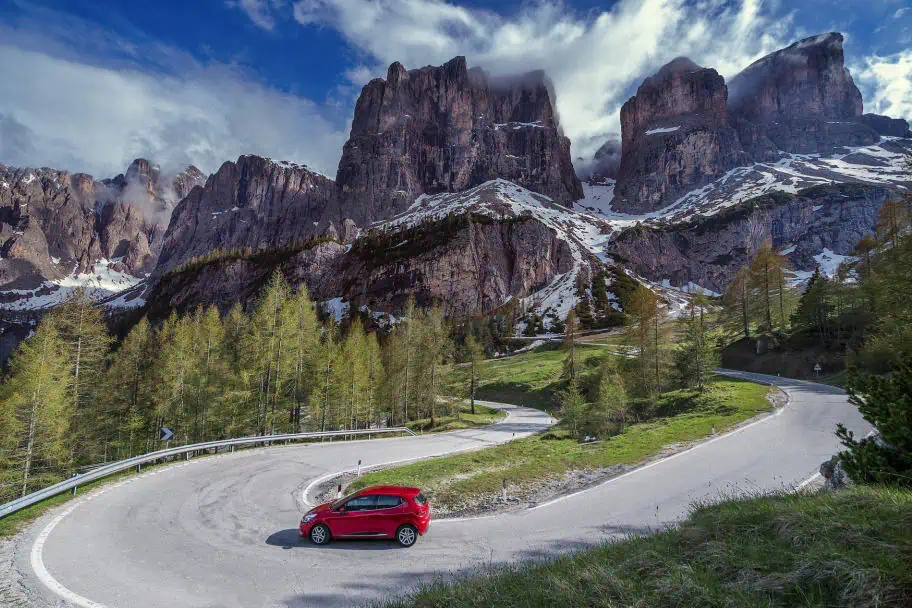
One of the best parts about traveling in Europe, Italy included, is the amazing public transportation. The train system throughout Europe is amazing in its convenience and affordability. So, if you don’t want to drive when visiting Italy, you don’t really have to. However, there is a certain convenience of having your own vehicle and setting your own schedule. If you are interested in driving when you visit Italy, I have provided some tips for you to review below.
License Requirements
You are eligible to drive in Italy if you are 18 years or older and have a valid driver’s license. If you are a citizen of the EU/EFTA, you can use your local driver’s license while driving in Italy. For those who are not EU/EFTA citizens, you will need to obtain an international driver’s permit (IDP) before traveling to Italy. This IDP must be carried with you when driving while in Italy.
IMPORTANT NOTE: Even with this IDP, you will need to have your regular license with you as well.
Driving Tips
Before you depart for your trip, you will want to familiarize yourself with the following tips for driving in Italy.
- In Italy, they drive on the right side of the road and the driver’s seat is on the left side of the vehicle.
- Wearing seatbelts is mandated by law for the driver and all passengers.
- Car seats are mandatory for kids up to age 12 or 150cm in height.
- An anti-abandonment kit for car seats is mandatory if traveling with a child under 4.
- You need a hazard triangle sign and a high-visibility (reflective) jacket or vest in the vehicle at all times.
- Be aware that large cities in Italy are terribly trafficked and can be stressful to drive in.
- Additionally, parking in large cities can be very difficult to find.
- Both large and small cities in Italy have areas that are off-limits for out-of-town traffic.
- Traffic Signs in Italy are color-coded and typically mean the following:
- White – Local Road Signs.
- Blue – Non-Urban Main Road Signs.
- Green – Highway Signs.
- Brown – Places of Interest or Scenic Spots.
Traffic Laws
The final and arguably the most important things that you will need to know before driving in Italy are the driving laws and regulations. For your convenience, I have included some of the most important regulations for you to review below.
- Like in the United States, you can only overtake (pass) vehicles on the left side. Additionally, like in the United States, you are only able to pass vehicles when the lane divider line is an intermittent white line. You are unable to pass when the lane divider line is solid.
- You are not allowed to turn right on red lights.
- Your headlights must be turned on, even during daytime, on urban roads.
- Italian speed limit signs are round with a red circle and a black number inside.
- Controllo electronico della velocita’ means “electronic speed checks are in place”.
- Speed limits in Italy are typically as follows:
- Autostrada\Highways – 130km\h (110km\h in bad weather).
- Strada Statate\Main Non-Urban Road – 110 mk/m (90km\h in bad weather).
- Strada Provinciale – Secondary Non-Urban Road – 90 mk/m (80km\h in bad weather).
- Urban Roads – 50 mk/m.
Relative Guides, Itineraries, and Articles
To assist you as you start to put together your travel plans for Italy, I have provided a comprehensive list of all of my travel guides, travel itineraries, and travel inspiration articles for Italy for you to review below.







Packing and Planning Tips
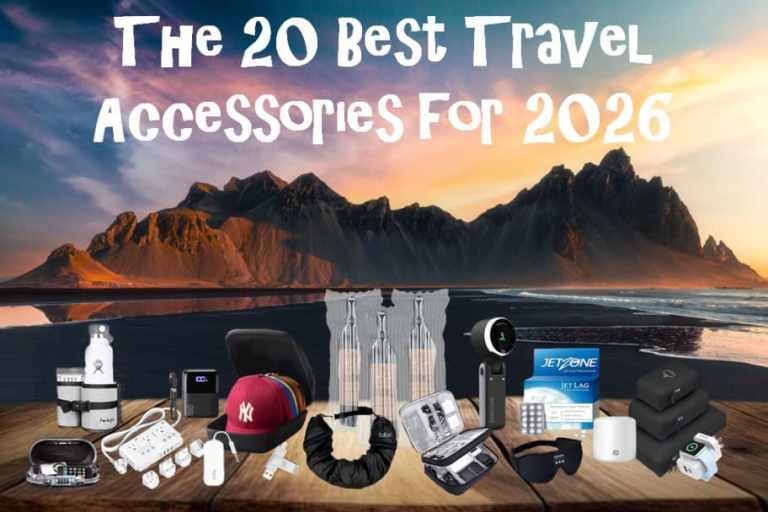
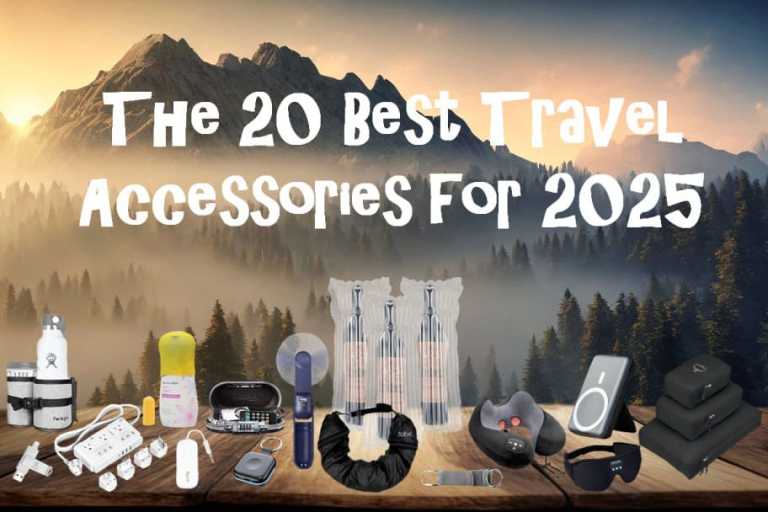
Once you start putting together your Italy travel plans, you may want to reference some of my handy travel packing and planning guides that I have put together. To make it easy to find and access these guides, I have included them for your reference below.







Popular Tours
Italy, with its rich history and breathtaking landscapes, offers an array of popular tours that travelers can’t get enough of! Whether you’re wandering through the ancient ruins of Rome, savoring the flavors of Tuscany, or cruising the serene canals of Venice, each experience is uniquely captivating. Don’t miss out on these unforgettable adventures that others are raving about—book your tour today and embark on the journey of a lifetime in Italy!
Don’t Forget to Subscribe to My Adventures!

Let Me Help You Save On Your Next Adventure!
‘Start Exploring Today’ Merchandise Available Now!
 |
 |
 |
 |
 |
 |
 |

You must be logged in to post a comment.