The United Kingdom Travel
Planning a trip to the United Kingdom opens the door to historic cities, dramatic coastlines, ancient landmarks, and some of the most iconic cultural experiences in Europe. Whether you’re drawn to medieval castles, world‑class museums, or charming countryside villages, the United Kingdom travel offers an incredible range of adventures for every type of explorer.
From the rugged Highlands of Scotland to the rolling hills of England and the coastal beauty of Wales and Northern Ireland, the UK is a destination rich in diversity and character. With so much to see and do, thoughtful planning can make your journey smoother and more rewarding, especially if this is your first time diving into United Kingdom travel.
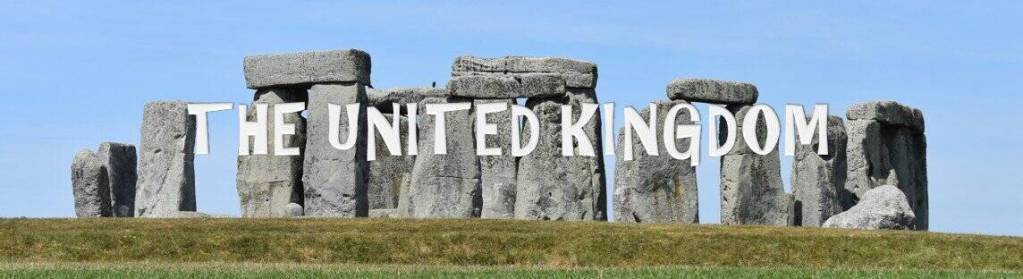
Please use this United Kingdom travel page as you plan your next adventure. To help you navigate the information I have included on this page, I have provided a quick navigation menu for you to use below. This will make it quick and easy for you to see which top destinations I recommend, which popular parks and cultural landmarks you should consider visiting, and links to all of the travel guides, itineraries, and packing articles I have written to help you plan your adventure.
I have also included some key information you will need when planning your travel to the United Kingdom. Information such as the languages spoken, the currency used, emergency contact numbers to be aware of, visa and passport considerations, recommended vaccinations, and important driving information if you plan on renting a car during your visit.


Top Things to See
Before you start planning your United Kingdom travel, check out my gallery of the top things to see in the country below for some inspiration. There is so much to see and do in the country, so you won’t want to miss out on the top sights!

Edinburgh Castle

Giant's Causeway

Roman Baths

Snowdonia National Park

Stonehenge

The Isle of Skye
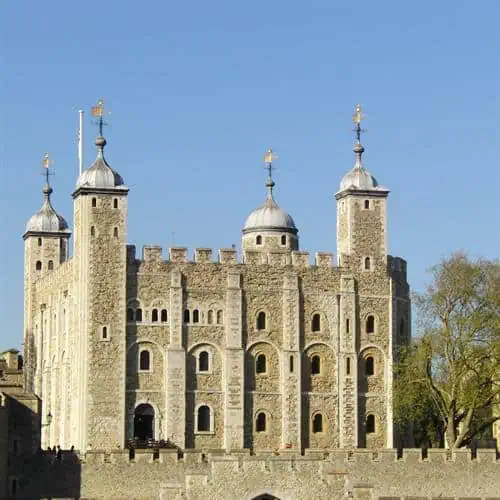
Tower of London

Westminster Abbey

York Minster
Popular Cities

Exploring the United Kingdom is an experience shaped by vibrant cities, centuries of history, and an incredible mix of culture, architecture, and local character. Whether you’re drawn to royal landmarks, coastal charm, or world‑class museums, each city offers something distinct and memorable.
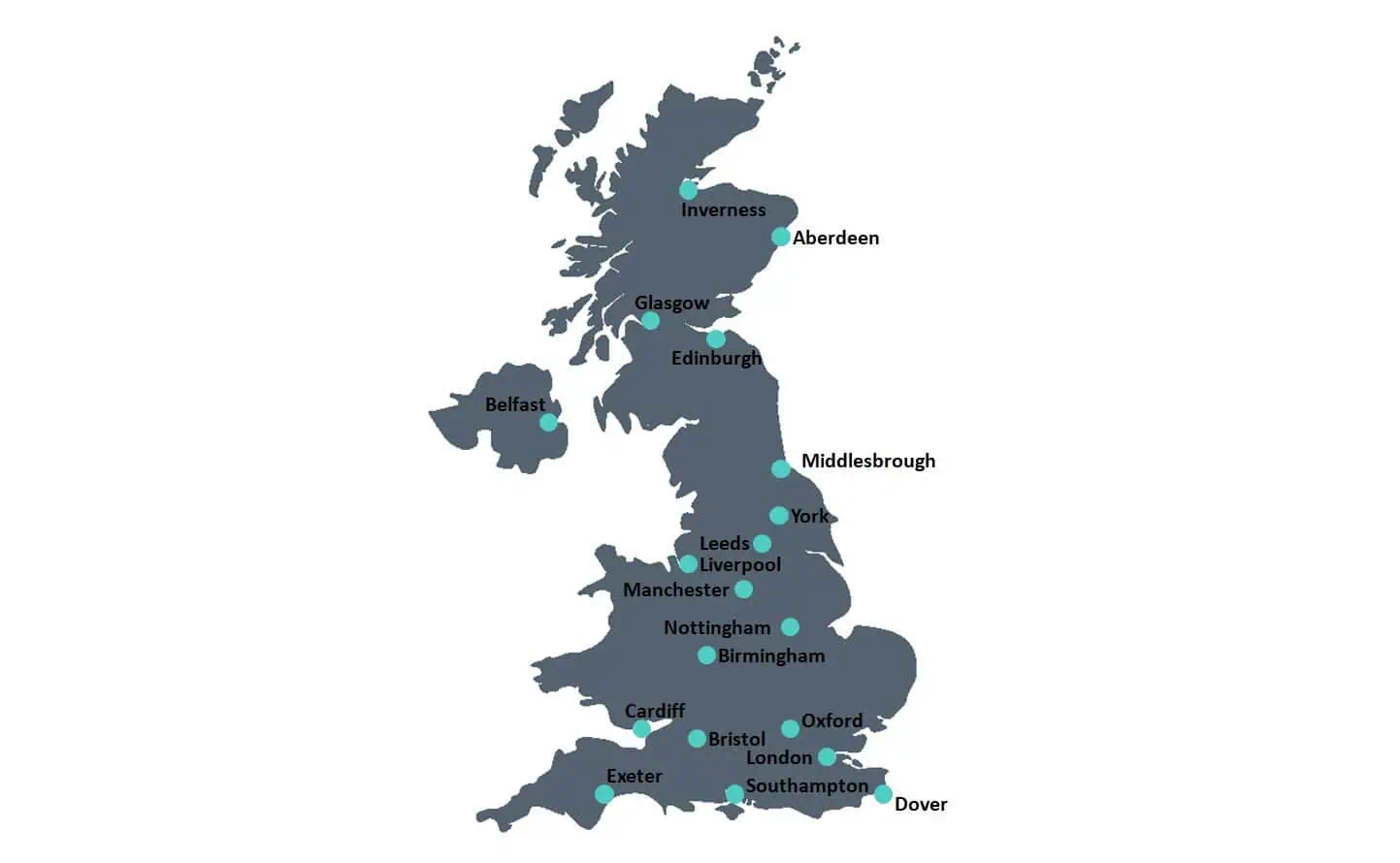
This map highlights the top cities worth adding to your itinerary, making it easy to visualize where each destination sits and how they connect. It’s a simple way to plan smarter, travel efficiently, and discover places you may not have considered.
Use it as your starting point for seamless United Kingdom travel, from iconic capitals to atmospheric smaller cities that reveal the country’s deeper stories. As you explore the map, you’ll get a clearer sense of how to shape a trip that matches your interests and travel style.
If you are looking for some additional destinations to see in your United Kingdom travel, make sure you check out my article on the Top 35 Things to See in the United Kingdom: Must-Visit Spots, linked below.

Languages Spoken
While English is the dominant language spoken across the United Kingdom, the country is home to a rich mix of regional, minority, and immigrant languages. English functions as the de facto official language, spoken by about 98% of the population either as a first or proficient second language.
Alongside English, the UK recognizes several indigenous languages—most notably Welsh, Scots, Scottish Gaelic, and Irish—each tied to specific regions and cultural identities. In addition, the UK’s diverse population contributes to a wide range of community languages, especially in major cities like London, where Polish, Punjabi, Urdu, Romanian, and Arabic are widely heard.
- English (98%) – English is the most widely spoken language in the UK and is used in government, education, media, and daily life. Although there is no law declaring it the official language, it functions as such across the country.
- Scots (2.23%) – Spoken mainly in Scotland, Scots is considered a Germanic language distinct from Scottish Gaelic. It includes several regional varieties.
- Scottish Gaelic (<1%) – Scottish Gaelic is spoken by a small but culturally significant population, primarily in the Highlands and Western Isles.
- Irish & Ulster Scots (<1%) – In Northern Ireland, Irish and Ulster Scots are spoken by small communities and hold recognized minority status.
Currency

The official currency of the United Kingdom is the Pound Sterling (£), often abbreviated as GBP. One pound is made up of 100 pence (p). Pound sterling is one of the world’s oldest continuously used currencies and remains widely used across England, Scotland, Wales, and Northern Ireland. Banknotes are issued primarily by the Bank of England, while coins are produced by the Royal Mint. In addition, several Scottish and Northern Irish banks issue their own banknotes, which are fully valid throughout the UK.
Common coin denominations include 1p, 2p, 5p, 10p, 20p, 50p, as well as £1 and £2 coins. These coins vary in size, shape, and color, making them easy to distinguish. UK banknotes come in denominations of £5, £10, £20, and £50, all of which are now printed in durable polymer material. Each note features a distinct color and design, along with advanced security features to prevent counterfeiting.
Unlike the Euro, the UK does not use multiple “series” of banknotes in the same way. However, older paper notes have been gradually withdrawn and replaced with modern polymer versions. The current polymer series includes £5, £10, £20, and £50 notes, all featuring updated imagery and enhanced security elements. Older paper notes are no longer considered legal tender, though they can still be exchanged at the Bank of England.
Power Adapters Required

One of the most overlooked aspects of international travel is ensuring you have the proper power adapters. You may or may not be aware that both the voltage and the type of outlet available differ widely from one region of the world to the next. If you aren’t prepared, you won’t be able to charge your electronic devices as you travel.Travel & Transportation
Even worse, you may damage or even destroy your electronic devices if you don’t have the right adapter with a voltage converter. Electricity supplies worldwide can vary from anything between 100V to 240V. It can be extremely dangerous to use an electrical appliance that is rated at a voltage different from the supply.
To ensure that this doesn’t happen to you, I have included some critical information on the electrical system in Italy for you to review below. This includes what types of international power adapters you should bring with you on your trip.
Electrical Voltage in the United Kingdom
In the United Kingdom, the voltage of the electrical supply is 230V. If you have an appliance that is single-voltage rated, the voltage rating of the device must be 230V for you to use it without a voltage converter. When shopping for a travel power adapter, it is important to confirm that the adapter you choose has a voltage converter included and isn’t just an adapter.
A power adapter will change the type of plug from one type to another so that you can plug into different outlets. However, a simple power adapter will not change the voltage of the supply to the voltage used by the devices you brought from home (120V in the United States). To do that, you will need a travel power adapter with a voltage converter.
Electrical Outlets in the United Kingdom
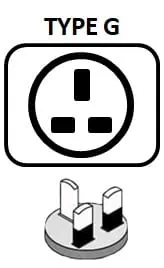
In the United Kingdom, the electrical plug type is Type G, with three rectangular pins arranged in a triangular pattern. Please see the illustration of the Type G plug below for a better understanding of what the plug looks like.
Emergency Contact
Travelers to the United Kingdom should be familiar with the country’s straightforward emergency system, which uses 999 as the primary number for police, fire, and ambulance services. You can also dial 112, the pan‑European emergency number, which works exactly the same way and connects you to the same operators. For situations that aren’t life‑threatening, the UK offers helpful non‑emergency lines, including 101 for police assistance and 111 for medical advice through the National Health Service.
- Police, Fire, Ambulance (Emergency): 999
- Pan‑European Emergency Number: 112
- Non‑Emergency Police: 101
- Non‑Emergency Medical Advice (NHS): 111
Visa, Passport, and Immunization Info
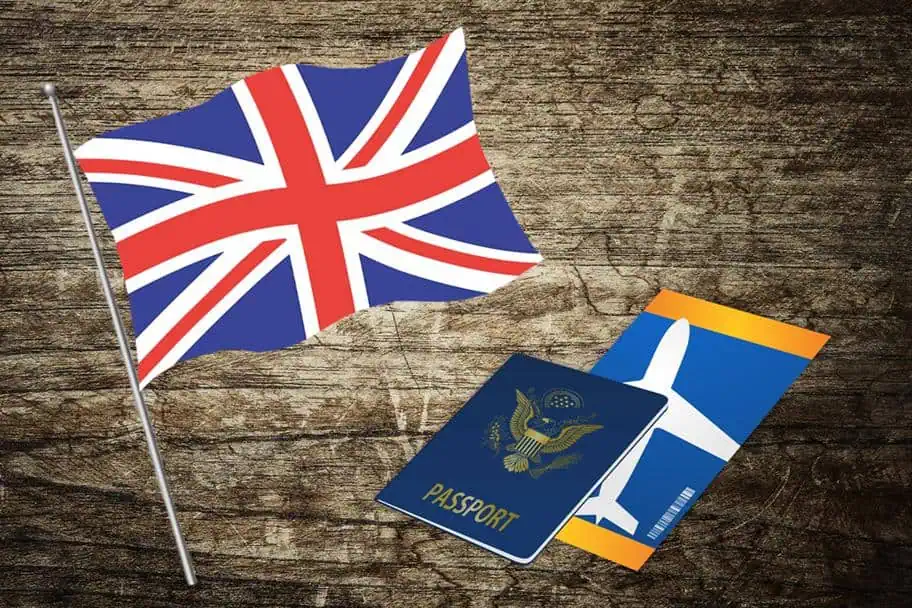
Before booking your United Kingdom travel, you will want to be sure that you meet all of the necessary passport, VISA, and immunization requirements so that you can ensure you will be allowed into the country. To assist you, I have listed the requirements you will need to consider below for you to review.
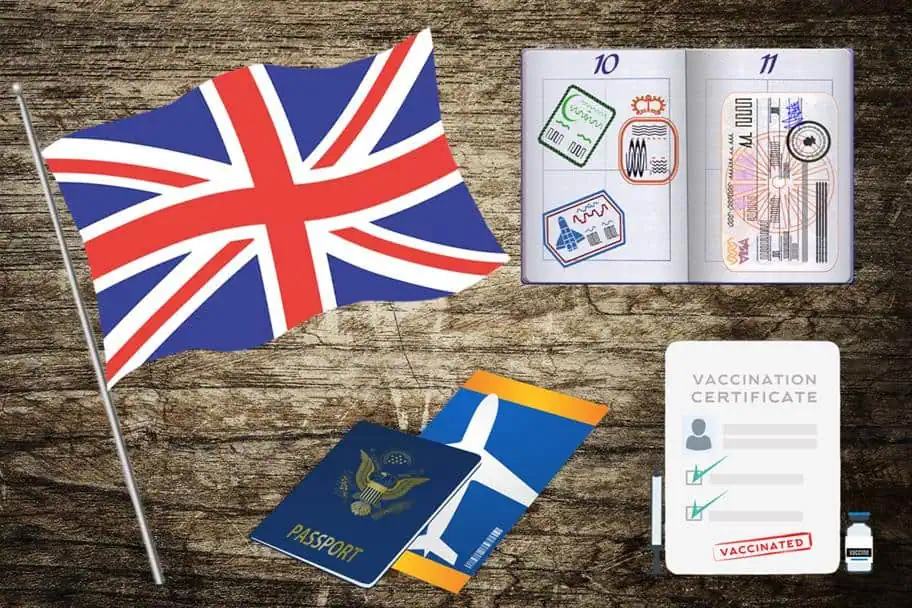
Passport Validity
To enter the United Kingdom, your passport must be valid for the entire duration of your stay. Unlike some countries that require a buffer of three or six months beyond your departure date, the UK does not impose such a post-visit validity rule. However, your passport must not expire before you leave the country, or you may be refused entry even if it was valid at the time of arrival
Travelers should also be aware of other important considerations:
- Damaged or heavily worn passports may be rejected at border control.
- Blank pages are not strictly required for UK entry, but they may be necessary for visa stamps if you’re transiting through other countries.
- Transit and airline rules may be stricter than UK border rules—some carriers require six months of validity regardless of destination
Before traveling, double-check your passport’s expiration date and inspect its condition. If it’s close to expiry or shows signs of damage, renewing it in advance is the safest option.
VISA Requirements
Travelers planning a trip to the United Kingdom will find that visa rules vary depending on their nationality, and this section explains how those differences fit into the broader United Kingdom entrance requirements. Some visitors qualify for a visa waiver and can enter the country for short stays without applying in advance, while others must secure a visa before arrival. Understanding which category you fall into is essential for planning a smooth and stress‑free trip.
Countries Eligible for Visa Exemption
Many travelers still benefit from the UK’s visa‑waiver policy, which allows short‑term entry without applying for a traditional visa. That system has evolved with the introduction of the Electronic Travel Authorisation (ETA) — a digital pre‑travel clearance now required for most visa‑exempt visitors. The ETA was rolled out in phases beginning in 2023 and became mandatory for nearly all non-Visa nationals by early 2026. British and Irish citizens remain exempt, but most other travelers who previously entered with only a passport must now secure an ETA before departure.
The ETA works much like the U.S. ESTA or the EU’s upcoming ETIAS. It screens travelers in advance and grants digital permission to board transportation to the UK. Once approved, it is typically valid for multiple trips over two years or until the traveler’s passport expires. Importantly, the ETA does not change the length of stay allowed under visa‑waiver rules—eligible visitors may still remain in the UK for up to six months for tourism or short visits.
The countries eligible for visa‑free entry are listed below, and citizens of these nations continue to enjoy the same six‑month stay limit. The ETA simply adds a required pre‑travel authorization step to ensure travelers meet security and immigration standards before arrival.
 |
Andorra |  |
Hong Kong |  |
Papua New Guinea |
 |
Antigua & Barbuda |  |
Hungary |  |
Paraguay |
 |
Argentina |  |
Iceland |  |
Peru |
 |
Australia |  |
Ireland |  |
Philippines |
 |
Austria |  |
Israel |  |
Poland |
 |
Bahamas |  |
Italy |  |
Portugal |
 |
Bahrain |  |
Jamaica |  |
Qatar |
 |
Barbados |  |
Japan |  |
Romania |
 |
Belgium |  |
Kiribati |  |
Saint Lucia |
 |
Belize |  |
Kuwait |  |
Samoa |
 |
Botswana |  |
Latvia |  |
San Marino |
 |
Brazil |  |
Liechtenstein |  |
Saudi Arabia |
 |
Brunei |  |
Lithuania |  |
Serbia |
 |
Bulgaria |  |
Luxembourg |  |
Seychelles |
 |
Canada |  |
Macau |  |
Singapore |
 |
Chile |  |
Malaysia |  |
Slovakia |
 |
Colombia |  |
Maldives |  |
Slovenia |
 |
Costa Rica |  |
Malta |  |
Solomon Islands |
 |
Croatia |  |
Marshall Islands |  |
South Korea |
 |
Cyprus |  |
Mauritius |  |
Spain |
 |
Czechia |  |
Mexico |  |
St Vincent & Grenadines |
 |
Denmark |  |
Micronesia |  |
St. Kitts & Nevis |
 |
Dominica |  |
Monaco |  |
Sweden |
 |
Dominican Republic |  |
Montenegro |  |
Switzerland |
 |
El Salvador |  |
Namibia |  |
Taiwan |
 |
Estonia |  |
Nauru |  |
The Vatican |
 |
Fiji |  |
Netherlands |  |
Timor-Leste |
 |
Finland |  |
New Zealand |  |
Tonga |
 |
France |  |
Nicaragua |  |
Trinidad & Tobago |
 |
Germany |  |
North Macedonia |  |
Tuvalu |
 |
Greece |  |
Norway |  |
U.A.E. |
 |
Grenada |  |
Oman |  |
U.S.A. |
 |
Guatemala |  |
Palau |  |
Uruguay |
 |
Guyana |  |
Panama |  |
Vanuatu |
 |
Honduras |
Non-VISA-Exempt Travelers
Travelers who do not qualify for a visa waiver must obtain a visa before entering the UK. Applying for a UK visa typically involves completing an online application, paying the required fee, submitting biometric information, and attending an appointment at a visa application center. To begin the visa application process, travelers can start their application through the official UK government visa website.
Immunization Recommendations
Important Note: I am not a medical doctor and don’t have medical experience. The information in the United States for travel to the United Kingdom. I am providing you with this information to help bring awareness of the necessary vaccinations to you. Still, consultation with my guide should not replace a discussion about your travels with your doctor or a
travel medical clinic.
Currently, there are no vaccine requirements for entry into the United Kingdom, and there are no current health notices for the country. However, you will want to check the Centers for Disease Control website for the UK before your travel to ensure there aren’t any new notices. To assist you with the rest of your vaccination planning, I have included some general vaccination and travel vaccination recommendations for you to review below.
Recommended Travel Vaccinations for the United Kingdom
The following routine vaccinations are recommended for anyone who will be traveling:
| Vaccine | How Disease Spreads | Details |
|---|---|---|
| Hepatitis A | Food and Water. | Recommended for most travelers. |
| Hepatitis B | Blood and Body Fluids. | Recommended for unvaccinated travelers younger than 60 years old. Unvaccinated travelers 60 years and older may get vaccinated before traveling. An accelerated schedule is available. |
| Measles | Contact with Infected Individuals. | Cases of measles are on the rise worldwide. Travelers are at risk of measles if they have not been fully vaccinated at least two weeks prior to departure, or have not had measles in the past, and travel internationally to areas where measles is spreading. All international travelers should be fully vaccinated against measles with the measles-mumps-rubella (MMR) vaccine, including an early dose for infants 6–11 months, according to CDC’s measles vaccination recommendations for international travel. |
| Tick-borne Encephalitis | Bite from an infected tick. | For travelers moving or traveling to TBE-endemic areas. The TBE vaccine is recommended for persons who will have extensive exposure to ticks based on their planned outdoor activities and itinerary. |
Routine Vaccinations for the United Kingdom
In addition to the routine vaccinations above, the following are additional vaccinations you may want to consider for the United Kingdom:
| Vaccine | How Disease Spreads | Advice |
|---|---|---|
| Measles, Mumps, Rubella (MMR) | Various Vectors. | Given to anyone unvaccinated and/or born after 1957. One time adult booster recommended. |
| TDAP (Tetanus, Diphtheria & Pertussis) | Through open wounds & airborne transmission. | Only one adult booster of pertussis required. |
| Chickenpox | Direct contact with infected individuals & airborne transmission. | Given to those unvaccinated that did not have chickenpox. |
| Shingles | Direct contact with infected individuals. | Vaccine can still be given if you have had shingles. |
| Pneumonia | Airborne transmission. | Two vaccines given separately. All 65+ or immunocompromised should receive both. |
| Influenza | Airborne transmission. | Vaccine components change annually. |
| Meningitis | Direct contact with infected individuals & airborne transmission. | Given to anyone unvaccinated or at an increased risk, especially students. |
| Polio | Spread by contact with infected persons. | In addition to the childhood vaccine, there is a one-time booster shot that is available for adults who are traveling to high-risk areas. |
Non-Vaccine Preventable Diseases
In addition to the recommended vaccinations, other health precautions should be taken when visiting the United Kingdom to avoid getting sick. While these health precautions aren’t on the list of the United Kingdom entrance requirements, they are important measures that you can take to make sure you don’t get ill while traveling.
Avoid Contaminated Water
When traveling, one of the easiest ways to get sick is to come into contact with contaminated water. There are illnesses found in the United Kingdom that can be spread by either drinking or swimming in contaminated water. Before you depart for your trip, you will want to be aware of the illnesses below. To avoid getting sick, make sure you stick to drinking bottled water and avoid swimming in stagnant pools.
| Vaccine | How Disease Spreads | Advice |
|---|---|---|
| Leptospirosis | Touching fluids of infected animal or drinking or swimming in contaminated water. | Avoid contaminated water and soil. |
Be Aware of Airborne and Droplet Illnesses
Out of all the ways that illnesses can be spread, airborne diseases are the hardest to protect yourself against. After all, you don’t have to physically touch or be touched by an infected person or animal, and there isn’t a repellent that you can spray on to avoid catching these illnesses.
This is why it is always important to be observant of those with whom you interact while traveling and make sure you don’t expose yourself to potentially harmful airborne illnesses. According to the CDC, the particular airborne illnesses that you should be aware of while traveling to the United Kingdom are as follows:
| Vaccine | How Disease Spreads | Advice |
|---|---|---|
| Hantavirus | From breathing in air or accidentally eating food contaminated with the urine, droppings, or saliva of infected rodents Bite from an infected rodent or being bitten by a rodent. | Avoid rodents and areas where they live and avoid sick people. |
| Tuberculosis (TB) | Breathe in TB bacteria that is in the air from an infected and contagious person coughing, speaking, or singing. | Avoid sick people. |
Customs and Currency Restrictions
In addition to the other entry requirements for the United Kingdom, you also need to make sure you understand and comply with the country’s customs and currency restrictions. For your convenience, I have highlighted these restrictions for your review below. More in-depth information on the customs restrictions can be found on the VisaHQ website for UK Travel.
FREE IMPORT FROM WITHIN THE EU
According to the VISAHQ.com website, the following items are considered free-import items when entering the United Kingdom from a country inside the European Union, but with limits (as described below).
- 800 cigarettes, 400 cigarillos (max. 3g each), 200 cigars, or 1kg smoking tobacco.
- 10 litres of spirits over 22%, 20 litres of alcoholic beverages less than 22%, 90 litres of wine (though no more than 60 litres of sparkling wine), or 110 litres of beer.
FREE IMPORT FROM OUTSIDE THE EU
According to the VISAHQ.com website, the following items are considered free-import items when entering the United Kingdom from a country inside the European Union, but with limits (as described below).
- Travelers aged 17+ may bring up to 1 litre of spirits over 22% (or 80%+ ethyl alcohol), 2 litres of alcohol under 22%, 4 litres of still wine, and 16 litres of beer, with the first two alcohol categories allowed to be combined up to a total of 100%.
- Frontier‑zone residents, frontier workers, and transport crews may bring up to 0.5 litres of spirits over 22% (or 80%+ ethyl alcohol), 0.5 litres of alcohol under 22%, 0.5 litres of still wine, and 2 litres of beer, with the first two categories also combinable up to 100%.
- When traveling by air or sea, travelers aged 17+ may bring 200 cigarettes, 100 cigarillos, 50 cigars, or 250 g of smoking tobacco, with any one of these amounts counting as 100% of the tobacco allowance.
- When traveling by land, travelers aged 17+ may bring 40 cigarettes, 20 cigarillos, 10 cigars, or 50 g of smoking tobacco, with any one of these amounts also counting as 100% of the allowance.
- Travelers may bring medication for personal use and personal, non‑commercial items up to the following value limits: €430 when traveling by air or sea, €300 when traveling by land, and €150 for travelers under 15. Non‑commercial items must be occasional, for personal or family use, or intended as gifts, and their nature or quantity must not suggest commercial import.
IMPORTANT NOTES: The legal drinking age in the United Kingdom is 18, which is the minimum age to buy alcohol or be served alcohol in pubs, shops, and restaurants. People aged 16 or 17 may drink beer, wine, or cider with a meal if accompanied by an adult, but they cannot purchase it themselves. The legal smoking age—for buying cigarettes or any tobacco products—is also 18 across the UK. This applies to cigarettes, rolling tobacco, cigars, and vapes.
PROHIBITED ITEMS
Before you are allowed into the United Kingdom, you will also need to clear customs to be sure you aren’t carrying any prohibited items with you. For instance, travelers are strictly prohibited from bringing the following items into the UK:
- Travelers may not bring meat, milk, or products containing them from non‑EU countries, except for limited amounts from Andorra, Croatia, the Faeroe Islands, Greenland, and Iceland, plus small permitted quantities of specific products from certain other countries.
- Travelers may not bring protected species or products made from them, including items covered by CITES such as ivory, tortoise shell, coral, reptile skins, and wood from Amazonian forests.
CONTROLLED ITEMS
In addition to these prohibited items, the government of the United Kingdom has placed limits on other items that can be brought into the country. If you plan to travel with any of the following items when visiting the UK, you will want to plan accordingly so that you do not violate the United Kingdom entrance requirements:
- Pets must be identifiable (tattoo or microchip), vaccinated against rabies, and accompanied by a health certificate; travelers should consult their nearest embassy for full details.
- Travelers may bring up to 10 kg of meat, milk, and dairy products from Croatia, the Faeroe Islands, Greenland, and Iceland.
- Powdered infant milk, baby food, and special medical foods (including pet food) are allowed if shelf‑stable, brand‑packaged, sealed, and within quantity limits: up to 10 kg if from Croatia, the Faeroe Islands, Greenland, or Iceland, and up to 2 kg if from other countries.
- Fish is allowed only if disembowelled and not exceeding 20 kg.
- Currency has no restrictions when arriving from an EU country; when entering or leaving the EU, amounts over €10,000 (or equivalent) must be declared.
- Coats, furs, and leather shoes made from protected species require special authorization.
Currency Restrictions
The final aspect of the United Kingdom’s entrance requirements that travelers should be aware of is the amount of currency they bring into or out of the country. Unlike some destinations with strict limits, the UK does not cap how much money you may carry. However, authorities closely monitor large cash movements, and travelers must follow the UK’s declaration rules to avoid delays or penalties.
According to official UK guidance, anyone entering or leaving Great Britain with £10,000 or more in cash (or the equivalent in another currency) must declare it to UK customs. This requirement applies whether the money is carried by one person or split among members of a group. For travel involving Northern Ireland, the threshold is €10,000 or more, and declarations are required when moving cash between Northern Ireland and non‑EU countries, as well as when arriving from Great Britain.
Key Phrases
As part of your United Kingdom travel preparation, it helps to familiarise yourself with everyday British expressions so you can follow conversations, respond naturally, and navigate interactions with locals more easily. While English is spoken throughout the UK, visitors will quickly notice that British English includes unique phrases, slang, and polite expressions that differ from American English. Understanding these will make your trip smoother—and a lot more fun.
Below are some common phrases and expressions you may hear while visiting the United Kingdom, organised by topic.
Greetings and Salutations
- You alright? – A casual greeting meaning “Hello” or “How are you?” (not a question about your well-being).
- Cheers! – Used for “thank you,” “goodbye,” or when toasting.
- Fancy a cuppa? – Would you like a cup of tea?
- Ta – Informal way to say “thanks.”
- Lovely to meet you – Nice to meet you.
Common Courtesies
- Sorry – Used frequently for politeness, even when you’re not at fault.
- Mind the gap – Watch your step (famously used on the London Underground).
- Could you give me a hand? – Can you help me?
- Do you have change? – Asking for smaller denominations of money.
- That’s brilliant – That’s great or excellent.
Getting Around
- Where’s the nearest tube station? – Tube = London’s subway system.
- Is this the right queue? – Queue = line.
- I’m just popping out – I’m stepping out briefly.
- Take the lift – Elevator.
- Mind the step – Watch your step.
- Is this the right platform? – For trains or the Underground.
Ordering Food & Drinks
- Can I have a takeaway? – Food to go.
- Still or sparkling? – Flat or carbonated water.
- I’ll have a pint, please – Ordering beer (a standard UK measure).
- Is service included? – Asking if the tip is already added.
- That was lovely – A polite way to compliment a meal.
Shopping
- How much is that, then? – Casual way to ask the price.
- Do you have this in my size? – Asking for clothing sizes.
- I’m just having a look – Browsing, not ready to buy.
- Could I get a receipt, please? – Asking for proof of purchase.
- Is this on offer? – Asking if something is on sale.
Common Scottish Expressions
- Aye – Yes.
- Nae bother – No problem / You’re welcome.
- Wee – Small or little (used constantly).
- Bonnie – Beautiful or lovely.
- Dinnae worry – Don’t worry.
- Yer a star – Thank you, you’re amazing.
- How’s it gaun? – How’s it going?
- I’m knackered – I’m very tired.
- That’s pure dead brilliant – That’s really great.
- Cheers, pal – Thanks, friend.
Common London Phrases
- You alright? – A greeting meaning “Hello,” not a question about your well-being.
- Mind the gap – Watch the space between the train and platform (famous Tube phrase).
- I’m knackered – I’m exhausted.
- It’s heaving – It’s very crowded.
- I’m just popping to the shop – I’m stepping out briefly.
- That’s peng – That’s really good or attractive (modern slang).
- Sorted – Taken care of / all set.
- Give us a bell – Call me.
- Fancy a cuppa? – Want a cup of tea?
- I’m skint – I don’t have any money right now.
Driving Info
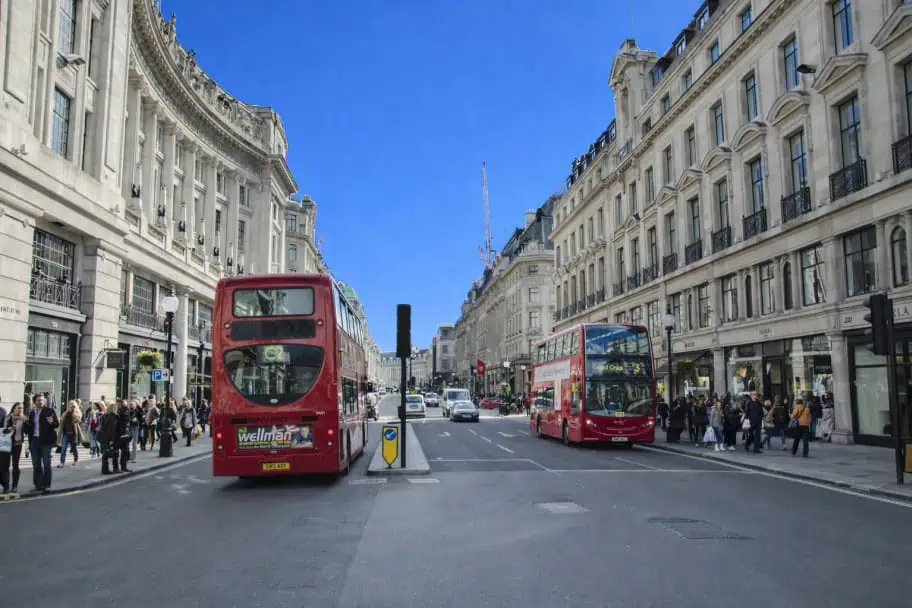
Driving in the United Kingdom offers flexibility and access to remote destinations, but requires preparation. Tourists can drive for up to 12 months using a valid foreign license, and an International Driving Permit (IDP) is recommended for non-EU visitors. Driving is on the left side, and roundabouts are common.
If you are planning a trip to the United Kingdom and are considering hiring a car and driving while you are there, here is some important information that will help you plan for driving in the UK.
Travel and Transportation in the UK
Public transportation in the UK is extensive and reliable, especially in major cities like London, Manchester, and Edinburgh. However, renting a car is ideal for exploring rural areas, national parks, and coastal towns where trains and buses may not reach.
License Requirements
- Minimum Age to Drive: 17 years (but most rental companies require drivers to be 21 or older).
- EU/EFTA Citizens: Can use their local license without restrictions.
- Non-EU Visitors (e.g., US citizens):
- Can drive for up to 12 months using a valid foreign license.
- Recommended: Carry an International Driving Permit (IDP) if your license is not in English.
- IMPORTANT: Always carry your original license alongside the IDP.
Car Rental Requirements
- Minimum Age to Rent: Typically 21–25 years, depending on the company.
- Documents Needed:
- Valid driver’s license (and IDP if applicable).
- Passport.
- Credit card in the driver’s name.
- Insurance:
- Basic coverage is included, but consider Collision Damage Waiver (CDW) and Theft Protection.
- Check if your travel insurance or credit card offers rental car coverage.
Driving Tips
- Drive on the Left: UK vehicles are right-hand drive.
- Roundabouts: Common across the UK. Yield to traffic from the right.
- Seatbelts: Mandatory for all passengers.
- Child Seats:
- Required for children under 12 years or 135cm.
- Must be appropriate for the child’s weight and height.
- Required Items in Vehicle:
- Warning triangle.
- Reflective vest (recommended but not mandatory).
- City Driving:
- London and other major cities have Congestion Charges and Low Emission Zones.
- Parking can be difficult and expensive—use park-and-ride options when possible.
Traffic Signs and Road Types
- White Signs: Local roads.
- Blue Signs: Motorways.
- Green Signs: Primary routes.
- Brown Signs: Tourist attractions.
Traffic Laws and Speed Limits
- No Right Turn on Red: Unlike the US, this is not allowed.
- Typical Speed Limits in England, Scotland, Northern Ireland:
- Motorways: 70 mph (112 km/h)
- Dual Carriageways: 70 mph (112 km/h)
- Single Carriageways: 60 mph (96 km/h)
- Built-up Areas: 30 mph (48 km/h)
- Residential Zones: 20 mph (32 km/h)
- Typical Speed Limits in Wales:
- Motorways: 70 mph (112 km/h)
- Dual Carriageways: 70 mph (112 km/h)
- Single Carriageways: 60 mph (96 km/h)
- Built-up Areas: 20 mph (32 km/h)
- Residential Zones: 20 mph (32 km/h)
- Speed Cameras: Widely used. Signs may say “Average Speed Check”.
- Headlights: Use in poor visibility or at night.
Additional Information
- Fuel: Petrol stations are common, but rural areas may have limited access.
- Manual vs Automatic: Most UK cars are manual. Request automatic if needed.
Relative Guides, Itineraries, and Articles
To assist you as you start to put together your travel plans for the United Kingdom, I have provided a comprehensive list of all of my travel guides, travel itineraries, and travel inspiration articles for the UK for you to review below.






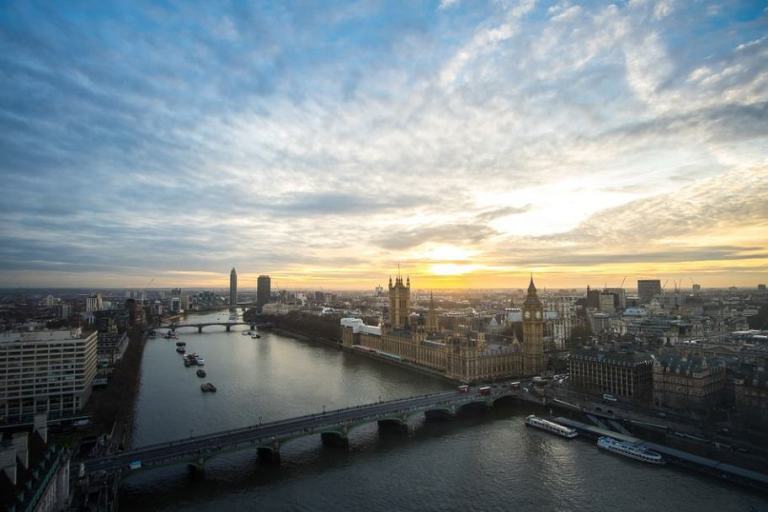


Packing and Planning Tips
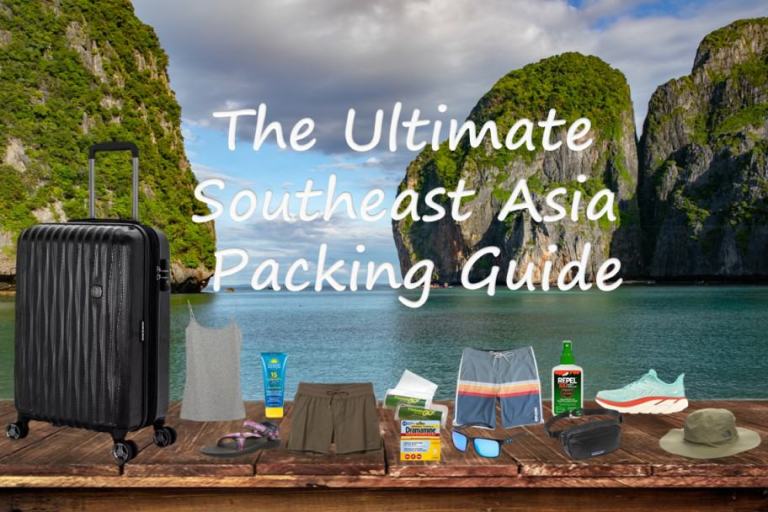
Once you start putting together your United Kingdom travel plans, you may want to reference some of my handy travel packing and planning guides that I have put together. To make it easy to find and access these guides, I have included them for your reference below.








Popular Tours
Exploring the United Kingdom through guided tours is one of the easiest ways to experience its history, landscapes, and cultural highlights. Whether you’re taking in London’s iconic sights, standing before the ancient stones of Stonehenge, or riding through the Scottish Highlands, tours help you see more with less planning and stress.
Across the UK, you’ll find tours for every interest. Classic city tours in London, Edinburgh, and Belfast bring local stories to life, while day trips to places like Bath, the Cotswolds, the Giant’s Causeway, and the Lake District offer quick escapes into the countryside.
Fans of film, music, and literature can dive into themed experiences—from Harry Potter filming locations to Beatles history in Liverpool. Outdoor lovers can join guided hikes, coastal walks, or scenic rail journeys that showcase the UK’s natural beauty. Multi‑day tours are also popular for travellers who want a curated route through the region’s top destinations.
Below, I’ve included a list of highly recommended tours to help you choose the best experiences for your trip.
Don’t Forget to Subscribe to My Adventures!

Let Me Help You Save On Your Next Adventure!
‘Start Exploring Today’ Merchandise Available Now!
 |
 |
 |
 |
 |
 |
 |

You must be logged in to post a comment.