Embarking on a multi-day road trip is something everyone should do at least once. It’s fun, liberating, and memorable, especially with good friends and family in tow.
That said, going on a multi-day road trip may entail driving past unfamiliar places, leaving you vulnerable to safety risks and unknown local laws, wildlife behavior, and road infrastructure.
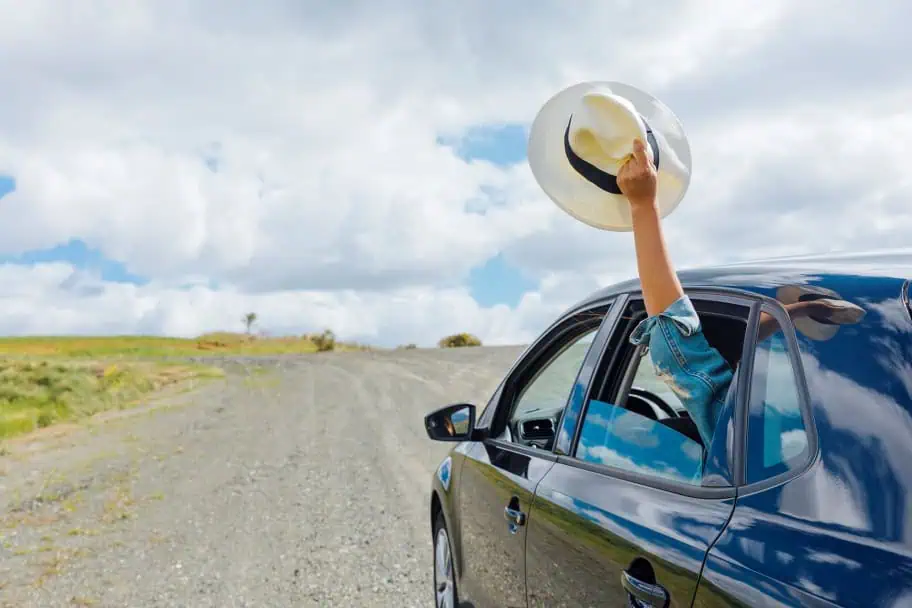
A road trip also entails—drumroll please—long hours of driving. Boredom and fatigue settling in on sleepy drivers are not unheard of, and this can increase the risk of drivers losing focus and being involved in a crash.
Combining all these factors, it’s clear to see that many things can go wrong during a road trip, especially if you’re doing one that spans hundreds of kilometers.
This begs the question: are there ways you can minimize the risks associated with going on a road trip? The answer is yes, absolutely.
Here are some tips to help you navigate a multi-day road trip as safely as possible.
| READ MORE: |
 |
| Pacific Northwest Road Trip |
1. Check Your Vehicle Before The Trip
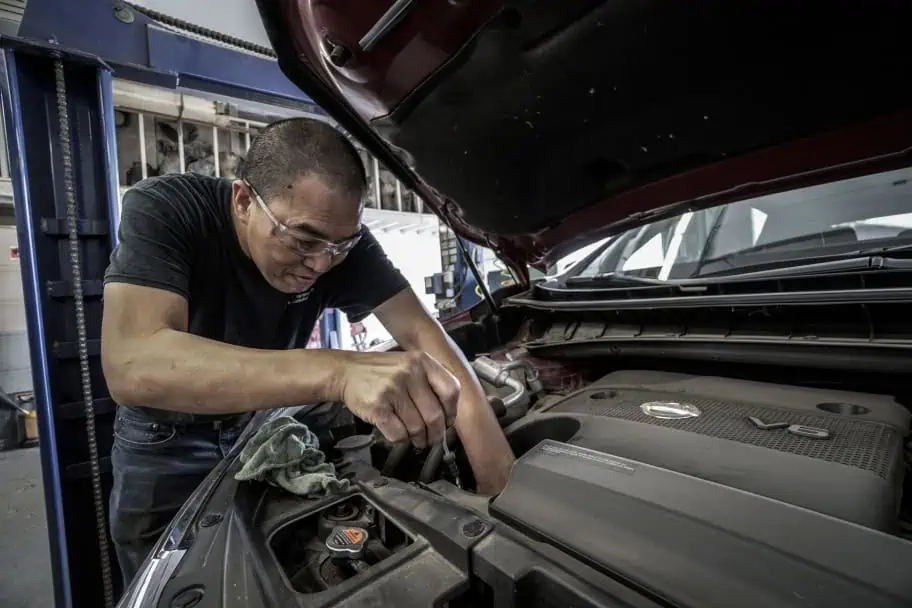
If safety is your priority, then consider setting aside some time to look over your car’s parts and features to see if they’re working properly.
You don’t have to be a car repair specialist to perform a thorough vehicle check—you just need to be committed to the task. Begin by getting a complete visual of your car. Once done, verify if the windshield wipers, windows, lights, and turn signals are all functional.
Then, if you’re driving a gas-powered car, look at your car’s various fluid levels. This includes the engine oil, coolant, and brake fluid. Running low on these fluids mid-trip can be a big pain to handle, so it’s best to ensure that they’re working.
As for electric and hybrid vehicles, make sure that the battery is still responsive and has enough range to tackle long distances on your multi-day road trip. If anything is amiss, get your car fixed and back to standard with repair personnel.
If the road trip is due soon, consider hiring a car in the meantime.
2. Plan Your Route Beforehand

Another important task you should accomplish before setting out to drive is to plan your route. Doing your research beforehand helps you learn about variables that may affect your trip. This gives you enough time to react to them accordingly.
For instance, some local towns may be observing a public holiday, which can cause shops and restaurants that you’re eyeing to close early. Weekend markets can also cause traffic congestion—leading to unavoidable delays.
Knowing about this before the trip can set your expectations and enable you to make alternative arrangements, like packing extra food or adjusting your schedule.
Furthermore, route planning also helps you know which roads are traversable and which ones aren’t.
While a GPS tracker may show one road being a faster choice, that “better-looking” road could be unpaved, prone to bad weather, under construction, or just generally unsafe.
If you’re driving an EV or hybrid vehicle, it’s all the more essential for you to plan out your route to ensure that you have access to a charging station along your way. Apps like PlugShare can help you in finding potential stopovers with EV charging ports.
Given the unpredictable nature of traveling, it’s important to be proactive when planning your road trip. This helps you save time, keep you safe, and make the most out of your journey.
3. Pack Essentials
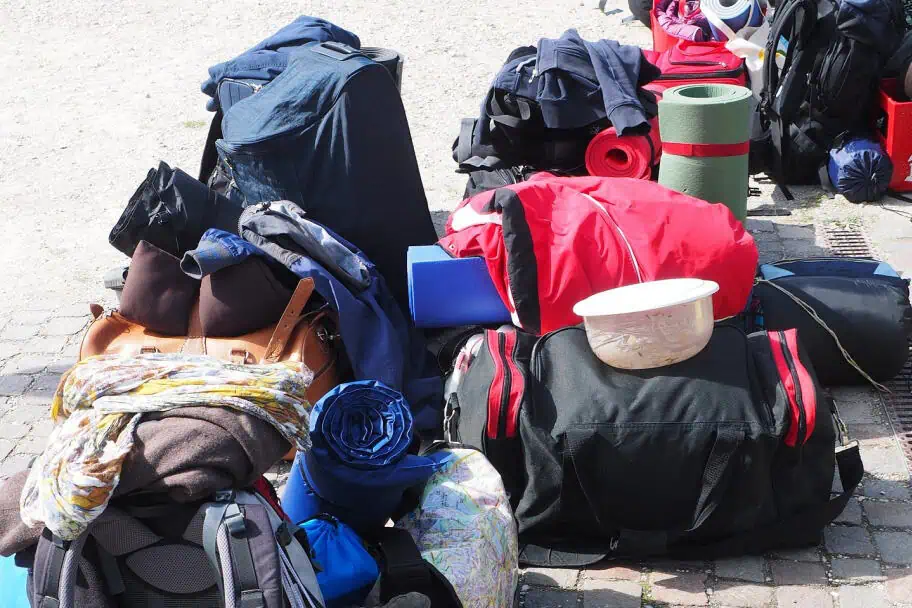
What you put in your pack can make all the difference in the enjoyment and safety of your road trip. If you pack too little of what you need, like medications or water, you could end up spending long hours on the road worrying about where to get these items.
Making these detours can be time-consuming, so it’s important to plan ahead and fill your pack with all the necessary items you need to make your road trip a success.
For starters, here are some must-have items you should bring with you on your multi-day road trip:
- Spare tire and jumper cables
- Toolkit
- First aid kit
- Food and snacks
- Water and beverages
- Sleeping aids
- Hygiene products
- Mobile phone charger and power bank
- Sun protection
- Clothing
- Whistle
- Satellite phone
- Gas canister with extra fuel
- Maps and GPS devices
By having these items, you’re minimizing the risk of encountering problems during the road trip. This can make for a smoother and more enjoyable experience, regardless if you’re traveling for four days or four weeks.
4. Take Rests or Take Turns Driving

Driving for extended periods can take a toll on your mind and body. This is especially true if you’re driving on motorways hundreds of kilometers long.
Drowsy driving is a key contributor to road trauma. A U.S. study reported that 55% of drivers have driven drowsily in 2023. This phenomenon occurs when a person is unable to stay awake when they’re behind the wheel, causing them to lose focus on their ability to drive momentarily.
To reduce the risk of fatigue affecting you on the road, it’s key to keep your body well-rested at all times. Get at least 7 hours of uninterrupted sleep at night, whether it’s in a hotel or a tent.
Take regular breaks when you’re on the road as well—a 15-minute break after two hours of continuous driving is a good start.
If you’re short on time and have capable passengers, allow them to take the wheel from time to time too. This way, you can get some rest and stock up on energy while still making progress along your multi-day road trip.
5. Follow Local Road Rules

If you’re driving overseas or in a new State, do your research on the local road rules, signs, and regulations of your destinations. This helps keep you a safe driver, which can translate to a smoother driving experience for you and your passengers.
For instance, some places in Australia prohibit people from free camping or sleeping in their cars, whereas other territories may allow people to do these things.
If you’re driving internationally, it’s also important to be familiar with common road signs and behaviors beforehand, such as how you should turn on a roundabout. All the universal road laws, such as maintaining a certain speed limit and wearing a seat belt at all times, should be observed too.
By following the road rules, you’re keeping the road a safer place for you, your passengers, and every other road user out there.
6. Be Aware of Natural Conditions

Many rural places in Australia have an abundance of wildlife that resides not too far away from major roads. While they tend to hide during the day, they prowl and scurry about during dawn and dusk.
These animals are, quite frankly, not car-shy. They can stop right in front of your speeding car, causing an increase in crash risk.
As such, if you’re driving in rural territory at dawn or dusk time, make it a habit to drive slowly and more observantly. Kangaroos, wombats, and other local fauna tend to congregate in packs, so if you spot one, drive slowly for a few minutes until you’re sure you’re out of sight from them.
Besides the wildlife, also know the weather and climate conditions of the places you’re going to. If you’re traveling during winter, for instance, you’ll have to be careful about dry ice blanketing the road.
In case you do end up in an accident, having a car insurance policy like ROLLiN’ Insurance’s policy can be an excellent way of protecting your finances.
7. Stay Connected to the GPS
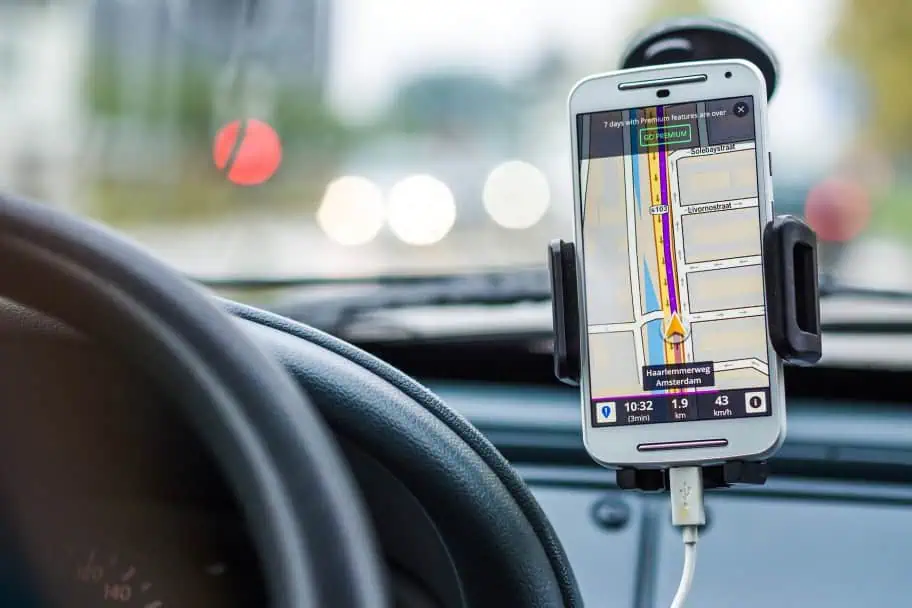
The farther away you are from cities, the less likely it is for you to access mobile data coverage. In such cases, it can be really easy to get lost, especially during the night.
To keep you safe, it’s a good idea to have GPS connectivity in your car. Many car hire companies offer this as an add-on. You can also consider equipping your own vehicle with one.
Alternatively, you can download offline maps (or keep physical maps) of your intended destinations. This way, you’ll at least have some idea of where you’re going, which can make the multi-day road trip feel less overwhelming to take on.
Happy traveling!
About the Author

Sarah Keller
Sarah is a travel writer who is money conscious, bringing her readers the best deals and tips for trips. In her spare time, she enjoys walking with her two border collies and reading trashy romance novels.



















Leave a Reply