This Amazon Rainforest photography guide references products on my Amazon Store site. I may receive a commission when you purchase these products from my store, though at no additional cost to you. I hand-pick and recommend only products I am familiar with or comfortable recommending.
The Amazon Rainforest is one of the world’s most unique and beautiful ecosystems. Spanning nine different countries in South America, it is the largest rainforest on the planet. With a wealth of incredible landscapes and wildlife to photograph, it is a destination that excites travel photographers. The vibrant colors, exotic flora, and iconic wildlife of the rainforest are all legendary aspects of this unparalleled natural treasure.

However, photographing the Amazon does not come without its challenges. The remoteness of the rainforest, its unpredictable weather, and the fleeting views you often get of its elusive wildlife can all present photography challenges. In this Amazon Rainforest photography guide, I will explain how to overcome those challenges with helpful photography tips and recommendations on which photography equipment to bring on your Amazon adventure.

Navigation Menu


Amazon Rainforest Photography Tips
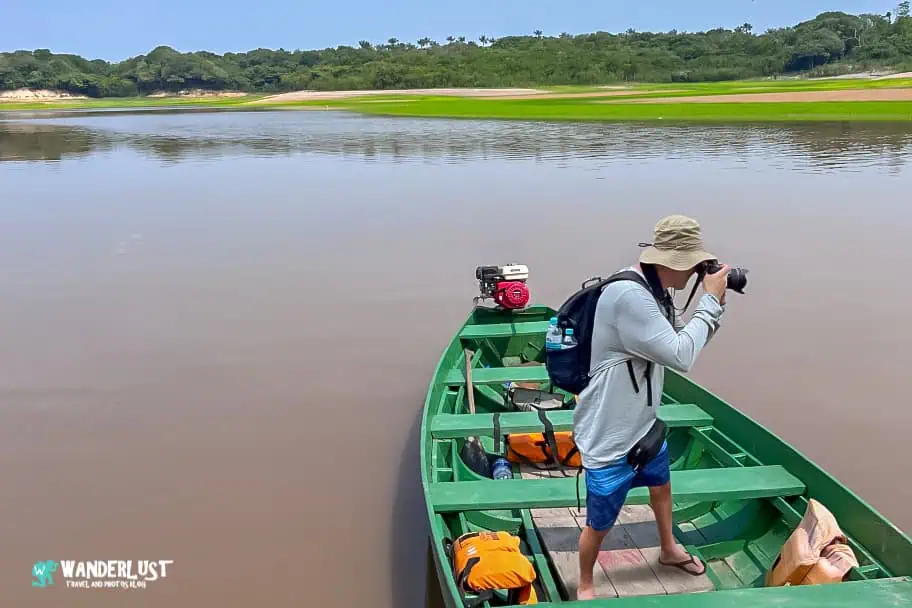
Capturing the beauty of the Amazon Rainforest requires a blend of technical skills and an understanding of this unique environment. For instance, the dense canopy in the forest and intense sunlight on the river can create difficult lighting conditions. In addition, the elusive wildlife and unpredictable weather can make photography in the Amazon a challenge.
Although sometimes difficult, capturing incredible photographs in the Amazon isn’t impossible. The photography tips I have included in this section of my Amazon Rainforest photography guide will help you compose compelling pictures and deal with some of the unique challenges you will face. With these tips, you will undoubtedly be prepared to capture the rainforest’s beauty in any condition.
Take Advantage of the Golden Hours

One of the easiest ways to make the pictures you take in the Amazon Rainforest more compelling is to take advantage of the Golden Hours. These magical moments just after sunrise and just before sunset give you a soft and warm light that makes photographs glow. To make the most of these fleeting times, you need to plan where you will be and understand the sun’s position at that time of year. One great tool you can use to help with your planning is the Photographer’s Ephemeris website or phone app.

In addition to planning the timing for your photos, the golden hours are also a great time to be creative with the composition of your photos. Look for opportunities to incorporate water reflections, as rivers and streams can mirror the stunning hues of the sky, adding depth to your images. Wildlife is also more active during these times, so keep your camera ready to capture the dynamic movements of birds, monkeys, and other creatures. These are just some of the many reasons why the golden hours can enhance your Amazon photos.
| READ MORE: |
 |
| Enhance Sunset Photos in Eight Easy Steps |
Use the Rule of Thirds

A great tip that I can give you for making your Amazon Rainforest picture compositions more compelling is to use the Rule of Thirds. This compositional guideline suggests dividing your frame into thirds, either vertically or horizontally. By positioning key elements of your photograph along these lines or at their intersections, you can create a more balanced and engaging image.
For instance, in the photo that I took of an Amazon River Dolphin above, I placed the eye of the dolphin in the center of the left third of the frame. By placing the dolphin off-center, the photo draws the viewer’s eye and enhances the overall composition of the photo by allowing me to incorporate the water of the Amazon River into the shot.
Bring a Full Frame Camera if You Can

I would be remiss if I didn’t talk about the type of camera to bring to in this Amazon Rainforest photography guide. After all, the type of camera you bring can have a big impact on the type of photographs you take. When capturing landscapes in places that have difficult lighting situations, a full-frame camera gives you a lot of advantages.
Full-frame cameras feature a sensor that measures 35mm diagonally, which allows for greater light capture and improved image quality, especially in low-light conditions. This larger sensor also provides a wider field of view, making it ideal for landscape photography and capturing expansive scenes. As you can see in the example I provided above, a full-frame camera allows you to capture much more of the scenery you photograph.
On the other hand, crop sensor cameras typically have smaller sensors (usually around 22mm diagonally). This makes crop sensor cameras more affordable and lightweight, which is why they are popular with beginners. Although having the added magnification of the crop sensor can be an advantage when photographing far-away wildlife in the Amazon, these cameras are far less forgiving in low-light situations and allow you to capture much less of the landscapes you will see.
Incorporate Leading Lines into Your Photos

Another way to significantly enhance your pictures when capturing the breathtaking beauty of the Amazon Rainforest is to incorporate leading lines. These lines, whether they are natural pathways, rivers, or the arrangement of trees, guide the viewer’s eye through the image, creating a sense of depth and perspective.
To effectively incorporate leading lines, look for trails or streams that draw the viewer’s attention toward a focal point you want to showcase. In my example above, I use the curving stream to draw the user’s eye into the distance to showcase our boat journey. Experimenting with different angles and compositions can help you discover unique perspectives that highlight the lush greenery and diverse wildlife of this incredible ecosystem.
Mind Your Shutter Speed When Photographing Wildlife
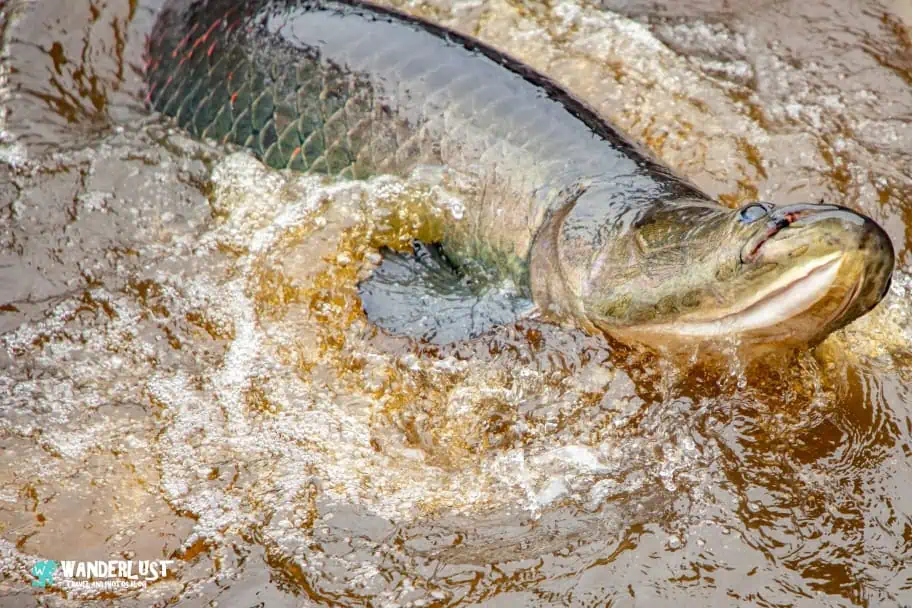
When it comes to wildlife photography, one of the most important tips I can give you in this Amazon Rainforest photography guide is to be mindful of your shutter speed. Shutter speed is one of the most important factors that can impact the quality of wildlife photos. If you don’t use a fast enough shutter speed for the animal you are photographing, your pictures will be plagued by the infamous motion blur issue.
If you have ever taken a photograph only to look at the photo later and see that the moving objects in your photo are blurry, this is what motion blur refers to. To avoid blurry objects in your photos, you need to use a fast enough shutter speed to freeze their motion. The shutter speed you will need is impacted by the speed at which the animal is moving and the amount of light when you take the photograph.
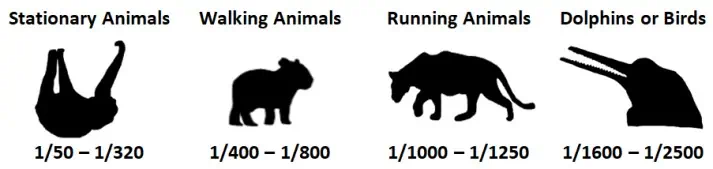
As you can see in the chart I provided above, the quicker the animal moves, the quicker the shutter speed you will need to use. When I am photographing wildlife, I put my camera in Shutter Priority mode. This locks in the shutter speed I set, then adjusts my camera’s aperture and ISO settings to accommodate. If you aren’t familiar with these terms and how they relate to one another, I suggest you review my article on general tips for travel photography below.
| READ MORE: |
 |
| 10 Easy Vacation Photos Tips |
Ask Permission Before Photographing People
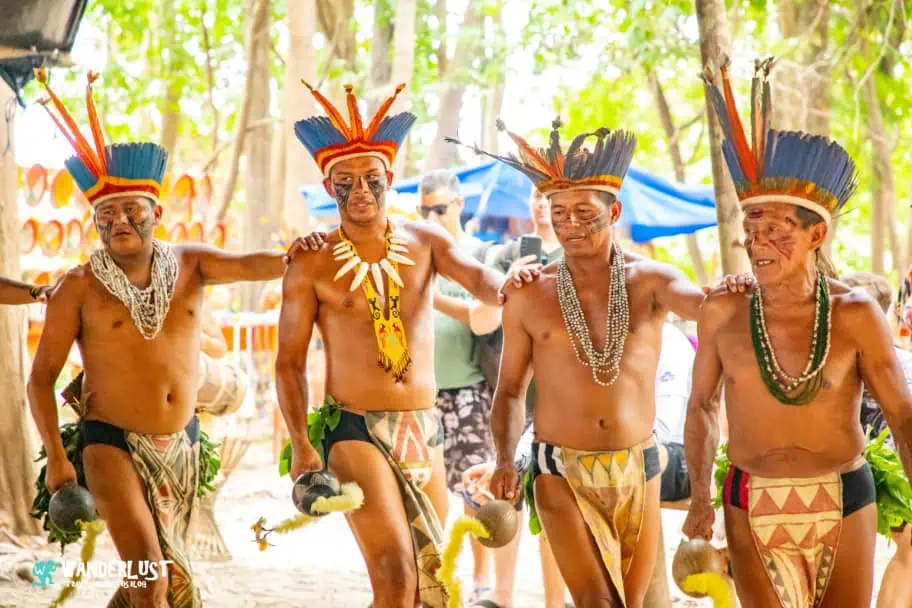
The next tip I have for you in my Amazon Rainforest photography guide is more of an ethics tip than it is a photography tip. Before snapping any photographs of local communities, always seek their permission. Like anywhere else in the world, this is a sign of respect and consideration. This not only fosters goodwill but also honors their privacy and cultural significance.
Not only is it respectful, but engaging with the people you wish to photograph can lead to richer interactions and more authentic images, as they may share their stories and traditions, adding depth to your visual narrative. If you want to take an extra step to be certain of consent, you can ask them to sign off on a consent form. If you don’t have a form of your own, feel free to use my photograph release form to get consent for your pictures.
Pack a Polarizing Filter for Each Lens

One of the biggest challenges you will face when photographing in the Amazon Basin is the intense sunlight you’ll often get when outside the forest canopy. As you may know from experience taking photos, intense sunlight can wash out the color in your photographs and create annoying glare that can ruin your photos. One way to combat the fierce sun is to pack a circular polarizing filter for each lens you pack.
This specialized lens can significantly improve the quality of your images by reducing glare and reflections, particularly when capturing the vibrant colors of the lush foliage and the shimmering surfaces of water bodies. By filtering out unwanted light, it allows for richer saturation and contrast, making the greens of the rainforest appear more vivid and the blues of the sky more striking. When it comes to image quality, these filters really are a game changer.
Bring a GoPro to Capture Water Activities

One of the more underrated tips that I have for you in this Amazon Rainforest photography guide is to not miss out on being able to photograph while in the water. Some excursions and activities involve getting into the river and it would be a shame if you couldn’t capture these memories because you didn’t have a waterproof camera. One of the best pieces of equipment to have for these occasions is a GoPro Camera.
This compact and versatile device is perfect for capturing your adventures without worrying about damaging your gear in the water. In addition to its durability, the GoPro offers a range of features that can enhance your photography experience in the Amazon. The wide-angle lens allows you to capture expansive views of the lush surroundings, while its high-resolution video capabilities enable you to record the dynamic movements of wildlife in their natural habitat.
Pack Water Protection for Your Camera
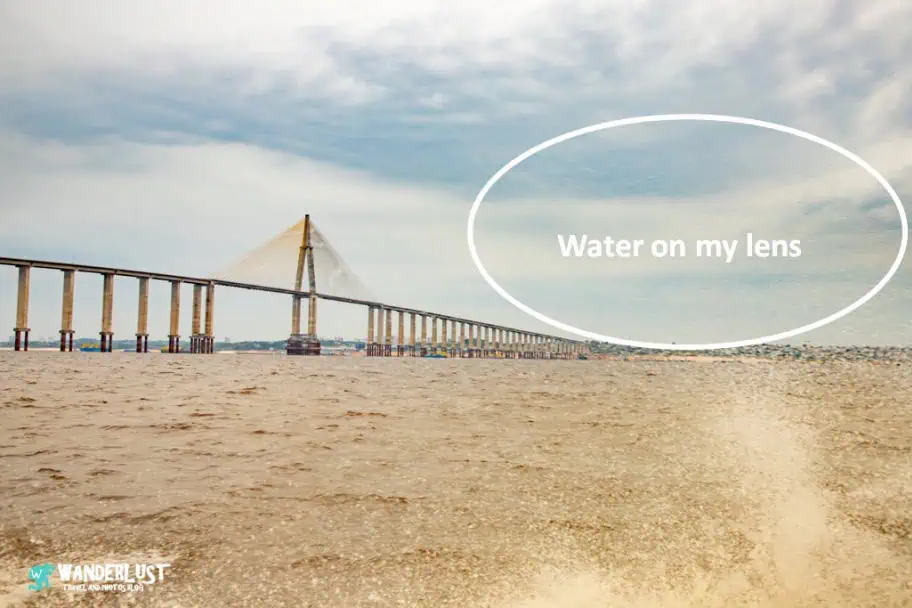
While a GoPro is a great piece of equipment for taking photos and videos while in the water, they are not a replacement for the level of photography you get with a DSLR or mirrorless camera. While I don’t recommend bringing your DSLR or mirrorless camera into the water, that isn’t the only time they are at risk of getting wet. Heavy rain is a common occurrence in any rainforest, including the Amazon, and you will need to be prepared to protect your camera if you are caught out in it.
Not only that, but water splashing on a boat ride is something you will need to prepare for. When I visited the Amazon, I took many boat rides out on the river and had water splash into the boat on multiple occasions. Having camera water protection to prevent your camera from getting damaged will give you peace of mind. For recommendations on water protection gear to bring, please see my section on recommended Amazon photography gear below.
Be Creative With Your Photo Compositions

When capturing the breathtaking beauty of the Amazon Rainforest, it’s essential to think outside the box with your photo compositions. Experiment with different angles and perspectives to create dynamic images that tell a story. In addition, you can use the natural light filtering through the canopy to highlight textures and contrasts, adding depth to your photographs.
The diversity of wildlife in the Amazon Basin is also incredible. Using wildlife in your photographs in creative ways can help you produce captivating images. For instance, we went fishing for piranha while out on the river one day. After catching one of these iconic fish, I was able to capture the close-up image of the piranha above.
You can actually see its infamous teeth, which is why the photo is so interesting. Framing your wildlife shots in ways that highlight the uniqueness of the animals is a great way to make your photos more compelling. If you are also able to work some of the other unique aspects of the Amazon like the forest or the river into your shots, that is even better.
Recommended Amazon Photography Gear

The gear in my Amazon Rainforest photography guide below includes references to my Amazon Store site. I may receive a commission when you purchase these products from my store, though at no additional cost to you. I hand-pick and recommend only products I am familiar with or comfortable recommending.
Packing the right camera gear is one of the most important things you can do to prepare for your photography adventure in the Amazon. The Amazon is a beautiful place, but it can also be challenging to photograph. With the right gear, you can make sure to get the best pictures of your trip possible and keep your camera safe. I have included my list of essential camera gear in my Amazon Rainforest photography guide below.
DSLR or Mirrorless Camera
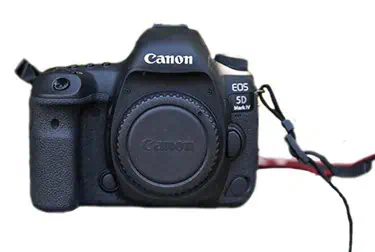 |
The Amazon Rainforest is a place unlike anywhere else is the world. There is a wealth of iconic landscapes and spectaculr wildlife for you to see. It is a dream destination for landscape and wildlife photographers alike. When you visit, you won’t want to miss out on capturing these memories. That is why I recommend bringing a DSLR or mirrorless camera with you when you visit. |
| View Recommendations on Amazon.com | |
Camera Backpack
 |
When you are treking around the Amazon, you will want to make sure your camera gear is protected and organized. A good camera backpack will help you do that. Unlike ordinary backpacks, these packs have specially designed compartments to keep your camera and other gear safe and secure. In addition, they are layed out in such a way to make your camera easy to access when you need it. For some recommendations on good travel camera backpacks, check out my link below. |
| View Recommendations on Amazon.com | |
Wide Angle Lens
 |
There are a lot of incredible landscapes in the Amazon and you need to have the proper lens in your bag to capture them. This is where a good wide angle lens comes in handy. Wide angle lenses allow you to capture more of the landscape in your shot. If you are using a camera with a crop sensor, it is especially important. |
| View Recommendations on Amazon.com | |
Telephoto Lens
 |
In addition to your wide angle lens for landscapes, I recommend also packing a telephoto lens for wildlife photography. The Amazon is a wildlife hot spot, but being able to get close to the animals is rare. Having a telephoto lens will allow you to photograph birds and other wildlife from afar. |
| View Recommendations on Amazon.com | |
GoPro Camera
 |
In addition to your DSLR or mirrorless camera, it will also be helpful to have a waterproof camera and video recorder like a GoPro when you visit the Amazon. You are likely to participate in water-based activities like swimming with the river dolphins and you’ll want a way to capture those memories. |
| View Recommendations on Amazon.com | |
Polarizing Filters
 |
When photographing in the Amazon, one of the biggest challenges you’ll have is the harsh sunlight. It can wash out the skies in your pictures and create annoying glare of water and other reflective surfaces. One of the best ways to combat this is with polarizing filters. They will keep the skies in your photos blue (instead of a washed out white) and reduce annoying glare. I suggest bringing one for each lens you pack. |
| View Recommendations on Amazon.com | |
Lens Hoods
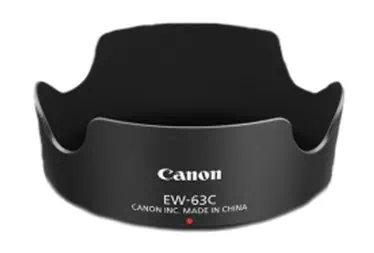 |
Another piece of gear that will help you deal with strong sunlight is a good lens hood. By shielding the lens from direct sunlight, lens hoods are the first line of defense for a photographer taking pictures in sunny destinations. You will definitely want to have a lens hood for each lens you bring to the Amazon. |
| View Recommendations on Amazon.com | |
Camera Rain Protector
 |
One thing is for certain when you visit a rainforest, and that is at some point it will rain. Needless to say, the Amazon gets a lot of rain. This is especially true during the rainy season. Not only that, but time spent on boats increases the danger of your camera getting wet. That’s why I recommend bringing a rain protector for your camera with you to the Amazon. |
| View Recommendations on Amazon.com | |
Dry Bag
 |
Another way to keep your camera gear dry is to bring a dry bag with you. They’re great for keeping gear safe from splashes or rain when you aren’t using them. These easy to carry bags will keep your phone, extra batteries, lenses, and other valuable electronics safe and give you peace of mind. |
| View Recommendations on Amazon.com | |
Extra Batteries
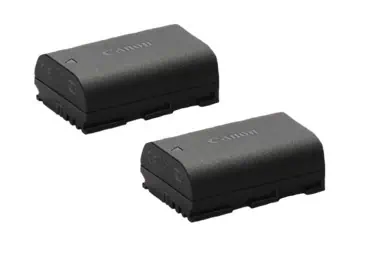 |
There are two things likely to happen when you visit the Amazon. First, you are going to want to take a lot of pictures. Second, you’ll have trouble finding places to charge your camera batteries. Don’t be left with regrets that you couldn’t photograph something because of a dead battery. When you pack your camera gear for the Amazon, make sure to pack some extra batteries. |
| View Recommendations on Amazon.com | |
High Capacity SD Card(s)
 |
Just like with your battery power, you won’t want to run out of room on your camera’s memory card when you visit the Amazon Rainforest. There are so many incredible things that you will see, missing out on capturing a memory can leave you with regret. Make sure this doesn’t happen to you by packing a high capacity memory card or cards for your trip. For some good recommendations, please see my link below. |
| View Recommendations on Amazon.com | |
Camera Bean Bag
 |
This is an unconventional piece of camera gear, but they are an amazing tool to have when you plan to photograph from moving vehicles or boats. Stabilizing your camera against the hard surface of a bobbing boat can damage it. That’s why a camera bean bag is so great to have on Amazon boat adventures. They allow you to safely stabilize your camera so that you get great pictures and cause no damage to your precious camera. |
| View Recommendations on Amazon.com | |
Camera Microphone
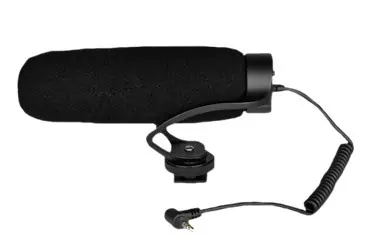 |
The last piece of camera gear that I recommend in my Amazon Rainforest photogrpahy guide is a good camera microphone if you plan to take video. While the video camera’s in most modern DSLR cameras have become quite good, the built-in mirophones generally are not. If you plan to take video with your camera, having a good attachable microphone will go a long way in making sure your videos both look and sound amazing. |
| View Recommendations on Amazon.com | |
Don’t Forget to Subscribe to My Adventures!

Let Me Help You Save On Your Next Adventure!
‘Start Exploring Today’ Merchandise Available Now!
 |
 |
 |
 |
 |
 |
 |
















Leave a Reply