Photographers are privileged to witness and capture the beauty of nature first-hand, from majestic mountain peaks to serene forest trails. However, they are also responsible for protecting and preserving the beautiful landscapes they traverse and photograph.
The Leave No Trace principles have long been valued as key points for explorers and tourists to follow, to minimize their impact on the world’s rare and precious environments. Originally designed for hikers and campers, Leave No Trace is equally applicable to anyone who spends time outdoors. All the principles aim to reduce human impact on the environment, ecosystems, and wildlife.
Here, we explore the seven core principles and why they are so important for nature photographers.
1. Plan ahead and prepare
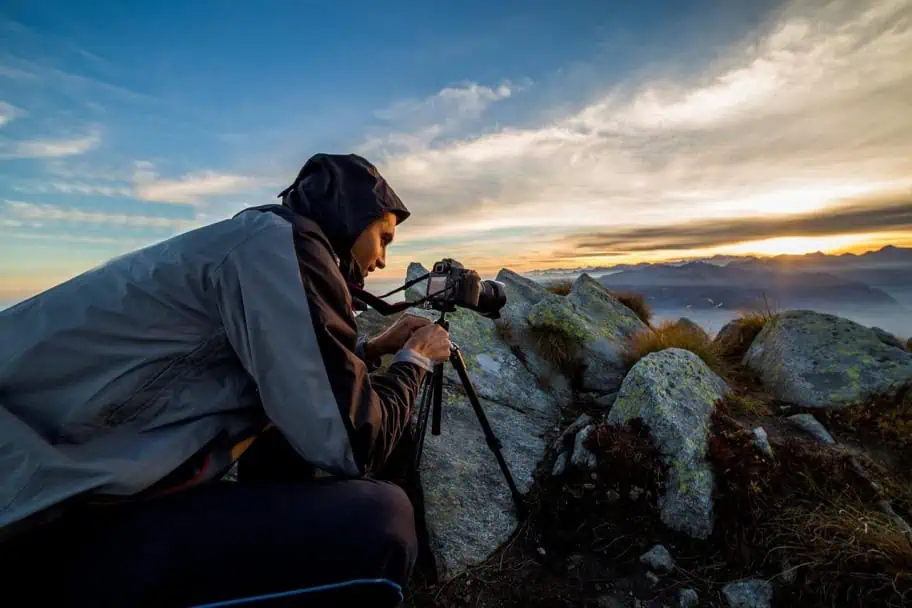
Careful planning and researching of the trails, habitats, and landscapes you’re planning to explore helps to prevent any accidental damage to delicate ecosystems or the wildlife that live there. Always avoid restricted areas, and understand the regulations of any protected areas thoroughly before embarking on your photography expedition. Be sure to pack appropriate gear and equipment, such as longer lenses, to avoid the temptation of venturing off-trail for the perfect shot.
| READ MORE: |
 |
| Planning Your Travel Photos |
2. Travel and camp on durable surfaces
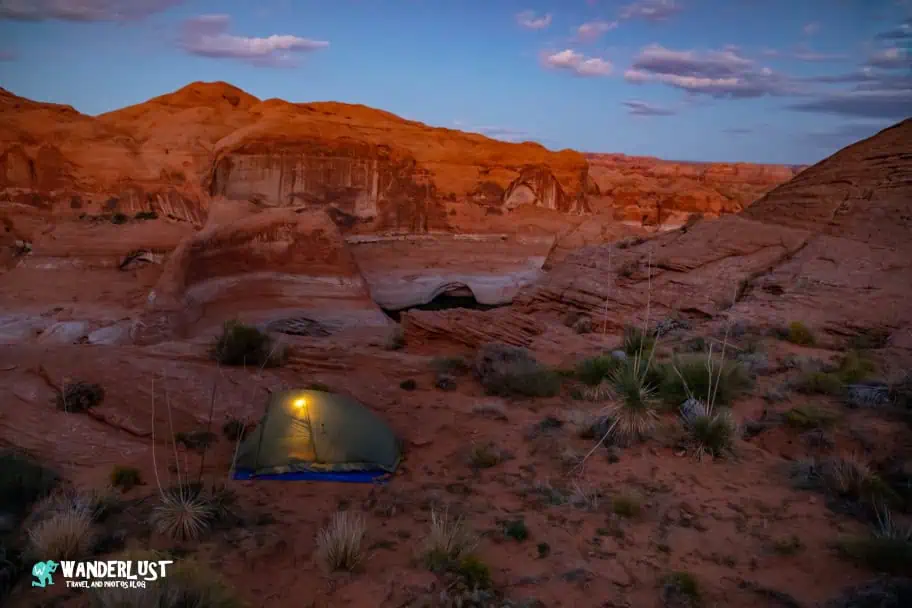
Though you may not be planning an overnight visit, this principle applies to any photographer tempted to step off the path to capture a unique composition. Even a few steps can damage vegetation or destroy an animal’s home, so be sure to not disturb the environment around you when seeking your shots. If you need to sit or set up camp for a while, be sure to do so on ground that has already been established as a resting area for humans, or on a solid, durable surface such as a rocky peak on the path.
3. Dispose of waste properly
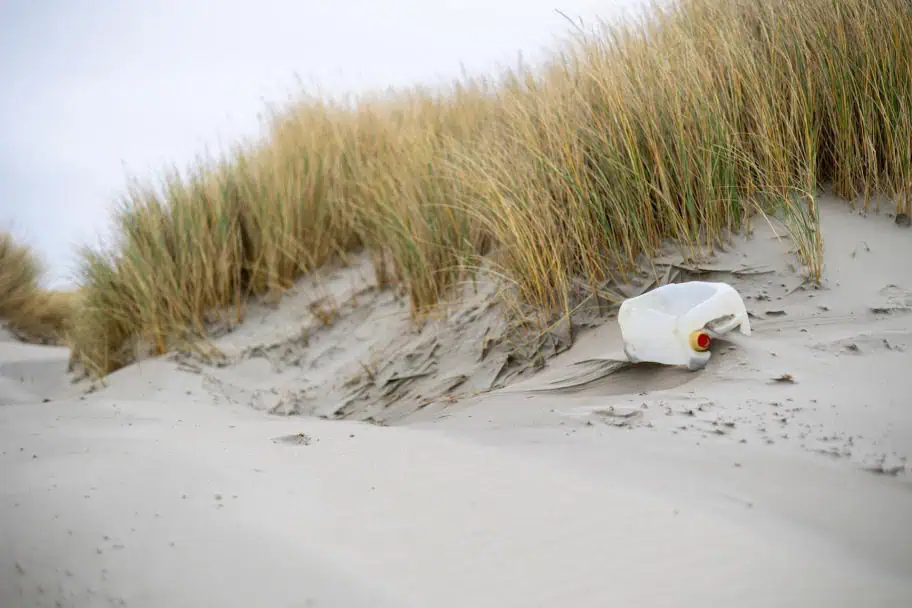
Photographers often carry extra gear, snacks, and props, but these can all produce waste. As a responsible photographer, you should ensure all of your waste, including wrappers, tape, and lens wipes, is packed back into your bag and not left out in the open. Bring a spare rubbish bag with you when shooting in remote areas, and remember that even seemingly harmless waste such as apple cores can significantly impact the natural environment.
4. Leave what you find

Nature’s beauty lies in its authenticity, so you should avoid moving rocks, plants, or any other natural features just to create a more aesthetically pleasing shot. Instead, tell the story of the landscape by embracing the rugged layout and ‘imperfections’. This principle also means not taking anything home with you – no matter how small. Part of protecting nature is leaving everything just as it was, without any trace of your visitation.
5. Minimize campfire impact
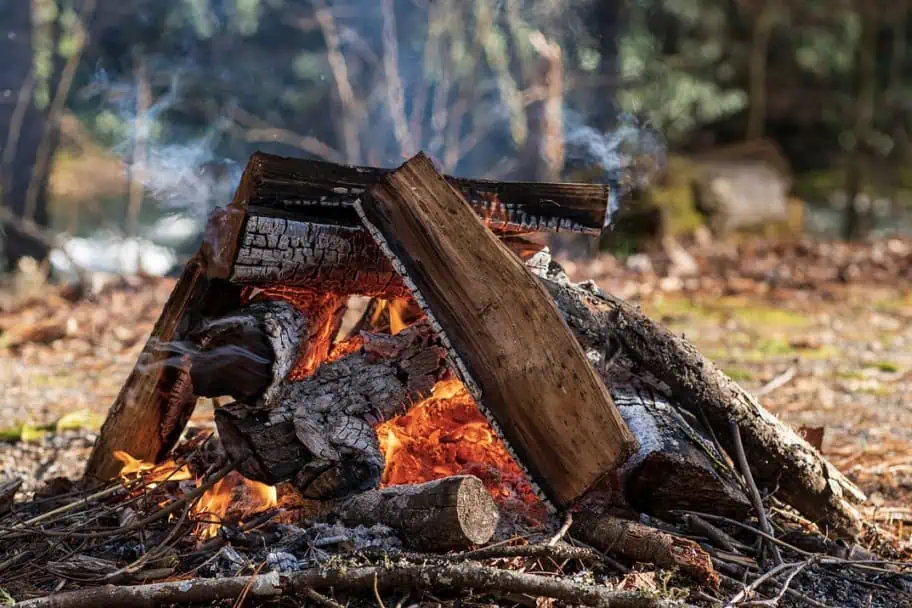
Even if you don’t camp overnight at your chosen photography location, you may light a fire for warmth or to add ambiance to a nighttime shot. Fires can cause lasting scarring and damage to the landscape if they aren’t properly managed, so it’s important to learn how to light a fire safely and how to put it out when you move on. For a more eco-friendly option, you could use battery-powered LED lights to control the lighting or wear additional layers on a late-night adventure.
6. Respect wildlife
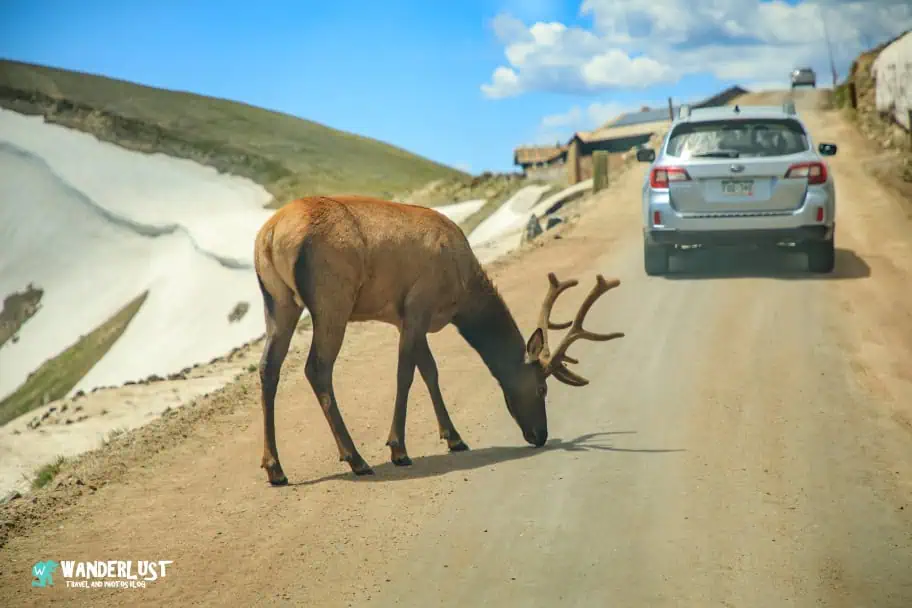
As a photographer, it’s understandable to want to capture a unique, dramatic encounter with wildlife, but approaching wild animals is never a good idea. Aside from causing them stress, tempting them to interact with humans puts them in danger of becoming too friendly and a pest to other visitors – which won’t end well for them. Feeding wildlife is also harmful and illegal in many places, so make use of ethical practices such as observing from a distance and using various lenses to capture authentic moments.
7. Be considerate of other visitors
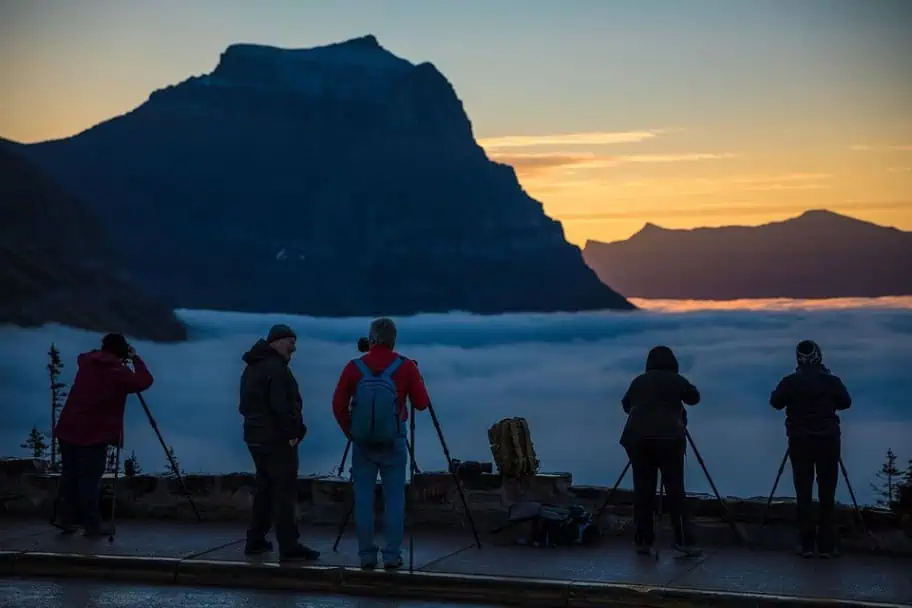
It’s unlikely that you’re the only person who wants to visit a naturally beautiful location, so being mindful of others is key. Even if you have a fantastic shot lined up, it isn’t fair to monopolize a viewpoint or become agitated with other visitors crossing your path. You’ll have a far more enjoyable experience if you simply set up your tripod and be patient, letting others enjoy the scenery at their own pace without disruption.
About the Author

Keith Garner
As an avid nature enthusiast and photographer himself, Keith understands the importance of following the Leave No Trace principles. He enjoys sharing tips and tricks with other photographers, and looks forward to his son being old enough to join him on his own adventures into the wilderness.
Don’t Forget to Subscribe to My Adventures!

Let Me Help You Save On Your Next Adventure!
‘Start Exploring Today’ Merchandise Available Now!
 |
 |
 |
 |
 |
 |
 |


















Such an inspiring read! It instantly reminded me of Nepal—especially Thamel and the surrounding mountain trails. A perfect place for photographers who value nature, culture, and conscious travel.