Ireland is a captivating destination that offers a rich tapestry of history, culture, and stunning landscapes. However, before you can begin planning your visit, you need to be sure that you meet all of the Ireland entrance requirements. This includes navigating the passport, visa, vaccination, customs, and currency requirements that travelers need to meet before being allowed entry. The failure to meet any of these requirements may lead to travel delays or even being denied entry to the country.

To ensure you meet the Ireland entrance requirements, I have provided an outline of all the requirements in this article for your careful review. Furthermore, I also created a handy checklist that I linked to below that you can use to track the criteria as you meet them.
Download the Ireland Entrance Requirements Checklist
Ireland Passport Requirements
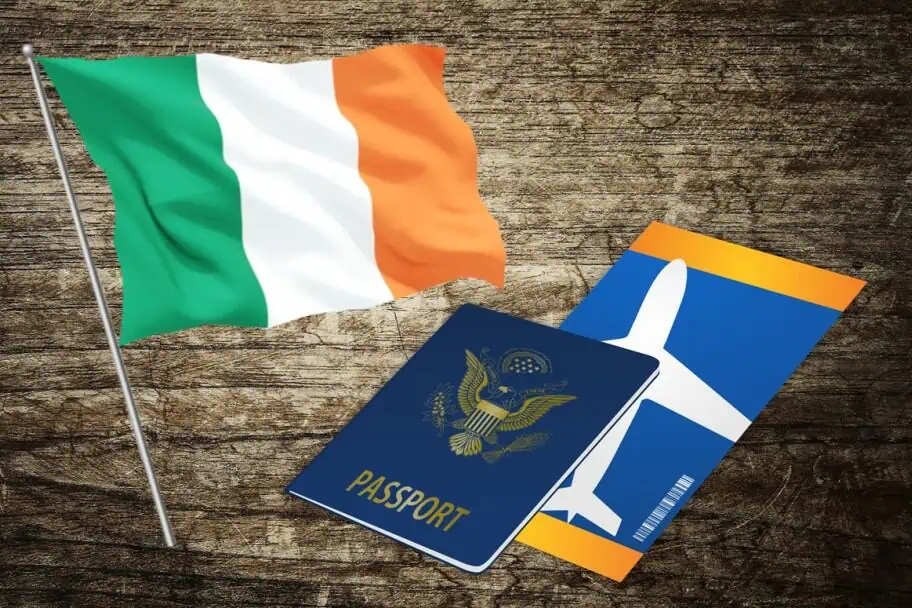
One of the most important Ireland entrance requirements you must consider when planning your trip is the country’s passport requirements. To be allowed into Ireland, your passport must be valid for the duration of your stay in the country. If your passport is set to expire before you return from your trip, you will need to get your passport renewed before traveling.
| Passport Validity | Blank Passport Pages |
|---|---|
| Your passport must be valid for the duration of your stay. | One Page Required for Entry Stamp. |
Ireland VISA Requirements

In addition to your passport, one of the most important Ireland entry requirements you must consider is the tourist VISA requirement. Depending on which country you are from, you may or may not need to apply for a tourist VISA to visit Ireland. The following sections outline the Irish tourist VISA requirements and how to apply.
| Visa-Exempt Travelers | Transit Visa Required | Other Travelers |
|---|---|---|
| No visa required for 90-days. | Visa required even for layovers. | Visa required. |
Ireland is in the EU, but not the Schengen Area
While the Republic of Ireland is a member of the European Union, the country is not currently a part of the Schengen Area. Ireland maintains its own visa and border policies, meaning a Schengen visa or residence permit is not sufficient for entry. If traveling to Ireland from a Schengen country, you’ll need to present your passport or national identity card at immigration.
Northern Ireland is Part of the United Kingdom
While the Republic of Ireland is part of the European Union, Northern Ireland is not. This region of the Emerald Isle is a part of the United Kingdom, which is no longer a member of the European Union. For information on what you will need to pass between Ireland and Northern Ireland during your travels, please refer to the section I included in this Ireland entrance requirements guide below.
Traveling Between Ireland and Northern Ireland
As both regions are part of the Common Travel Area, there are generally no routine border checks, allowing for relatively easy movement. However, travelers should carry valid identification, such as a passport or national ID card, especially if they are not citizens of the UK or Ireland. It is also important to be aware of any customs regulations, particularly regarding the importation of goods, as Northern Ireland follows certain rules that may differ from those in the Republic of Ireland.
Visa-Exempt Countries
Travelers from other countries may be exempt from having to obtain a VISA to visit Ireland. If you are a passport holder from one of the countries listed below, you will not need to obtain a VISA before visiting Ireland if you plan on staying for less than 90 days.
 |
Andorra |  |
Hong Kong |  |
Samoa |
 |
Antigua & Barbuda |  |
Israel |  |
San Marino |
 |
Argentina |  |
Japan |  |
Seychelles |
 |
Australia |  |
Kiribati |  |
Singapore |
 |
Bahamas |  |
Macau |  |
Solomon Islands |
 |
Barbados |  |
Malaysia |  |
South Korea |
 |
Belize |  |
Maldives |  |
Eswatini |
 |
Brazil |  |
Mexico |  |
Taiwan |
 |
Brunei |  |
Monaco |  |
Tonga |
 |
Canada |  |
New Zealand |  |
Tuvalu |
 |
Chile |  |
Nicaragua |  |
Ukraine |
 |
Costa Rica |  |
Panama |  |
United Arab Emirates |
 |
El Salvador |  |
Paraguay |  |
United Kingdom * |
 |
Fiji |  |
Saint Kitts & Nevis |  |
United States of America |
 |
Grenada |  |
Saint Lucia |  |
Uruguay |
 |
Guatemala |  |
Saint Vincent & Grenadines |  |
Vatican City |
 |
Guyana |
* Visa free travel also applies to the following types of British nationality: Overseas British nationals, overseas British territories citizens, and overseas British citizens.
Important Note: As of May 12, 2025, nationals of Trinidad and Tobago must get a visa before travelling to Ireland.
All Other Travelers
If you are a passport holder of a country that isn’t visa-exempt, you will need to apply for a travel visa before visiting Ireland. There are many different visas upon which you can apply, but the most popular for tourist visits to Ireland is the short-stay ‘C’ visa. For more information and to apply for a tourism visa for Ireland, please visit the Ireland visa application system website.
Transit Visas
For those who are traveling through Ireland on the way to another country, you may need to obtain a transit visa before traveling. A transit visa does not permit you to leave the port or airport. If you are a citizen of one of the countries listed below, you will need a valid Irish transit visa when landing in Ireland.
 |
Afghanistan |  |
Ethiopia |  |
Moldova |
 |
Albania |  |
Georgia |  |
Nauru |
 |
Bolivia |  |
Ghana |  |
Nigeria |
 |
Botswana |  |
Honduras |  |
Somalia |
 |
Cuba |  |
Iran |  |
South Africa |
 |
D.R. of the Congo |  |
Iraq |  |
Sri Lanka |
 |
Dominica |  |
Lebanon |  |
Trinidad and Tobago |
 |
Eritrea |  |
Lesotho |  |
Vanuatu |
|
Eswatini |
Ireland Immunization Requirements

Important Note: I am not a medical doctor and don’t have medical experience. The information provided in this section is a summary of information that I got from the Centers for Disease Control and Prevention in the United States for travel to Ireland. I am providing you with this information to help bring awareness of the necessary vaccinations to you. Still, consultation with my guide should not replace a discussion about your travels with your doctor or a travel medical clinic.
| Vaccinations Requirements |
|---|
| No vaccinations are required, but there are vaccination recommendations below. |
Although there are no specific vaccination mandates for entry into Ireland, it is advisable to consider certain standard vaccinations for travel. This recommendation applies in addition to the routine vaccinations suggested for everyone, regardless of travel plans. For further guidance on the recommended vaccinations before your trip to Ireland, please consult the tables provided below.
Recommended Vaccinations for Ireland
There are several vaccinations that the CDC recommends that you get before traveling to Ireland, which I have outlined for you below. Please pay special attention to the details in this guide section and ensure you discuss all vaccinations with your doctor or travel health clinic.
| Vaccine | How Disease Spreads | Details |
|---|---|---|
| Hepatitis A | Food and Water. | Recommended for most travelers. |
| Hepatitis B | Blood and Body Fluids. | Accelerated schedule available. |
| Measles | Contact with Infected Individuals. | Cases of measles are on the rise worldwide. Travelers are at risk of measles if they have not been fully vaccinated at least two weeks prior to departure, or have not had measles in the past, and travel internationally to areas where measles is spreading. |
Routine Vaccinations for Travel
In addition to the vaccinations recommended for travel to Ireland specifically, there are other routine vaccinations you should be current on before traveling anywhere in the world. For an overview of the routine vaccinations recommended by the CDC, please review the chart that I have included below.
| Disease Name | How Disease Spreads | Advice |
|---|---|---|
| Measles Mumps Rubella (MMR) | Various Vectors. | Given to anyone unvaccinated and/or born after 1957. One time adult booster recommended. |
| TDAP (Tetanus, Diphtheria & Pertussis) | Thru open wounds & airborne transmission. | Only one adult booster of pertussis required. |
| Chickenpox | Direct contact with infected individuals & airborne transmission. | Given to those unvaccinated that did not have chickenpox. |
| Shingles | Direct contact with infected individuals. | Vaccine can still be given if you have had shingles. |
| Pneumonia | Airborne transmission. | Two vaccines given separately. All 65+ or immunocompromised should receive both. |
| Influenza | airborne transmission. | Vaccine components change annually. |
| Meningitis | Direct contact with infected individuals & airborne transmission. | Given to anyone unvaccinated or at an increased risk, especially students. |
| Polio | Spread by contact with infected persons. | In addition to the childhood vaccine, there is a one-time booster shot that is available for adults who are traveling to high-risk areas. |
Non-Vaccine Preventable Diseases
In addition to the recommended vaccinations, other health precautions should be taken when visiting Ireland to avoid getting sick. While these health precautions aren’t on the list of the Ireland entrance requirements, they are important measures that you can take to make sure you don’t get ill while traveling.
AVOID CONTAMINATED WATER
When traveling, one of the easiest ways to get sick is to come into contact with contaminated water. There are illnesses found in Ireland that can be spread by either drinking or swimming in contaminated water. Before you depart for your trip, you will want to be aware of the illnesses below. To avoid getting sick, make sure you stick to drinking bottled water and avoid swimming in stagnant pools.
| Disease Name | How Disease Spreads | Advice |
|---|---|---|
| Leptospirosis | Touching fluids of infected animal or drinking or swimming in contaminated water. | Avoid contaminated water and soil. |
BE AWARE OF AIRBORNE AND DROPLET ILLNESSES
Out of all the ways that illnesses can be spread, airborne diseases are the hardest to protect yourself against. After all, you don’t have to physically touch or be touched by an infected person or animal, and there isn’t a repellent that you can spray on to avoid catching these illnesses.
This is why it is always important to be observant of those with whom you interact while traveling and make sure you don’t expose yourself to potentially harmful airborne illnesses. According to the CDC, the particular airborne illnesses that you should be aware of while traveling to Ireland are as follows:
| Disease Name | How Disease Spreads | Advice |
|---|---|---|
| Hantavirus | Coming into contact with bodily fluids or droppings of infected rodents, being biten by an infected rodent, or less commonly from coming into contact with someone else who is infected. | Avoid rodents and people who look sick. |
| Tuberculosis (TB) | Breathing in the air from an infected individual (via cough, speaking, etc..) | Avoid people who look sick. |
| Parvovirus B19 | Virus droplets from a cough or sneeze getting in your eyes, nose, or mouth, direct contact with an infected person, or touching a surface with the virus on it and then touching your face before washing your hands. | Wash your hands often with soap and water, avoid touching your face, avoid people who are sick, and stay away from crowded areas where you aren’t able to socially distance with others. |
Ireland Customs Restrictions

Another important aspect of travel to Ireland that you must be aware of is the country’s customs regulations. Like other countries, there are certain goods that you are restricted or even prohibited from bringing into the country. To ensure you don’t make the costly mistake of having one of these restricted items in your baggage, I have outlined the Ireland entrance requirements for customs regulations for you to review below.
| Customs Restrictions |
|---|
| Certain customs restrictions apply when entering Ireland, as outlined below. |
FREE IMPORT
According to the VISAHQ.com website, the following items are considered free-import items when entering Ireland, but with limits (as described below).
- 800 cigarettes, 400 cigarillos (max. 3g each), 200 cigars, or 1kg of smoking tobacco when traveling inside the EU.
- 200 cigarettes, 100 cigarillos, 50 cigars, or 250g of smoking tobacco when traveling by air from outside the EU.
- 40 cigarettes, 20 cigarillos, 10 cigars, or 50g of smoking tobacco when traveling by land from outside the EU.
- 10 litres of spirits over 22%, 20 litres of alcoholic beverages less than 22%, 90 litres of wine (though no more than 60 litres of sparkling wine), or 110 litres of beer when traveling inside the EU.
- 2 litres of alcohol that does not exceed 22% volume of alcohol, 4 litres of still wine, or 16 litres of beer when traveling from outside the EU.
- Medication – for personal use only.
- Personal items of non-commercial nature worth up to 430 euros when travelling by air or sea
- Personal items of non-commercial nature worth up to 300 euros when travelling by land
- Personal items of non-commercial nature worth up to 150 euros for travellers under 15 years of age.
Important Notes: Travelers must be 18 years of age or older to consume alcohol and at least 21 years of age or older to purchase and use tobacco products in Ireland.
Non-commercial items are typically occasional and are solely comprised of goods meant for the personal or family use of the traveler, or items designated as gifts. The type and amount of these goods should not suggest that they are being brought in for commercial purposes.
PROHIBITED ITEMS
Before you are allowed into Ireland, you will also need to clear customs to be sure you aren’t carrying any prohibited items with you. For instance, travelers are strictly prohibited from bringing the following items into Ireland:
- Illegal drugs (make sure medications are in the prescription bottle).
- Any weapons and ammunition – unless granted permission.
- Knives and deadly weapons.
- Meat and milk and any items thereof from non-EU countries (except for limited amounts from Andorra, Croatia, the Faeroe Islands, Greenland, Iceland).
- Protected species and products thereof as listed by the CITES (Washington Convention), for example, ivory, tortoise shell, coral, reptile skin, and wood from Amazonian forests.
CONTROLLED ITEMS
In addition to these prohibited items, the government of Ireland has placed limits on other items that can be brought into the country. If you plan to travel with any of the following items when visiting Ireland, you will want to plan accordingly so that you do not violate the Ireland entrance requirements:
- Pets must be identifiable, either through a tattoo or an electronic identification system, vaccinated for rabies, and possess a health certificate.
- A maximum of 10 kg of meat, milk, and dairy products is allowed from Croatia, the Faroe Islands, Greenland, and Iceland.
- Powdered milk intended for infants, food for kids, and specialized medical food (including pet food) may be permitted as long as they do not require refrigeration before opening, are in their original brand packaging, and the packaging has an intact seal (unless it is currently being used). Additionally, the total weight must not surpass 10 kg if sourced from Croatia, the Færøer Islands, Greenland, or Iceland, and must not exceed 2 kg if it comes from other countries.
- Only fish if it has been disembowelled and weighs no more than 20 kg.
- Coats, as well as fur and leather footwear crafted from protected species, will require specific authorization.
Ireland Currency Restrictions

The final aspect of the Ireland entrance requirements that you will want to ensure you comply with is the amount of currency you plan on bringing to the country. Like all countries, there are certain restrictions on currency in Ireland.
According to the US State Department website, the government of Ireland has the following currency limits and regulations in place:
| Currency Restrictions for Entry | Currency Restrictions for Exit |
|---|---|
| 10,000 Euros or equivalent. | 10,000 Euros or equivalent. |
- You are allowed to bring up to 10,000 Euros or its equivalent into Ireland when visiting. Any amount of currency over 10,000 Euros or equivalent must be declared upon entry.
- When departing Ireland after your visit, you are allowed to leave with up to 10,000 Euros or its equivalent without making a declaration. Any amount of currency over 10,000 Euros or equivalent must be declared upon exiting Ireland.
Don’t Forget to Subscribe to My Adventures!

Let Me Help You Save On Your Next Adventure!
‘Start Exploring Today’ Merchandise Available Now!
 |
 |
 |
 |
 |
 |
 |




















Leave a Reply