
The Road That Teaches You How to Travel
Europe becomes a completely different experience once you’re behind the wheel. Maps flatten the reality of distance, terrain, and border behavior, but the road exposes everything. The continent is compact, but the driving conditions shift constantly. Climate, signage, culture, and rules vary at a pace that forces you to pay attention and learn as you go. That’s what makes European road travel interesting. You don’t glide through it blindly — you adapt, respond, and become sharper mile by mile.
Getting the Basics Right Before You Start

Driving across Europe isn’t difficult, but it demands preparation. A well-planned road trip saves you from most of the stress that comes from new environments, changing rules, and unpredictable landscapes.
Know Your Documentation
Every country expects the basics: driver’s license, ID, registration, and insurance. But the details differ. Some regions require special permits for highways, while others expect visible proof of insurance. Keeping all documents in the same accessible spot makes border stops efficient and reduces confusion when officers request verification.
Understand the Road Network Before You’re In It
One of the best ways to simplify cross-country driving in Europe is to understand how routes are structured. Major highways connect countries efficiently, while regional and local roads vary drastically. Planning your primary routes ahead of time keeps you from relying solely on navigation apps, which can misread complex networks or send you into areas not meant for through traffic.
Prepare the Vehicle for Long-Distance, High-Variety Driving
Different regions place different demands on your car. Mountain routes require strong brakes and reliable cooling systems. Coastal drives require good tire grip. Interior routes with long, uninterrupted stretches benefit from comfortable seating and climate control. A quick inspection before leaving saves you from dealing with mechanical trouble far from help.
Borders Are Simple Until They Aren’t
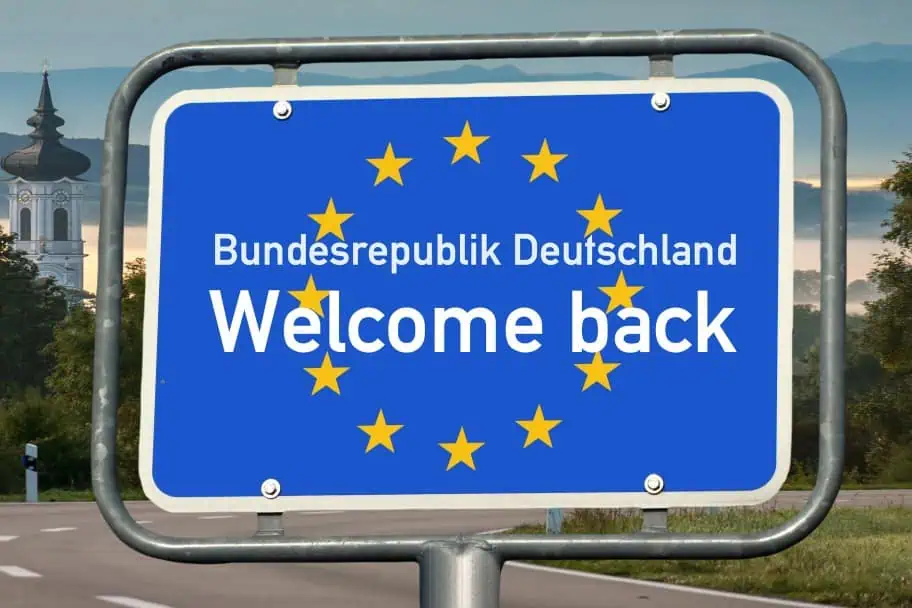
Europe’s open-borders reputation is accurate, but the system isn’t uniform. Some crossings feel seamless, while others involve checks and brief hold-ups. It’s not personal — it’s just the structure of the region.
Schengen vs. Non-Schengen Requires Awareness
Many countries share free-movement rules, but several do not. The rhythm of driving changes depending on which borders you cross. Some transitions happen without stopping, while others involve a slow-moving line and a quick document scan. Patterns vary by time of day, local events, and even staffing levels.
Be Ready for Small Delays
Drivers often underestimate how a minor slowdown can impact the rest of the day. Even a five-minute stop at a busy border can ripple into tight arrival times, missed check-ins, or late-night drives. Expecting small delays ensures they don’t disrupt the entire plan.
Signs, Lanes, and Road Etiquette Change With the Landscape

European signage is fairly standardized, but lane culture and driving behavior shift from region to region. The differences aren’t dramatic, but they matter when you’re traveling for hours.
Lane Discipline Reflects Local Standards
There is a clear pattern across most of the continent: right lane for driving, left lane for passing. But the level of adherence depends on the country. Some regions enforce it strictly; others treat it more flexibly. Staying observant keeps you from unintentionally blocking faster drivers or misjudging lane expectations.
Road Signs Follow Symbols, Not Words
Standardized symbols help with consistency, but they require familiarity. Warnings, restrictions, and speed limits are often posted quickly and briefly, especially in rural zones. Missing one can lead to unwanted fines or sudden route adjustments. A quick review of common symbols before a trip reduces confusion later.
The Highway Systems Demand Respect
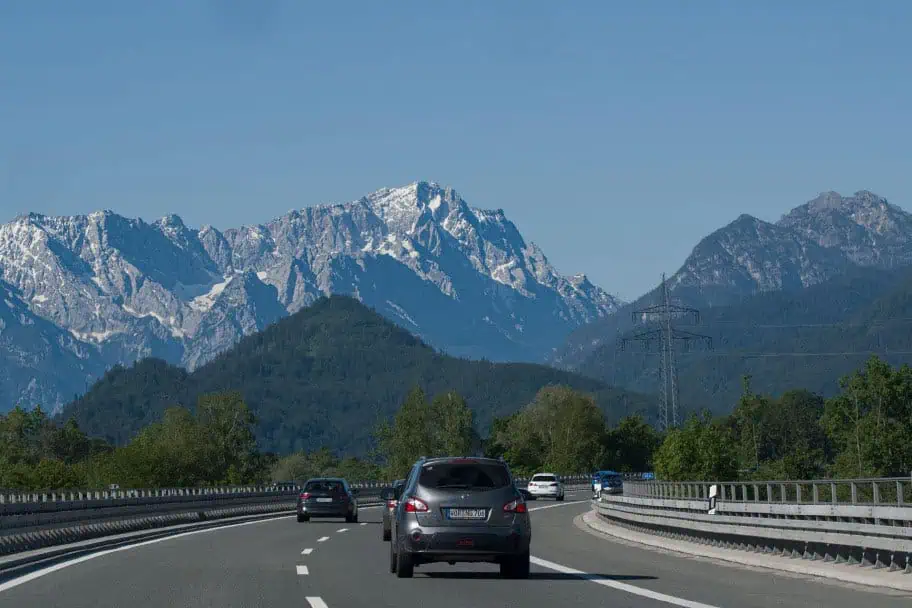
The deeper you go into long-distance driving across Europe, the more you recognize that highways have distinct personalities. Conditions change not because the pavement changes, but because the environment around it does.
Speed Limits Shift Frequently
Some areas rely on fixed speed limits, while others use adaptive digital signage. Limits often drop around tunnels, construction zones, and weather-prone regions. Understanding that speed rules shift often keeps you out of trouble and reduces abrupt braking.
Tolls Appear With Little Warning
Toll systems vary across borders. Some use stickers, some use sensors, and some require stopping at booths. Missing a required toll entry can result in significant fines later. Checking toll requirements before entering a new country prevents confusion and unexpected charges.
Longer Tunnels and Bridges Affect Driver Fatigue
Europe has many long tunnels and elevated routes that require sustained focus. These sections amplify noise, reduce visual variation, and occasionally alter airflow conditions inside the vehicle. Staying alert becomes more important than usual, especially during long, continuous stretches.
Natural Terrain Shapes the Way You Drive
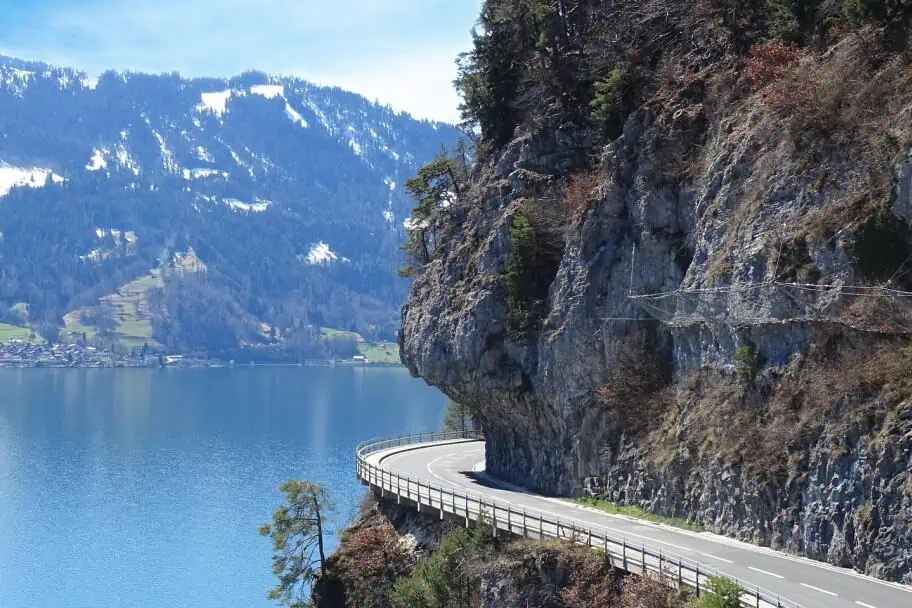
Europe’s landscapes dictate how you approach the road. Differences in elevation, weather, and exposure change how the vehicle behaves and how you manage your pace.
Mountain Routes Require Precision
High-altitude roads are winding, narrow, and often marked by sharp elevation shifts. Braking systems, engine power, and tire condition matter more under these conditions. Keeping a steady speed and avoiding unnecessary lane changes helps maintain stability.
Coastal Roads Demand Stability
Coastal drives bring wind, salt exposure, and sometimes tight cliffside routes. Grip and control are essential. Maintaining a consistent lane position reduces strain and keeps your vehicle stable when wind patterns shift.
Rural Roads Are Predictable but Not Uniform
Even though many rural areas offer calm, low-traffic driving, they also come with reduced lighting, limited signage, and occasional wildlife crossings. These roads require balanced speeds and consistent attention.
Navigation Needs to Be More Than an App

Navigation apps are useful but not flawless. They simplify the process, yet they struggle in regions with unreliable signals or complex intersections.
| READ MORE: |
 |
| 11 Essential Travel Apps |
Offline Maps Protect You From Signal Loss
Rural regions, mountainous zones, and border transitions often disrupt mobile service. Having offline maps ensures uninterrupted guidance, especially when navigating unfamiliar sections.
Avoid Over-Reliance on Redirect Features
Navigation apps automatically reroute when traffic builds, but those suggestions aren’t always ideal. Some redirections send you into small towns, narrow roads, or restricted zones. Checking the route overview before following instructions helps avoid unnecessary detours.
Staying Comfortable in the Car Keeps You Sharp

European road trips involve long hours behind the wheel. A comfortable interior helps maintain focus and reduces fatigue.
Use Accessories That Keep You Steady and Centered
A supportive seat setup prevents back strain. Good climate control protects you from temperature extremes. Small touches inside the cabin make a significant difference when you’re driving for several hours at a time.
Keep the Air Clean and Fresh
Cabin freshness matters more than people think. Long drives lead to stale air quickly, especially in warm climates or closed environments. Using the best car air freshener keeps the cabin balanced, prevents fatigue, and maintains a clear atmosphere inside the car.
Rest Stops, Break Intervals, and Realistic Timing
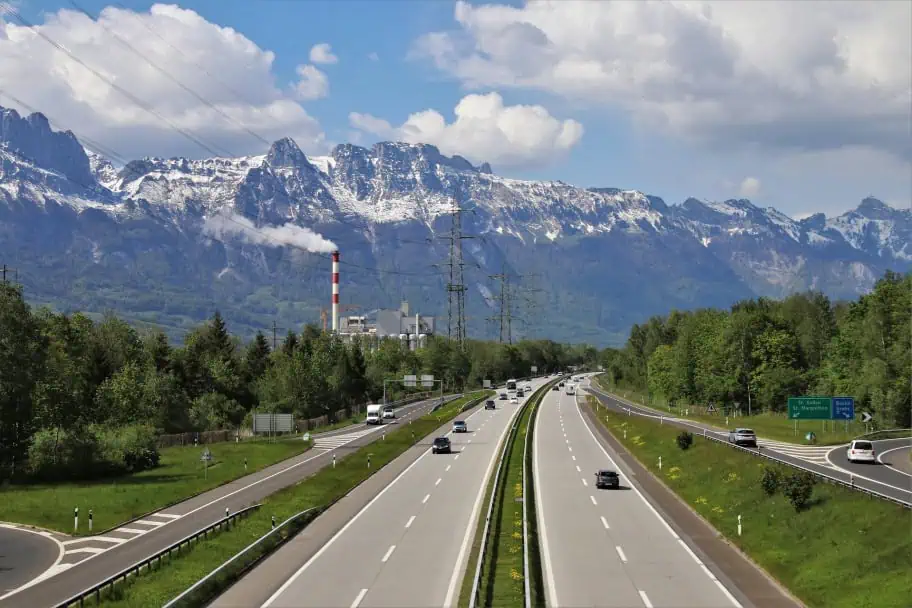
Europe’s network of rest stops is wide and varied. Some offer full services; others provide only the basics. Understanding these differences helps you plan your breaks logically.
Breaks Should Be Functional, Not Random
Short breaks at logical intervals prevent fatigue and help maintain concentration. Timing them around fuel stops or toll booths streamlines the day.
Different Regions Offer Different Standards
Some areas prioritize convenience and comfort, while others focus on utility. Adjusting your expectations keeps frustration low and momentum high throughout the drive.
When Things Go Wrong, You Manage and Move Forward

Issues on the road happen. The goal isn’t to avoid them completely — it’s to handle them in a calm, organized way.
| READ MORE: |
 |
| Have a Back-up Plan for your Travel Plan |
Weather Shifts Require Flexible Thinking
Storms, fog, and sharp temperature changes are common. Adjusting your speed and spacing protects you during unpredictable conditions.
Mechanical Problems Need Quick Solutions
Small issues can escalate if ignored. Monitoring the vehicle’s performance ensures you notice changes early. Knowing where service stations are located along the route adds security.
About the Author

Ava Matin
Ava is a 26-year-old life coach living abroad, holds a profound understanding of human psychology, leveraging her academic background in psychology to make a positive impact on people’s lives.
Her passion for assisting others extends beyond her professional pursuits, as she dedicates her spare time to crafting compelling writings that encompass lifestyle, travel, health, home improvement, senior practitioners, and empowerment, with a particular focus on championing women’s progress.
Don’t Forget to Subscribe to My Adventures!

Let Me Help You Save On Your Next Adventure!
‘Start Exploring Today’ Merchandise Available Now!
 |
 |
 |
 |
 |
 |
 |




















Leave a Reply