Traveling becomes even more rewarding when you focus on discovering authentic local dining spots. These hidden gems often serve the dishes that truly define a region, offering flavors shaped by tradition rather than trends. Starting your trip with this mindset helps you connect more deeply with the culture behind every meal.
The thrill comes from small moments of discovery—spotting a busy neighborhood café, wandering through a lively market, or getting a quick tip from a local. These clues guide you away from tourist‑centric restaurants and toward the family‑run places where recipes are passed down and meals feel personal.

This guide brings together simple, practical ways to find those meaningful food experiences. Whether you’re following local recommendations, exploring markets and food stalls, or using food‑focused travel tips, each approach helps you eat more intentionally—and enjoy the true flavors of the places you visit.

Ask Locals Directly

Talking to locals is one of the fastest ways to uncover places you’d never find online. People who live in the area know which restaurants are consistent, which ones are overrated, and which ones serve the dishes that truly represent the region. A quick conversation with a barista, taxi driver, or shop owner can reveal insights that no guidebook captures.
Locals also tend to steer you away from tourist‑centric restaurants and toward the small, family‑run eateries they personally trust. These recommendations often lead to meals that feel more personal and memorable, giving you a deeper connection to the culture.
Follow the Crowds of Locals

When you’re searching for authentic local dining spots, pay attention to where residents gather. A restaurant filled with locals—especially during lunch hours—signals that the food is both high‑quality and fairly priced. Locals don’t waste time or money on places that don’t deliver.
Crowds also indicate that the restaurant has earned long‑term trust within the community. If you see families, workers, and regulars returning, it’s a strong sign that the food reflects the region’s true flavors.
Avoid Restaurants with Multilingual Menus

Restaurants that offer menus in multiple languages often cater primarily to tourists. While not always a deal‑breaker, it’s usually a sign that the dishes have been adapted to appeal to a broad audience rather than showcasing traditional flavors. These places may lack the authenticity you’re hoping to experience.
Instead, look for restaurants with menus written only in the local language. This usually means the establishment is focused on serving residents, not visitors, and the dishes are more likely to reflect genuine culinary traditions.
Use Local Food Apps

Apps used by locals can be a goldmine for discovering authentic local dining spots. Platforms like Tabelog in Japan or Dianping in China highlight restaurants that residents actually rate highly, giving you a more accurate picture than global apps alone. These reviews often include detailed notes on dishes and service.
Using local apps also helps you avoid the tourist bubble. You’ll find neighborhood favorites, seasonal specialties, and small eateries that rarely appear in mainstream travel guides.

Explore Neighborhood Markets

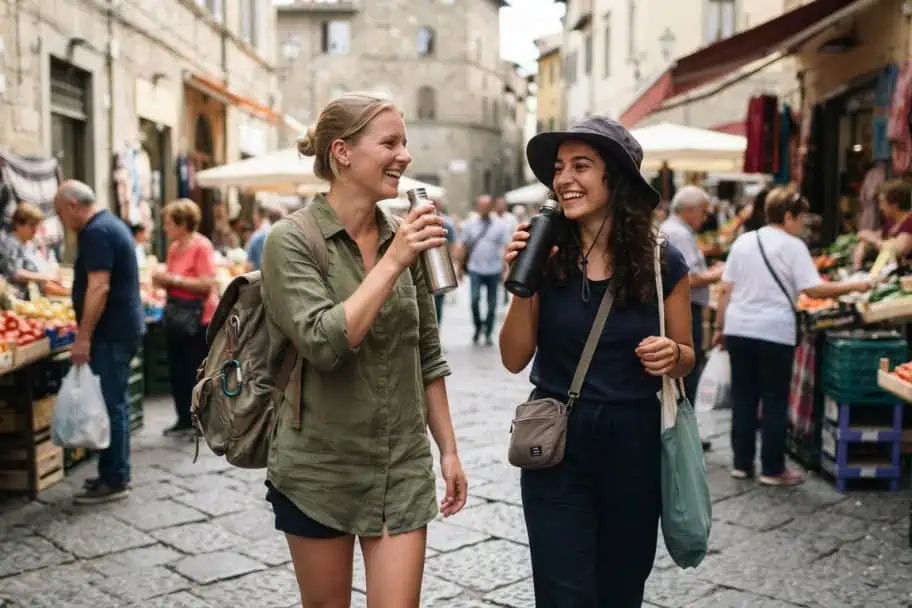
Markets are some of the best places to find authentic local dining spots because they showcase the ingredients and dishes locals rely on every day. Food stalls often serve recipes passed down through generations, offering a direct taste of the region’s culinary heritage. The atmosphere is lively, unfiltered, and full of character.
Walking through a market also gives you a sense of how locals shop and eat. You can sample small bites, talk to vendors, and observe which stalls attract the longest lines—another strong indicator of quality.
Take a Food Tour First

A well‑curated food tour introduces you to dishes, neighborhoods, and culinary traditions you might not discover on your own. Guides often share personal stories and cultural context that deepen your appreciation for the food. It’s an excellent way to orient yourself at the start of a trip.
Food tours also help you identify places worth revisiting later. Once you’ve tasted a few standout dishes and learned where they come from, you can return independently to explore more at your own pace.
Follow Local Food Bloggers

Local food bloggers often highlight authentic local dining spots that don’t appear in mainstream travel guides. Their recommendations tend to be more personal, detailed, and culturally informed. Many also share insights into regional specialties and lesser‑known dishes.
Following these bloggers gives you access to curated lists, neighborhood guides, and honest reviews. It’s like having a knowledgeable friend in the city who knows exactly where to eat.
Here are some great food blogs for you to follow!
- Migrationology (Asia) — Mark Wiens is one of the most respected food travelers globally, known for documenting street food culture across Thailand, Vietnam, Malaysia, and beyond. His videos and articles focus on hyper‑local dishes and the people behind them.
- Legal Nomads (North America) — Jodi Ettenberg’s storytelling blends food, culture, and slow travel. Her deep dives into regional cuisines—especially in Mexico—offer thoughtful, sensory‑rich insights into how food shapes identity.
- Culinary Backstreets (Europe) -Based across major European cities, Culinary Backstreets highlights traditional neighborhood eateries, family‑run kitchens, and long‑standing food customs. Their guides and stories focus on the everyday places locals rely on, offering an inside look at Europe’s most authentic culinary traditions.
- Food Fun Travel (Australia/Oceania) — This blog specializes in finding the best local dishes around the world, with strong coverage of Australia, Southeast Asia, and the Mediterranean. Their “food worth traveling for” guides are especially useful.
- The African Gourmet (Africa) — A rich resource for African cuisine, culture, and travel. It highlights regional dishes, food history, and local dining experiences across West, East, and Southern Africa—an underrepresented but incredibly diverse food region.
Look for Handwritten Menus

Handwritten or chalkboard menus often indicate that a restaurant updates its offerings based on seasonal ingredients. This is a strong sign of authentic local dining spots that prioritize freshness and tradition. These menus usually feature dishes that reflect what’s available at local markets that week.
Because the menu changes frequently, you’re more likely to experience regional specialties at their peak. It also shows that the kitchen is actively engaged in the local food culture rather than relying on a static, tourist‑friendly menu.
Walk a Few Blocks Off Main Streets

Tourist areas are convenient but rarely offer authentic local dining spots. Walking just a few blocks into residential neighborhoods dramatically increases your chances of finding restaurants that cater to locals. These areas often have smaller, family‑run establishments with deeper cultural roots.
Exploring side streets also helps you experience the rhythm of local life. You’ll see where residents gather, shop, and socialize—insights that enrich your overall travel experience.
Visit Restaurants With Short Menus

A short menu usually means the kitchen focuses on a handful of dishes they’ve perfected. This is a hallmark of authenticity, especially in regions where culinary traditions run deep. Restaurants with concise menus often rely on fresh, local ingredients and time‑tested recipes.
Short menus also make ordering easier. Instead of sifting through dozens of options, you can trust that each dish has been refined and represents the restaurant’s strengths.
Don’t Forget to Subscribe to My Adventures!

Let Me Help You Save On Your Next Adventure!
‘Start Exploring Today’ Merchandise Available Now!
 |
 |
 |
 |
 |
 |
 |




















good article!
Thank you so much!!
You’re welcome, Josh!