Vacation rentals have become a popular alternative to traditional hotels, offering travelers more space, privacy, and flexibility. Whether you’re looking for a cozy cabin, a beachfront condo, or a family-friendly home, rental properties can often provide a more comfortable and affordable stay. However, it is important to book vacation rentals safely by choosing reliable listings and taking a few precautions before making a reservation.
While vacation rentals offer many benefits, they can also present risks if you are not careful. Fake listings, misleading photos, hidden fees, and fraudulent payment requests can quickly turn an exciting trip into a stressful experience. Taking time to verify property details and research hosts can help protect your money and ensure your accommodations meet expectations.

To help you travel with confidence, this guide covers 20 practical tips for safely renting vacation properties. From choosing reputable booking platforms to reviewing cancellation policies and verifying hosts, these recommendations can help support a safe vacation rental booking experience. By following these tips, you’ll be better equipped to find a trustworthy rental and enjoy a worry-free vacation.

Use Reputable Vacation Rental Platforms

Choosing a trusted vacation rental platform such as Airbnb or VRBO is one of the best ways to protect yourself from fraud. These established vacation rental websites use security measures, listing verification processes, and customer support services to help travelers avoid scams. If you want to book vacation rentals safely, begin your search on well-known platforms rather than unfamiliar websites, online classifieds, or social media listings. The added protections offered by Airbnb and VRBO can significantly reduce the risks associated with booking accommodations online.
These platforms also provide secure payment systems, reservation records, and dispute resolution services that can be valuable if problems arise before or during your stay. By keeping payments and communication within these trusted platforms, travelers gain access to important protections that may not be available elsewhere. Before making a reservation, take a few minutes to review the platform’s policies and protections. Using a reputable service such as Airbnb or VRBO can provide greater peace of mind and help you avoid costly travel mistakes.
Never Pay Outside the Booking Platform

A common vacation rental scam involves convincing guests to send money outside the official booking platform. Fraudsters may promise discounts or special deals if you pay directly through a money transfer service, payment app, or bank deposit. Unfortunately, these payment methods often eliminate the protections provided by the platform and make it difficult to recover lost funds if the listing turns out to be fraudulent.
Legitimate hosts generally understand the importance of using approved payment systems. If someone asks you to complete payment elsewhere, consider it a major warning sign. Keeping all payments within the platform creates a clear transaction record and allows you to access customer support if needed. The safest approach is to decline any request that bypasses the platform’s payment process.
Research the Property Thoroughly

Before reserving a vacation rental, take time to review every detail of the listing. Carefully read the description, examine all photos, and ensure the amenities meet your needs. Thorough research can help identify inconsistencies or missing information that could indicate problems with the property. A few extra minutes of investigation can prevent disappointment later.
You should also use online maps and satellite views to verify the property’s location and surroundings. Check whether nearby attractions, restaurants, and transportation options match the listing’s claims. If details seem vague or incomplete, contact the host for clarification. A legitimate host will usually respond with helpful information that supports the accuracy of the listing.
Read Recent Guest Reviews

Guest reviews can provide valuable insight into the actual condition of a vacation rental. While listing photos may look impressive, reviews often reveal whether the property is clean, well-maintained, and accurately represented. For a safe vacation rental booking, focus on comments written within the last several months since they offer the most current information about the property and host.
Look for consistent patterns across multiple reviews instead of relying on one opinion. Positive feedback about communication, cleanliness, and convenience is encouraging. However, repeated complaints about maintenance issues, hidden fees, or misleading photos should raise concerns. Reading recent reviews carefully can help you make a more informed decision and avoid unpleasant surprises after arrival.
Verify the Host’s Identity

Verifying the host’s identity is an important step when booking a vacation rental. Many trusted platforms provide verification badges, complete host profiles, and histories of previous bookings. A host with extensive positive reviews and a long-standing presence on the platform is generally more reliable than a brand-new profile with little information available.
Pay close attention to how the host communicates before booking. Professional hosts usually answer questions promptly, provide clear information, and maintain consistent communication. Be cautious if responses seem evasive, rushed, or contradictory. Taking the time to confirm you are dealing with a legitimate host can lower the risk of fraud and improve your overall travel experience.
Avoid Deals That Seem Too Good to Be True

Everyone loves finding a bargain, but extremely low prices can be a warning sign when booking a vacation rental. Scammers often use attractive rates to lure travelers into making quick decisions before performing proper research. If a property’s price is significantly lower than comparable rentals in the same area, take extra time to investigate the listing and verify its legitimacy before booking.
Compare the rental with similar properties nearby to determine whether the advertised rate is realistic. Look closely at photos, amenities, and location details. If the host is unwilling to answer questions about the unusually low price, proceed with caution. A legitimate deal is possible, but pricing that seems far below market value often deserves closer scrutiny.

Keep All Communication on the Platform

Keeping all communication within the booking platform helps protect both travelers and hosts. Most vacation rental websites maintain records of messages exchanged through their systems, which can be useful if disagreements arise later. These records create transparency and can help customer support teams review conversations if assistance becomes necessary during or after the reservation process.
Be cautious if a host encourages you to move conversations to personal email, messaging apps, or text messages too early. While some communication outside the platform may occur after booking, important discussions should remain on the platform whenever possible. Documented communication helps protect your interests and provides evidence if any disputes occur regarding the reservation.
Check the Property’s Exact Location
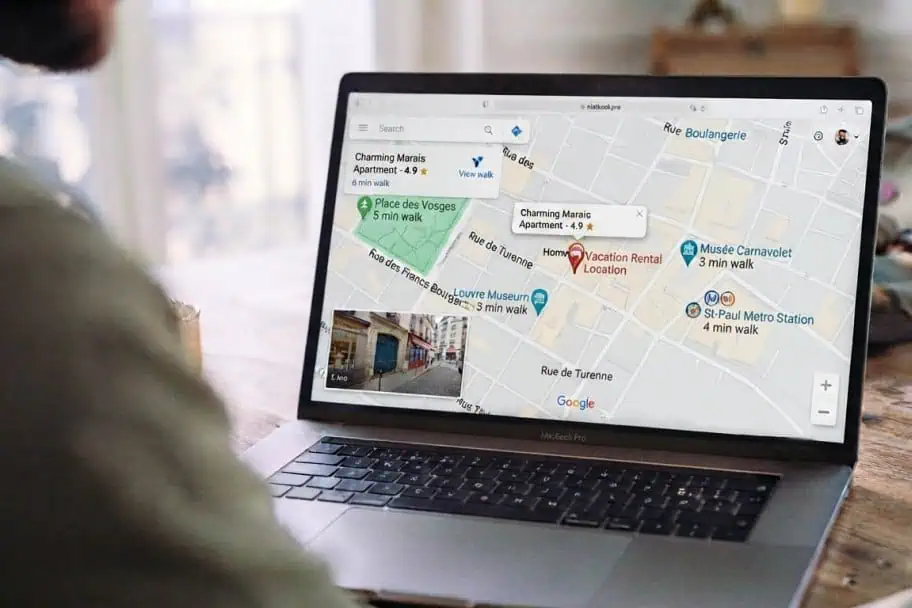
A vacation rental may appear perfect online, but its location can greatly affect your travel experience. Before booking, verify the property’s exact location and determine how close it is to attractions, restaurants, public transportation, and other places you plan to visit. Understanding the neighborhood can help you avoid unexpected inconveniences and ensure the rental meets your travel needs.
Use online maps and street-view tools to examine the surrounding area. This research can reveal information not included in the listing, such as nearby construction, busy roads, or limited access to services. Reviewing the location also helps confirm that the property exists where advertised. Taking a few minutes to check the area can prevent disappointment upon arrival.
Review Cancellation and Refund Policies

Before making a reservation, carefully read the property’s cancellation and refund policies. Travelers who want to book vacation rentals safely should understand exactly what happens if plans change unexpectedly. Some rentals provide flexible cancellation options, while others offer only partial refunds or no refunds at all. Knowing these terms in advance can help you avoid financial surprises if you need to cancel.
Pay special attention to deadlines, refund percentages, and any exceptions outlined by the host or booking platform. If the policy seems unclear, ask questions before confirming the reservation. Understanding your rights and responsibilities can help you make a more informed booking decision and provide additional peace of mind before your trip begins.

Look for Verified Listings and Photos

Verified listings can provide an added layer of confidence when choosing a vacation rental. Many booking platforms identify properties that have undergone verification processes or additional review checks. These listings often give travelers greater assurance that the property exists and matches the information presented online. Verification does not guarantee perfection, but it can help reduce the risk of encountering fraudulent listings.
Carefully examine all available photos and look for consistency throughout the listing. High-quality images that accurately show different areas of the property can be a positive indicator. However, be cautious if photos seem overly edited, limited in number, or inconsistent with the description. Verified listings combined with realistic photos can help travelers make safer and more informed booking decisions.
Compare Multiple Rental Options

It can be tempting to book the first vacation rental that meets your needs, but comparing multiple options can help you make a better decision. Looking at several properties allows you to evaluate pricing, amenities, locations, and guest reviews side by side. This process can reveal whether a listing is reasonably priced and help you identify accommodations that offer better overall value for your budget.
Comparing rentals also helps uncover potential red flags. If one property is significantly cheaper than similar listings, it may require additional investigation before booking. Reviewing several options gives you a clearer understanding of what is available in the area and increases your chances of choosing a rental that matches your expectations. A little extra research can lead to a safer and more enjoyable stay.
| READ MORE: |
 |
| Planning the Logistics of Your Trip |
Confirm All Fees Before Booking

Before completing your reservation, carefully review all fees associated with the rental. For a safe vacation rental booking, it is important to know exactly what you will be charged. In addition to the nightly rate, there may be cleaning fees, service charges, security deposits, parking fees, or local taxes. Understanding the full cost upfront helps prevent unexpected expenses later.
Take time to review the price breakdown and ask the host about any charges that seem unclear. Reputable hosts should be transparent about all fees before you commit to the reservation. If additional costs appear after booking or are not explained in the listing, consider that a warning sign. Clear pricing helps travelers budget accurately and avoid unpleasant financial surprises.
Ask Questions Before Reserving

Never hesitate to ask questions before booking a vacation rental. The listing may not include every detail you need to make an informed decision. Asking about amenities, parking, check-in procedures, internet access, or local attractions can provide valuable information and help confirm that the property meets your expectations. A quality host should welcome reasonable questions from prospective guests.
The way a host responds can also help you assess their professionalism and reliability. Prompt, detailed answers often indicate an attentive host who values guest satisfaction. On the other hand, vague or delayed responses may suggest communication challenges later. Asking questions before reserving allows you to clarify important details and feel more confident about your booking decision.
Check for Essential Safety Features

Safety should always be a priority when choosing a vacation rental. Before booking, review the listing to determine whether the property includes important safety features such as smoke detectors, carbon monoxide detectors, fire extinguishers, secure locks, and adequate outdoor lighting. These features can provide additional peace of mind and help protect guests during their stay.
If the listing does not mention safety equipment, consider contacting the host for clarification. Many travelers focus on amenities and location while overlooking basic safety considerations. Taking a few moments to verify that essential safety features are available can help you avoid unnecessary risks. A property that prioritizes guest safety is often a better choice for families, couples, and solo travelers alike.

Read the House Rules Carefully

House rules are an important part of any vacation rental agreement and should be reviewed before booking. Travelers who want to book vacation rentals safely should understand the property’s expectations regarding guests, pets, parking, noise levels, smoking, and check-in procedures. Ignoring house rules can lead to misunderstandings, additional fees, or even cancellation of the reservation.
Reading the rules carefully also helps determine whether the property is a good fit for your travel plans. For example, a rental may have restrictions on gatherings or quiet hours that affect your stay. Familiarizing yourself with these requirements before booking can help avoid conflicts with the host. Understanding the rules in advance contributes to a smoother and more enjoyable travel experience.
Save Booking Confirmations and Receipts

After completing your reservation, save copies of all booking confirmations, payment receipts, and important correspondence. These records serve as proof of your reservation and can be extremely helpful if questions arise before or during your trip. Keeping organized documentation ensures you have quick access to important details such as reservation numbers, payment information, and check-in instructions.
Consider storing digital copies in your email, cloud storage, or travel folder for easy access while traveling. Having multiple copies available can prevent problems if internet access is limited or a document becomes difficult to locate. Maintaining thorough records helps protect your interests and provides valuable evidence if you need assistance from the booking platform or host.
Pay With a Credit Card When Possible

Using a credit card is often one of the safest ways to pay for a vacation rental. Credit cards typically offer fraud protection features and may allow you to dispute unauthorized charges or transactions involving misrepresented properties. These protections can provide an extra layer of security compared to payment methods that offer limited recourse once funds have been transferred.
Many major booking platforms accept credit cards specifically because they benefit both guests and hosts. Before booking, review your card’s fraud protection policies and monitor your account for unusual activity. Choosing a secure payment method can help minimize financial risks and provide additional confidence during the reservation process.
Research Local Rental Regulations

Before booking accommodations, take time to understand local laws governing short-term rentals. For a safe vacation rental booking, it is helpful to know whether vacation rentals are legally permitted in your destination. Some cities restrict short-term rentals, require permits, or enforce regulations that could affect your stay if the property is not operating legally.
Researching local regulations can help you avoid booking accommodations that may face compliance issues or unexpected cancellations. Many local government websites provide information about vacation rental requirements and licensing standards. Understanding the legal environment can help you choose legitimate accommodations and reduce potential travel disruptions.
Inspect the Property Upon Arrival
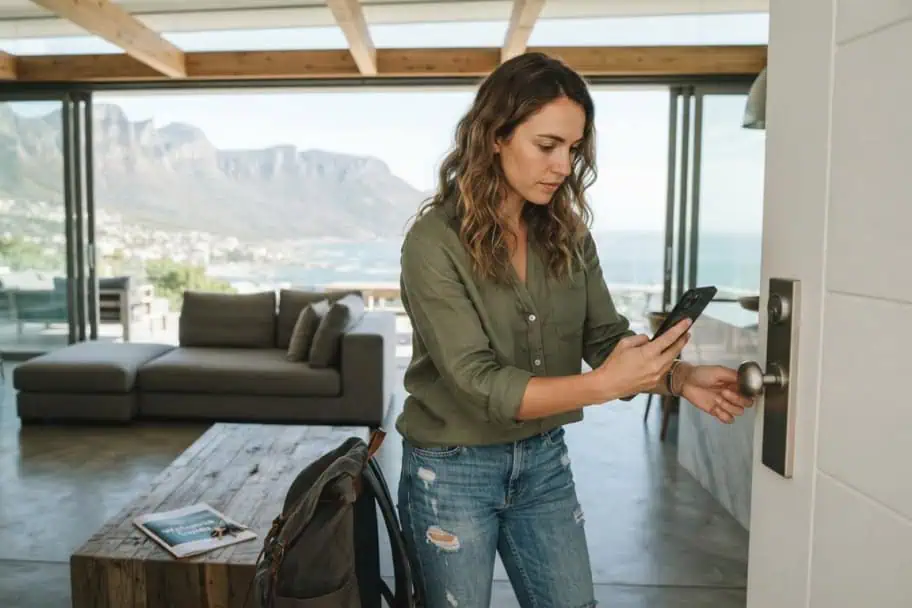
Once you arrive, conduct a quick inspection of the property before settling in. Verify that the rental matches the listing description and review the condition of important features such as locks, appliances, smoke detectors, and overall cleanliness. Identifying issues early allows you to report them promptly and avoid disputes later regarding damage or maintenance concerns.
Take photos or videos of any existing damage and notify the host through the booking platform if you discover problems. Documenting the property’s condition can protect you from being held responsible for issues that existed before your arrival. A careful inspection helps ensure a safer, more comfortable stay and provides useful documentation if concerns arise.
Trust Your Instincts and Avoid Suspicious Listings

Sometimes the best protection comes from trusting your instincts. If a listing seems unusual, contains conflicting information, or makes you uncomfortable for any reason, consider exploring other options. Travelers who want a safe vacation rental booking should pay attention to warning signs such as poor communication, missing details, pressure to book quickly, or requests that seem inappropriate.
There are usually plenty of legitimate vacation rental options available, so there is rarely a reason to take unnecessary risks. If something feels suspicious during your research or interactions with a host, it is often best to move on and continue searching. Trusting your judgment can help you avoid scams, protect your finances, and enjoy a more relaxed travel experience.
Don’t Forget to Subscribe to My Adventures!

Let Me Help You Save On Your Next Adventure!
‘Start Exploring Today’ Merchandise Available Now!
 |
 |
 |
 |
 |
 |
 |



















Leave a Reply