Cambodia Travel
LAST UPDATED: 11/6/25 – Cambodia Travel Resources
Cambodia is a captivating Southeast Asian destination that offers an enchanting blend of ancient wonders, vibrant culture, and breathtaking natural beauty. From the awe-inspiring temples of Angkor Wat to the somber shadow of the Khmer Rouge regime, the wonders of Cambodia travel continue to pop up on the bucket lists of curious travelers from around the world.
Beyond the iconic temple complexes, Cambodia’s diverse landscapes captivate visitors, from the serene floating villages of Tonle Sap Lake to the pristine beaches of the southern coastline. Whether seeking ancient wonders, outdoor adventures, or cultural immersion, Cambodia presents a truly remarkable destination that leaves a lasting impression on all who venture within its borders.

Please use this Cambodia travel page as you plan your next adventure. To help you navigate the information I have included on this page, I have provided a quick navigation menu for you to use below. This will make it quick and easy for you to see which top destinations I recommend, which popular parks and destinations in Cambodia you should consider visiting, and links to all of the travel guides, itineraries, and packing articles I have written to help you plan your adventure.
I have also included some key information you will need when planning your travel to Cambodia. Information such as the languages spoken, the currency used, emergency contact numbers to be aware of, VISA and passport considerations, required vaccinations, and important driving information (if you plan on driving while on your visit).


Top Things to See
Before planning your Cambodia travel, check out my gallery of the top things to see in the country below for some inspiration. There is so much to see and do in the country, so you won’t want to miss out on the top sights!
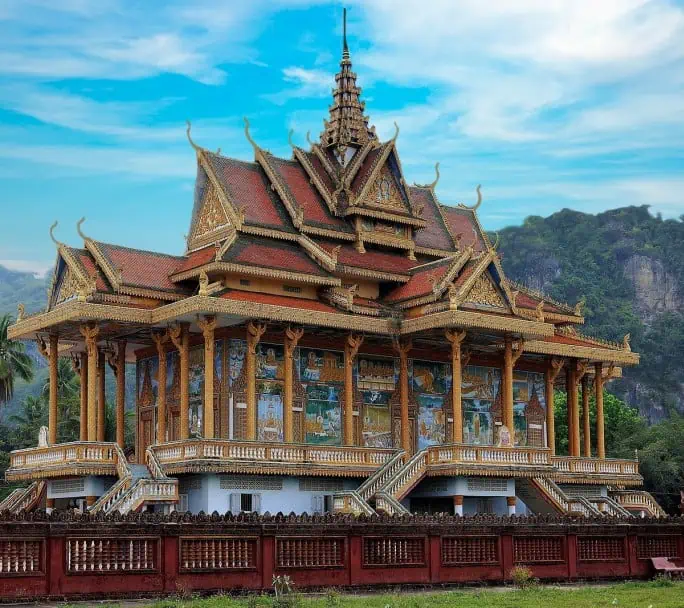
Battambang
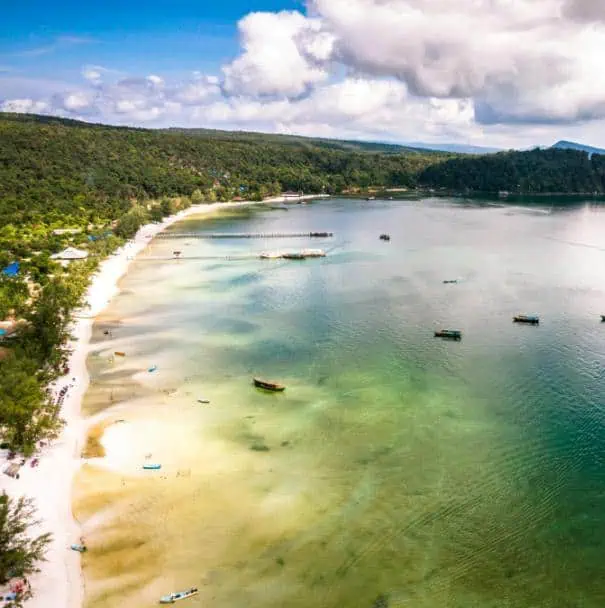
Koh Kong Province

The Silver Pagoda
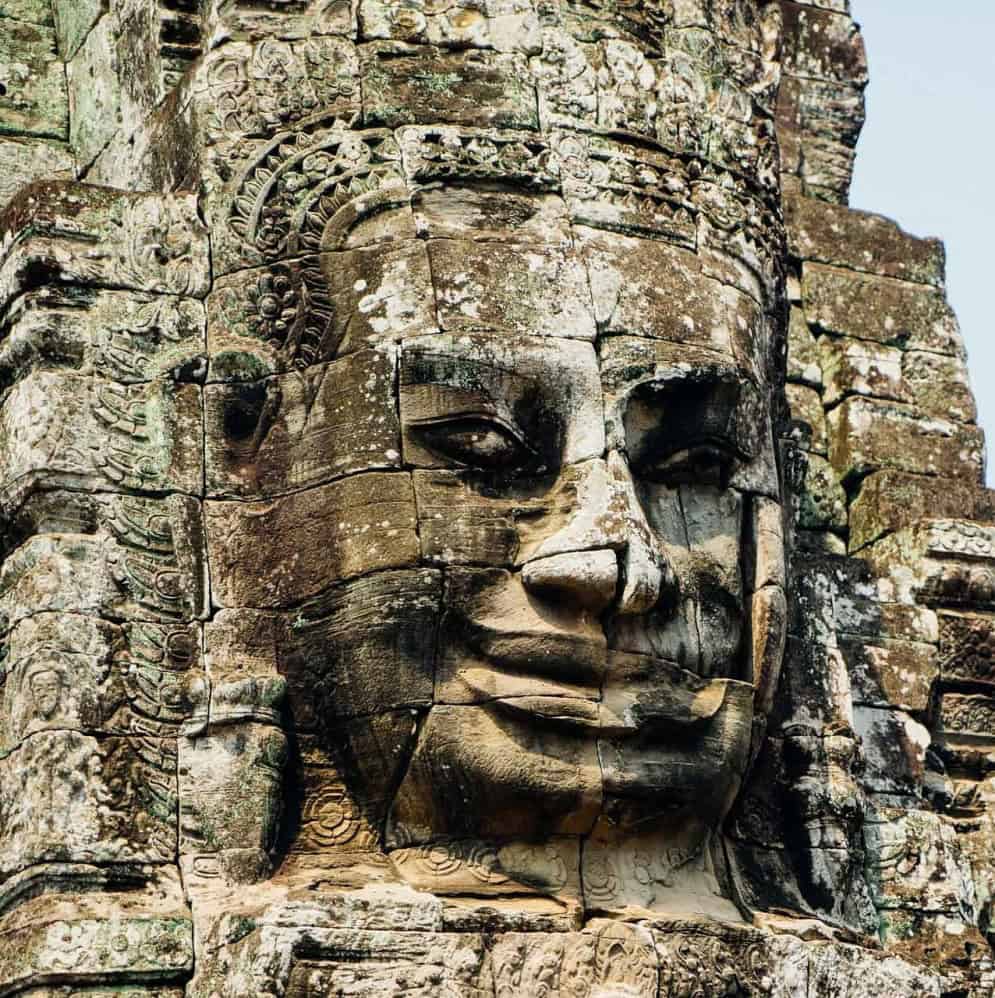
Bayon Temple
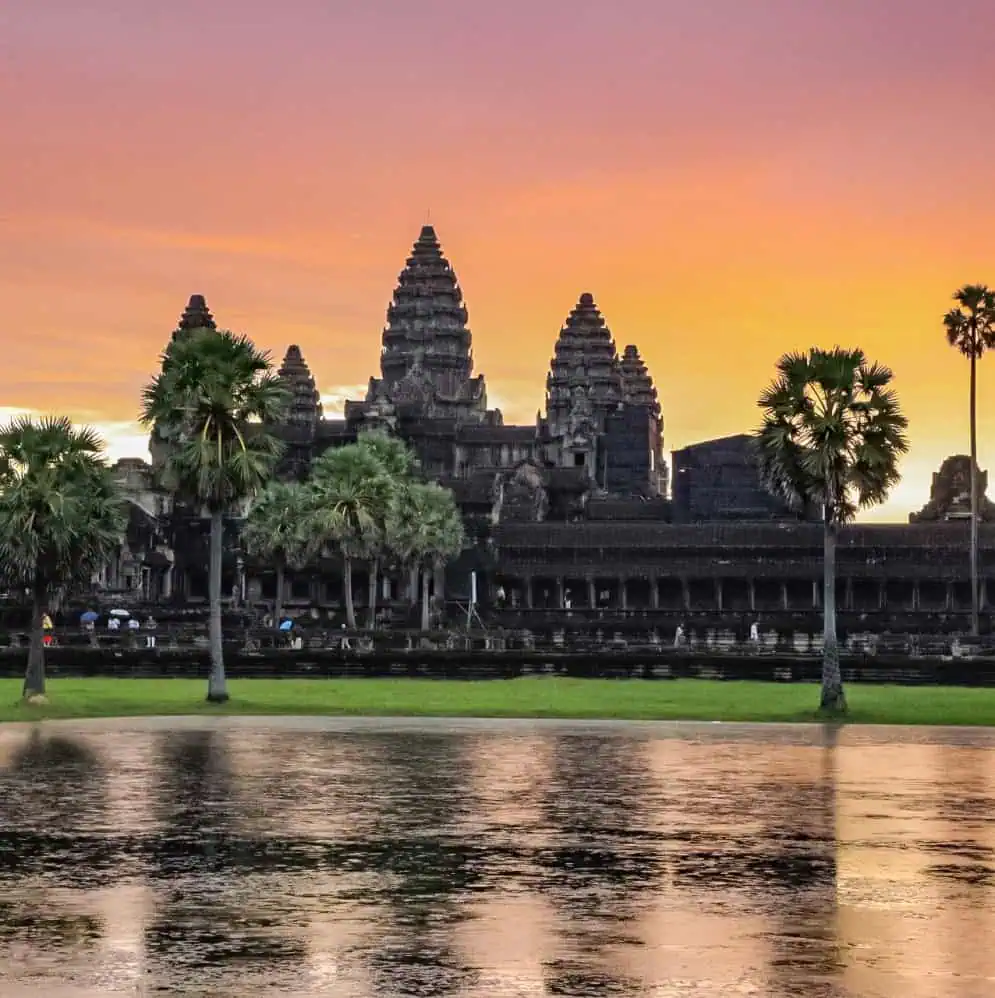
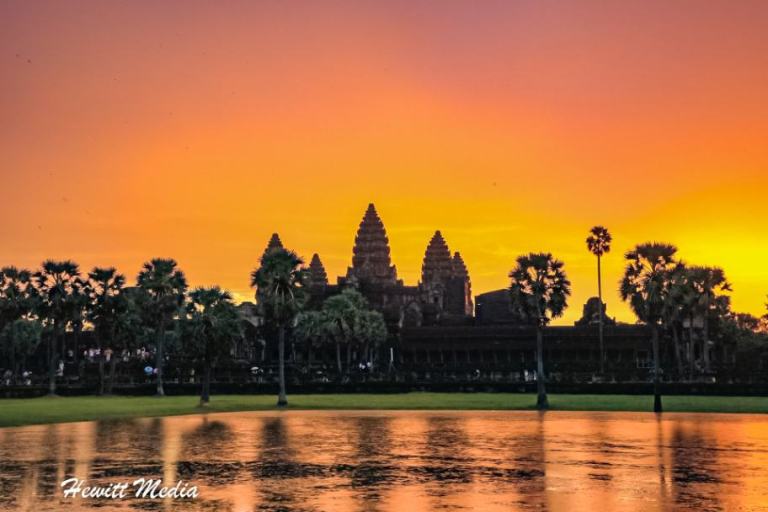
Angkor Wat
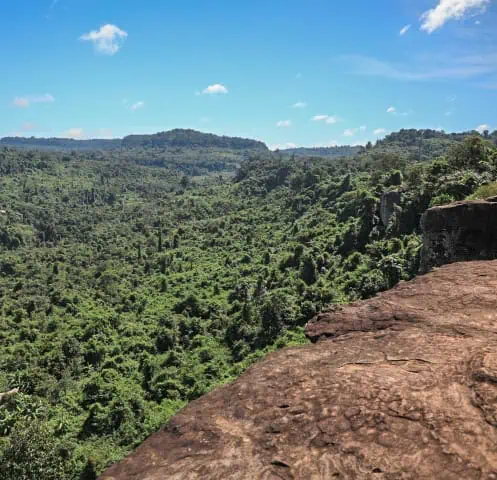
Phnom Kulen National Park

Sihanoukville
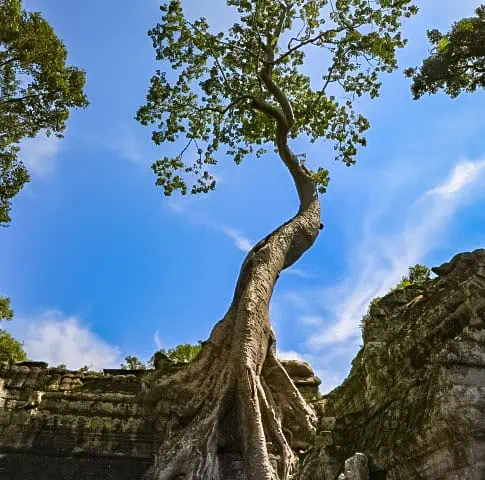
Ta Prohm Temple

Elephant Valley Project
If you want additional things to add to your Cambodia travel itinerary, check out my article on the Top 15 Things to See in Cambodia: Guide to Must-Visit Attractions.

Popular Cities
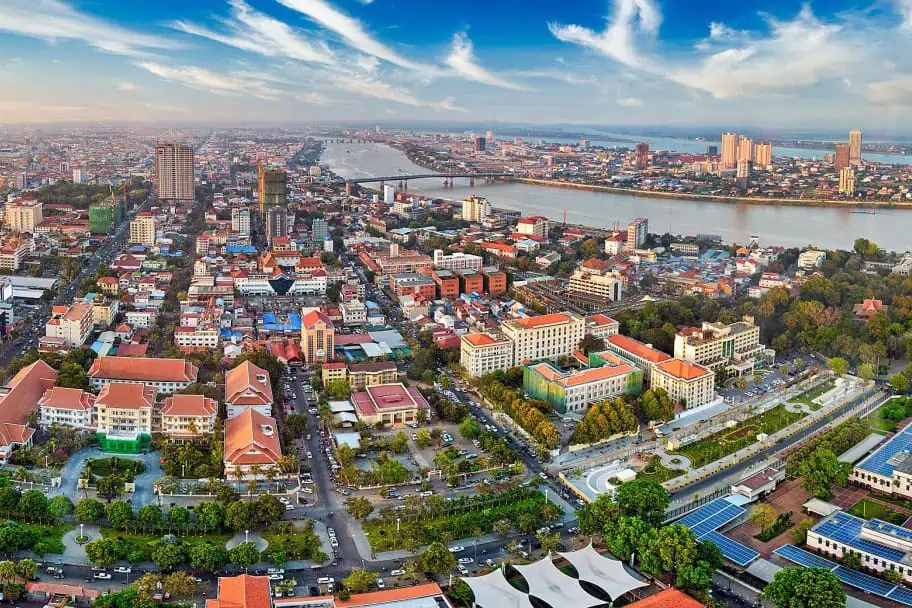
As you plan your Cambodia travel, you will want to start familiarizing yourself with the country. This way, you will better understand which cities and other attractions you want to see. To help you with this, I have included maps that outline the key cities in Cambodia for you to review below.

Languages Spoken
A majority of the population in Cambodia speaks the Khmer language, which is the country’s official language. Other languages spoken in the country include Vietnamese, Lao, Chinese, Thai, French, English, Korean, and Japanese. French was the official language of the Indochina region from 1863 until 1953, so it is still spoken by some of the older population within Cambodia.
Currency
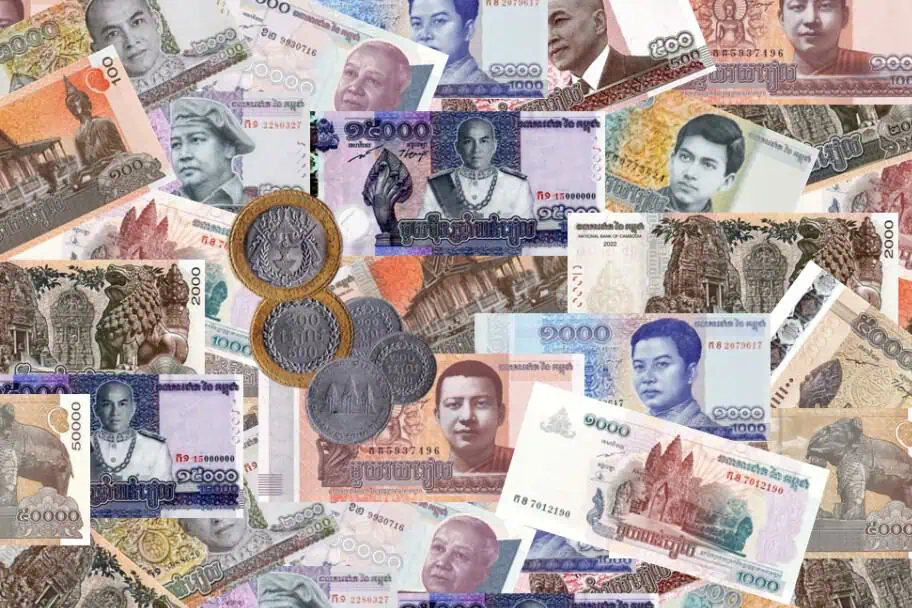
The official currency in Cambodia is the Cambodian Riel. There have been two distinct Riel currencies used in the country throughout its history. The first version of the Riel was issued between 1953 and 1975. Between 1975 and 1980, the country had no official currency. The second edition of the Riel began to be issued in March of 1980.
The Riel comes in banknote denominations of 50, 100, 200, 500, 1000, 2000, 5000, 10000, 20000, 50000, and 100000. In addition, the country also uses coins. Cambodia’s modern coins have been circulated since 1994 and include coins in denominations of 50, 100, 200, and 500 Riels.
Power Adapters Required

One of the most overlooked aspects of international travel is ensuring you have the proper power adapters. You may or may not be aware that the voltage and type of outlet available differ widely from one region to another. If you aren’t prepared, you won’t be able to charge your electronic devices while traveling.
Even worse, you may damage or destroy your electronic devices if you don’t have the right adapter with a voltage converter. Electricity supplies worldwide can vary from anything between 100V and 240V. It can be extremely dangerous to use an electrical appliance that is rated at a voltage different from the supply.
To ensure that this doesn’t happen to you, I have included some critical information on the electrical system in Cambodia for you to review below. This includes what types of international power adapters you should bring with you on your trip.
Electrical Voltage in Cambodia
In Cambodia, the voltage of the electrical supply is 230V. If you have an appliance that is single-voltage rated, the voltage rating of the device must be 230V for you to use it without a voltage converter. When shopping for a travel power adapter, it is important to confirm that the adapter you choose has a voltage converter included and isn’t just an adapter.
A power adapter will change the type of plug from one type to another so that you can plug into different outlets. However, a simple power adapter will not change the voltage of the supply to the voltage used by the devices you brought from home (120V in the United States). To do that, you will need a travel power adapter with a voltage converter.
Electrical Outlets in Cambodia
In Cambodia, the three types of electrical plugs that are used are Type A, Type C, and Type G. The Type A plug is the type with two parallel flat pins. Meanwhile, the Type C plug consists of two round pins. Finally, the Type G plug is characterized by three rectangular pins in a triangular pattern. Please see the illustrations of the Type A, Type C, and Type G plugs below for a better understanding of what they look like.
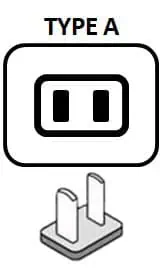

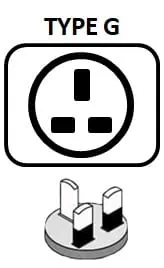
Emergency Contact
Should you run into an emergency situation while in Cambodia, it will be important to know the emergency numbers. This way, you will know which numbers to dial when you need immediate assistance. To assist you, I have documented the available emergency assistance numbers for Cambodia below for you to review.
- Fire and Rescue Service – 118.
- Medical Emergencies – 119 in Phnom Penh. Outside of Phnom Penh, you will need to contact the nearest hospital directly.
- Police – 117.
Visa, Passport, and Immunization Info
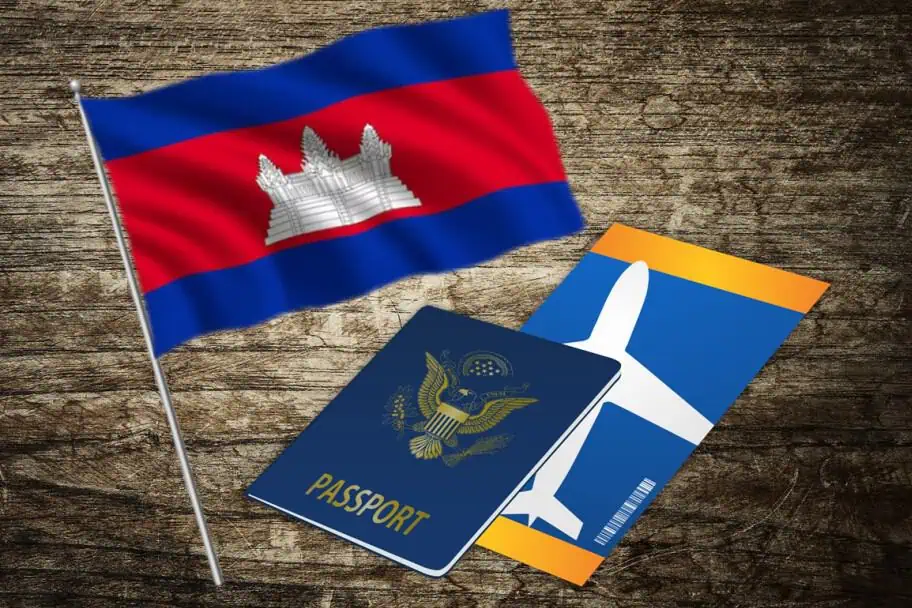
Before booking your Cambodia travel, you will want to be sure that you meet all of the necessary passport, VISA, and immunization requirements so that you can ensure you will be allowed into the country. To assist you, I have listed the requirements you will need to consider below for you to review.

Passport Validity
All visitors must have a passport that is valid for at least 6 months passed the end of their stay in Cambodia.
VISA Requirements
In addition to your passport, one of the most important Cambodian entrance requirements you must consider is the tourist VISA requirement. Depending on which country you are from, you may or may not need to apply for a tourist VISA to visit Cambodia. The following sections outline the Cambodian tourist VISA requirements and how to apply.
VISA-EXEMPT COUNTRIES
If you are a passport holder from one of the countries listed below, you are VISA-exempt. This means you won’t need to obtain a tourist VISA before traveling to Cambodia if you plan on staying for less than the VISA exemption period. This VISA exemption period varies depending on which country you are from.
 |
Brunei (14 Days) |  |
Indonesia (30 Days) |  |
Vietnam (30 Days) |
 |
Myanmar (14 Days) |  |
Laos (30 Days) |  |
Maldives (30 Days) |
 |
Thailand (14 Days) |  |
Malaysia (30 Days) |  |
Philippines (30 Days) |
 |
Seychelles (15 Days) |  |
Singapore (30 Days) |
VISA UPON ARRIVAL
If you do not hold a passport from a country that has a VISA exemption, then you will need to obtain a tourist VISA to visit Cambodia. If you hold a passport from a country that is eligible for VISA upon arrival, you can obtain your VISA when you arrive in Cambodia. Otherwise, you will need to apply for your VISA in advance.
Even if you are from a country that is eligible for a VISA upon arrival, you may choose to apply for an eVISA in advance to save you time at the airport when you arrive. For your planning purposes, I have included a list of countries that are eligible for VISA upon arrival below for you to review.
 |
Afghanistan |  |
Guadeloupe |  |
Papua New Guinea |
 |
Aland |  |
Guam |  |
Paraguay |
 |
Albania |  |
Guatemala |  |
Peru |
 |
Algeria |  |
Guernsey |  |
Pitcairn Islands |
 |
America Samoa |  |
Guinea |  |
Poland |
 |
Andorra |  |
Guinea Ecuatorial |  |
Portugal |
 |
Angola |  |
Guinea-Bissau |  |
Puerto Rico |
 |
Anguilla |  |
Guyana |  |
Qatar |
 |
Antarctica |  |
Haiti |  |
Republic of Cyprus |
 |
Antigua and Barbuda |  |
Honduras | |
Réunion |
 |
Argentina |  |
Hong Kong |  |
Romania |
 |
Armenia |  |
Hungary |  |
Russia |
 |
Aruba |  |
Iceland |  |
Rwanda |
 |
Australia |  |
India |  |
St Vincent And Grenadines |
 |
Austria |  |
Iran | |
Saint Barthelemy |
 |
Azerbaijan |  |
Iraq |  |
Saint Helena |
 |
Bahamas |  |
Ireland |  |
Saint Kitts and Nevis |
 |
Bahrain |  |
Isle of Man |  |
Saint Lucia |
 |
Bangladesh |  |
Israel | |
Saint Martin |
 |
Barbados |  |
Italy | |
Saint Pierre and Miquelon |
 |
Belarus |  |
Jamaica | |
Samoa |
 |
Belgium |  |
Japan |  |
San Marino |
 |
Belize |  |
Jersey |  |
Sao Tome and Principe |
 |
Benin |  |
Jordan |  |
Saudi Arabia |
 |
Bermuda |  |
Kazakhstan |  |
Senegal |
 |
Bhutan |  |
Kenya |  |
Serbia |
 |
Bolivia |  |
Kiribati | |
Seychelles |
 |
Bonaire |  |
Kuwait |  |
Sierra Leone |
 |
Bosnia and Herzegovina |  |
Kyrgyzstan |  |
Slovakia |
 |
Botswana |  |
Latvia |  |
Slovenia |
 |
Brazil |  |
Lebanon |  |
Solomon Islands |
|
Brunei |  |
Lesotho |  |
Somalia |
 |
Bulgaria |  |
Liberia |  |
South Africa |
 |
Burkina Faso |  |
Libya |  |
South Georgia |
 |
Burundi |  |
Liechtenstein |  |
South Korea |
 |
Cameroon |  |
Lithuania |  |
South Sudan |
 |
Canada |  |
Luxembourg |  |
Spain |
 |
Cape Verde |  |
Macau |  |
Sri Lanka |
 |
Cayman Islands |  |
Macedonia |  |
Sudan |
 |
Central African Rep. |  |
Madagascar |  |
Suriname |
 |
Chad |  |
Malawi |  |
Svalbard and Jan Mayen |
 |
Chile | |
Maldives |  |
Swaziland |
 |
China |  |
Mali |  |
Sweden |
 |
Colombia |  |
Malta |  |
Switzerland |
 |
Comoros |  |
Marshall Islands |  |
Syria |
 |
Congo |  |
Martinique |  |
Taiwan |
 |
Cook Islands |  |
Mauritania |  |
Tajikistan |
 |
Costa Rica |  |
Mauritius |  |
Tanzania |
 |
Cote d’Ivoire | |
Mayotte | |
Thailand |
 |
Croatia |  |
Mexico |  |
Timor-Leste |
 |
Cuba |  |
Micronesia |  |
Togo |
 |
Curacao |  |
Moldova |  |
Tokelau |
 |
Czechia |  |
Monaco |  |
Tonga |
 |
Denmark |  |
Mongolia |  |
Trinidad and Tobago |
 |
Djibouti |  |
Montenegro |  |
Tunisia |
 |
Dominica |  |
Montserrat |  |
Turkey |
 |
Dominican Republic |  |
Morocco |  |
Turkmenistan |
 |
Ecuador |  |
Mozambique |  |
Turks and Caicos Islands |
 |
Egypt | |
Myanmar |  |
Tuvalu |
 |
El Salvador |  |
Namibia |  |
Uganda |
 |
Eritrea |  |
Nauru |  |
Ukraine |
 |
Estonia |  |
Nepal |  |
United Arab Emirates |
 |
Ethiopia |  |
Netherlands |  |
United Kingdom |
 |
Faroe Islands | |
New Caledonia |  |
United States |
 |
Fiji |  |
New Zealand |  |
Uruguay |
 |
Finland |  |
Nicaragua |  |
Uzbekistan |
|
France |  |
Niger |  |
Vanuatu |
 |
Gabon |  |
Niue |  |
Vatican City |
 |
Gambia |  |
Norfolk Island |  |
Venezuela |
 |
Georgia |  |
North Korea |  |
Virgin Islands, British |
 |
Germany |  |
Northern Mariana |  |
Virgin Islands, U.S. |
 |
Ghana | |
Norway | |
Wallis and Futuna |
 |
Gibraltar |  |
Oman |  |
Yemen |
 |
Greece |  |
Pakistan |  |
Zambia |
 |
Greenland |  |
Palestinian Territory |  |
Zimbabwe |
 |
Grenada |  |
Panama |
APPLYING FOR AN E-VISA
If you do not have a passport from a country that qualifies for VISA upon arrival in Cambodia, you will need to apply for a tourist VISA before traveling. Even if you qualify to apply for a VISA upon arrival, you may want to apply for an E-VISA ahead of time to save yourself time upon arriving in Cambodia.
You can apply for your E-VISA directly from the Kingdom of Cambodia E-VISA website. You will need to make sure you have the following items ready before applying:
- Passport valid for at least 6 months beyond the arrival date.
- Recent passport-style photograph in digital format.
- Credit or debit card to pay the visa fees (Visa, Mastercard, Unionpay, Alipay, or WeChat Pay).
Immunization Requirements
Important Note: I am not a medical doctor and don’t have medical experience. The information provided in this section is a summary of information that I got from the Centers for Disease Control and Prevention in the United States for travel to Cambodia. I am providing you this information to help bring awareness of the necessary vaccinations to you. Still, consultation with my guide should not replace a discussion about your travels with your doctor or a travel medical clinic.
ROUTINE VACCINATIONS
The following routine vaccinations are recommended for anyone who will be traveling:
- Measles Mumps Rubella (MMR)
- TDAP (Tetanus, Diphtheria & Pertussis)
- Chickenpox
- Shingles
- Pneumonia
- Influenza
- Meningitis
- Polio
RECOMMENDED VACCINATIONS FOR CAMBODIA
In addition to the routine vaccinations above, the following are additional vaccinations you may want to consider for Cambodia:
- Hepatitis A
- Hepatitis B
- Measles – Cases of measles are on the rise worldwide.
- Rabies – If you plan on spending time in remote areas.
- Typhoid
- Japanese Encephalitis – Recommended for travelers who will either be spending a month or more in Cambodia or will be visiting rural areas or doing hiking, camping, or staying in places without air conditioning or bed netting.
- Chikungunya – There has been evidence of chikungunya virus transmission in Cambodia within the last 5 years. Chikungunya vaccination may be considered for travelers who are 65 years of age or older, travelers who have underlying health conditions, or travelers who plan to spend more than 6 months in Cambodia.
- Malaria
- Yellow Fever – If you are traveling from high-risk areas.
Customs and Currency Restrictions
In addition to the other entry requirements for Cambodia, you also need to make sure you understand and comply with the country’s customs and currency restrictions. For your convenience, I have highlighted these restrictions for your review below. More in-depth information on the customs restrictions can be found on the VisaHQ website for Cambodia Travel.
DUTY RATES FOR IMPORTED GOODS
There are five major duty rates (including a 0% rate) for imported goods, excluding vehicles with special rates. These duty rates are as follows:
- 0% for goods that the government policy does not to collect duties for.
- 7% for primary products and raw materials.
- 15% for machinery and equipment.
- 35% for finished products and government-protected goods.
- 50% for luxurious goods.
CONTROLLED ITEMS
If you are planning on bringing your dog, cat, or pet to Cambodia with you, the pet(s) will require a Veterinarian Good Health and Rabies Inoculation Certificate.
CURRENCY RESTRICTIONS
When visiting Cambodia, like all countries, you can’t just bring any amount of currency that you want into the country or leave with any amount of currency when visiting. According to the US State Department website, the government of Cambodia has the following currency limits and regulations in place:
- The import of local currency (Riel) is prohibited. When entering Cambodia, foreign currency amounts over US $10,000 must be declared.
- The export of local currency (Riel) is prohibited. Foreign currency can be taken out of the country up to the limit declared at customs on arrival.
Key Phrases
As a part of your Cambodia travel preparation, you will need to prepare yourself for how they talk in Cambodia so that you can understand the dialogue as you interact with Cambodians. This includes understanding key phrases so that you can ask for things, respond to others, and get around the country much more easily.
Here are some common Khmer phrases that you may need to use while visiting Cambodia:
Greetings and Salutations
- Chom reap sour – Hello (formal greeting).
- Susadei – Hello (informal greeting).
- Soksaby – I am fine, how are you?
- Chom reap lear – Goodbye (formal farewell).
- Lee hi – Goodbye (informal farwell).
- Bah – Yes (male).
- Jah – Yes (female).
- Ot teh – No.
- Arkun – Thank you.
- Som dtoh – I’m Sorry or Excuse Me.
- Aroun suostei – Good morning.
- Reatrei suostei – Good evening.
- Sokhasabbay cheate? – How are you?
Asking for Directions
- Baht schweng – Turn left.
- Baht saddam – Turn right.
- Chop – Stop.
- Tini – Here.
- Da trong – Go straight.
- Tae khnhom tow daoy rbiebnea…? – How do I get to…?
- Tae bantobtuk nowenea? – Where is the bathroom?
- Tae vea chhngay bonna? – How far away is it?
- Khnhom vongveng haey – I am lost.
Ordering Food
- Chhnang – Delicious.
- Som tach – Water please.
- Som ket loy – The bill please.
- Khnhom chng banhchea – I would like to order.
- Tae khnhom ach angkouy ban te? – Can I be seated?
- Khnhom chea anakbuos – I am a vegetarian.
- Meunouy – Menu.
- Kahve – Coffee.
- Kruengtes – Spicy.
- Tae anak chng nenam mhoub avei der? – What do you recommend?
- Khnhom a le sai… – I’m allergic to…
Shopping
- Bo man – How much?
- T’lay – too expensive.
- Khnhom chng tinh… – I would like to purchase…
- Tae nih meanotamlei bonman? – How much does this cost?
- Tae khnhom ach bngbrak tam kat intean ban te? – Can I pay by credit card?
- Tae anak ach banhchoun vea tow…? – Can you ship it to…?
Emergency Services
- Chuoy! – Help!
- Khnhom trauvkar kroupet – I need a doctor.
- Haw rothayont sangkroh bantean – Call an ambulance.
- Tae aosathasthan del now chit bamphot nowenea? – Where is the nearest pharmacy?
- Khnhom min mean arommo la te – I don’t feel well.
- Khnhom trauvkar kroupet – I need a doctor.
- Khnhom ban bat likhetachhlangden – I lost my passport.
- Bau li s – Police.
- Montirpet – Hospital.
- Phleung – Fire.
Driving Info

Driving in Cambodia can be a thrilling and eye-opening experience for adventurous travelers, though it does require a certain level of caution and adaptability. Renting a motorbike is a popular way to get around many Southeast Asian countries, and Cambodia is no different. It is a cheap and convenient method of travel that affords you a lot of flexibility in getting around and exploring if you are comfortable.
By familiarizing yourself with local driving customs, obtaining appropriate insurance, and exercising caution, visitors can safely and confidently explore this captivating destination by motorbike or car. Before you depart for your Cambodia travel, please review the helpful tips for driving in Cambodia that I have included below.
Driving License and Permit Required
To drive in Cambodia, you must meet the following requirements:
- Be 18 years of age or older.
- You must obtain an International Driver’s Permit (IDP) to drive in Cambodia. You will need to keep it on you at all times, along with your valid driver’s license from your home country.
- If your driver’s license does not include a photo, you must also carry your passport while driving.
Renting a Motorbike or Car in Cambodia
If you are visiting Cambodia as part of a tour or will be booking tours while you are in Cambodia, you may not need to worry about renting a motorbike or car. In those situations, your tour guide will often provide you with transportation.
However, if you plan on spending a lot of time in Cambodia and would like the flexibility of being able to get around on your own, renting a vehicle can be a convenient way to see the country. If you do decide to rent a motorbike or car, you will want to keep these tips in mind:
- You must be 18 years old or older to rent a motorbike or car in Cambodia.
- To rent a vehicle, you will need your International Driver’s Permit, your passport, and a credit card.
- It is strongly recommended that you purchase additional insurance from the vehicle rental company you rent from.
General Cambodia Driving Tips
If you plan to drive while in Cambodia, it is beneficial to know what to expect before you arrive in the country. Knowing the following Cambodian driving tips will help ensure that you are comfortable and safe while on the roads.
- In Cambodia, they drive on the right side of the road, and the driver’s seat is on the left side of the vehicle.
- Driving in Cambodia can be very unpredictable, so you need to always stay alert. With a mix of cars, motorbikes, bicycles, and pedestrians on the road, it can get chaotic at times.
- Roads in Cambodia can be in very rough shape, especially in rural areas. It isn’t unusual to see very large potholes or washed-out roads in some areas. You should always be alert and mindful of your speed so that you can avoid these hazards.
- Motorbikes and bicycles are everywhere on Cambodian roads, so you need to be conscious of these vehicles if you are driving a car.
- Downloading offline maps in Google Maps on your phone and using GPS while driving will make navigation easier.
- The fuel types in Cambodia include:
- Telsol Premium – Unleaded 92-octane gasoline from Kampuchea Tela.
- Telsol Extra – Unleaded 95-octane gasoline from Kampuchea Tela.
- Regular EA92 – A popular gasoline from BVM Petroleum that complies with EURO 4.
- Super EA95 – A high-performance gasoline from BVM Petroleum that complies with EURO 4.
- Premium 95 with Techron – A EURO 4M petrol from Caltex that’s recommended for most drivers.
Cambodia Driving Rules and Regulations
The last pieces of driving advice I have for you in this Cambodia travel guide are some highlights of the rules and regulations for driving in the country. Keeping the following driving rules and regulations in mind can save you from incurring any fines and help ensure you remain safe during your visit.
- Wear your seatbelt – It is mandatory for the driver and all passengers to wear a seatbelt in Cambodia.
- Always follow the speed limit. Speed limits are typically:
- Urban Areas – 30-40 km/h.
- Rural Areas – Up to 90 km/h.
- Motorways – Up to 100 km/h.
- Phnom Penh-Sihanoukville Expressway – 120 km/h for light vehicles and 100 km/h for buses, trucks, and motorbikes.
- Never drive under the influence of alcohol or other substances. The legal blood alcohol limit is 0.05% and it is strictly enforced with heavy fines or jail time for offenses.
- It is mandatory to have your headlights on when driving at night.
- Pedestrians always have the right of way in Cambodia. Always yield to pedestrians while driving and allow them enough space to cross the road safely.
- It is illegal to be on your cell phone while driving in Cambodia. Make sure you pull over to a safe spot if you need to use the phone.
Relative Guides, Itineraries, and Articles
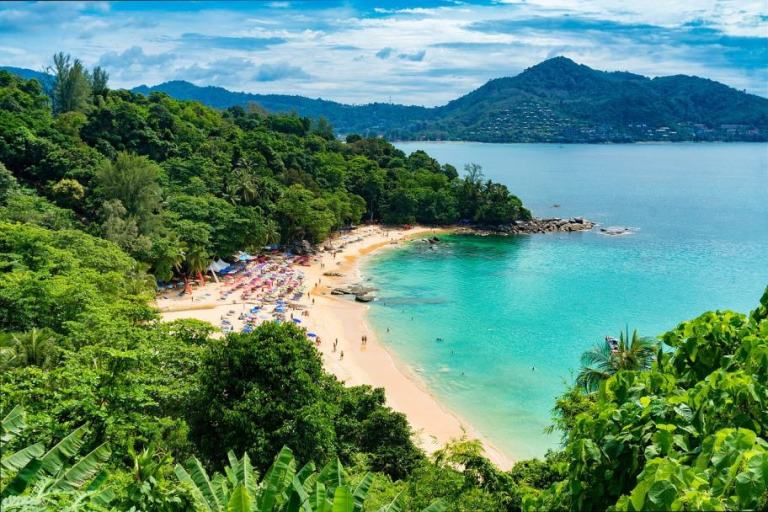
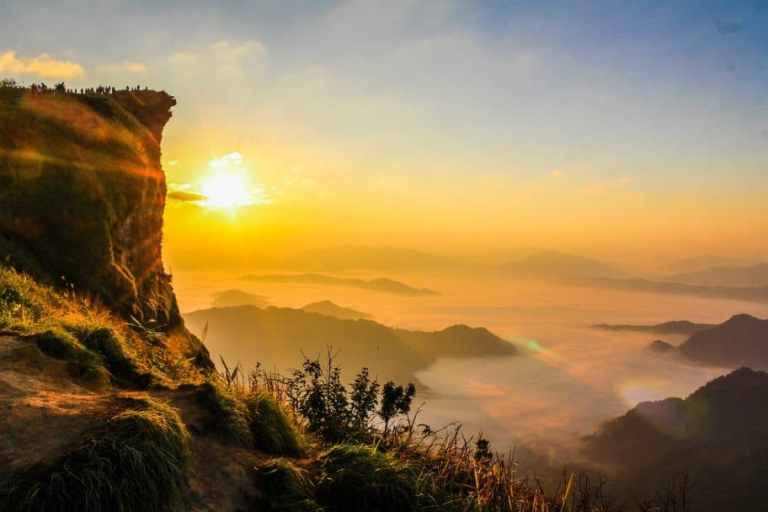
To assist you as you start to put together your travel plans for Cambodia, I have provided a comprehensive list of all of my travel guides, travel itineraries, and travel inspiration articles for Cambodia for you to review below.




Packing and Planning Tips
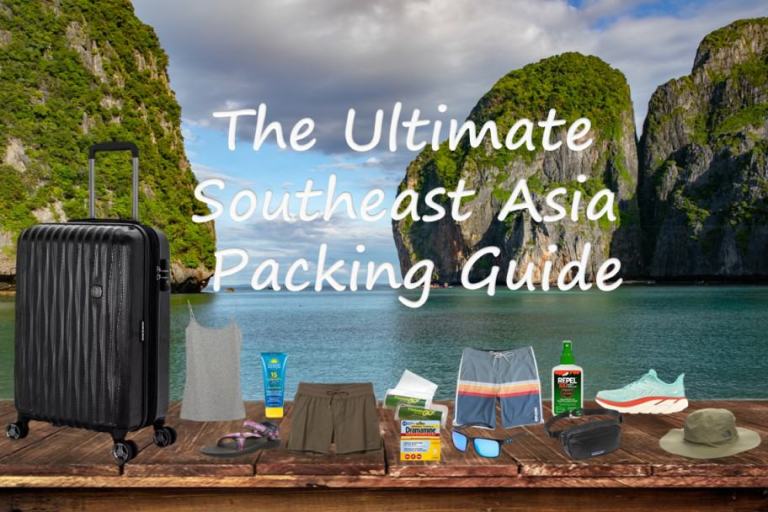
Once you start putting together your Cambodia travel plans, you may want to reference some of my handy travel packing and planning guides that I have put together. To make it easy to find and access these guides, I have included them for your reference below.








Popular Tours
When it comes to exploring the rich culture and breathtaking landscapes of Cambodia, several tours have captured the hearts of travelers from around the globe. Picture yourself wandering through the ancient temples of Angkor Wat, where history whispers through the stone walls, or cruising along the serene waters of the Mekong River, where vibrant local life unfolds before your eyes. Each of these adventures promises to leave you with unforgettable memories, ensuring that Cambodia remains a highlight of your travel diary. Don’t miss out on booking your dream tour today!
Don’t Forget to Subscribe to My Adventures!

Let Me Help You Save On Your Next Adventure!
‘Start Exploring Today’ Merchandise Available Now!
 |
 |
 |
 |
 |
 |
 |
Beautifully written!!!
Thank you so very much!!