LAST UPDATED: 10/16/26 – Southeast Asia Trip Planning – Part II
Southeast Asia trip planning became one of the most enjoyable projects of my year. As soon as we decided to travel in November, I found myself diving into research, comparing destinations, and mapping out what felt like an endless list of possibilities. Planning this trip wasn’t just about logistics — it was about learning the region, understanding its highlights, and building an itinerary that others could use as a guide for their own adventure.
I’ve always told people that I enjoy planning trips almost as much as taking them. There’s something special about starting with only a general idea of a destination and slowly uncovering its culture, landscapes, and experiences through research. By the time I arrive, I often feel like I already know the place. That was certainly true here, and sharing that process is exactly why I write these planning articles.

This second installment continues that goal: helping you plan a similar trip by showing exactly how I approached flights, hotels, tours, transportation, and timing. In Part I, I shared our rough itinerary. In this section, I walk through the detailed planning — the tours we booked, the logistics we handled, and the decisions we made to shape a smooth, meaningful journey through Thailand, Vietnam, Cambodia, and back to Thailand again.
Rough Itinerary

In Part I of my planning series, I outlined the rough structure of our 15‑day trip. With that foundation set, we booked our round-trip flights to Bangkok and began filling in the details. This article focuses on those details — the tours, hotels, transfers, and flights that turned a rough outline into a complete plan others can follow.
Our trip spans 15 days, with 13 full days available to explore Southeast Asia. In this installment, I relabeled the first travel day as Day 0, since it’s almost entirely consumed by flying and time zone changes. Real exploration begins on what I now call Day 1. Below is the full itinerary exactly as we planned it:
- Day 0 – Fly to Bangkok, Thailand
- Day 1 – Arrive in Bangkok, Thailand
- Day 2 – Fly to Chiang Mai, Thailand
- Day 3 – Chiang Mai, Thailand
- Day 4 – Chiang Mai, Thailand
- Day 5 – Fly to Da Nang, Vietnam
- Day 6 – Da Nang, Vietnam
- Day 7 – Fly to Siem Reap, Cambodia
- Day 8 – Siem Reap, Cambodia
- Day 9 – Siem Reap, Cambodia
- Day 10 – Fly to Phuket, Thailand
- Day 11 – Phuket\Phi Phi Islands, Thailand
- Day 12 – Phuket\Phi Phi Islands, Thailand
- Day 13 – Fly to Bangkok, Thailand
- Day 14 – Fly Home
If you want to understand why we chose each destination and how we balanced time across them, you can revisit Part I — but this article focuses on the practical planning steps that followed.
Touring Chiang Mai, Thailand

After arriving in Bangkok very late at night, we stayed at a hotel near the airport because we were flying to Chiang Mai the following morning. That made Chiang Mai the first destination we truly explored, and it also made it the first major focus of my Southeast Asia trip planning. Looking back, this was the perfect place to begin the trip — and planning it carefully made everything smoother once we arrived.
I started by choosing a hotel for our three‑day, three‑night stay, then arranged airport transfers so we wouldn’t have to worry about transportation after long travel days. From there, I moved on to the tours. Chiang Mai has an overwhelming number of incredible experiences, so booking early was essential. Below are the tours we selected and why they worked so well.
Doi Inthanon National Park Tour
On our first full day in Chiang Mai, we booked a Doi Inthanon National Park Tour, one of the most popular tours in the region. Because it fills up quickly, planning ahead was crucial. The park’s waterfalls, viewpoints, and twin pagodas were some of the most beautiful landscapes of the entire trip. In hindsight, this was the ideal way to start exploring Northern Thailand — and it’s something I highly recommend for anyone planning a similar itinerary.
Chiang Mai Temples and Golden Triangle Tour
Our second full‑day tour was one I had been looking forward to from the moment we began planning. This tour included several of Chiang Mai’s most renowned temples, each offering a different architectural style and cultural story. We also visited a Karen village to learn about local traditions, and then continued north to tour the Golden Triangle near the Laos and Myanmar borders. This day ended up being one of the most meaningful cultural experiences of the entire trip.
Other Planning Needs
To make Chiang Mai run smoothly, I handled several additional logistics during the planning phase:
- Flight to Chiang Mai on the morning of Day 2.
- Three nights in Chiang Mai.
- Flight from Chiang Mai to Da Nang on the morning of Day 5.
- Airport transfers for arrival and departure.
These steps ensured that once we landed, we could focus entirely on exploring rather than troubleshooting logistics. Chiang Mai set the tone for the rest of the trip, and thoughtful planning made all the difference.
Touring Da Nang, Viet Nam

After spending three days in Chiang Mai, our next destination was the coastal city of Da Nang, Vietnam. When I look back at our Southeast Asia trip planning, Da Nang was one of the stops that required the most careful coordination because we had only two days and two nights there. With limited time, I wanted to make sure every detail was handled before we arrived — especially the hotel, airport transfers, and the sightseeing tour that would cover the highlights we were most excited to see.
The first step was booking a hotel near the coastline. This area offered easy access to the beach and quick transportation routes to the city’s major attractions. I also arranged airport transfers for both arrival and departure so we wouldn’t waste valuable time figuring out transportation on the ground. Once those logistics were set, I moved on to the part of Da Nang planning I was most excited about: choosing the right tour.
Golden Bridge, Dragon Bridge, Monkey Mountain, and Marble Mountain Tour
While Da Nang has plenty to explore, our primary reason for visiting was to finally see two iconic bridges in person: the Golden Bridge and the Dragon Bridge.
The Golden Bridge — often called the “Hands of God” — was one of the most visually striking places on our entire itinerary. Located in the Ba Na Hills, the bridge appears to be held up by two massive stone hands rising from the mountainside. I had dreamed of photographing this spot for years, so making sure we booked a tour that included it was essential.
The Dragon Bridge was the other major highlight. This ornate bridge spans the length of the river and features a massive dragon sculpture that actually breathes fire. Seeing it in person was even more impressive than the photos. The tour we booked also included Monkey Mountain and Marble Mountain, both of which added depth to our short stay and made the day feel full without being rushed.
Other Planning Needs
Da Nang also required a few additional planning steps that are worth noting for anyone building a similar itinerary:
- Booked 2 nights in Da Nang.
- Arranged airport transfers for arrival and departure.
- Researched Vietnam’s visa process, which was the most complicated of the trip. We learned we needed to bring two passport photos for the application.
- Booked a flight from Da Nang to Siem Reap on the afternoon of Day 7.
Da Nang was short but unforgettable, and planning ahead ensured we could enjoy everything we wanted without feeling rushed. It’s a perfect example of how thoughtful preparation can make even a brief stop feel complete.
Touring Siem Reap, Cambodia

After finishing our time in Da Nang, we flew to Cambodia to explore Siem Reap, one of the destinations I was most excited to plan. Looking back, this portion of our Southeast Asia itinerary was one of the most rewarding to research. With legendary temples, rich history, and incredible landscapes, Siem Reap offered a perfect blend of culture and photography opportunities — and planning ahead made our experience much smoother once we arrived.
Because Siem Reap was a three‑night stay, I started by booking a hotel that offered easy access to both the city center and the Angkor temple complex. I also arranged airport transfers so we wouldn’t have to worry about transportation after long travel days. With accommodations and logistics set, I moved on to the tours — which were the heart of our time in Siem Reap.
Angkor Wat Sunrise Tour
As a travel photographer, this was the tour I was most excited to book. A sunrise tour of Angkor Wat is one of the most iconic experiences in Southeast Asia, and planning it early was essential. Seeing the temple slowly illuminated by the morning light was unforgettable, and it provided some of my favorite photographs from the entire trip.
This tour also included time to explore the surrounding temples, each with its own architectural style and historical significance. For anyone planning a similar trip, I highly recommend prioritizing a sunrise visit — it’s worth every minute of the early wake‑up.
Phnom Kulen Waterfall National Park Tour
The day after Angkor Wat, we shifted our focus from temples to nature with a full‑day tour of Phnom Kulen Waterfall National Park. This was one of the most enjoyable planning decisions we made. The park features a beautiful waterfall, lush jungle scenery, and several cultural sites that added depth to the experience.
Booking this tour gave us a perfect balance: one day dedicated to ancient architecture, and another dedicated to Cambodia’s natural beauty. It’s a combination I recommend for anyone building a similar itinerary.
Other Planning Needs
To make our stay in Siem Reap seamless, I handled several additional logistics during the planning phase:
- Booked 3 nights in Siem Reap.
- Arranged airport transfers for arrival and departure.
- Booked a flight from Siem Reap to Phuket on the morning of Day 10.
These steps ensured that once we arrived, we could focus entirely on exploring rather than troubleshooting transportation or accommodations. Siem Reap ended up being one of the most memorable parts of the trip, and thoughtful planning made it even better.
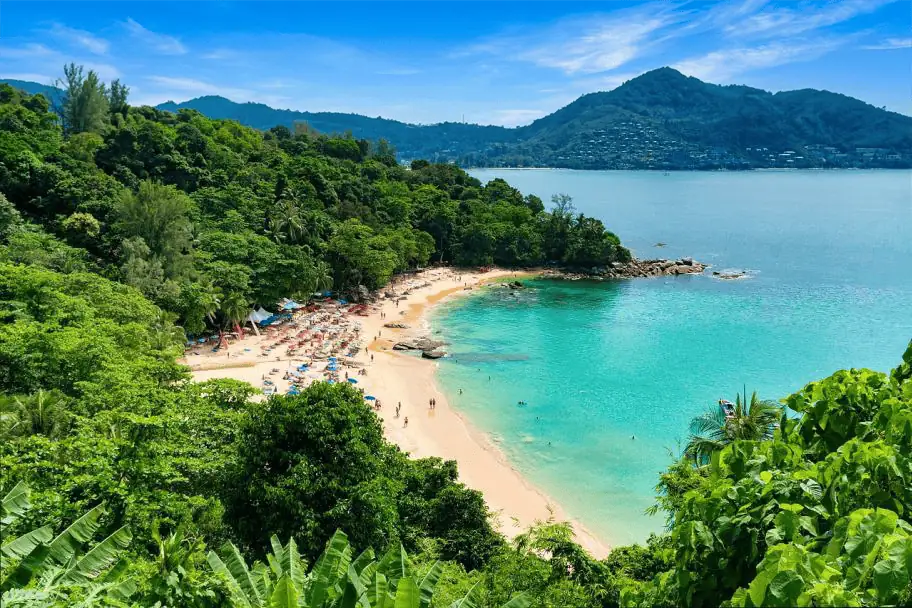
Touring Phuket, Thailand

After finishing our time in Siem Reap, we flew back to Thailand to begin the southern portion of our itinerary: Phuket. When I look back at our Southeast Asia trip planning, this was the part of the trip that revolved almost entirely around photography. Phuket’s coastline, islands, and dramatic sea stacks are some of the most visually striking landscapes in the world, so I wanted to make sure we had the right tours, timing, and logistics in place to capture them properly.
The first step was booking a hotel for our three‑night stay. I chose a location that offered easy access to the marina and tour departure points, which made our early mornings and late returns much easier. I also arranged airport transfers so we wouldn’t have to worry about transportation after long travel days. With accommodations set, I moved on to the tours — the heart of our Phuket experience.
Phi Phi Islands Sunrise Tour
Our first full day in Phuket was dedicated to one of the region’s biggest tourism draws: the Phi Phi Islands. This was a place I had dreamed of photographing for years, so I booked a sunrise tour to capture the islands in the best possible light. The early departure was absolutely worth it. Seeing the limestone cliffs glow as the sun rose was one of the most breathtaking moments of the entire trip.
This tour included multiple stops around the islands, giving us time to explore beaches, lagoons, and viewpoints. For anyone planning a similar trip, I highly recommend choosing a sunrise option — it’s quieter, cooler, and far more photogenic.
James Bond Island and Phang Nga Bay
On our second day in Phuket, we headed back out onto the water to explore Phang Nga Bay and the iconic James Bond Island. Made famous by The Man with the Golden Gun, this island is one of the most recognizable landmarks in Southern Thailand. Its dramatic limestone pillar rising from the water is exactly what I picture when I think of this region.
The tour we booked included a sunset cruise dinner, which was a major highlight. It gave me the chance to photograph the bay during golden hour and into sunset — something I had hoped for since the early stages of planning. The combination of scenery, lighting, and calm water made this one of the most memorable photography days of the entire trip.
Other Planning Needs
To make Phuket run smoothly, I handled several additional logistics during the planning phase:
- Booked 3 nights in Phuket.
- Booked a flight from Phuket to Bangkok on the morning of Day 13.
- Arranged airport transfers for arrival and departure.
These steps ensured that once we arrived, we could focus entirely on exploring and photographing the coastline rather than troubleshooting transportation or accommodations. Phuket was the perfect finale before returning to Bangkok, and thoughtful planning made it even more enjoyable.
Touring Bangkok, Thailand

Our final stop on the trip was the incredible city of Bangkok, and looking back, this portion of our Southeast Asia trip planning was all about making the most of limited time. Because we were returning to Bangkok only for one full day before flying home early the next morning, I knew we needed a plan that allowed us to see the city’s highlights without feeling rushed.
The first step was booking a hotel near the airport. We had stayed near the airport on our first night in Thailand, arriving after 11pm, and it made the next morning’s flight to Chiang Mai much easier. For our final night, staying near the airport again was essential — especially since most hotels in that area include transfers to and from the terminal. That meant one less thing to worry about at the end of a long trip.
With accommodations handled, the next task was choosing a tour that would allow us to see Bangkok’s top attractions in a half‑day. Because we had only one full day in the city, we needed something efficient, flexible, and well‑timed.
Bangkok Tour Options
We looked at a handful of Bangkok tour options — everything from guided cultural walks to river cruises, food tours, and city‑overview routes. Each had its own advantages, but many required a bit of coordination. Different tours start in different parts of the city, meaning we’d need to grab a taxi to the meeting point, keep track of varying start times, and make sure we didn’t miss any connections. With limited time, that kind of logistics can get tricky. So we decided it was smarter to wait until we arrived in Bangkok before choosing which tours to book. Sometimes the best planning choice is leaving room to assess the situation on the ground.
Other Planning Needs
To make our brief stay in Bangkok run smoothly, I handled several additional logistics during the planning phase:
- Booked 1 night near the airport for our first night in Thailand.
- Booked 1 night near the airport for our final night.
- Confirmed airport transfers included with both stays.
- Researched half‑day tour options that fit our limited schedule.
- Reviewed Thailand’s visa exemption process for re‑entry, since our itinerary required entering Thailand twice — once before visiting Vietnam and Cambodia, and once afterward to tour Phuket.
Bangkok may have been our shortest stop, but thoughtful planning ensured we could still enjoy the city’s highlights without feeling rushed. Ending the trip here gave us a final taste of Thailand’s culture before heading home.
Don’t Forget to Subscribe to My Adventures!

Let Me Help You Save On Your Next Adventure!
‘Start Exploring Today’ Merchandise Available Now!
 |
 |
 |
 |
 |
 |
 |


















I’m with you – the planning is the best part! We’re leaving for France soon and your post reminded me that I haven’t researched how to get from the Toulouse airport to our hotel in the city center! (headslap) Just looked and, wouldn’t you know it, the tram line that links the two is down for long-term construction. And it cost less than two Euros (as opposed to an Uber, which is like 35 Euros). 🙁 When you say “arranged transportation” from the airport, what do you use?
Good thing you looked! I booked transportation thru Viator. I did this in Victoria Falls and it worked so well. Instead of having to worry about finding s taxi, you go thru airport security and they are there waiting for you with a sign. And it is no more expensive than a taxi if you purchase an honestly priced ride.
Check this out from Viator, it looks amazing!
Victoria Falls Airport Transfers
⭐️⭐️⭐️⭐️⭐️ 4.5/5 (6 Reviews)
From $16.20
https://www.viator.com/search/204103P2?mcid=64243
If you don’t have the Viator app already, download it
https://my-viator.onelink.me/y0Xw/c4ddd6d9
Thanks, Josh. I always have this worry about prebooking an airport pickup: what if my plane arrives really late?
Most ask you to put in your airline and flight number when you book and they monitor your flight so they know if it is going to be late.
Oh, duh. Of course. Thanks for telling me something I should have been able to figure out myself. 🙂
And I always read the reviews on them before booking. Some have comments about no-shows and I steer clear of those
Good news is that Viator will reimburse you if you have issues with any tour. I have had incredible experiences with Viator
Great to know. Thank you.
By that I mean it’s delayed, not late at night.
Hi Josh,
What a fabulous itinerary you have planned! I also find planning very enjoyable, and like you, I try to plan optimal photography hours to certain locations. Can’t wait to see your sunrise photos! At beach or harbour locations, I also check a tide app to see if it will be high or low.
Jealous and can’t wait to travel vicariously to these places with you!
~ Christine
Thanks so much for your thoughtful comment Christine!! I am glad to hear I am not the only one who travels with photography in mind!! I so much appreciate you reading!!