New Zealand Travel
Many travelers have New Zealand travel on their bucket list, and it isn’t hard to understand why. New Zealand is a breathtaking destination that captivates travelers from around the world with its diverse and awe-inspiring landscapes. From the snow-capped peaks of the Southern Alps to the rugged coastlines dotted with pristine beaches, this island nation offers an unparalleled natural beauty that seems almost otherworldly.
Venture into the lush rainforests of the North Island and be enchanted by the vibrant green mosses and ferns that carpet the forest floor, while the gentle sound of cascading waterfalls provides a soothing soundtrack. Further south, the South Island boasts the dramatic glaciers of the Aoraki/Mount Cook region, where adventurous hikers can traverse ancient ice fields and gaze up at the towering, ice-clad mountains that seem to pierce the sky.

Please use this New Zealand travel page as you plan your next adventure. To help you navigate the information I have included on this page, I have provided a quick navigation menu for you to use below. This will make it fast and easy for you to see which popular parks and destinations in New Zealand you should consider visiting. In addition, I have provided links to all of the travel guides, itineraries, and packing articles I have written to help you plan your adventure.
I have also included some key information you will need when planning your travel to New Zealand. Information such as the languages spoken, the currency used, emergency contact numbers to be aware of, VISA and passport considerations, required vaccinations, and important driving information (if you plan on driving while on your visit).


Top Things to See
Before you start planning your New Zealand travel, make sure you check out my gallery of the top things to see in the country below for some inspiration. There is so much to see and do in the country, so you won’t want to miss out on the top sights!

Queenstown

Hobbiton

Milford Sound

Aoraki\Mount Cook National Park

Cathedral Cove

Abel Tasman National Park

Franz Josef Glacier
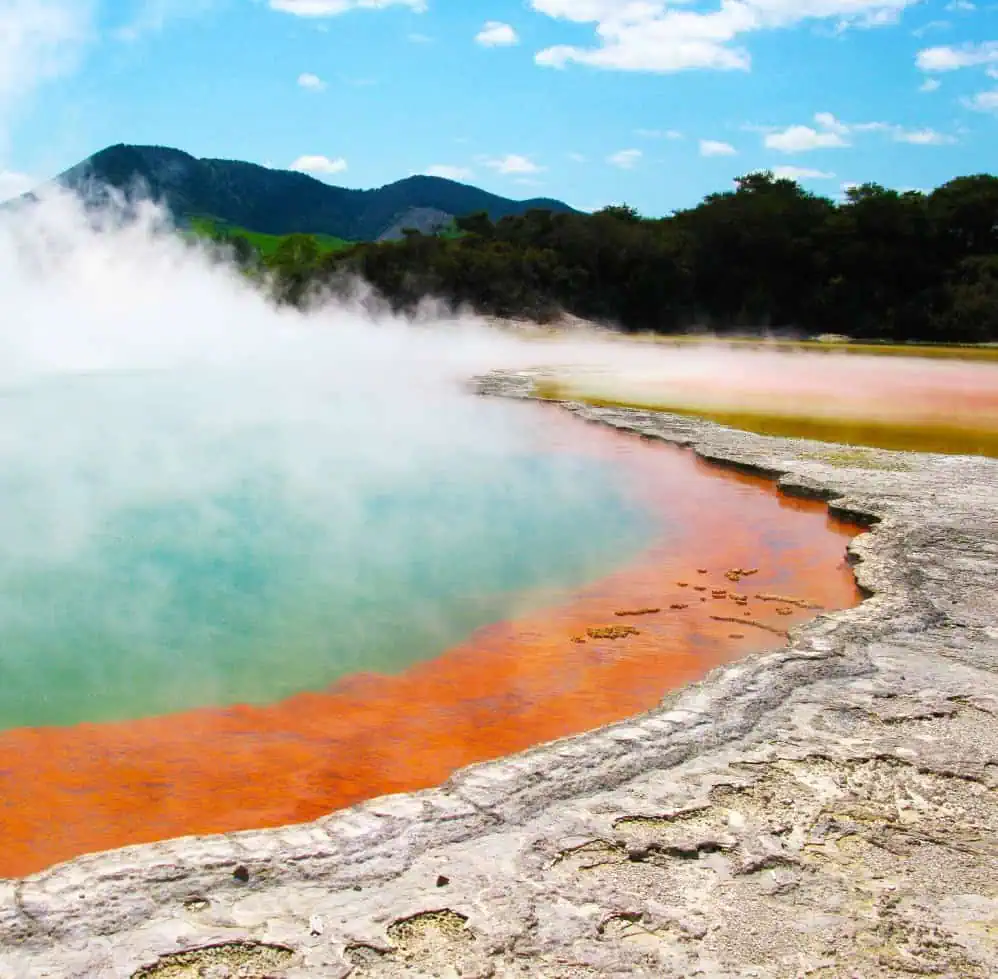
Rotorua

Wanaka
If you are looking for some additional ideas, please see my Unforgettable Adventures: Top 30 Things to Do in New Zealand article linked below.
Popular Cities
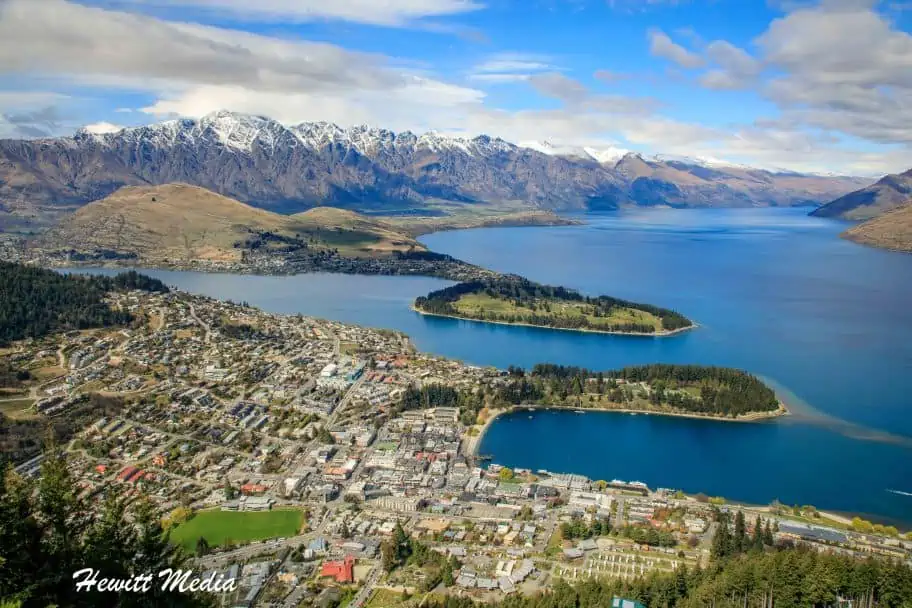
As you start to plan your New Zealand travel, you will want to familiarize yourself with the largest and most popular cities (which are not always one and the same) in the country.
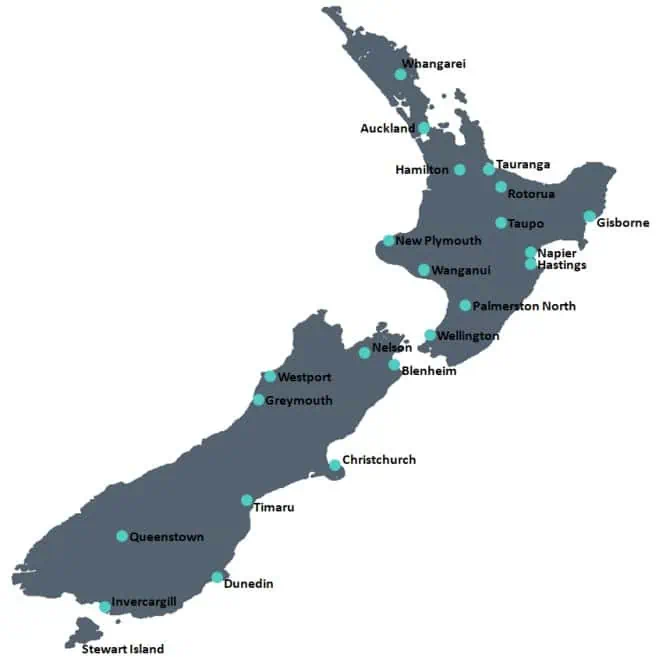
Not only to see if you would like to visit and tour these cities but also because these cities will typically be your ports of entry and transportation hubs as you visit on your trip. To help you with this, I have included a map of some of the key cities within New Zealand that you will want to become familiar with below.
Languages Spoken
Offically, New Zealand has three recognized languages. Those are English (de facto), Māori and New Zealand Sign Language. Almost the entire population of New Zealand speaks English proficiently, either as their primary or a secondary language.
The New Zealand dialect is very similiar to the Australian dialect, with some key differences. In fact, many of the slang phrases you hear in New Zealand are also spoken in Australia. The main language of the indignious peoples of New Zealand, known as the Māori, is the te reo Māori (meaning “the Māori language”). The native Māori language was recognized as an official language of New Zealand in 1987.
Currency

The official currency in New Zealand is the New Zealand Dollar (NZD). The denominations of banknotes in New Zealand include $5, $10, $20, $50, and $100 banknotes. New Zealand also has several different coins in circulation. The denominations of these coins include 10 cents, 20 cents, 50 cents, one dollar, and two dollars.
Power Adapters Required

One of the most overlooked aspects of international travel is ensuring you have the proper power adapters. You may or may not be aware that both the voltage and the type of outlet available differ widely from one region of the world to the next. If you aren’t prepared, you won’t be able to charge your electronic devices as you travel.
Even worse, you may damage or even destroy your electronic devices if you don’t have the right adapter with a voltage converter. Electricity supplies worldwide can vary from anything between 100V and 240V. It can be extremely dangerous to use an electrical appliance that is rated at a voltage different from the supply.
To ensure that this doesn’t happen to you, I have included some critical information on the electrical system in New Zealand for you to review below. This includes what types of international power adapters you should bring with you on your trip.
Electrical Voltage in New Zealand
In New Zealand, the voltage of the electrical supply is 230V. If you have an appliance that is single voltage rated, the voltage rating of the device must be 230V for you to use it without a voltage converter. When shopping for a travel power adapter, it is important to confirm that the adapter you choose has a voltage converter included and isn’t just an adapter.
A power adapter will change the type of plug from one type to another so that you can plug into different outlets. However, a simple power adapter will not change the voltage of the supply to the voltage used by the devices you brought from home (120V in the United States). To do that, you will need a travel power adapter with a voltage converter.
Electrical Outlets in New Zealand
In New Zealand, the type of electrical plug used is the Type I plug. This plug has three flat pins in a triangular pattern. For a better understanding of what this plug looks like, please see the illustration I included below.

Emergency Contact
In case of an emergency when traveling in New Zealand, dial 1-1-1 from any telephone to reach the local emergency services.
Visa, Passport, and Immunization Info
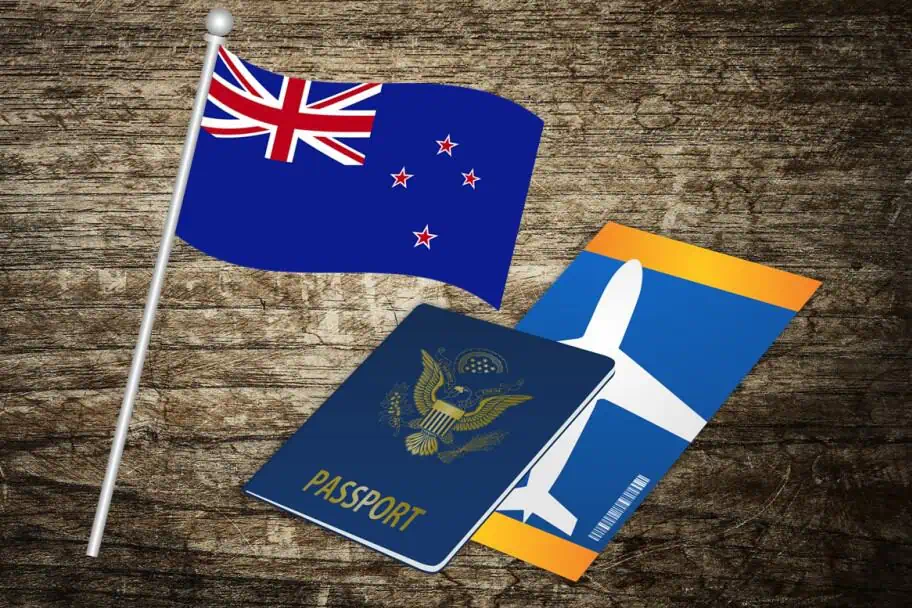
Before booking your New Zealand travel, you will want to be sure that you meet all of the necessary passport, VISA, and immunization requirements so that you can ensure you will be allowed into the country. To assist you, I have listed the requirements you will need to consider below for you to review.

Passport Validity
To be allowed entry into New Zealand, your passport must be valid for at least three months beyond the end of your trip. So, if your passport is set to expire a month after you get back, you won’t be let into the country. That is something that frequently trips travelers up, so make sure you check the expiration date of your passport closely.
VISA Requirements
New Zealand requires an Electronic Travel (NZeTA) Authorization for travelers from most countries in the World. Unless you live in Australia, you will need to apply for an NZeTA Authorization before traveling. If you have a criminal conviction or have been deported, removed, or excluded from visiting a country in your past, you may be denied authorization.
Return Flight Requirement
Before you head to the airport to fly to New Zealand, you also need to have your return flight out of New Zealand booked with an airline. It doesn’t have to be with the same airline you are flying into New Zealand with, but you will need to have proof to show the airline you will be flying to New Zealand with that you have a return flight paid for before they will let you board.
This means that, unless you are a citizen of Australia and are exempt, you will not be able to fly to New Zealand on a one-way flight unless your VISA or NZeTA specifies that ‘Return and/or onward ticket not required’. An NZeTA authorization does not provide you with this flexibility.
Immunization Requirements
Important Note: I am not a medical doctor and don’t have medical experience. The information provided in this section is a summary of information that I got from the Centers for Disease Control and Prevention in the United States for travel to New Zealand. I am providing you this information to help bring awareness of the necessary vaccinations to you, but consultation with my guide should not replace a discussion about your travels with your doctor or a travel medical clinic.
One of the most important, and yet most often overlooked, aspects of travel is the necessary vaccinations that are required or recommended to keep you safe and healthy when you travel. Before you depart for New Zealand, you are going to want to make sure that you have all of the proper vaccinations. For your convenience, I have summarized the CDC’s recommendations on vaccines and healthcare for travelers visiting New Zealand for you to review below.
Routine Vaccinations
The following routine vaccinations are recommended for anyone who will be traveling:
- Measles Mumps Rubella (MMR)
- TDAP (Tetanus, Diphtheria & Pertussis)
- Chickenpox
- Shingles
- Pneumonia
- Influenza
- Meningitis
- Polio
Recommended Travel Vaccinations for New Zealand
In addition to the routine vaccinations above, the following are additional vaccinations you may want to consider for New Zealand:
- Hepatitis A
- Hepatitis B
Customs and Currency Restrictions
In addition to the other entry requirements for New Zealand, you also need to make sure you understand and comply with the country’s customs and currency restrictions. For your convenience, I have highlighted these restrictions for your review below. More in-depth information on the customs restrictions can be found on the VisaHQ website for New Zealand Travel.
ITEMS THAT MUST BE DECLARED
- Food of any kind
- Plants or plant parts (alive or dead)
- Animals or animal products (alive or dead)
- Equipment used with or around animals
- Equipment such as camping gear, golf clubs, and used bicycles
- Biological products
WARNING: Failing to declare these items can result in a fine of anywhere between $400 to NZD 10,000 or up to five years in jail. So when in doubt about whether or not you need to declare an item, make sure you declare it.
NO TOBACCO IMPORTS ALLOWED
New Zealand has a very strict ban on bringing ANY tobacco products into the country. Do not attempt to bring any smoking or smokeless tobacco products with you when you visit.
NO CHILDREN’S CRAYONS OR PAINT
To protect children from toxic elements such as lead, mercury, and chromium, there is a strict prohibition on bringing any children’s crayons or paints into the country. If you are thinking about bringing activities for your children to do as you travel, please be mindful of this and dispose of any of these products before arriving in New Zealand.
TRAVELLING WITH CONTROLLED SUBSTANCES
If you are traveling with controlled substances such as medications, you must make sure you are following the correct protocols for bringing those substances into the country. If you are traveling with medications, make sure you consider the following:
- You are only carrying substances prescribed for yourself or someone in your care (parent/child or nurse/patient).
- You declare the substance(s) on your Passenger Arrival Card which is inspected by Customs.
- You carry a copy of the prescription from your doctor for the substance.
- The controlled substances are carried in their original containers.
- You are carrying a supply that does not exceed a month’s supply of the controlled substance.
OTHER CUSTOMS RESTRICTIONS
In addition to the items listed above, there are additional customs restrictions that you should be aware of before visiting New Zealand. Before traveling, make sure you review the comprehensive list of customs restrictions on New Zealand’s customs website.
CURRENCY RESTRICTIONS
New Zealand does not have any restrictions on what currency you leave the country with. However, the country does have currency restrictions on what you can bring into the country without have to make a declaration. Currency valued at or above NZD 10,000 must be declared upon entering New Zealand. Failure to do so could result in fines and jail time.
Key Phrases to Know
As a part of your New Zealand travel preparation, you will need to prepare yourself for how they talk in New Zealand so that you can understand the dialog as you interact with local Kiwis. This includes knowing some of the local English slang as well as some of the common phrases in the Māori language (te reo Māori).
Greetings, Salutations, and Pleasantries
- Ka Kite Ano – See You Later.
- Haera Ra – Goodbye.
- You right? – Is Everything Ok?
- Gidday – Hello or Good Day.
- No worries – No Problem.
- Kia Ora – Can Mean Hello, Goodbye, and Thank You.
- Mōrena – Good Morning.
- Kei te Pēhea Koe? – How’s it Going?
- Haere Mai – Welcome! Hello!
- Tēnā Koe – Greetings to You!
Food and Snacks
- Barbie – Barbecue.
- Dairy – Convenience Store.
- Fizzy Drink – A Soda or Pop.
- Handle – A Pint of Beer.
- Hot Chips – French Fries.
- Snarler – Sausage.
- Takeaways – Fast Food.
- Stubbie – A Can of Beer.
- Tea – Dinner.
- Tomato Sauce – Ketchup.
- Kai – Food.
Other Phrases You May Hear
- Stoked – Extremely Happy.
- No Sweat – Don’t Worry About It.
- Aotearoa – The Māori Name for New Zealand.
- Bloke – A Man.
- Bob’s Your Uncle – “There you have it”.
- Bugger – Exclamation When Things Don’t Go Right.
- Anklebiter – Small Child.
- Chur – Can Mean Awesome, Good, or Cool.
- Dear – Expensive.
- Drongo – Fool.
- Dunny – Toilet.
- Good as Gold – Things are Going Great.
- Good on Ya, Mate! – Well Done!
- Jandals – Flip Flops.
- Keen – Excited About Something.
- Knackered – Tired or Exhausted.
- Mate – Friend.
- Togs – Swimsuit.
- Torch – Flashlight.
- Tramping – Hiking.
- Tu Meke – Great Job.
- Āe – Yes.
- Ehē – No.
- Tāne – Man.
- Wāhine – Woman.
- Sunnies – Sunglasses.
- Wop-Wops – In the Middle of Nowhere.
- Yeah, Nah Bro – No, Thank You.
Driving Info
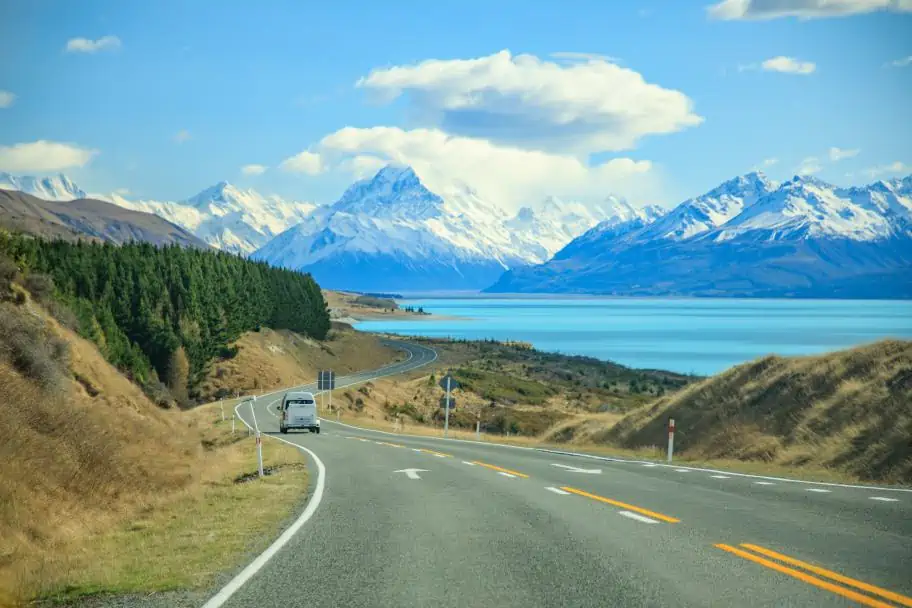
An important part of your New Zealand travel planning will be deciding on how you will get around while inside New Zealand. While it is possible to visit New Zealand without renting a car and driving, you may want to rent a car if you aren’t using tours, or you are planning on visiting places where public transportation doesn’t service.
If you are planning on renting a car or RV while visiting New Zealand, I have included some key information on driving in New Zealand that you will want to review below.
License Requirements
To legally drive in New Zealand, you must have a current and valid overseas driver licence or international driving permit. For travelers planning to stay in New Zealand for more than 12 months, you will need to apply for a New Zealand driver license.
IMPORTANT NOTE: To legally drive in New Zealand, you must also be 16 years of age or older.
General Driving Tips
Here are some general tips that will help you get prepared to drive while visiting New Zealand.
- In New Zealand, the driver’s seat is on the right side of the vehicle and vehicles drive on the left side of the road (the opposite of the United States and Canada).
- Many of the roads in New Zealand are hilly and winding, especially on the South Island. It may take you longer to get places than you would expect.
- Outside of the main cities, there are very few highways. You may also encounter gravel roads in the rural areas of New Zealand.
- There are a lot of roundabouts is New Zealand. Be prepared to encounter them and know how to use them.
- One lane bridges are also a common occurance in New Zealand. There is usually a sign before these bridges with instructions on which vehicles are expected to yield. However, you will want to slow down and be careful when encountering these bridges.
- If you won’t have local cell service when visiting New Zealand, I suggest either renting a GPS device or downloading offline Google Maps for the areas you are visiting.
Traffic Laws and Regulations
Before you arrive in New Zealand, you will need to familiarize yourself with the country’s driving laws and regulations. Here are some of the most important ones to make note of.
- Seat belts are mandatory for all passengers and children under 7 years of age must ride in a car seat.
- It is illegal to use a cell phone while driving unless the phone is in hands-free mode.
- The laws and penalties for driving under the influence are strict, so do not drink and drive. For drivers under 20 years of age, there is a zero alcohol limit for drivers. For all other drivers the alcohol limit is 50 milligrams per 100 milliliters of blood or 250 micrograms per liter of breath.
- Be aware of the speed limit when driving. Generally, the speed limit is 50 km/hour in towns and 100 km/hour on main highways. However, sometimes there will be stretches where the speed limit is 70 or 80 km/hour just outside of towns.
Relative Travel Guides and Articles
To assist you as you start to put together your New Zealand travel plans, I have provided a comprehensive list of all of my travel guides, travel itineraries, and travel inspiration articles for New Zealand for you to review below.


Packing and Planning Tips
Once you start putting together your New Zealand travel plans, you may want to reference some of my handy travel packing and planning guides that I have put together. To make it easy to find and access these guides, I have included them for your reference below.






Don’t Forget to Subscribe to My Adventures!

Let Me Help You Save On Your Next Adventure!
‘Start Exploring Today’ Merchandise Available Now!
 |
 |
 |
 |
 |
 |
 |

You must be logged in to post a comment.