Peru Travel
LAST UPDATED: 11/6/25 – Peru Travel Resources
Each year, millions of tourists travel to Peru to explore the country’s incredible landscapes, wonderful culture, and delicious cuisine. Home to one of the Wonders of the World and the planet’s highest navigable body of water, the country of Peru is full of incredible things to explore. Whether you are an adventure traveler looking to hike the Inca Trail, a foodie excited to try some of Lima’s extraordinary restaurants, or just want to soak in the culture, Peru has something for all travelers.
Please feel free to use this page as you plan your next adventure. To help you navigate the information I have included on this page, I have provided a quick navigation menu for you to use below. This will make it quick and easy for you to see which top destinations I recommend, which popular cities in Peru you should consider visiting, and links to all of the travel guides, itineraries, and packing articles I have written to help you plan your adventure.
I have also included some key information that you will need when planning your travel to Peru. Information such as the languages spoken, the currency used, emergency contact numbers to be aware of, VISA and passport considerations, required vaccinations, and important driving information (if you plan on driving while on your visit).


Top Things to See
Before you start planning your Peru travel, check out my gallery of the top things to see in the country below for some inspiration. There is so much to see and do in the country, so you won’t want to miss out on the top sights!
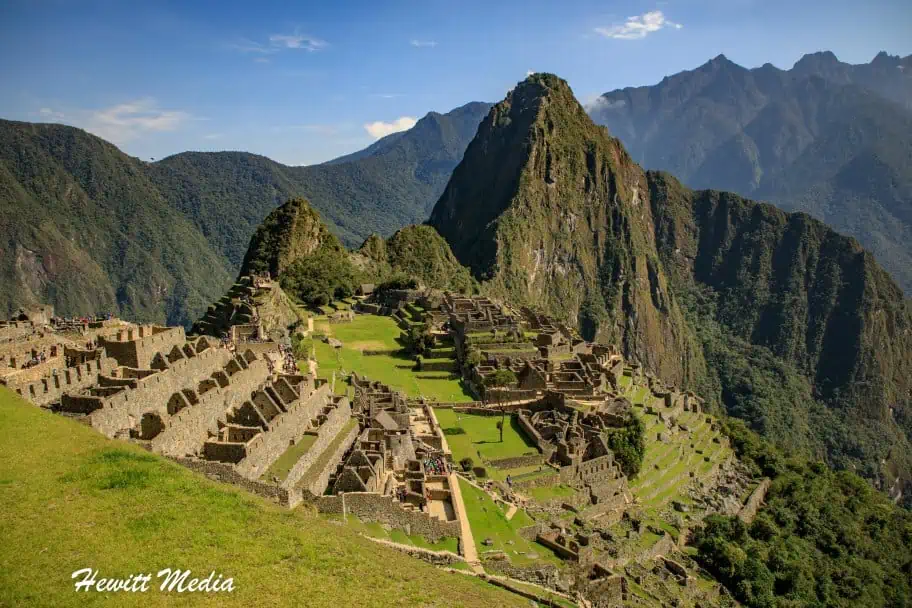
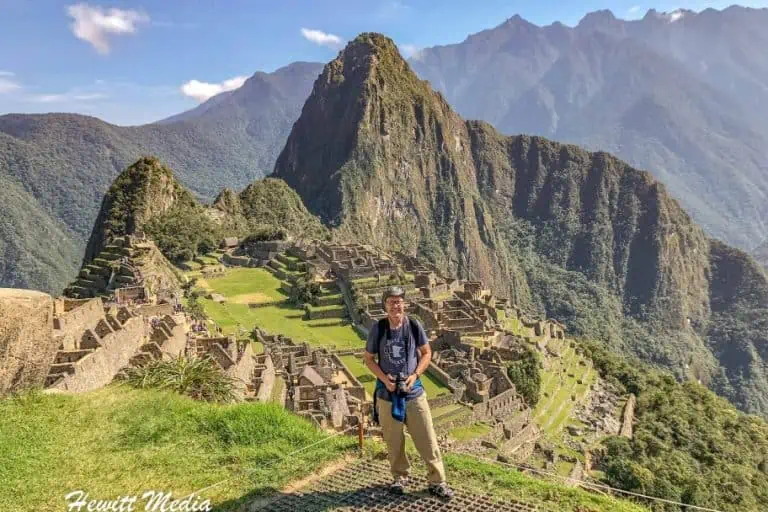
Machu Picchu
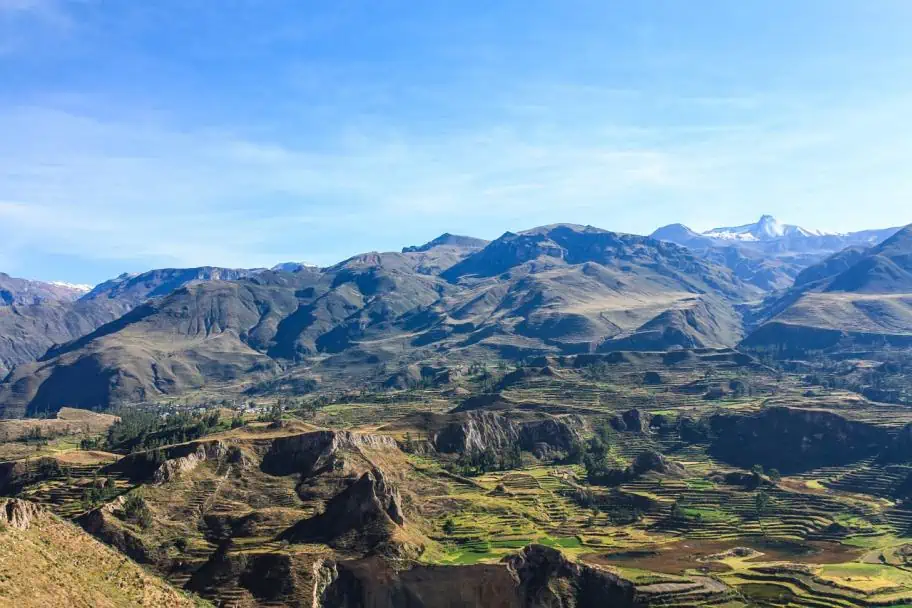
Colca Canyon

Huacachina Oasis
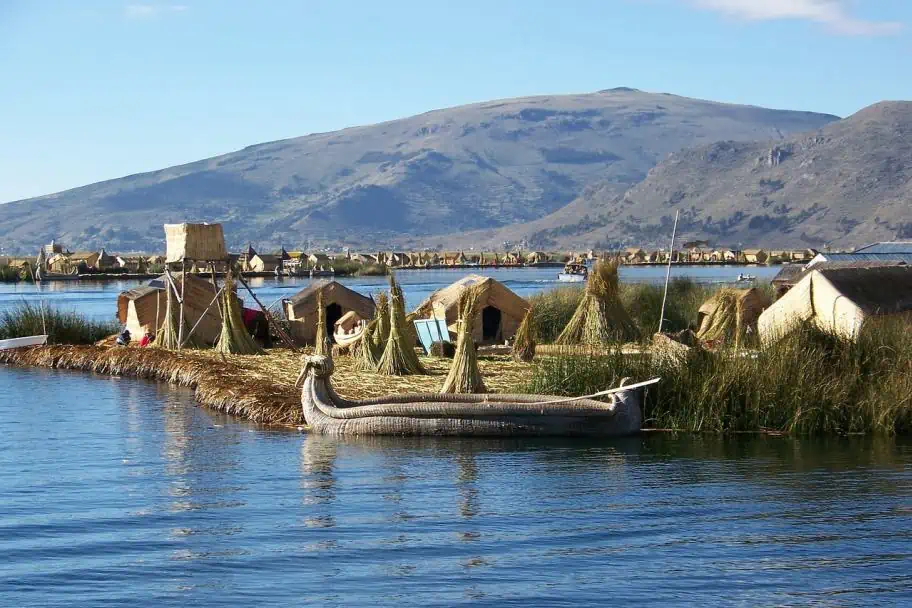
Lake Titicaca
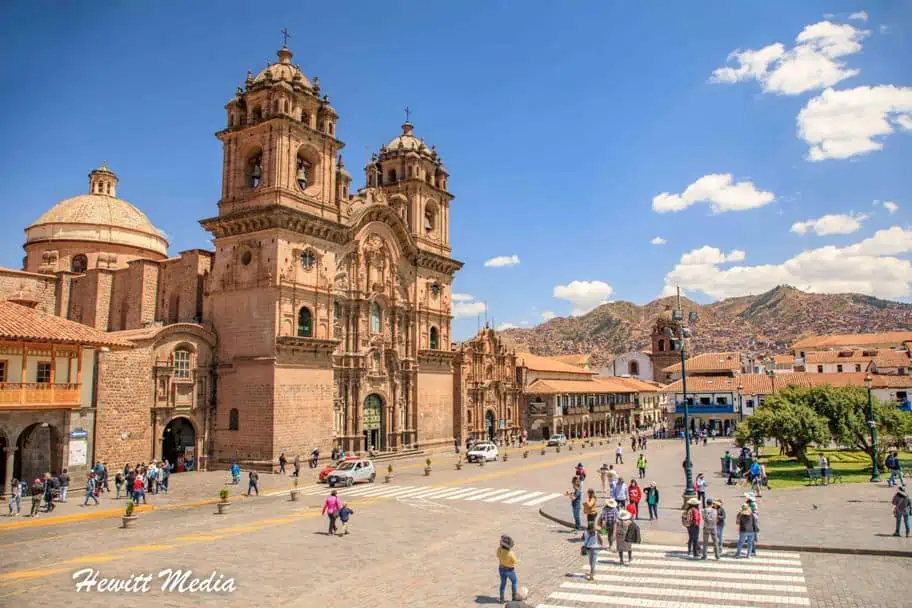
Cusco
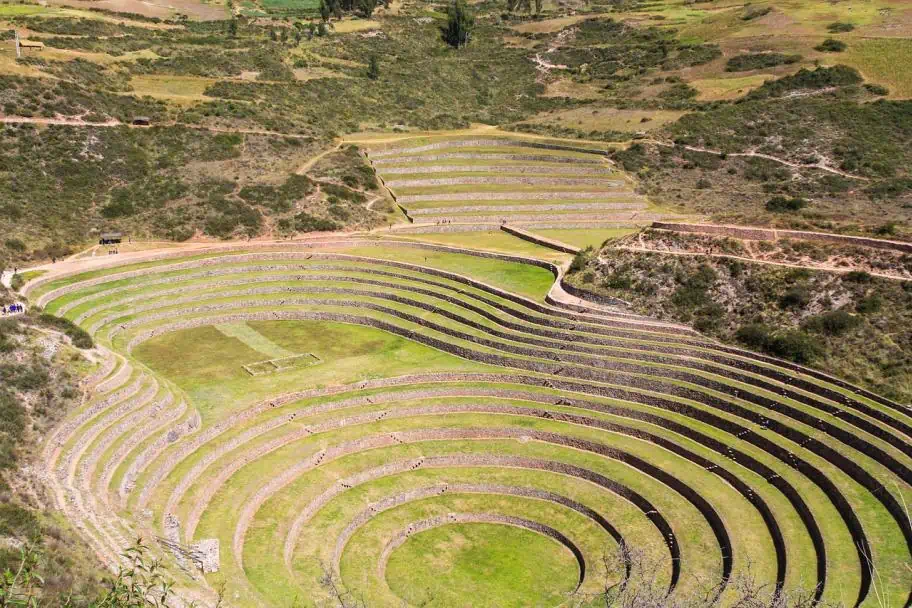
Sacred Valley
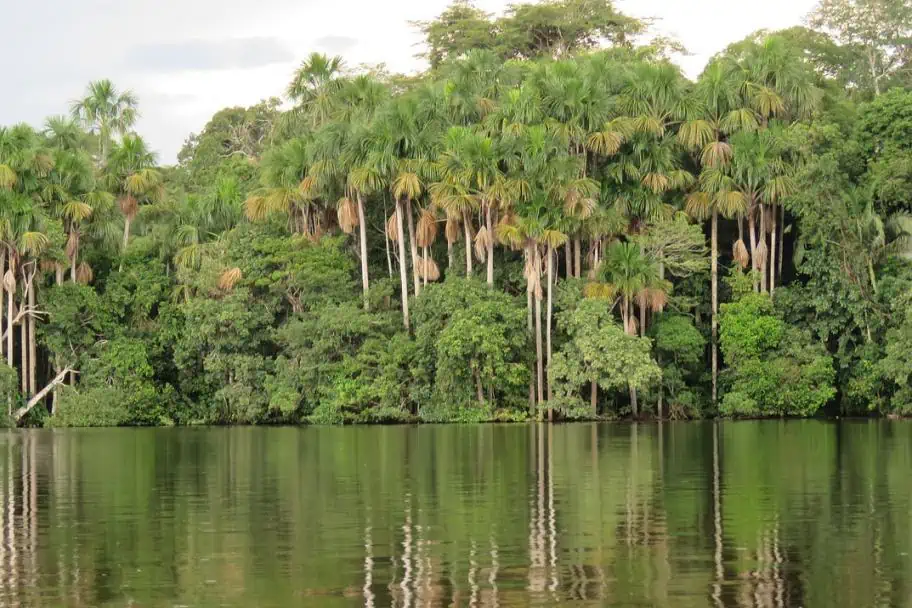
Amazon Rainforest
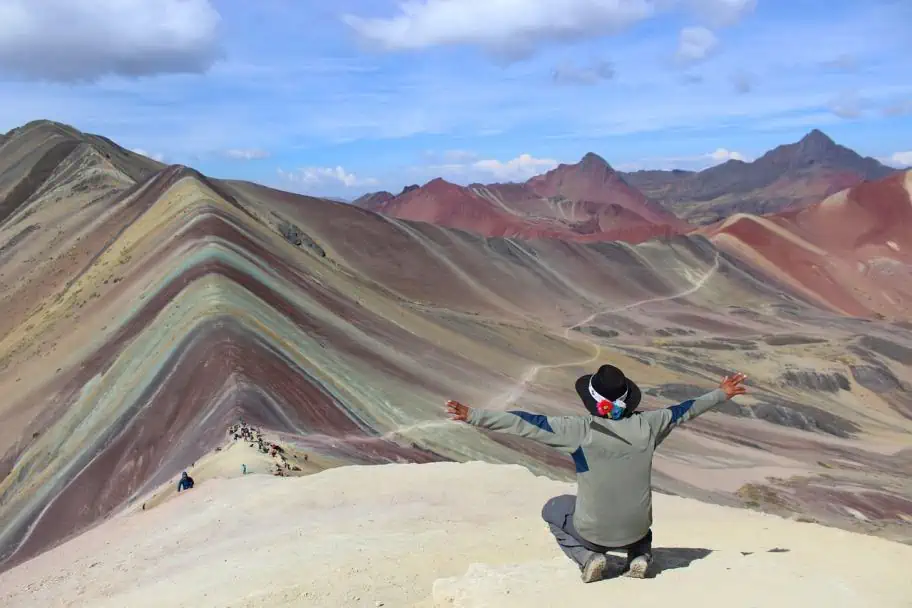
Rainbow Mountain
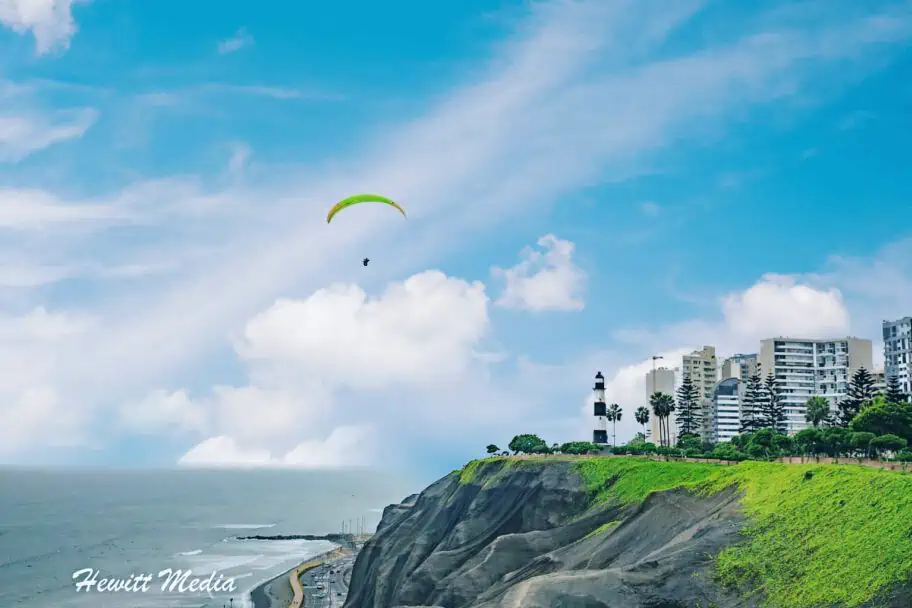
Lima
If you are looking for some additional ideas, please see my 15 Spectacular Things to Do in Peru for Visitors blog post, which is linked below.
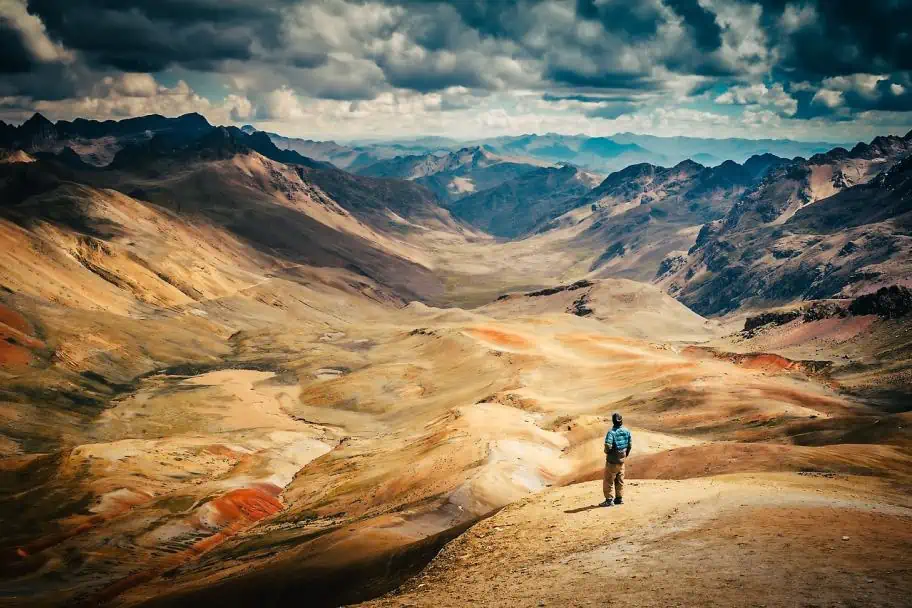
Popular Cities
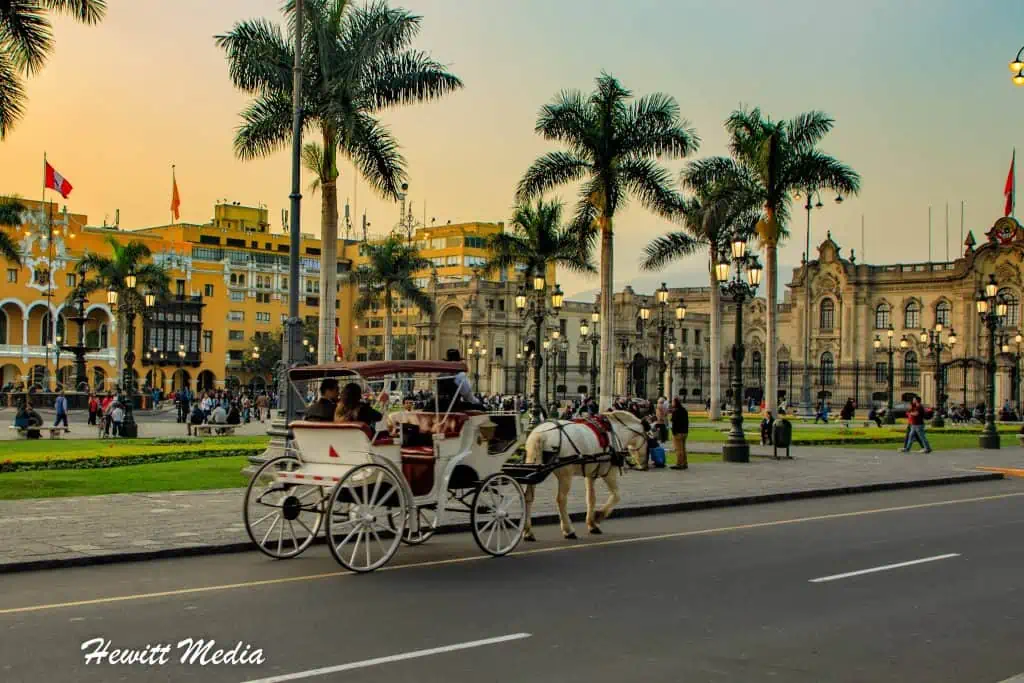
As you start to plan your Peru travel, you will want to familiarize yourself with the largest and most popular cities (which are not always one and the same) in the country.
Not only to see if you would like to visit and tour these cities, but also because these cities will typically be your ports of entry and transportation hubs as you visit on your trip. To help you with this, I have included a map of some of the key cities within Peru that you will want to become familiar with below.

Languages Spoken
Most people don’t realize just how large a country Peru is. In fact, it is the third-largest country in South America and the nineteenth-largest country in the world. Not surprisingly because of its size, quite a few different languages are spoken throughout Peru.
In fact, it is estimated that over fifty different languages are used in the country, with many being native dialects. However, the top languages spoken in the country are Spanish, Quechua, and Aymara. Out of these three, Spanish is the most commonly spoken.
Currency

The official currency of Peru is the Sol (S/). Common denominations of bank notes are 10, 20, 50, 100, and 200 soles. In addition, there are also coins. These coins come in denominations of 1, 2, and 5 soles, as well as 10, 20, and 50 cents. In addition to the Peruvian Sol, many stores and restaurants also accept US dollars ($) in Peru.
Power Adapters Required

One of the most overlooked aspects of international travel is ensuring you have the proper power adapters. You may or may not be aware that both the voltage and the type of outlet available differ widely from one region of the world to the next. If you aren’t prepared, you won’t be able to charge your electronic devices as you travel.
Even worse, you may damage or even destroy your electronic devices if you don’t have the right adapter with a voltage converter. Electricity supplies worldwide can vary from anything between 100V and 240V. It can be extremely dangerous to use an electrical appliance that is rated at a voltage different from the supply.
To ensure that this doesn’t happen to you, I have included some critical information on the electrical system in Peru for you to review below. This includes what types of international power adapters you should bring with you on your trip.
Electrical Voltage in Peru
In Peru, the voltage of the electrical supply is 220V. If you have an appliance that is single-voltage rated, the voltage rating of the device must be 220V for you to use it without a voltage converter. When shopping for a travel power adapter, it is important to confirm that the adapter you choose has a voltage converter included and isn’t just an adapter.
A power adapter will change the type of plug from one type to another so that you can plug into different outlets. However, a simple power adapter will not change the voltage of the supply to the voltage used by the devices you brought from home (120V in the United States). To do that, you will need a travel power adapter with a voltage converter.
Electrical Outlets in Peru
In Peru, the three types of electrical plugs that are used are Type A, Type B, and Type C. The Type A plug is the type with two parallel flat pins. Meanwhile, the Type B plug has two parallel flat pins and a grounding pin. Finally, the Type C plug consists of two round pins. Please see the illustrations of the Type A, Type B, and Type C plugs below for a better understanding of what they look like.



Emergency Contact
In case of an emergency when traveling in Peru, there are three numbers that you will want to write down or commit to memory.
- 105 – For the Police.
- 116 – For the Fire Department.
- 106 – For an Ambulance (medical emergency).
Visa, Passport, and Immunization Info

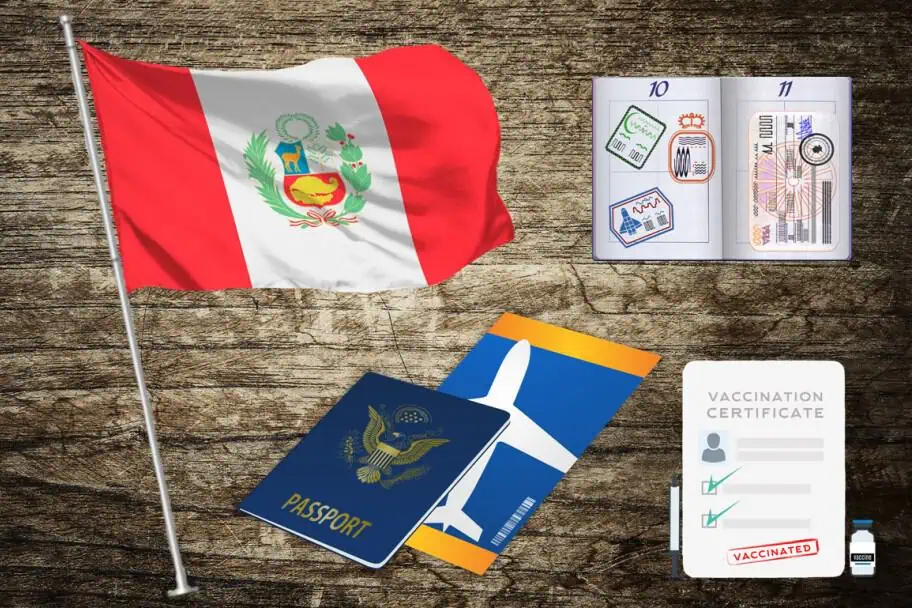
Before booking your Peru travel, you will want to be sure that you meet all of the necessary passport, VISA, and immunization requirements so that you can ensure you will be allowed into the country. To assist you, I have listed the requirements you will need to consider below for you to review.
Passport Validity
All visitors must have a passport that is valid for at least 6 months passed the end of their stay in Peru.
VISA Requirements
In addition to your passport, one of the most important Peru entrance requirements you must consider is the tourist VISA requirement. Depending on which country you are from, you may or may not need to apply for a tourist VISA to visit Peru. The following sections outline the Peruvian tourist VISA requirements and how to apply.
VISA-EXEMPT COUNTRIES
If you are a passport holder from one of the countries listed below, you are VISA-exempt. This means you won’t need to obtain a tourist VISA before traveling to Peru if you plan on staying for less than the VISA exemption period of 183 days. If you are from a VISA-exempt country and would like to stay in Peru for longer than 183 days, you will need to apply for a VISA.
If you are a passport holder from China or India, you can visit Peru without a tourist VISA if you currently hold a tourist VISA from either the United Kingdom, Canada, Australia, Schengen, or the United States and have at least 6 months of validity left. Otherwise, you will need to apply for a tourist VISA before traveling to Peru.
 |
Andorra |  |
Guatemala |  |
Papua New Guinea |
 |
Antigua and Barbuda |  |
Guyana |  |
Paraguay |
 |
Argentina |  |
Holy See |  |
Philippines |
 |
Australia |  |
Hong Kong |  |
Poland |
 |
Austria |  |
Hungary |  |
Portugal |
 |
Bahamas |  |
Iceland |  |
Romania |
 |
Barbados |  |
India * |  |
Russia |
 |
Belarus |  |
Indonesia |  |
Saint Kitts and Nevis |
 |
Belgium |  |
Ireland |  |
Saint Lucia |
 |
Belize |  |
Israel |  |
Samoa |
 |
Bolivia |  |
Italy |  |
San Marino |
 |
Brazil |  |
Jamaica |  |
Serbia |
 |
Brunei |  |
Japan |  |
Singapore |
 |
Bulgaria |  |
Kiribati |  |
Slovakia |
 |
Canada |  |
Latvia |  |
Slovenia |
 |
Chile |  |
Liechtenstein |  |
Solomon Islands |
 |
China * |  |
Lithuania |  |
South Africa |
 |
Colombia |  |
Luxembourg |  |
Spain |
 |
Cook Islands |  |
Macedonia |  |
St Vincent and Grenadines |
 |
Costa Rica |  |
Malaysia |  |
Suriname |
 |
Croatia |  |
Malta |  |
Sweden |
 |
Cyprus |  |
Marshall Islands |  |
Switzerland |
 |
Czechia |  |
Micronesia |  |
Taiwan |
 |
Denmark |  |
Moldova |  |
Thailand |
 |
Dominica |  |
Monaco |  |
Tonga |
 |
Dominican Republic |  |
Montenegro |  |
Trinidad and Tobago |
 |
Ecuador |  |
Nauru |  |
Turkey |
 |
Estonia |  |
Netherlands |  |
Tuvalu |
 |
Fiji |  |
New Zealand |  |
Ukraine |
 |
Finland |  |
Niue |  |
United Kingdom |
 |
France |  |
Norway |  |
United States |
 |
Germany |  |
Palau |  |
Uruguay |
 |
Grenada |  |
Panama |  |
Vanuatu |
 |
Greece |
| * – Has a UK, Canada, Australia, Schengen, or US visa valid for a minimum of 6 months at entry. |
ALL OTHER TRAVELERS
If you aren’t traveling to Peru from one of the VISA-exempt countries listed above, you must apply for a tourist VISA before traveling to Peru. You can apply for your electronic Visa on the Peru VISA website. I recommend starting the application process well before your trip to ensure you receive your VISA in time.
Important Note: Ensure you have the following information when applying for your VISA.
- Passport – with a minimum validity of six months after the expected date of arrival to Peru.
- Personal Interview – This can be scheduled after presenting the rest of the documentation at the Embassy premises.
- Copy of Aadhar Card.
- Passport Copy – Photocopy of the front and back sides of your passport.
- Completed VISA Forms – Two (DGC 005) forms duly typed or handwritten, in block letters. In addition, the applicant MUST submit a valid email ID and phone number registered in their name. Submission of a phone number that does not belong to the applicant is not allowed, except for children.
- Passport Photos – Three recently taken, colored, passport-size photographs (4.3 X 3.5 cm) with a white background. The face size should cover between 70% – 80% of the photograph.
- Cover Letter – Cover letter duly signed by the applicant.
- Proof of Employment – If employed, the applicant must present a non-objection certificate furnished by the employer, indicating the date they joined the organization, as well as the purpose and the time of their stay in Peru.
- Airfare Receipt – Round-trip flight itinerary to Peru.
- Itinerary – Day-by-day detailed activities while in Peru.
- Hotel Reservation – Proof of hotel reservation(s) in Peru.
- Financial Records – Proof of financial solvency, e.g., bank statements, fixed deposits. These are required even if the trip is sponsored.
- Tax Forms – Personal Income Tax Return (ITR) of Form 16 (1 year), if applicable.
- In the case of sponsored trips:
- The sponsor in Peru or India should present a guarantee letter attesting that he or she will be responsible for bearing some or all costs of boarding and lodging of the applicant, or repatriation, if needed.
- Valid identification document of the sponsor, e.g., Peruvian DNI, Aadhar card, Passport, or any other valid national identification document.
- Proof of financial solvency of the sponsor, e.g., bank statements, fixed deposit.
- In addition to the abovementioned documents, nationals of Bangladesh, Nepal, and Sri Lanka are required to furnish a police clearance certificate.
Immunization Requirements
Important Note: I am not a medical doctor and don’t have medical experience. The information provided in this section is a summary of information that I got from the Centers for Disease Control and Prevention in the United States for travel to Peru. I am providing you with this information to help bring awareness of the necessary vaccinations to you. Still, consultation with my guide should not replace a discussion about your travels with your doctor or a travel medical clinic.
Depending on where you are traveling to Peru, certain vaccinations may be recommended or even required. For more information on the vaccinations you will need to consider when traveling to Peru, please see the detailed information I provided below.
ROUTINE VACCINATIONS
The following routine vaccinations are recommended for anyone who will be traveling:
- Chickenpox (Varicella)
- Diphtheria-Tetanus-Pertussis
- Flu (influenza)
- Measles-Mumps-Rubella (MMR)
- Polio
- Shingles
RECOMMENDED VACCINATIONS FOR PERU
In addition to the routine vaccinations above, the following are additional vaccinations you may want to consider for Peru:
- Typhoid (either a shot, which is good for 2 years, or a live virus pill, which is good for 4 years).
- Yellow Fever – The Yellow Fever vaccination is not required to enter Peru. However, if you are also traveling within the regions of Amazonas, Loreto, Madre de Dios, San Martín, Ucayali, Puno, Cusco, Junín, Pasco, and Huánuco, it is recommended that you get the Yellow Fever vaccination. Please see the Centers for Disease Control (CDC) map of the areas where a Yellow Fever vaccination is recommended for more details.
- Malaria – Depending on where you are traveling to in Peru, it may be recommended for you to take Malaria prophylaxis. Some of these medications require you to start taking them before your trip and continue taking them for a period after you return home. For more information on Malaria exposure in Peru, please refer to the CDC’s Malaria Prevention for Peru webpage.
- Hepatitis A & B (if you haven’t had them).
- Tetanus (if you aren’t current).
- Dukoral (gives you 3-month protection against travel diarrhea).
- Flu Shot
- COVID Vaccination (not required for entry but recommended).
Customs and Currency Restrictions
In addition to the other entry requirements for Peru, you also need to make sure you understand and comply with the country’s customs and currency restrictions. For your convenience, I have highlighted these restrictions for your review below. More in-depth information on the customs restrictions can be found on the VisaHQ website for Peru Travel.
FREE IMPORT
The following items are considered free-import items when entering Peru, but with limits (as described below).
- Medicines for personal use only (should be in the prescription bottle).
- 20 packets of cigarettes, 5 cigars, or 250 grams of shredded or threaded tobacco for smoking.
- 3 liters of alcohol.
- Other goods for personal consumption or gifts:
- The total value must not exceed USD 300.
- The price for one item can exceed USD 100.
- 2 kg of non-prohibited food products.
- Electrical items for personal use (no more than 1 per person).
- Music records, compact discs, or cassettes, up to a total maximum of ten (10) units.
- Up to five (5) recording cassettes (camera or camcorder rolls/cassettes).
Important Note: You need to be at least 18 years of age to bring tobacco products into the country, and you must be 18 years of age or older to drink alcohol in Peru.
PROHIBITED ITEMS
Before you are allowed into Peru, you will also need to clear customs to be sure you aren’t carrying any prohibited items with you. For instance, travelers are strictly prohibited from bringing the following items into Peru:
- Sausages, salami, ham, and cheese are allowed if they hold an original sanitary certificate issued by the manufacturer.
- Raw ham from Italy and Portugal.
CONTROLLED ITEMS
In addition to these prohibited items, the government of Peru has placed limits on other items that can be brought into the country. If you plan to travel with any of the following items when visiting Peru, you will want to plan accordingly so that you do not violate the Peru entrance requirements:
- Pets – Cats and dogs must be accompanied by a veterinarian’s good health certificate, rabies vaccination certificate, and, if applicable, other vaccinations issued at the point of origin.
CURRENCY RESTRICTIONS
According to the US State Department website, the government of Peru has the following currency limits and regulations in place:
- You are not allowed to bring more than USD 30,000 (or its equivalent) into Peru. In addition, bringing in more than USD 10,000 (or its equivalent) must be declared upon entry.
- You cannot leave Peru with more than USD 30,000 (or its equivalent). In addition, if you have more than USD 10,000 (or its equivalent), it must be declared upon leaving the country.
Key Phrases to Know
As a part of your Peru travel preparation, you will need to prepare yourself for how they talk in Peru so that you can understand the dialogue as you interact with Peruvians. This includes understanding key phrases so that you can ask for things, respond to others, and get around the country much more easily.
Here are some common phrases that you may need to use while visiting Peru:
Greetings and Introductions
- My name is… – Me llamo…
- What is your name? – ¿Cómo te llamas?
- Hello – Hola.
- How are you? – ¿Cómo estás?
- I’m fine, thanks – Estoy bien, ¡gracias!
- Nice to meet you – Mucho gusto.
- Good morning – Buenos días.
- Good afternoon – Buenas tardes.
- Good night – Buenas noches.
- See you later – Hasta luego.
- See you tomorrow – ¡Hasta mañana!
Asking for Directions
- I am lost – Estoy perdido/a.
- To the right – A la derecha.
- To the left – A la izquierda.
- Stop (verb) – Pare.
- Stop (noun) – Parada.
- Where is the bathroom? – ¿Donde esta el baño?
- Can you give me directions to… – ¿Puedes darme direcciones para…?
- Where is the…? – Dónde está (el/la)…?
Everyday Phrases
- Do you speak English? – ¿Habla Inglés?
- I don’t speak Spanish – No hablo Español.
- Can I take your picture? – ¿Le puedo tomar una foto?
- Can you take my picture? – ¿Me puedes tomar una foto?
- Please – Por favor.
- Excuse me – Disculpe.
- Thank you -Gracias.
- You’re welcome – De nada.
- I am …. years old – Yo tengo … años.
- Excuse me – ¡Perdone!
- Can you speak more slowly? – ¿Puede hablar más despacio?
Shopping
- Do you have any…? – ¿Usted tiene alguna…?
- I would like to purchase…. – Me gustaría comprar….
- I would like to order… – Me gustaría pedir….
- How much does this cost? – ¿Cuánto cuesta esto?
- The bill, please – La cuenta, por favor.
Emergency Assistance
- Help me! – ¡Socorro!
- I need a doctor – Necesito un doctor.
- I have altitude sickness – Tengo soroche.
- I need a pharmacy – Necesito una farmacia.
- Where is the tourism police – ¿Dónde está la oficina de la Policía de Turismo?.
- I have an emergency – Tengo una emergencia.
If you would like to familiarize yourself with other important phrases that you will want to know when visiting Peru, please refer to the “What Spanish phrases are good to know in Peru?” page on TripAdvisor.
Driving Info

An important part of your Peru travel planning will be deciding on how you will get around while inside the country. Many visitors to Peru will rely on public transportation, taxis, and ride-sharing to get around the country, but renting a car is an option if you would like the added convenience and flexibility.
If you are planning on renting a car while visiting Peru, I have included some key information on driving in Peru that you will want to review below.
The Basics
- To drive in Peru, you must be 18 years of age and have a valid driver’s license from your home country. For travelers who are planning to stay in Peru for more than 30 days or plan to drive frequently, you should also plan on obtaining an International Driver’s Permit before your visit.
- In addition to a valid driver’s license, you must also have the proper insurance before driving in Peru. To be compliant with Peruvian law, you must purchase national vehicle insurance. This insurance, which is called “Seguro Obligatorio de Accidentes de Tránsito” or SOAT, is purchased annually and is mandatory to drive in Peru.
- Like in the United States, vehicles travel on the right-hand side of the road in Peru, and the driver’s seat is on the left-hand side of the vehicle. If you aren’t accustomed to this, you will want to make sure you get comfortable before driving too much in the big cities or busy areas.
Driving Regulations and Tips
You will also want to keep the following driving regulations and tips in mind when driving in Peru:
- Generally, you are allowed to drive at speeds up to 90 kilometers per hour (kph) or 56 miles per hour (mph) on open roads, 50 kph (31 mph) within towns, and 100 kph (62 mph) on highways. Be aware that Peru uses traffic cameras extensively, so you can get ticketed for speeding even if there are no police around. So, I recommend never speeding.
- It is against the law to talk on a cell phone or text while driving in Peru, unless it is hands-free. You will get ticketed if caught doing this.
- Like most countries, seat belts are required for all passengers while driving in Peru.
- All children under 3 years of age must be fastened in a car seat, and children between 4 and 12 must be seat belted in the back seat when driving in Peru.
- Avoid drinking and driving completely when in Peru. If you know you are going to be drinking, use public transportation.
- Driving in Peru at night can be dangerous because roads are sometimes not well-lit, and vehicles may not have the proper safety lights. When possible, only drive during daylight hours in Peru.
- Gas stations are called petrol stations in Peru. These stations are not as prevalent as they are in some countries, so make sure you never run low on fuel. In addition, when fueling up at petrol stations, make sure the meter is set to zero before you start pumping.
- Unless it is specifically marked that you are allowed to do so, never turn right on a red light when driving in Peru.
- In Peru, the amber traffic light is typically regarded as a sign to speed up, not slow down, so be careful entering intersections when the traffic light turns green.
- If a police officer signals for you to stop (a long whistle), pull over as soon as possible. However, you should know your rights. You are not required to get out of the car, and the officer cannot confiscate your driver’s license or other documents.
Relative Travel Guides and Articles
In order to assist you as you start to put together your travel plans for Peru, I have provided a comprehensive list of all of my travel guides, travel itineraries, and travel inspiration articles for Peru for you to review below.

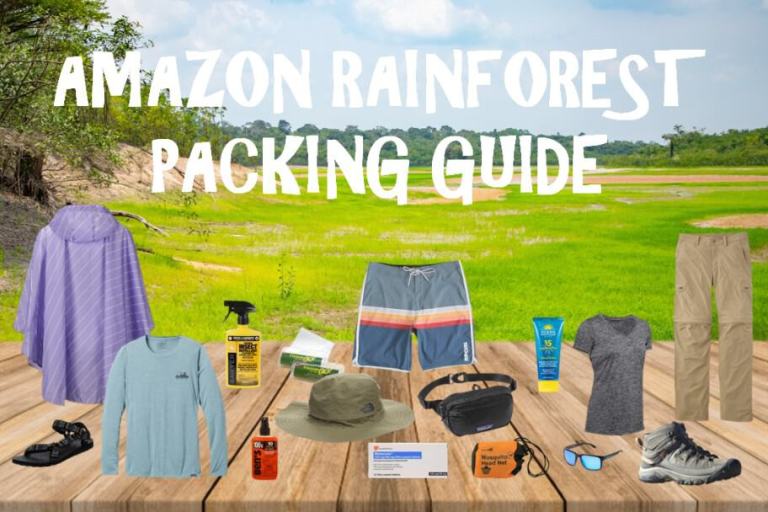

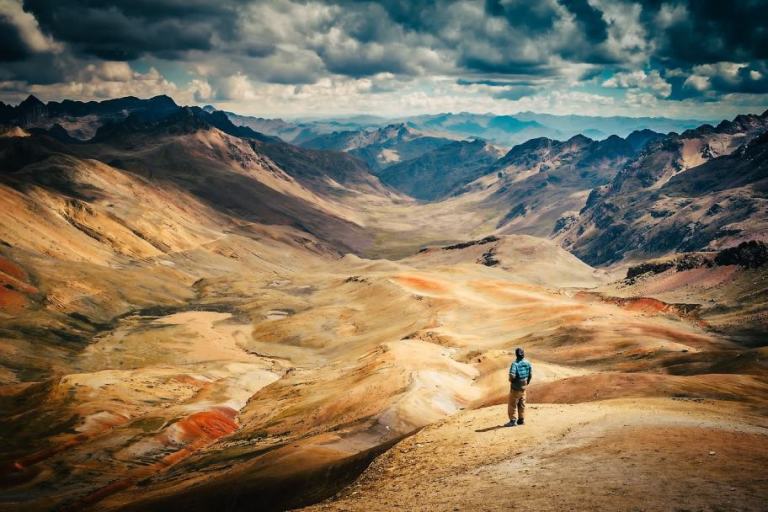
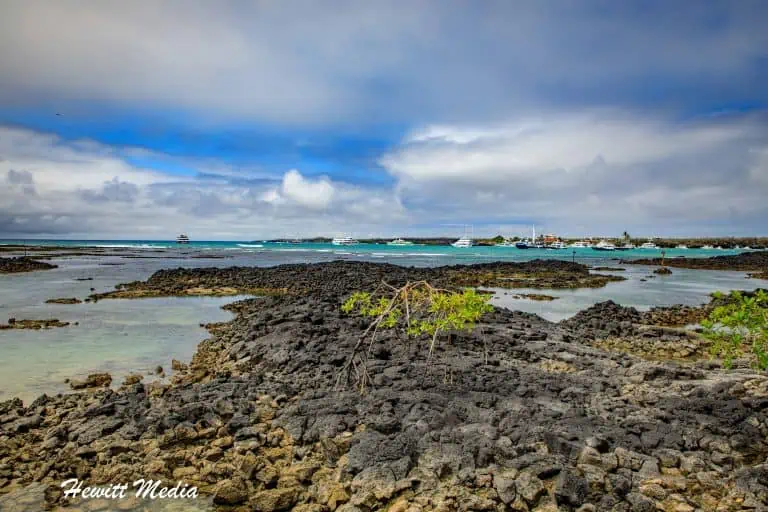
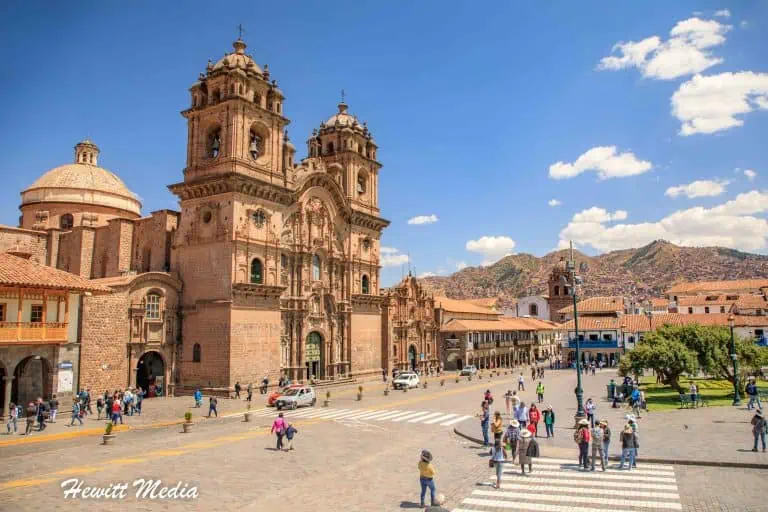

Packing and Planning Tips
Once you start putting together your Peru travel plans, you may want to reference some of my handy travel packing and planning guides that I have put together. To make it easy to find and access these guides, I have included them for your reference below.






Popular Tours
Peru is a treasure trove of breathtaking landscapes and rich cultural experiences, making it a prime destination for travelers seeking adventure and discovery. Among the most popular tours, the Classic Inca Trail stands out, offering an unforgettable journey through stunning vistas and archaeological wonders, culminating in the awe-inspiring Machu Picchu.
For those in search of the Amazon’s vibrant ecosystems, a guided tour through the lush jungles of Puerto Maldonado reveals a world teeming with unique wildlife and indigenous cultures. Whether you’re trekking ancient paths or exploring diverse ecosystems, the tours in Peru promise an engaging experience that will create lasting memories. So pack your bags and get ready for an adventure that’s sure to leave you enchanted!
Don’t Forget to Subscribe to My Adventures!

Leave a Reply