LAST UPDATED – 6/15/26 – Machu Picchu Visitor Guide
Ever since it was introduced to the rest of the world in 1911, Machu Picchu in Peru has been captivating the imagination of travelers from all around the globe. As one of the new Seven Wonders of the World, the site is familiar to most people.
However, for most people, Machu Picchu seems like one of those places that you can dream of, but never manage to get to. Whether it seems like it is so far away or whether it appears too hard to get to, it manages to remain on many people’s bucket lists year after year. For many travelers, “maybe someday” never seems to come, and the dream of visiting this amazing wonder of the world remains a dream.
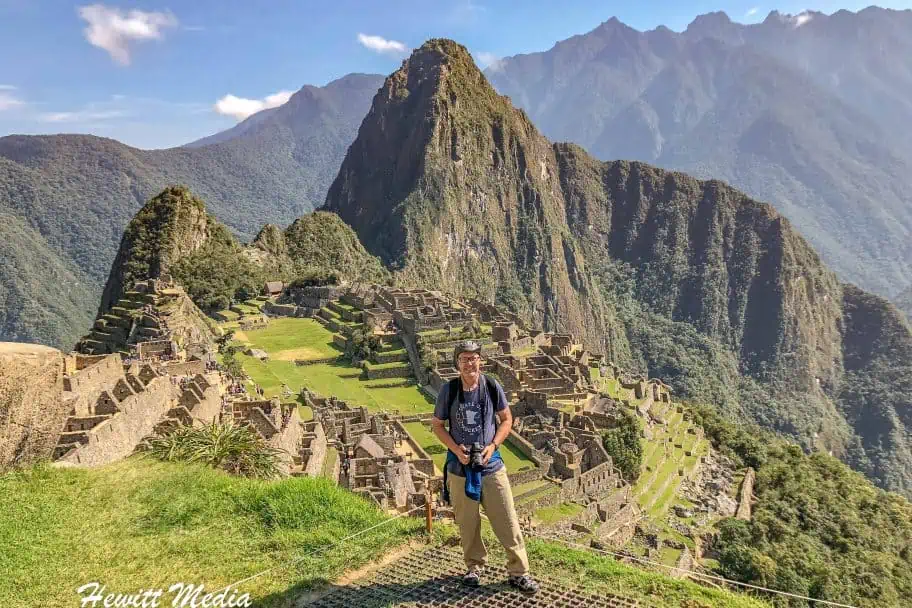
In this Machu Picchu visitor guide, you’ll find everything you need to plan a smooth and memorable trip. I break down the best times to visit, the different ways to reach the site, what to know before you go, and how to capture the best photos.
With insights from my own experience visiting Machu Picchu and climbing Huayna Picchu, this guide takes the overwhelm out of planning. You’ll be ready to finally check this incredible destination off your “maybe someday” list.
Machu Picchu Visitor Guide Navigation Menu


Before you start making any travel plans, you will want to make sure to take care of all of the passport, VISA, and immunization requirements for your trip. In addition, you will want to make sure you have a clear understanding of what languages they speak in Peru so that you can plan any translation needs you might have.
You will also need to know what currency they use so that you can exchange currency before your trip if necessary. I have included some of this key information in my Machu Picchu visitor guide for you to review as you start to make your travel plans.
Preparing for Your Trip to Machu Picchu
 | Passport requirements exist. See below for details. |
 | Immunization recommendations are listed below. |
 | The official language in Peru is Spanish. |
 | The official currency in Peru is the Peruvian Sol. |
Passport Requirements

Before you can travel to Peru, you need to make sure you meet all of the country’s entrance requirements for visitors. One of the most important requirements that you will need to meet is the passport requirements for Peru. To assist you in preparing to meet this requirement, I have linked to my guide on Peru’s entrance requirements below for you to review.
Travel Immunizations

Another entrance requirement that you will need to consider before traveling to Peru is the country’s vaccination requirements. Being properly vaccinated is not only important to protect yourself, but to also protect others.
Peru Travel Vaccinations
If you have questions on which vaccinations are required and recommended for travel to Peru, I have linked to my guide on Peru’s entrance requirements below for you to review. This guide includes all of the vaccine recommendations for travel to Peru.
Travel Insurance
Before you head to Peru, I would recommend that you purchase travel insurance. You will want to have this in case something happens, and you have to either postpone or cancel your trip. It would also be a great idea to purchase emergency medical evacuation insurance. Should an emergency occur and you need to be medically evacuated from the country, that could cost you tens of thousands of dollars.

The Best Times to Visit Machu Picchu
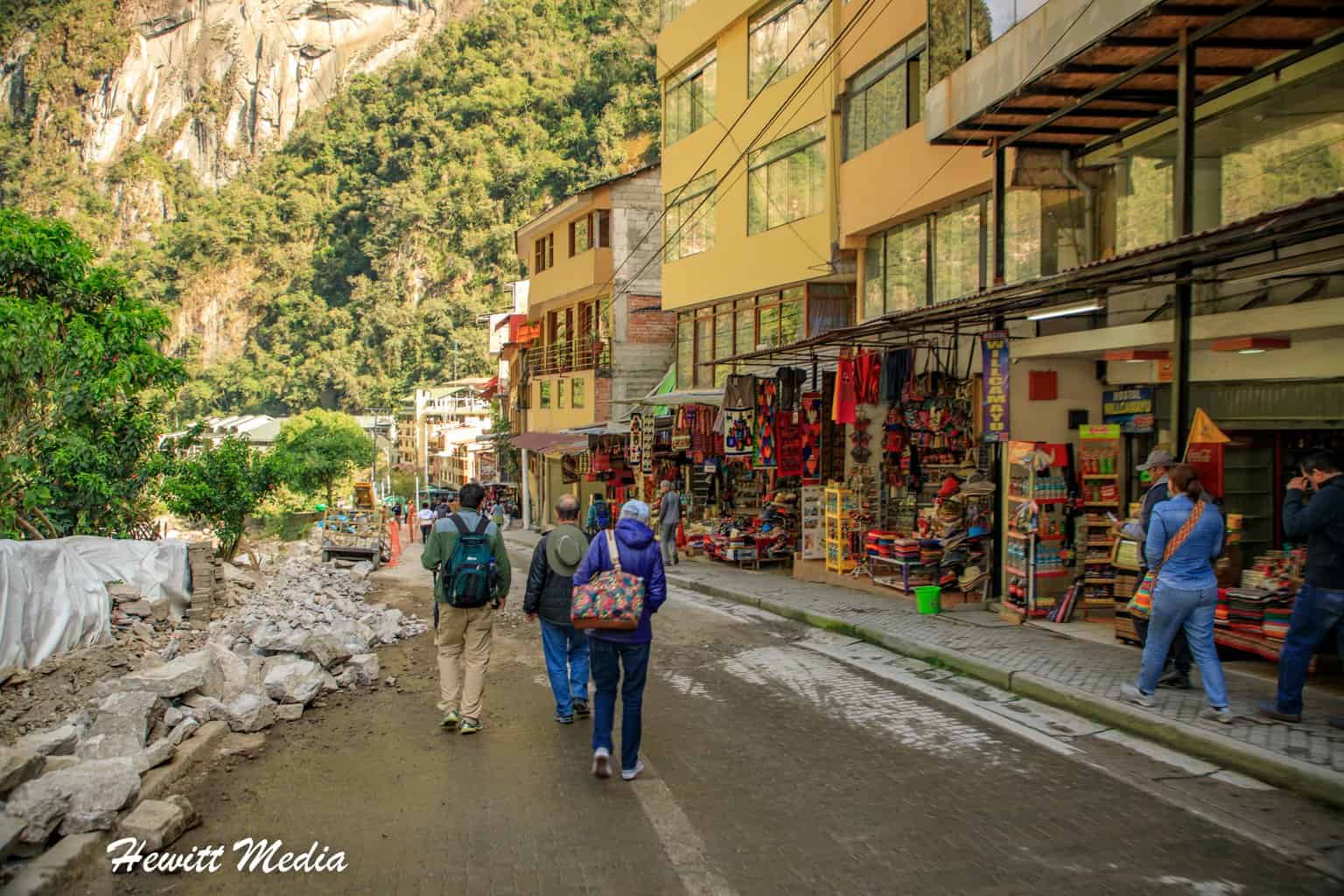
One of the most important decisions that you will have to make when planning a trip to see Machu Picchu is when you plan to visit. Several important variables can impact this decision, but the most important factors that you will need to consider are the average temperatures and average amount of precipitation that the area gets throughout the year as well as the number of visitors to Machu Picchu from month to month.
To give you all of the information that you will need to decide when it would be best for you to plan your visit, I have included data on all of these variables in my Machu Picchu visitor guide below for you to review.
Average Temperature (°F)
The chart below shows that temperatures in Cusco and Machu Picchu stay remarkably steady throughout the year. Highs remain mild due to the elevation, while lows stay comfortable thanks to the region’s proximity to the Equator. No matter when you visit, you can expect pleasant, reliable weather.
Average Precipitation (Inches)
Machu Picchu has two main seasons: the dry season from April to October and the wet season from November to March. The dry season is the best time to visit, with clear skies and ideal conditions for photography. During the wet season, rain usually comes in short bursts, but fog often covers the ruins for much of the day. If you must visit then, avoid February and March, which are typically the rainiest.
Average Number of Visitors (Visitors per Day in 1,000’s)
When choosing when to visit Machu Picchu, crowd levels are an important factor. The site has faced growing over‑tourism, and Peru now limits daily visitors to protect the ruins. If you don’t plan ahead, tickets may sell out. Crowds peak in January and gradually decline through the year. For a balance of good weather and fewer visitors, late August to early September is an ideal window.
How to Get to Machu Picchu
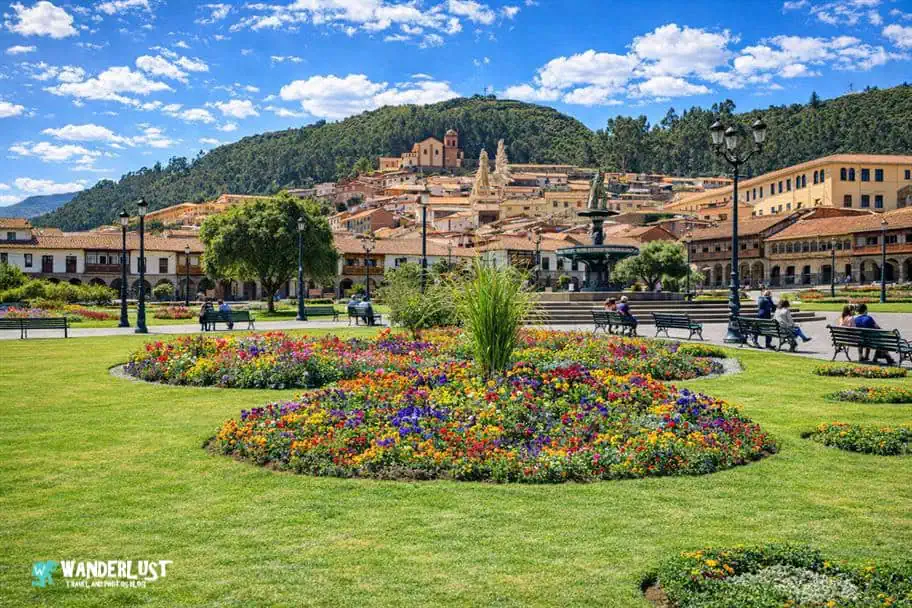
The launching point for any trip to see Machu Picchu is the Peruvian alpine city of Cusco. If you are planning on visiting Machu Picchu from outside of Peru, you can fly into Cusco International Airport and then travel to Machu Picchu from there.
If you are unable to find a flight to Cusco, you can fly into the capital city of Lima and then take a flight to Cusco on one of the local or regional airlines such as Avianca or Latin American Airlines.
When we visited Peru, we flew into Lima and spent a few days exploring the city before continuing on to Cusco to see Machu Picchu. If you would like to learn more about Lima, I would suggest checking out my visitor guide linked in my Machu Picchu visitor guide below.
| READ MORE: | |
 |
|
| Lima, Peru Travel Guide |
| READ MORE: |
 |
| The Definitive Cusco Peru Visitor Guide |
Once you arrive in Cusco, there are several different ways in which you can travel to Machu Picchu. The more adventurous travelers will choose to hike to Machu Picchu from several different starting points within the Sacred Valley, while those who may not feel comfortable hiking long distances at high altitudes have the option of taking a train to see the ruins instead. No matter which method of travel you choose, you are guaranteed to have the adventure of a lifetime and see one of the world’s most amazing historical and cultural sites.

Hiking the Inca Trail
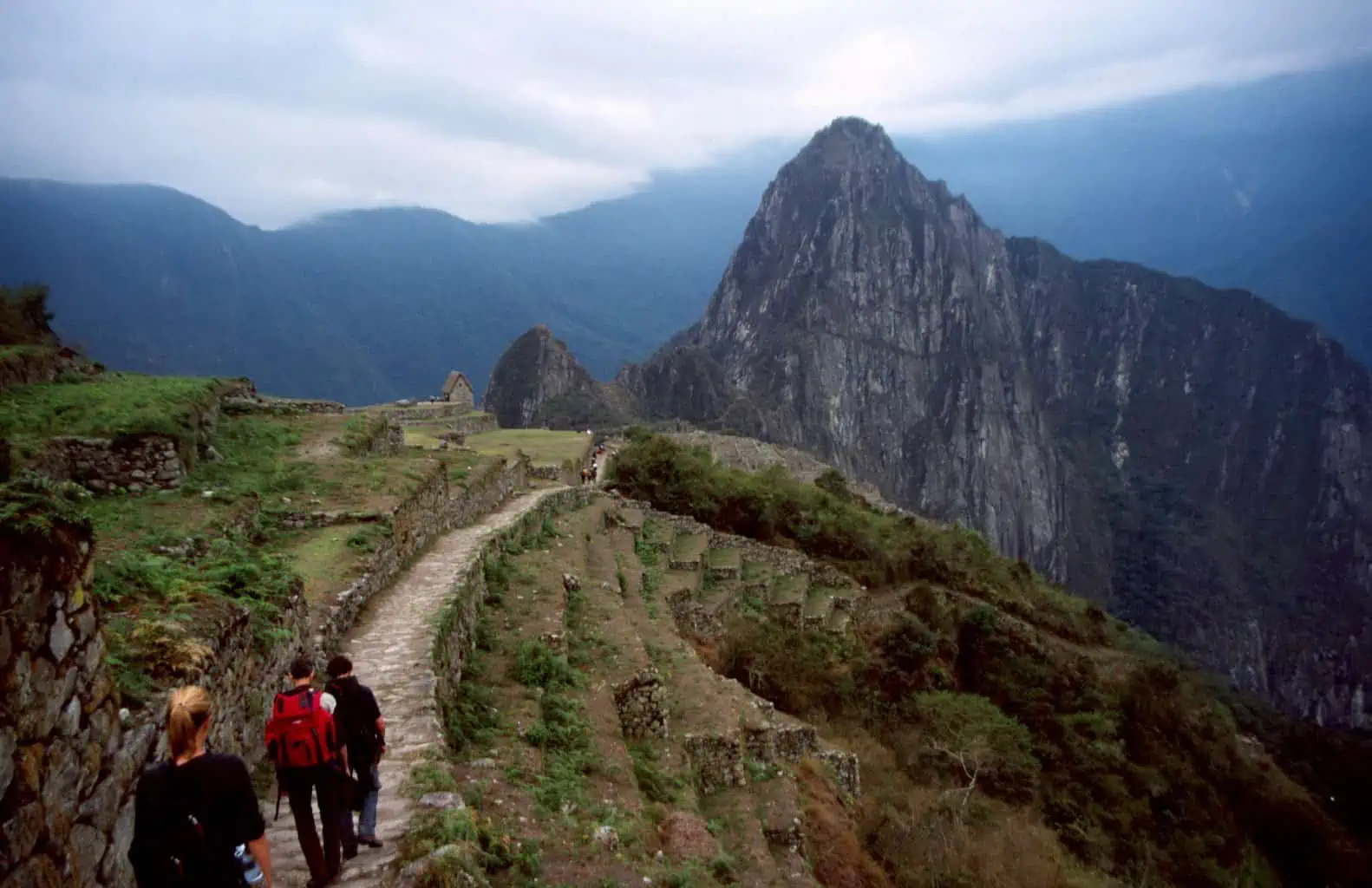
If you are up for the adventure, the classic way to visit Machu Picchu from Cusco is to hike the Inca Trail. This hike follows the traditional Incan path through the Sacred Valley to the ruins of Machu Picchu and typically takes 4 days to complete. Along this incredibly scenic hike, you will also get to see several other smaller Incan ruins and spend some time on one of the most jaw-droppingly beautiful hikes in this world. If you would like to do some hiking on your way to see Machu Picchu but aren’t interested in doing the full hike, there are some additional options.
Starting Your Inca Trail Hike
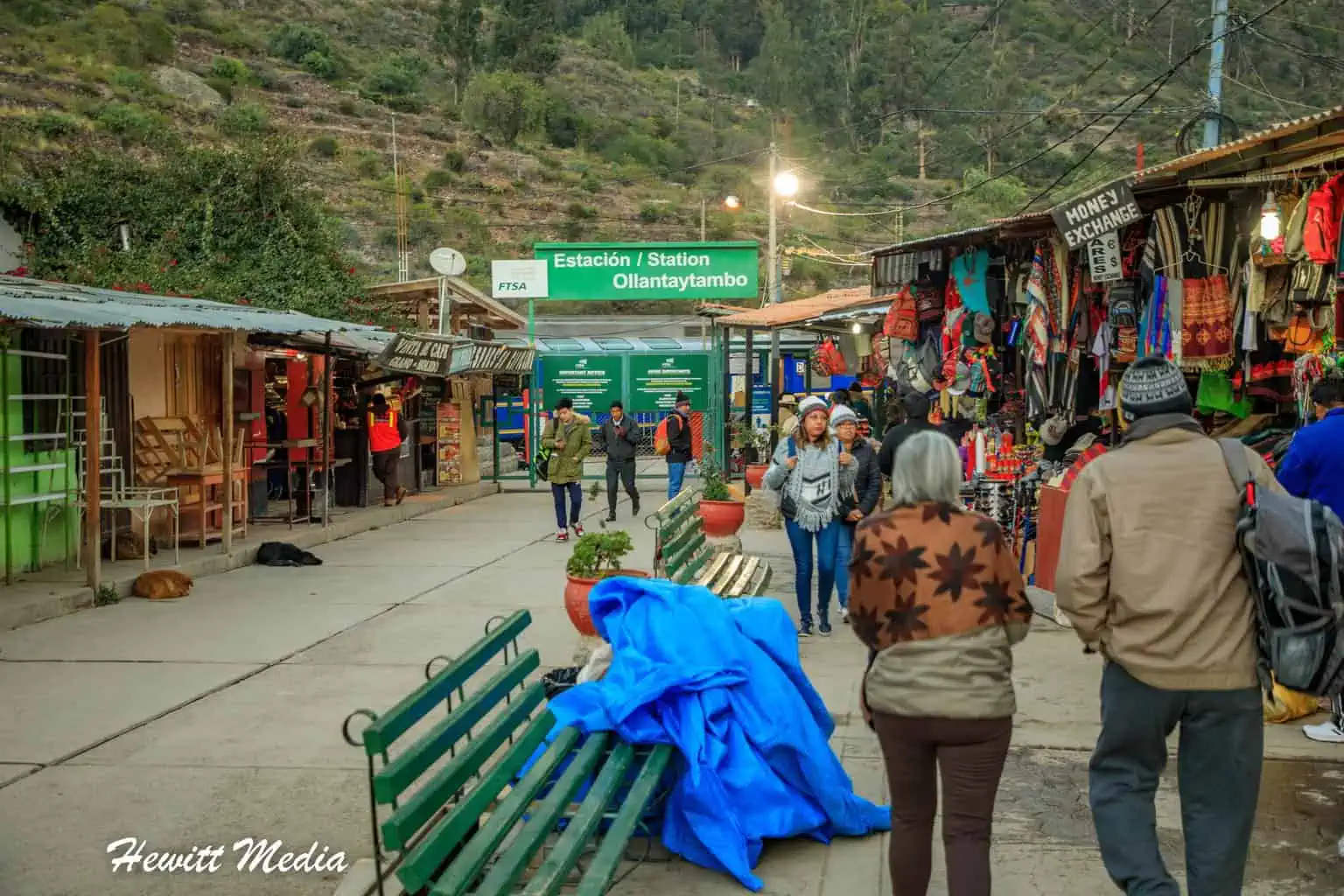
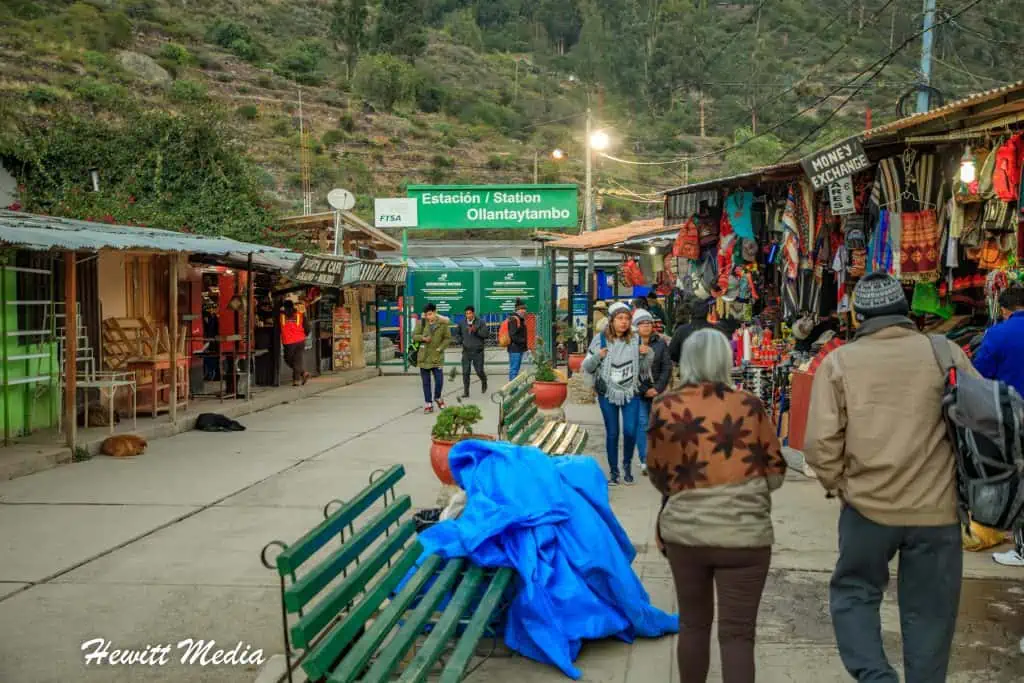
The official starting point for the hike to Machu Picchu on the Inca Trail is a spot just beyond the Ollantaytambo Train Station. If you are staying in Cusco, you would have to either take the train from Poroy Train Station just outside of Cusco to the Ollantaytambo Train Station or arrange your own transportation from Cusco. From there you can hike to Machu Picchu.
For those looking for a shorter hike, there are also hiking tours that start at the KM 104 mark, which is a considerably shorter hike. I cover both of these options, as well as all of the permit requirements and gear recommendations for hiking the Inca Trail, in my Ultimate Guide to Hiking the Inca Trail, which I linked to below.
There is a Much Shorter Machu Picchu Hike
The shortest hiking option available to you if you would like to do a bit of hiking, but don’t want to do a multi-day hike, is to take the train all the way from Poroy or Ollantaytambo Train Station to the train station at Aguas Calientes (Machu Picchu Town) and then hike up to the ruins from there.
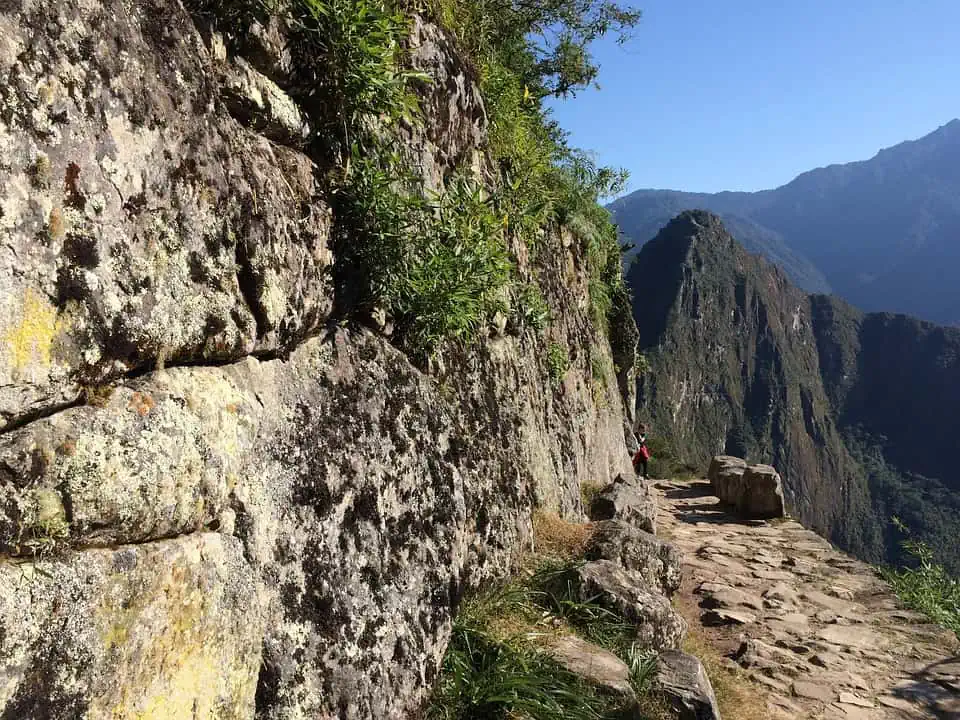
It will take you several hours to a half-day to complete the hike, depending on your fitness level, but it is so worth it if you are up for the challenge. Again, I discuss this option in greater detail in my Ultimate Guide to Hiking the Inca Trail, linked in my Machu Picchu visitor guide below.
| READ MORE: | |
 |
|
| The Ultimate Guide to Hiking the Inca Trail |
Taking the Train
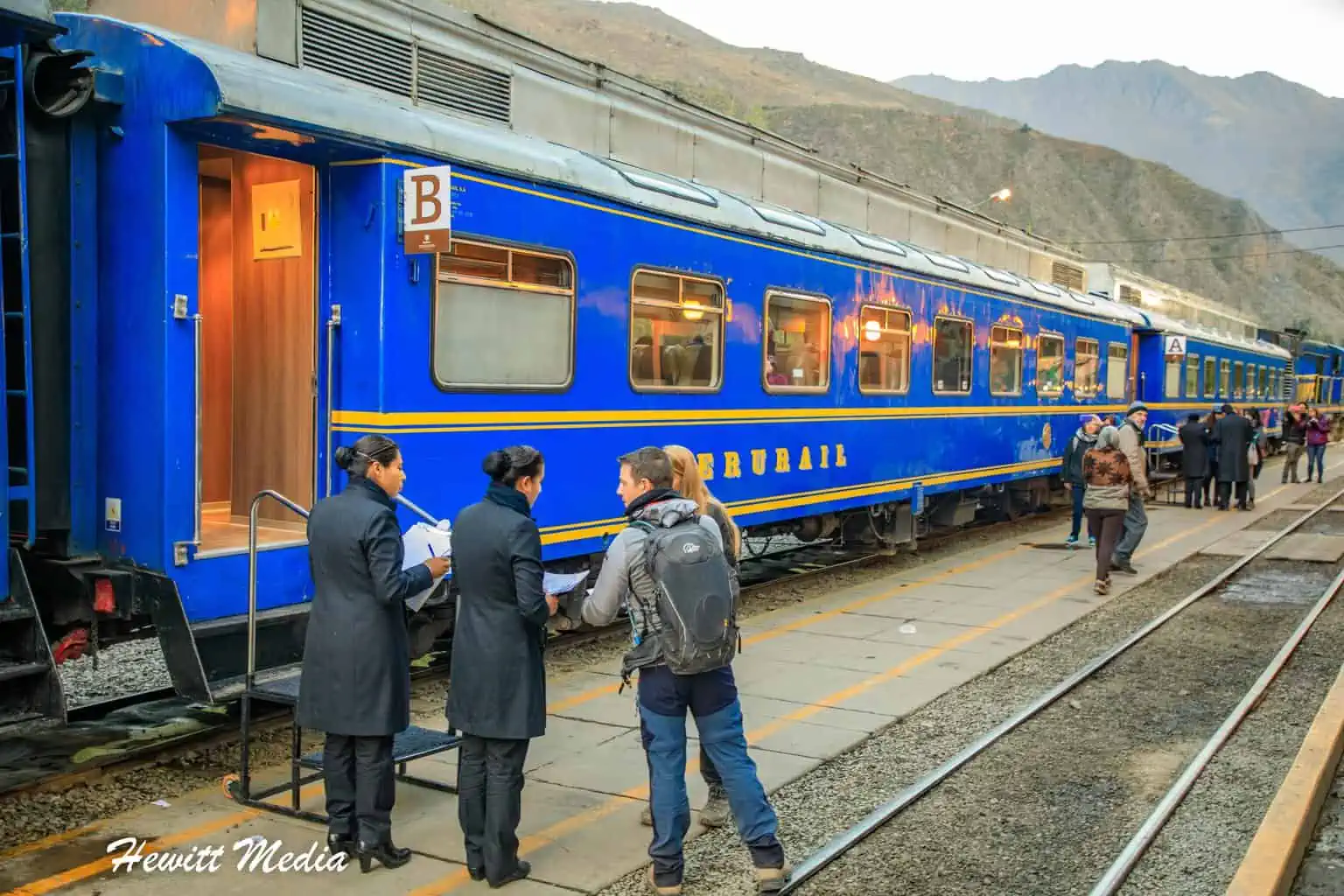
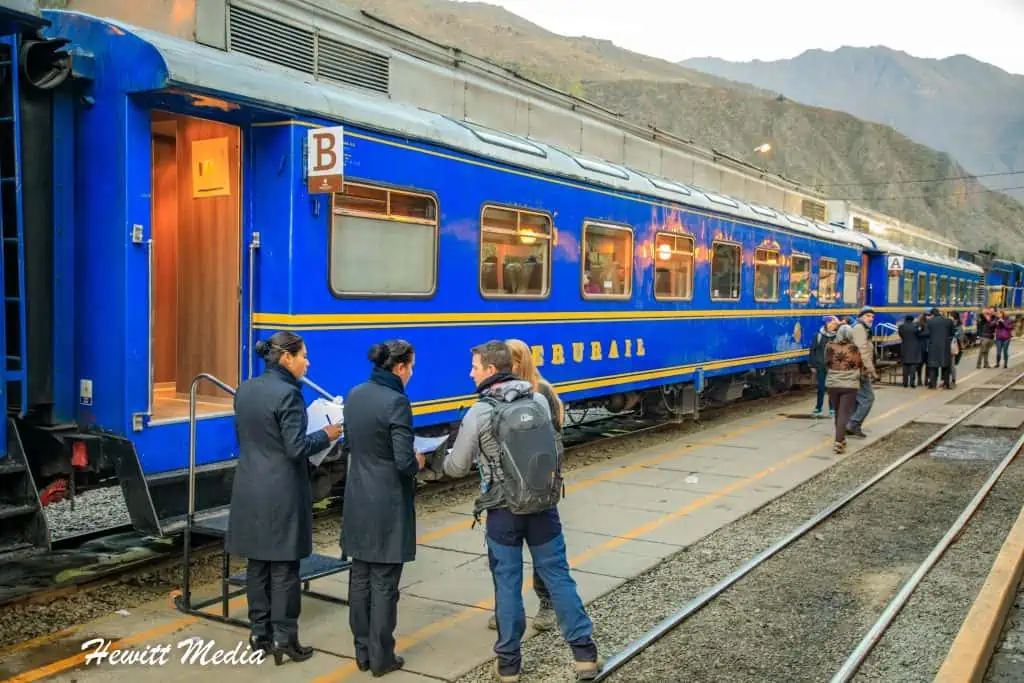
If you would like to visit Machu Picchu, but don’t feel up to taking the traditional hike along the Inca Trail to get there, there are options available to you that don’t involve any hiking at all. Some trains will take you from either the Poroy Train Station just outside of Cusco (seasonal service only), or the Urubamba or Ollantaytambo Train Stations in the Sacred Valley, all the way to the train station at Aguas Calientes (Machu Picchu Town). From there, you can take a bus up to the main gate at Machu Picchu.
There are two train operators that you can use to get to Machu Picchu – Peru Rail and Inca Rail. I have included a summary of the routes and levels of service that each rail company offers in my Machu Picchu visitor guide below for you to review.
Peru Rail
Peru Rail is the older of the two rail companies that offer transportation to Machu Picchu. Tickets for Peru Rail can be purchased online at www.perurail.com. They offer four different levels of service, which I have outlined below.
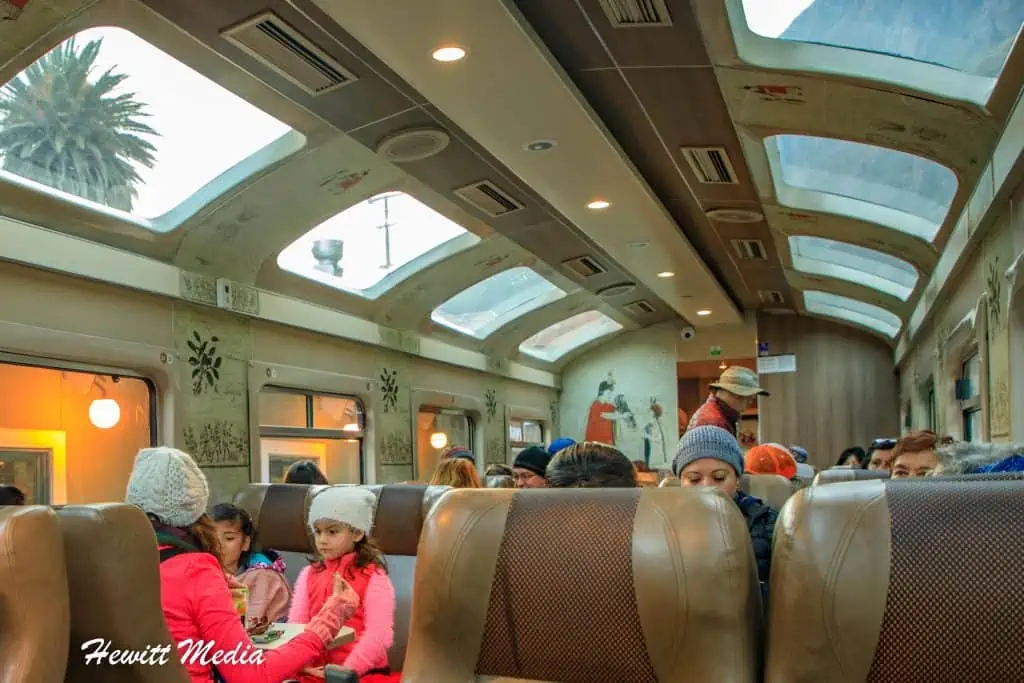
- Vistadome: A panoramic train with large windows and a glass roof for excellent views and photography.
- Expedition: A more budget‑friendly panoramic option with snacks and light Peruvian food available.
- Sacred Valley: A luxury train running between Urubamba and Machu Picchu, offering elevated service and scenic views. Availability may vary by season.
- Belmond Hiram Bingham: One of the most luxurious train rides in the world, offering gourmet meals and premium service on the journey to Machu Picchu.
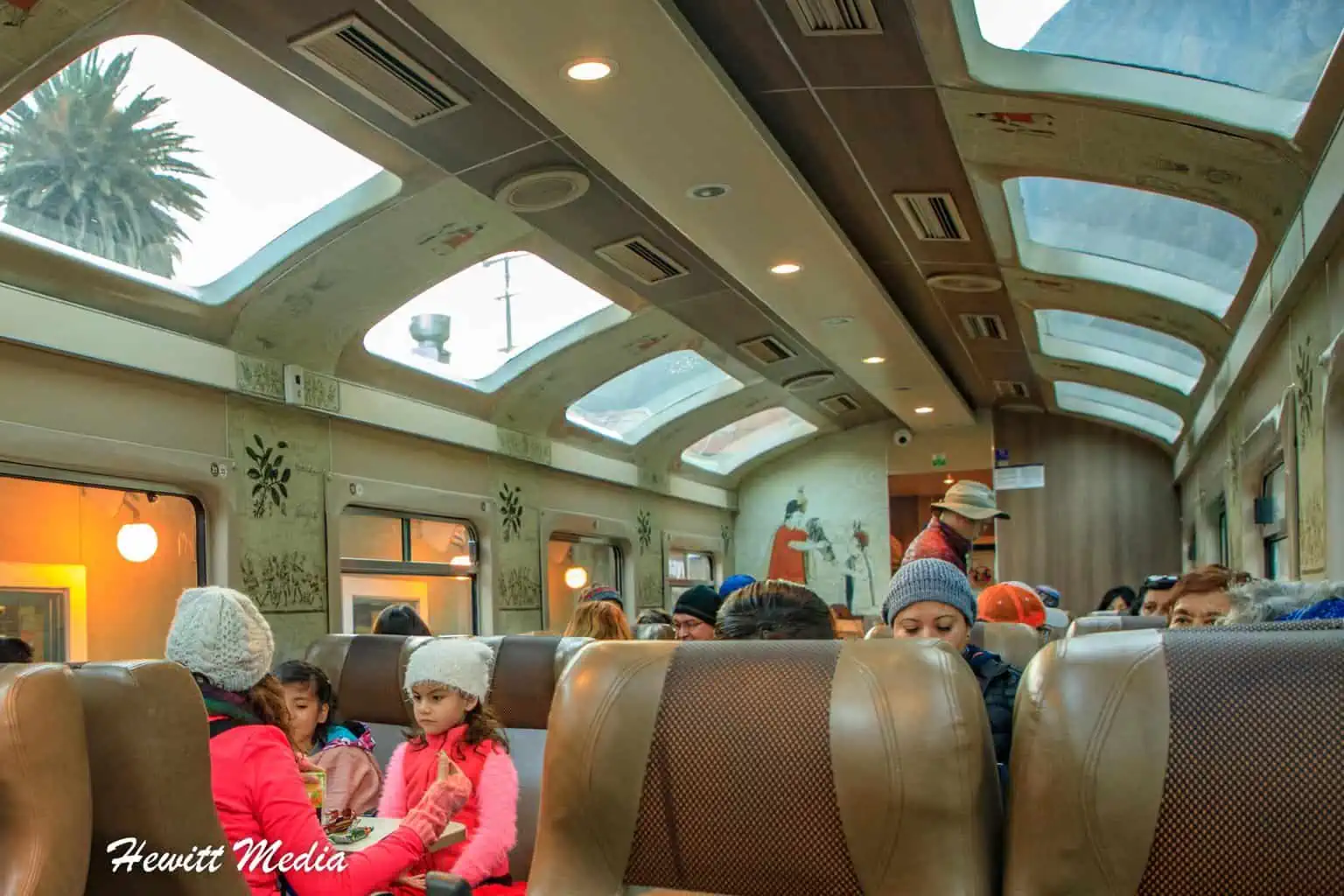
Inca Rail
Inca Rail is the newer of the train carriers that take passengers to Machu Picchu. Its trains run from the Ollantaytambo Train Station to Machu Picchu, and tickets can be booked online at www.incarail.com. There are four different levels of service on Inca Rail trains, which I have outlined for you to review in my Machu Picchu visitor guide below.
- The Voyager: In the Voyager class, you’ll find comfortable seating, panoramic windows, and folding tables. The fare includes local music and a selection of fruit juices.
- The 360º: This class offers expanded panoramic windows and an observation dome for wider views of the landscape. Guests can enjoy onboard beverages, local music, and access to an onboard app with route information.
- The First Class: Passengers travel in luxury with spacious seating, gourmet meals, welcome cocktails, and large panoramic windows. IMPORTANT NOTE: First Class service operates seasonally, typically during the busier months (from April to October).
- The Private: Available for small groups of up to 8 by special request, this presidential‑level service includes gourmet dining, premium drinks, and elegant décor for a fully private luxury journey.
IMPORTANT NOTE: It is critically important that you book your rail tickets and purchase your entrance ticket into Machu Picchu months in advance. Do not purchase one without the other, or you may end up with an entrance ticket but no transportation—or vice versa.
Combination of Train and Hiking
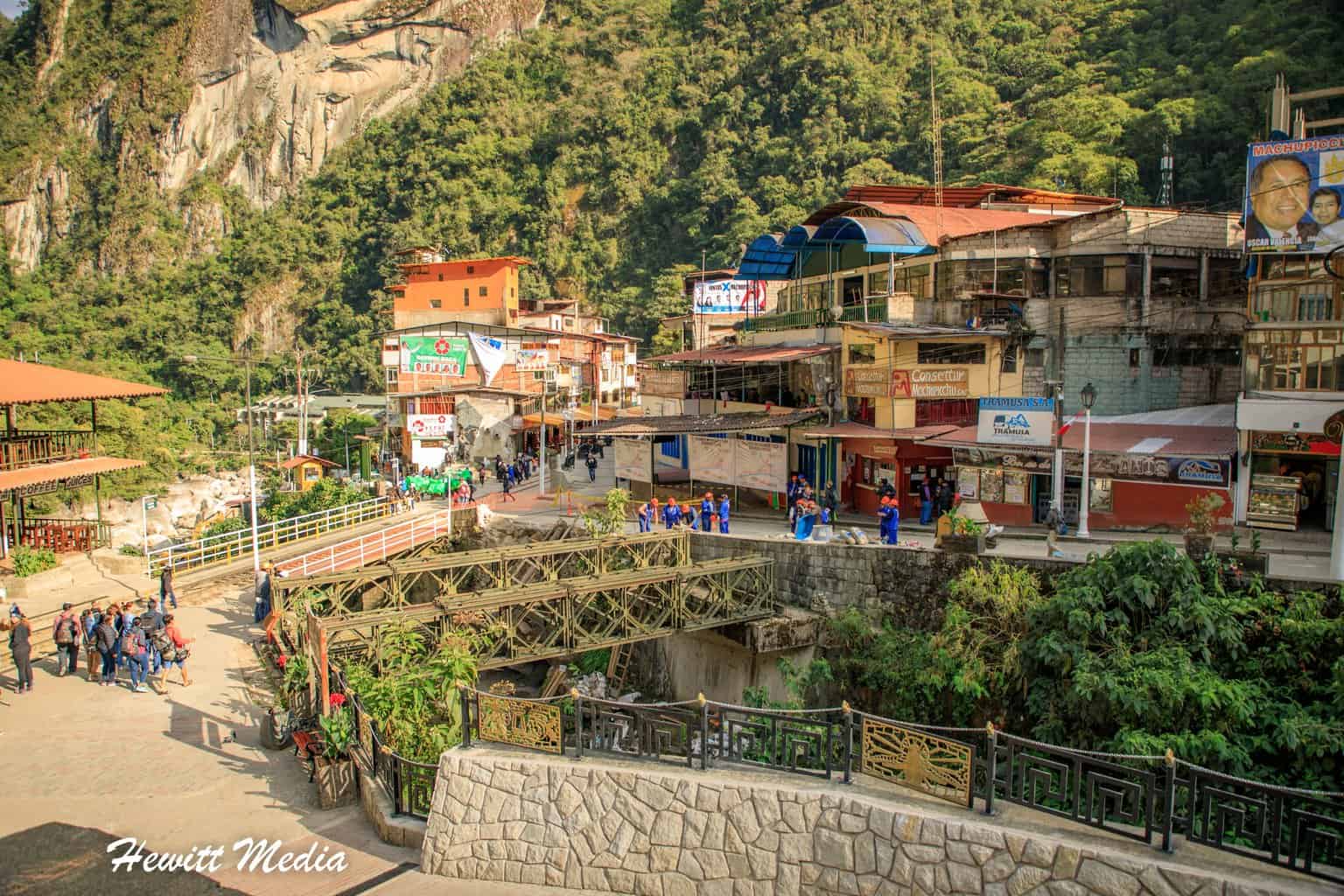
For those who want to include some hiking without committing to the full Inca Trail, there’s an easy option. After taking the train to Aguas Calientes, you can skip the bus and hike the footpath up to Machu Picchu instead. The climb takes about two hours and rewards you with beautiful views of the surrounding Andes.

What to Know Before Visiting Machu Picchu
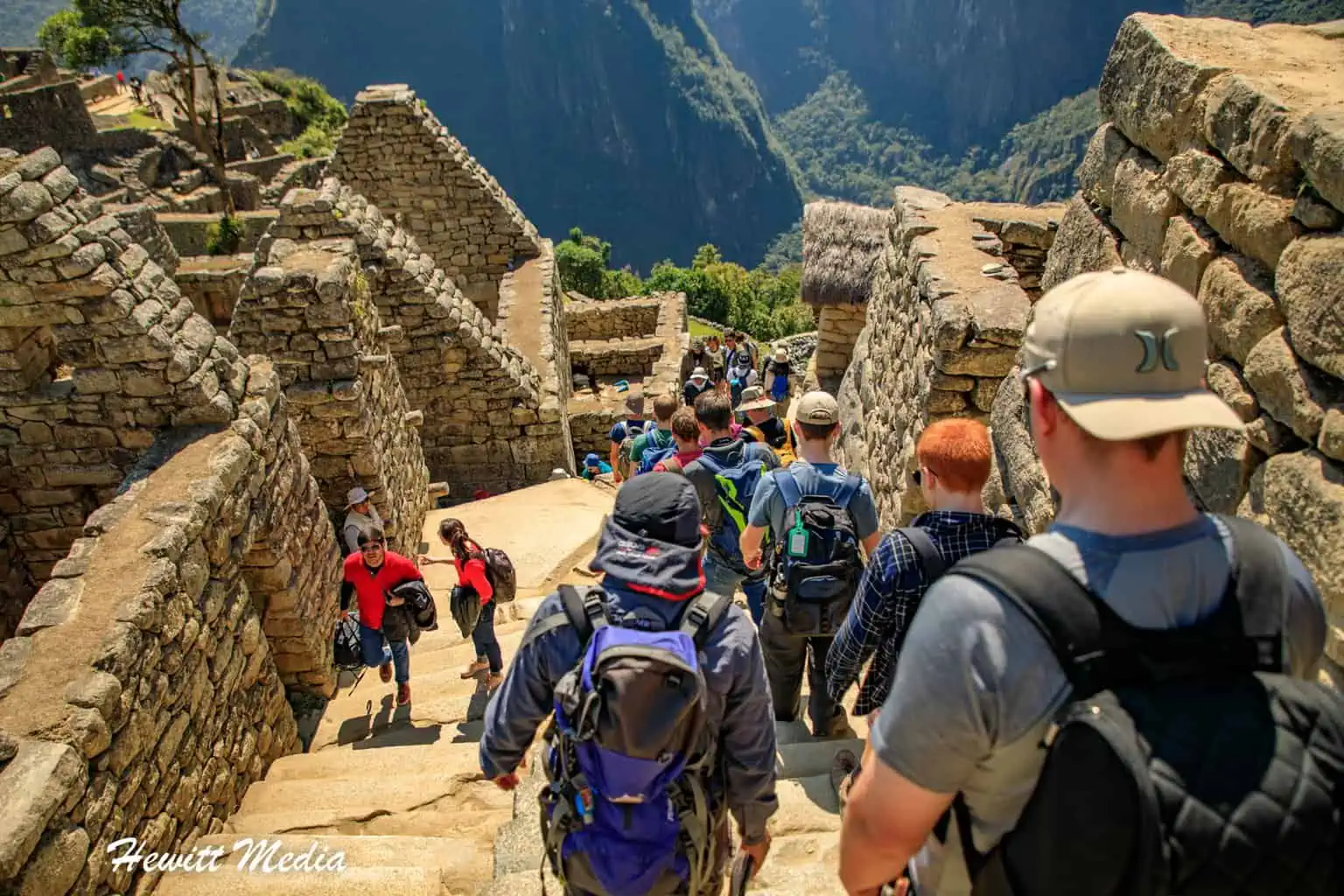
Before you head off on your adventure to see Machu Picchu, there are some things that you need to be aware of. If you keep these things in mind as you start to plan your trip and then as you visit, you can ensure that you will get the most out of your visit and not be left in an uncomfortable or dangerous situation.
Water and Bathrooms
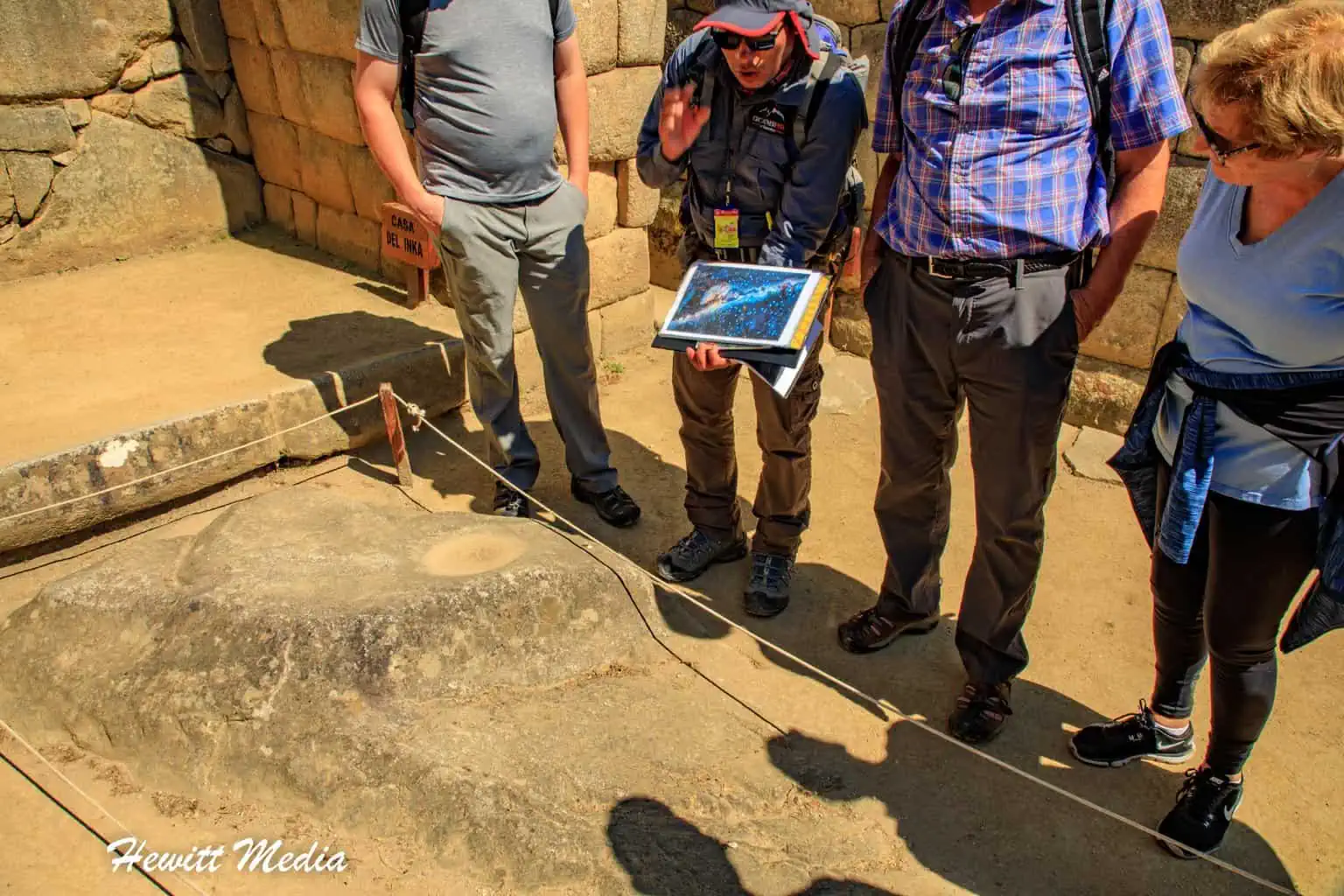
Before entering the site, make sure you use the restroom and stock up on water. Bathrooms and vendors are located outside the main gate, and you won’t find either once you’re inside. Because re‑entry is not allowed with most ticket types, it’s important to take care of both needs before you go in.
A permit is required to hike the Inca Trail
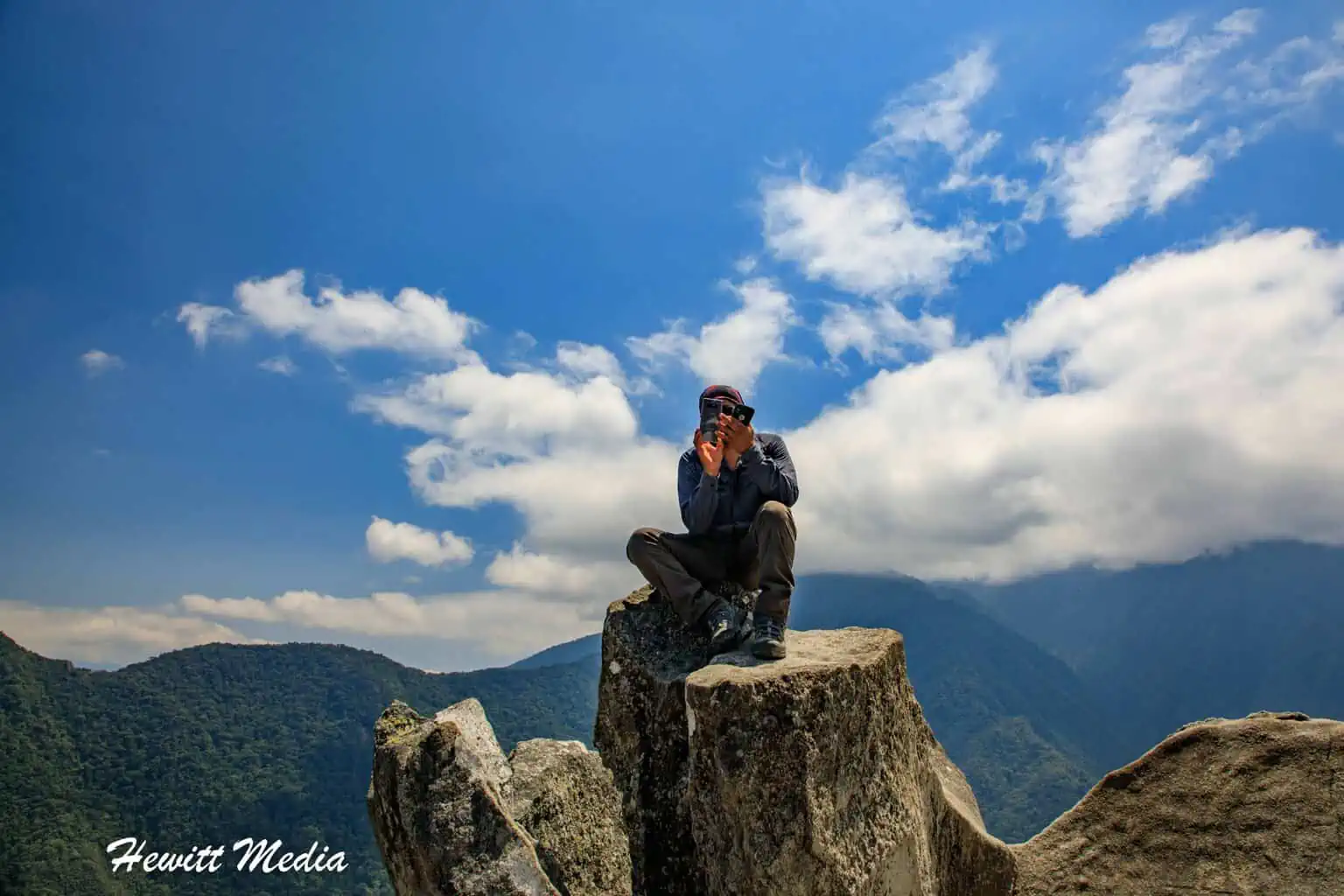
If you plan on hiking the Inca Trail to Machu Picchu, you must book a guided tour. You cannot hike the trail independently. Peru’s Ministry of Culture requires all hikers to be accompanied by a licensed guide, and permits are limited and must be secured in advance through an authorized tour operator.
If you’re interested in joining a tour group for the Inca Trail, I have included a link in my Machu Picchu visitor guide below to the tours available out of Cusco, Peru via the Viator website.
Recommended Machu Picchu Tours from Cusco
Prepare for the Elevation
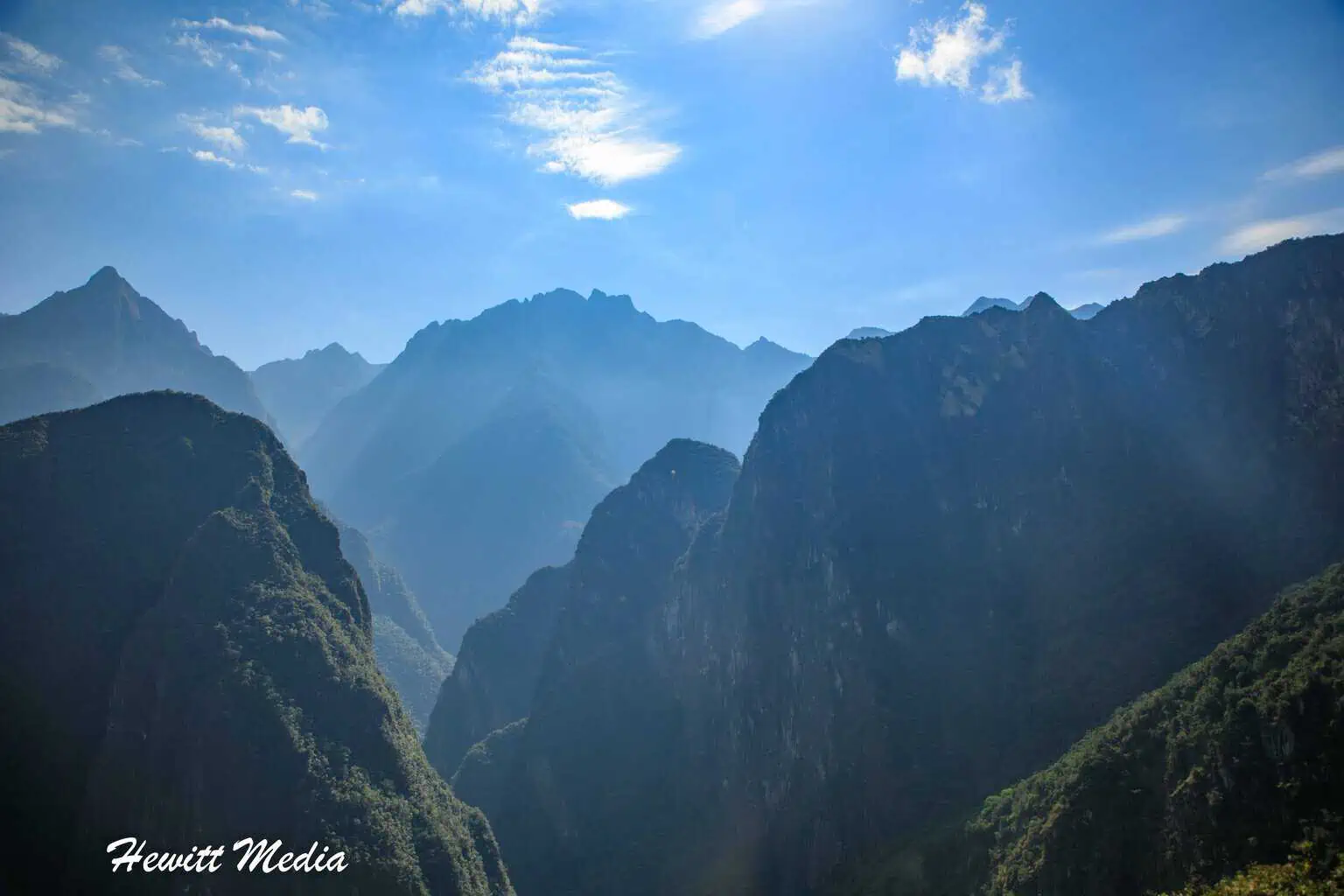
One of the most important things to understand when visiting Cusco and the Machu Picchu region is the high altitude. Machu Picchu sits at 7,972 feet (2,429 meters), but Cusco is much higher at 11,152 feet (3,399 meters). Many travelers feel the effects of this elevation.
Some people experience shortness of breath, headaches, nausea, or dizziness. Those with certain medical conditions—especially heart or lung issues—may be at higher risk for serious altitude illness. In rare cases, visitors can develop acute altitude sickness, which can be dangerous if untreated. You can reduce your risk by following the tips in my Machu Picchu visitor guide below:
Tips to Prepare for the High Altitude
- Stay hydrated: Drink plenty of water throughout the day, as dehydration worsens altitude symptoms.
- Acclimate gradually: Spend your first nights in the Sacred Valley, which sits at a lower elevation than Cusco. For example, Pisac is at 6,730 feet (2,050 meters). This gives your body time to adjust before returning to Cusco’s higher altitude.
- Ask your doctor about Acetazolamide: This prescription medication (commonly known as Diamox) can help prevent or reduce altitude‑related headaches and discomfort. Always consult your doctor before traveling.
- Try coca tea: A traditional local remedy that many travelers find helpful for mild altitude symptoms. Most hotels in Cusco offer it complimentary.
- Choose a hotel with oxygen support: Some higher‑end hotels in Cusco provide oxygen‑enriched rooms or supplemental oxygen, which can ease symptoms while you adjust.
- Descend if symptoms worsen: If your symptoms become severe or don’t improve, go to a lower altitude immediately. Your health comes first—descend, recover, and only return to Cusco when you feel better.
What to Pack for Machu Picchu
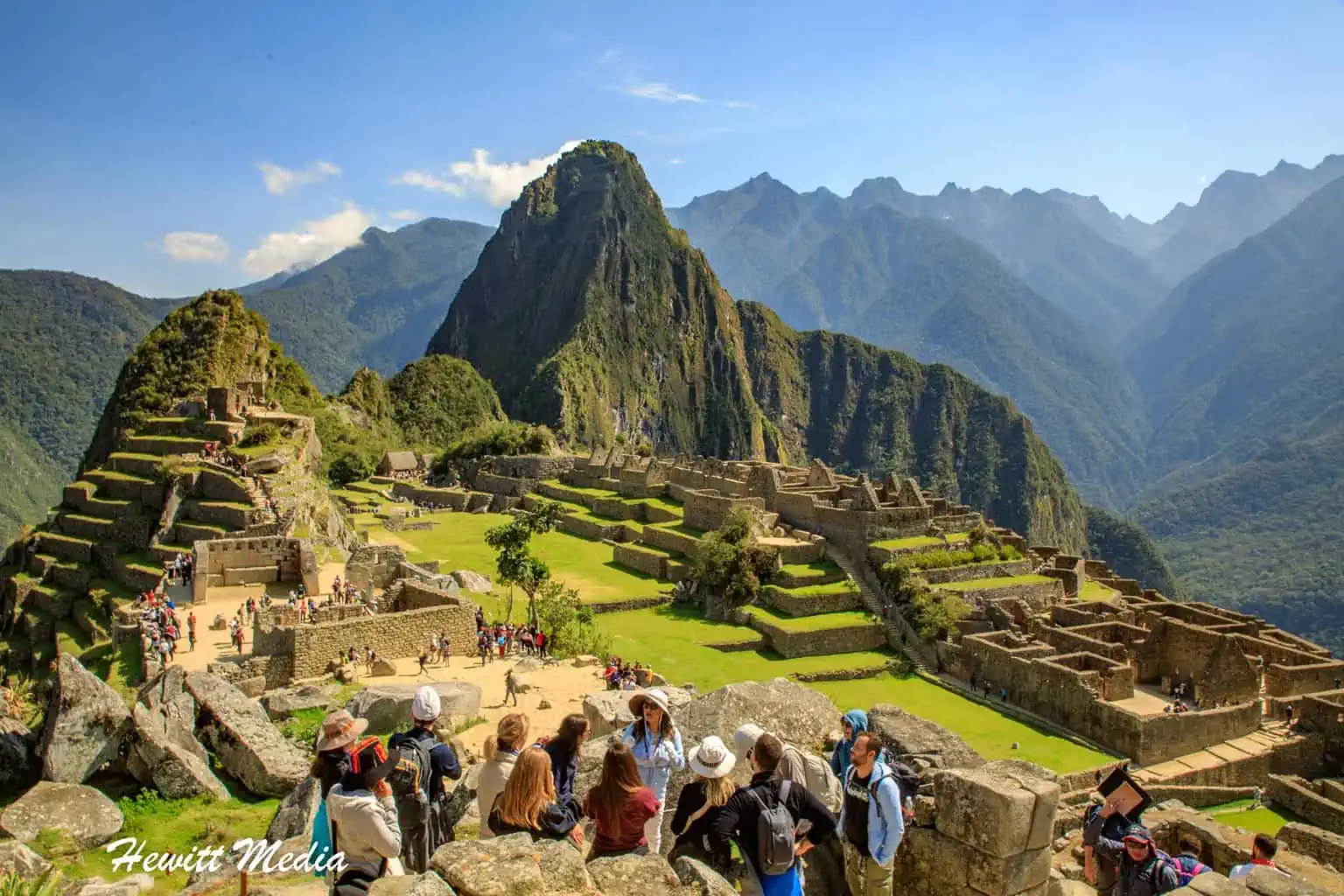
A big part of any successful visit to Machu Picchu involves making sure you pack the right gear to bring with you. There is nothing worse than bringing too much gear and having to lug it around, other than maybe not bringing gear that you need and struggling without it.
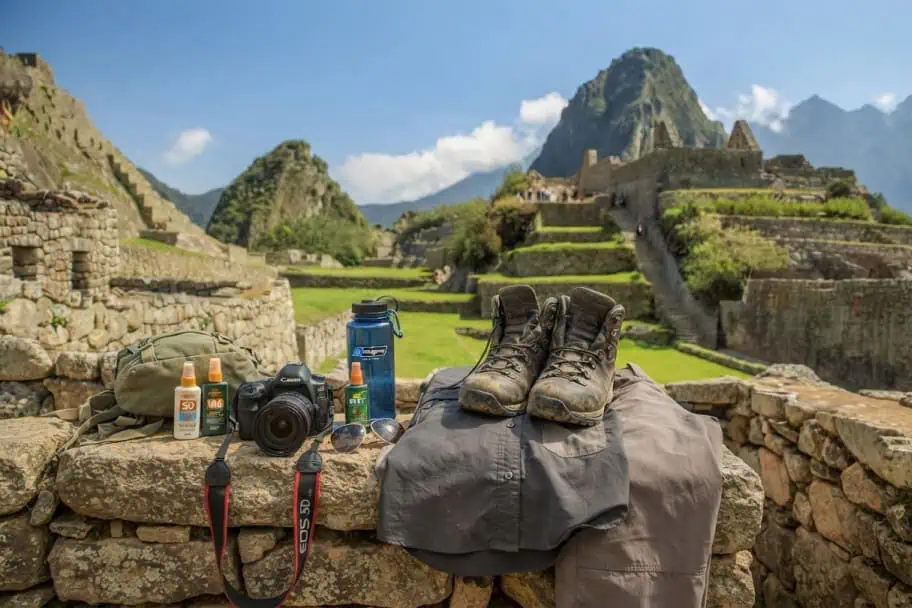
Take the guesswork out of what to pack for your trip to Machu Picchu by reviewing my Essential Machu Picchu and the Inca Trail Packing Guide, which I linked to in my Machu Picchu visitor guide below. This packing guide is based on my personal experience visiting Machu Picchu and the Inca Trail and the dialog I have had with other travelers who have visited the area.
Know the Rules at Machu Picchu
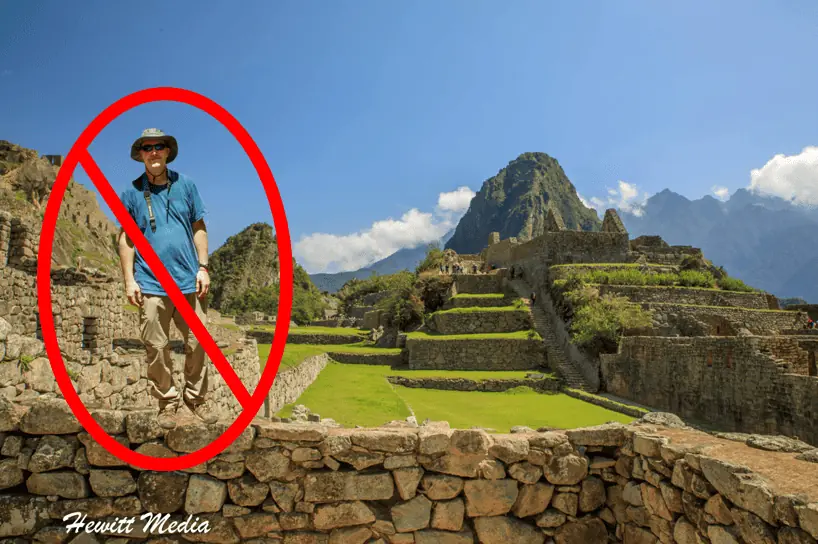
When visiting Machu Picchu, remember that you are entering a protected cultural and archaeological site. It’s essential to understand and follow the rules to help preserve this UNESCO World Heritage treasure. Below are some of the most important regulations, highlighted in my Machu Picchu visitor guide.
Prohibited Behaviors at Machu Picchu
- Guide required: All visitors must enter with a licensed professional guide.
- No running or disruptive movement: Running, jumping, or blocking the flow of visitors is not allowed.
- No touching or climbing the ruins: Climbing, leaning on, or standing on the stone walls is strictly prohibited.
- Respect the sacred site: Any behavior that disrespects the spiritual or cultural significance of Machu Picchu is forbidden.
- No inappropriate conduct: Obscene, offensive, or disruptive behavior is not allowed.
- No smoking or vaping: Smoking and electronic cigarettes are banned inside the site.
- No drones: Drones or any type of flying device are prohibited.
- Stay on marked circuits: Visitors must remain on the designated routes and circuits at all times.
- Do not feed wildlife: Feeding llamas or any other animals is not permitted.
- No unauthorized entry: Entering restricted areas or accessing the site illegally is prohibited.
- No loud noises: Avoid shouting, whistling, or making disruptive sounds.
- No littering: All trash must be carried out; littering is strictly forbidden.
- No commercial filming without a permit: Advertising, promotional photography, or filming requires prior authorization.
- No pets: Animals are not allowed inside the site.
- No unsafe selfies: Turning your back to ledges or dangerous drop-offs for photos is prohibited.
Prohibited Items at Machu Picchu
- No tripods or selfie sticks (without permit): Professional camera gear, tripods, monopods, and selfie sticks require special authorization.
- No large bags: Backpacks or bags over 5 kg (11 lbs) are not allowed.
- No outside food: Food is prohibited inside the archaeological site.
- No drugs: Illegal substances are strictly banned.
- No alcohol: Alcoholic beverages—and entering under the influence—are prohibited.
- No sprays or paints: Aerosols, paints, or similar items are not allowed.
- No musical devices: Instruments, speakers, or amplified sound devices are banned.
- No hard‑soled heels: Shoes that may damage the stone surfaces are not permitted.
- No strollers: Baby strollers are not allowed due to narrow paths and preservation rules.
- No weapons or sharp objects: Any item that could be considered a weapon is prohibited.
- No banners or advertising materials: Posters, flags, or clothing intended for promotion are not allowed.
- No metal‑tipped canes: Only canes with rubber tips are permitted for older adults or those who need mobility support.
Which Session and Circuit to Choose When Purchasing Your Ticket
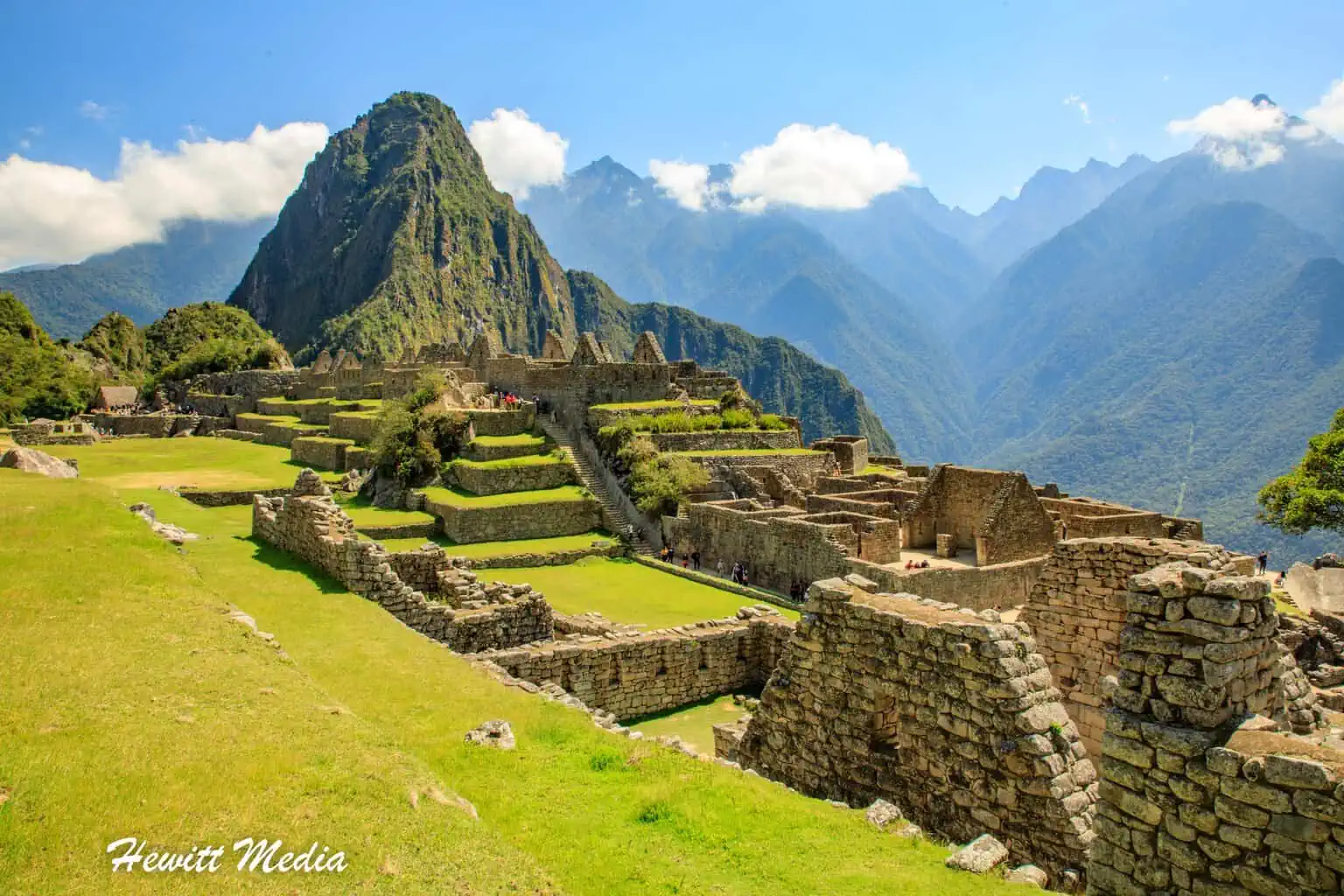
Before booking your tour of Machu Picchu, it’s important to understand how the current ticketing system works. Daily entry is limited, and all visitors must choose a specific entry time and circuit. Knowing how these options work will help you secure the experience you want at the time of day you prefer.
Limited Visitors Per Day
Peru now allows approximately 4,500 visitors per day (capacity varies slightly by season and special dates). Because tickets often sell out weeks or even months in advance—especially for morning entries—you should book as early as possible.
Nine Entry Times Per Day
Visits are no longer full‑day or half‑day; instead, entry is staggered across nine timed slots to control crowd flows. Once inside, visitors generally have about 2.5–3 hours to complete their assigned circuit.
- Entry 1: 6:00am
- Entry 2: 7:00am
- Entry 3: 8:00am
- Entry 4: 9:00am
- Entry 5: 10:00am
- Entry 6: 11:00am
- Entry 7: 12:00pm
- Entry 8: 1:00pm
- Entry 9: 2:00pm
Important: Re‑entry is not allowed, so arrive on time and prepared.
Three Circuits to Choose From
All Machu Picchu tickets are tied to one of three circuits, each with a fixed walking route. This system protects the ruins by preventing overcrowding in sensitive areas and keeping visitors moving in one direction.
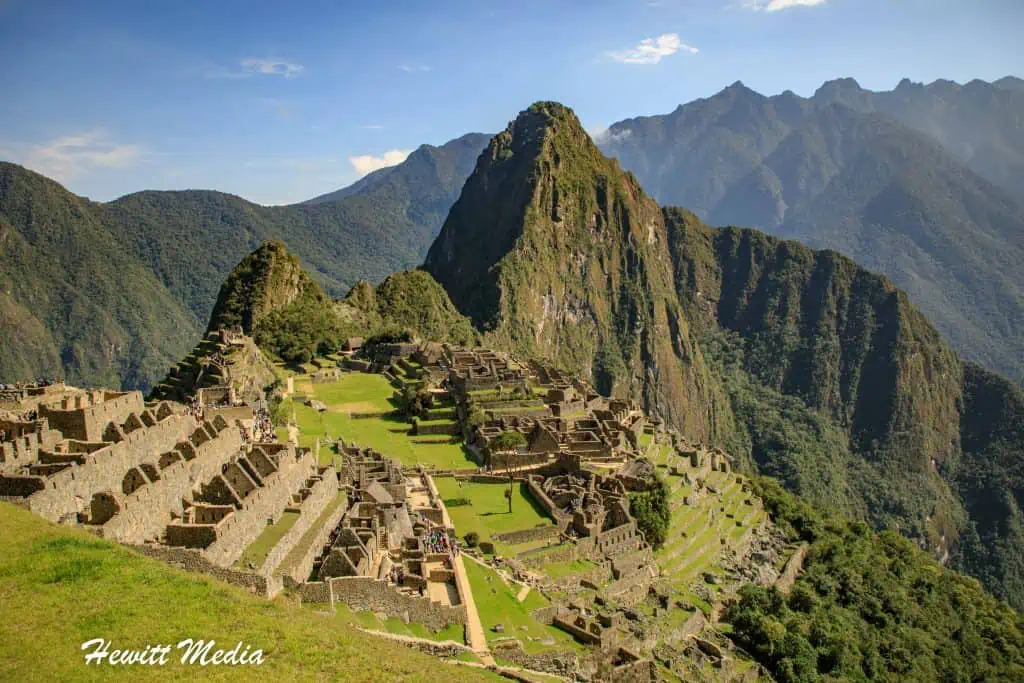
- Circuit 1 & Circuit 2: These are the longer, more complete routes and include the classic viewpoints. If you want the iconic photo from the Guardhouse (location #1 on the map), choose Circuit 1 or 2.
- Circuit 3: A shorter, lower‑level route designed for visitors who prefer a less strenuous walk. It does not include the upper terraces or the classic postcard view.
The map below highlights all three circuits and the major archaeological points of interest to help you choose the best route for your visit.

Climbing Huayna Picchu
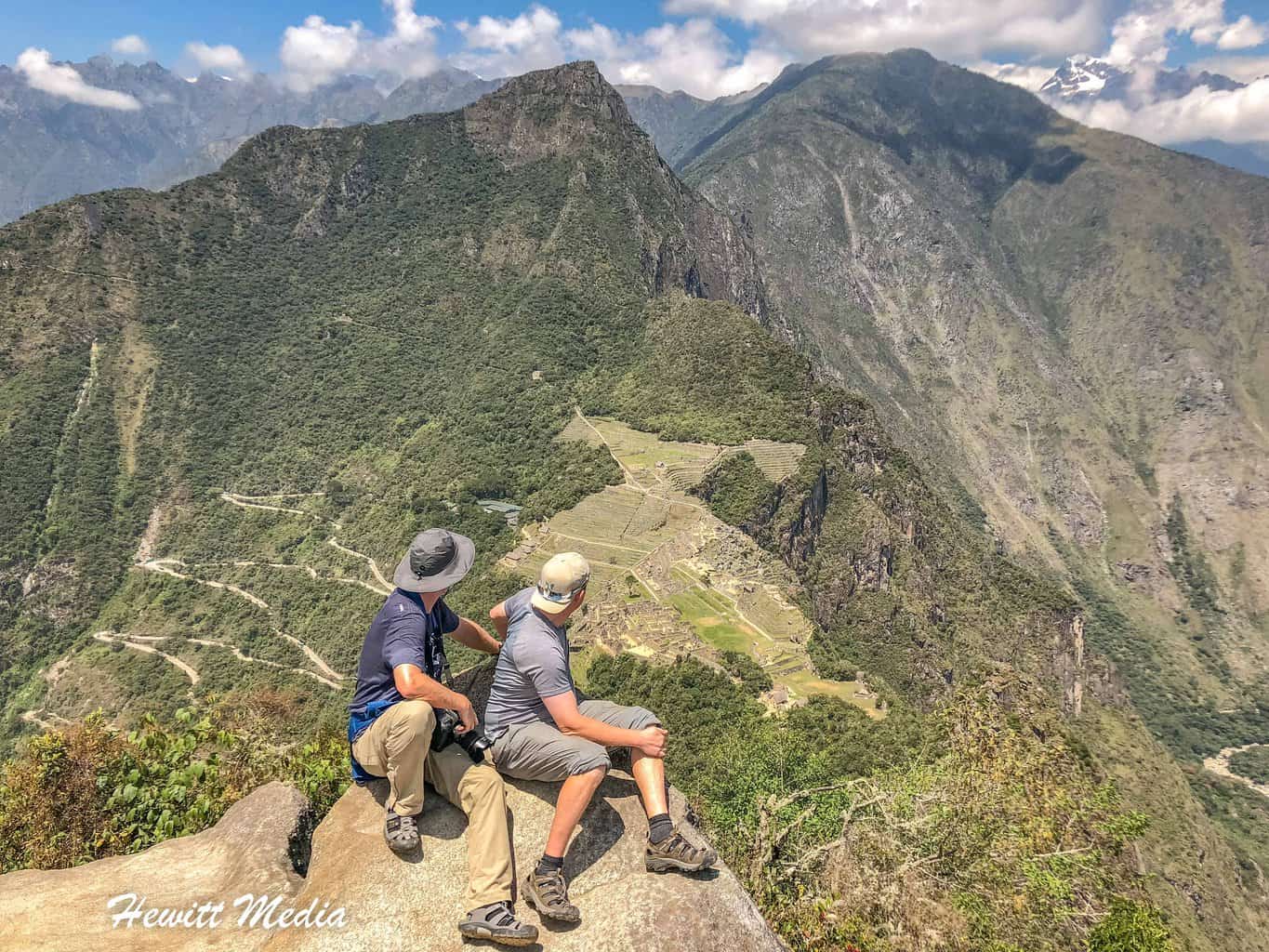
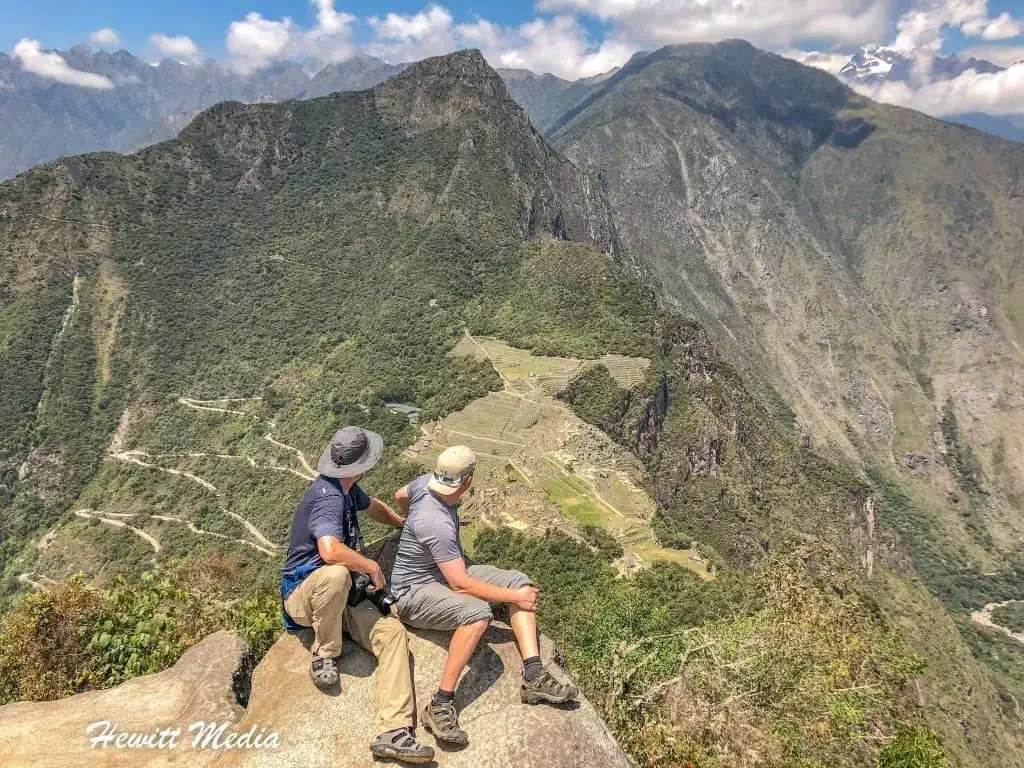
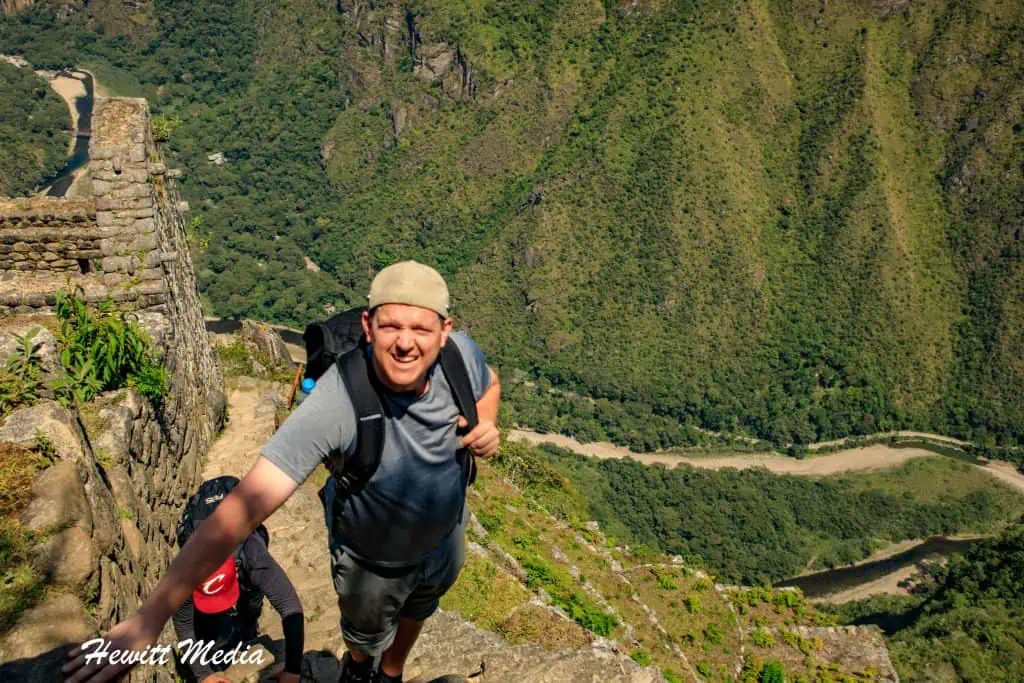
For travelers seeking extra adventure at Machu Picchu, you can climb Huayna Picchu, the steep peak rising behind the ruins in the classic photos. Also called Wayna Picchu, this hike is short but intense.
The climb takes 45–60 minutes, but several sections are extremely steep—more like climbing a ladder than walking stairs. Because access is restricted, you must reserve well in advance. Only 200 people are allowed per session in both the morning and afternoon time slots, so permits sell out quickly.
For more details on obtaining a permit to climb Huayna Picchu or visit the Inca Bridge, please see the Machu Picchu Ticket website.
Machu Picchu Photography Advice
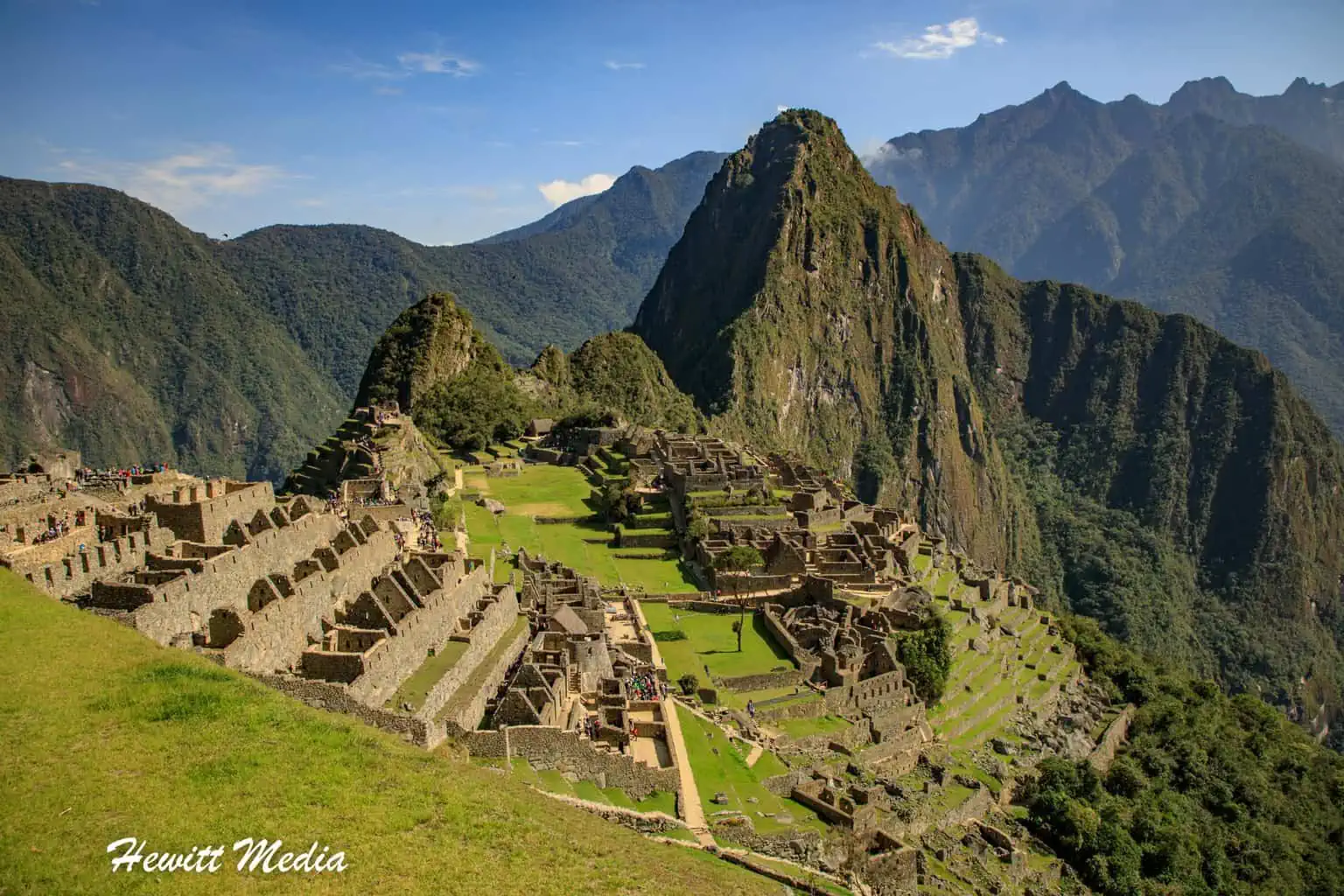
Machu Picchu is such an incredibly beautiful and moving place that you are guaranteed to want to take plenty of photographs when you visit. While beautiful, it can also be a challenging place to photograph. Between navigating the rules of the site to finding the best locations to snap your shots, there is a lot to consider. For tips and tricks to get the best photographs during your visit to Machu Picchu, I suggest using my Machu Picchu Photography Guide, which I have linked to in my Machu Picchu visitor guide below.
| READ MORE: | |
 |
|
| Machu Picchu Photography Guide |
My Visit to Machu Picchu
Visiting Machu Picchu was one of the most amazing experiences of my life. It is hard to put into words just how incredible the experience is, so I will let a video do the talking for me. If you would like to get a better idea of what it is like to visit Machu Picchu, I have included a short video from my visit in my Machu Picchu visitor guide below for you to view.
Machu Picchu Photo Gallery
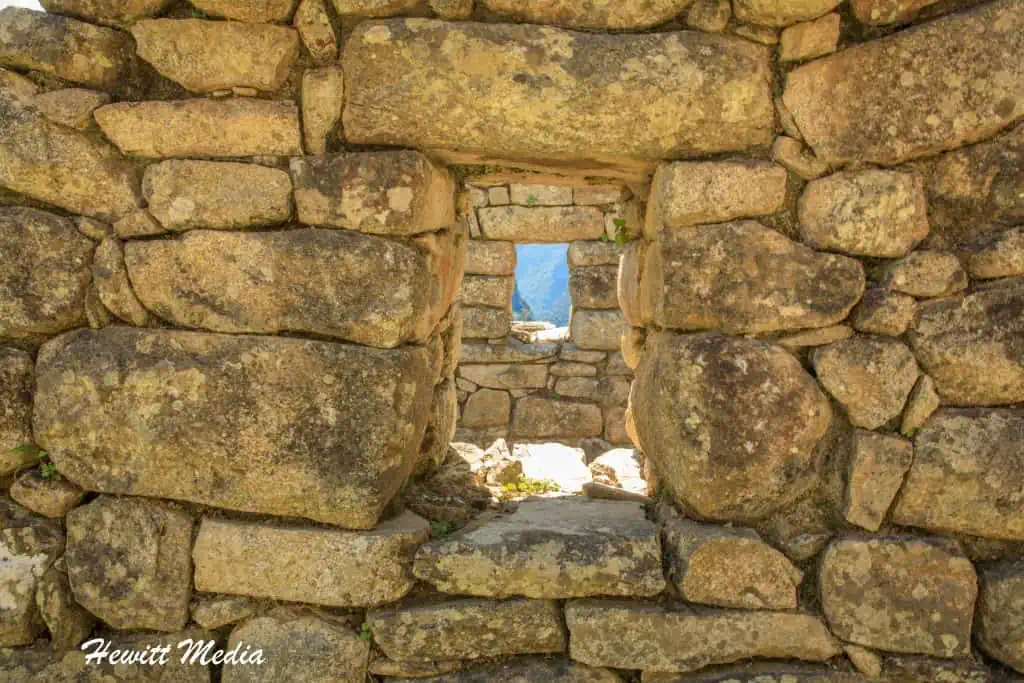
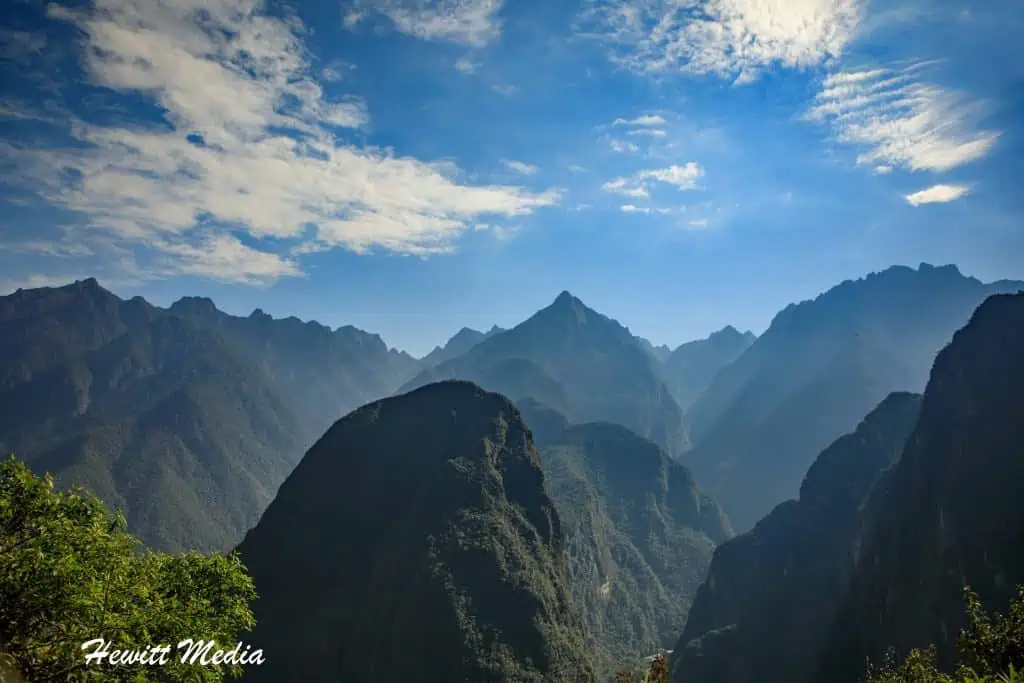
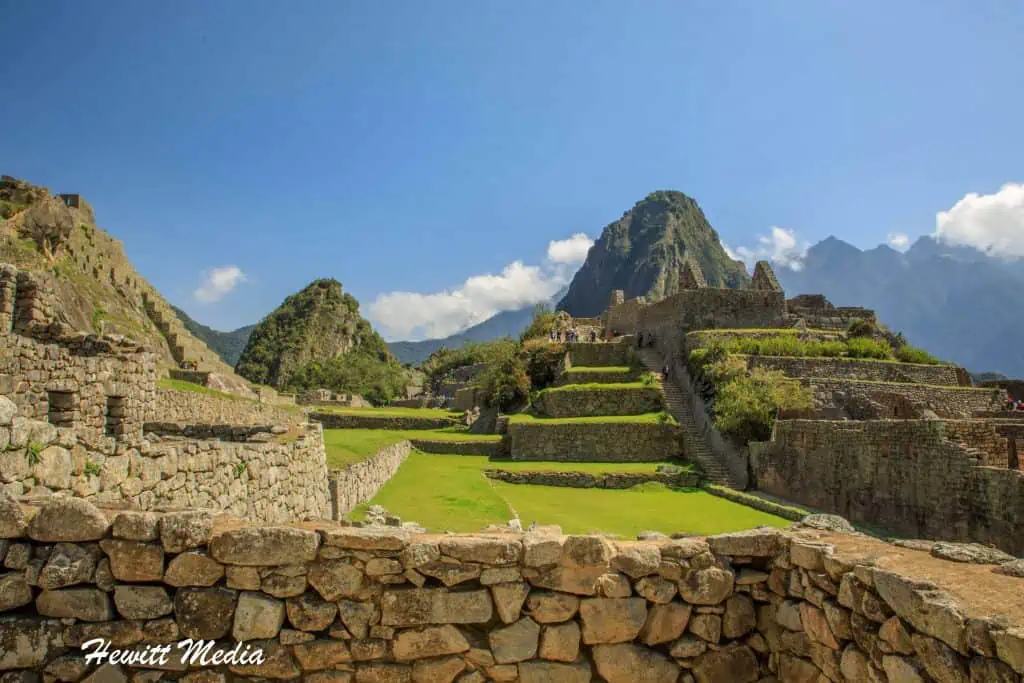
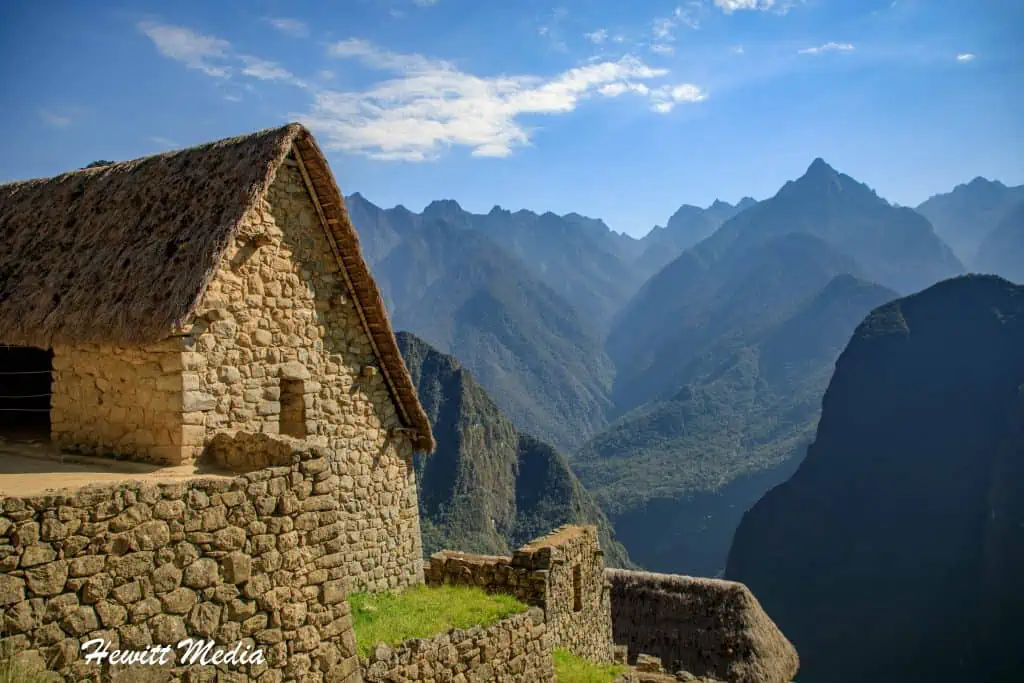
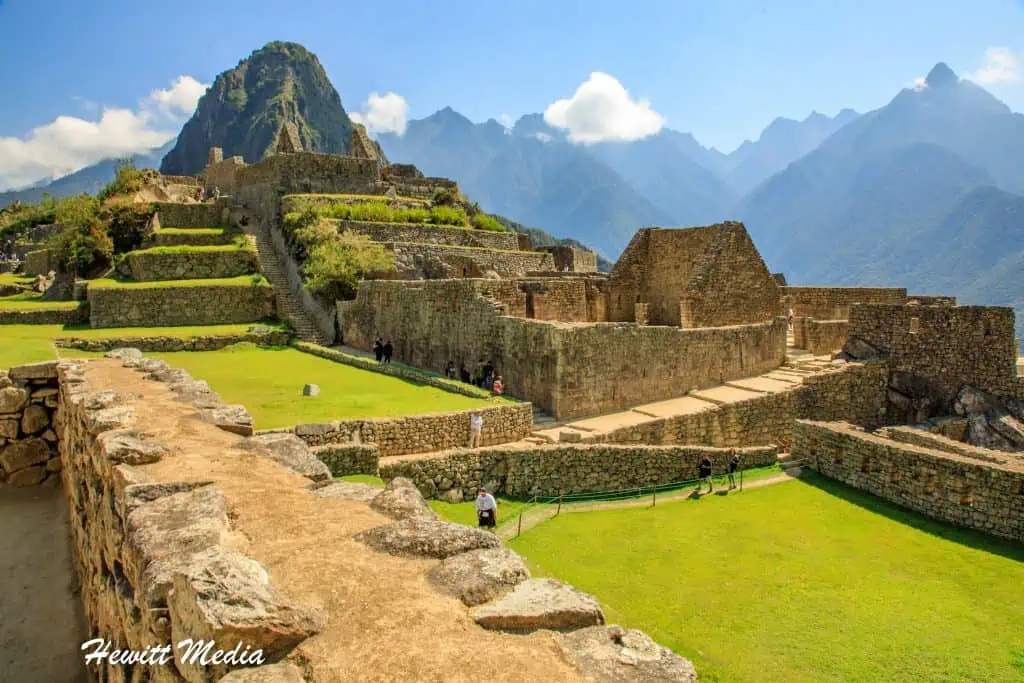
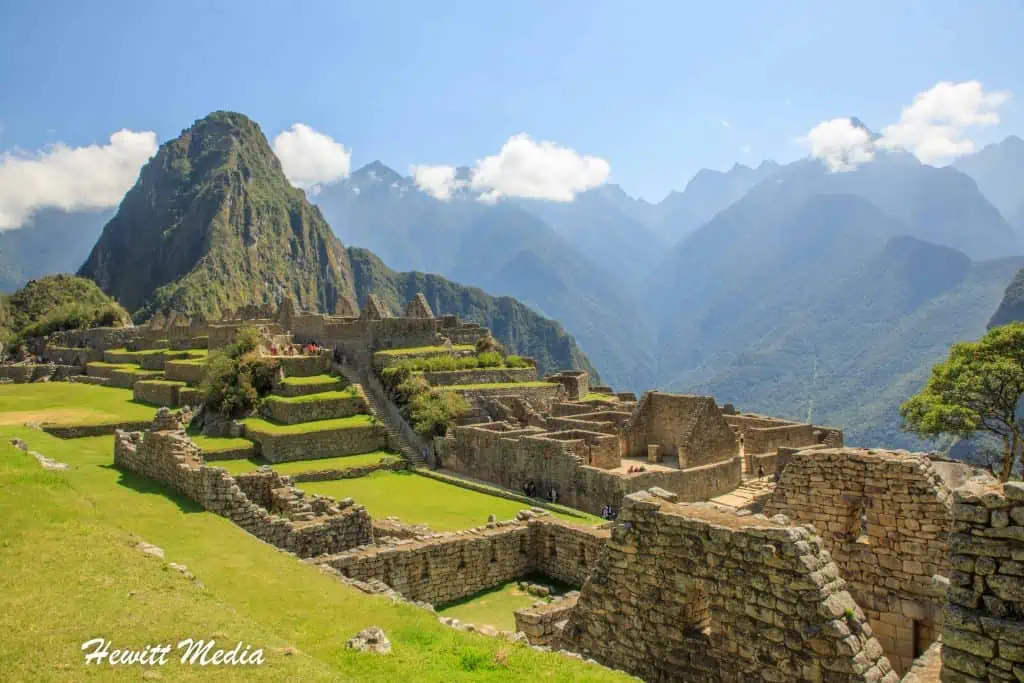
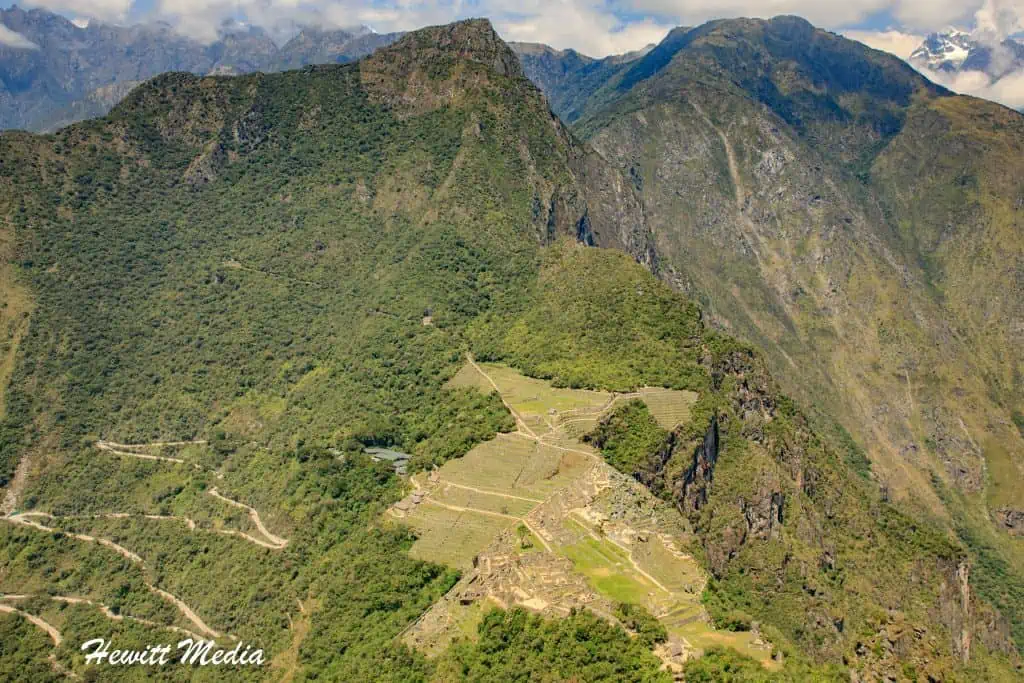
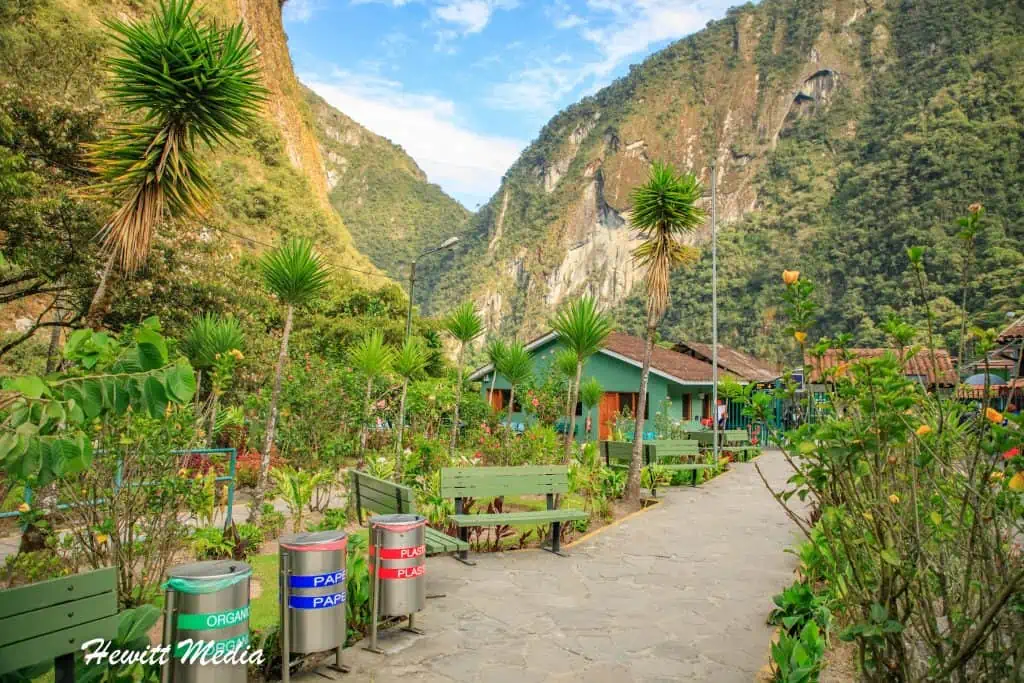
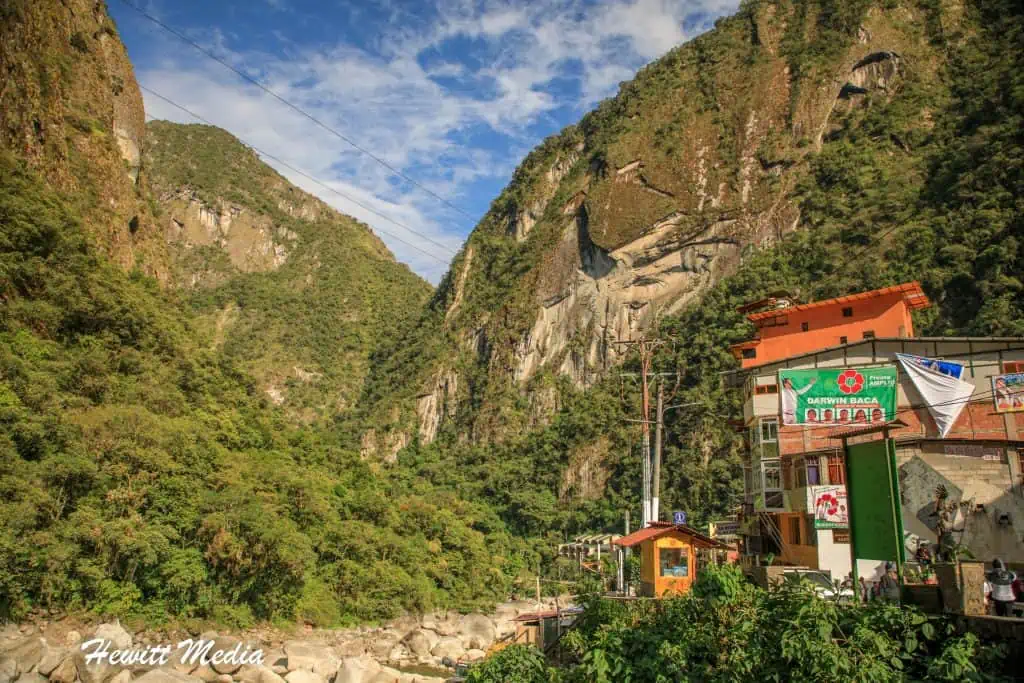
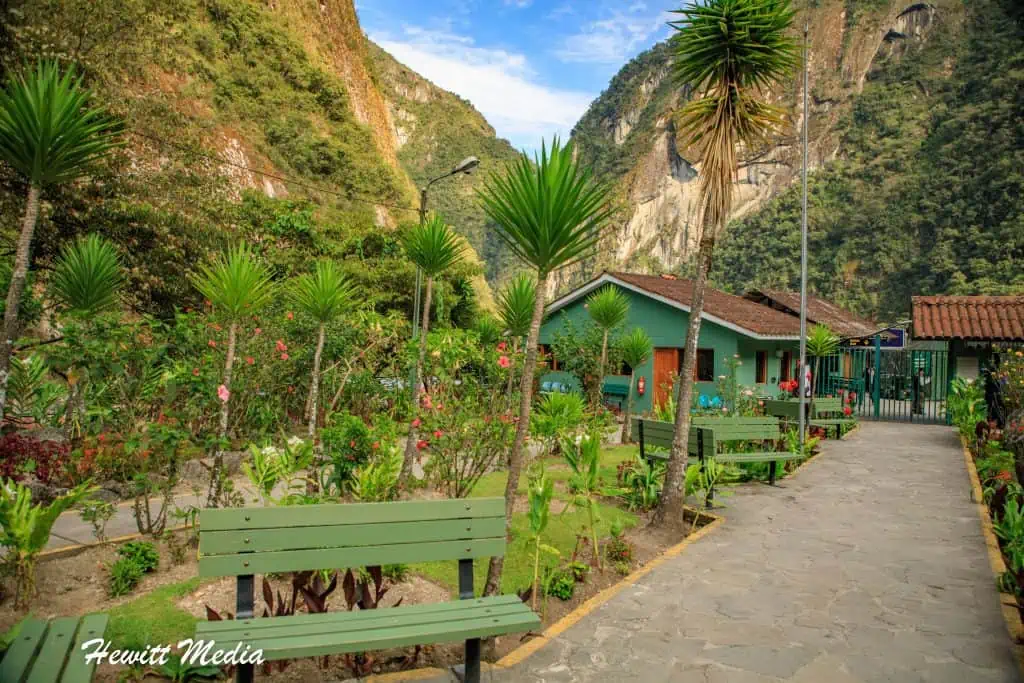
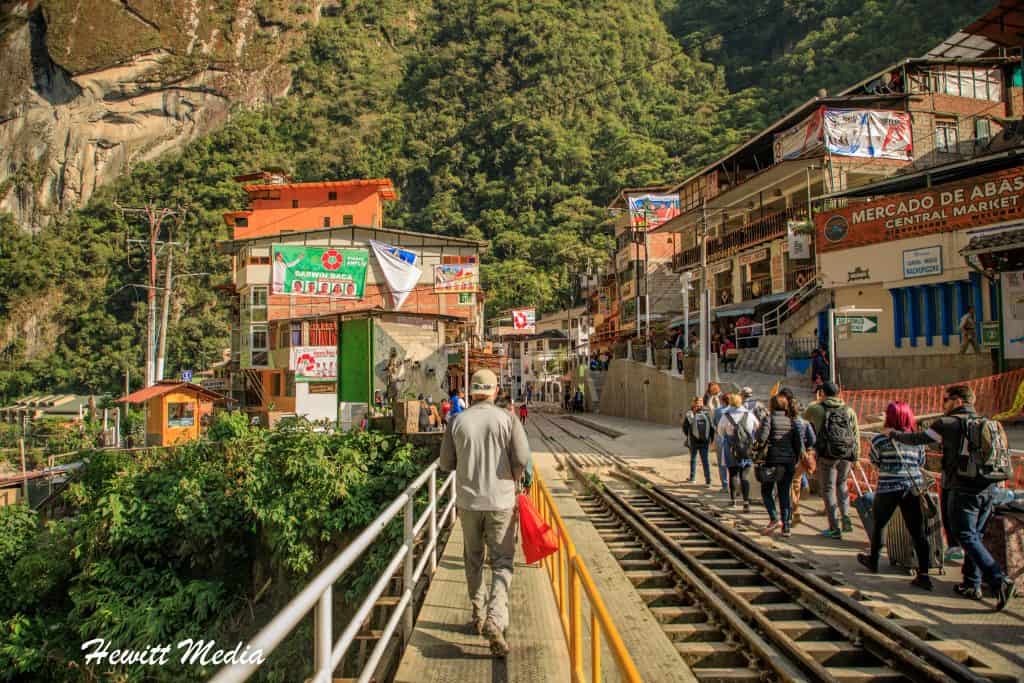
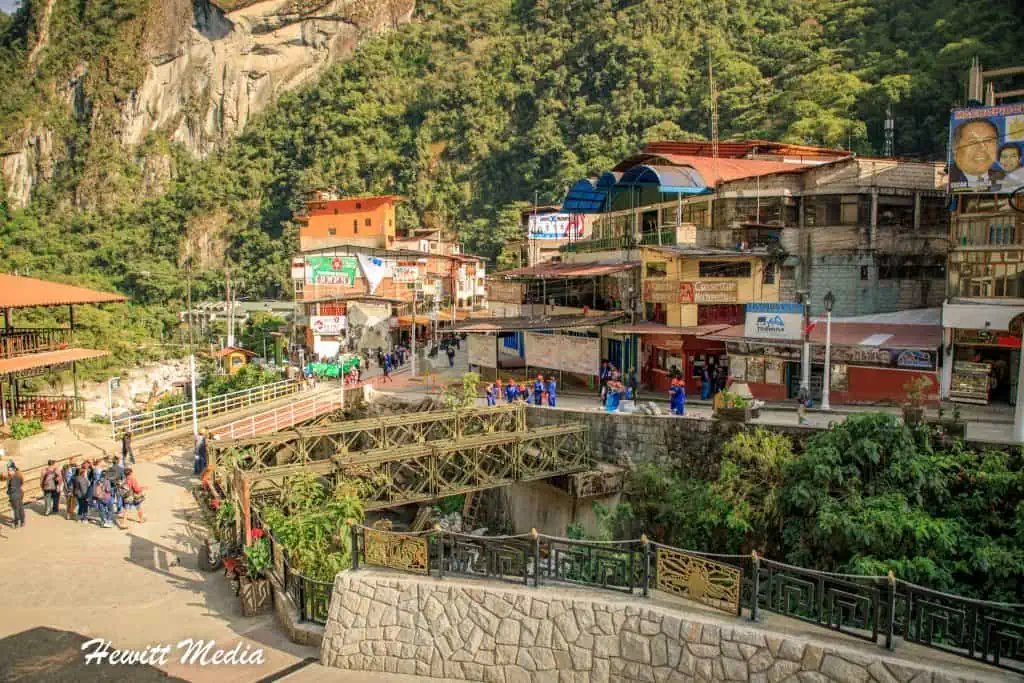
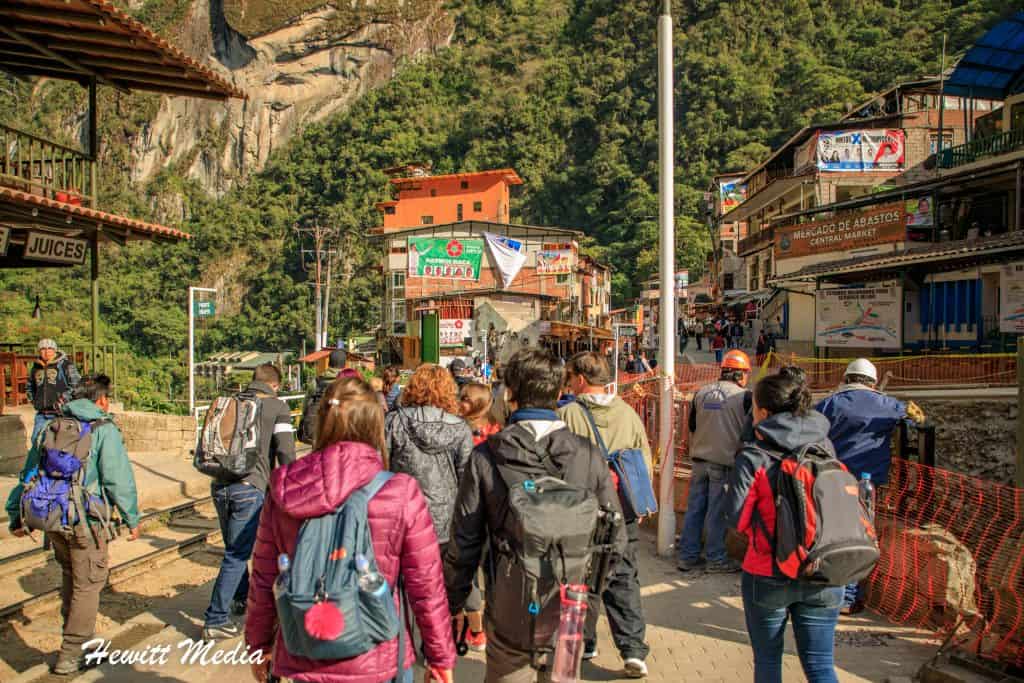
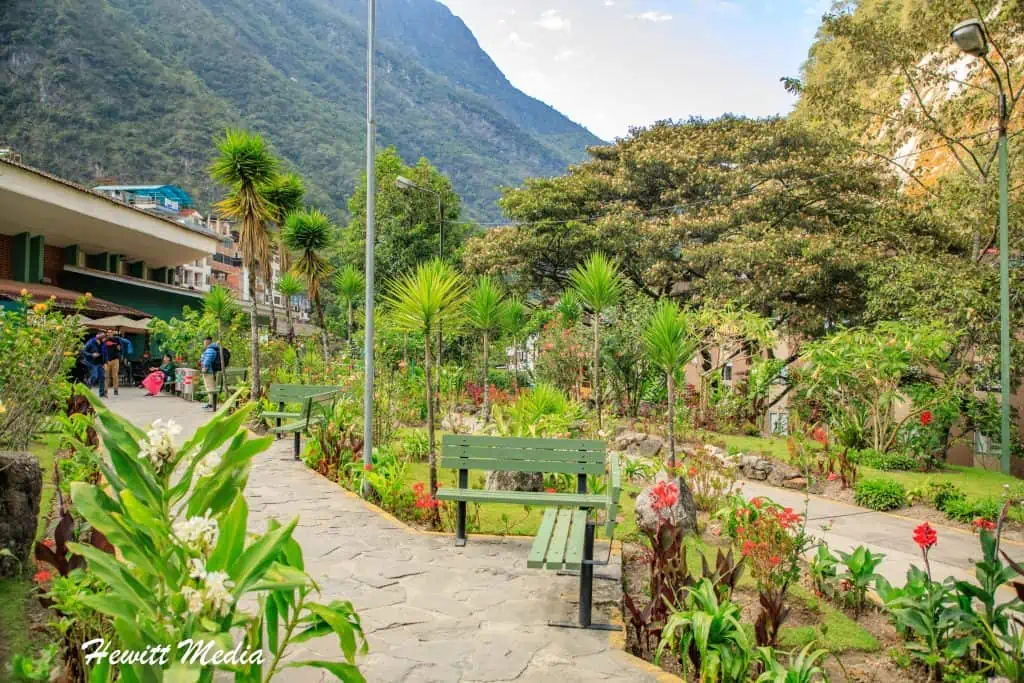
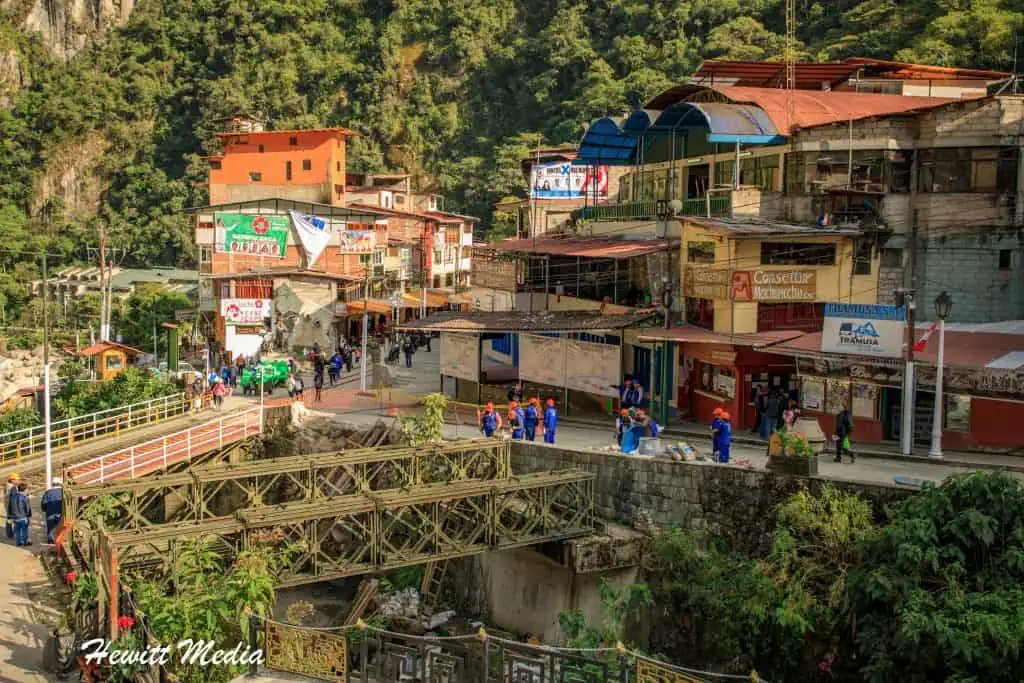
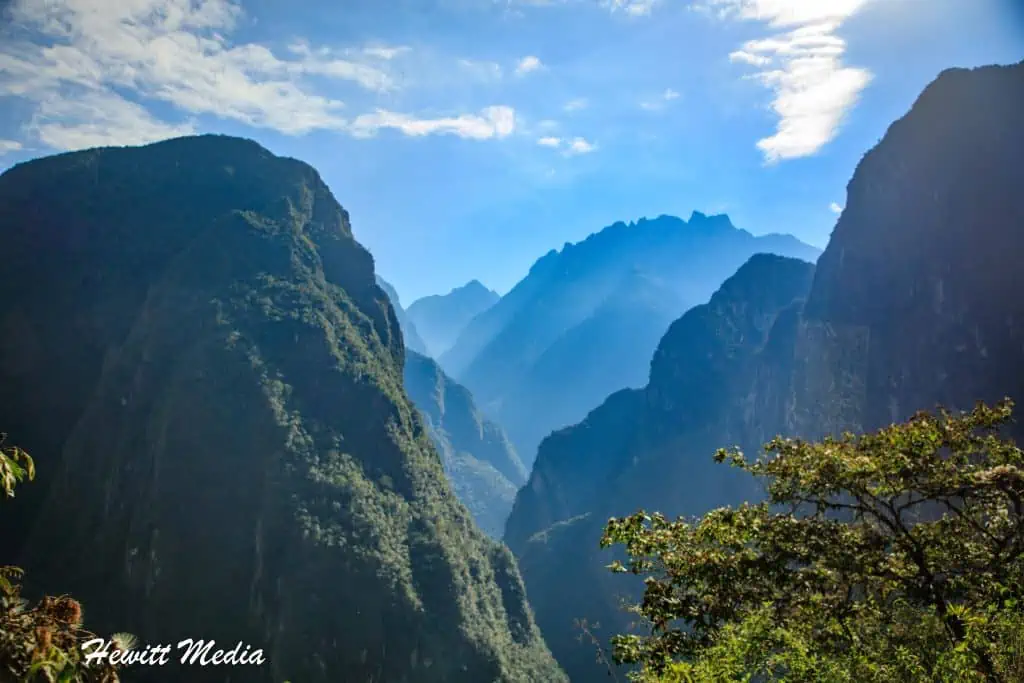
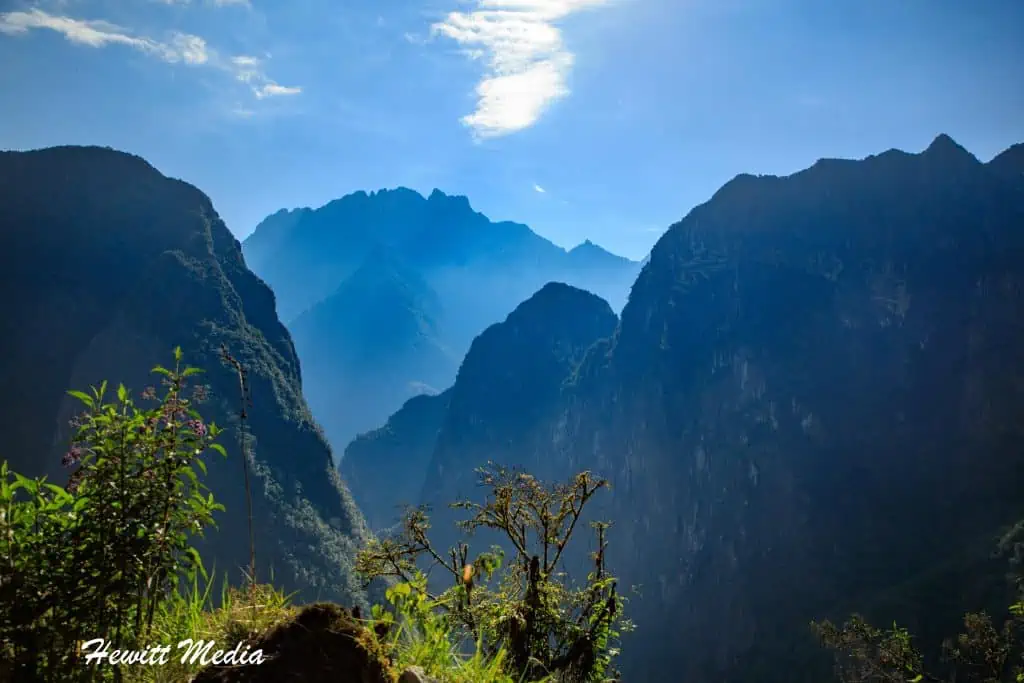
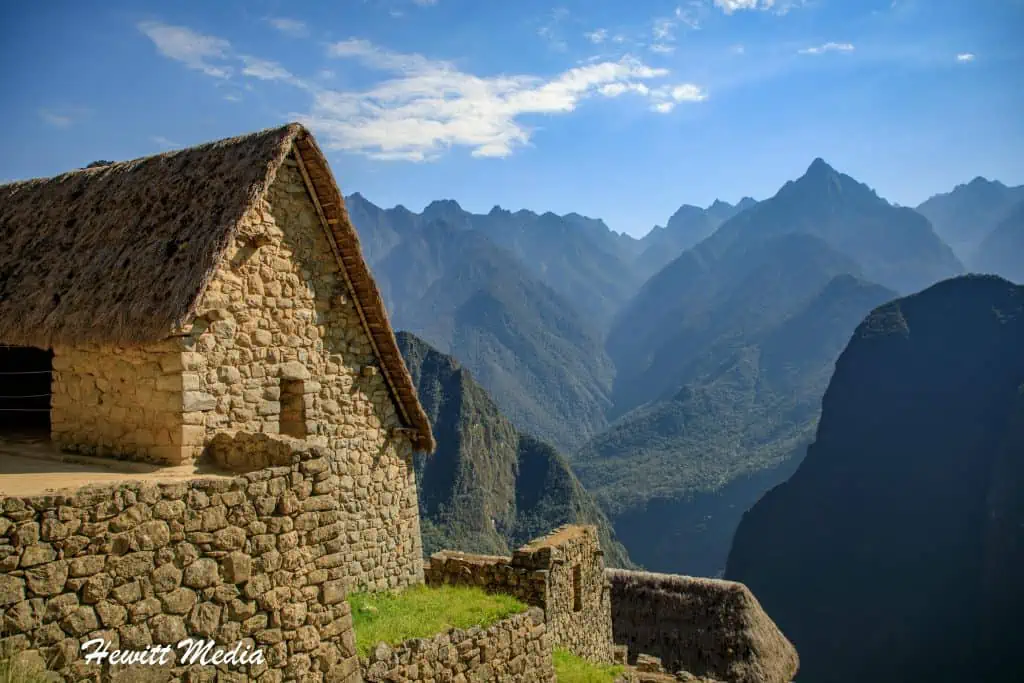
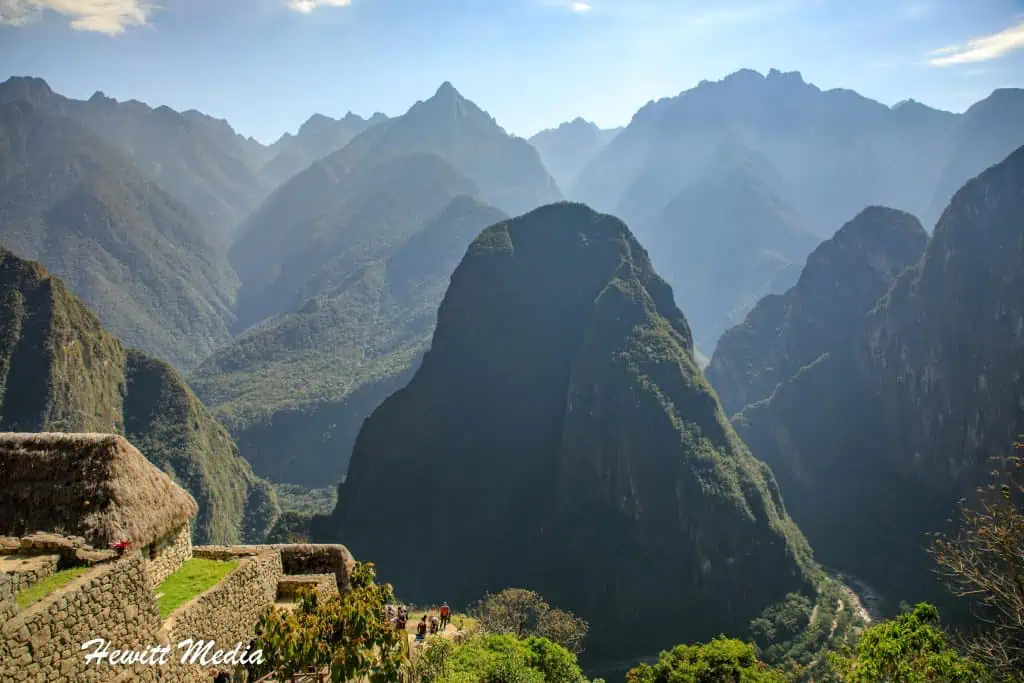
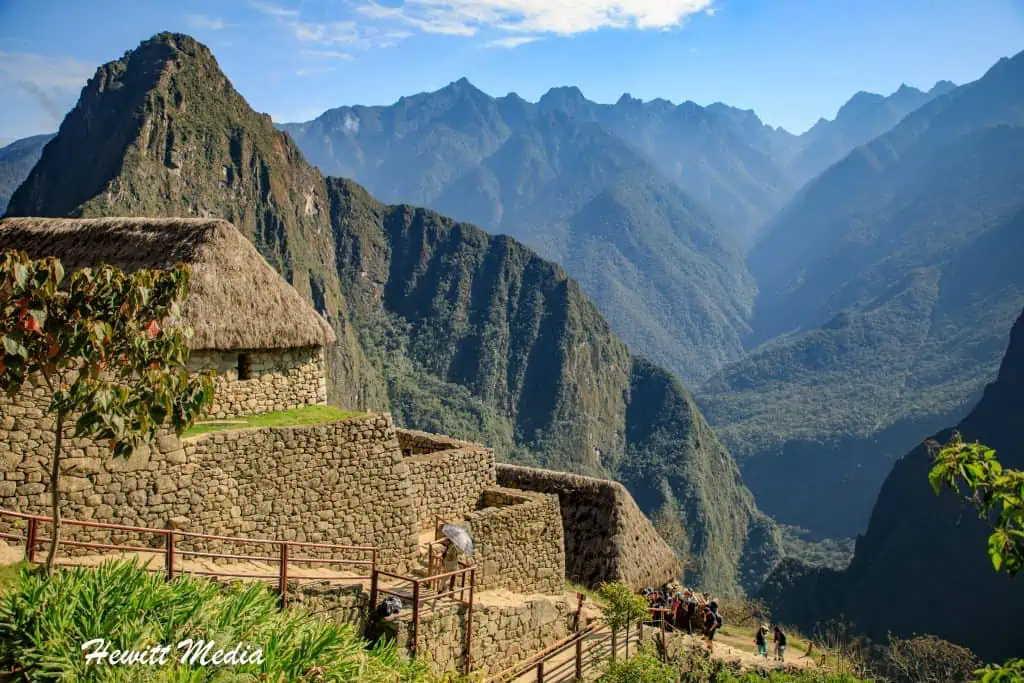
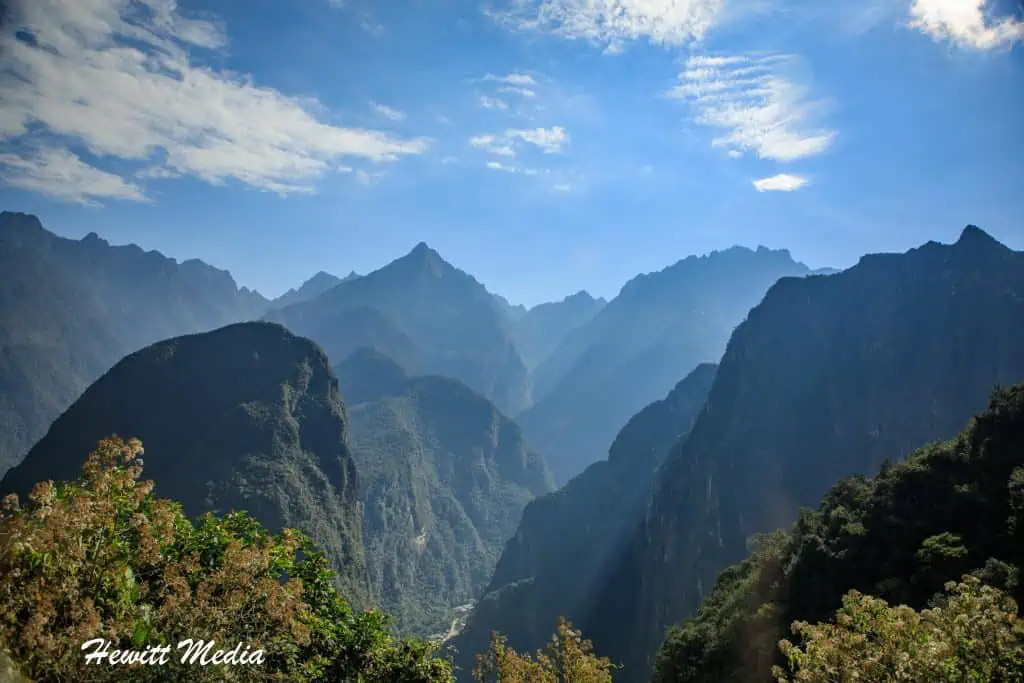
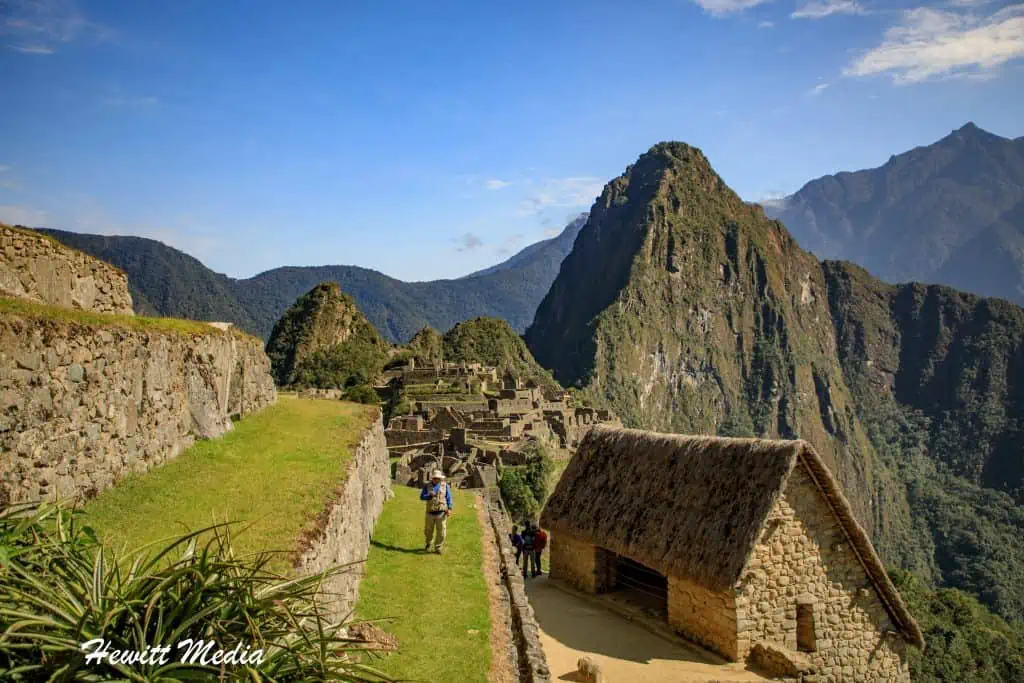
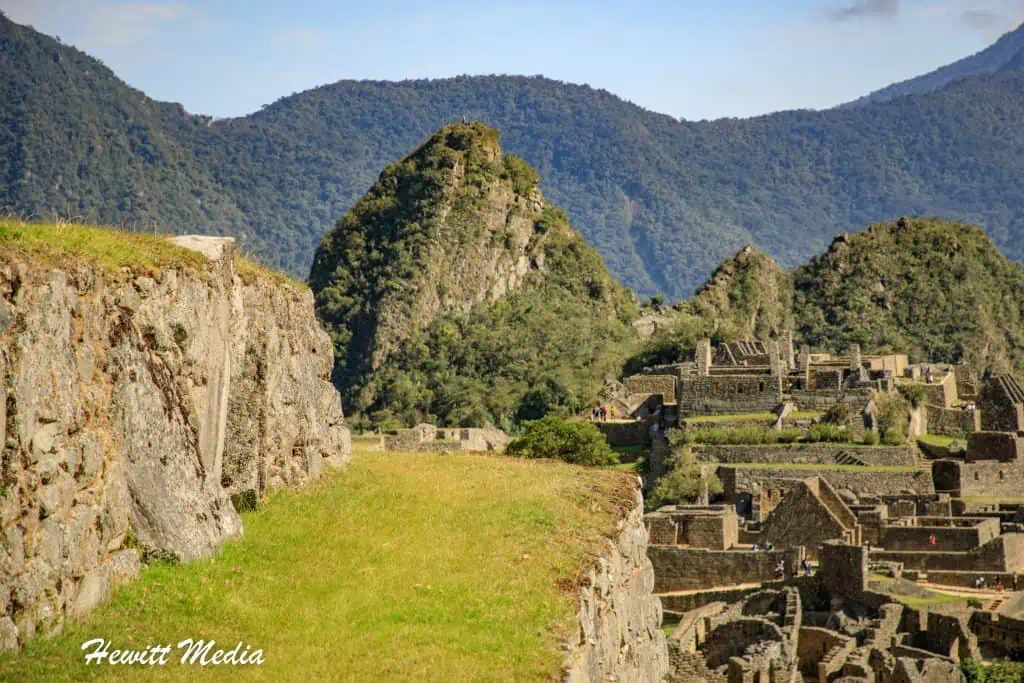
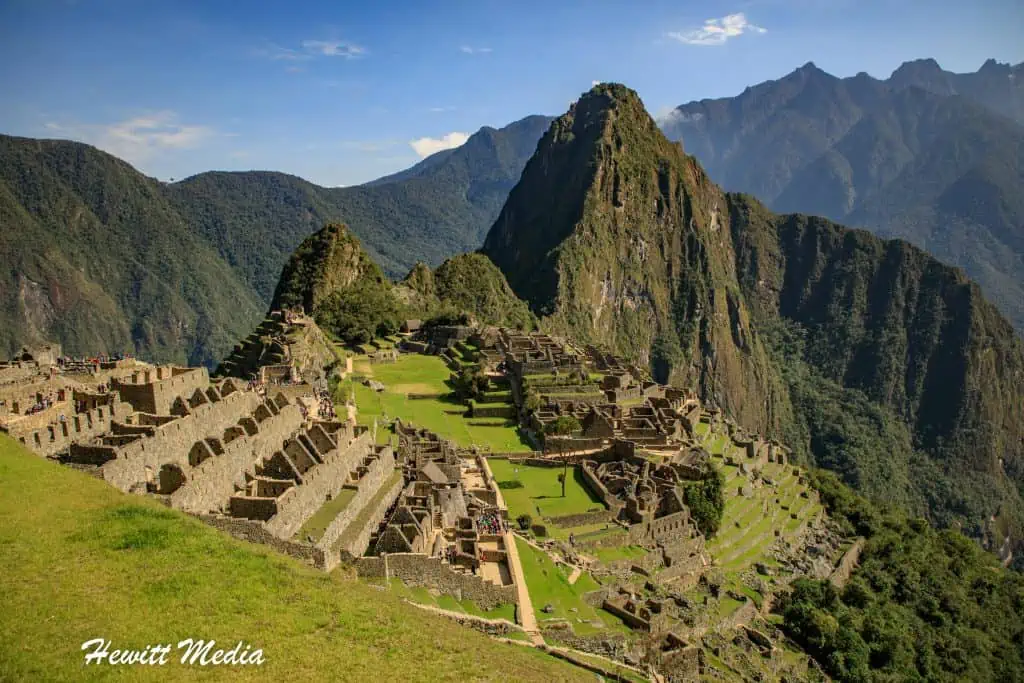
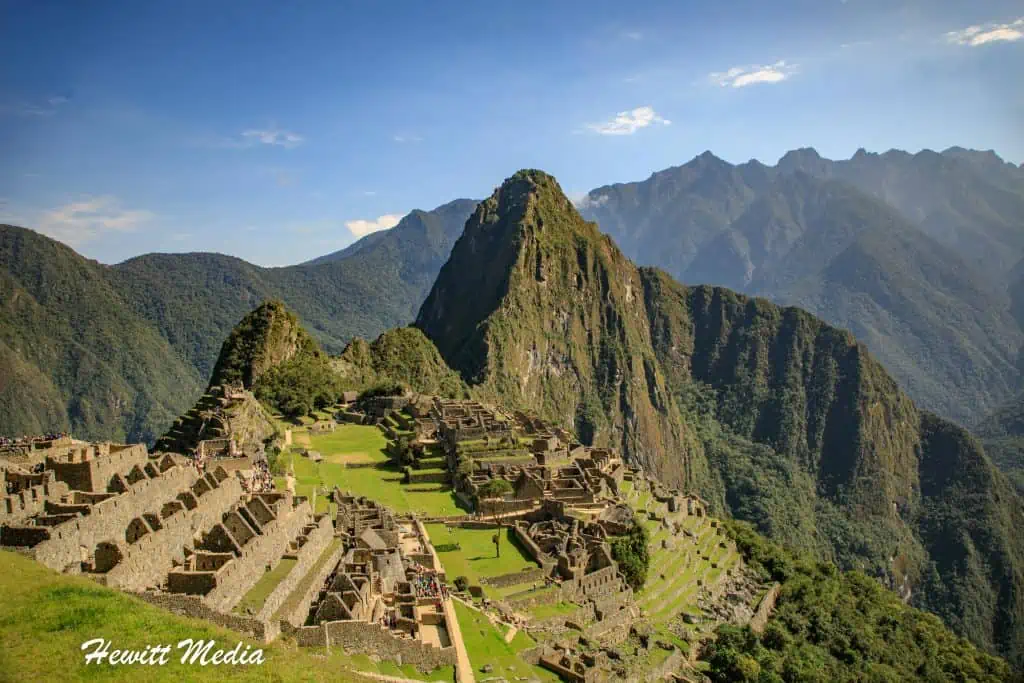
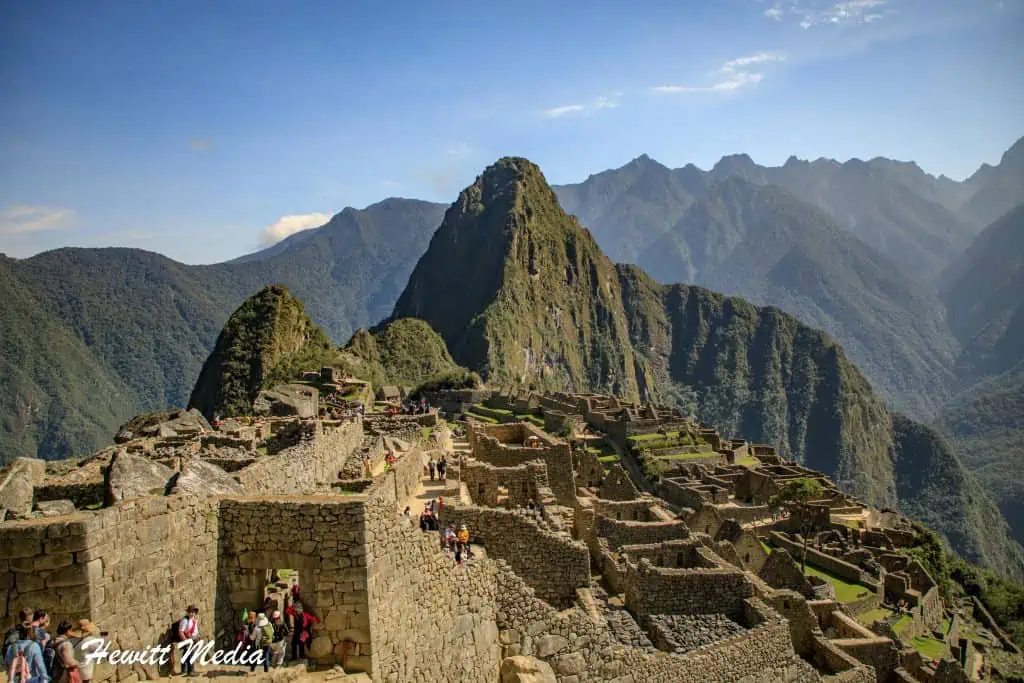
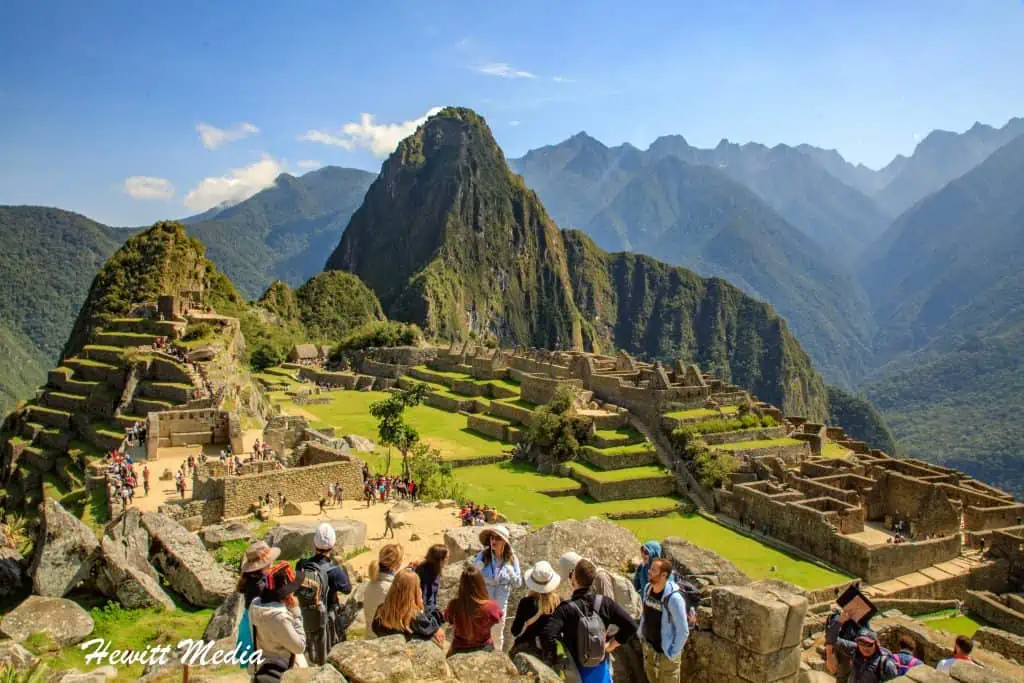
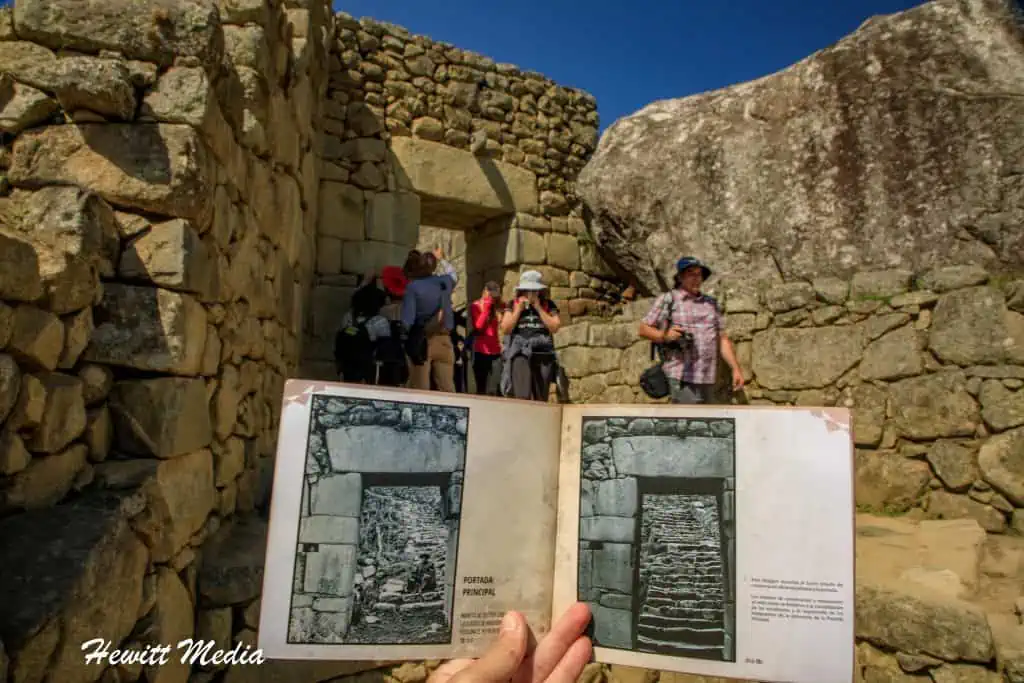
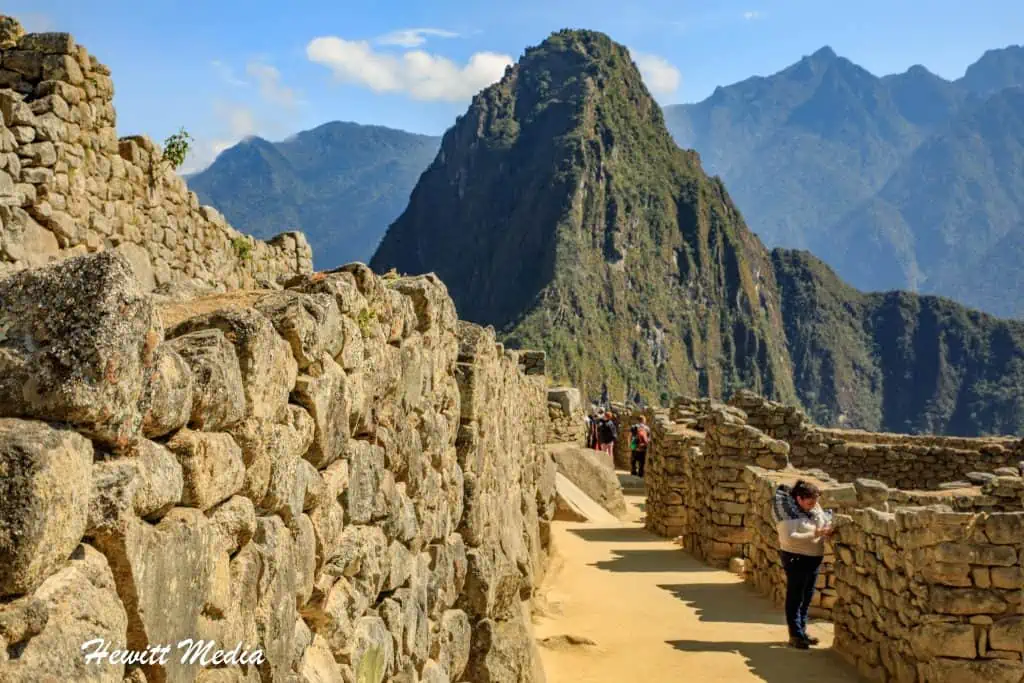
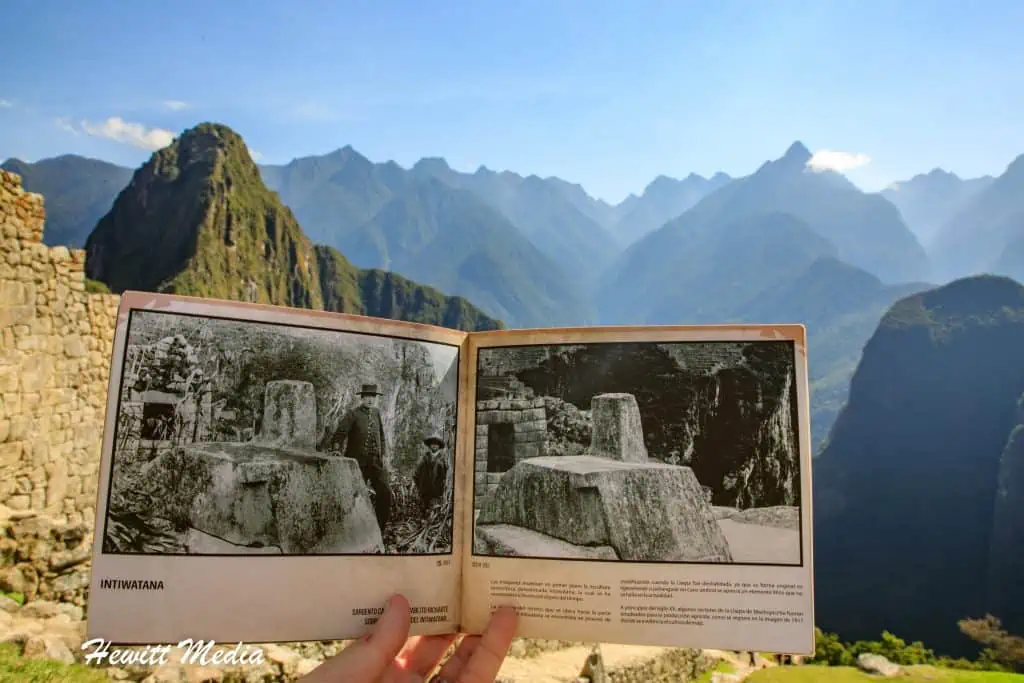
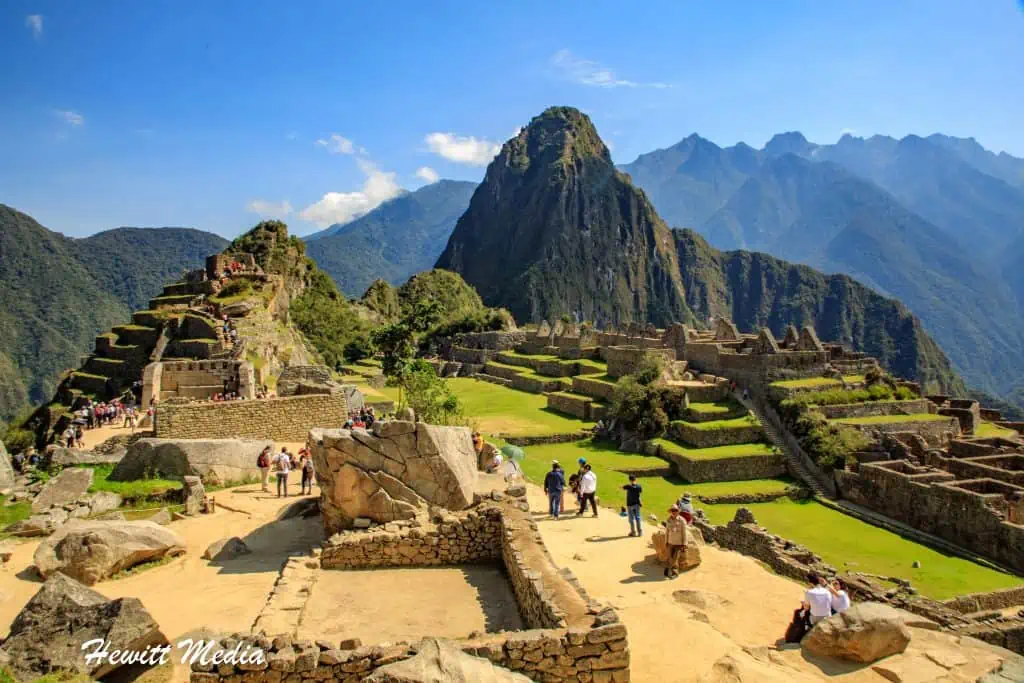
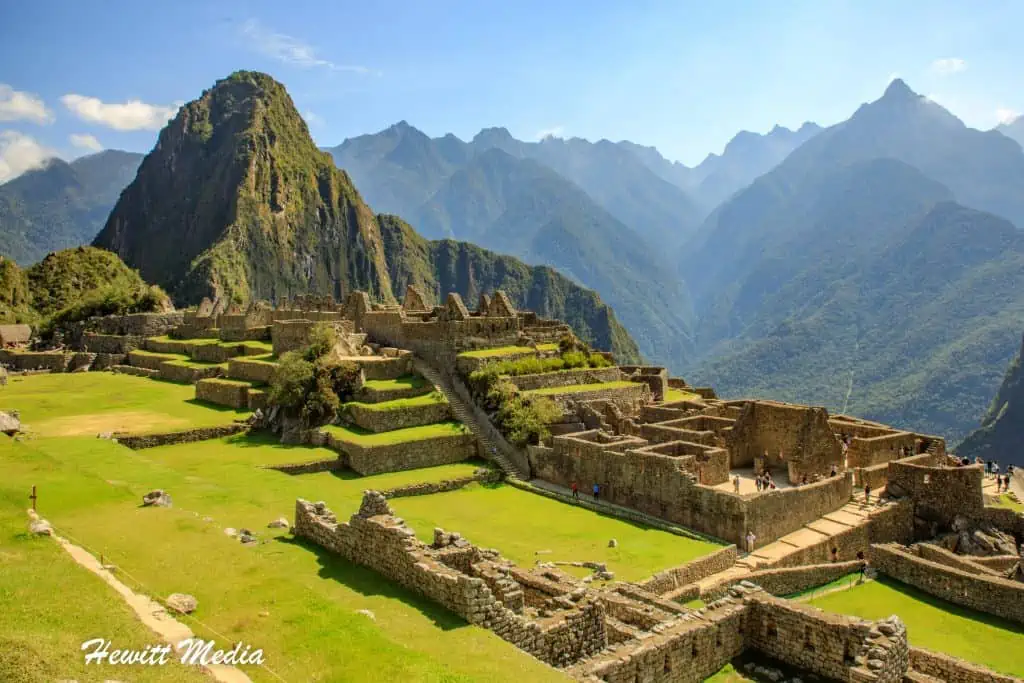
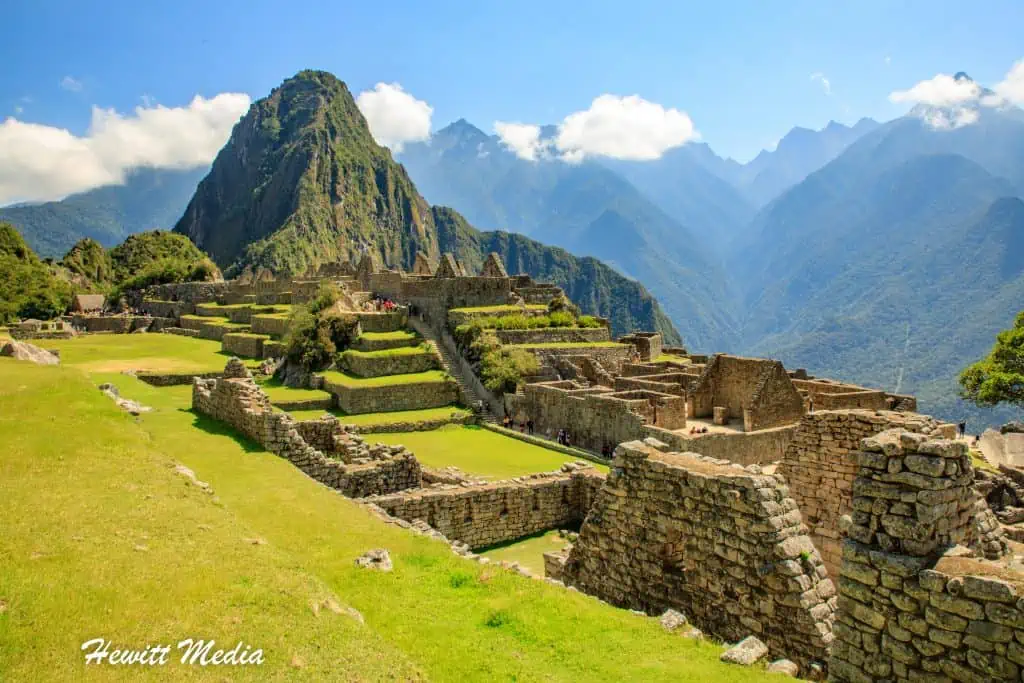
It is hard to visit an incredible place like Machu Picchu and not come away with some incredible photographs. Below is a gallery of just some of the amazing pictures I was able to take during my visit.
If you’re interested in exploring more of my travel photography, I’d love for you to join me on Instagram! Creating this blog to share my free guides, itineraries, and travel photography tips takes a lot of effort, and a follow on Instagram would truly mean the world to me. Your support makes it all worthwhile!
FOLLOW ME!









Don’t Forget to Subscribe to My Adventures!

Let Me Help You Save On Your Next Adventure!
‘Start Exploring Today’ Merchandise Available Now!
 |
 |
 |
 |
 |
 |
 |

















Very thorough post! I found planning my trip to Peru last May to be challenging just because of all of the options. I feel like the Sacred Valley is aptly named and is indeed a special place. My multi-day trek to Machu Picchu and our day in Machu Picchu are experiences I will never forget.
Thank you for your comment!! You bring up a really great point. There are so many wonderful things to see and do that it can be hard deciding on what to do. Sounds like you had an amazing trip!
I haven’t had a chance to read this post yet, but I wanted to let you know that I nominated you for the Blogger Recognition Award. Congrats!
https://thetravelarchitect.wordpress.com/2020/02/07/blogger-recognition-award/
Thank you so much!!! You are so kind!! Sorry for my late response as we are in Playa at the moment. Very much appreciated 😀
Lucky you!
Thanks!! It is good to get out of the cold for a few days!
I wasted a few days on the internet researching for a trip to Machu Picchu and then found your post. I don’t think anyone has provided more or better information. Maybe a few hotel recommendations?
Thank you so much for the kind words!! If you have a big budget, the Sanctuary Lodge is literally right outside the gates. However, it is about $800/night.
If you’re on a budget, like me, there are some great hotels in Aguas Calientes. The Casa del Sol Machupicchu is a nice and reasonably priced hotel. As is the Golden Sunrise Machu Picchu. Both have great reviews.
If you are looking for low budget, but still nice, options, then the Tierra Viva Cusco Machu Picchu and the Taypikala Boutique Machupiccu are both great options.
Hope this helps! Safe and Happy Travels!