Tanzania Travel
In the heart of East Africa, lies the captivating destination of Tanzania, a country of diverse landscapes and vibrant culture waiting to be explored. From the vast Serengeti plains to the majestic Mount Kilimanjaro, Tanzania offers a wealth of natural wonders and thrilling adventures for the intrepid traveler.
Immerse yourself in the rich tapestry of local traditions and customs, and experience the warm hospitality of the Tanzanian people. Discover the awe-inspiring wildlife of the Ngorongoro Crater and the exotic spice island of Zanzibar. Whether you’re a seasoned traveler or planning your first trip to this beautiful East African country, my curated content on this Tanzania travel page will ensure that you have a memorable and enriching experience.
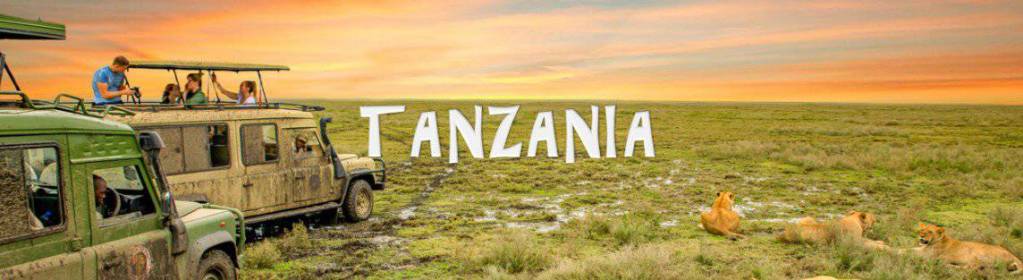
Please feel free to use this Tanzania travel page as you plan your next adventure. To help you navigate the information I have included on this page, I have provided a quick navigation menu for you to use below. This will make it quick and easy for you to see which top destinations I recommend, which popular parks and destinations in Tanzania you should consider visiting, and links to all of the travel guides, itineraries, and packing articles I have written to help you plan your adventure.
I have also included some key information you will need when planning your travel to Tanzania. Information such as the languages spoken, the currency used, emergency contact numbers to be aware of, VISA and passport considerations, required vaccinations, and important driving information (if you plan on driving while on your visit).


Top Things to See
Before you start planning your Tanzania travel, make sure you check out my gallery of the top things to see in the country below for some inspiration. There is so much to see and do in the country, so you won’t want to miss out on the top sights!

Serengeti National Park
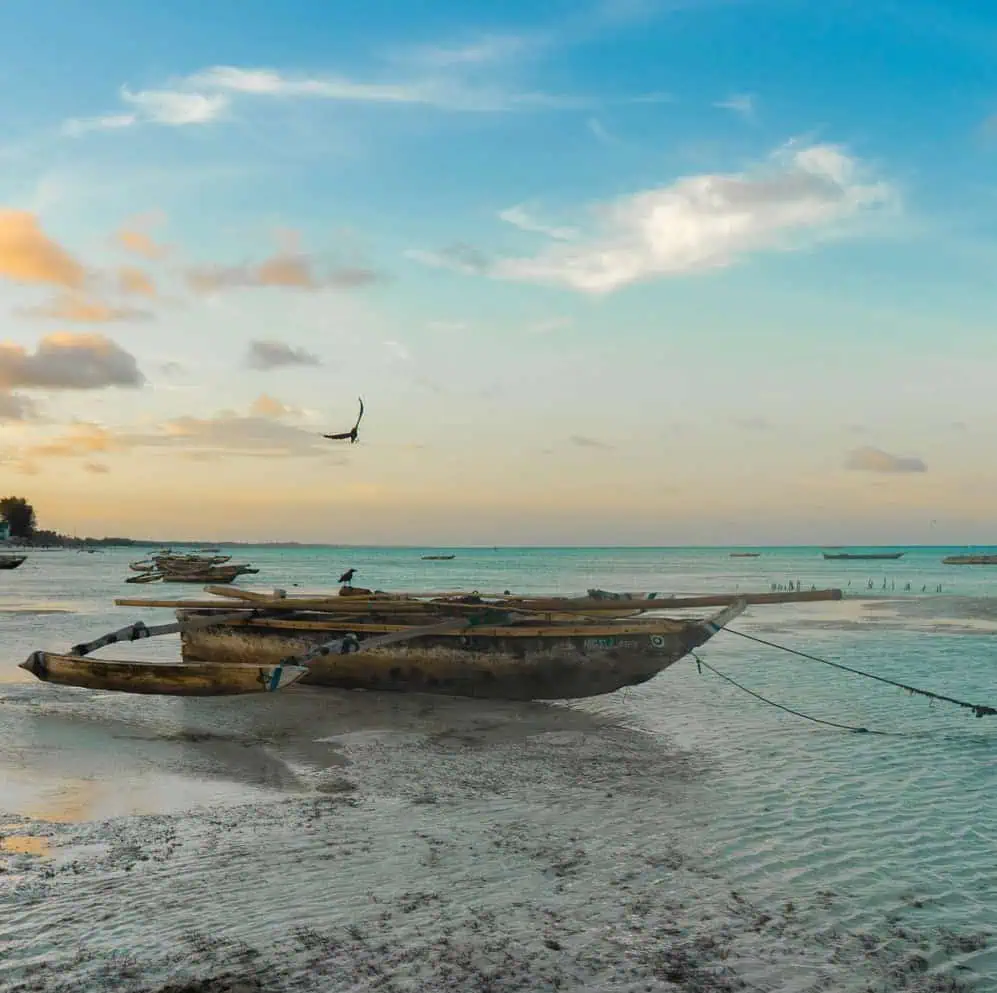
Zanzibar Island
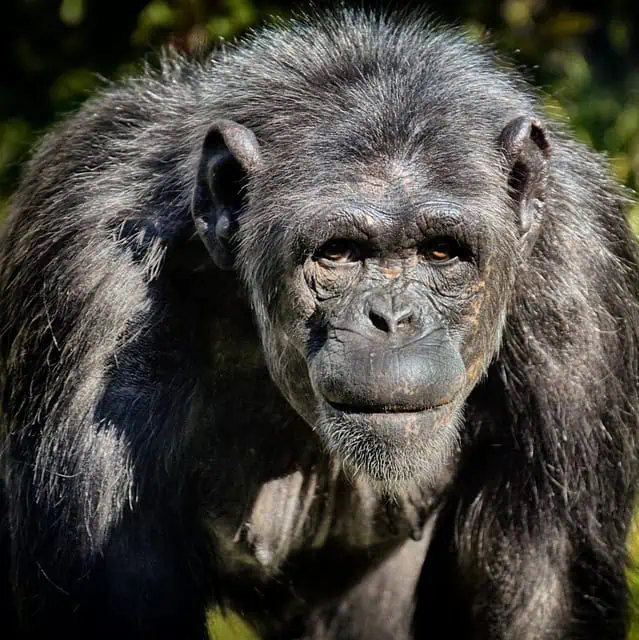
Gombe Stream National Park
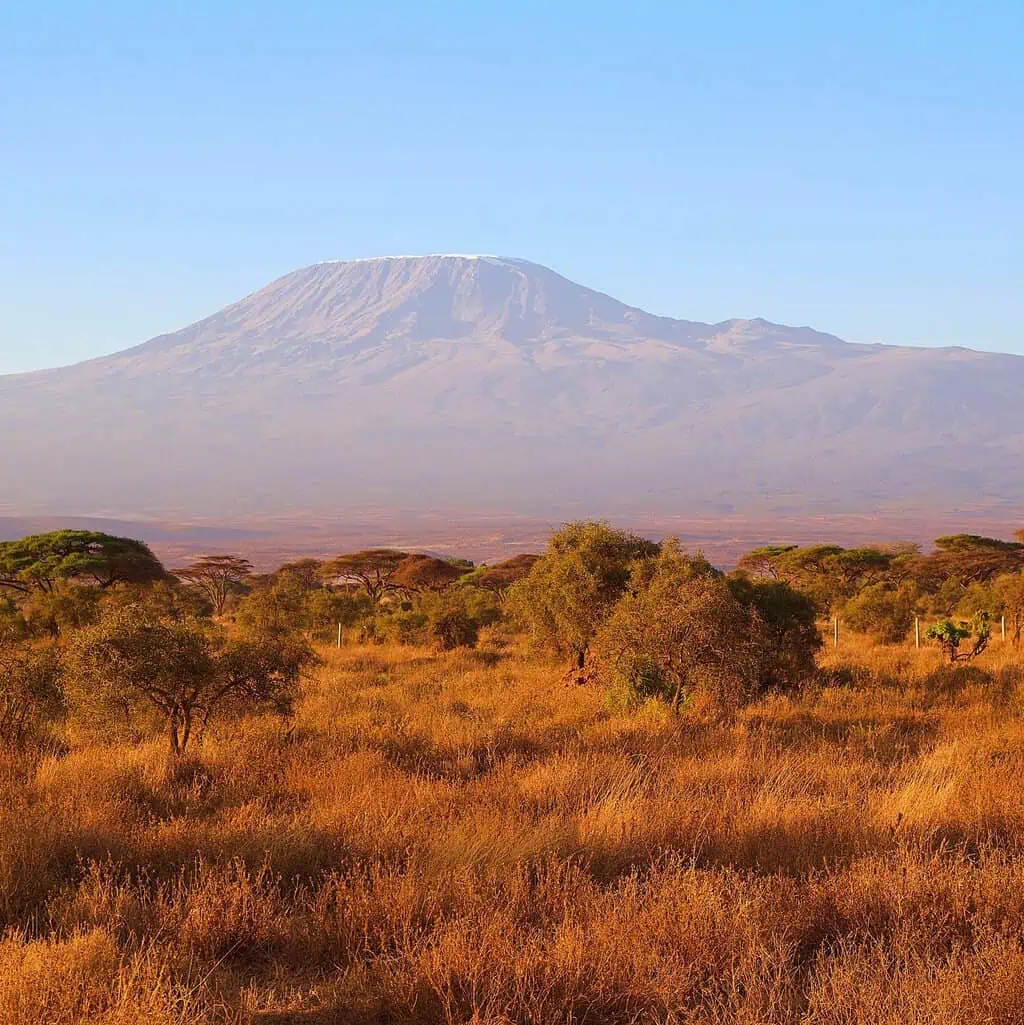
Mount Kilimanjaro

Lake Manyara National Park

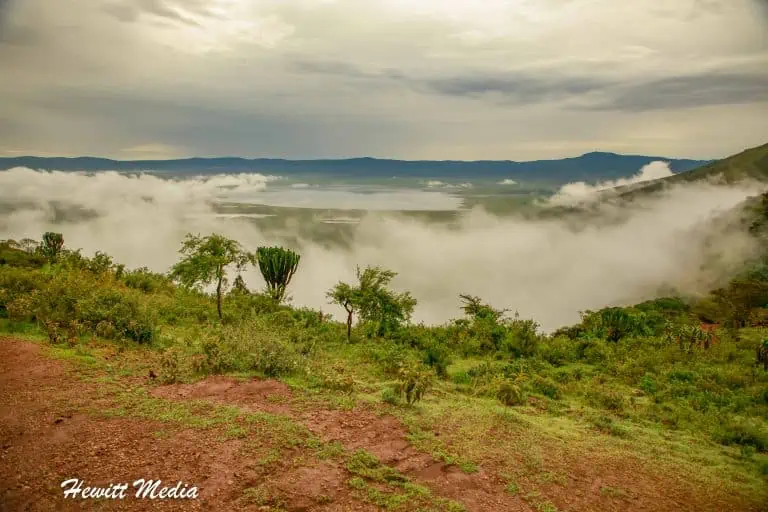
The Ngorongoro Crater

Tarangire National Park
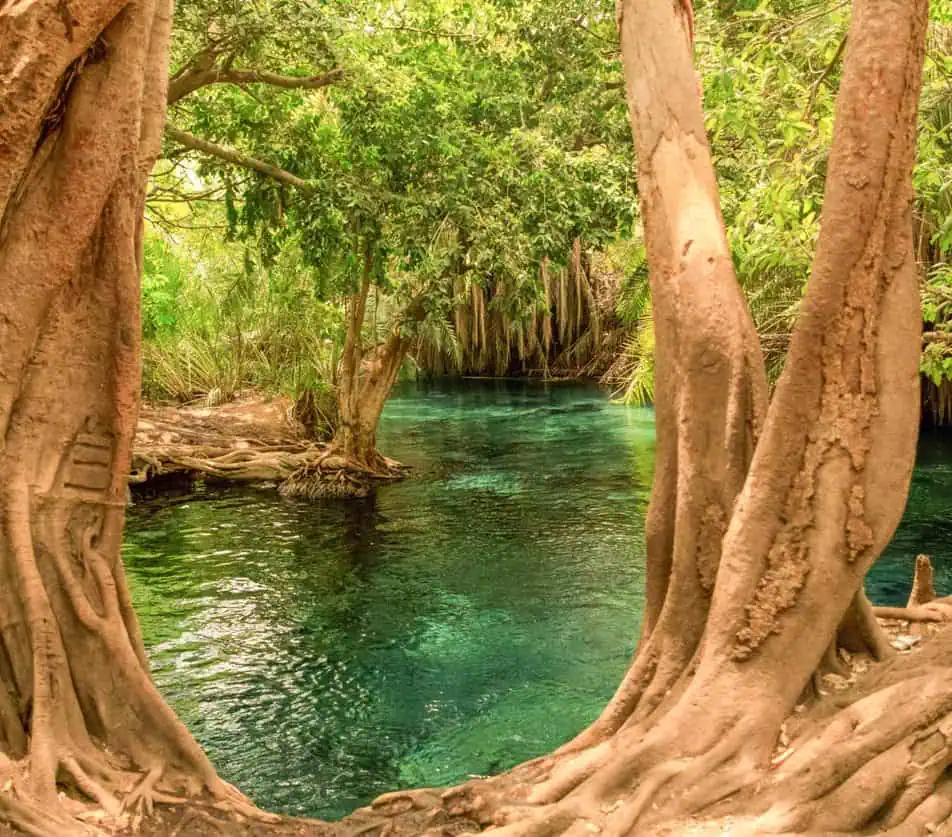
Kikuletwa Hotsprings
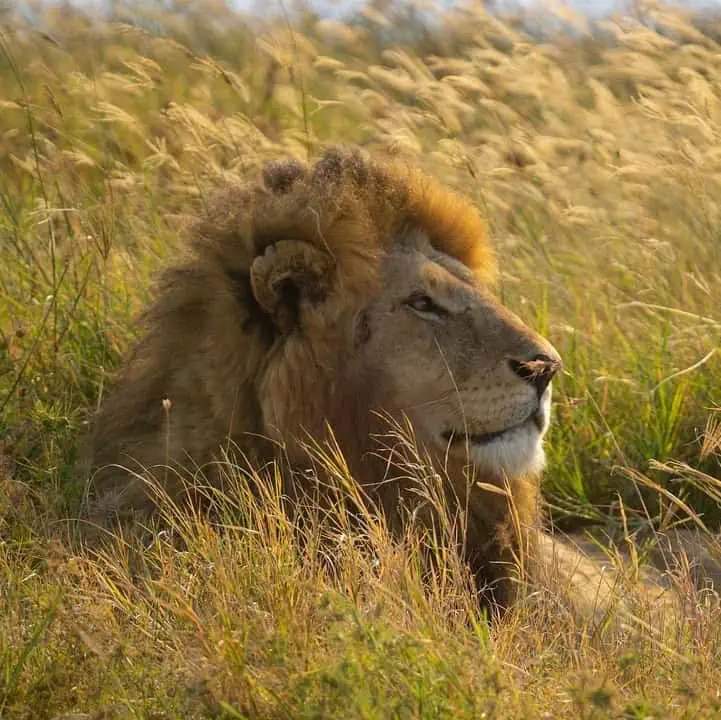
Ruaha National Park
Popular Cities and Parklands
As you start planning your Tanzania travel, you will want to start familiarizing yourself with the country. This way, you will have a better idea about which cities, national parklands, and other attractions you want to see. To help you with this, I have included maps that outline the key cities and national parklands for you to review below.
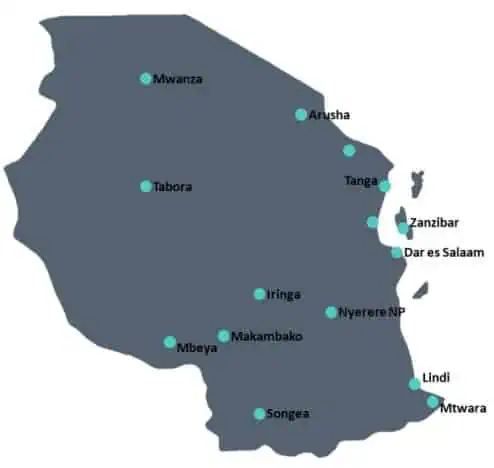

If you want additional ideas, please see my Top 15 Tanzania Safari Locations blog post, linked below. And if this will be your first time visiting the continent of Africa, make sure you check out my 20 Tips for Those Visiting Africa for the First Time.


Languages Spoken
According to Ethnologue, 126 different languages are spoken in Tanzania. Many of these languages are used only by local communities or tribes. Of the languages spoken in Tanzania, two are used routinely to communicate between populations with different native languages. These languages are Swahili and English.
There are more speakers of Swahili in Tanzania than English and Swahili is used in both the political and social realm within the country. For those reasons, Swahili is considered the unofficial official language in Tanzania.
Currency

The official currency in Tanzania is the Tanzanian Shilling (TZS). 1 shilling is composed of 100 senti. The common denominations for coins in Tanzania are 50, 100, 200, and 500 Tanzanian Shillings. The denominations for banknotes are 500, 1000, 2000, 5000, and 10,000 Shillings.
Important Note: It is illegal to import or export Tanzanian Shilling from the country (except Kenyans and Ugandans), so you must exchange currency when you arrive, and be sure to use it before you leave.
Power Adapters Required

One of the most overlooked aspects of international travel is ensuring you have the proper power adapters. You may or may not be aware that both the voltage and the type of outlet available differ widely from one region of the world to the next. If you aren’t prepared, you won’t be able to charge your electronic devices as you travel.
Even worse, you may damage or even destroy your electronic devices if you don’t have the right adapter with a voltage converter. Electricity supplies worldwide can vary from anything between 100V and 240V. It can be extremely dangerous to use an electrical appliance that is rated at a voltage different from the supply.
To ensure that this doesn’t happen to you, I have included some critical information on the electrical system in Tanzania for you to review below. This includes what types of international power adapters you should bring with you on your trip.
Reliability of the Electrical Grid in Tanzania
One thing you will need to be aware of before traveling to Tanzania is that the electrical grid is not as reliable as it may be in other places of the world. It is not uncommon for the power to go out frequently, sometimes for hours.
For that reason, I strongly suggest traveling with a portable power bank. These devices will allow you to charge your phone, watch, camera, and other devices if you are left without power.
See My Recommended Portable Chargers on Amazon.com
Electrical Voltage in Tanzania
In Tanzania, the voltage of the electrical supply is 230V. If you have an appliance that is single voltage rated, the voltage rating of the device must be 230V for you to use it without a voltage converter. When shopping for a travel power adapter, it is important to confirm that the adapter you choose has a voltage converter included and isn’t just an adapter.
A power adapter will change the type of plug from one type to another so that you can plug into different outlets. However, a simple power adapter will not change the voltage of the supply to the voltage used by the devices you brought from home (120V in the United States). To do that, you will need a travel power adapter with a voltage converter.
Electrical Outlets in Tanzania
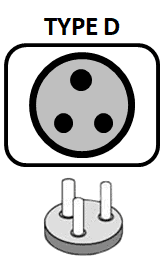
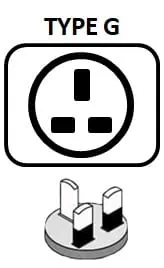
In Tanzania, two primary types of electrical plugs are used, Type D and Type G. The Type D plug has three round pins in a triangle pattern. Meanwhile, the type G plug is the plug that has two flat pins with a grounding pin. Please see the illustrations of the Type D and Type G plugs below for a better understanding of what these plugs look like.
Emergency Contact
Should you run into an emergency situation while in Tanzania, it will be important to know the emergency numbers. This way, you will know which numbers to dial when you need immediate assistance. To assist you, I have documented the available emergency assistance numbers for Tanzania below for you to review.
- 112 – Police Emergency Line.
- 114 – Medical Emergency Line.
- 111 – Fire and Rescue Line.
Visa, Passport, and Immunization Info

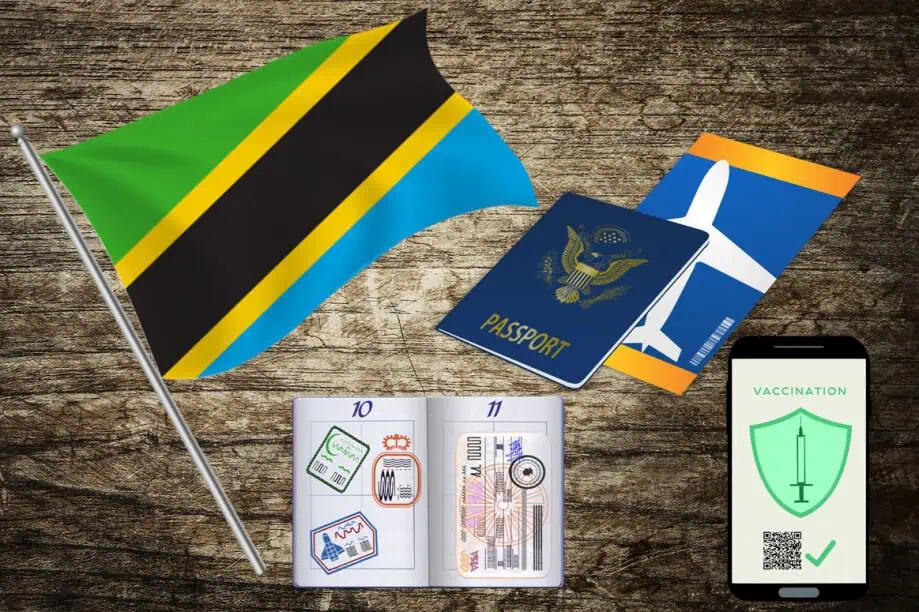
Before booking your Tanzania travel, you will want to be sure that you meet all of the necessary passport, VISA, and immunization requirements so that you can ensure you will be allowed into the country. To assist you, I have listed the requirements you will need to consider below for you to review.
Passport Validity
To be allowed into Tanzania, your passport needs to be valid beyond 6 months of your arrival. If there will be less than 6 months until your passport expires when you are set to arrive in Tanzania, then you will need to renew your passport before traveling.
Important Note: In addition, it is important to note that any passports with the “X” gender marker are not accepted. To enter Tanzania, the gender on your passport must be either Male (M) or female (F).
VISA Requirements
In addition to your passport, one of the most important entry requirements that you will need to consider before traveling to Tanzania is the tourist VISA requirement. Depending on which country you are from, whether you will need to obtain a tourist VISA and what process you must follow to obtain one may differ. The following sections outline the Tanzania tourist VISA requirements and how to apply.
VISA Exempt Countries
If you are a passport holder from a VISA-exempt country, you are allowed to enter Tanzania without a VISA as long as you don’t overstay your VISA exemption period of 90 days. If you are a passport holder from one of the following countries, you will not need to obtain a VISA to visit Tanzania.
 |
Antigua and Barbuda |  |
Lesotho |  |
St Vincent & Grenadines |
 |
Bahamas |  |
Madagascar |  |
Samoa |
 |
Barbados |  |
Malawi |  |
Seychelles |
 |
Belize |  |
Malaysia |  |
Singapore |
 |
Botswana |  |
Malta |  |
Solomon Islands |
 |
Brunei |  |
Mauritius |  |
South Africa |
 |
DR of Congo |  |
Morocco |  |
Eswatini |
 |
Cyprus |  |
Mozambique |  |
Tonga |
 |
Dominica |  |
Namibia |  |
Trinidad & Tobago |
 |
Gambia |  |
Nauru |  |
Tuvalu |
 |
Ghana |  |
Papua New Guinea |  |
Uganda |
 |
Grenada |  |
Romania |  |
Vanuatu |
 |
Guyana |  |
Rwanda |  |
Zambia |
 |
Jamaica |  |
Saint Kitts & Nevis |  |
Zimbabwe |
 |
Kenya |  |
Saint Lucia |  |
South Sudan |
 |
Kiribati |
Tanzania Special Referral VISA Required
If you are not from a VISA-exempt country, you will need to obtain a tourist VISA before being allowed to enter Tanzania. While travelers from some countries are eligible to apply for an electronic VISA (e-visa) online or apply for a VISA upon arrival, travelers from some countries need special clearance from the Commissioner General of Immigration in Tanzania to visit.
If you are a passport holder from one of the following countries, you must apply for a Referral VISA at a Tanzanian Embassy before traveling to Tanzania.
 |
Afghanistan |  |
Kazakhstan |  |
Senegal |
 |
Azerbaijan |  |
Kyrgyzstan |  |
Somalia |
 |
Bangladesh |  |
Lebanon |  |
Sri Lanka |
 |
Chad |  |
Mali |  |
Somaliland |
 |
Djibouti |  |
Mauritania |  |
Sierra Leone |
 |
Ethiopia |  |
Niger |  |
Syria |
 |
Eritrea |  |
Nigeria |  |
Tajikistan |
 |
Equatorial Guinea |  |
Pakistan |  |
Turkmenistan |
 |
Iran |  |
Palestine |  |
Uzbekistan |
E-VISA or VISA Upon Arrival Countries
Suppose you are a passport holder from a country that isn’t VISA-exempt and doesn’t require a Referral VISA. In that case, you can either obtain an electronic VISA (e-visa) before traveling to Tanzania or apply for a VISA upon arrival in Tanzania.
Travelers can apply for an e-visa on the Tanzania Immigration website. Make sure you apply well in advance to ensure you get your VISA approved in time. If you would prefer to apply for a VISA upon arrival, you can apply at any of the international airports in Tanzania or at any of the land or
Immunization Requirements
Important Note: I am not a medical doctor and don’t have medical experience. The information provided in this section is a summary of information that I got from the Centers for Disease Control and Prevention in the United States for travel to Tanzania. I am providing you this information to help bring awareness of the necessary vaccinations to you, but consultation with my guide should not replace a discussion about your travels with your doctor or a travel medical clinic.
There are currently no vaccine requirements to enter Tanzania unless you are coming from a country that is considered high risk for Yellow Fever. If you are traveling from a high-risk country, you will need to show proof of Yellow Fever vaccination before being allowed to enter Tanzania.
Important Note: Even if you were only in a high-risk country on a layover for a flight, you may be required to show proof of Yellow Fever vaccination if the layover was 12 hours or longer.
Routine Vaccinations
The following routine vaccinations are recommended for anyone who will be traveling:
- Measles Mumps Rubella (MMR)
- TDAP (Tetanus, Diphtheria & Pertussis)
- Chickenpox
- Shingles
- Pneumonia
- Influenza
- Meningitis
Recommended Travel Vaccinations for Tanzania
In addition to the routine vaccinations above, the following are additional vaccinations you may want to consider for Tanzania:
- Hepatitis A
- Hepatitis B
- Measles – Cases of measles are on the rise worldwide.
- Rabies – If you plan on spending time in remote areas or on safari.
- Typhoid
- Cholera – Cholera transmission is widespread in Tanzania, though rare in travelers.
- Polio – Poliovirus has been identified in Tanzania within the last year. There is an adult booster vaccine you can get to be safe.
- Malaria
- Yellow Fever – If you are traveling from high-risk areas.
Customs and Currency Restrictions
In addition to the other entry requirements for Tanzania, you also need to make sure you understand and comply with the country’s customs and currency restrictions. For your convenience, I have highlighted these restrictions for your review below. More in-depth information on the customs restrictions can be found on the VisaHQ website for Tanzania Travel.
Free Import
The following items are considered free-import items but with limits (as described below).
- 200 cigarettes.
- 50 cigars.
- 250g of tobacco.
- 1 Imperial pint of spirits.
- Non-commercial amount of gifts and other items for personal use.
- Foreign currency.
Important Note: You must be 18 years of age or older to use tobacco products or consume alcohol in Tanzania.
Prohibited Items
Before you will be allowed into Tanzania, you will also need to clear customs to be sure you aren’t carrying any prohibited items with you. For instance, travelers are strictly prohibited from bringing the following items into Tanzania:
- Narcotics.
- Pornography.
- Counterfeit items.
- Local currency (Tanzanian shilling).
Controlled Items
In addition to these prohibited items, the government of Tanzania has placed limits on the quantity of other items that can be brought into the country. The following items are considered controlled items in Tanzania:
- Live animals (pets must have a health certificate with the required vaccinations).
- Plants and seeds (a health certificate is required).
- Weapons and ammunition.
- Medication (make sure your medicine is in prescription bottles).
- Video recorders, tape recorders, radios, and musical instruments (you may be required to post a bond to ensure the goods are re-exported).
Key Phrases to Know
As a travel enthusiast, understanding key Swahili phrases can greatly enhance your experience while exploring Tanzania. Whether you’re bargaining in local markets, navigating through bustling cities, or simply engaging with the warm-hearted locals, having a grasp of common Swahili expressions is invaluable when visiting Tanzania.
In this Tanzania travel section, I’ve meticulously compiled a comprehensive list of essential Swahili phrases tailored to aid you in your Tanzanian adventures. Ranging from greetings to vital questions and directions, this language guide will equip you with the tools necessary to immerse yourself in the vibrant Tanzanian culture.
Greetings
- Jambo? / hujambo? – How are you?
- Sijambo – I am fine.
- Kwaheri – Goodbye .
- Tutaonana Baadaye – See you later.
- Mambo – What’s up (casual talk)?
Common Courtesies
- Asante – Thank you.
- Asante Sana – Thank you very much.
- Asanteni – Thank you to more than one person.
- Hapana Asante – No thank you.
- Tafadhali – Please.
- Pole – Sorry.
- Pole Sana – Very Sorry.
- Hakuna Matata – No worries.
- Hamna Shida – No problem.
- Ninafuraha Kukutana Nawe – Nice to meet you.
- Karibu – Welcome.
- Karibuni – Welcome to more than one person.
- Jina Lako Nani? – What is your name?
- Jina Langu Ni Josh – My name is Josh.
- Samahani – Excuse Me.
Shopping
- Bei – Price.
- Pesa – Money.
- Pesa Ngapi? – How much does it cost?
- Ninalipaje? – How do I pay?
- Nina Kadi – I have a credit or debit card.
- Pesa Taslimu – Cash.
- Je, Unapunguza Bei? – Do you give discounts?
- Tafadhali Punguza Bei – Please reduce the price.
Ordering Food and Eating
- Chakula– Food.
- Bili – Check\Bill.
- Moto – Hot.
- Baridi – Cold.
- Supu – Soup.
- Kuku – Chicken.
- Nyama – Meat.
- Samaki – Fish.
- Wali – Rice.
- Mboga – Vegetables.
- Sili Nyama – I am vegetarian.
- Vinywaji – Drinks.
- Kinywaji Baridi – Cold drink.
- Maji Ya Matunda – Fruit juice.
- Bia – Beer.
- Bia Baridi – Cold beer.
- Chai – Tea.
- Kahawa – Coffee.
Other Helpful Words to Know
- Ndiyo – Yes.
- Hapana – No.
- Naelewa – I understand.
- Sielewi – I do not understand.
- Ninaipenda – I like it.
- Siipendi – I do not like it.
- Je Unaipenda? – Do you like it?
- Kubwa – Big.
- Kidogo – Small.
- Fupi – Short.
- Ndefu – Long.
Driving Info
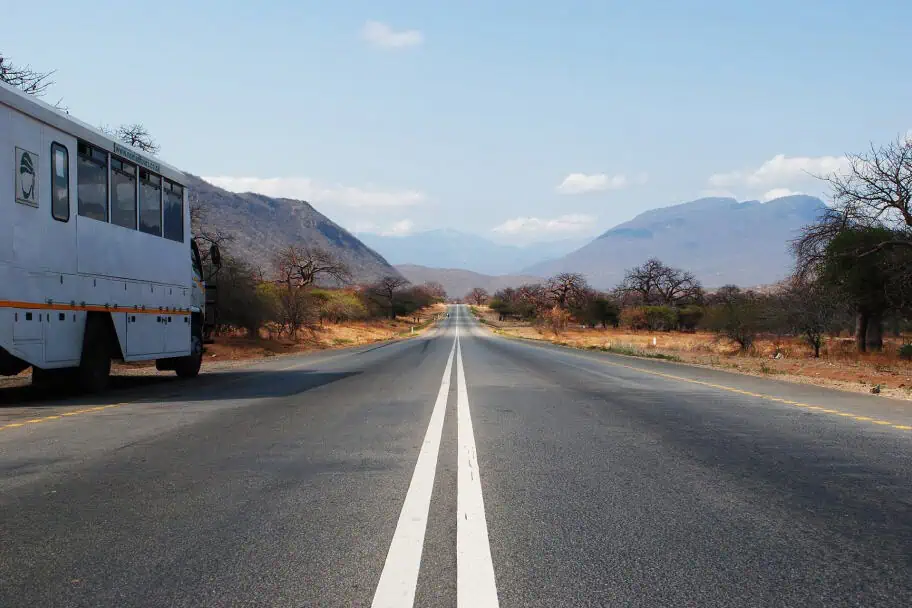
In Tanzania, driving can be an exciting way to explore the diverse landscapes and vibrant culture. However, it’s important to familiarize yourself with the rules and tips for a safe and enjoyable journey. To help prepare you for driving in this beautiful country, I have included some highlights of Tanzania’s driving rules for you to review on this Tanzania travel page below.
Driving License and Permit Required
To drive in Tanzania, you must meet the following requirements:
- Be 18 years of age or older.
- Have a valid driver’s license from your home country (which you must keep on you while in Tanzania).
- Have a valid International Driver’s Permit (which you must keep on you while in Tanzania).
Important Note: To drive in Tanzania, you must have both a valid driver’s license from your home country AND an International Driver’s Permit (IDP) on you at all times. You cannot carry just your IDP. This IDP will allow you to drive in Tanzania for up to 6 months.
Renting a Car in Tanzania
Most often you will not need to worry about renting a car and driving while in Tanzania because your tour operator will pick you up from the airport and arrange for your transportation while in the country.
However, if you plan to spend a significant amount of time in Tanzania exploring the country, renting your own car from time to time may make sense. In that case, you will want to keep the following tips and regulations in mind when renting a car in Tanzania:
- You must be 21 years old or older to rent a car in Tanzania.
- Some car rental companies charge an underage driver’s fee for renters under the age of 25.
- Large car rental companies like Europcar, Avis Rent A Car, and Roadtrip Africa have branches in the major airports and cities in Tanzania.
- While walk-in booking is allowed, it is recommended that you rent online ahead of time to ensure you get the vehicle you want.
- Roadtrip Africa is the best rental car company to use if you are looking for a camping vehicle, Landcruiser, or 4×4 vehicle to use on self-safari in Tanzania’s parks.
- To rent a car, you will need your local driver’s license, your IDP, and your passport.
- It is strongly recommended that you purchase additional car insurance from the car rental company you rent from. These policies will often include a Loss Damage Waiver (LDW), Personal Accident Insurance (PAI), Additional Liability Insurance (ALI), Emergency Sickness Plan, and Extended Roadside Assistance.
Tanzania Driving Rules and Regulations
The last pieces of driving advice I have for you in this Tanzania travel guide are some highlights of the rules and regulations for driving in the country. Most of their driving rules will sound familiar as they were adapted from the British, but it is a good idea to review these rules and regulations before visiting to be safe.
- In Tanzania, they drive on the left side of the road and the driver’s seat is on the right side of the vehicle.
- The legal blood\alcohol limit in Tanzania is below 0.08%. Violating this law can result in significant fines and\or jail time. Do not drink and drive in Tanzania.
- Roads are narrow in Tanzania, so drivers will often use turn signals to indicate to other drivers when it is safe to pass in addition to when they are planning to turn.
- You are only allowed to park on the left side of the road at night in cities.
- You need a special permit to drive in Zanzibar. To obtain the permit, you must take a vision test and a written exam and pay $10.
- The typical speed limit in urban areas is 50 kilometers per hour (KPH) and 80 KPH in rural areas.
- Wearing a seatbelt is mandated by law in Tanzania, but there are no regulations for children needing to ride in car seats in Tanzania.
- When passing other vehicles, you will do so to the right of the vehicles you are passing. While allowed, passing (overtaking) other vehicles is discouraged in Tanzania.
- Road signs in Tanzania are similar to those in other countries and typically fall into 4 categories:
- Regulatory Signs – Tell you what you must or must not do.
- Warning Signs – Alert you to be careful about something.
- Information Signs – Give you information about the road or road conditions.
- Guidance Signs – Provide navigational information.
Relative Travel Guides and Articles
To assist you as you start to put together your travel plans for Tanzania, I have provided a comprehensive list of all of my travel guides, travel itineraries, and travel inspiration articles for Tanzania for you to review below.



Packing and Planning Tips
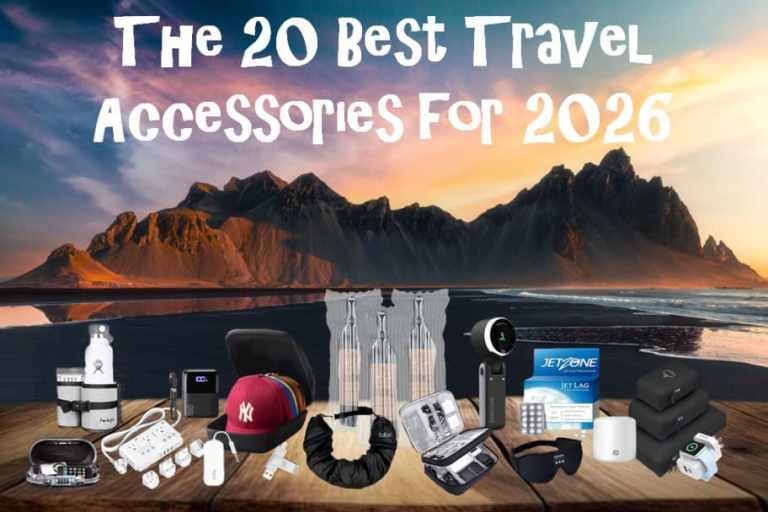
Once you start putting together your Tanzania travel plans, you may want to reference some of my handy travel packing and planning guides that I have put together. To make it easy to find and access these guides, I have included them for your reference below.





Don’t Forget to Subscribe to My Adventures!

Let Me Help You Save On Your Next Adventure!
‘Start Exploring Today’ Merchandise Available Now!
 |
 |
 |
 |
 |
 |
 |
You must be logged in to post a comment.