Thailand Travel
LAST UPDATED: 11/6/25 – Thailand Travel Resources
Out of all the great things that I can say about Thailand, the thing that sticks out to me the most is how happy the people are. After all, Thailand isn’t called the “Land of Smiles” for nothing. It is one of the genuinely happiest cultures that I have visited. When you are surrounded by breathtaking beaches, incredible temples, and some of the best food in the world, it’s no wonder that everyone is so happy. If you are in the process of planning your Thailand travel, you have come to the right spot. I have put together this page to provide you with much of the important information you will need to plan your trip.

Please feel free to use this page as you plan your next adventure. To help you navigate the information I have included on this page, I have provided a quick navigation menu for you to use below. This will make it quick and easy for you to see which top destinations I recommend, which popular cities in Thailand you should consider visiting, and links to all of the travel guides, itineraries, and packing articles I have written to help you plan your adventure.
I have also included some key information that you will need when planning your travel to Thailand. Information such as the languages spoken, the currency used, emergency contact numbers to be aware of, VISA and passport considerations, required vaccinations, and important driving information (if you plan on driving while on your visit).


Top Things to See
Before you start planning your Thailand travel, make sure you check out my gallery of the top things to see in the country below for some inspiration. There is so much to see and do in the country, so you won’t want to miss out on the top sights!
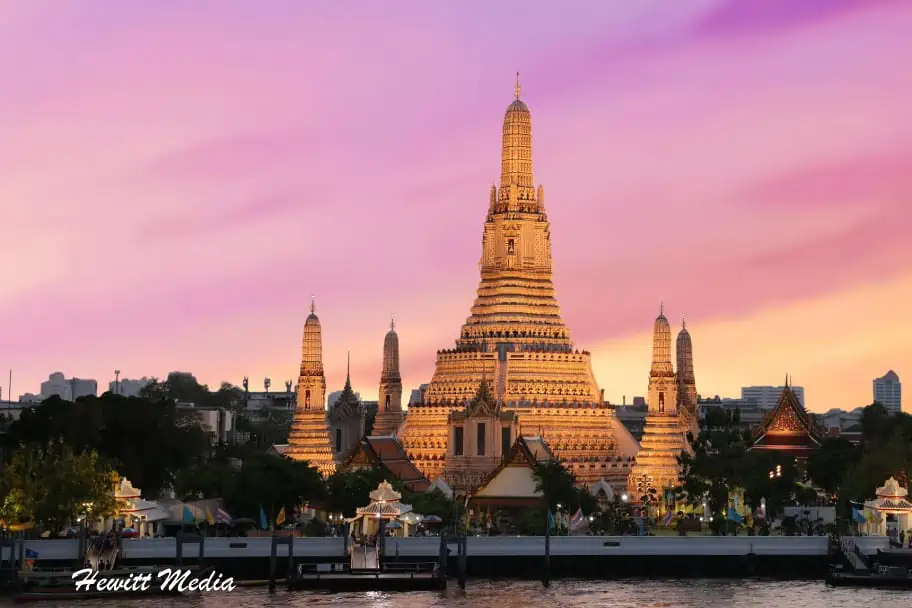
Bangkok
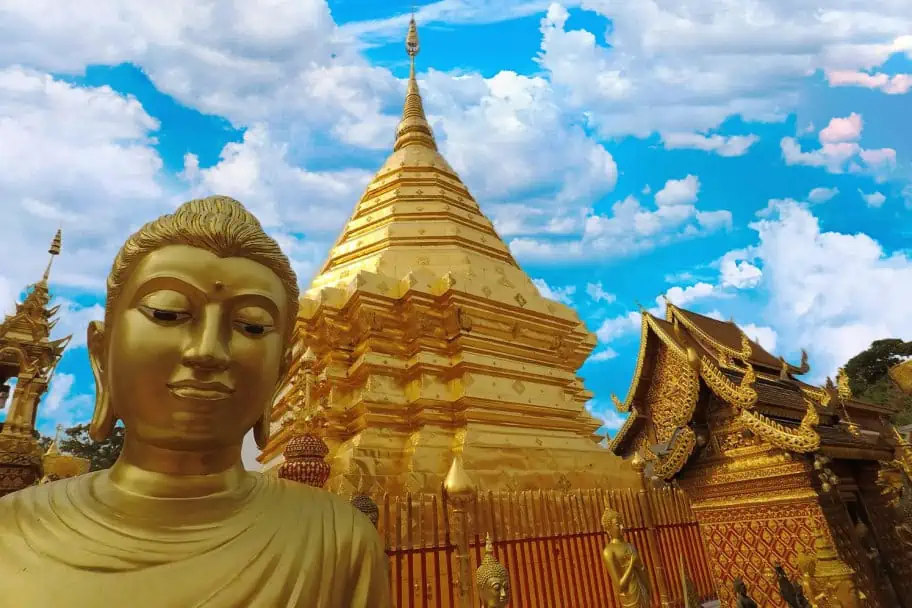
Chiang Mai
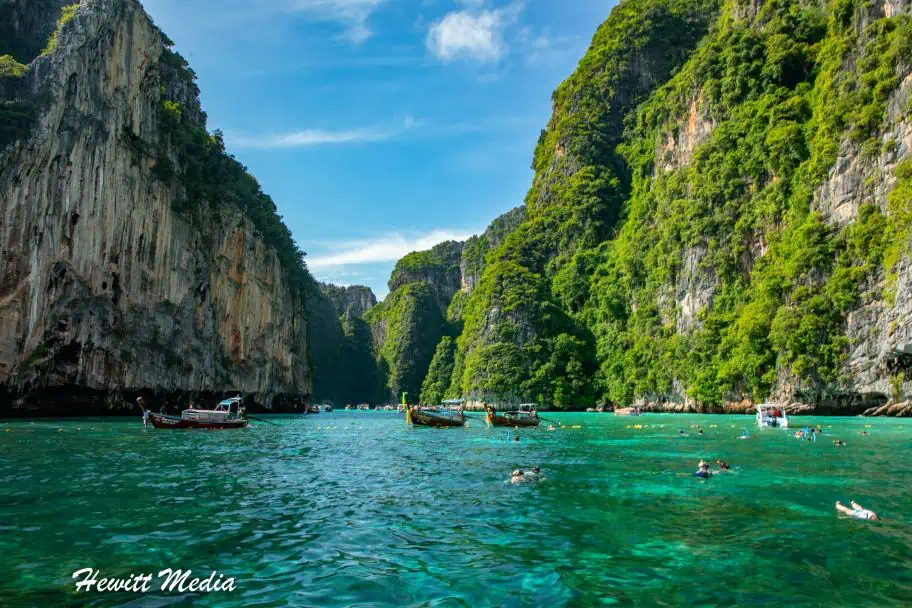
Phi Phi Islands

James Bond Island
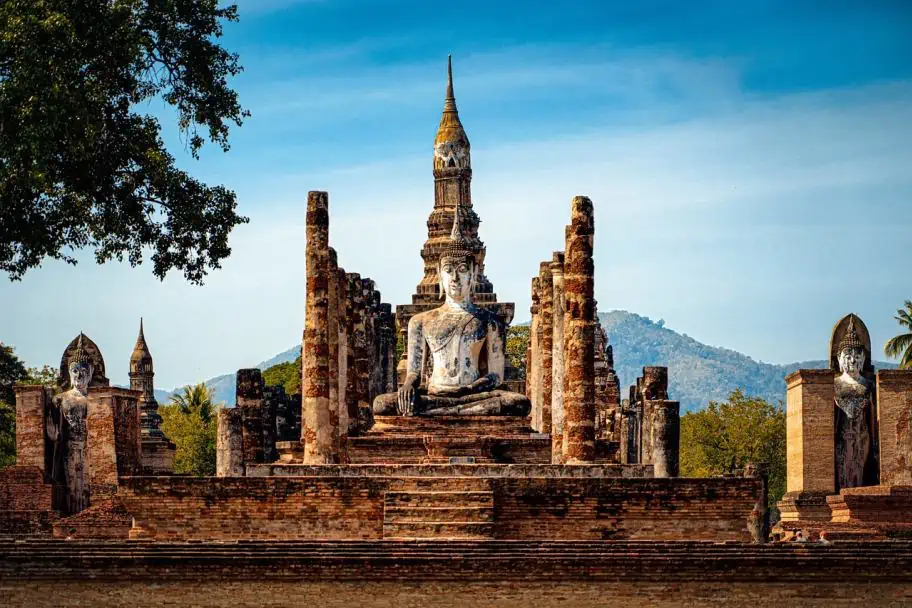
Sukhothai

Erawan Waterfall National Park

Lampang

Khao Sok National Park
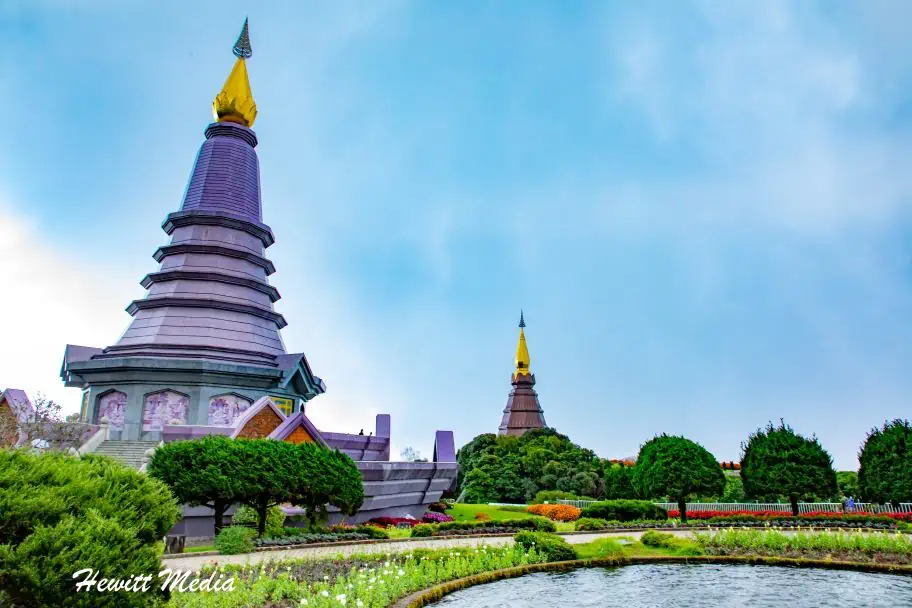
Doi Inthanon National Park
If you are looking for some additional ideas, please see my Top 15 Things to See in Thailand blog post linked below.
| READ MORE: |
 |
| The Top 15 Things to See in Thailand |
Popular Cities and Places
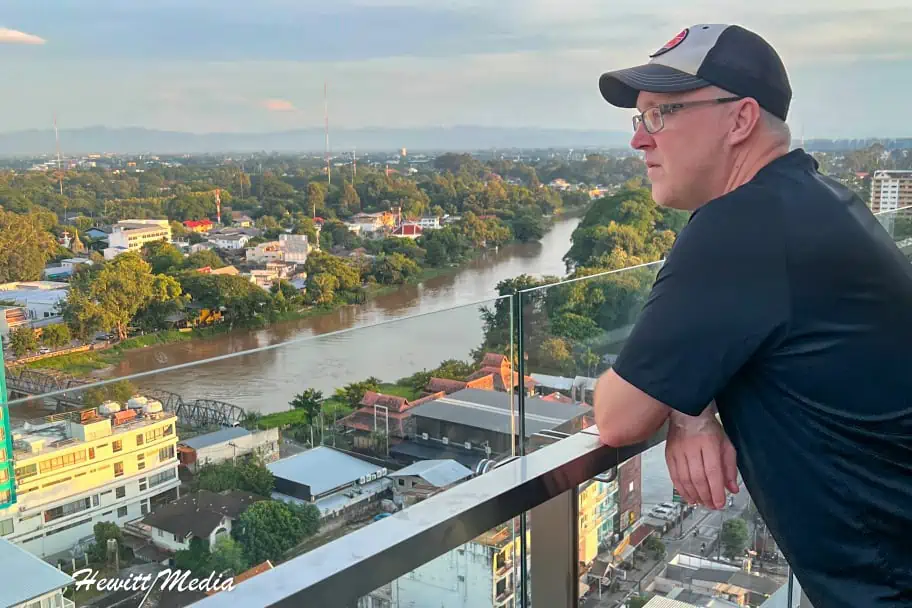
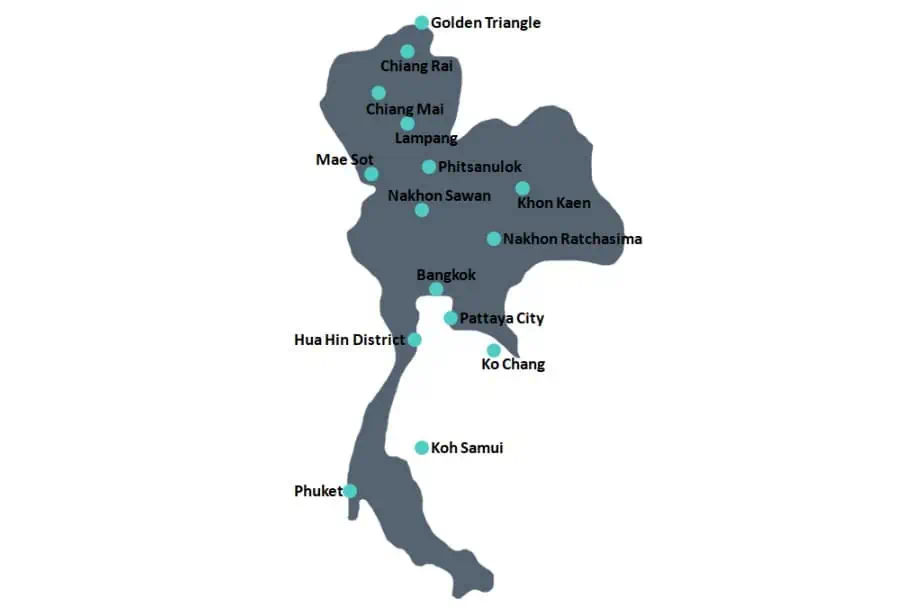
As you start to plan your Thailand travel, you will want to familiarize yourself with the largest and most popular cities (which are not always one and the same) in the country. In addition to cities, this may also include islands and popular areas that you may want to visit. A great example is the “Golden Triangle”, which is an infamous region in Northern Thailand where Thailand, Laos, and Myanmar meet.
Not only to see if you would like to visit and tour these places, but also because these places will typically be your ports of entry and transportation hubs as you visit on your trip. To help you with this, I have included a map of some of the key cities and places within Thailand that you will want to become familiar with below.
Languages Spoken
Before you visit Thailand, you will want to understand which languages they spoken in the country. This way, you can plan for any translation needs that you might have during your visit. While many people in Thailand do speak English, it is always helpful and polite to be prepared to speak at least basic phrases in the native language.
According to FamilySearch.org, the official native language of Thailand is Thai, which is spoken by roughly 53% of the population. Of those who don’t speak Thai as their primary language, many more speak it as a second language. Of the remaining population, roughly 27% speak Lao, 12% speak Chinese, 4% speak Malay, and 3% speak Khmer.
Currency
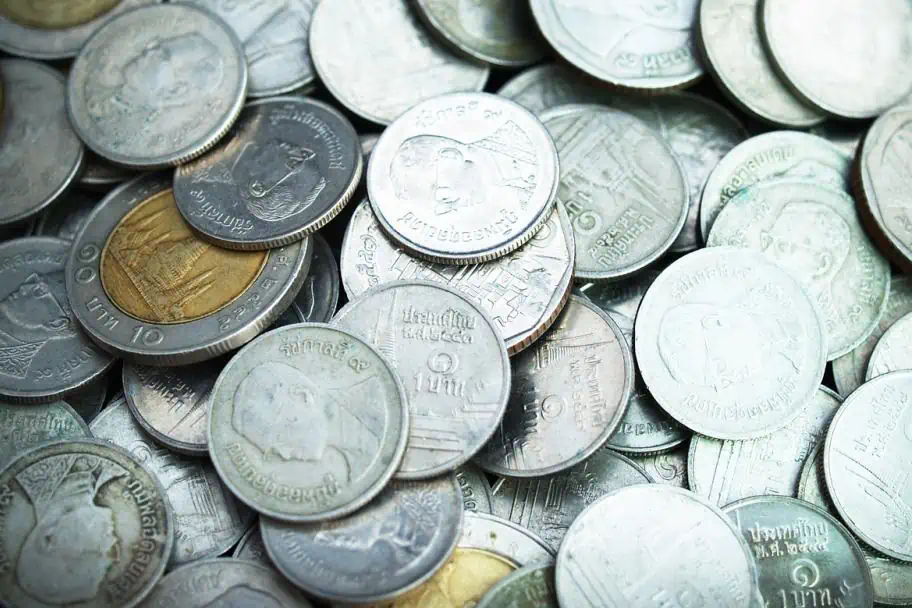
The official currency of Thailand is the Thai baht (฿). Common denominations of banknotes are 20, 50, 100, 500, and 1,000 baht. In addition, there are also coins. These coins come in denominations of 1, 2, 5, and 10 baht. Every baht is divided into 100 satangs, and there are also coins of 50 and 25 satangs.
Power Adapters Required

One of the most overlooked aspects of international travel is ensuring you have the proper power adapters. You may or may not be aware that both the voltage and the type of outlet available differ widely from one region of the world to the next. If you aren’t prepared, you won’t be able to charge your electronic devices as you travel.
Even worse, you may damage or even destroy your electronic devices if you don’t have the right adapter with a voltage converter. Electricity supplies worldwide can vary from anything between 100V and 240V. It can be extremely dangerous to use an electrical appliance that is rated at a voltage different from the supply.
To ensure that this doesn’t happen to you, I have included some critical information on the electrical system in Thailand for you to review below. This includes what types of international power adapters you should bring with you on your trip.
Electrical Voltage in Thailand
In Thailand, the voltage of the electrical supply is 230V and 50Hz. If you have an appliance that is single-voltage rated, the voltage rating of the device must be 230V for you to use it without a voltage converter. When shopping for a travel power adapter, it is important to confirm that the adapter you choose has a voltage converter included and isn’t just an adapter.
A power adapter will change the type of plug from one type to another so that you can plug into different outlets. However, a simple power adapter will not change the voltage of the supply to the voltage used by the devices you brought from home (120V in the United States). To do that, you will need a travel power adapter with a voltage converter.
Electrical Outlets in Thailand
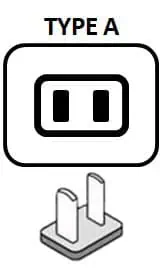
In Thailand, the three types of electrical plugs that are used are Type A, Type B, and Type C. The Type A plug is the type with two parallel flat pins. Meanwhile, the Type B plug has two parallel flat pins and a grounding pin. Finally, the Type C plug consists of two round pins. Please see the illustrations of the Type A, Type B, and Type C plugs below for a better understanding of what they look like.


Emergency Contact
In case of an emergency when traveling in Thailand, there are three numbers that you will want to write down or commit to memory.
- 191 – For the Police or general emergency.
- 1669 – For an Ambulance (medical emergency).
- 199 – For the Fire Department.
- 1155 – For the Tourist Police.
Visa, Passport, and Immunization Info
Before booking your Thailand travel, you will want to be sure that you meet all of the necessary passport, VISA, and immunization requirements so that you can ensure you will be allowed into the country. To assist you, I have listed the requirements you will need to consider below for you to review.
Passport Validity
To be allowed into Thailand, your passport must be valid for at least 6 months after your arrival date. In other words, if your passport is set to expire within 6 months of your arrival date, you will need to renew your passport before visiting Thailand.
VISA Requirements
Before you start planning your trip to Thailand, you must also determine your visa requirements. Depending on your nationality, you could be visa-exempt, eligible for a visa upon arrival, or required to obtain a tourist visa before boarding your plane to Thailand. To assist you with the Thailand visa process, I have included some key information and resources for you to review below.
VISA Exempt Countries
The following countries are visa-exempt, and thus are allowed to enter Thailand without a visa for a specific period:
 |
Andorra (30 Days) |  |
Indonesia (30 Days) |  |
Oman (30 Days) |
 |
Argentina (90 Days) |  |
Ireland (30 Days) |  |
Peru (90 Days) |
 |
Australia (30 Days) |  |
Israel (30 Days) |  |
Philippines (30 Days) |
 |
Austria (30 Days) |  |
Italy (30 Days) |  |
Poland (30 Days) |
 |
Bahrain (30 Days) |  |
Japan (30 Days) |  |
Portugal (30 Days) |
 |
Belgium (30 Days) |  |
Kuwait (30 Days) |  |
Qatar (30 Days) |
 |
Brazil (90 Days) |  |
Laos (30 Days) |  |
Russia (30 Days) |
 |
Brunei (30 Days) |  |
Latvia (30 Days) |  |
San Marino (30 Days) |
 |
Cambodia (14 Days) |  |
Liechtenstein (30 Days) |  |
Singapore (30 Days) |
 |
Canada (30 Days) |  |
Lithuania (30 Days) |  |
Slovakia (30 Days) |
 |
Chile (90 Days) |  |
Luxembourg (30 Days) |  |
Slovenia (30 Days) |
 |
Czechia (30 Days) |  |
Macau (30 Days) |  |
South Africa (30 Days) |
 |
Denmark (30 Days) |  |
Malaysia (30 Days) |  |
Spain (30 Days) |
 |
Estonia (30 Days) |  |
Maldives (30 Days) |  |
Sweden (30 Days) |
 |
Finland (30 Days) |  |
Mauritius (30 Days) |  |
Switzerland (30 Days) |
 |
France (30 Days) |  |
Monaco (30 Days) |  |
Turkey (30 Days) |
 |
Germany (30 Days) |  |
Mongolia (30 Days) |  |
Ukraine (30 Days) |
 |
Greece (30 Days) |  |
Myanmar (14 Days) |  |
U.A.E. (30 Days) |
 |
Hong Kong (30 Days) |  |
Netherlands (30 Days) |  |
United Kingdom (30 Days) |
 |
Hungary (30 Days) |  |
New Zealand (30 Days) |  |
United States (30 Days) |
 |
Iceland (30 Days) |  |
Norway (30 Days) |  |
Vietnam (30 Days) |
VISA On Arrival Countries
In addition to the list of visa-exempt countries, passport holders from the following nations are also allowed to apply for a visa upon arrival for up to 15 days. For instructions on how to apply for a visa upon arrival, please refer to the Visa Guide for Thailand website.
 |
Bulgaria |  |
India |  |
Romania |
 |
Bhutan |  |
Kazakhstan | |
Russia |
 |
China |  |
Malta |  |
Saudi Arabia |
 |
Cyprus |  |
Mexico |  |
Taiwan |
 |
Ethiopia |  |
Nauru |  |
Uzbekistan |
 |
Fiji |  |
Papua New Guinea |  |
Vanuatu |
 |
Georgia |
Applying for a Visa Before Traveling
If you do not hold a passport from a visa-exempt country or a country that qualifies you to apply for a visa upon arrival, you will need to apply for your Thailand visa before traveling.
This is important because you will not be allowed to board your plane to Thailand without your visa. So, this is something you do not want to put off until the last minute.
For instructions on how to apply for a visa, please refer to the Visa Guide for Thailand webpage on applying for a Thailand tourist visa.
Immunization Requirements
Depending on where you are traveling to Thailand, certain vaccinations may be recommended or even required. For more information on the vaccinations you will need to consider when traveling to Thailand, please see the detailed information I provided below. If you have additional questions on vaccinations, the Centers for Disease Control (CDC) webpage for Thailand vaccination recommendations is a great resource.
Routine Vaccinations
The following routine vaccinations are recommended for anyone who will be traveling:
- Chickenpox (Varicella)
- Diphtheria-Tetanus-Pertussis
- Flu (influenza)
- Measles-Mumps-Rubella (MMR)
- Polio
- Shingles
Recommended Travel Vaccinations for Thailand
In addition to the routine vaccinations above, the following are additional vaccinations you may want to consider for Thailand:
- Yellow Fever – The Yellow Fever vaccination is required to enter Thailand if you are visiting from a high-risk area or have had a layover of greater than 12 hours in a high-risk area while traveling to Thailand. Please see the Centers for Disease Control (CDC) map of the areas where a Yellow Fever vaccination is recommended for more details.
- Japanese Encephalitis – Recommended for travelers who will be spending more than a month in high-risk areas for Japanese Encephalitis. It is also recommended for travelers who will be doing activities that put themselves at an increased risk of infection. This includes visiting rural areas, hiking or camping, or staying in places without air conditioning, screens, or bed nets.
- Malaria – Depending on where you are traveling to in Thailand, it may be recommended for you to take Malaria prophylaxis. Some of these medications require you to start taking them before your trip and continue taking them for a period after you return home. For more information on Malaria exposure in Thailand, please refer to the CDC’s Malaria Prevention for Thailand webpage.
- Hepatitis A & B (if you haven’t had them).
- Tetanus (if you aren’t current).
- Flu Shot
- COVID Vaccination (not required for entry but recommended).
Customs and Currency Restrictions
When visiting any country, it is important to understand the customs restrictions. If you ignore them, you can get into some serious trouble. You could find yourself subject to serious fines or even imprisonment in some circumstances. To ensure you don’t get into trouble, I have provided some customs information for Thailand below. For more detailed information, please refer to the VISAHQ.com site on Thailand Customs Restrictions.
Free Import
The following items are considered free-import items but with limits (as described below).
- 200 cigarettes or 250g of cigars, 250g of tobacco (must be 20 years of age).
- 1 liter of alcohol.
- Non-commercial amount of gifts and other items for personal use of up to 10,000 local currency (Baht).
Prohibited Items
Before you are allowed into Thailand, you will also need to clear customs to be sure you aren’t carrying any prohibited items with you. For instance, travelers are strictly prohibited from bringing the following items into Thailand:
- Narcotics and other controlled substances.
- Pornography.
- Counterfeit items.
- Goods with the Thai flag on them.
- Fake Royal or other Official seals.
- Copyright-infringing items.
- Local currency.
Controlled Items
In addition to these prohibited items, the government of Thailand has placed limits on the quantity of other items that can be brought into the country. The following items are considered controlled items in Thailand:
- Live animals (health certificate required, along with complete and valid inoculations for pets).
- Plants, foodstuffs, and seeds.
- Weaponry and ammunition.
- Medication.
- Foreign currency – any amounts will need to be declared.
Currency Restrictions
The final aspect of the Thailand entrance requirements that you will want to make sure you comply with when traveling to Thailand is the amount of currency you plan on bringing to the country. The government of Thailand has the following currency limits and regulations in place:
- No currency restrictions for entry into Thailand. However, Thai baht banknotes in an amount exceeding THB 450,000 or foreign currency banknotes in an amount exceeding USD 15,000 or their equivalent require a Customs declaration.
- No currency restrictions when leaving Thailand. However, Thai baht banknotes in an amount exceeding THB 450,000 or foreign currency banknotes in an amount exceeding USD 15,000 or their equivalent require a Customs declaration.
Key Phrases to Know
As a part of your Thailand travel preparation, you will need to prepare yourself for how they talk in Thailand so that you can understand the dialogue as you interact with Thai residents. This includes understanding key phrases so that you can ask for things, respond to others, and get around the country much more easily.
Here are some common phrases that you may need to use while visiting Thailand:
Greetings and Introductions
- Sawasdee (Krub/Ka): Hello (for males/females)
- Chai: Yes
- Mai chai: No
- Kob kun mak: Thank you very much!
- Khob khun (Krub/Ka): Thank you (for males/females)
- Mai pen rai: You’re welcome
- Sabai dee mai (Krub/Ka): How are you? (for males/females)
- Sabai dee (Krub/Ka): I’m good (for males/females)
- Lao jow: Sorry/Excuse me
Asking for Directions
- How much is the taxi?: Lot dai tao rai?
- Turn left/right: Leua sai/leua kwaa
- Straight ahead: Trong pai
- Stop here, please: Yoot tee nee krub/ka
- How far is it?: Meua-rai
- Can you take me to (destination)?: Dai mai ow chan dtang [destination]?
- Where is the bathroom?: Hong nam yoo nai?
- Where is the bus station?: Nai bai duay?
Restaurants and Ordering Food
- What do you recommend?: Su su arai?
- I am a vegetarian: Chan gin jay
- I would like [dish]: Ao [dish]
- Check, please: Kep tang krub/ka
- Menu: Rue lae
- Water: Nam
- Coffee: Gafae
- Spicy: Pet
- Not spicy: Mai pet
Emergency Assistance
- Help!: Chuay!
- I need a doctor: Chan tong kaan more
- Call an ambulance: Khor ro tao ror sa-mong-kol
- Where is the nearest pharmacy?: Ran lai duay?
- I don’t feel well: Chan mai sabai
- I need a doctor: Chan tong kaan more
- I lost my passport: Chan long toong pa-sa-pawt
- Police: Pholisee
- Hospital: Rong paya baan
- Fire: Fai
Driving Info

Public transportation is very good in Thailand, so there really isn’t a need to drive when you visit if you don’t want to. However, experiencing the motorbike culture and having the flexibility of your own ride is something that may appeal to you. If you are interested in driving when you visit Thailand, I have provided some tips for you to review below.
Obtaining a License to Drive in Thailand
- You need to be 18 to drive in Thailand.
- You do not need an international driver’s permit to drive in Thailand, but you may have a hard time renting a car or motorbike from some companies in Thailand without one.
- If you want to obtain a Thai driver’s license, you will need to have a resident Visa. You cannot apply for one with a tourist Visa.
Driving Tips
When driving in Thailand, the following tips may be helpful:
- In Thailand, people drive on the left side of the road.
- The driver’s seat is on the right side of vehicles in Thailand.
- The solid and dotted road lines are more for guidance in Thailand. You will often see vehicles driving in multiple lanes within those lines. Don’t operate under the assumption that you have the lane to yourself.
- When driving on larger roads (with at least 4 lanes), you should move over to the left side of your lane. Drivers will want to cross the center median to pass you, and oncoming drivers will want to use the center median to pass their traffic.
- The turn signal on vehicles is on the right side.
- At stop lights, motorbikes tend to move in front of the vehicles at the light and will typically jump the green light (go before it turns green). Be aware of this when stopping for the lights turning red.
- Tailgating and cutting people off are much more widely accepted in Thailand. So, be prepared for this.
- When a driver flashes their lights at you, it is an indication that they don’t plan to stop. So, be prepared to get out of the way.
- Most of the signs you will see are dual language.
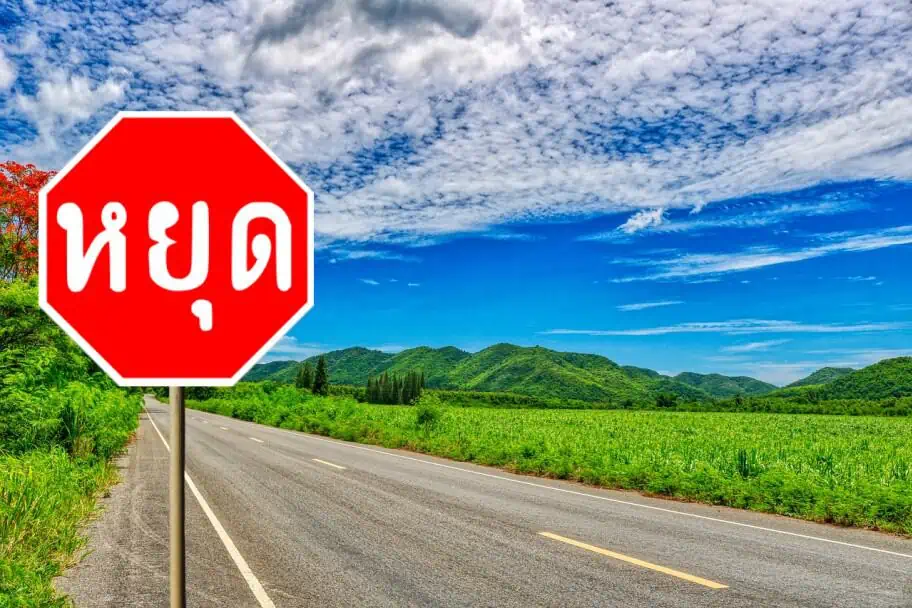
- Stop signs in Thailand without English look like this:
Traffic Laws
Typical Speed Limits are as follows:
- Towns – 60 km/hr
- Highways – 90-100 km/hr
- Motorway – 120 km/hr
Here are some additional driving laws and regulations you should be aware of:
- Seatbelts: Seatbelts must be worn at all times. Failure to wear your seatbelt will result in a fine.
- Alcohol: Driving while intoxicated is illegal in Thailand. Having a blood alcohol level of 0.5 grams per liter of blood or higher will result in hefty fines or prison time.
- Cell Phones: Unless you are using it hands-free, it is illegal to use your cell phone while driving in Thailand.
Relative Travel Guides and Articles
To assist you as you start to put together your travel plans for Thailand, I have provided a comprehensive list of all of my travel guides, travel itineraries, and travel inspiration articles for Thailand for you to review below.
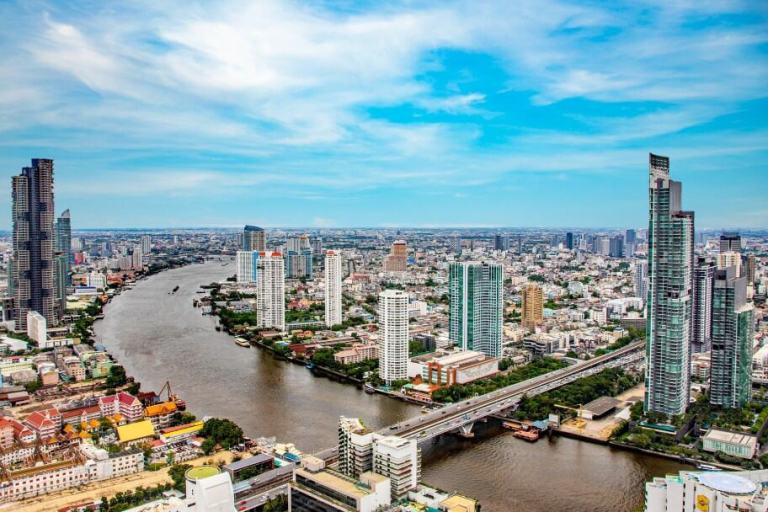


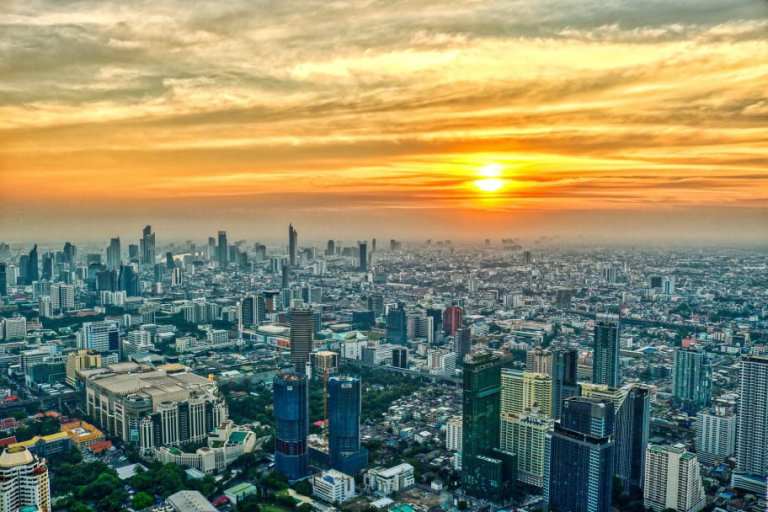
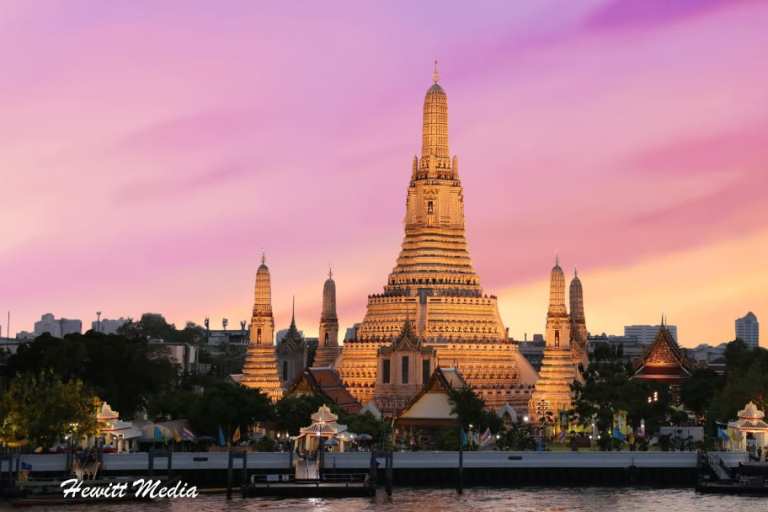

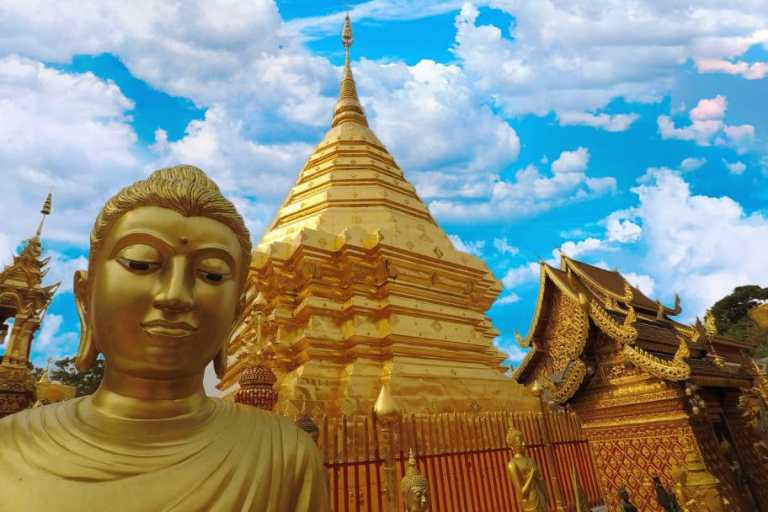

Packing and Planning Tips
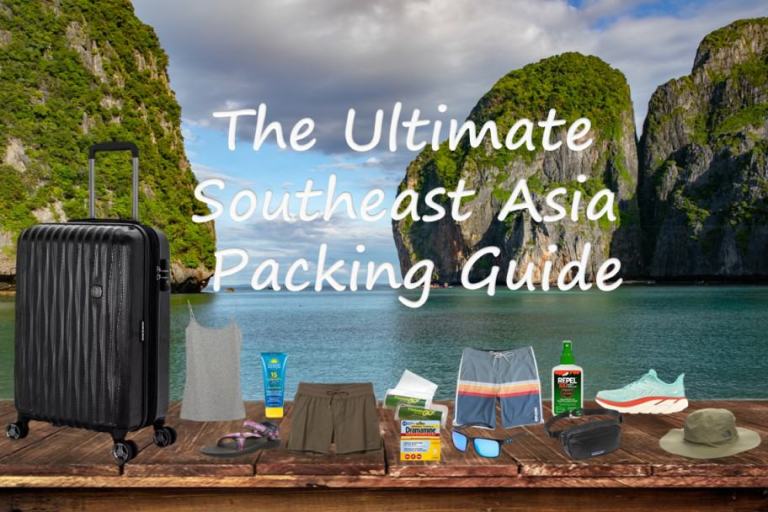
Once you start putting together your Thailand travel plans, you may want to reference some of my handy travel packing and planning guides that I have put together. To make it easy to find and access these guides, I have included them for your reference below.








Popular Tours
Exploring the vibrant beauty of Thailand is undoubtedly a traveler’s dream come true, and the tours that have captured the hearts of many offer unforgettable experiences. From the breathtaking landscapes of northern Chiang Mai to the dazzling beaches of Phuket, there’s something for everyone.
Each popular tour promises not only adventure but also a glimpse into the rich culture and warm hospitality that Thailand is renowned for. So whether you’re a first-time traveler or a seasoned explorer, immerse yourself in the magic of Thailand’s most loved tours and create memories that will last a lifetime!
Don’t Forget to Subscribe to My Adventures!

Let Me Help You Save On Your Next Adventure!
‘Start Exploring Today’ Merchandise Available Now!
 |
 |
 |
 |
 |
 |
 |

Thailand offers a captivating blend of vibrant culture, stunning landscapes, and warm hospitality, making it a top destination for travelers worldwide. From the bustling streets of Bangkok to the tranquil beaches of Phuket, Thailand’s diverse attractions cater to every taste, ensuring an unforgettable travel experience filled with adventure, relaxation, and discovery.
I agree!! It is such an incredible place!
Nice Blog, Thanks for sharing!!!
Thank you so much for reading and for your kind words!