This Buenos Aires tourist guide post contains my Hotels.com, Expedia, Vrbo, and Viator affiliate links. I may receive a commission when you book a hotel or tour from this article, though at no additional cost to you. I hand-pick and recommend only the hotels and tours I have thoroughly researched and feel comfortable recommending.
For decades, the incredible city of Buenos Aires has been captivating travelers with its vibrant tapestry of culture, history, and modernity. The city is renowned for its European heritage, which is evident in its stunning architecture. From the grand Teatro Colón to the charming streets of San Telmo, visitors can immerse themselves in the city’s lively atmosphere.
Meanwhile, the city’s diverse neighborhoods, each with its own character, invite visitors to explore. Whether you choose to explore the colorful houses of La Boca or the elegant avenues of Recoleta, there is something for everyone in Buenos Aires. In addition, the city has also become quite the culinary hot spot. Dining in a traditional parrilla allows guests to savor perfectly grilled meats, while local cafes serve up rich coffee and delectable pastries.
An All-You-Need Buenos Aires Tourist Guide
In this Buenos Aires tourist guide, I provide you with all the information you need to plan a successful trip. Not only do I cover the best times to visit and the best ways to get there, but I also highlight the top things to see and do in Buenos Aires. There are so many incredible things that you won’t want to miss. With my guide, you don’t need to worry about missing anything.
Finally, I will provide you with some recommendations on where to stay and where to eat. This will help you get a head start on finding accommodations for your trip and possibly make some dinner reservations in advance. With this information in hand, your planning process will be stress-free and you’ll remember your trip for a lifetime.
Buenos Aires Tourist Guide Navigation Menu


At a Glance
Before you start making any travel plans, you must ensure you meet the country’s entrance requirements. This includes all of Argentina’s passport, VISA, and immunization requirements.
You will also need to know some basic information about Buenos Aires to help you get around. To start, this includes clearly understanding what languages they speak in Argentina. This way, you can plan any translation needs you may have. In addition, you will need to know what currency they use in Argentina. Knowing this, you can plan to exchange currency before your trip if necessary.
To assist you in your preparation, I have included this key information in my Buenos Aires tourist guide for you to review below.
 |
Passport requirements exist. See my Entrance Requirements Guide below for details. |
 |
Immunization recommendations are listed in my Entrance Requirements Guide below. |
 |
The official language in Argentina is Spanish. |
 |
The official currency in Argentina is the Argentine Peso. |
Passport, VISA, Customs, and Immunization Requirements

To assist you in navigating the legal requirements for visiting Argentina, I have included a link to my guide on Argentina Passport, Visa, Customs, and Immunization Requirements below for your review.
This guide provides all the necessary information to meet the visa, passport, customs, and immunization requirements and recommendations for visiting Argentina.

Packing Tips

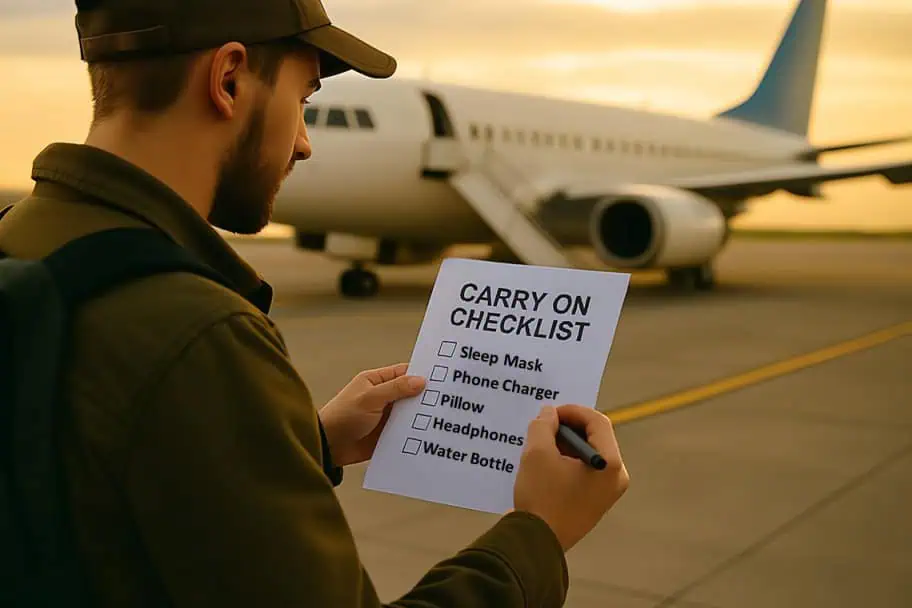
Outside of knowing the entry and immunization requirements, there is no pre-travel task more important than packing. Don’t worry, I am here to make sure you are packed and prepared for your trip. I have included links to my packing resources in my Buenos Aires tourist guide below for you to review.
| READ MORE: | |
 |
|
| The Ultimate Travel Packing Check List |
| READ MORE: | |
 |
|
| The Essential Carry-On Checklist |
| READ MORE: |
 |
| 10 Packing Tips That Every Traveler Should Follow |
Top Things to See and Do in Buenos Aires

If one thing is for certain, it is that there is no shortage of incredible things to see and do in Buenos Aires. Each neighborhood offers a unique perspective, making the city a rich tapestry of experiences waiting to be explored. For instance, in the historic San Telmo neighborhood, the iconic San Telmo Market is just waiting to be explored.
Meanwhile, in the colorful streets of La Boca, visitors can enjoy the brightly painted houses and lively street art on Caminito Street. The neighborhood is also known for its rich tango culture, so be on the lookout for street performers showcasing their skills. Finally, the stunning Recoleta neighborhood is renowned for its beautiful architecture and infamous Recoleta Cemetary, where many of the city’s notable figures are laid to rest.
If you are in the process of planning your trip and need to fill out your itinerary, I have included a list of my top things to see and do in my Buenos Aires tourist guide below.


Palermo Rose Garden

One of the highlights of the Palermo neighborhood of Buenos Aires is the breathtaking Rose Garden, known as the Rosedal. This picturesque park is home to thousands of rose bushes, showcasing a dazzling array of colors and fragrances that captivate visitors. As you stroll through the winding paths, you can admire the meticulously manicured gardens, serene lakes, and charming bridges that create a tranquil oasis in the heart of the bustling city.
Recoleta Cemetary

Modeled after the famous Père-Lachaise cemetery in Paris, France, the Recoleta Cemetary in Buenos Aires is similarly moving to visit. Like its counterpart in Paris, it is as much an open-air museum as a burial site. Showcasing stunning architecture and intricate sculptures that reflect the artistic movements of the past, this incredible site tells the story of the prominent figures who once walked the streets of Buenos Aires.
The cemetery is particularly famous for being the final resting place of Eva Perón, a beloved figure in Argentine history whose grave attracts visitors worldwide. Guided tours are available, providing insights into the cemetery’s history and the notable individuals buried there, enhancing your understanding of Argentina’s complex narrative.
Colón Theater (Teatro Colón)

Renowned as one of the world’s premier opera houses, the Teatro Colón boasts an impressive capacity of over 2,400 seats and is celebrated for its exceptional acoustics. The theater’s design reflects a blend of various architectural styles, including Italian Renaissance and French Baroque, making it a visual feast for anyone who steps inside.
Guided tours offer an in-depth look at its opulent interiors, including the grand foyer, the magnificent chandelier, and the intricately painted ceilings, all of which contribute to its reputation as a must-visit destination.
Beyond its artistic offerings, Teatro Colón is situated in a lively neighborhood that enhances the overall experience of visiting Buenos Aires. The surrounding area is filled with charming cafes, restaurants, and shops, allowing guests to enjoy a meal or a drink before or after a show.
Obelisco

This monumental structure rises majestically at the intersection of two of the city’s most important avenues, Avenida 9 de Julio and Avenida Corrientes. However, the Obelisco isn’t just an architectural marvel, but also a historical landmark. You see, it was erected in 1936 to commemorate the 400th anniversary of the first foundation of Buenos Aires. Since then, it has become an iconic representation of the city’s rich cultural heritage and vibrant spirit.
La Bombonera (Estadio Alberto J. Armando Stadium)

This iconic stadium, home to the famous Boca Juniors football club, is not just a venue for sports. Without a doubt, it is also one of the most recognized landmarks that I highlight in this Buenos Aires tourist guide. A visit to La Bombonera is an immersive experience that goes beyond simply watching a match. Guided tours provide an in-depth look at the stadium’s history, showcasing its significance in Argentine culture and the legendary players who have graced its pitch.
Visitors can explore the museum, which houses trophies, memorabilia, and interactive exhibits that tell the story of Boca Juniors and its impact on the sport. The atmosphere is electric, especially on match days, when the streets surrounding the stadium come alive with fans donning the club’s colors, creating a sense of community and excitement that is palpable.
Plaza de Mayo

Located in the heart of the city, the Plaza de Mayo serves as a vibrant historical and cultural hub that draws both locals and tourists alike. This iconic square is surrounded by significant landmarks, including the Casa Rosada and Metropolitan Cathedral. The plaza has been the site of numerous important events throughout Argentine history, making it a focal point for political demonstrations and public gatherings.
The square is adorned with monuments and sculptures that commemorate pivotal moments in the nation’s journey, such as the iconic Pirámide de Mayo, which stands as a tribute to the May Revolution of 1810. Meanwhile, the surrounding streets are lined with cafes and shops, inviting you to take a break and savor a traditional Argentine coffee or indulge in local delicacies.
Take a Day Trip to Uruguay
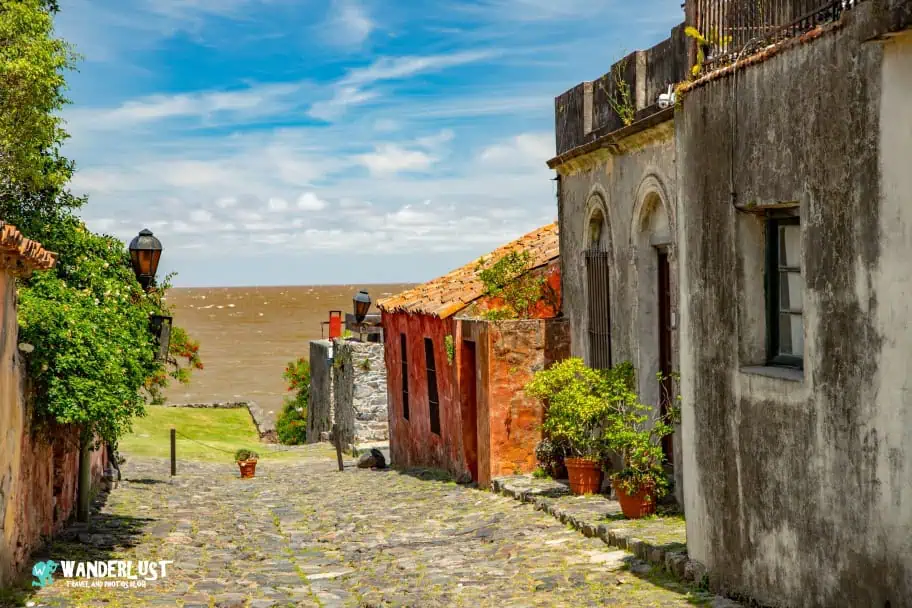
Exploring Uruguay on a day trip from Buenos Aires offers a delightful escape from the bustling city life of Argentina’s capital. Just a short ferry ride across the Río de la Plata, travelers can immerse themselves in the charming atmosphere of this neighboring country. The good news is that there are a few different destinations in beautiful Uruguay that you can explore from Buenos Aires.
Many visitors explore the historic town of Colonia del Sacramento, a UNESCO World Heritage site known for its cobblestone streets and colonial architecture. Strolling through the city, you can admire the well-preserved buildings that reflect a rich history influenced by Portuguese and Spanish settlers. In addition, the iconic lighthouse and the scenic waterfront provide perfect spots for capturing memorable photographs, making it a photographer’s paradise.

Meanwhile, other travelers choose to explore the amazing city of Montevideo, the capital city of Uruguay, which is just a short drive away. Here, the vibrant culture comes alive through its bustling markets, lively street performances, and beautiful parks. If you would like to explore the beautiful country of Uruguay during your stay in Buenos Aires, I have linked to some of the highly rated guided tours available below.
La Boca Neighborhood
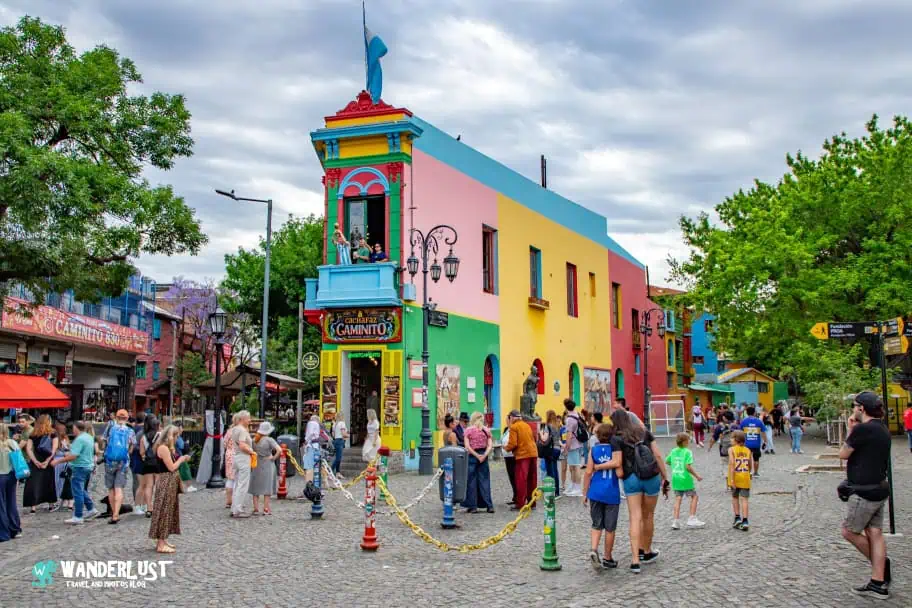
Of all the can’t-miss places that I cover in this Buenos Aires tourist guide, the beautiful neighborhood of La Boca should be at the top of the list. Known for its colorful buildings and lively atmosphere, La Boca is a feast for the senses. The streets are lined with tango dancers showcasing their skills, street artists displaying their creations, and local vendors offering a variety of traditional Argentine foods.
However, La Boca is perhaps best known for its iconic Caminito Street, a picturesque walkway that serves as an open-air museum filled with art and history. The buildings here are painted in bright hues, a reflection of the neighborhood’s working-class roots and the influence of Italian immigrants who settled in the area. With its beautiful architecture and electric atmosphere, it is an ideal spot for both relaxation and exploration.
Puerto Madero

This vibrant waterfront district, once a bustling port, has undergone a remarkable transformation into a chic area filled with upscale restaurants, trendy bars, and luxurious residential buildings. The heart of Puerto Madero is its lively promenade, which invites visitors to enjoy leisurely walks while taking in the fresh air and scenic vistas.
Along the waterfront, you can find a variety of dining options, from casual eateries to gourmet establishments, each offering a taste of Argentina’s renowned culinary scene. In addition, the district is also home to several cultural attractions, including the iconic Puente de la Mujer, a striking footbridge designed by Santiago Calatrava. With its vibrant atmosphere, rich history, and modern amenities, Puerto Madero stands out as a dynamic destination that captures the essence of Buenos Aires.
El Ateneo Book Store

Housed in a former theater, this unique establishment has transformed the space into a literary haven that captivates both locals and visitors alike. The grandeur of the original architecture remains intact, with ornate ceilings and plush red curtains that evoke a sense of nostalgia. As you wander through the aisles, the scent of old books mingles with the soft sounds of patrons flipping through pages, creating an atmosphere that is both inviting and inspiring.
Visiting El Ateneo is a must for anyone traveling to Buenos Aires, as it beautifully encapsulates the city’s passion for the arts and literature. The former stage has been converted into a charming café, where you can sip on a rich Argentine coffee while surrounded by shelves brimming with books in various genres. Whether you are a bookworm or simply looking for a unique spot to relax, this bookstore offers a perfect blend of history, culture, and community.
Mercado de San Telmo

This bustling market, located in the heart of the San Telmo neighborhood, is a treasure trove of local flavors, artisanal crafts, and a lively atmosphere. As you wander through its aisles, you’ll encounter a delightful mix of food stalls, antique shops, and street performers, all contributing to the market’s dynamic charm. Whether you’re looking for handmade leather goods, vintage collectibles, or fresh produce, the Mercado de San Telmo caters to a wide range of interests, making it a perfect destination for both tourists and locals alike.
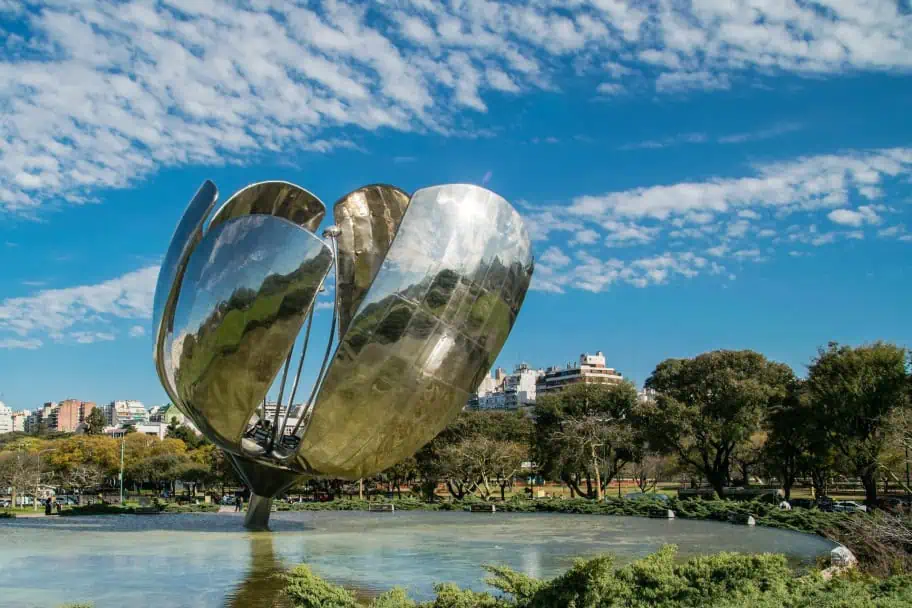
Floralis Genérica

Created by the Argentine architect Eduardo Catalano, this impressive piece of art stands majestically in the Plaza de las Naciones Unidas. The Floralis Genérica, which resembles a giant flower, is made of stainless steel and aluminum, and it opens and closes its petals automatically in response to the sun. Visitors are often captivated by its beauty, especially during sunrise and sunset when the light plays off its reflective surfaces, enhancing its allure.
Casa Rosada

With its iconic pink facade, this stunning Casa Rosada isn’t just an architectural marvel but also a significant political hub. Visitors are often captivated by its grandiose design, which features a blend of neoclassical and Italianate styles, making it a must-see landmark for anyone traveling to the Argentine capital. The Casa Rosada is steeped in history, having served as the residence of various Argentine presidents since the late 19th century.
Its name, which translates to “Pink House,” is derived from the unique color of its exterior, a hue that has become synonymous with the building itself. Guided tours are available, allowing guests to delve into the fascinating stories behind its walls. This includes the famous balcony where Eva Perón addressed the masses, leaving an indelible mark on the nation’s history.
Palacio Barolo

This remarkable building, completed in 1923, was designed by the Italian architect Mario Palanti and is inspired by Dante Alighieri’s “Divine Comedy.” Its intricate details and symbolic elements reflect the journey from hell to paradise, making it not just a structure but a narrative woven into the very fabric of Buenos Aires.
Visitors are often captivated by its neo-Romanesque style, adorned with elaborate sculptures and a striking tower that offers panoramic views of the city. The building’s interior is equally impressive, featuring a series of beautifully decorated halls and staircases that echo the themes of Dante’s work. Guided tours provide insights into the building’s history, its original purpose as a commercial office space, and the fascinating stories of the people who have walked its halls.
Whether you choose to explore its historical significance or simply enjoy the breathtaking views from the observation deck, Palacio Barolo promises an unforgettable experience that encapsulates the essence of Buenos Aires. This enchanting destination is a must-see for anyone looking to delve deeper into the city’s vibrant history and artistic legacy.
Torre Monumental

Originally known as the Torre de los Ingleses, this impressive clock tower was constructed in the early 20th century to commemorate the centenary of the May Revolution. Its striking design, influenced by British architecture, features a blend of neo-Gothic and Edwardian styles. The tower reaches a height of 60 meters, and its clock, which was imported from England, chimes melodically, adding to the charm of the surrounding area.
Located in the Retiro neighborhood, the Torre Monumental is not just a visual delight but also a significant cultural symbol for the city. The tower is surrounded by beautifully landscaped gardens, providing a serene escape from the bustling urban environment. Visitors can enjoy leisurely strolls through the park, taking in the lush greenery and vibrant flowers that frame the tower. Without a doubt, it is a can’t-miss landmark for all who visit Buenos Aires.
How to Get to Buenos Aires
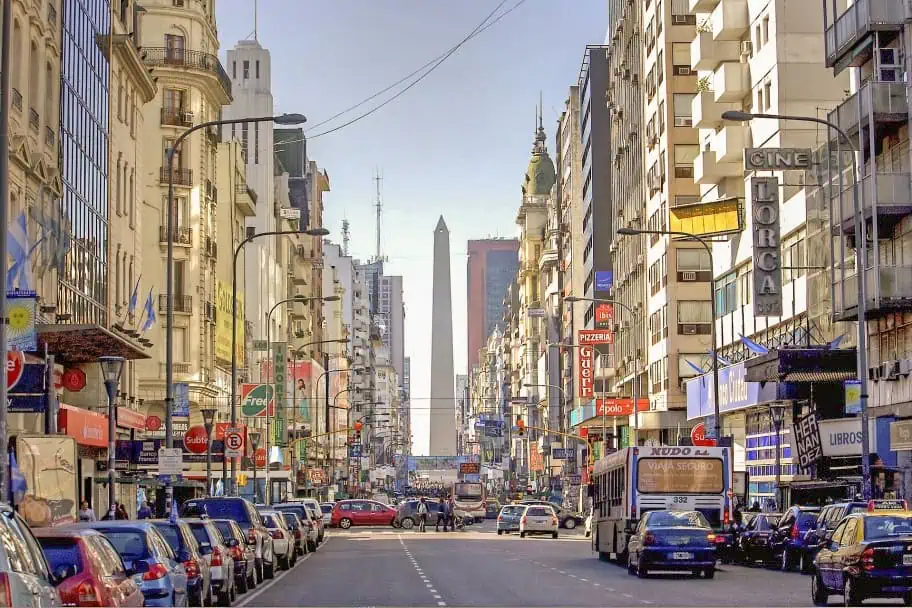
How you get to Buenos Aires will depend a great deal on where you are visiting from. For most travelers, flying into the city will be the most convenient way to visit. The city has two different airports that receive international flights, so it is important to understand which airport you will be flying into and out of when visiting Buenos Aires.
If you are visiting Buenos Aires from outside of South America, chances are that you will be flying into Ministro Pistarini International Airport (EZE). This is the city’s main international airport and handles most of the country’s international flights.
Direct Flights from the United States to Buenos Aires
For those traveling from the United States to Buenos Aires, there are fourteen direct flights from the USA to Buenos Aires each day that are operated by three different airlines out of five different cities. For more information on these direct flights, please refer to the list I linked below.
- American Airlines – 5 Flights per day from Miami (MIA) to Buenos Aires (EZE).
- American Airlines – 2 Flights per day from Dallas (DFW) to Buenos Aires (EZE).
- Delta Airlines – 3 Flights per day from New York (JFK) to Buenos Aires (EZE).
- Delta Airlines – 2 Flights per day from Atlanta (ATL) to Buenos Aires (EZE).
- United Airlines – 2 Flights per day from Houston (IAH) to Buenos Aires (EZE).
Visiting Buenos Aires from within South America
For travelers visiting from elsewhere in Argentina or within South America, there is a good chance that you will be flying into Jorge Newbery Airport (AEP). This airport handles most domestic and shorter international flights and is conveniently located for commuting to the city center.
If you are visiting Buenos Aires as part of a larger trip to South America, you are in luck. I have included a map and table that outlines the average travel time and amount of direct flights from other major cities in South America for you to review below.
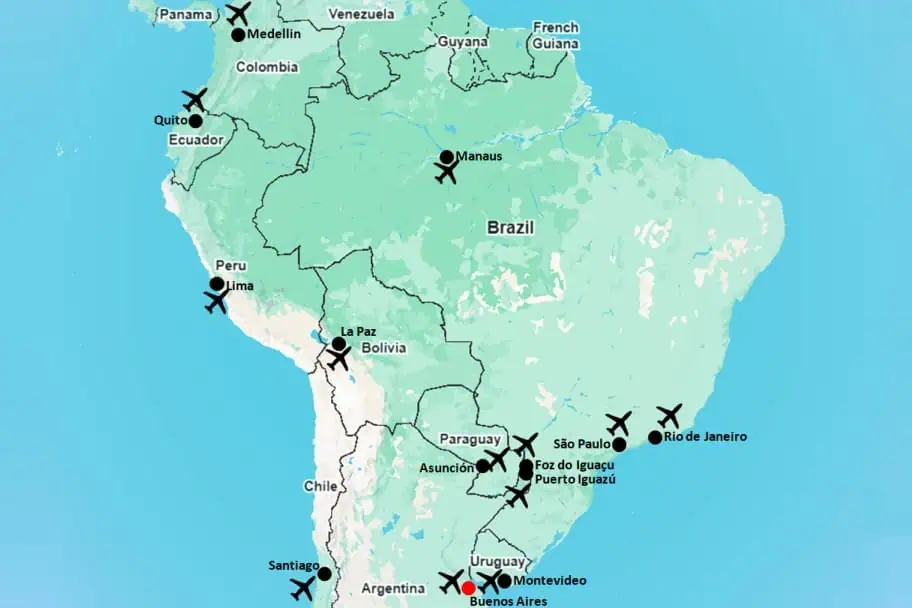
Typical Travel Time to Buenos Aires
| City | Direct Flights | Travel Time (HR:MIN) |
|---|---|---|
| Montevideo, Uruguay | 3 per day | 0:55 |
| Puerto Iguazú, Argentina | 10-18 per day | 1:50 |
| Asunción, Paraguay | 3-4 per day | 1:50 |
| Santiago, Chile | 15-18 per day | 1:55 |
| São Paulo, Brazil | 16-22 per day | 2:55 |
| Rio de Janeiro, Brazil | 12-17 per day | 3:20 |
| Lima, Peru | 7-8 per day | 4:05 |
| La Paz, Bolivia | None | 5:30 |
| Quito, Ecuador | 1 per day | 5:45 |
| Foz do Iguaçu, Brazil | None | 5:55 |
| Medellin, Columbia | 1 per day | 6:25 |
| Manaus, Brazil | None | 8:15 |
Best Times to Visit Buenos Aires

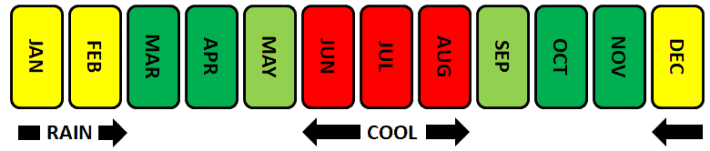
One of the most important decisions you must make when planning your trip to Buenos Aires is when to visit. Like most places, certain times of year are better than others. To help you decide what time of year to plan your trip, I have included some important annual weather information for you to review in my Buenos Aires tourist guide below.
Average Temperature (°F)
Buenos Aires experiences a diverse climate throughout the year, with temperatures varying significantly from month to month. During the summer months of December through February, the average high temperature hovers in the low 80’s °F (26-28°C). March marks the transition into autumn, where temperatures begin to cool down, averaging about 78°F (25°C), providing a pleasant atmosphere for outdoor activities.
As autumn progresses, the temperatures in Buenos Aires become more and more moderate, making this time of year ideal for tourists to explore the city’s vibrant parks and cultural sites. By June, winter sets in, and the average temperature falls to about 60°F (15°C). The coldest months are July and August, where the average high temperature reaches 59°F (15°C) and 62°F (17°C) respectively. However, despite the cooler weather, various indoor activities and cultural events keep Buenos Aires lively.
Average Precipitation (Inches)
Typically, the city experiences its highest precipitation during the summer months, particularly in January and February, when thunderstorms are common. During this period, the average rainfall can reach significant levels, often exceeding five inches per month. Conversely, the winter months, especially June and July, tend to be drier, with average rainfall dropping to around 2.4 to 2.8 inches per month.
As the seasons transition, the rainfall in Buenos Aires also shifts, reflecting the subtropical climate of the region. Spring, which spans from September to November, sees a gradual increase in precipitation. This time of year is characterized by a mix of sunny days and occasional rain showers, contributing to the lush greenery that emerges as the city shakes off the winter chill.
Best Months to Visit Buenos Aires
Generally, the most favorable months to visit are from March to May and from September to November, when the climate is pleasantly mild, allowing visitors to fully enjoy the city’s outdoor attractions, parks, and bustling street life. During the autumn months of March to May, Buenos Aires showcases a stunning transformation as the leaves change color, creating a picturesque backdrop for leisurely strolls through neighborhoods like Palermo and Recoleta.
The city’s vibrant arts scene flourishes during this time, offering visitors a chance to immerse themselves in local performances, art exhibitions, and culinary experiences that highlight the rich Argentine heritage. Conversely, the spring months from September to November bring a fresh burst of energy to Buenos Aires, as the city comes alive with blooming flowers and outdoor events.
This is an excellent time for travelers to partake in the city’s famous street fairs, tango shows, and food festivals, which celebrate the diverse culinary landscape of Argentina. The pleasant weather during these months makes it ideal for exploring the city’s iconic landmarks, such as the historic Plaza de Mayo and the colorful Caminito in La Boca.
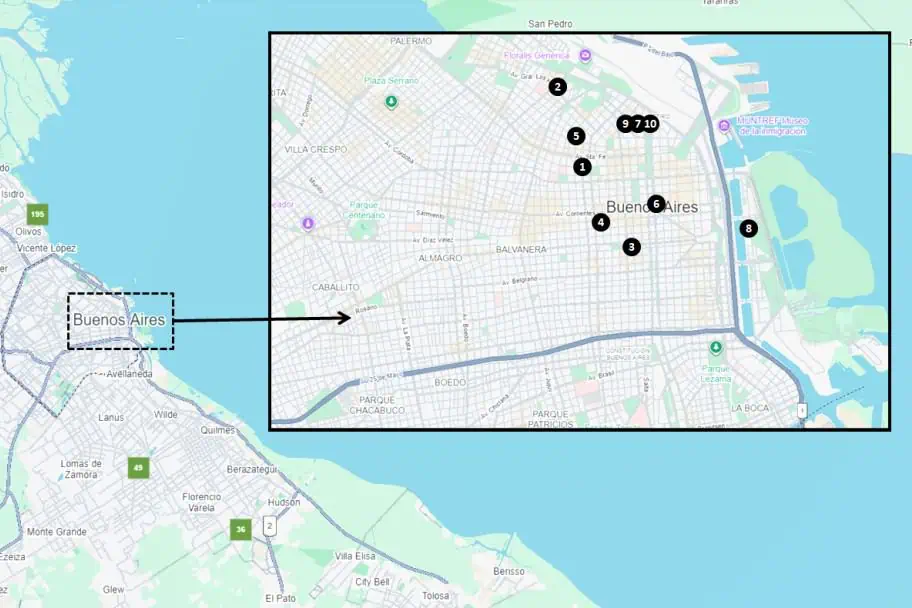
Where to Stay in Buenos Aires

One of the most important decisions you are going to have to make when planning your trip to Buenos Aires is where you will stay. When you travel, the accommodations you choose are oftentimes amongst the biggest expenditures for your trip.
So not only do you need to be comfortable where you are staying, but you also need to be comfortable with how much you are paying to stay there. Finding the right accommodations for your trip involves looking at the amenities, the location, and most importantly, the price.
If you are starting to plan your trip to Argentina and want some hotel and hostel suggestions, I have included some great options at different price points in my Buenos Aires tourist guide below for you to review. As always, don’t be afraid to expand your search to room-sharing sites such as Airbnb or VRBO if you aren’t finding a hotel or hostel that meets your needs.
Where to Eat in Buenos Aires

When most people plan a trip, the primary focus is on how to get there, where to stay, and what is on the list of things to see and do. What many travelers neglect to plan, is where to eat when you are there.
Granted, it is sometimes fun to be spontaneous when choosing a restaurant while traveling, and it is always smart to get recommendations when you arrive. However, it can also be advantageous to have some ideas of restaurants you would like to try during your trip written down beforehand as well.
This way you can be assured that you won’t miss out on a highly recommended culinary experience that you will regret. To help you decide on some restaurants to add to your list, I have included a list of highly recommended options for you to review in my Buenos Aires tourist guide below.
| Restaurant | Cuisine | Price |
|---|---|---|
| Don Julio (Michelin Rated) | Steakhouse, Latin | $$-$$$ |
| La Cabrera Buenos Aires | Steakhouse, Latin | $$-$$$ |
| La Pescadorita | Seafood, Mediterranean | $$-$$$ |
| Rufino | Steakhouse, Barbecue | $$$$ |
| El Mercado | Argentinean, Vegetarian | $$$$ |
| Fogón Asado (Michelin Rated) | Steakhouse, Barbecue | $$$$ |
Recommended Tours in Buenos Aires

There is an abundance of amazing things to see and do in the Buenos Aires area and one of the best ways to experience those things is on a tour. If you are looking for fun tours and excursions to fill out your trip, I have included some category links to recommended tours and excursions you can review in my Buenos Aires tourist guide below.
Buenos Aires City Tours (Click to View Tours)
Food and Drink Tours (Click to View Tours)
Entertainment Tours (Click to View Tours)
Gaucho Ranch Tours (Click to View Tours)
Tigre Delta Boat Tours (Click to View Tours)
Airport Transfers (Click to View Tours)
Iguazu Falls from Buenos Aires (Click to View Tours)
Buenos Aires Photo Gallery
If you would like to see a little more of this incredible city, check out the captivating gallery of photos from my visit. Each image captures the city’s unique charm. From its colorful streets and historic architecture to the city’s lively culture, this gallery serves as a visual journey through the heart of Argentina’s capital.
If you’re interested in exploring more of my travel photography, I’d love for you to join me on Instagram! Creating this blog to share my free guides, itineraries, and travel photography tips takes a lot of effort, and a follow on Instagram would truly mean the world to me. Your support makes it all worthwhile!
FOLLOW ME!


Don’t Forget to Subscribe to My Adventures!

Let Me Help You Save On Your Next Adventure!
‘Start Exploring Today’ Merchandise Available Now!
 |
 |
 |
 |
 |
 |
 |




















Leave a Reply