While Iceland and New Zealand are well-known in photography circles, Tanzania occupies a distinctive position in landscape photography. Its landscapes are not only breathtaking but also teem with wildlife, including a variety of migratory bird species. Among the most spectacular natural phenomena is the wildebeest migration in Serengeti National Park, which occurs from July to September. Photographers consider this period the ideal time to capture Tanzania’s untamed beauty, akin to a scene from a Hollywood blockbuster.
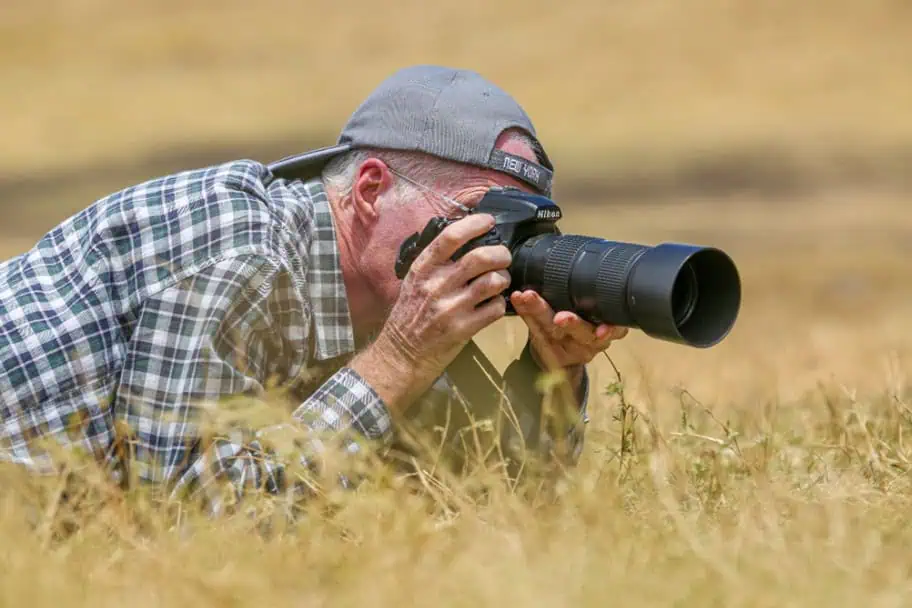
Tanzania is a paradise for photographers, offering breathtaking views from the vast savannas of Serengeti National Park to the towering heights of Mount Kilimanjaro, often referred to as the roof of Africa. But the allure of this country goes beyond its stunning landscapes and vibrant skies; it is also home to remarkable wildlife and enchanting tribes.
Imagine standing atop a termite mound, your camera poised to capture the sprawling plains, as the Maasai people stride gracefully by, adorned in their traditional colorful attire and wielding their spears. In this guide, we will delve into three essential elements every photographer should consider before embarking on a journey to Tanzania: the prime locations for wildlife photography, the optimal times for a photographic safari, and invaluable tips for snapping the perfect safari shot.
The Best Locations to Capture Tanzania’s Wildlife
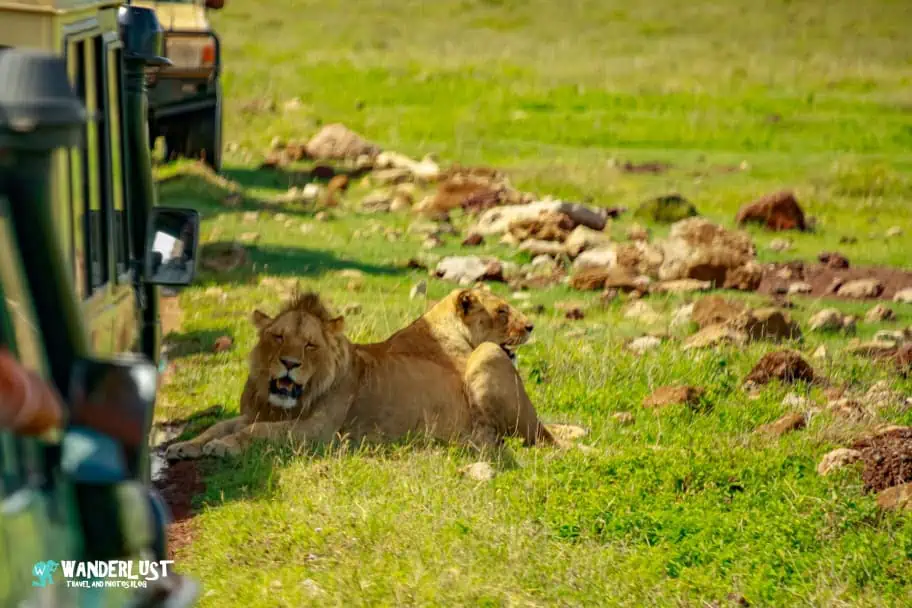
Tanzania boasts some of the most renowned wildlife parks in Africa, each providing distinct chances to capture breathtaking photographs. Simply choose one of the Tanzania Safari Holidays and experience this dream destination for photographers firsthand.
Serengeti National Park
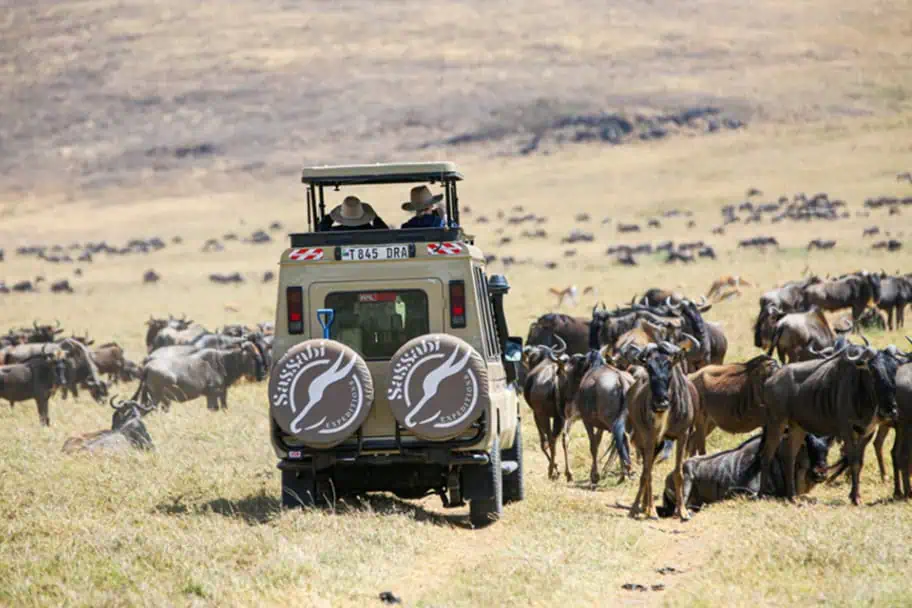
The Serengeti is famous worldwide for its spectacular annual migration, where more than a million wildebeest, zebras, and gazelles journey across the plains in pursuit of lush grazing lands. This migration presents a breathtaking scene that photographers dream of capturing—thousands of animals in motion, navigating rivers, and facing off against predators. Whether you’re taking sweeping wide-angle shots of the herds or honing in on the intense moments of predator and prey, the Serengeti is a treasure trove of photographic possibilities.
| READ MORE: |
 |
| Serengeti National Park Safari Guide |
The Ngorongoro Crater

Often referred to as the “Garden of Eden,” Ngorongoro Crater is an idyllic wildlife haven where animals roam freely within a collapsed volcanic caldera. It’s one of the best places to photograph the “Big Five” in one spot: lions, elephants, rhinos, leopards, and buffalo. The expansive grasslands and the backdrop of crater walls make for dramatic compositions, especially at sunrise or sunset when the light casts an ethereal glow over the landscape.
| READ MORE: |
 |
| Ngorongoro Crater Safari Guide |
Tarangire National Park
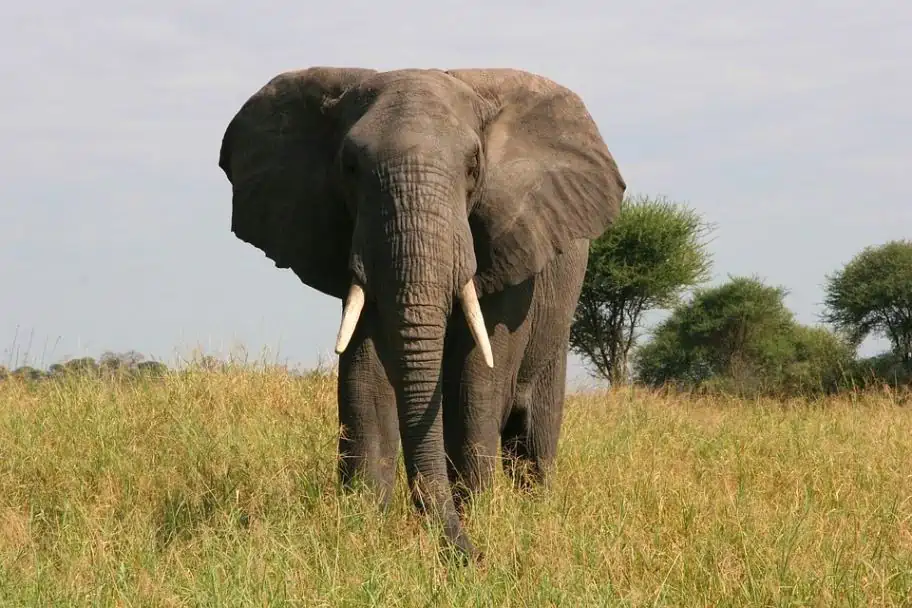
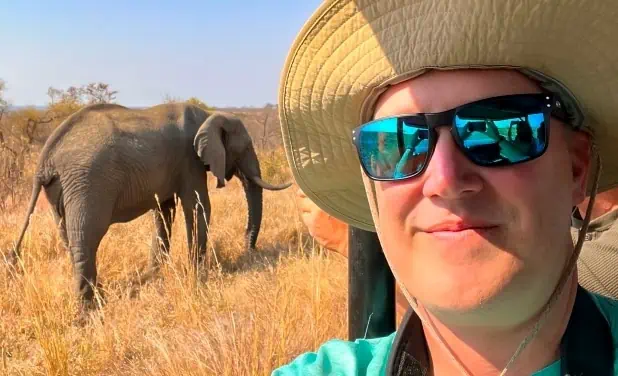
Known for its iconic baobab trees and large elephant herds, Tarangire is often overlooked by tourists, but its landscapes are rich with photographic potential. The towering trees create a stunning contrast against the clear African skies, and the park’s elephant herds are some of the largest in Africa. Capture the majesty of these gentle giants as they move through the savanna or pause to drink from the river.
Selous Game Reserve
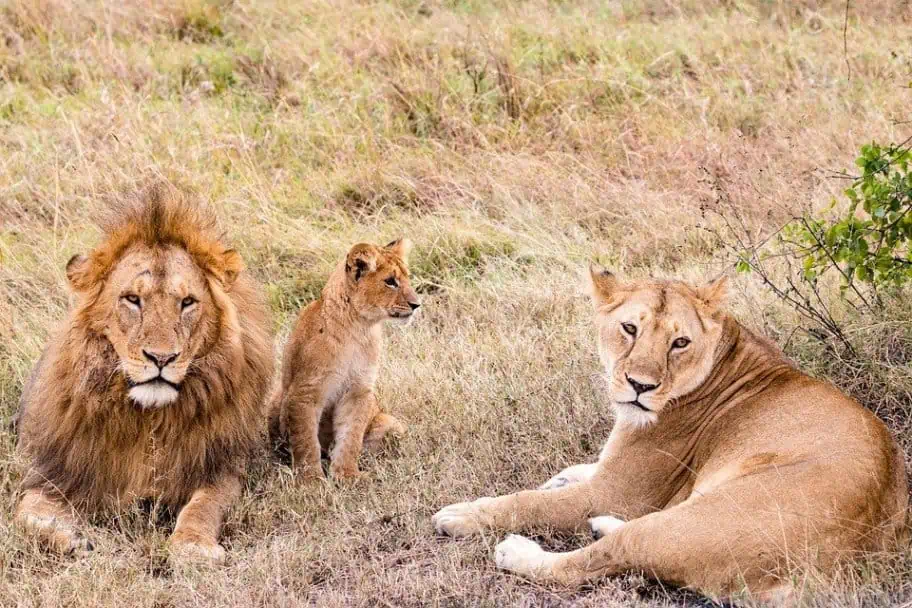
For those seeking a more secluded safari, Selous Game Reserve offers an off-the-beaten-path experience. The reserve’s remote location means fewer crowds and a more intimate connection with nature. Photographers here can capture serene river scenes, herds of buffalo wading in the water, and the vast, untouched wilderness that stretches for miles.
Lake Natron

For a completely different landscape, Lake Natron provides an otherworldly setting for photography. Known for its eerie red waters and salt flats, this alkaline lake attracts thousands of flamingos, making it a prime spot for bird photographers. The combination of the vibrant lake, the stark surroundings, and the pink flamingos creates a striking visual contrast that is a photographer’s dream.
Best Time for Photographic Safari in Tanzania

The timing of your safari plays a huge role in the quality of your photos. Early morning and late afternoon are the golden hours for photography, as the soft light highlights the textures of the landscape and wildlife. During these times, animals are most active, giving you the best chance to capture them in action.
- The Dry Season (June to October): This is the peak time for safaris, as animals tend to congregate around waterholes, making them easier to photograph. The light is also excellent during this period, especially in the Serengeti and Ngorongoro Crater.
- The Wet Season (November to May): While the rainy season brings lush green landscapes and fewer crowds, it can be trickier for photography due to the overcast skies. However, this is the best time to capture the dramatic beauty of the landscapes, lush vegetation, and the arrival of newborn animals.
| READ MORE: |
 |
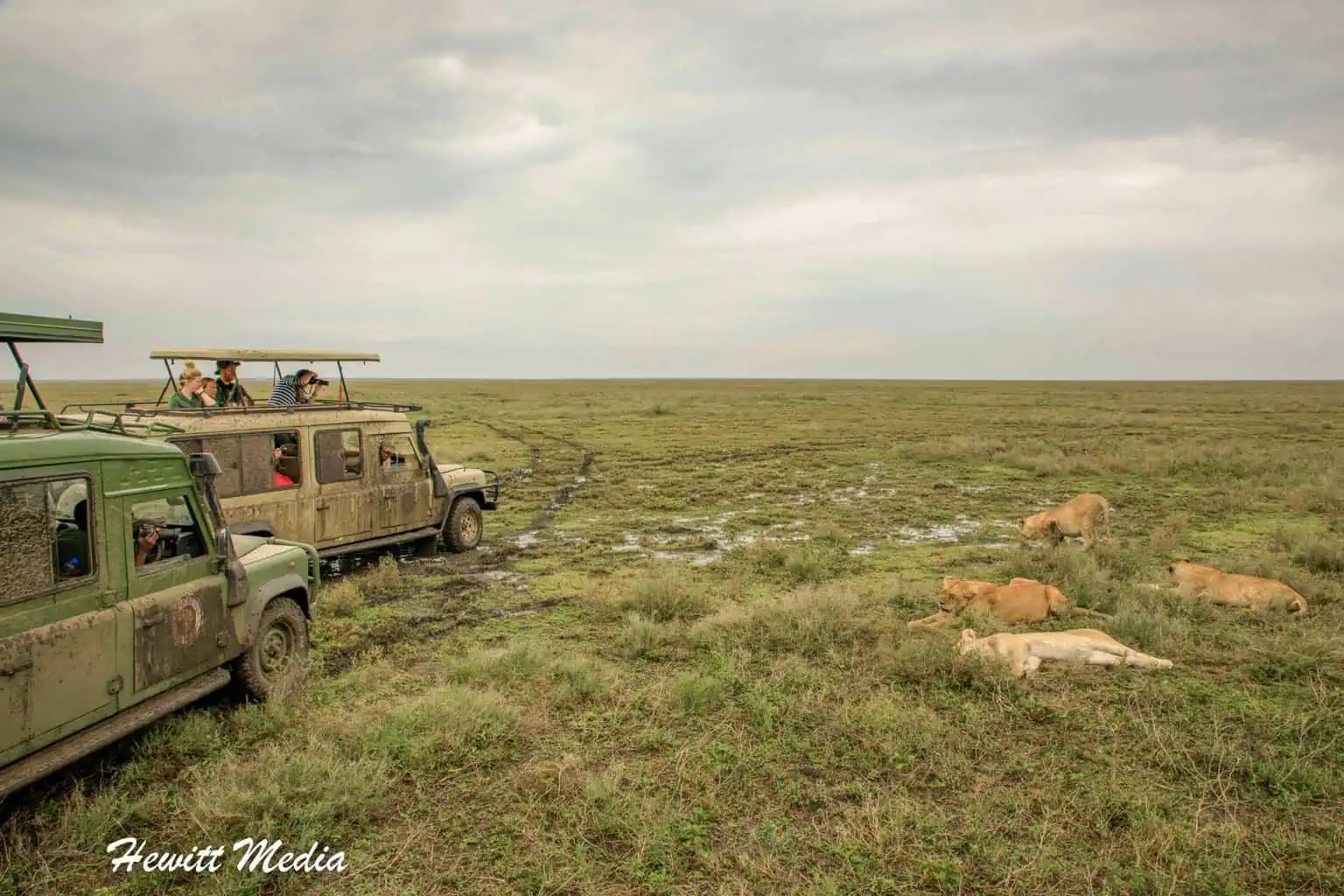
| Our Stuck in the Serengeti Adventure |
Tips for Capturing the Perfect Safari Shot

Patience is Key
Safari photography requires a lot of patience. Animals move at their own pace, and sometimes the perfect shot takes time to present itself. Sit quietly, observe, and wait for the right moment. Sometimes the most captivating images come from moments of stillness.
Use the Right Equipment
A good DSLR or mirrorless camera with a long zoom lens (200mm to 400mm) is ideal for wildlife photography. However, don’t forget a wide-angle lens for landscape shots, especially when capturing the vastness of the Serengeti or the sweeping plains of Tarangire.
Capture Behaviour, Not Just Portraits
While a close-up of a lion’s face or an elephant in the wild is stunning, capturing behaviour adds depth to your images. Focus on moments of interaction, such as a predator stalking its prey, elephants playfully interacting, or a cheetah sprinting across the savanna.
Embrace the Light
Early morning and late afternoon light create a warm, golden glow that enhances the mood of your photographs. Use backlighting to silhouette animals against the rising or setting sun, or shoot with the light to highlight details like dust or dew on the grass.
Respect the Wildlife
Always keep a safe distance from the animals, and avoid disturbing their natural behaviour. A good safari guide will help ensure that you get the best shots while respecting the animals and their environment.
| READ MORE: |
 |
| Tips for Photography on African Safaris |
Beyond the Wildlife: Capturing Tanzania’s Landscape and Culture
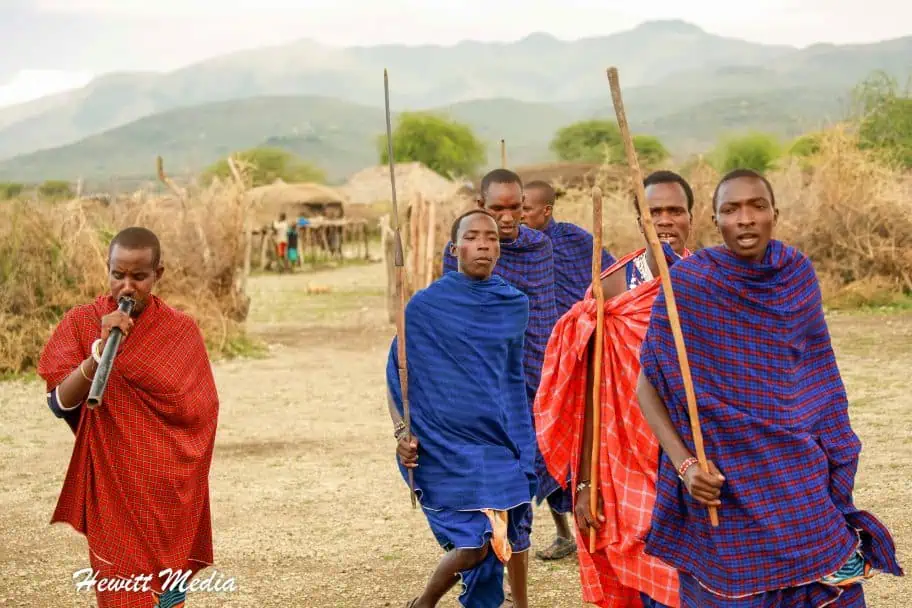
While wildlife may be the focal point of most safaris, Tanzania offers much more to the photographer. The landscape itself is breathtaking—rugged mountains, vast plains, and tranquil lakes provide endless inspiration. Don’t forget to capture the culture of Tanzania as well—whether it’s a Maasai village, a bustling market in Arusha, or the stunning traditional dance performances, the cultural diversity of Tanzania can add a beautiful layer to your photographic journey.
| READ MORE: |
 |
| How to Visit a Maasai Village in Tanzania |
Conclusion: Telling the Story Through Your Lens
A safari in Tanzania is more than just a chance to see animals; it’s an opportunity to capture the soul of Africa through your lens. Every shot tells a story—of animals on the move, of landscapes bathed in golden light, and of moments that will never be forgotten. Whether you’re photographing the dramatic migration of wildebeest across the Serengeti or the serenity of a lone elephant under a baobab tree, Tanzania offers a rich tapestry of scenes waiting to be immortalized.
So, grab your camera, pack your bags, and get ready to explore Tanzania’s untamed beauty. It’s waiting for you to tell its story—one photograph at a time.
About the Author

Sassabi Expeditions
Discover Sassabi Expeditions; a leading Tanzania Safaris Specialist. A Luxury Safaris Tour Operator, crafting Authentic Safari experiences in Africa, across Tanzania all a while preserving Africa’s Wildlife. Sassabi Expeditions has built a reputation for creating authentic safari experiences designed to explore the natural beauty of Tanzania.
Don’t Forget to Subscribe to My Adventures!

Let Me Help You Save On Your Next Adventure!
‘Start Exploring Today’ Merchandise Available Now!
 |
 |
 |
 |
 |
 |
 |
















Leave a Reply