Traveling with photography gear can be daunting. Whether you’re heading to an exotic location, a bustling city, or the scenic countryside, keeping your expensive camera gear safe and accessible while adhering to airline regulations can be overwhelming. Making sure you pack photography gear efficiently is key to both protecting your equipment and ensuring it’s easily accessible when you need it most.
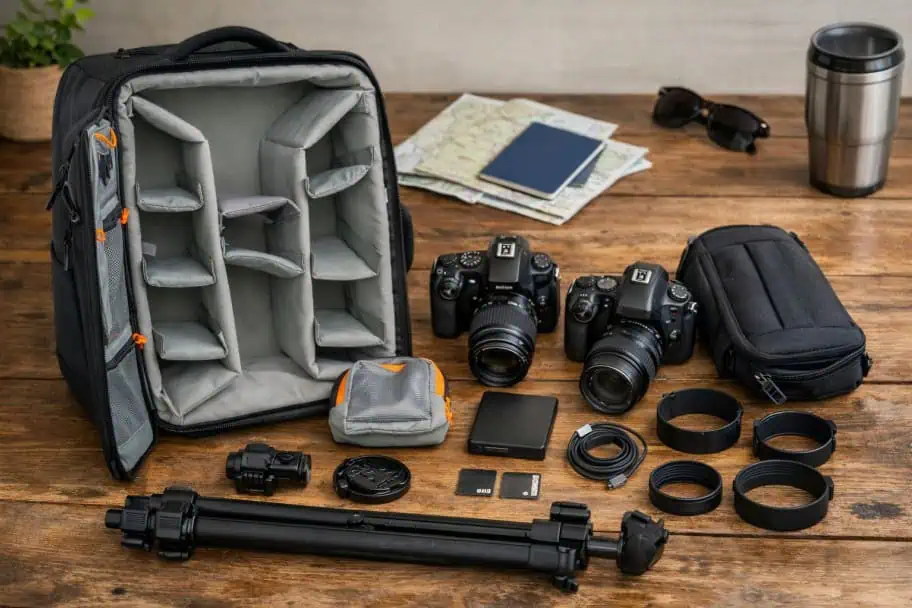
In this guide, we’ll cover the essential tips and items you should consider when packing your photography gear for your next adventure, with a special focus on carry-on essentials and important airline policies like the American Airlines carry-on policy.
30-Second Summary
- Packing photography gear for a trip requires careful consideration of protection, accessibility, and airline regulations. Essential items include a reliable camera bag, multiple lenses, memory cards, spare batteries, a tripod, and cleaning supplies.
- Ensure your gear fits within carry-on size limits, such as those outlined in the American Airlines carry-on policy.
- By organizing your gear, using dividers, and protecting your equipment from the elements, you’ll be prepared for any photo opportunity while traveling.
The Importance of Packing Smartly

When it comes to photography gear, especially when traveling by air, one of the biggest challenges is ensuring that your equipment is not only safe but also complies with airline policies. Airport security, baggage handlers, and limited overhead bin space all pose potential threats to your gear. Packing smartly ensures your equipment stays protected, easily accessible, and in compliance with airline regulations.
A well-packed camera bag isn’t just about protecting your expensive equipment; it’s about convenience and efficiency. Being able to quickly grab your camera and lenses when an unexpected photo opportunity arises can make all the difference between capturing the perfect shot or missing it entirely.
Choosing the Right Camera Bag
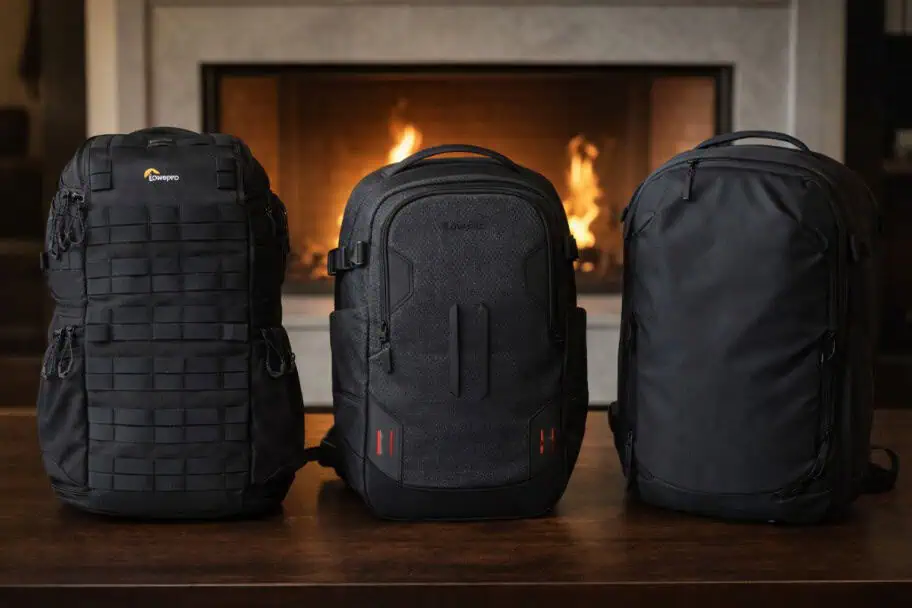
The first step in packing your photography gear is choosing the right camera bag. Your bag is the foundation of your gear organization and protection. A travel camera bag should ideally be compact, durable, and able to hold all your essentials. Look for bags that have padded compartments for your camera body, lenses, and accessories.
A backpack-style camera bag is often a favorite among travelers. Not only does it allow you to distribute the weight evenly across your shoulders, but it also gives you easy access to your gear while on the move. A shoulder bag might be more comfortable for short trips or day hikes, but it can lead to uneven weight distribution, which can become uncomfortable during longer travel days.
Many photography bags are designed to fit within carry-on size limits, which is an essential consideration when traveling by air. However, before packing, make sure to check the specific American Airlines carry-on policy, which outlines the size and weight limits for personal items and carry-on luggage. Generally, most camera bags will fit within the airline’s dimensions, but it’s always best to double-check.

What to Pack: Essential Photography Gear
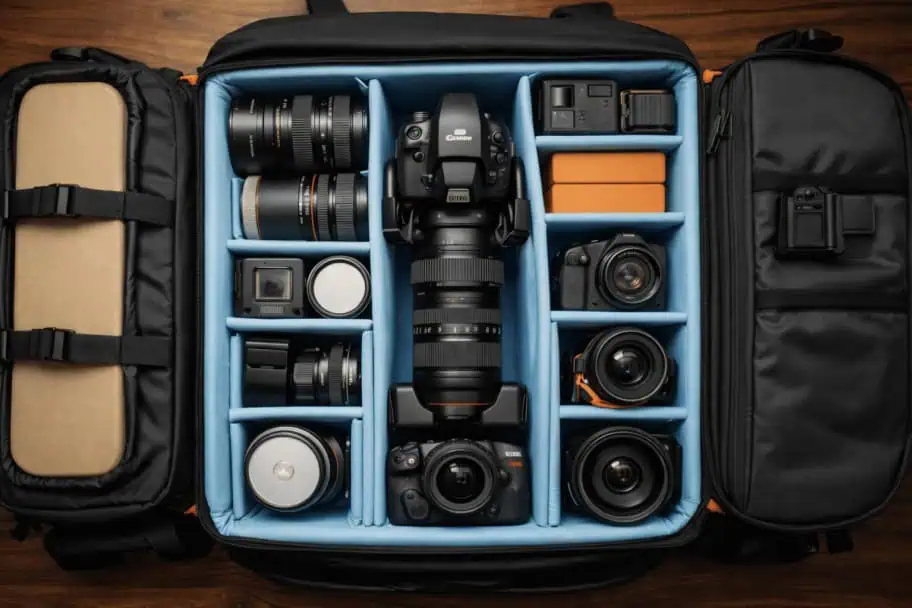
Now that you’ve chosen the right camera bag, it’s time to pack your gear. Here’s a breakdown of the essentials you should never leave behind:
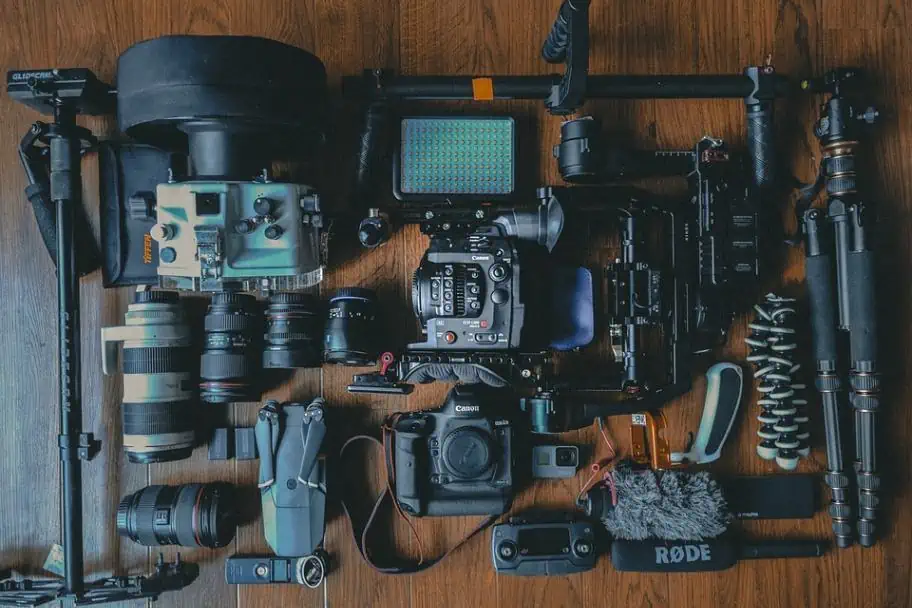
Camera Body and Lenses
Your camera body is obviously your most important item, and it should always be in your carry-on bag. For lenses, it’s a good idea to bring a few versatile options. A standard zoom lens (like a 24-70mm) and a prime lens (like a 50mm f/1.8) are excellent choices for most photographers. If you’re traveling to a specific type of environment, like a wildlife destination, you might consider bringing a telephoto lens (such as a 70-200mm).
Always pack your lenses in padded compartments, as they are delicate and can easily be damaged if they come into contact with other hard objects. Many bags come with customizable dividers, which can help you keep your gear organized and protected.
Memory Cards and Batteries
Memory cards are small but incredibly important. Always pack more than you think you’ll need. Running out of space in the middle of a photo shoot or losing a card due to a technical malfunction can be a photographer’s worst nightmare. Consider packing a portable card reader to help back up your images during your journey.
Batteries are equally crucial. Photographers often underestimate how much battery life they’ll need, especially on long days of shooting. Always bring at least two or three spare batteries for your camera, and make sure they’re stored so they don’t come into contact with metal objects that could cause a short circuit. Many camera bags come with dedicated battery compartments, which can help keep batteries organized and easily accessible.
Tripod or Monopod
A tripod or monopod can be essential for capturing long-exposure shots, landscapes, or self-portraits. Some airlines allow small tripods in carry-on luggage, but always check the specific American Airlines carry on policy to ensure your tripod won’t be flagged as oversized or excessive. If your tripod is on the larger side, you might want to opt for a more compact version or consider using a monopod, which is typically smaller and lighter.
Filters and Lens Hoods
Filters, like UV or ND (neutral density) filters, are great for protecting your lenses and creating special effects. They don’t take up much space in your camera bag and can easily be slipped into a lens case. Lens hoods are also essential for minimizing lens flare and protecting your lenses from impacts. Both filters and lens hoods should be packed securely in small pouches or dedicated compartments to prevent scratching or damage.
Laptop or Tablet
If you plan to edit your photos on the go, a laptop or tablet with editing software is essential. A lightweight tablet or ultrabook can save space and weight, and many photographers now rely on apps like Lightroom or Photoshop on mobile devices for quick editing. Make sure your device is safely packed in a separate padded compartment to avoid damage during transit.
Cleaning Supplies
Dust, fingerprints, and smudges can all affect the quality of your photos. It’s essential to carry a lens cleaning cloth, a blower brush, and lens wipes. These items are small, lightweight, and easy to pack in any bag, but they’re invaluable for keeping your gear in shape while on the move. Always keep your camera lens clean and free of debris to ensure your photos remain crisp and clear.
Airline Regulations: Knowing the Rules
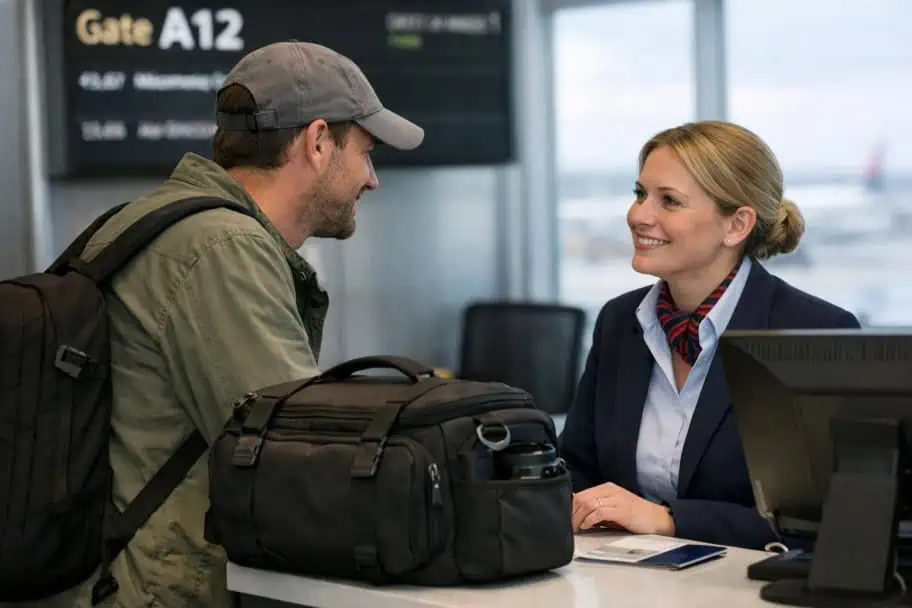
When traveling with photography gear, understanding airline regulations is key. Each airline has specific rules about what you can and cannot bring on board, and this can vary depending on the size of the aircraft, the region, or even the class you’re traveling in.
For example, American Airlines carry-on policy specifies that each passenger can bring one carry-on bag and one personal item, such as a camera bag. The carry-on bag must fit within the size restrictions—22 x 14 x 9 inches (56 x 35 x 23 cm) —and it’s important to ensure that your camera bag fits within these dimensions. While personal items can include a backpack, purse, or laptop case, it’s crucial to pack your camera gear so it stays within the allowed limits.
If you’re traveling internationally, check with your airline to see whether there are any specific rules for bringing camera gear, as some countries have more restrictive policies regarding the size and weight of carry-on items.
Tips for Organizing Your Gear
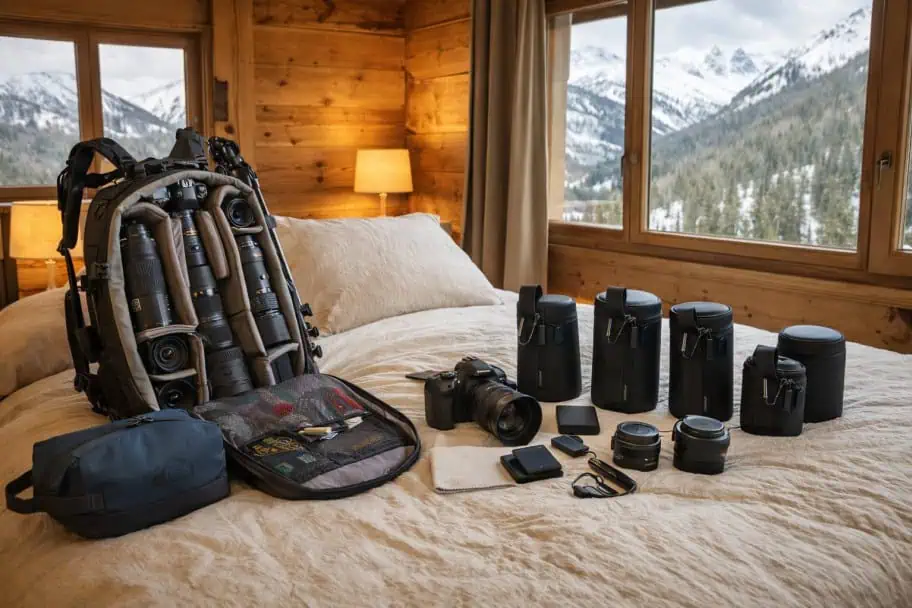
Packing your gear in an organized way not only ensures that it’s easy to access but also maximizes the limited space in your carry-on bag. Here are some tips to help you pack efficiently:
- Use Dividers: Many camera bags come with customizable dividers that let you create dedicated compartments for each piece of equipment. This ensures that everything stays in place and doesn’t bump into each other.
- Keep Items Accessible: Make sure the items you need most frequently, such as your camera body and lenses, are easy to reach. The last thing you want is to dig through your bag at a moment when you could capture a moment.
- Pack Extra Accessories: Small items like extra lens caps, cleaning kits, and cables should be packed in external pouches or mesh compartments, so they don’t get lost in the bottom of your bag.
- Distribute Weight Evenly: If you’re traveling with multiple lenses and accessories, try to distribute the weight evenly across your bag. This will reduce strain on your body and help you stay comfortable during long days of travel.
Protecting Your Gear from the Elements
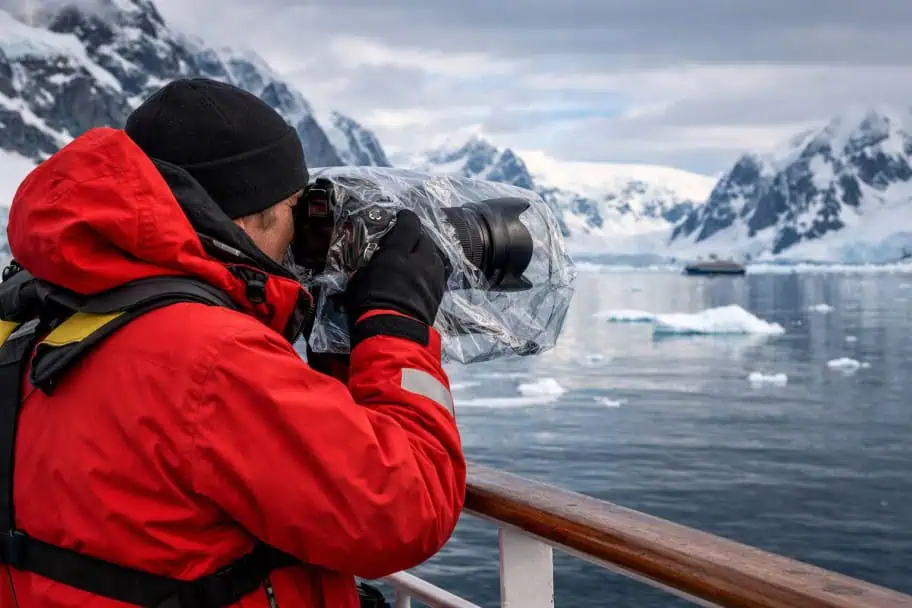
Traveling means encountering various weather conditions that can be challenging for your camera gear. Consider packing weather-resistant covers for your camera and lenses, especially if you’ll be visiting areas with rain, snow, or extreme heat. There are plenty of affordable options available that fit over your camera bag, providing an extra layer of protection.
Conclusion
Packing your photography gear for a trip can seem like a hassle, but with careful planning, you can ensure your equipment is well-protected, accessible, and compliant with airline regulations. By choosing the right camera bag, knowing what to pack, understanding airline rules like the American Airlines carry-on policy, and organizing your gear effectively, you’ll be ready to capture amazing images no matter where your travels take you.
About the Author

Sophia Miller
Sophia Miller is a passionate writer who explores various eras in her work, skillfully weaving historical narratives. Her loyal companion, Max, a Labrador Retriever, adds inspiration to her creative journey. Sophia’s dedication to her craft shines through in her engaging storytelling.
Don’t Forget to Subscribe to My Adventures!

Let Me Help You Save On Your Next Adventure!
‘Start Exploring Today’ Merchandise Available Now!
 |
 |
 |
 |
 |
 |
 |


















Leave a Reply