Stepping up to an iconic landmark only to find it packed with visitors can make capturing a clean, compelling photo feel impossible. But with the right approach, you can create images that feel serene, intentional, and free of distractions. These landmark photography tips help you rethink timing, angles, and technique so you can photograph world‑famous sites in a way that feels personal and uncluttered.
Crowds tend to move in predictable rhythms, and understanding those patterns gives you a major advantage. Light also plays a huge role—soft sunrise glow, dramatic off‑season weather, or quiet weekday afternoons can transform even the busiest destinations. By combining smart planning with creative composition, you can consistently find moments where the landmark stands alone.

This article explores the top 10 strategies for capturing iconic landmarks without the crowds, from early‑morning shooting to scouting hidden angles. These landmark photography secrets will help you approach popular destinations with confidence, patience, and a photographer’s eye for timing. Whether you’re traveling abroad or exploring closer to home, these techniques will elevate your images and make your travel photography feel truly unique.
Arrive Before Sunrise
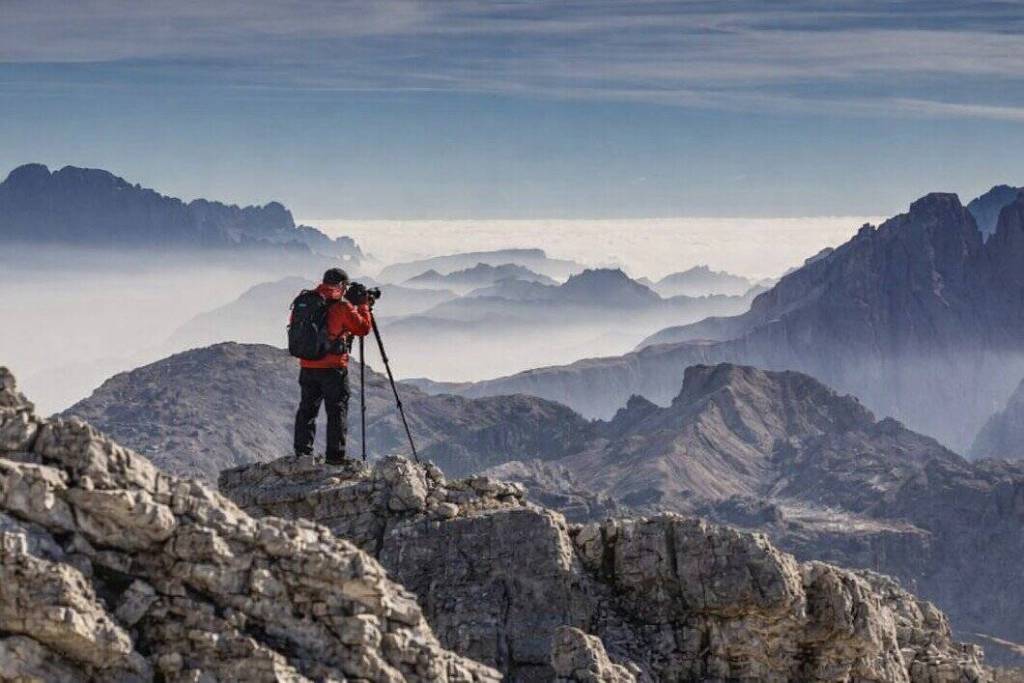
Arriving before sunrise is the most reliable way to photograph iconic landmarks without crowds. The soft morning light adds atmosphere, and the quiet surroundings let you compose freely. This early window often gives you the landmark entirely to yourself, creating images that feel calm, intentional, and beautifully untouched.
The moments before sunrise offer a blend of stillness and anticipation. As the sky shifts from blue to gold, you can capture silhouettes, reflections, and wide shots without people stepping into your frame. These early hours are among the most effective landmark photography tips for travelers seeking clean, uninterrupted compositions.
Shoot on Weekdays
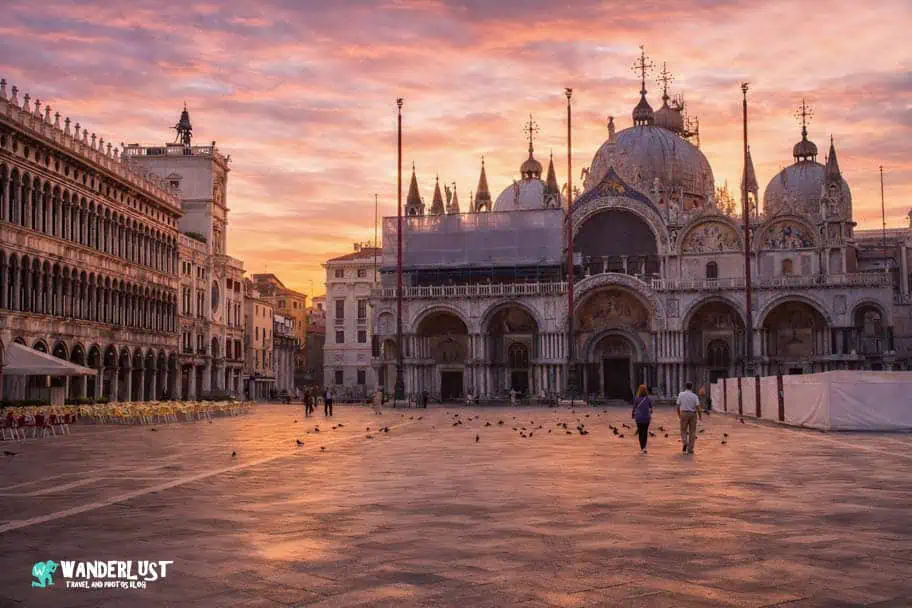
Weekdays are a secret weapon for crowd‑free landmark photography. Tourist traffic drops significantly from Monday to Thursday, giving you more freedom to explore angles and experiment with composition. Even popular sites feel more accessible, allowing you to shoot without constant interruptions or blocked viewpoints.
Shooting on weekdays also helps you avoid long lines and congested areas. You can move between locations faster and take advantage of quieter moments. This simple shift in timing can dramatically improve your results, especially when paired with early starts or off‑season travel for even fewer crowds.
Visit During Off‑Season

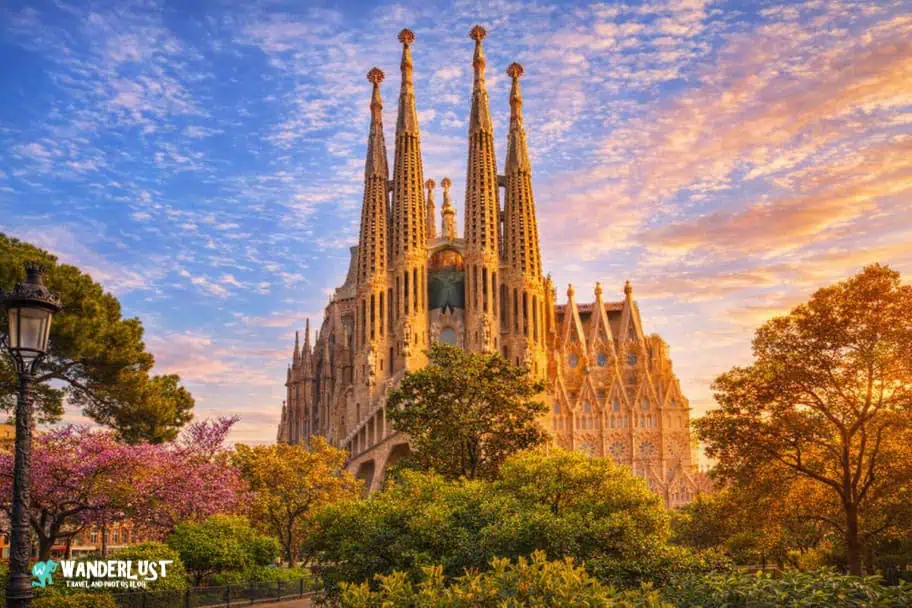
Off‑season travel transforms busy landmarks into peaceful spaces. Cooler weather, shorter days, or shoulder‑season months often mean fewer visitors. This gives you more time to explore, wait for perfect light, and capture scenes that feel authentic rather than overwhelmed by crowds or constant foot traffic.
Visiting during off‑season also lets you photograph seasonal moods—misty mornings, dramatic skies, or soft winter light. These conditions create unique atmospheres that elevate your images. Many landmark photography secrets rely on timing, and off‑season travel is one of the most effective ways to achieve crowd‑free shots.
Use Patience and Timing
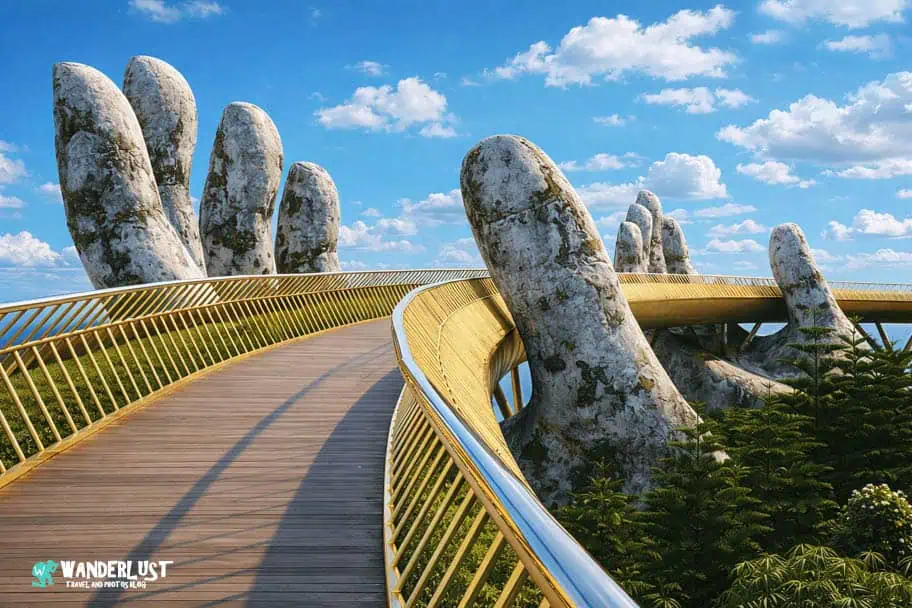
Even at busy landmarks, patience can make all the difference. Crowds move in waves, and waiting just a few minutes can open up a clean frame. Watch how people flow through the space, anticipate gaps, and be ready to shoot the moment the scene clears for a clean, uninterrupted composition.
Timing is a powerful tool for photographers. Observing patterns—tour groups leaving, families pausing, or visitors shifting positions—helps you capture clean shots without rushing. These subtle strategies are essential landmark photography tips that elevate your ability to photograph iconic sites naturally.
Leverage Long Exposures
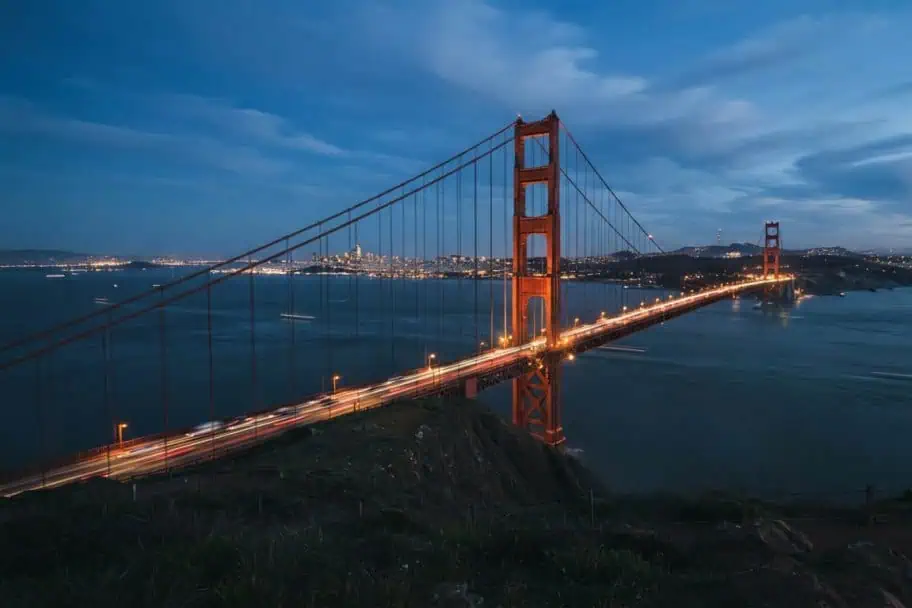
Long exposures can blur or erase moving crowds, giving you clean images even in busy locations. Using a tripod and neutral‑density filter allows you to slow your shutter speed, turning people into soft streaks or removing them entirely from the frame while keeping the landmark sharp and clear.
This technique works especially well at fountains, plazas, and historic squares. While stationary objects remain crisp, moving tourists disappear, leaving you with a serene, uncluttered composition. Long exposures add artistry while solving the challenge of crowded spaces, especially in popular destinations.
Shoot Tight Details
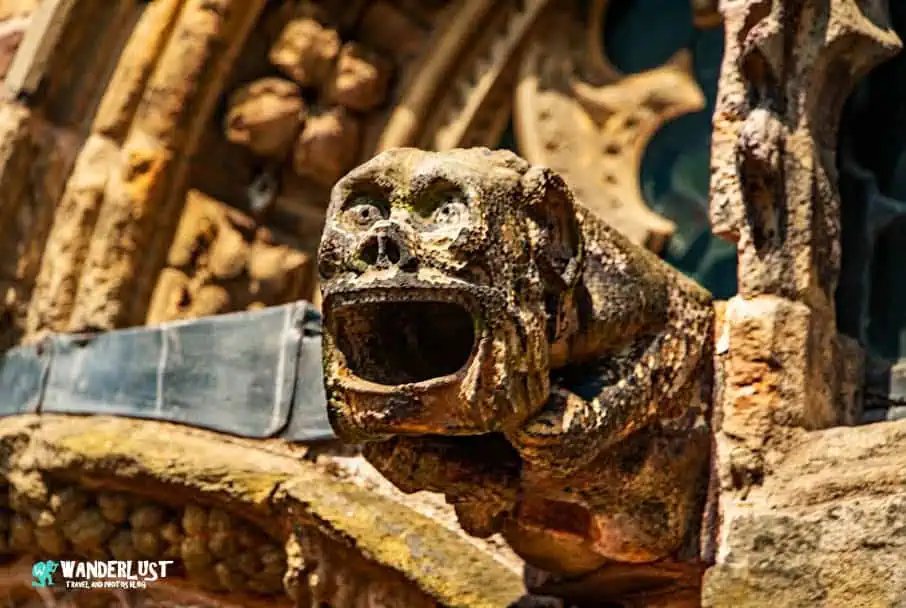
Tight detail shots let you focus on craftsmanship rather than crowds. Zooming in on carvings, textures, patterns, or architectural elements creates intimate images that highlight the landmark’s character without showing busy surroundings or constant movement in the background.
This approach is perfect for moments when crowds are unavoidable. By isolating small sections, you create visually compelling images that feel intentional and artistic. Many landmark photography secrets rely on shifting perspective, and detail shots are one of the most effective ways to do that.
Scout Locations First

Scouting a landmark before your main shoot helps you find angles others overlook. Walk the perimeter, explore side streets, and note how light interacts with the structure. This preparation gives you confidence and clarity when you return with your camera at the ideal time of day.
Scouting also helps you identify crowd patterns and quiet corners. You’ll know exactly where to stand when the light is right, and the space clears. These planning habits are underrated landmark photography tips that dramatically improve your results and reduce frustration during busy travel days.
| READ MORE: |
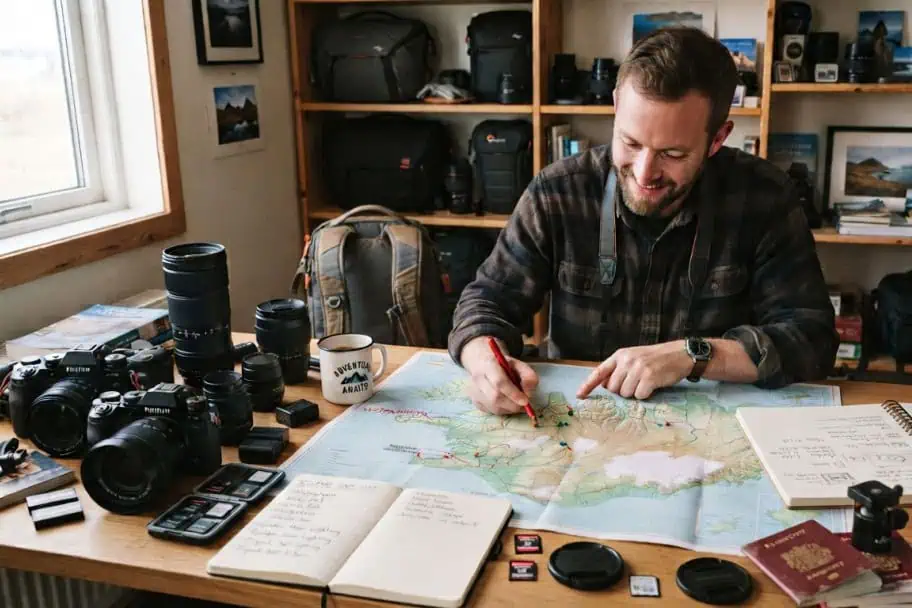 |
| Planning Your Travel Photos |
Use Framing Elements
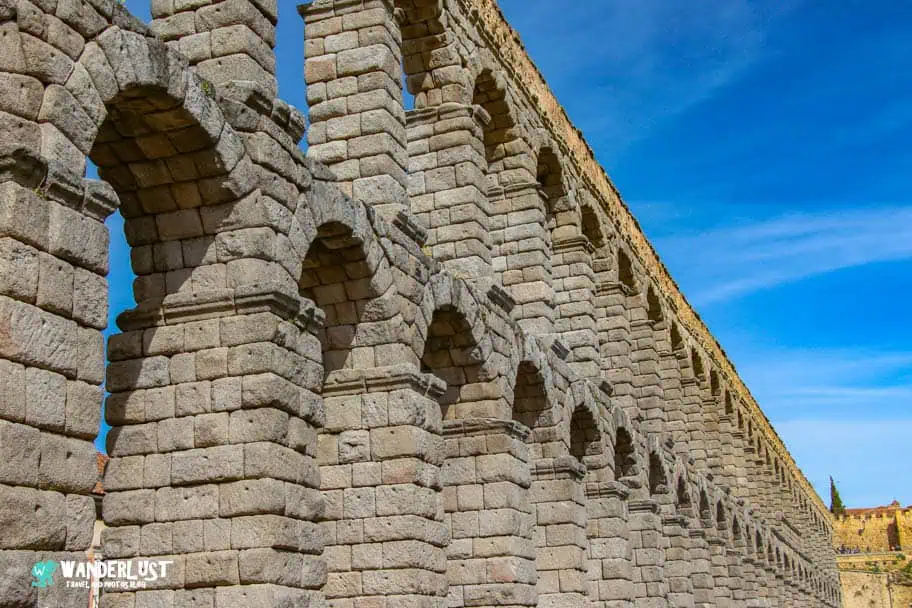
Framing elements like trees, arches, doorways, or columns help hide crowds and add depth to your images. These natural or architectural frames guide the viewer’s eye and create a more immersive composition that feels intentional and visually layered.
Using framing elements also lets you shoot from angles that tourists rarely occupy. By positioning yourself creatively, you can block distractions and highlight the landmark’s beauty. This technique works especially well in historic districts and garden settings where structures naturally create frames.
Use Elevation

Elevation changes everything. Shooting from rooftops, terraces, hills, or staircases gives you a clean perspective that avoids ground‑level crowds. Elevated angles also reveal patterns, symmetry, and scale that aren’t visible from below, making your images feel more dynamic and expansive.
Higher viewpoints often provide uninterrupted sightlines, letting you capture the landmark in its full context. This strategy is one of the most reliable landmark photography secrets, especially in dense urban areas where crowds gather at street level and block traditional shooting angles.
Find Hidden Angles
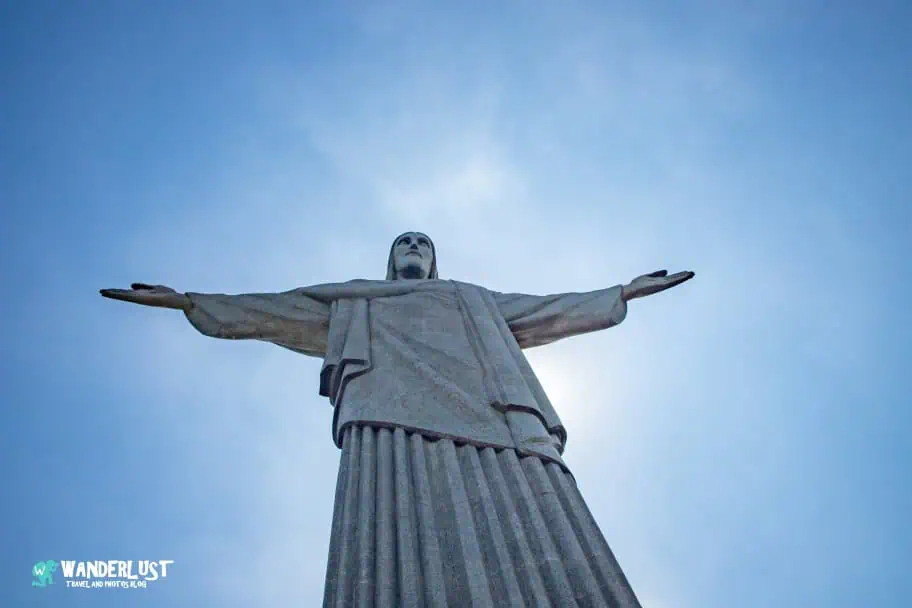
Hidden angles bring fresh life to iconic landmarks. Explore alleys, nearby parks, waterfronts, or side streets to find unique perspectives. These unexpected viewpoints often reveal quieter, more artistic compositions that feel personal and original compared to typical tourist shots.
Hidden angles also help you avoid the busiest viewpoints entirely. By stepping away from the main crowd zones, you can capture the landmark in a way that feels new and uncluttered. These creative approaches are powerful landmark photography tips that help your images stand out from common travel photos.
Don’t Forget to Subscribe to My Adventures!

Let Me Help You Save On Your Next Adventure!
‘Start Exploring Today’ Merchandise Available Now!
 |
 |
 |
 |
 |
 |
 |


















Leave a Reply