Vacations are supposed to help us relax, recharge, and experience new places at a more enjoyable pace. However, many travelers unintentionally create an overpacked vacation itinerary that leaves them feeling stressed, exhausted, and overwhelmed before the trip is even over. While it’s tempting to squeeze every attraction, restaurant, and photo opportunity into a limited amount of time, trying to do too much can actually reduce the quality of your travel experience.

In an age where social media highlights seemingly endless adventures and bucket-list destinations, many travelers feel pressure to maximize every minute of a trip. The result is often long days, rushed sightseeing, and little opportunity to truly enjoy the places they’ve traveled so far to see. If you recognize any of the following signs, your vacation plans may need a little more breathing room.
| READ MORE: |
 |
| Top 10 Travel Mistakes and How to Avoid Them |
Signs You Have an Overpacked Vacation Itinerary

One of the most common symptoms of an overpacked vacation itinerary is feeling like every minute must be productive. Instead of viewing a vacation as an opportunity to enjoy a destination, travelers begin treating it like a checklist that must be completed.
While having goals for a trip is important, leaving no room for flexibility can quickly turn excitement into stress. The purpose of travel is not simply to see more places. It is to create meaningful experiences and lasting memories.
Your Days Are Scheduled Hour by Hour

Planning ahead can save time and help you avoid missing important attractions. However, when every hour of every day is scheduled, there’s little room for spontaneity.
Perhaps you’ve assigned exact times for breakfast, sightseeing, lunch, additional attractions, dinner reservations, and evening activities. At first glance, this level of organization may seem efficient. In reality, it often creates pressure throughout the day.
If any activity takes longer than expected, the entire schedule can feel disrupted. Rather than enjoying your destination, you end up worrying about staying on track.
When you’re trying to do too much, the itinerary starts dictating the vacation instead of supporting it.
You Spend More Time Traveling Than Exploring

Moving between destinations is an unavoidable part of travel, but there comes a point when too much transportation becomes a problem.
Many travelers attempt to visit multiple cities, regions, or attractions in a short amount of time. They spend hours driving, flying, or riding trains only to spend a brief period at each destination before moving on again.
Ask yourself a simple question: Are you spending more time getting somewhere than actually being there?
If the answer is yes, your overpacked vacation itinerary may be reducing the amount of time available to fully experience the places you’ve chosen to visit.
| READ MORE: |
 |
| Planning the Logistics of Your Trip |
You’re Constantly Checking the Clock

A vacation shouldn’t feel like a race.
If you’re regularly checking your phone or watch to see how much time remains before the next scheduled activity, it’s a sign that your schedule may be too ambitious.
Many travelers begin the day worrying about reaching their first attraction. Then they spend the entire day calculating how long they can stay before moving on to the next stop.
Instead of enjoying the present moment, they remain focused on what comes next.
This is one of the clearest signs you’re trying to do too much and not giving yourself enough time to enjoy where you are.
Every Attraction Starts to Blend Together

When you visit too many places too quickly, your brain doesn’t have sufficient time to process each experience.
At first, every attraction feels exciting and unique. But after several days of nonstop sightseeing, you may notice that destinations begin to blur together in your memory. Museums, viewpoints, neighborhoods, and landmarks become difficult to distinguish from one another.
This often happens because there isn’t enough downtime between experiences.
Slow travel allows you to absorb details, connect emotionally with places, and create stronger memories. By contrast, an overpacked vacation itinerary can make even world-class attractions feel forgettable.
Meals Become Rushed Stops

One of the greatest pleasures of travel is enjoying local food and culture. Whether you’re sampling street food in Bangkok, enjoying seafood along the coast, or relaxing in a neighborhood café, meals often become some of the most memorable parts of a trip.
Unfortunately, travelers who try to do too much often view meals as interruptions to their schedules.
They grab quick snacks, eat while walking, or rush through restaurants to stay on pace with their itinerary.
If food has become little more than fuel between attractions, your travel plans may be too ambitious.

You Feel Exhausted After Only a Few Days
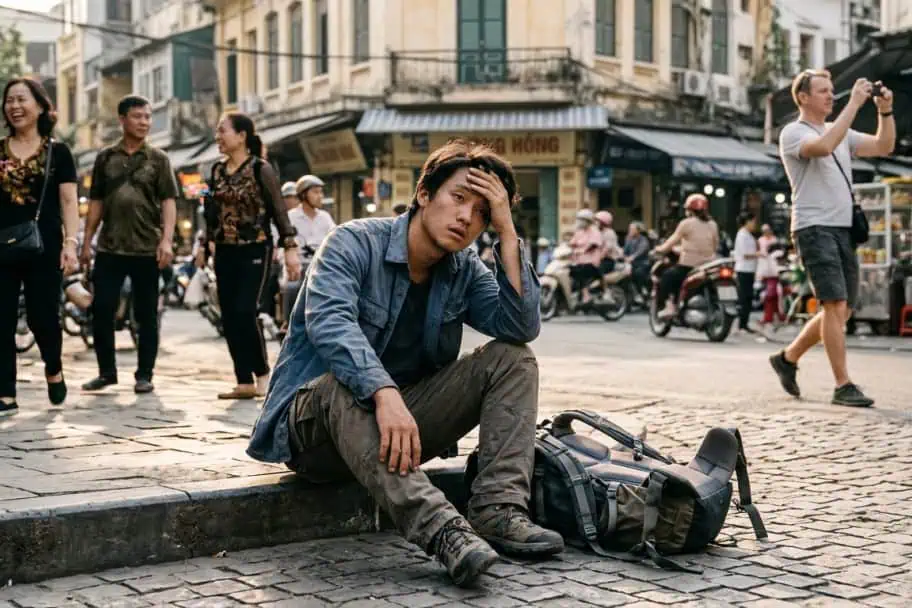
Travel naturally requires energy. Long walks, sightseeing, transportation, and unfamiliar environments can all be physically demanding.
However, there is a significant difference between being pleasantly tired and completely worn out.
If you find yourself struggling to get out of bed, feeling irritable, or lacking enthusiasm just a few days into your trip, it may indicate that you’re pushing yourself too hard.
Many travelers underestimate the cumulative impact of consecutive days packed with activities. An overpacked vacation itinerary can be surprisingly draining, especially on longer trips.
Building rest into your vacation doesn’t waste time. It helps ensure that you have the energy needed to enjoy the experiences that matter most.

You’re Skipping Things You Actually Enjoy

Ironically, travelers can become so focused on checking off attractions that they neglect the activities they genuinely enjoy.
For example, a photographer may skip sunrise opportunities because the schedule is too full. A nature lover may rush through a scenic hike to reach another attraction. Someone who enjoys relaxing at cafés may never have time to sit and enjoy one.
When you’re trying to do too much, priorities often become confused. The vacation shifts from doing what you love to simply doing more.
You Have No Time for Unexpected Discoveries

Some of the best travel experiences are completely unplanned.
Maybe you stumble upon a local festival, discover a scenic trail, find a hidden viewpoint, or receive a recommendation from a resident. These moments frequently become the highlights people remember years later.
However, they require flexibility. If every hour of your trip is already committed, there is little opportunity to make unexpected discoveries.
A less crowded schedule allows you to follow your curiosity. This often leads to richer experiences than those found on a rigid itinerary.
You Feel Disappointed Despite Seeing So Much

Many travelers assume that seeing more will automatically make a trip more satisfying.
Surprisingly, the opposite is often true.
People with an overpacked vacation itinerary frequently return home feeling underwhelmed despite accomplishing everything they planned to do. They saw dozens of attractions but never felt connected to any of them.
The underlying issue is that memorable travel experiences require attention, engagement, and time. Simply passing through a destination is not the same as experiencing it.
You Need Days to Recover After Returning Home

The final and perhaps most obvious sign is needing a recovery period after your vacation ends.
A successful trip may leave you tired in a good way, but it shouldn’t leave you feeling completely depleted.
If returning home feels like the beginning of another recovery project, there’s a good chance you were trying to do too much throughout your travels.
Vacations should help restore your energy and enthusiasm. When they have the opposite effect, it’s worth reconsidering your approach to future trip planning.
How to Avoid Overpacking Your Vacation

If any of these signs sound familiar, the solution isn’t necessarily doing less travel. It’s creating a more balanced approach.
Consider these strategies when planning your next trip:
- Choose fewer must-see attractions.
- Stay longer in each destination.
- Schedule downtime every day.
- Leave room for spontaneous discoveries.
- Build realistic travel times into your plans.
- Focus on quality experiences rather than quantity.
- Accept that you won’t see everything in one visit.
Remember that every destination will still be there if you decide to come back later.
Final Thoughts
An overpacked vacation itinerary may seem like the best way to maximize your travel investment, but it often leads to stress, exhaustion, and missed opportunities for meaningful experiences. If you’re constantly watching the clock, rushing through attractions, or feeling overwhelmed by your schedule, you may be trying to do too much.
The most rewarding trips are rarely the ones with the longest checklist. Instead, they’re the ones that provide enough time to appreciate a destination, connect with its culture, and enjoy the journey itself. By slowing down and giving yourself room to breathe, you’ll often discover that you enjoy more by doing less.
Don’t Forget to Subscribe to My Adventures!

Let Me Help You Save On Your Next Adventure!
‘Start Exploring Today’ Merchandise Available Now!
 |
 |
 |
 |
 |
 |
 |




















Leave a Reply