Vietnam Travel
LAST UPDATED: 11/6/25 – Vietnam Travel Resources
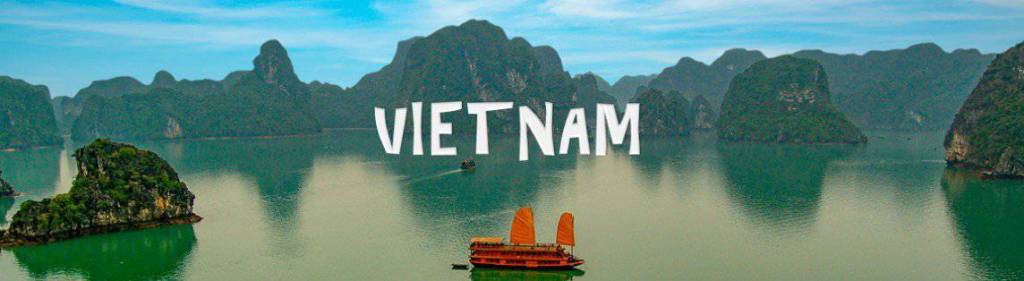
Not only is Vietnam quickly becoming one of Southeast Asia’s hottest travel destinations, but it is also becoming a hot spot for travelers worldwide. From the bustling streets of Hanoi, where the aroma of street food wafts through the air, to the serene landscapes of Ha Long Bay, dotted with limestone islands, Vietnam travel presents a diverse array of experiences to enjoy.
Visitors can explore ancient temples, vibrant markets, and colonial architecture, all while immersing themselves in the warm hospitality of the Vietnamese people. The culinary scene is particularly noteworthy, with dishes like pho and banh mi showcasing the unique flavors and ingredients that define Vietnamese cuisine. Each region boasts its own specialties, making food a central part of the travel experience.
Please use this Vietnam travel page as you plan your next adventure. To help you navigate the information I have included on this page, I have provided a quick navigation menu for you to use below. This will make it quick and easy for you to see which top destinations I recommend, which popular parks and destinations in Vietnam you should consider visiting, and links to all of the travel guides, itineraries, and packing articles I have written to help you plan your adventure.
I have also included some key information you will need when planning your travel to Vietnam. Information such as the languages spoken, the currency used, emergency contact numbers to be aware of, VISA and passport considerations, required vaccinations, and important driving information (if you plan on driving while on your visit).


Top Things to See
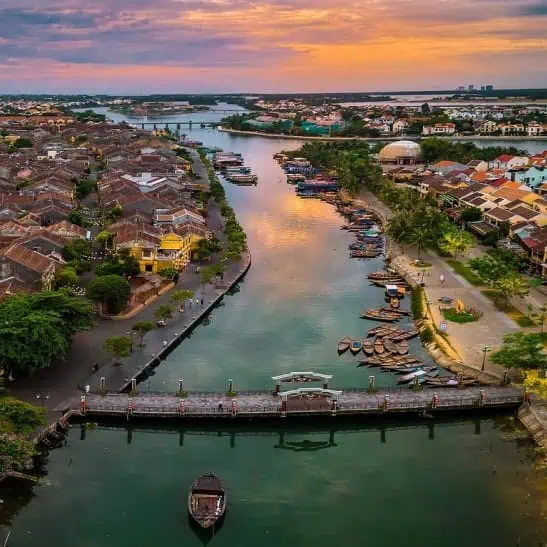
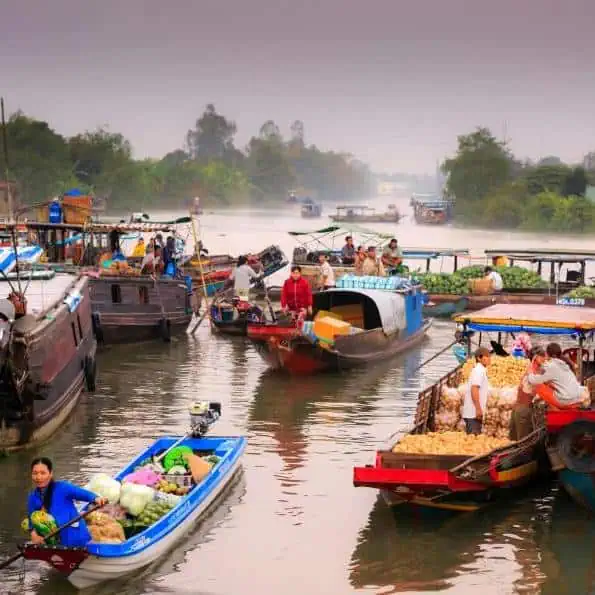
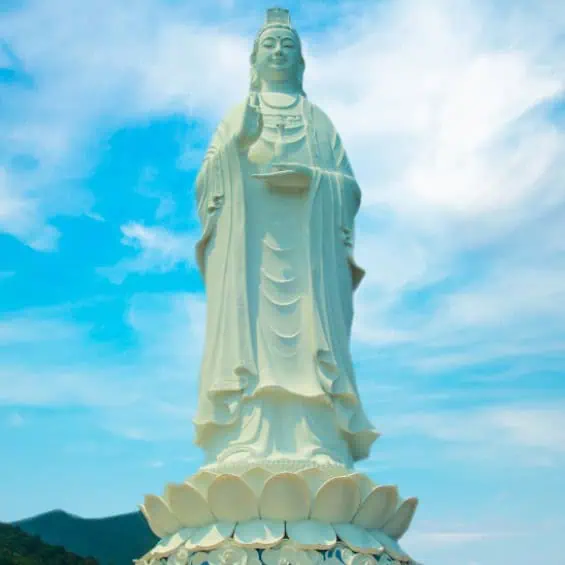
Before planning your Vietnam travel, check out my gallery of the top things to see in the country below for some inspiration. There is so much to see and do in the country, so you won’t want to miss out on the top sights!

Hang Sơn Đoòng
Hoi An
Mekong Delta
Linh Ứng Pagoda

Ha Long Bay
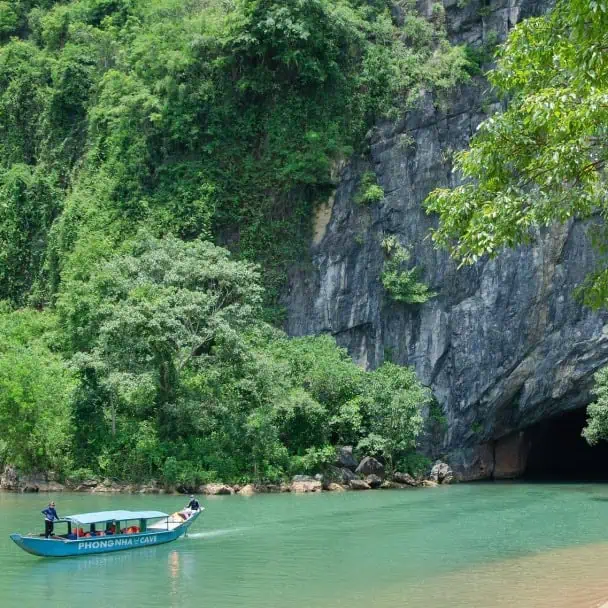
Phong Nha-Ke Bang National Park

Sapa Countryside

The Golden Bridge
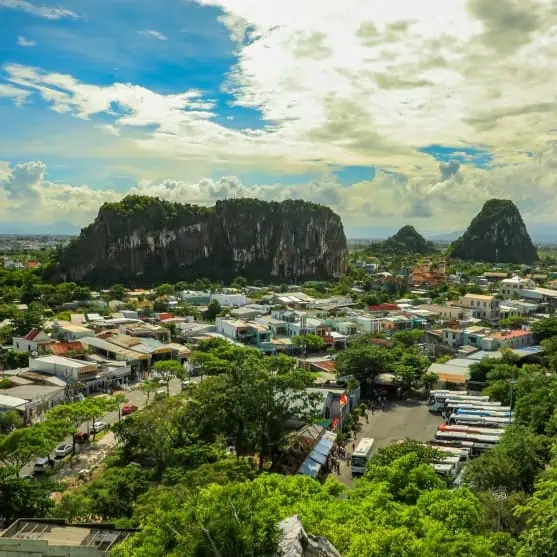
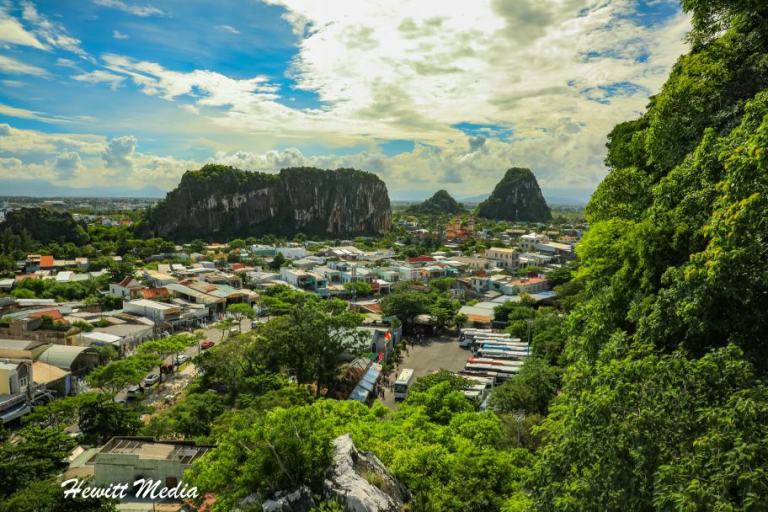
The Marble Mountains
If you want additional things to add to your Vietnam travel itinerary, check out my article on the Top 25 Things to See in Vietnam for First-Time Visitors.

Popular Cities
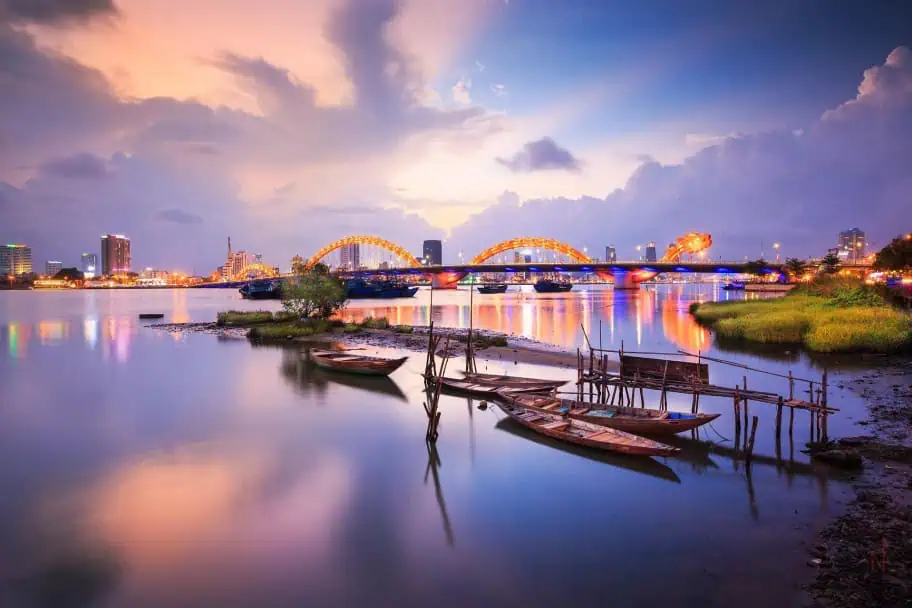
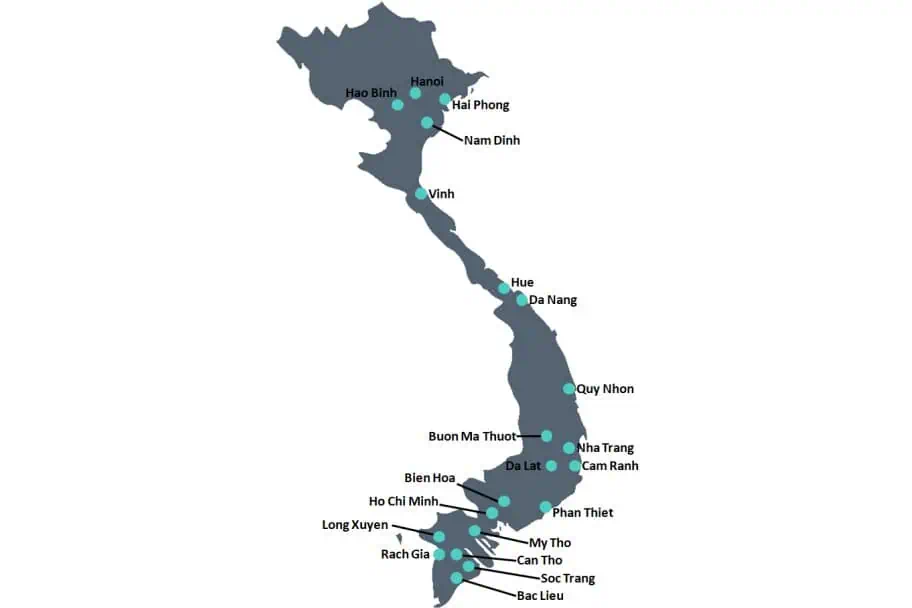
As you plan your Vietnam travel, you will want to start familiarizing yourself with the country. This way, you will better understand which cities and other attractions you want to see. To help you with this, I have included maps that outline the key cities in Vietnam for you to review below.
Languages Spoken
Vietnam is a linguistically rich country, with Vietnamese being the official language spoken by the vast majority of the population. If you are currently planning your Vietnam travel, it is important to understand which languages are spoken in the country. In addition to Vietnamese, there are numerous ethnic minority languages spoken throughout the country, reflecting Vietnam’s diverse cultural landscape.
These languages belong to various language families, including Tai-Kadai, Hmong-Mien, and Sino-Tibetan, among others. Ethnic groups such as the Tay, Hmong, and Khmer contribute to this linguistic diversity, each with its own distinct languages and dialects. While Vietnamese serves as a unifying language, these minority languages are crucial for preserving the cultural heritage and traditions of their respective communities.
The linguistic landscape of Vietnam is further enriched by the presence of foreign languages, particularly English, which has gained prominence in recent years. As Vietnam continues to integrate into the global economy, English is increasingly taught in schools and used in business and tourism.
Currency

The official currency of Vietnam is the Vietnamese Dong ₫, which has been in circulation since 1978. You’ll find Vietnamese banknotes in denominations of 100, 200, 500, 1000, 2000, 5000, 10000, 20000, and 500000 Dongs. Meanwhile, Vietnamese coins come in denominations of 200, 500, 1000, 2000, and 5000 Dongs.
Power Adapters Required

One of the most overlooked aspects of international travel is ensuring you have the proper power adapters. You may or may not be aware that the voltage and type of outlet available differ widely from one region to another. If you aren’t prepared, you won’t be able to charge your electronic devices while traveling.
Even worse, you may damage or destroy your electronic devices if you don’t have the right adapter with a voltage converter. Electricity supplies worldwide can vary from 100V to 240V. Using an electrical appliance rated at a voltage different from the supply can be extremely dangerous.
To ensure that this doesn’t happen to you, I have included some critical information on the electrical system in Vietnam for you to review below. This includes what types of international power adapters you should bring with you on your trip.
Electrical Voltage in Vietnam
In Vietnam, the voltage of the electrical supply is 220V. If you have an appliance that is single-voltage rated, the voltage rating of the device must be 220V for you to use it without a voltage converter. When shopping for a travel power adapter, it is important to confirm that the adapter you choose has a voltage converter included and isn’t just an adapter.
A power adapter will change the type of plug from one type to another so that you can plug into different outlets. However, a simple power adapter will not change the voltage of the supply to the voltage used by the devices you brought from home (120V in the United States). To do that, you will need a travel power adapter with a voltage converter.
Electrical Outlets in Vietnam
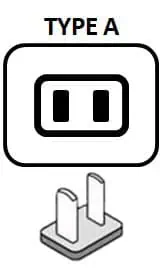
In Vietnam, the three types of electrical plugs that are used are Type A, Type B, and Type C. The Type A plug is the type with two parallel flat pins. Meanwhile, the Type B plug has two flat parallel pins and a grounding pin. Finally, the Type C plug consists of just two round pins. Please see the illustrations of the Type A, Type B, and Type C plugs below for a better understanding of what they look like.


Emergency Contact
Should you run into an emergency situation while in Vietnam, it will be important to know the emergency numbers. This way, you will know which numbers to dial when you need immediate assistance. To assist you, I have documented the available emergency assistance numbers for Vietnam below for you to review.
- 111 – Child Protection
- 112 – Lifesaving Services
- 113 – Police
- 114 – Fire
- 115 – First Aid
Visa, Passport, and Immunization Info
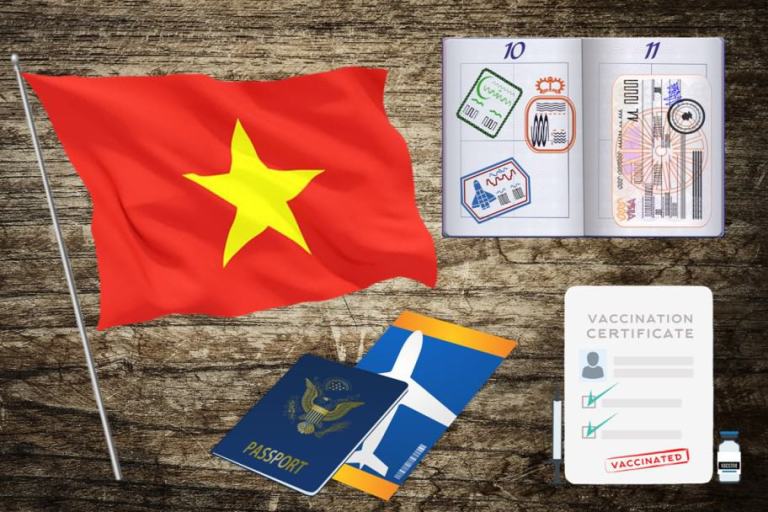
Before booking your Vietnam travel, you will want to be sure that you meet all of the necessary passport, VISA, and immunization requirements so that you can ensure you will be allowed into the country. To assist you, I have listed the requirements you will need to consider below for you to review.

Passport Validity
All visitors must have a passport that is valid for at least 6 months passed the end of their stay in Vietnam.
VISA Requirements
In addition to your passport, one of the most important Vietnam entrance requirements you must consider is the tourist VISA requirement. Depending on which country you are from, you may or may not need to apply for a tourist VISA to visit Vietnam. The following sections outline the Vietnamese tourist VISA requirements and how to apply.
Countries Eligible for 14-Day Visa Exemption
If you are a passport holder from one of the countries listed below, you can visit Vietnam for up to 14 days without having to obtain a visitor VISA.
 |
Brunei |  |
Myanmar |
Countries Eligible for 21-Day Visa Exemption
Meanwhile, those who are passport holders from one of the countries listed below can visit Vietnam for up to 21 days without having to obtain a visitor VISA.
 |
Philippines |
Countries Eligible for 30-Day Visa Exemption
For those who are passport holders from one of the countries listed below, you can visit Vietnam for up to 30 days without having to obtain a visitor VISA.
 |
Cambodia |  |
Indonesia |  |
Kyrgyzstan |
 |
Laos |  |
Malaysia |  |
Singapore |
 |
Thailand |
Countries Eligible for 45-Day Visa Exemption
If you are a passport holder from one of the countries listed below, you can visit Vietnam for up to 45 days without having to obtain a visitor VISA.
 |
Belarus |  |
Denmark |  |
Finland |
 |
France |  |
Germany |  |
Italy |
 |
Japan |  |
Norway |  |
Russia |
 |
South Korea |  |
Spain |  |
Sweden |
 |
United Kingdom |
Countries Eligible for 90-Day Visa Exemption
Finally, those who are passport holders from one of the countries listed below can visit Vietnam for up to 21 days without having to obtain a visitor VISA.
 |
Chile |  |
Panama |
Non-VISA-Exempt Travelers
If you do not hold a passport from one of the VISA-exempt countries listed above, you will need to apply for an eVISA from the Vietnam Immigration Department website before traveling. The VISA application process for Vietnam can be tricky, as the system for processing VISA applications has been unreliable. If you have additional questions or would like to find an agent who can assist you with the VISA application, I recommend joining the Vietnam Visa Advice Facebook Group.
Important Note: When you apply for your eVISA, you will need to have a scanned image of your passport’s image page and a passport photo. There are certain requirements for the passport and passport photo images, so make sure you read the latest instructions carefully.
Immunization Recommendations
Important Note: I am not a medical doctor and don’t have medical experience. The information provided in this section is a summary of information that I got from the Centers for Disease Control and Prevention in the United States for travel to Vietnam. I am providing you with this information to help bring awareness of the necessary vaccinations to you. Still, consultation with my guide should not replace a discussion about your travels with your doctor or a travel medical clinic.
Recommended Travel Vaccinations for Vietnam
The CDC recommends several vaccinations that you should receive before your trip to Vietnam, which I have detailed for you below. If you are coming to Vietnam from a location where Yellow Fever is prevalent, even if it’s just a lengthy layover, you must present proof of vaccination to gain entry into the country. The remaining vaccinations listed here are not mandatory for entering Vietnam, but they are highly advised.
| Vaccine | How Disease Spreads | Details |
|---|---|---|
| Hepatitis A | Food & Water | Recommended for most travelers |
| Hepatitis B | Blood & Body Fluids | Accelerated schedule available |
| Yellow Fever | Thru the bite of infected mosquitoes. | If you are going to be traveling from a country where Yellow Fever is endemic, even if it is only for a layover twelve hours or more, you will need to receive a Yellow Fever vaccination and have certification of that vaccination before you will be allowed into Vietnam. |
| Rabies | The saliva of infected animals. Bites or licks on open wounds are the most common vector. | Requires three shots over 21-28 days |
| Typhoid | From food and water you handle or ingest. | Recommended for most travelers, especially those staying with friends or relatives or visiting smaller cities or rural areas. |
| COVID-19 | From being around or coming into contact with someone who is sick. | Depending on Vaccine brand, will require one or two shots over multiple weeks. Everyone 16 years of age and older should get fully vaccinated for COVID-19 before travel. |
| Measles | Various vectors. | Infants 6 to 11 months old traveling internationally should get 1 dose of measles-mumps-rubella (MMR) vaccine before travel. This dose does not count as part of the routine childhood vaccination series. |
| Japanese Encephalitis | Contracted from mosquito bites. | CDC recommends vaccination for travelers who are moving to the area, spending more than a month in the area, or traveling to areas with Japanese encephalitis. Consider vaccination if you will be doing activities that increase risk of infection, such as visiting rural areas, hiking or camping, or staying in places without air conditioning, screens, or bed nets. |
| Malaria | Contracted from mosquito bites. | CDC recommends that travelers going to certain areas of Vietnam take prescription medicine to prevent malaria. Depending on the medicine you take, you will need to start taking this medicine multiple days before your trip, as well as during and after your trip. Talk to your doctor about which malaria medication you should take. |
| READ MORE: |
 |
| Rabies Vaccination for Travel – Why I think All Travelers Should Consider It |

Routine Vaccinations for Vietnam
In addition to the vaccinations specifically advised for travel to Vietnam, there are other standard vaccinations that you should ensure are up to date before embarking on any journey worldwide. For a summary of the routine vaccinations suggested by the CDC, kindly refer to the chart I have provided below.
| Disease Name | How Disease Spreads | Advice |
|---|---|---|
| Measles Mumps Rubella (MMR) | Various Vectors | Given to anyone unvaccinated and/or born after 1957. One time adult booster recommended |
| TDAP (Tetanus, Diphtheria & Pertussis) | Thru open wounds & airborne transmission | Only one adult booster of pertussis required |
| Chickenpox | Direct contact with infected individuals & airborne transmission | Given to those unvaccinated that did not have chickenpox |
| Shingles | Direct contact with infected individuals | Vaccine can still be given if you have had shingles. |
| Pneumonia | Airborne transmission | Two vaccines given separately. All 65+ or immunocompromised should receive both |
| Influenza | airborne transmission | Vaccine components change annually |
| Meningitis | Direct contact with infected individuals & airborne transmission | Given to anyone unvaccinated or at an increased risk, especially students |
| Polio | Thru contaminated food and water | Considered a routine vaccination for most travel itineraries. Single adult booster recommended |
Non-Vaccine Preventable Diseases
Alongside the suggested vaccinations, there are additional health measures you should consider when visiting Vietnam to prevent illness. Although these precautions are not part of the entry requirements for Vietnam, they are crucial steps you can take to ensure you remain healthy during your travels.
Avoid Contaminated Water
When you travel, one of the easiest ways to fall ill is by coming into contact with polluted water. In Vietnam, several diseases can be transmitted through drinking or swimming in contaminated water. Before you head out on your journey, it’s important to familiarize yourself with the illnesses listed below. To prevent illness, ensure that you only drink bottled water and steer clear of swimming in stagnant pools.
| Disease Name | How Disease Spreads | Advice |
|---|---|---|
| Leptospirosis | Touching fluids of infected animal or drinking or swimming in contaminated water. | Avoid contaminated water and soil |
| Schistosomiasis | Wading, swimming, bathing, or washing in contaminated freshwater streams, rivers, ponds, lakes, or untreated pools. | Avoid contaminated water and soil |
Avoid Bug Bites
Another easy way to fall ill while traveling is by being bitten by insects that transmit diseases. The mosquito is the most prevalent insect responsible for spreading illnesses to humans, but ticks and flies can also transmit serious diseases through their bites. To ensure you stay healthy and avoid insect bites during your trip to Vietnam, I suggest packing insect repellent and mosquito netting, and do your best to steer clear of bug bites whenever possible.
| Disease Name | How Disease Spreads | Advice |
|---|---|---|
| Chikungunya | Mosquito bite | Avoid Bug Bites |
| Dengue | Mosquito bite | Avoid Bug Bites |
| Zika | Mosquito bite or pregnant woman spreading to her unborn baby. | Avoid Bug Bites |
Be Aware of Airborne and Droplet Illnesses
Among all the methods through which diseases can be transmitted, airborne illnesses pose the greatest challenge to staying healthy when traveling. You see, there’s no need for direct contact with an infected individual or animal, and unfortunately, there’s no spray or repellent available to shield you from these types of diseases.
This highlights the importance of being vigilant about the people you come into contact with while traveling, ensuring that you minimize your risk of exposure to potentially dangerous airborne diseases. The CDC outlines specific airborne illnesses to be cautious of when visiting Vietnam, which include the following:
| Disease Name | How Disease Spreads | Advice |
|---|---|---|
| Avian/Bird Flu | Being around, touching, or working with infected poultry, in such places as live-animal markets. | Avoid domestic and wild poultry. |
| Hantavirus | Coming into contact with bodily fluids or droppings of infected rodents, being biten by an infected rodent, or less commonly from coming into contact with someone else who is infected | Avoid rodents and people who look sick |
| Tuberculosis (TB) | Breathing in the air from an infected individual (via cough, speaking, etc..) | Avoid people who look sick |
Vietnam Customs Restrictions
When visiting Vietnam, it’s crucial to know which items you can bring into the country without charge and which ones may incur fees or are outright banned.
Free Import
As per the VISAHQ.com website, the items listed below are classified as free-import items, though there are restrictions (as detailed below).
- 400 cigarettes or 100 cigars, or 50g of tobacco.
- 1.5 liters of spirits, 2 liters of alcohol containing up to 22% volume of alcohol, or 3 liters of beer (or similar light alcoholic beverages).
- 3Kg of coffee.
- 5Kg of tea.
- Non-commercial number of gifts and unused items of up to the value of VND 5,000,000.
- Items for personal use (clothing, toiletries, etc).
Prohibited Items
Before you can enter Vietnam, you must first pass through customs to ensure you are not carrying any forbidden items. For example, travelers are explicitly banned from bringing the following items into Vietnam:
- Narcotics.
- Pornography.
- Counterfeit items.
- Cultural artefacts and other objects of cultural importance.
- Explosive material.
Controlled Items
Alongside the items that are banned, the Vietnamese government has also set restrictions on other things that can be imported into the country. If you’re intending to travel with any of the following items during your visit to Vietnam, it’s essential to prepare in advance to ensure you comply with the entrance regulations of Vietnam:
- Live animals (Pets) – a health certificate is required along with complete and valid inoculations. Contact the nearest embassy to obtain permission.
- Endangered species and any products or parts thereof, as outlined by CITES may be brought in only with CITES permission.
- Medication.
Currency Restrictions
When traveling to Vietnam, similar to other nations, you cannot simply bring in or take out any amount of currency you desire. As stated on the US State Department website, the Vietnamese government has established specific currency limits and regulations that must be followed:
- No currency restrictions for entry into Vietnam. However, Vietnamese Dong more than VND 150,000,000 or foreign currency over 5,000 U.S. dollars or equivalent must be declared.
- No currency restrictions when leaving Vietnam. However, Vietnamese Dong more than VND 150,000,000 or foreign currency over 5,000 U.S. dollars or equivalent must be declared.
Key Phrases
As a part of your Vietnam travel preparation, you will need to prepare yourself for how people talk in Vietnam so that you can understand the dialogue as you interact with the local Vietnamese residents. This includes understanding key phrases so that you can ask for things, respond to others, and get around the country much more easily.
Here are some common phrases that you may need to use while visiting Vietnam:
Greetings and Salutations
- Xin chào – Hello.
- Tôi khỏe, còn bạn thì sao? – I am fine, how are you?
- Tạm biệt – Goodbye.
- Đúng – Yes.
- KHÔNG – No.
- Cảm ơn – Thank you.
- Tôi xin lỗi hoặc bào chữa – I’m Sorry or Excuse Me.
- Chào buổi sáng – Good morning.
- Buổi tối vui vẻ – Good evening.
- Bạn có khỏe không? – How are you?
Asking for Directions
- Rẽ trái – Turn left.
- Rẽ phải – Turn right.
- Dừng lại – Stop.
- Đây – Here.
- Đi thẳng – Go straight.
- Làm thế nào để tôi có thể đến được…? – How do I get to…?
- Phòng tắm ở đâu? – Where is the bathroom?
- Nó cách xa bao nhiêu? – How far away is it?
- Tôi bị lạc – I am lost.
Ordering Food
- Thơm ngon – Delicious.
- Vui lòng cho tôi nước – Water please.
- Cho tôi tính tiền – The bill please.
- Tôi muốn đặt hàng – I would like to order.
- Tôi có thể ngồi được không? – Can I be seated?
- Tôi là người ăn chay – I am a vegetarian.
- Thực đơn – Menu.
- Cà phê – Coffee.
- Cay – Spicy.
- What do you recommend? – What do you recommend?
- Tôi bị dị ứng với… – I’m allergic to…
Shopping
- Cái này bao nhiêu tiền? – How much does it cost?
- Quá đắt – too expensive.
- Tôi muốn mua… – I would like to purchase…
- Tôi có thể thanh toán bằng thẻ tín dụng không? – Can I pay by credit card?
- Bạn có thể giao hàng đến – Can you ship it to…?
Emergency Services
- Giúp đỡ! – Help!
- Tôi cần một bác sĩ – I need a doctor.
- Gọi xe cứu thương – Call an ambulance.
- Hiệu thuốc gần nhất ở đâu? – Where is the nearest pharmacy?
- Tôi cảm thấy không khỏe – I don’t feel well.
- Tôi cần một bác sĩ – I need a doctor.
- Tôi bị mất hộ chiếu – I lost my passport.
- Cảnh sát – Police.
- Bệnh viện – Hospital.
- Ngọn lửa – Fire.
Driving Info
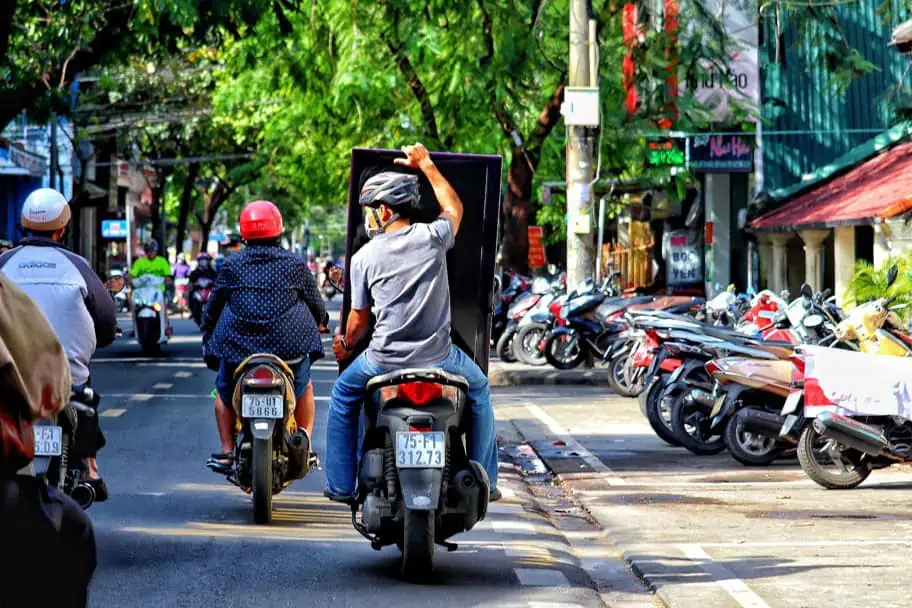
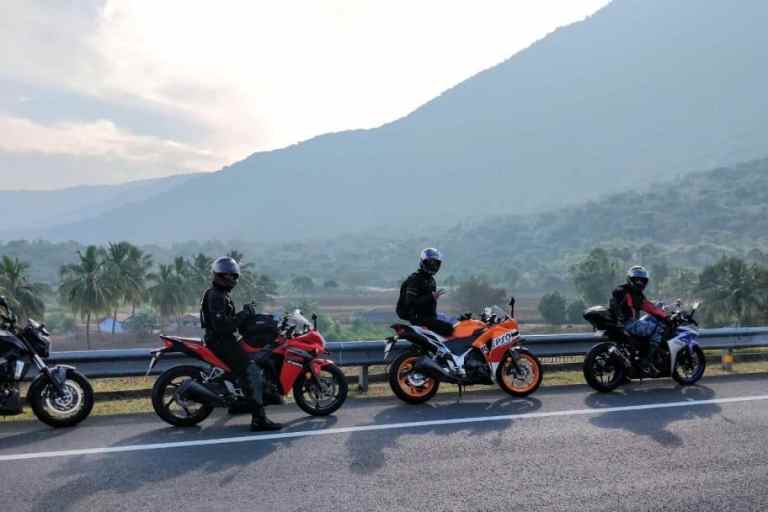
Driving in Vietnam presents a unique and enriching experience for adventurous travelers, albeit with the need for careful consideration and adaptability. Renting a motorbike is a widely embraced mode of transportation throughout many Southeast Asian countries, and Vietnam is no exception. This economical and convenient option provides significant flexibility for travelers who are confident in their riding abilities.
By taking the time to understand local driving regulations, securing appropriate insurance coverage, and maintaining a vigilant approach, travelers can explore this enchanting destination safely and with assurance, whether by motorbike or car. Before your journey to Vietnam, please review the essential driving tips provided below to ensure a smooth and enjoyable experience.
Driving License and Permit Required
To drive in Vietnam, you must meet the following requirements:
- Be at least 16 years old to operate motorcycles with a cylinder capacity of under 50cc.
- You must be 18 years old to operate motorcycles with a cylinder capacity of 50cc or higher, cars, and other vehicles.
- Have a valid driver’s license from your home country.
- Have a valid International Driver’s Permit (IDP).
Important Note: You must carry your driver’s license from your home country and your IDP at all times when operating a motor vehicle in Vietnam.
Renting a Motorbike or Car in Vietnam
If you are visiting Vietnam as part of an organized tour or plan to book tours during your stay, you may not need to concern yourself with renting a motorbike or car, as transportation is typically provided by your tour guide.
However, for those intending to spend an extended period in Vietnam who wish to explore the country independently, renting a vehicle can offer a valuable degree of flexibility. Should you choose to rent a motorbike or car, please consider the following tips:
- While it is possible to rent a car in Vietnam, it is much more common to rent a car with a driver.
- You must be at least 18 years old to rent a motorbike and at least 21 years old to rent a car (though some companies require you to be 21 to rent either).
- An IDP and your valid driver’s license from your home country are required to rent a vehicle.
- Some rental companies will charge extra for those under 25 years old.
- It is strongly recommended that you purchase additional insurance from the vehicle rental company you rent from.
Car Rental Companies in Vietnam
The following rental companies are most common in Vietnam:
- Avis
- Dolla
- Hertz
- GREEN WORLD
- Hanoi Journey
- VN Rent-A-Car
- Vietnamdrive
Tips for Driving in Vietnam
If you plan to drive in Vietnam, it is beneficial to know what to expect before arriving in the country. Knowing the following Vietnamese driving tips will help ensure that you are comfortable and safe while on the roads.
- In Vietnam, they drive on the right side of the road, and the driver’s seat is on the left side of the vehicle.
- Driving in Vietnam can be very unpredictable, so you need to always stay alert. With a mix of cars, motorbikes, bicycles, and pedestrians on the road, it can get chaotic at times.
- Roads in Vietnam can be in very rough shape, especially in rural areas. It isn’t unusual to see very large potholes or washed-out roads in some areas. You should always be alert and mindful of your speed so that you can avoid these hazards.
- Motorbikes and bicycles are everywhere on Vietnamese roads, so you need to be conscious of these vehicles if you are driving a car.
- Downloading offline maps in Google Maps on your phone and using GPS while driving will make navigation easier.
- Be aware that when a road is congested, rather than pausing for a gap in traffic, people will often proceed along the curb on the incorrect side of the road until an opportunity arises to merge into the correct lane.
- The fuel types in Vietnam include:
- RON 92: A common type of gasoline, suitable for most motorcycles and vehicles.
- RON 95: A higher-octane gasoline, often used for high-performance vehicles.
- E5 RON 92: A biofuel blend of gasoline and ethanol, becoming more common and generally safe for most vehicles.
Vietnam Driving Rules and Regulations
The last pieces of driving advice I have for you in this Vietnam travel guide are some highlights of the rules and regulations for driving in the country. Keeping the following driving rules and regulations in mind can save you from incurring any fines and help ensure you remain safe during your visit.
- Wear your seatbelt – It is mandatory for the driver and all passengers to wear a seatbelt in Vietnam.
- Always follow the speed limit. Speed limits are typically:
- Urban Areas: 50 km/h (31 mph).
- Rural Areas: 60 km/h (37 mph).
- Expressways: 80 km/h (50 mph) – 120 km/h (75 mph).
- Never drive under the influence of alcohol or other substances. The legal blood alcohol limit is ZERO percent, and it is strictly enforced with heavy fines or jail time for offenses.
- Do not use your cell phone while driving, as it is prohibited. If you are caught on your cell phone, you will face a hefty fine.
- In Vietnam, you are not allowed to use your horn between 10 pm to 5 am. If you do and get caught, you will get fined.
- If you need to overtake another vehicle, the driver must need to honk first or give a signal using a light before making an overtake.
- A general rule for right of way across many Asian countries is that the larger vehicle generally gets priority. In other words, the right-of-way is determined by the size of the vehicle.
- You typically cannot leave your car parked on the streets in Vietnam because they are too narrow or crowded. You need to park in marked lots. Some of the country’s larger cities, such as Hanoi and Ho Chi Minh, have underground and elevated garages to park your car.
Traffic Enforcer Hand Signals
- Arm Upright: Drivers from all directions must stop.
- Outstretched Arms Horizontally: Drivers in front or behind the traffic enforcer must stop, while drivers to the right or left may proceed.
- Right Arm Oustretched In Front: Drivers on the right or left of the traffic enforcer must stop, while drivers in front or behind may proceed.
Relative Guides, Itineraries, and Articles
To assist you as you start to put together your travel plans for Vietnam, I have provided a comprehensive list of all of my travel guides, travel itineraries, and travel inspiration articles for Vietnam for you to review below.





Packing and Planning Tips
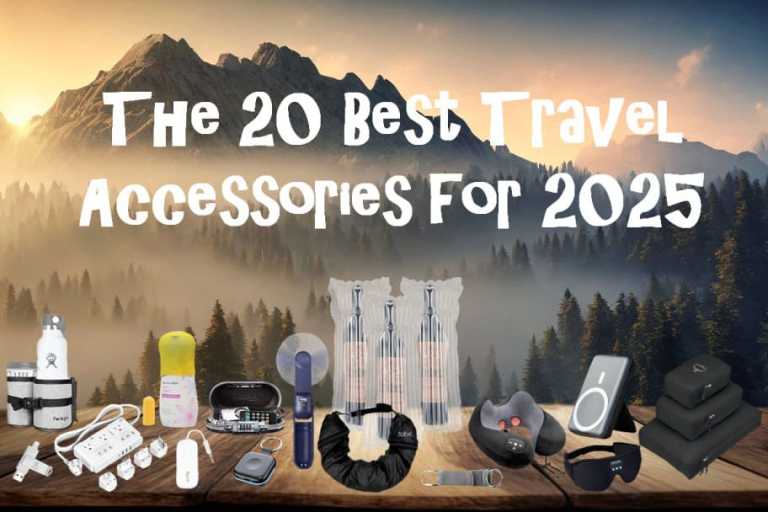
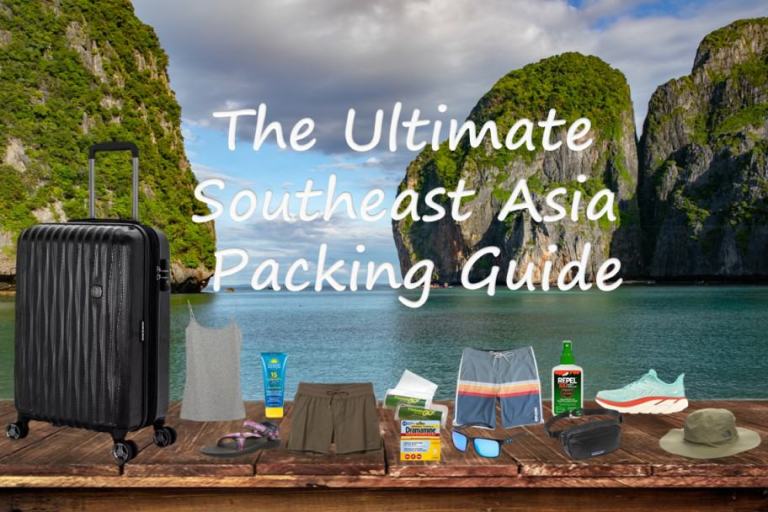
Once you start putting together your Vietnam travel plans, you may want to reference some of my handy travel packing and planning guides that I have put together. To make it easy to find and access these guides, I have included them for your reference below.




Popular Tours
Vietnam is a mesmerizing destination brimming with rich culture, breathtaking landscapes, and mouthwatering cuisine, making it a favorite among travelers worldwide. Some of the most popular tours include the breathtaking Halong Bay cruise, where you can sail through emerald waters and marvel at stunning limestone karsts, or the vibrant city life of Ho Chi Minh City, where bustling markets and historic sites await. Whether you’re an adventure seeker or a history buff, these tours in Vietnam promise unforgettable experiences that will leave you yearning for more!
Don’t Forget to Subscribe to My Adventures!

Let Me Help You Save On Your Next Adventure!
‘Start Exploring Today’ Merchandise Available Now!
 |
 |
 |
 |
 |
 |
 |
You must be logged in to post a comment.