LAST UPDATED: 7/22/26 – Is Overtourism a Problem?
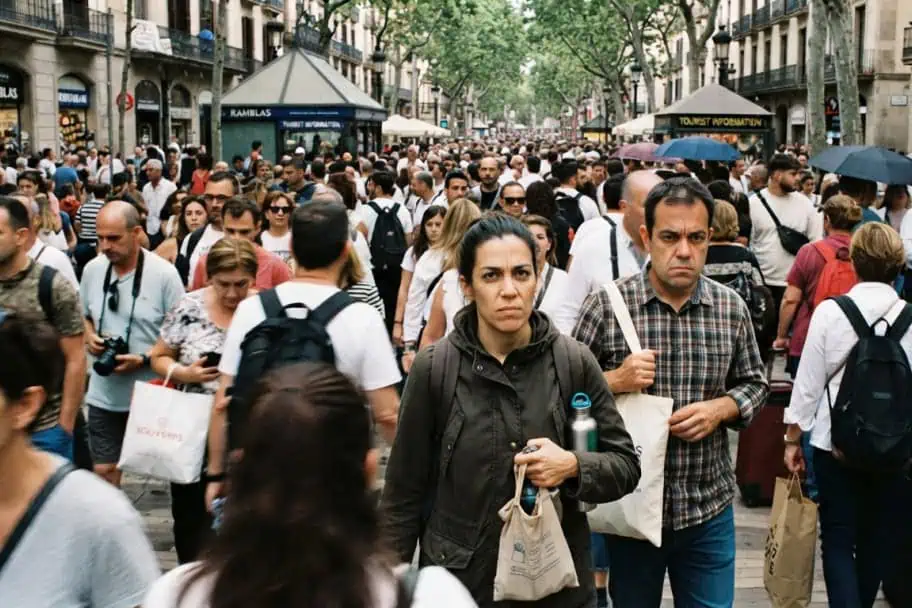
Overtourism isn’t a new concept, but in 2024 and 2025, it has become one of the most urgent issues shaping global travel. As visitor numbers surge past pre‑pandemic levels, destinations from Europe to Asia are confronting overcrowding, strained infrastructure, and rising resident backlash.
Recent reports from the World Travel & Tourism Council (WTTC) show that the pressures facing popular destinations today stem not only from high visitor numbers but also from deeper structural issues like underinvestment in infrastructure, fragmented planning, and weak coordination among local authorities.
Travelers may not always think about overtourism directly, but its effects are increasingly impossible to ignore — long queues, higher prices, limited accommodations, and diminished visitor experience. Meanwhile, residents in many cities are pushing back harder than ever. In 2024 and 2025, protests erupted across Barcelona, Lisbon, Venice, Palma de Mallorca, and other European hubs, with locals citing rising housing costs, overcrowded streets, and declining quality of life.
How Overtourism Is Affecting Destinations Today
Resident Protests and Policy Crackdowns
Across Europe, anti‑tourism marches have become more frequent and more intense. In Barcelona, masked protestors armed with water pistols marched through the city in June 2025, demanding limits on cruise ships, bans on new short‑term rentals, and higher tourist taxes. The city has since announced a full ban on new short‑term rental licenses by 2028.
Venice continues to be a global symbol of overtourism. In 2025, the city expanded its day‑tripper tax, charging €5–€10 depending on booking timing, and enforcing the fee on 54 peak days. Cruise ship access has been further restricted, and guided tour groups are now capped.
Other cities implementing new measures include:
- Florence — removal of self‑check‑in key boxes for holiday rentals.
- Cannes — cruise ship restrictions beginning in 2026, limiting daily disembarkations to 6,000.
- Amsterdam — tightening rules on short‑term rentals and nightlife tourism.
Environmental Fallout in Asia
Overtourism isn’t just a European issue. In Asia, environmental degradation has become a flashpoint:
- Bali saw nearly 15 million visitors in 2024, prompting protests over disappearing rice fields, illegal resort construction, and plastic pollution. The government responded with a $10 visitor levy, eco‑tourism initiatives, and bans on single‑use plastics.
- Koh Samui faces water shortages, degraded beaches, and soaring prices.
- Kyoto introduced fines up to ¥10,000 for disruptive tourist behavior and is piloting timed entry in popular districts.
Crowds Aren’t Slowing Down
Despite new regulations, demand for travel remains extremely high. CNN Travel reports that 2024 was one of the most crowded travel years on record, and 2025 is expected to be just as intense. Experts warn that even with higher fees, bans on cruise ships, and limits on vacation rentals, popular destinations like Paris, Barcelona, and London will continue to face overwhelming crowds — especially during summer.
Updated Global Insights on Overcrowding
Recent WTTC data highlights the scale of the challenge:
- Travel and tourism contributed nearly $11 trillion to the global economy in 2024.
- The sector supported 357 million jobs worldwide.
- Governments collected $3.3 trillion in tourism‑related tax revenue, yet underinvestment in infrastructure remains a major driver of overcrowding.
The WTTC’s updated recommendations include:
- Organizing empowered task forces to coordinate tourism management.
- Creating long‑term destination strategies instead of short‑term fixes.
- Using local data to identify pressure points.
- Investing in infrastructure and resident well‑being.
- Involving local communities in tourism decisions.
What This Means for Travelers
We’ve seen firsthand how overcrowding affects travel across Europe and Asia — longer lines, higher prices, and limited accommodations are now standard considerations for trip planning. As overtourism continues to shape global travel, visitors may need to:
- Travel during shoulder seasons
- Explore lesser‑known destinations
- Book accommodations earlier
- Expect higher fees and stricter regulations
Experts agree that without smarter planning and reinvestment, the world’s most beloved destinations will continue to struggle under the weight of mass tourism.
| READ MORE: |
 |
| Deciding Where to Travel |
What About You?
- Have you experienced overcrowding during your travels?
- Where did it happen, and how did it affect your trip?
- What changes would you like to see destinations implement?
Don’t Forget to Subscribe to My Adventures!

Let Me Help You Save On Your Next Adventure!



















My husband and I most often travel in the shoulder seasons for this very reason. It takes some of the joy out of a destination for us when we are constantly rubbing elbows with countless number of other tourists. This brings the stress level down for us some.
I totally agree. It definitely takes some of the enjoyment out of it. Great suggestion in planning trips in the shoulder season!
Even though we were on a river cruise both times we have traveled, we saw it first hand. So many people crowding onto a balcony in a very rickety castle in Europe. When one of the guides yelled out “i only said 20 could be on the balcony at any one time, I was realized there were more. On heading to our bus we noticed that there was no support under that balcony. Learning not to travel in the August time slot. So far we have not been able to avoid that however next year we hope to.
Great example! And you are right, timing of trips is so important.