LAST UPDATED: 7/29/26 – Is Slum Tourism Good or Bad?
Slum tourism has grown into a global industry, drawing millions of visitors each year. Cities like Mumbai, New Delhi, Los Angeles, Detroit, Copenhagen, and Berlin continue to see travelers seeking out guided tours of their most disadvantaged neighborhoods—not for museums or landmarks, but to witness life in underserved communities firsthand.
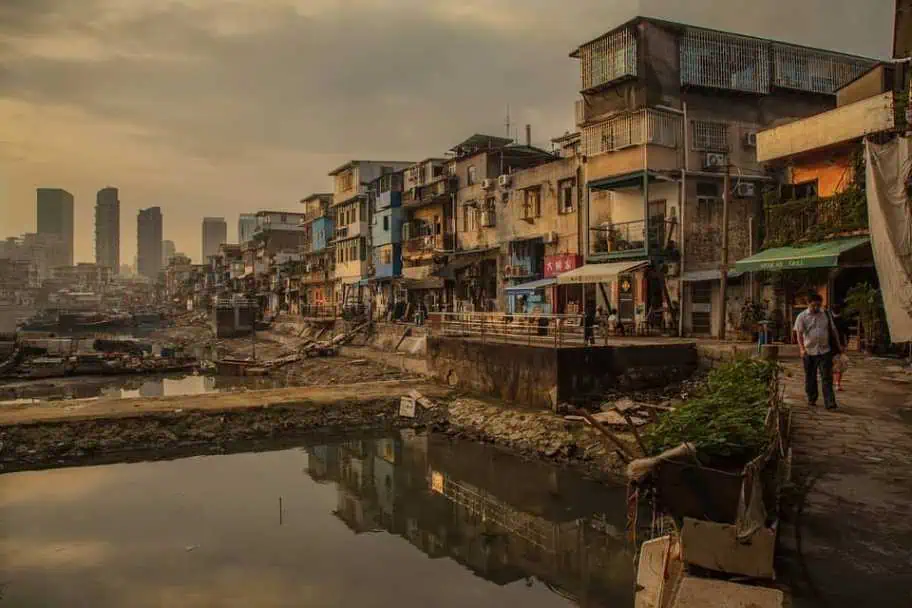
Interest in Mumbai’s Dharavi surged after Slumdog Millionaire, but the trend didn’t begin there. Slum tourism dates back to the 19th century, when wealthy visitors in London and New York toured impoverished districts out of curiosity. As photography—and later social media—made these neighborhoods more visible, demand only increased.
| READ MORE: |
 |
| Is ‘overtourism’ a problem? |
Today’s tours often highlight community-led initiatives: schools, small businesses, art centers, and nonprofit programs working to improve local conditions. Operators frequently frame these tours as educational experiences meant to raise awareness and encourage support.
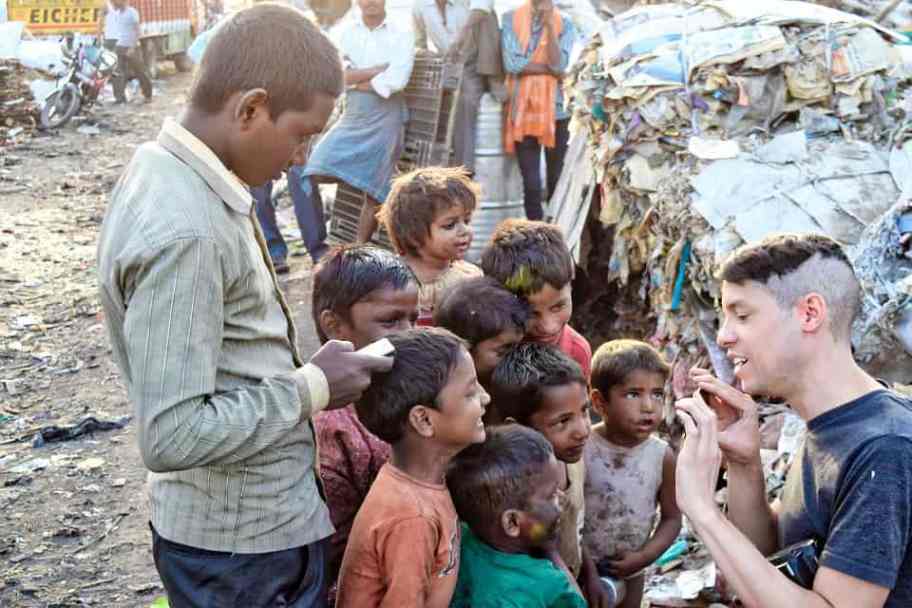
But the debate remains. Supporters argue that slum tourism shines a spotlight on communities that are too often ignored and can generate funding or volunteer interest. Critics counter that most tour revenue never reaches residents, and that the experience can feel exploitative—turning people’s hardships into a spectacle.
We remain skeptical. While awareness is valuable, it’s unclear whether these tours create meaningful, lasting change for the people who live in these neighborhoods. Many question how much of the money actually benefits the community.
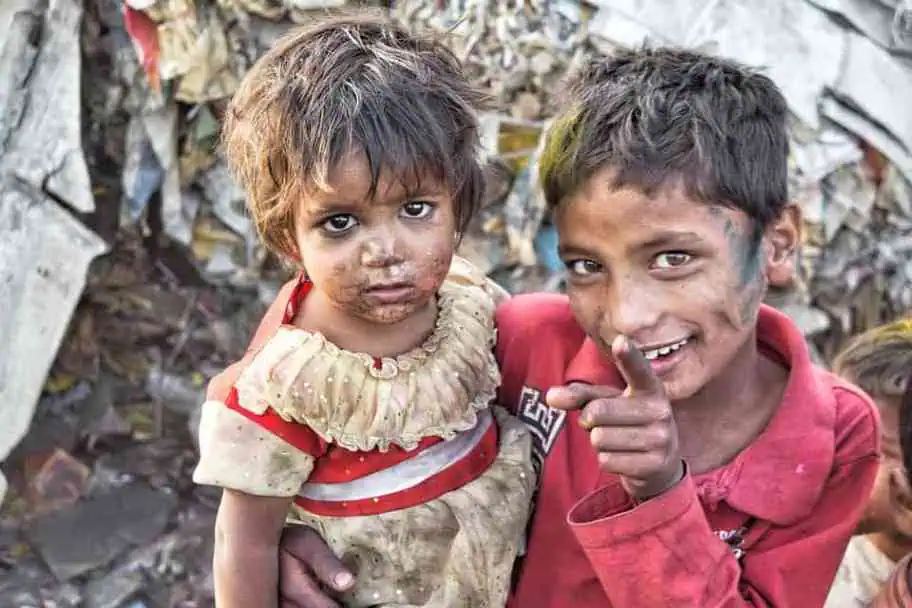
What do you think—does slum tourism help or harm? Is it raising awareness or exploiting vulnerability? And what better ways exist to support communities facing economic hardship? We’d love to hear your perspective.
Don’t Forget to Subscribe to My Adventures!

Let Me Help You Save On Your Next Adventure!

















I agree with you. I don’t think all attention is good attention… If you want to volunteer or donate to an organization that really works in these neighbourhoods, then do so. But tours…nah.
100% agree Caterina!!
I detest this form of travel. It does nothing to help the people of the slums. The tour operators have no interest in improving their conditions … because then there’d be nowhere for them to tour.
I totally agree with you Jenny! Thank you for your comment!
https://theemunyakigezi.wordpress.com
I don’t know I’m torn. I’m from South Africa and we have township tours in our informal settlements and I know that some of the tour guides live in the township. This creates work in a country where unemployment is super high. Plus township’s like Soweto are a part of South Africa’s history and are becoming more developed partly because of tourism. It can be used for good but it depends on whether the community benefits from these tours. Taking a tour doesn’t mean travellers will end up volunteering. It’s a tricky question to answer.
Fantastic feedback!!! Thank you so much for sharing this. I absolutely agree with you that benefiting the local community is what is most important.
I had no idea this was a thing. To me it doesn’t seem like a good thing. Impoverished people aren’t entertainment. If people are touring with the hope they are helping then it would be far better to research good local organizations who are there helping to lift people out of poverty.
I volunteered on a small island in Honduras as a teacher for five months. Water and food were a luxury to a lot of the people. I can guarantee they would have posed for the cameras in order to try to get food or money but their self-esteem and worth would have been diminished by being used as entertainment. I applaud the people who intend to help but don’t feel this is the best way.
I agree with you 100%. When I first learned about this on a trip, I was disturbed. Advocates would argue it helps these communities, but I question how much of the $$ ever makes it back to these people. When I travel, I prefer to give back in much more direct ways 😀
It would be hard for me to believe much money ever makes it back. I don’t mean to be distrusting but experience and age has taught me the kind of people who exploit these communities don’t generally have the best intentions. Personally I couldn’t tour these places without my heart breaking in a million pieces. Their needs would keep me up at night trying to figure out what I could do to help.
I agree Sheri. And I am the same way. Breaks my heart.
This form of tourism connects groups of people who would likely never interact. Rather than looking at a sole financial return, people in these rough spots are receiving human attention, interaction and smiles, versus receiving no human interaction from anyone outside of their home neighborhood. This could beat being completely ignored, de-humanized and victimized by more prospering people. However, it’d be swell if tour operators offered a % of profits to empowering causes for the neighborhood residents.
Ultimately Josh, you, me and all readers cannot see the world through their eyes so we have no idea how this tourism feels to them. Perhaps they love receiving attention from humans outside of the hood, independent of the form of attention. We would only know by interviewing a local….which would be an awesome idea.
Thought-provoking post here. Thank you for sharing with us 🙂
Ryan
Very interesting and thoughtful perspective on the subject! Thank you for reading and sharing your viewpoint! 😃