LAST UPDATED – 2/26/24 – London Travel Guide
The city of London, England in the United Kingdom is one of the world’s most exciting cities to visit. Each year, this amazing city attracts millions of tourists who come to experience its wealth of history, beauty, and excitement. However, when most people sit down to start planning their trip to London, they are easily overwhelmed by the sheer volume of things to consider. Because there are so many great things to see and do during a visit, having a London travel guide handy as you plan your trip to the Swinging City will ensure that your visit is as memorable as possible.
The City of London is the UK’s Smallest City
One thing that most tourists don’t realize about the city of London is that it is actually the smallest city in England. While what is called the Greater London Area is considered one of the largest metropolitan areas in the entire world, the actual size of the city of London is quite small. Many people are also unaware of how green the city actually is. In fact, there is so much green space in the city, in the form of gardens, parks, and other green areas, that the city technically classifies as a forest by United Nations standards. That is absolutely remarkable considering how busy the city of London is.
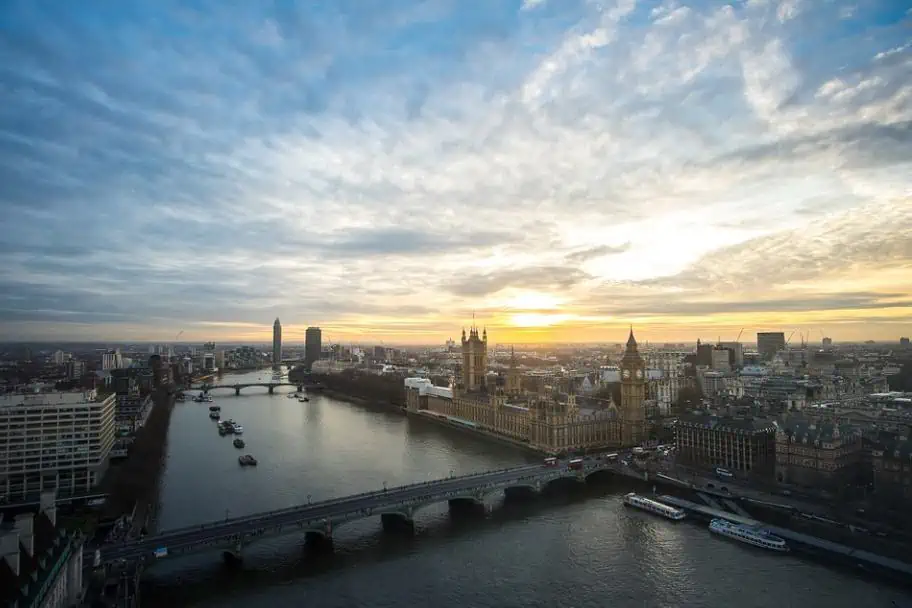
If you are surprised to learn that the actual city of London is technically a small forest, then you will probably be equally as stunned to learn that this small forest isn’t the rainforest it is perceived to be. That’s right, one of the biggest misconceptions about the city of London, and England for that matter, is that it is rainy all year round. While the city does get its fair share of precipitation, it is hardly the gloomy metropolis that many travelers envision when they think about London. In fact, the city of London actually receives less rainfall and has fewer rainy days than other large cities like Rome, Miami, and Sydney worldwide.
So while you might be excited to start planning your trip to London right away, I would strongly suggest that you take the time to research this amazing city so that you can plan a trip you will remember for a lifetime. One of the best ways to do that is to read this detailed London travel guide that I have prepared for you.
An All-You-Need London Travel Guide
In this London travel guide, I am going to give you the information to plan a successful trip to London, UK. I cover the best times to visit and the best ways to get there. This way, you can maximize what you can see and do on your trip.
In addition, I outline the top things to see during your visit. There are many incredible things you won’t want to miss, and with my guide, you won’t. Finally, I give you some great recommendations for restaurants. With this information in hand, your planning process will be stress-free. Not to mention, you can be confident that your trip will be one that you remember for the rest of your life.
London Travel Guide Navigation Menu


At a Glance
Before you start making any travel plans, you need to be sure you meet the country’s entrance requirements. This includes all of the passport, VISA, and immunization requirements for the United Kingdom.
In addition, you need to make sure you have a clear understanding of what languages they speak in the UK. This way, you can plan any translation needs you may have. Not only that, but you will need to know what currency they use in the UK. Knowing this, you can plan to exchange currency before your trip if necessary.
I have included some of this key information in my London travel guide below for you to review as you start to make your travel plans.
 |
Passport requirements exist. See below for details. |
 |
Immunization recommendations are listed below. |
 |
The official language in the UK is English. |
 |
The official currency in the UK is the British Pound. |
Passport Requirements
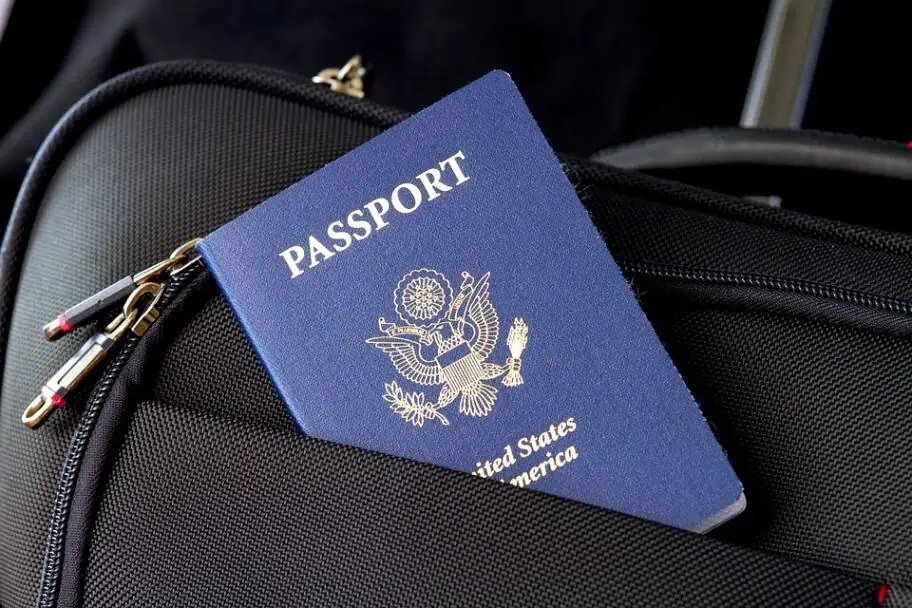
To assist you in navigating the legal requirements for visiting the United Kingdom, I outline the key entry requirements below. For more information, please refer to the US State Department webpage for UK Travel.
This information is critical to understanding the requirements you will need to meet to ensure you are allowed entry into the United Kingdom. This includes the VISA, passport, customs, and immunizations requirements and recommendations.
| Passport Validity | Blank Passport Pages | Tourist VISA Required? |
|---|---|---|
| At least six months beyond departure from the UK | One Page. | Not required for stays of less than 6 months |
Travel Immunizations

Before you leave for your trip to London, you need to make sure you have all of the proper vaccinations. Not only to protect yourself but to protect others. You may have questions on what immunizations you need and what to look out for when getting them. If you do, I have included some general guidelines I can pass on to you from my experience below.
- Most specialized travel clinics will not accept insurance so you will have to pay for your travel consultation and immunizations and then request reimbursement from your insurance company later.
- Some immunizations aren’t accepted by every insurance company, so check with your insurance provider before getting your immunizations.
- Check with your regular doctor first, as often they can do a travel consultation for you and write you the necessary prescriptions for your immunizations, even if they aren’t able to give them to you. This way you can ensure that at least your travel consultant will be covered by your insurance up-front.
- Check with Walgreens or other drug stores that give flu shots to see if they have any of the immunization shots that you require before going to a specialized clinic that doesn’t accept insurance to get them. Walgreens can give you many of the immunizations necessary for international travel, and they accept insurance up-front.
- The Centers for Disease Control (CDC) website can be a great resource for answering any travel immunization questions that you have.
United Kingdom Immunization Recommendations
You may be wondering what vaccinations your physician will recommend. In case you are, I have compiled a list of what you might expect your doctor to recommend below.
- Hepatitis A & B (if you haven’t had them).
- Tetanus (if you aren’t current).
- Transderm SCōP Patch (for motion sickness) or at minimum Dramamine pills if you get motion sickness easily and you plan on getting out on the water or doing adventure activities.
- Flu Shot
Packing Tips

Outside of knowing the entry and immunization requirements, there is no pre-travel task more important than packing. Don’t worry, I am here to make sure you are packed and prepared for your trip. I have included links to my packing resources in my London travel guide below for you to review.
| READ MORE: | |
 |
|
| The Ultimate Travel Packing Check List | |
| READ MORE: | |
 |
|
| The Essential Carry-On Checklist | |
Top Things to See and Do in London
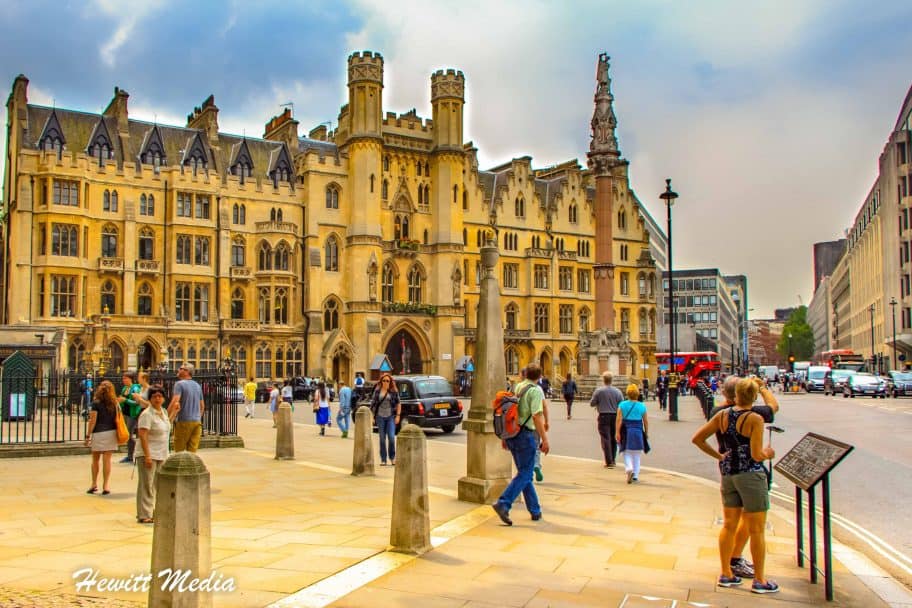
The greater London area is a very large and diverse place with a wealth of amazing things to see and do. You could live in the London area for years and still not see all of the wonderful things there are to see and experience all of the exciting things there are to experience, so understanding what there is to see and do before planning a trip to London is essential to successfully planning a trip to remember.
To help ensure that you have all of the top sights on your itinerary, I have outlined the Top Ten things that I would recommend seeing while in London in my London travel guide below.

 | Tower of London |
 | Big Ben |
 | London Eye |
 | Buckingham Palace |
 | The Tower Bridge |
 | Hyde Park |
 | St. Paul’s Cathedral |
 | Westminster Abbey |
 | Trafalgar Square |
 | Abbey Road |
Tower of London

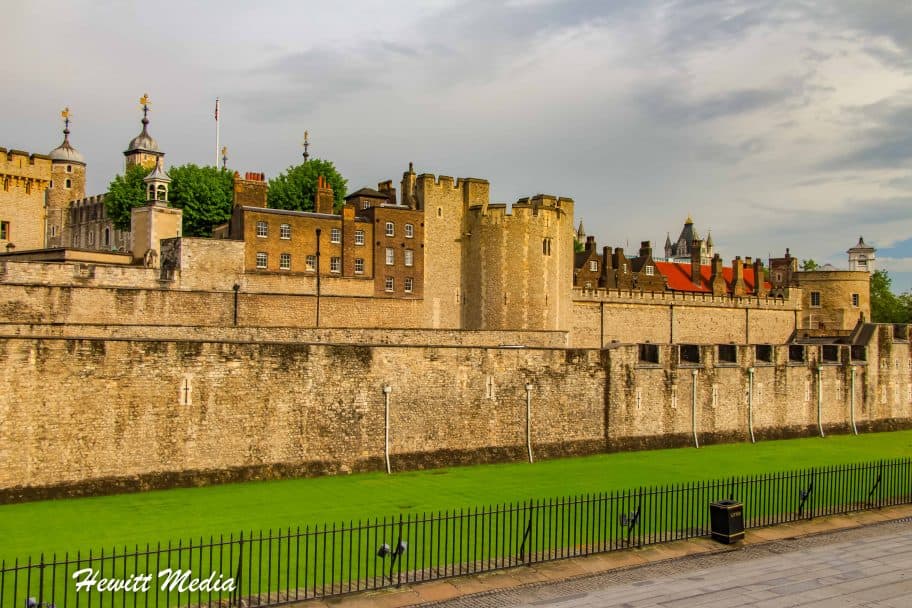
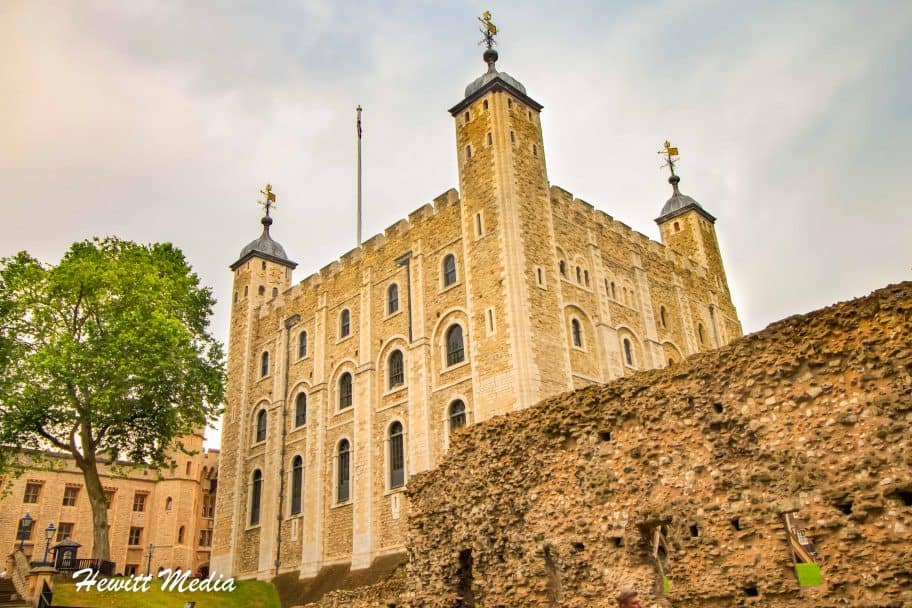
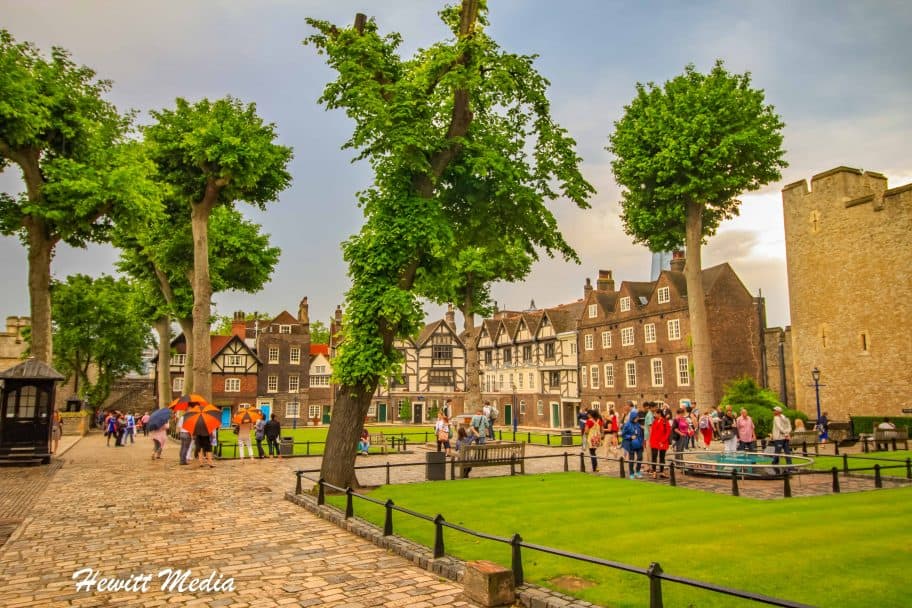
Widely considered to be one of the most iconic landmarks in the greater London area, the Tower of London is an absolute must-hit spot when visiting the city. If you want to understand the history of London, your history lesson will start and stop with this legendary medieval fortress and former prison.
Believed to have been constructed starting all the way back in 1066, the Tower of London was constructed as a way for William the Conqueror to secure his position in London against the conquered Saxons who inhabited the city. Since it was built, the tower has been used to fulfill many roles.
For instance, in its early history, the tower served as a grand royal palace. In later eras, it was used as a fortress, a prison, and a place of execution. The Tower of London is guarded by 37 Yeoman Warders, nicknamed “Beefeaters”, who have watched over the tower since the Tudor times.
Make Sure You Get Your Tickets in Advance
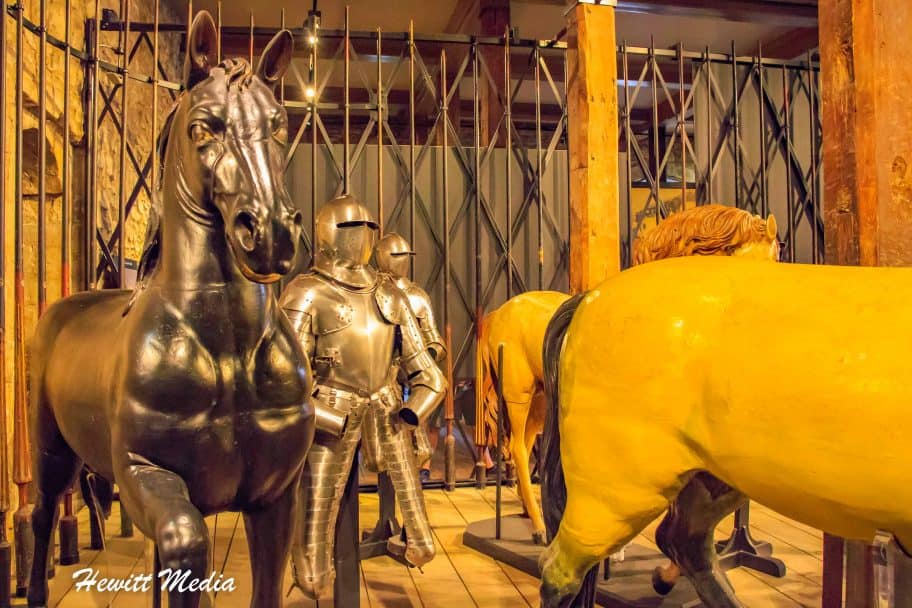
If you are planning on touring the Tower of London, I would strongly suggest getting your tickets in advance. Among the highlights that you will be able to see when touring this historic location include the White Tower, the Jewel House (which is the home of the priceless Crown Jewels), the Royal Mint, and the Bloody Tower (where many of the executions took place).
If you visit in the evening and are lucky, you also might have a chance to witness the “Ceremony of the Keys”. This is the 700-year-old tradition of locking up the Tower Gates at the end of each evening. These are just some of the things that make the Tower of London one of the most popular tourist spots in London and why it is on my list of the top things I recommend that you see when you visit.
Big Ben

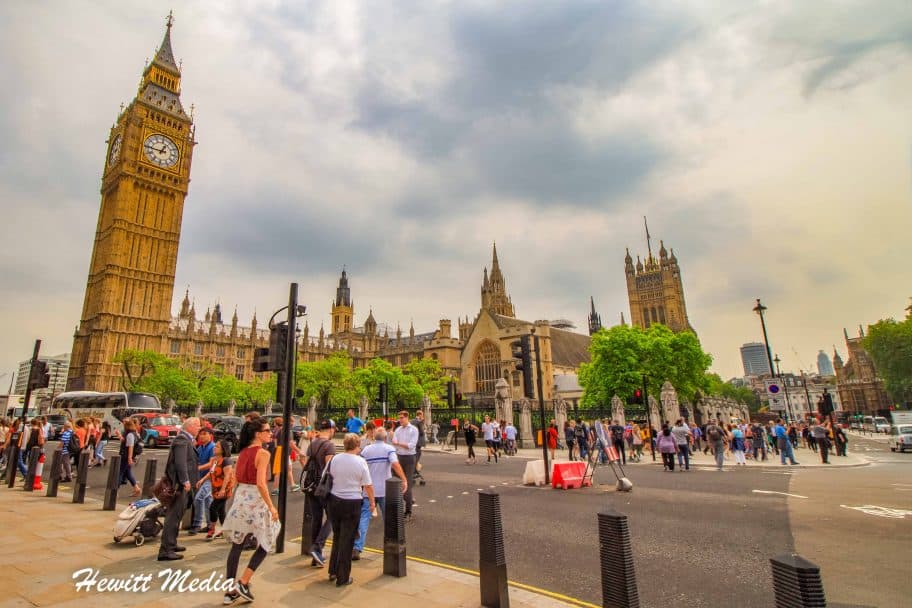
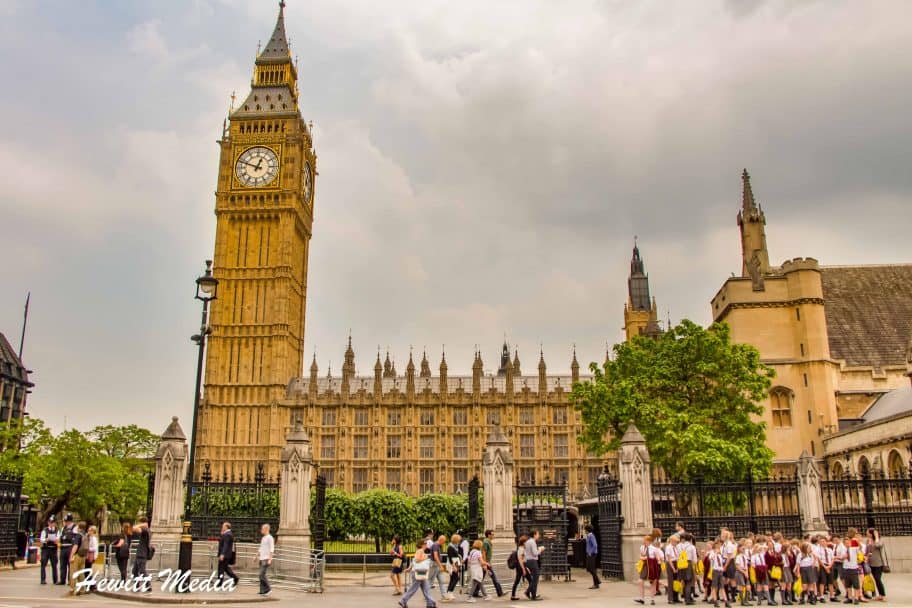
When speaking of iconic London landmarks, it is difficult to leave the breathtaking bell tower known affectionately as “Big Ben” off the list. It is such a legendary London landmark that it is easy to forget that Big Ben is less than 200 years old. That may seem like a long time, but according to European standards, Big Ben is still a baby.
Constructed in 1859, this larger-than-life clock tower has become such an icon of the city that it is now featured on t-shirts, lunchboxes, and other memorabilia all over the world. Not only is it one of the world’s largest clock towers, but it is also one of the most reliable. It has chimed the time of the day, on the hour, on every day for the past 177 years.
Getting to Big Ben is quite easy as it is located right in the heart of the tourism sector of the Greater London area, near other iconic landmarks like the Houses of Parliament and Westminster Abbey. If you visit London, stopping by Big Ben to learn about its fascinating history is an absolute must.
You’ll learn about how it survived a bomb during World War II that wiped out the House of Commons, as well as why its name was changed back in 2012. However, if you have dreams of going inside Big Ben, you won’t be allowed this honor unless you are a UK resident. Even then, you need to schedule your visit months in advance.
The London Eye

Speaking of London’s skyline, another landmark that is hard to miss when visiting London is the infamous London Eye. As the world’s largest Ferris wheel when it opened back in the year 2000, and still Europe’s tallest cantilevered observation wheel, it offers visitors some of the most amazing views of London.
The London Eye is located on the South Bank of the River Thames, just across from Big Ben and the Houses of Parliament, making it rather easy to get to when sightseeing around the Greater London area. Each pod in the eye holds roughly 28 people, which includes wheelchair access.
One rotation takes roughly 30 minutes, so you will have plenty of time to take in the extraordinary views of London on your ride. At the highest point, you will be roughly 442 feet (or 135 meters) above the ground, which means you will be able to see across London, unobstructed, for miles.
If you want to ride the London Eye when it London, I would strongly recommend that you purchase your tickets far in advance. The London Eye attracts roughly 4 million visitors a year, so it can get quite busy, especially during the peak summer months. If you book your tickets online, not only will you save time waiting during your visit, but you can also save 15% off your ticket price. Fast-track passes are also available if you would like to avoid a wait, but they will cost you extra.
Buckingham Palace

No London travel guide is complete without mentioning Buckingham Palace. Many places in London scream regal elegance, but Buckingham Palace is in a league of its own in that right. Located in the heart of London, Buckingham Palace is the official residence of Her Majesty The Queen, and the palace lives up to that title in every way.
The palace dates back to 1603 and the time of King James I, but wasn’t used as the official residence of the British Monarchy until 1837 when Queen Victoria acceded to the throne. Though it was bombed nine times during World War II, King George VI and Queen Elizabeth refused to leave the palace and lived in it throughout the war. Thankfully, the palace and the Queen survived and are both here today.
If you would like to visit Buckingham Palace, some of the top things to see are the beautiful staircase inside the palace, the breathtaking throne room that is used for ceremonial receptions, the unique special exhibition that changes every summer, and of course the “Changing of the Guards”.
If you would like to tour Buckingham Palace, you will need to plan ahead. You can also take a virtual tour online if you aren’t able to take a tour in person. Otherwise, the Changing of the Guards happens every day at 10:45 and lasts around 45 minutes. However, if you plan on witnessing the ceremony, I would suggest arriving early as crowds tend to gather and make viewing difficult if you are late.
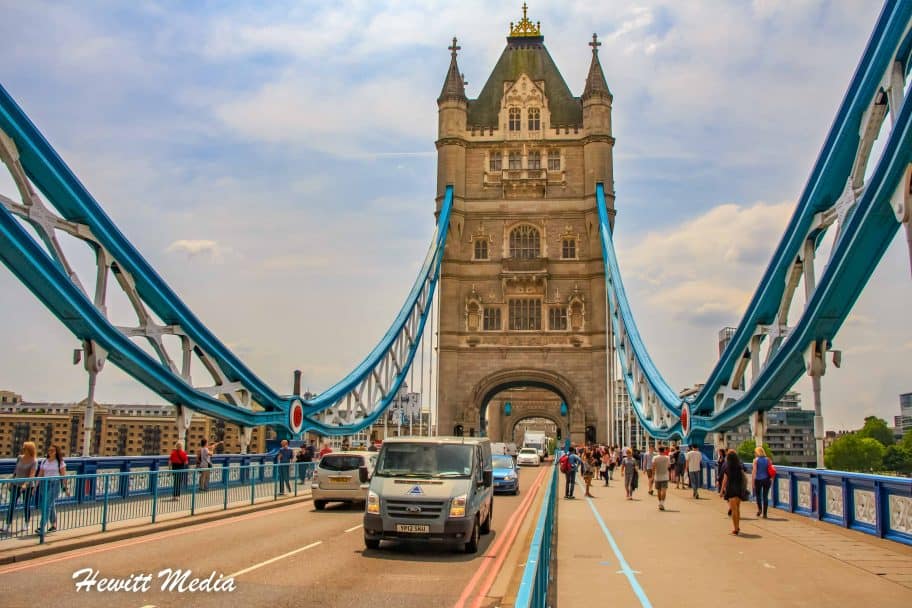
The Tower Bridge
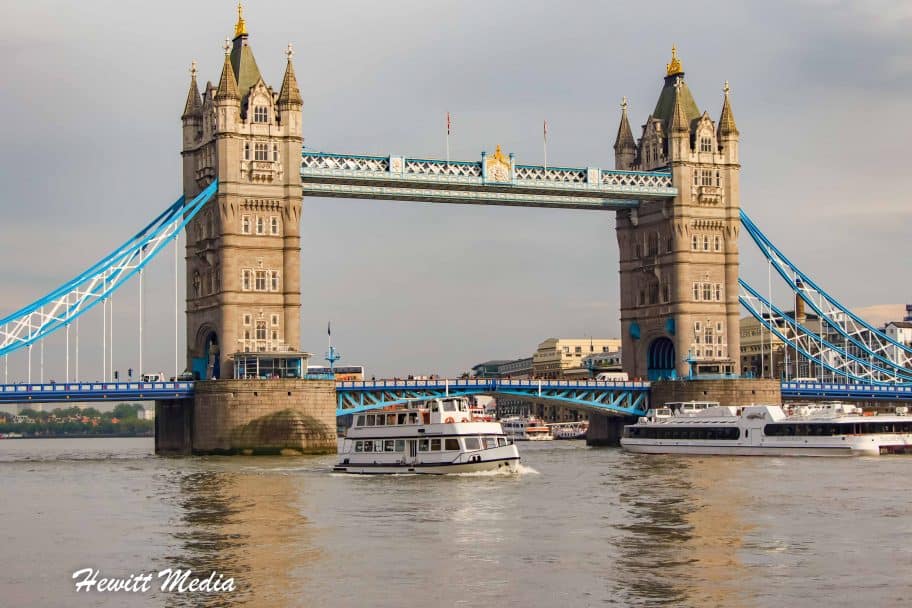
While the London Bridge may get all of the attention in nursery rhymes, the Tower Bridge in London is the bridge that captures people’s attention and hearts when they visit London. Built between 1886 and 1894 to allow easy and convenient travel across the River Thames, the bridge has become much more than a thoroughfare in the days since it was opened.
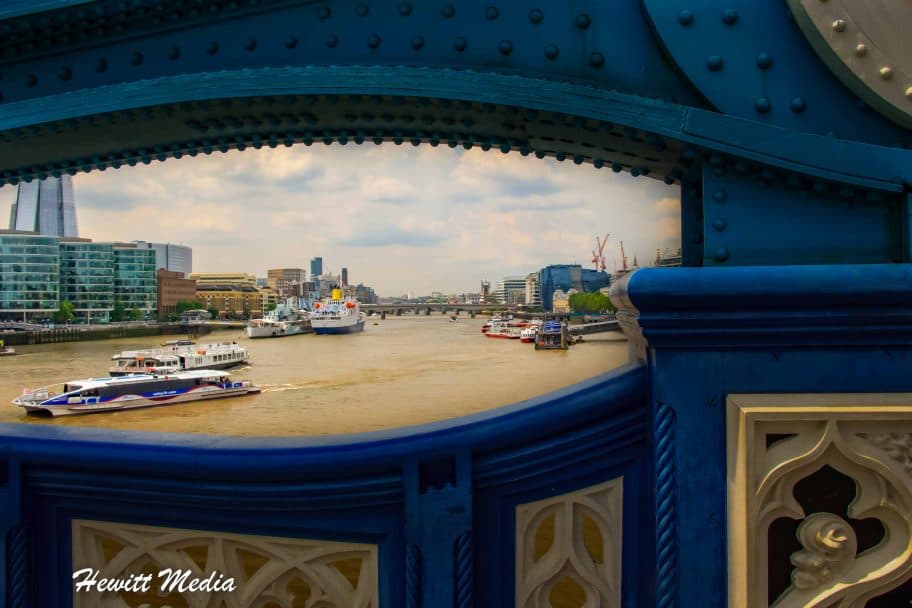
Sitting 137 feet (or 42 meters) above the river, it offers travelers a magnificent view down the river at the heart of London. However, you don’t have to drive across the bridge to enjoy the view.
The Tower Bridge has an elevated walking path that was opened in 1982 and offers a convenient way for pedestrians to enjoy the views from the bridge. So whether you choose to take a drive across the bridge or a leisurely stroll, seeing the Tower Bridge up close is something you won’t want to miss when touring London.
Hyde Park

If you need a break from all of the museums, iconic landmarks, and hustle-and-bustle of the city, a great way to escape and find some tranquility in the concrete jungle of London is to take a walk through the breathtakingly beautiful Hyde Park.
The largest of the four Royal Parks in London, Hyde Park is a refreshing green oasis that beckons weary travelers to come and recharge their batteries. Whether you are just walking or biking through, people-watching near one of the park’s many perfectly manicured gardens, or planning to spend a whole day exploring the park’s many treasures, I would definitely work some time to see the park into your London travel itinerary.
If you do decide to visit Hyde Park during your trip to London, some of the can’t-miss spots in the park are the Princess Diana Memorial and the amazing Kensington Gardens, which ends at the Kensington Palace where Prince William and Kate live. After spending some time in the beauty of the park, in no time you will be ready to start exploring some of the other can’t-miss spots in my London travel guide.
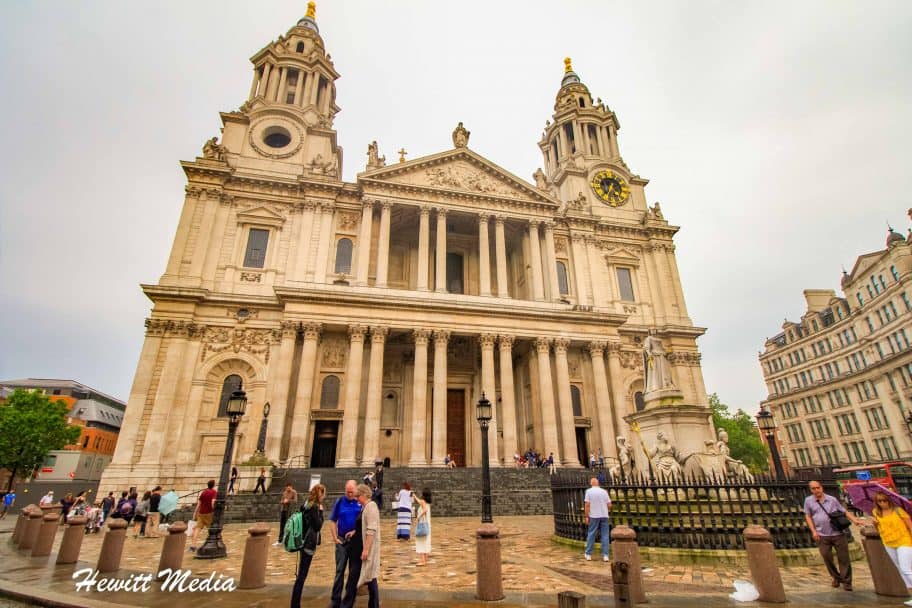
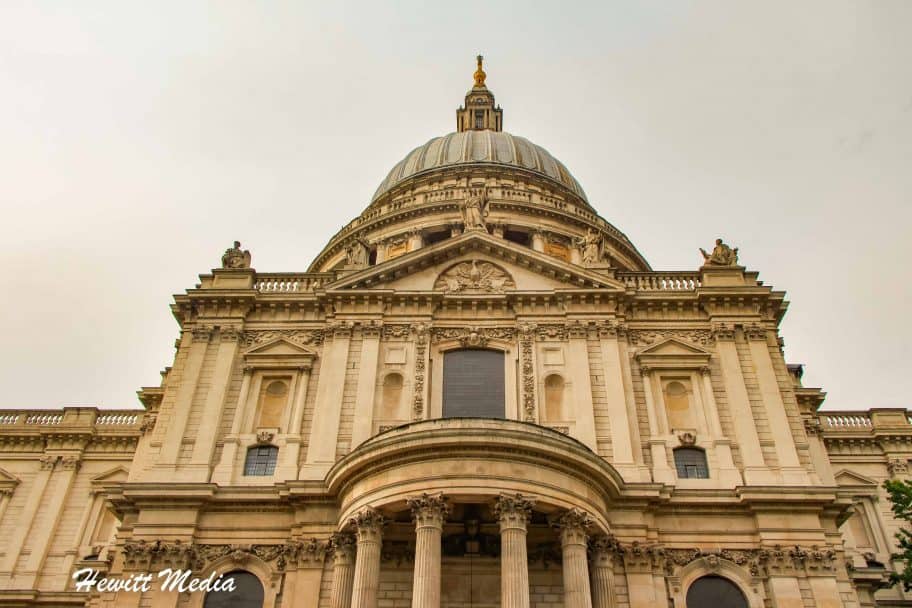
St. Paul’s Cathedral

If you are a fan of the movie “Mary Poppins”, the one spot in my London travel guide that you will not want to miss visiting is the iconic St. Paul’s Cathedral. For those who have seen the movie, this is the cathedral that is showcased during the beautiful “Feed the Birds” song. I have always loved that movie and that song, and I absolutely treasured the experience of seeing this beautiful church in person when I visited London.
There is a lot of history surrounding this special church that dates all the way back to 604 AD, but the most interesting fact of all is that it is miraculously one of the few buildings in London that was never bombed during World War II.
If you are planning on visiting the church during your stay in London, there is a stop at the church on the Underground’s Central Line or you can take a bus to the London Bank Station stop. Make sure you bring comfortable walking shoes when you visit as there are a lot of beautiful things to see and tour while visiting this beautiful church. On the ground floor, visitors can see the altar, the North and South aisles, and many beautiful and intricate statues and carvings.
Make Sure to Visit the Whispering Gallery
Just up the steps on the next floor is the Whispering Gallery, which overlooks the entire ground floor of the church. It is a beautiful view, so I would definitely recommend spending the time to visit. It gets its name because of the area’s acoustics. You are allegedly able to whisper into the wall in the gallery and people on the other end of the church will be able to hear you.
If you would like to also tour the crypt, and bell tower, and spend some time looking at all of the ornate detail inside the church, I would plan on spending around 2-3 hours touring St. Paul’s Cathedral. The one thing you will not be able to do when you visit is to take pictures inside the church as there is a strict no-photography policy, which is common for old churches like this one. So whether you just drop by to admire the church from the outside or spend some time touring inside, St. Paul’s Cathedral is a great landmark to add to your London travel itinerary.
Westminster Abbey
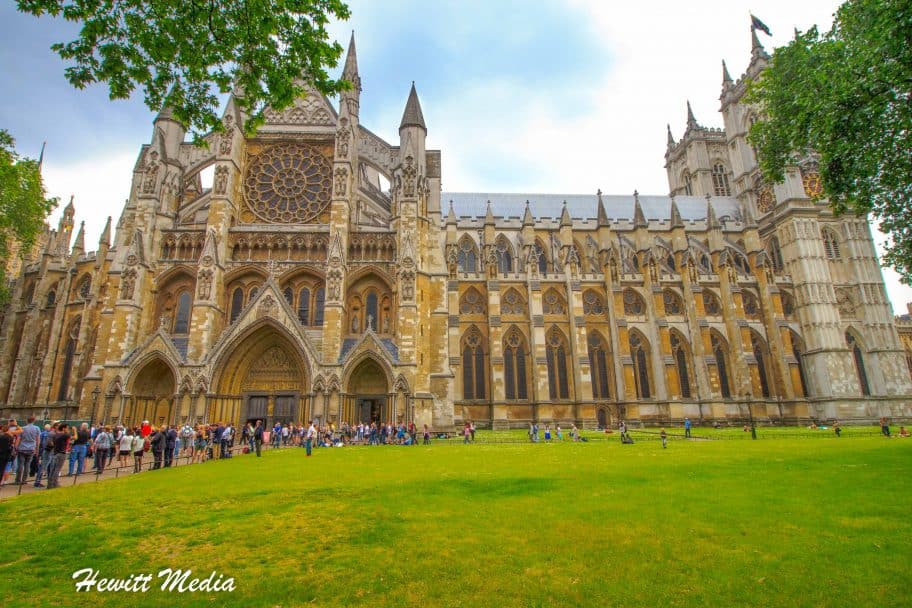
Referred by some as the “Soul of London”, Westminster Abbey may be one of the most renowned churches in all of England. This large, Gothic-style church in the city of Westminster, London is the traditional place of Royal coronation and the burial site for all English, and later British, monarchs.
The church is located near the Palace of Westminster and together form one of the most beautiful areas of the Greater London area to tour. In addition to royalty, many other English and British dignitaries are buried within the Westminster Abbey.
In fact, more than 3,300 people are buried in the abbey, including 16 monarchs, 8 prime ministers, and many poets, actors, scientists, military leaders, and the infamous “unknown warrior”. Some of the most famous people to have been buried in the abbey include Sir Isaac Newton, Geoffrey Chaucer, Stephen Hawking, Laurence Olivier, and the great explorer Dr. David Livingstone. Because of this, Westminster Abbey has also been commonly referred to as “Britain’s Valhalla”, which was the iconic hall in Norse mythology that housed fallen heroes.
Trafalgar Square
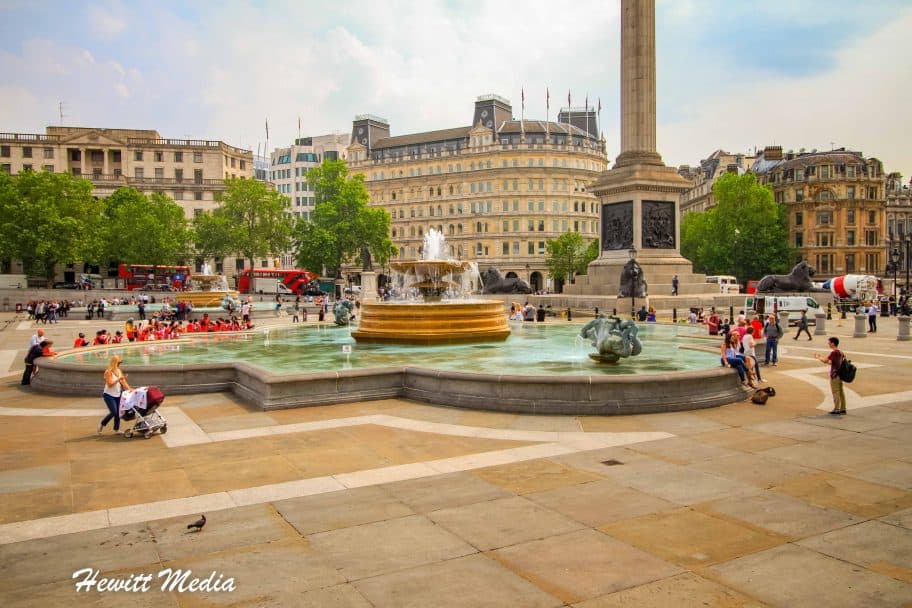
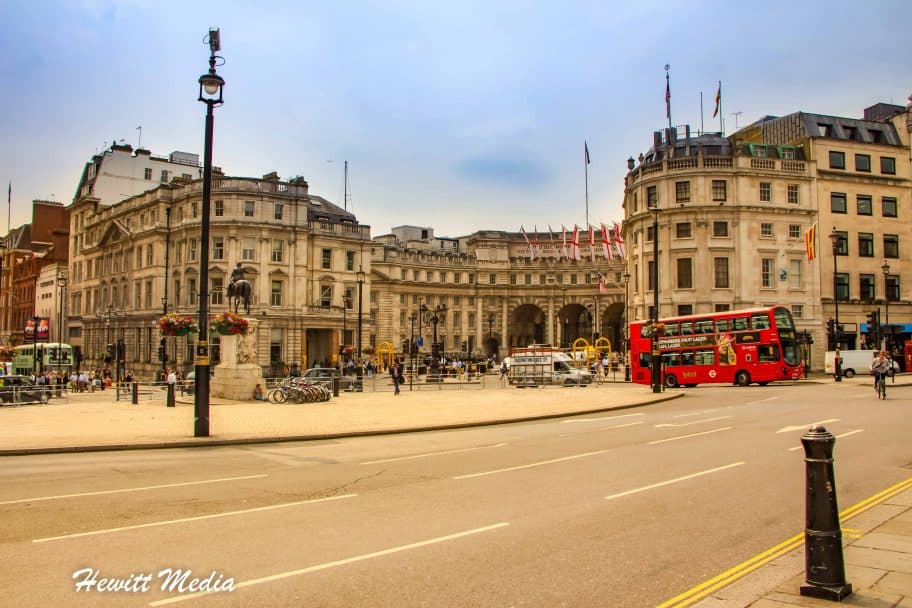
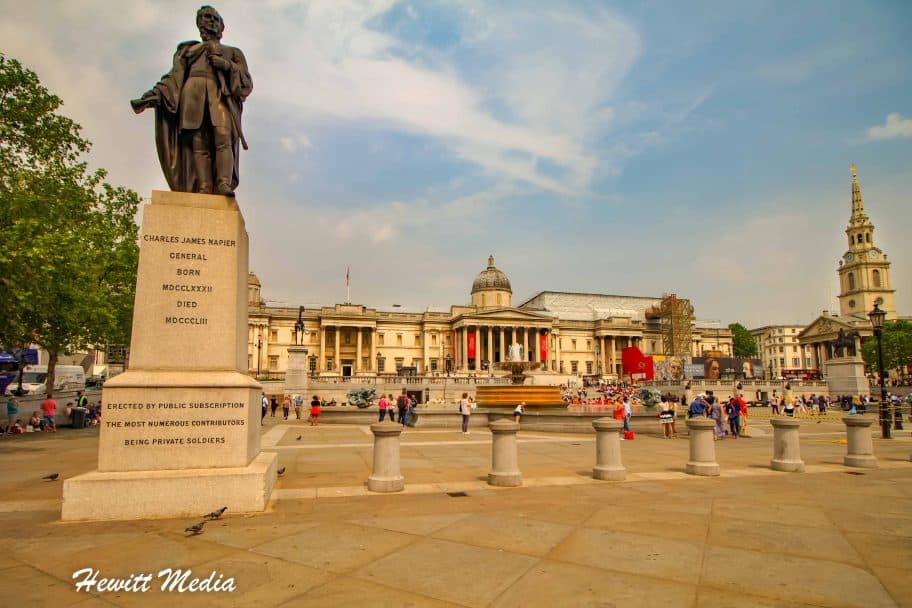
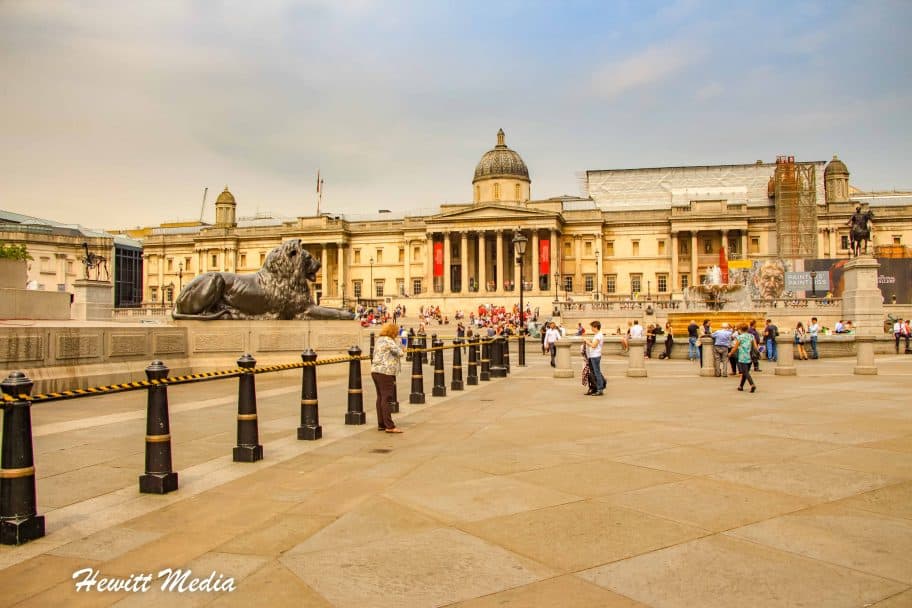
Located in the heart of London, few places in the city seem to symbolize the true London as well as Trafalgar Square. Named after Vice-Admiral Nelson’s heroic victory over Napoleon and his French armies in the Battle of Trafalgar, the square is home to some of London’s most iconic statues, including the iconic Nelson column and its pair of regal lions for Nelson himself.
Other statues include King George IV on horseback and Generals Sir Henry Havelock and Sir Charles James Napier, who both died in the mid-1800s. However, even more than the statues, Trafalgar Square is known for its beautiful fountains. These beautiful fountains are common resting places for locals and weary travelers alike.
If you are in the area, you will also be happy to know that Trafalgar Square is in very close proximity to some other very popular tourist destinations. The most notable of these is the world-renowned National Gallery, which is free to visit and has one of the most beautiful collections of paintings from the 13th through the 19th century. So whether you are just passing through, or plan to sit and admire the beauty and history of the square, take a moment to absorb all of the history that surrounds you.
Abbey Road
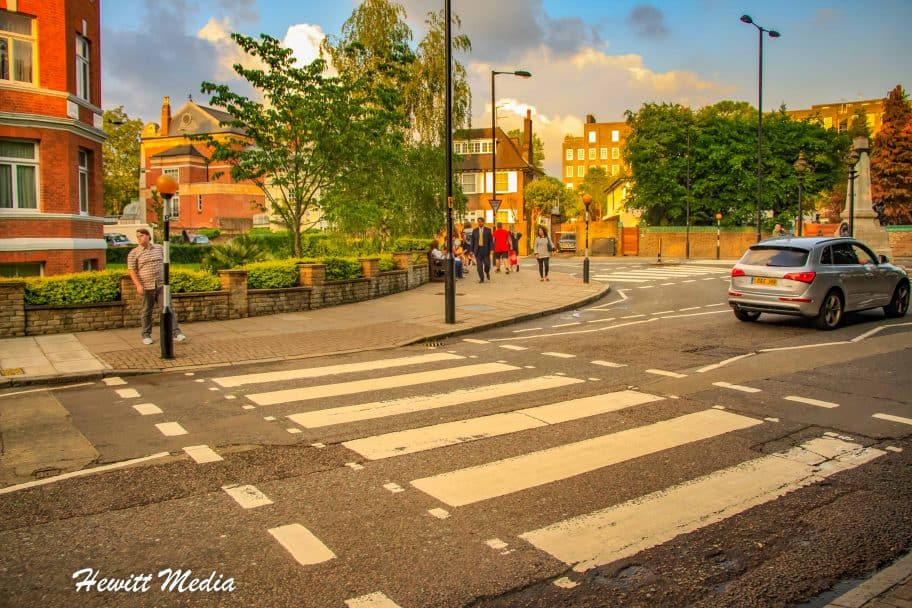
If you are a Beatles fan, then you will absolutely LOVE visiting the Greater London Area. This is where the Beatles, among other legendary rock-and-roll bands, came of age, so there are plenty of landmarks for you to tour in the area.
If you take an official Beatles Tour (see the links in my tours section below), you will get to see plenty of the places that inspired such songs as “I am the Walrus”, “Penny Lane”, and “Strawberry Fields Forever”. Not only that, but you will get to hear amazing stories about the lives of the Beatles and their relationships with other rock-and-roll icons who lived in the area.
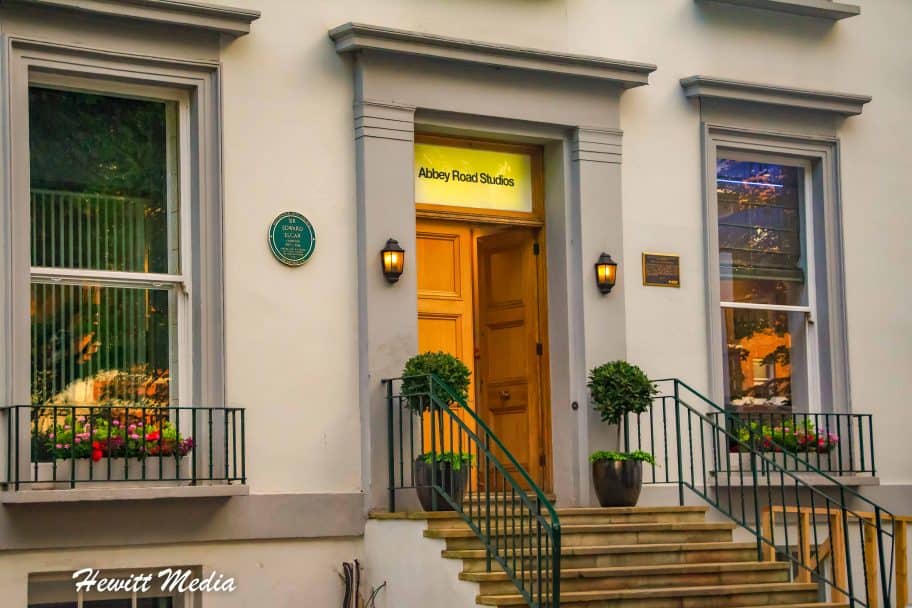
One of my favorite Beatles landmarks is undoubtedly Abbey Road and the famous crosswalk that is pictured on the Beatles album of the same name, which is pictured above. On the album cover, John, George, Ringo, and a barefoot Paul are walking across the crosswalk on Abbey Road, which is located near the Abbey Road recording studio, where the Beatles recorded many of their albums.
What many people don’t know, and you learn on the tours, is that this photograph was taken at the height of the inter-band turmoil that ultimately broke the band apart. If you are in the London area and love the Beatles like I do, I would definitely recommend taking a tour and snapping a picture of yourself walking across Abbey Road.
How to Get to the City of London, UK
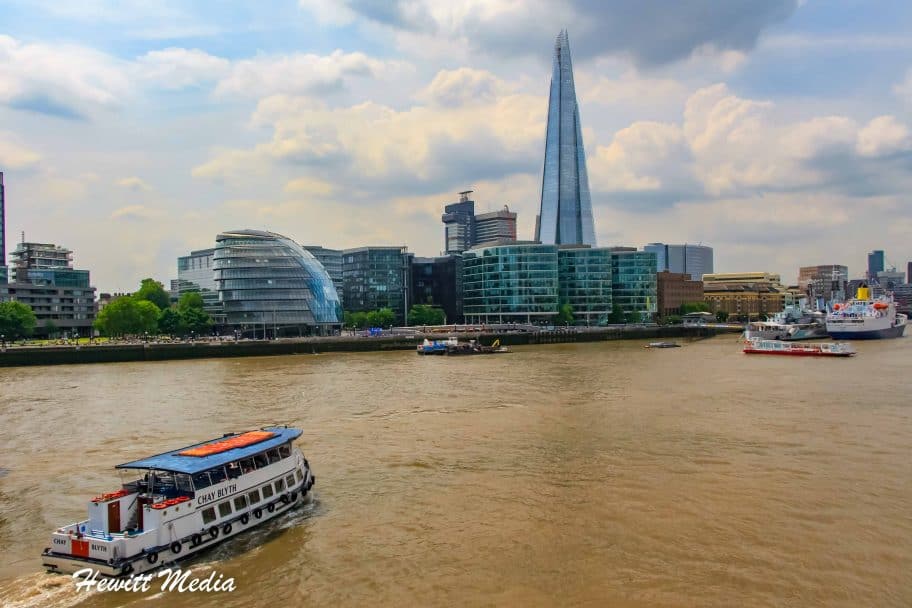
If you are traveling to London from outside of the UK, the quickest way to get there is undoubtedly by flying. However, depending on where you are visiting from, it may be cheaper and close to as fast to use Europe’s rail system.
Ultimately, how you choose to get to London is going to largely depend on your specific travel plans. In particular, it is going to depend on where else you will be visiting on your trip, how long you have to travel, and what mode of transportation you are the most comfortable with.
To give you all of the information you need to get to London by air or train, I have outlined both modes of transportation in my London travel guide for you to review below.
Flying into London
With no less than six international airports in the greater London area, there certainly isn’t a limited number of options for flying into the city for a visit. When flying into London, you will likely find the most international flight options for London Heathrow Airport (LHR), which welcomes roughly 45% of the passengers who fly into London each year.
Located roughly 16 miles (or 26 km) from London, Heathrow isn’t the closest airport to the city, but it is the city’s largest and busiest airport. The closest airport to London would be London City Airport (LCY), which is only 9 miles (or 14 km) away from the city, but is quite small. The number of international flights to London City Airport will be much more limited than what you will find at London Heathrow Airport.
London’s other airports are located quite a ways out from the center of London (where most of the tourist attractions are located), so the transportation from the airport to downtown will be expensive. For this reason, I wouldn’t suggest flying into one of those airports unless you don’t have other options. For your reference, the distance of all of London’s airports to the city is as follows:
Distance of the London Airports to the City
| Airport | Distance (Miles) | Distance (Kilometers) |
|---|---|---|
| London City Airport (LCY) | 9 miles | 14 km |
| London Heathrow Airport (LHR) | 16 miles | 26 km |
| London Gatwick Airport (LGW) | 28 miles | 45 km |
| London Luton Airport (LTN) | 34 miles | 55 km |
| London Stansted Airport (STN) | 39 miles | 63 km |
| London Southend Airport (SEN) | 40 miles | 64 km |
If you are in the process of looking for flights and would like to know where London’s six airports are located in relation to the city, I have included an airport map in my London travel guide for you to review below.

Arriving by Train
If you are visiting London from elsewhere in Europe, you may want to look into taking a train to the city instead of flying. Depending on where you are traveling from, it will likely be cheaper and may not even take you that much longer to get there.
Yes, you can take a train from mainland Europe to London, thanks to the Channel Tunnel that was completed in 1994 and connects the towns of Folkestone, England with Coquelles, France.
If you are in the process of planning the logistics of your trip to London and would like to explore your options for traveling by rail, I have included a helpful chart for you to review on the travel times by train to London from various large European cities in my London Travel Guide below.
Travel Time to London from Other Popular European Destinations
| City | Travel Time |
|---|---|
| Brussels, Belgium | 2 hrs 15 minutes |
| Paris, France | 2 hrs 30 minutes |
| Amsterdam, Netherlands | 4 hrs 15 minutes |
| Berlin, Germany | 10 hrs 30 minutes |
| Zürich, Switzerland | 11 hrs |
| Munich, Germany | 11 hrs 15 minutes |
| Milan, Italy | 14 hrs 15 minutes |
| Barcelona, Spain | 17 hrs 45 minutes |
| Vienna, Austria | 18 hrs |
| Prague, Czech Republic | 20 hrs |
Best Times to Visit the City of London, UK
Average Temperature (°F)
When planning your trip to London, one of the biggest decisions that you will have to make will be what time of year you want to visit. Along with availability in your schedule, one of the most important factors to consider when determining when to visit will be the temperature.
Let’s face it, most people don’t want to spend the money to travel to a place like London when they will encounter weather they are uncomfortable with. To help you determine what time of year would be best for you to visit London, I have included a graph in my London travel guide below that lays out the average high and low temperatures by month.
While it typically doesn’t drop below freezing in London too often, it can get quite chilly during the winter months of December through February. If you are looking for warmer temperatures when you visit, then you will likely want to target the months of April through October.
The temperatures are the warmest during May through September, but during the summer months of June through August, you should also expect the largest crowds in London. If you want to avoid the crowds and still have nice weather, booking in May or September is your best bet.
Average Precipitation (Inches)
While it is a common misconception that it rains in London year-round, the city does get its fair share of rain during certain portions of the year. If having clear skies to enjoy as you do some sightseeing around the city is a top priority for you, then you will want to review the graph I included in my London travel guide below that details the amount of precipitation that London gets on average per month.
If you want to maximize the chances of having good weather during your trip, I would suggest avoiding the late autumn and winter months of October through January. These tend to be the wettest months of the year in London.
Where to Stay When Visiting London

An important decision you need to make when planning your trip to London is where you will stay. When you travel, the accommodations you choose are oftentimes amongst the biggest expenditures for your trip.
So, not only do you need to be comfortable, but you need to be able to afford to stay there. Finding the right accommodations for your trip involves looking at the amenities, the location, and most importantly, the price.
If you are starting to plan your trip to London, you may be looking for some hotel and hostel suggestions. I included some great options at different price points in my London travel guide below. As always, don’t be afraid to expand your search to room-sharing sites such as Airbnb or VRBO if you aren’t finding a hotel or hostel that meets your needs.

Where to Eat When Visiting London

When most people plan a trip, the primary focus is on how to get there, where to stay, and what is on the list of things to see and do. What many travelers neglect to plan, is where to eat when you are there.
Granted, it is sometimes fun to be spontaneous when choosing a restaurant while traveling, and it is always smart to get recommendations when you arrive. However, it can also be advantageous to have some ideas of restaurants you would like to try during your trip written down beforehand as well.
This way you can be assured that you won’t miss out on a highly recommended culinary experience that you will regret. To help you decide on some restaurants in London to add to your list, I have included a list of some highly recommended options for you to review in my London travel guide below.
| Restaurant | Cuisine | Price |
|---|---|---|
| Alexander The Great | Mediterranean, Greek, Veggie | $$-$$$ |
| The Golden Chippy | Seafood, British | $ |
| The Prince of Wales | Irish, British | $$-$$$ |
| E Pellicci | Italian, Cafe, British | $$-$$$ |
| Core by Clare Smyth | French, European, British | $$$$ |
| The Ledbury | European, British, Veggie | $$$$ |
Recommended Tours to Take in London

There is an abundance of amazing things to see and do in the London area and one of the best ways to experience those things is on a tour. For those of you who are looking for comprehensive vacation packages, please check out the incredible London packages offered by Thrillophilia.
If you are looking for fun tours and excursions to fill out your trip, I have also included some highly rated tours for you to review below. Just expand the categories below to see the tour options.
Recommended London Sightseeing Tours
Recommended London Themed Tours
Recommended London Food and Drink Tours
Recommended Day Trips from London
Recommended London River Tours
Recommended London Ticket Deals
Recommended London Stadium Tours
Recommended London Airport Transfer Services
London Photo Gallery
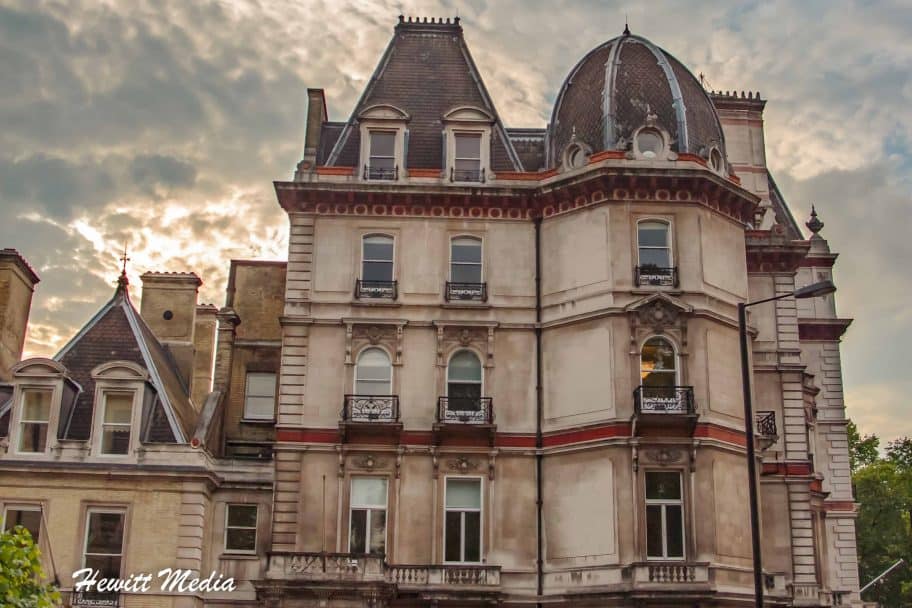
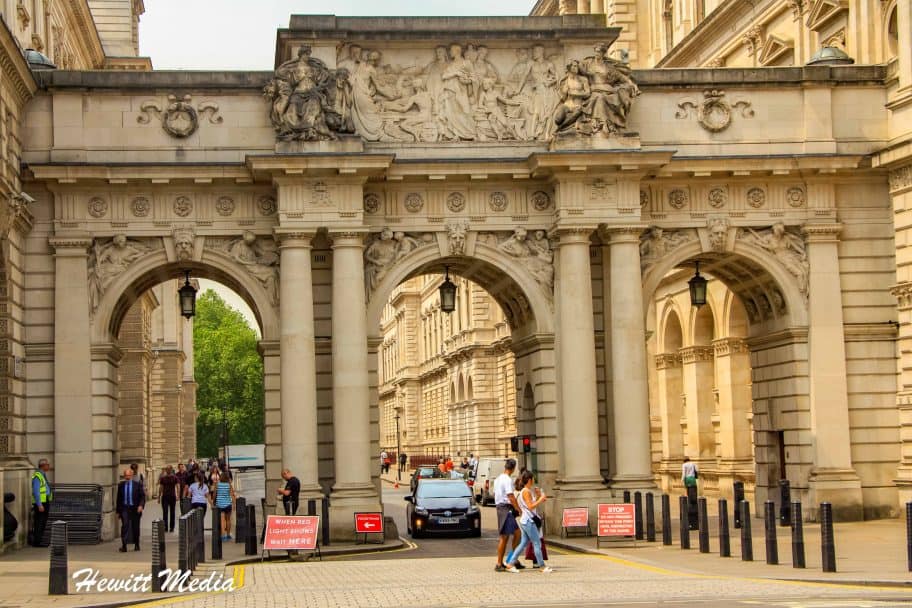
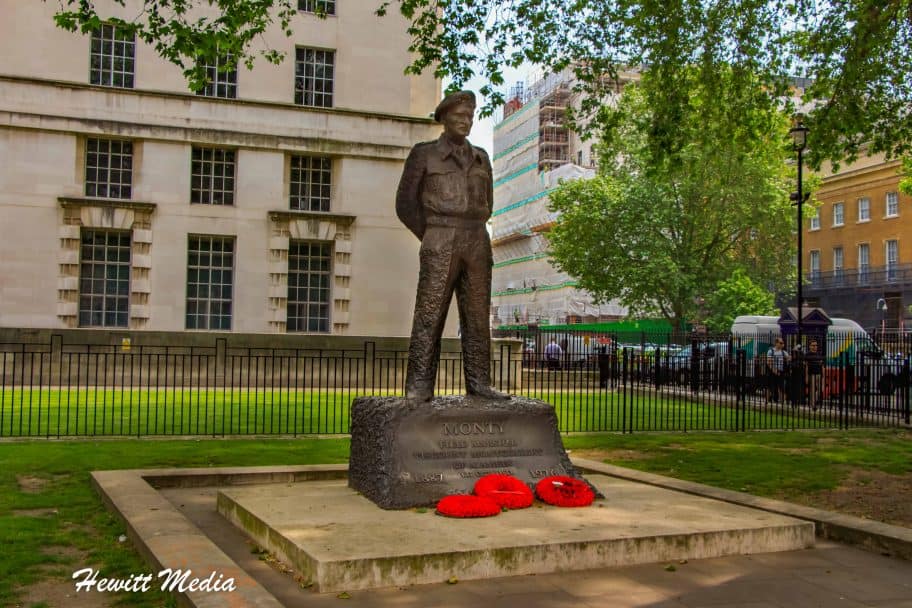
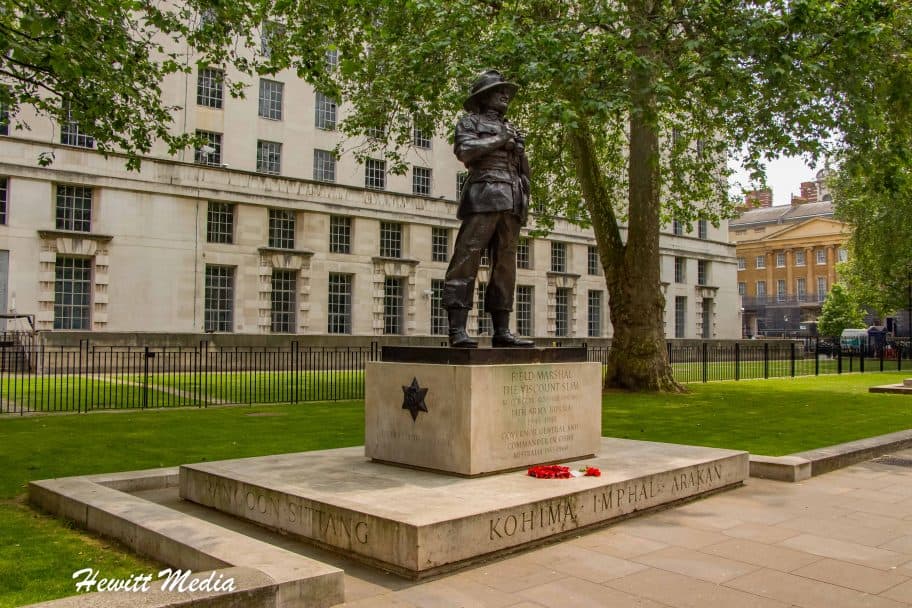
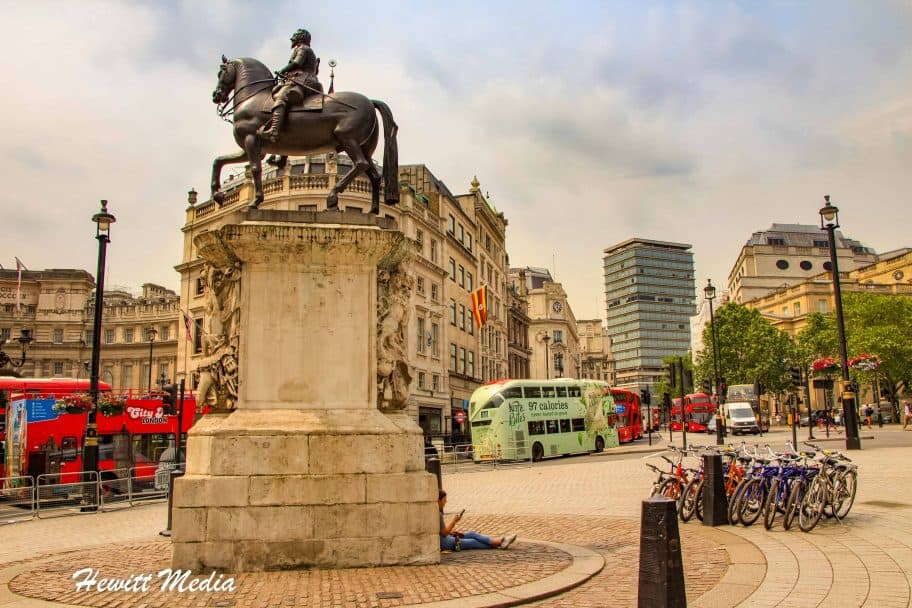
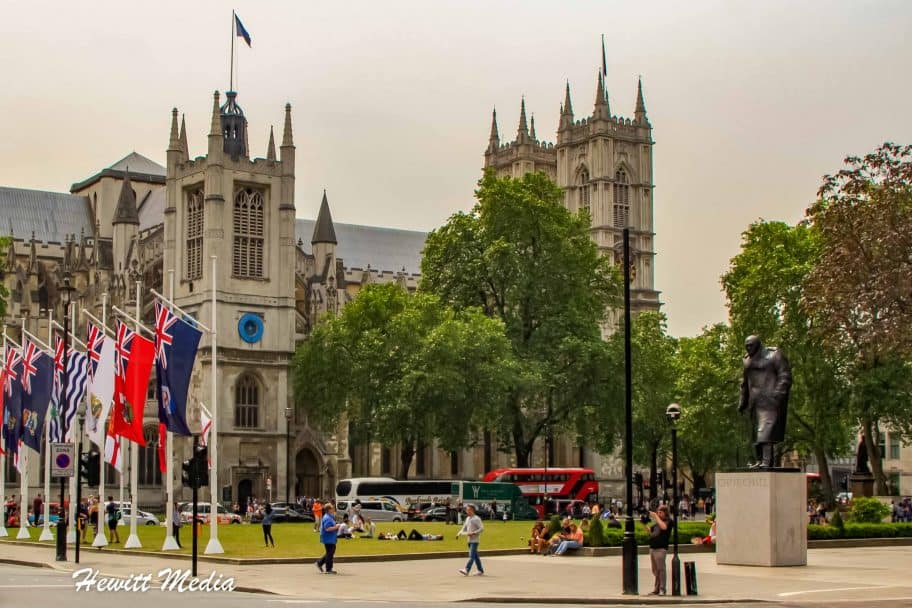
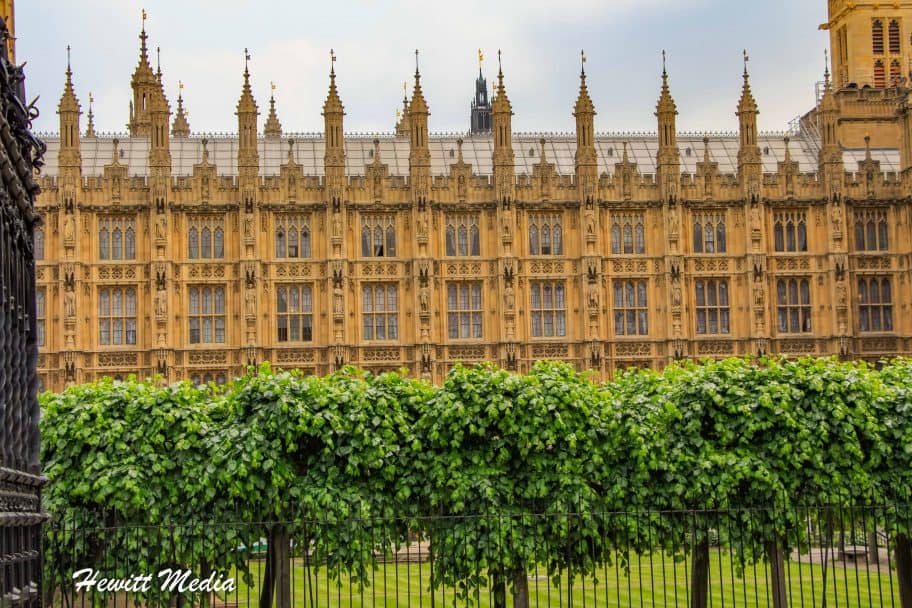
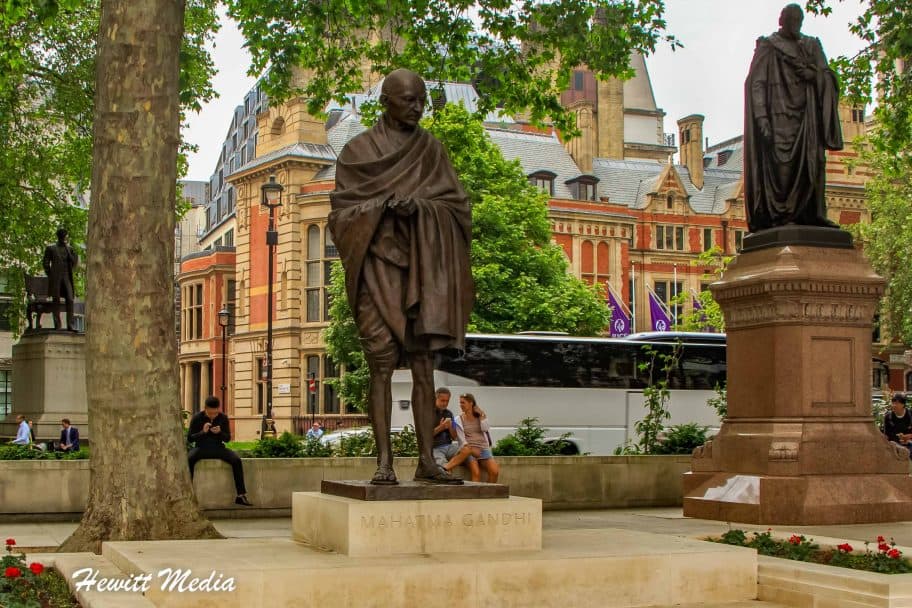
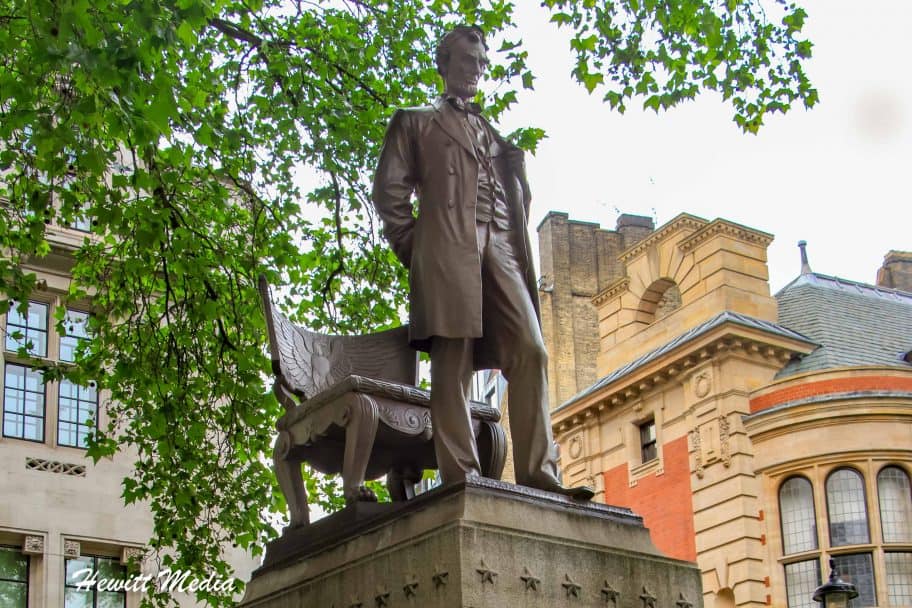
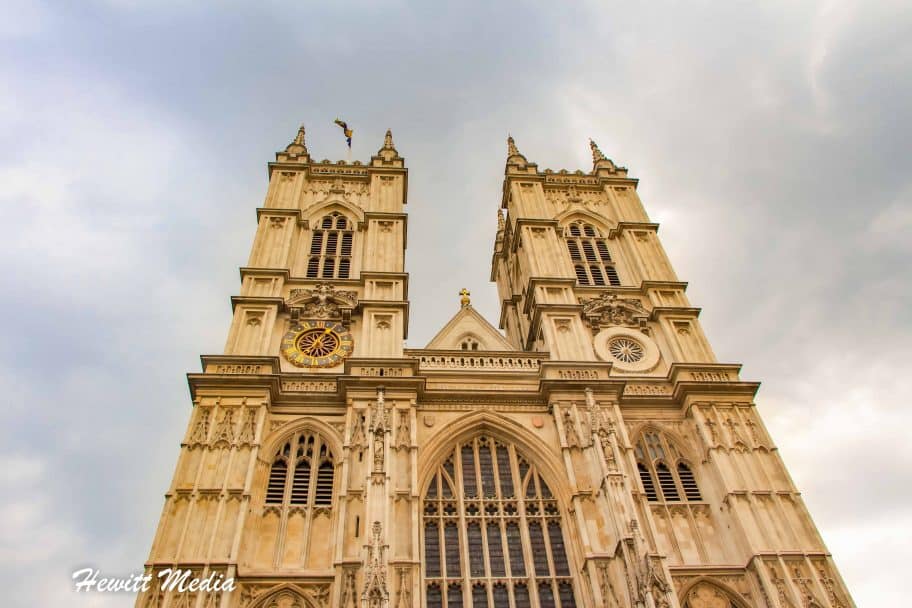
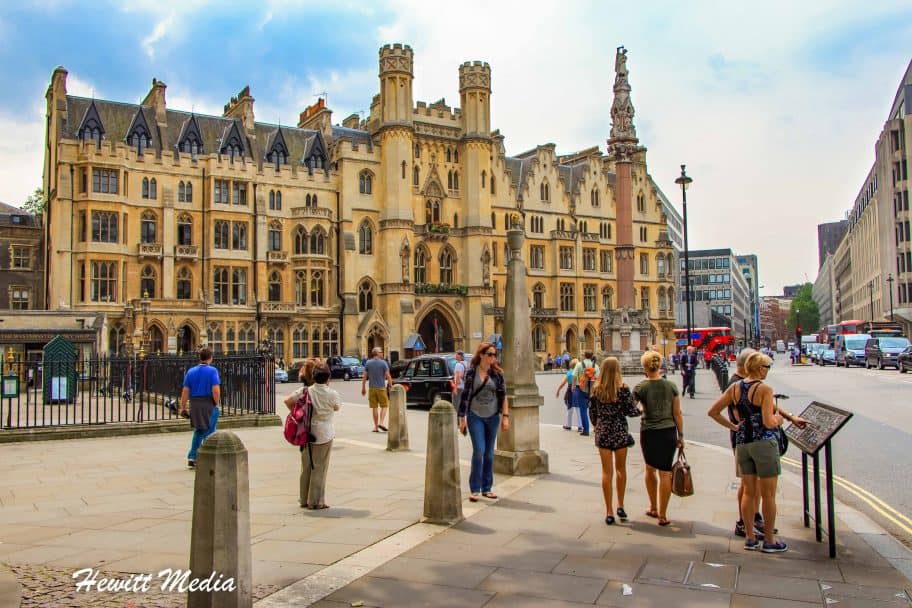
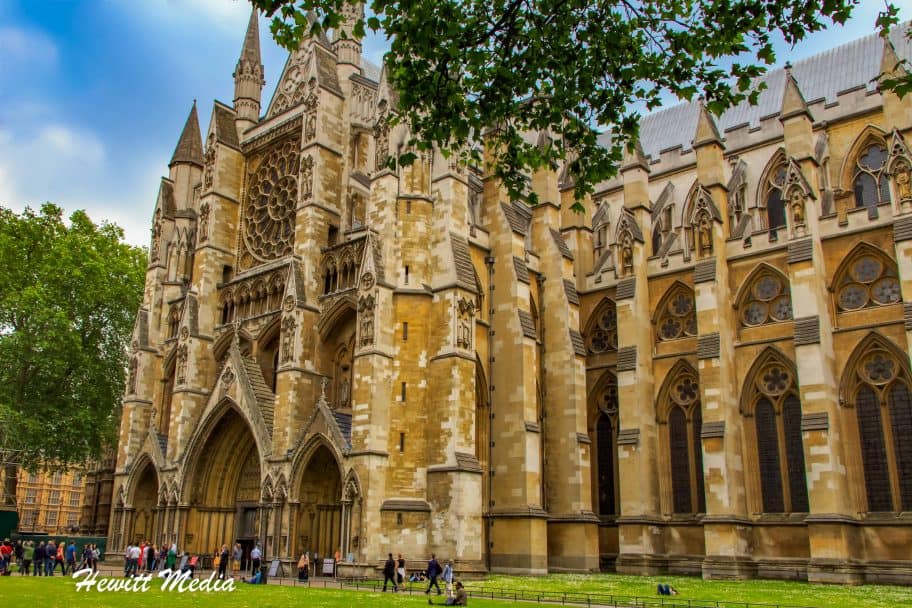
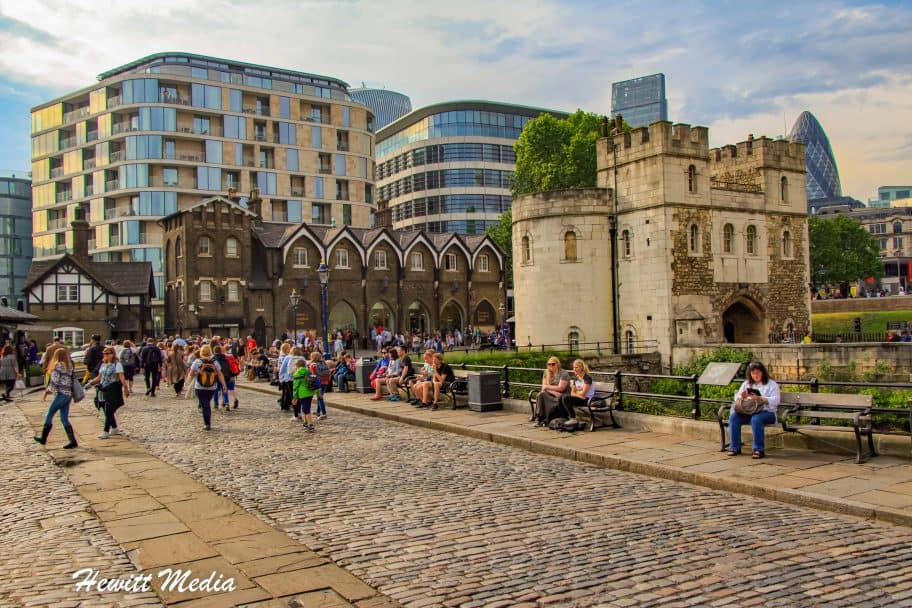
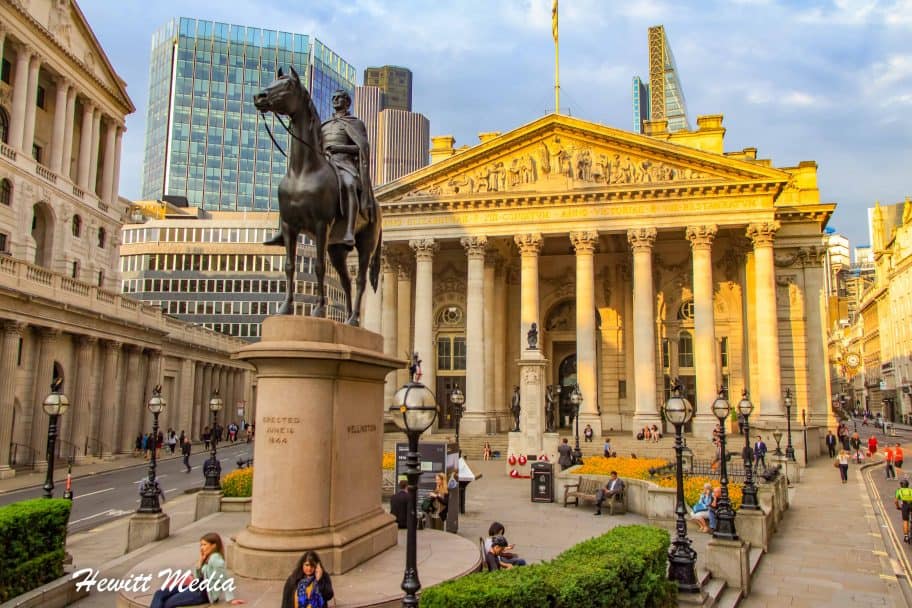
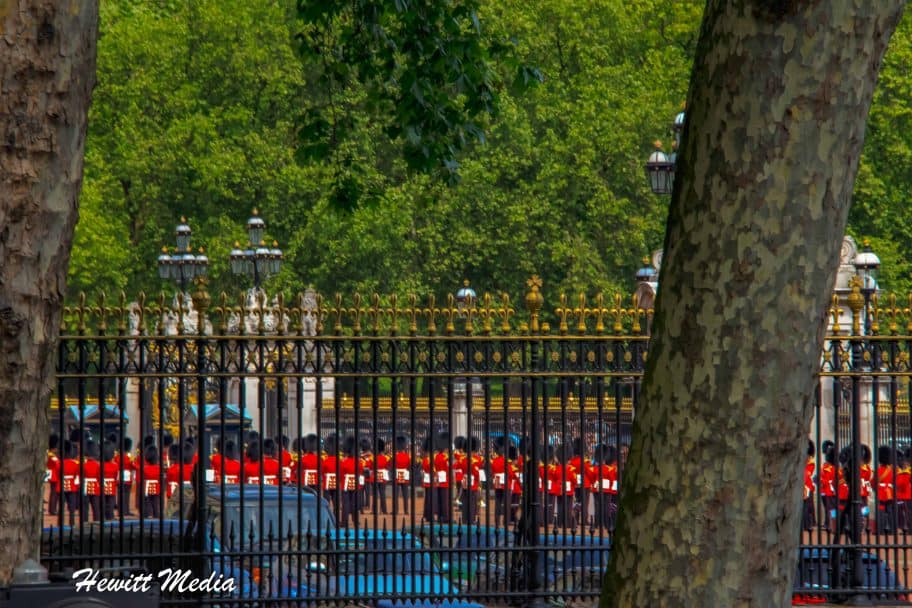
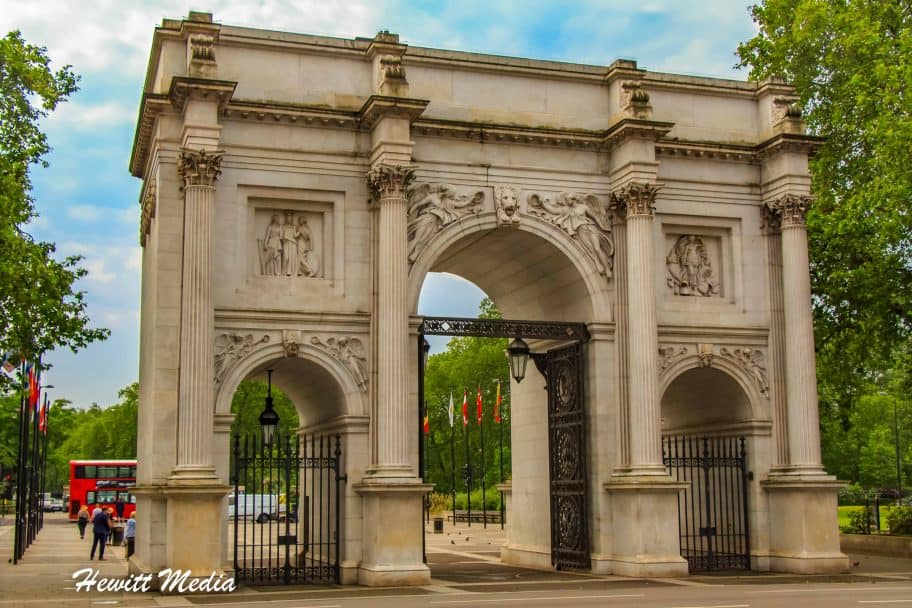
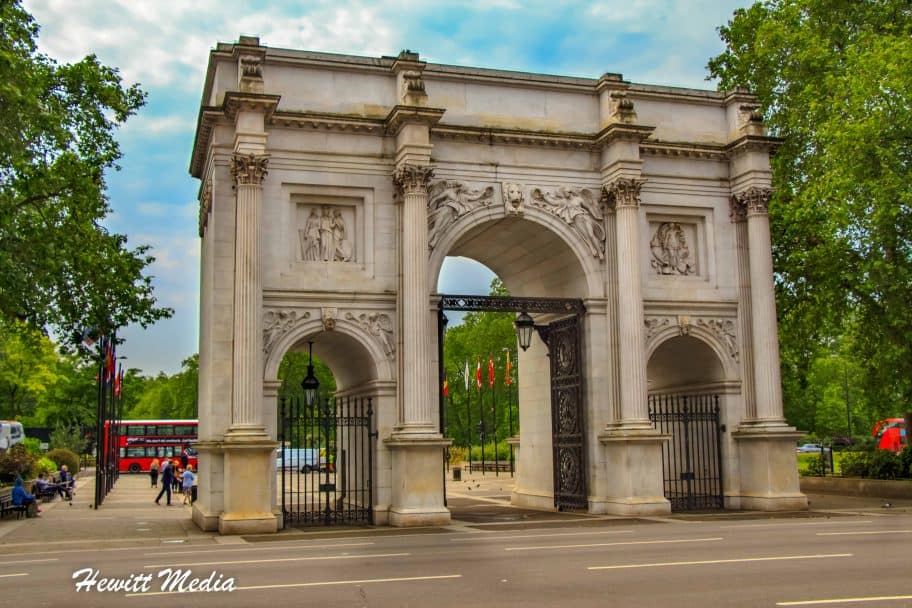
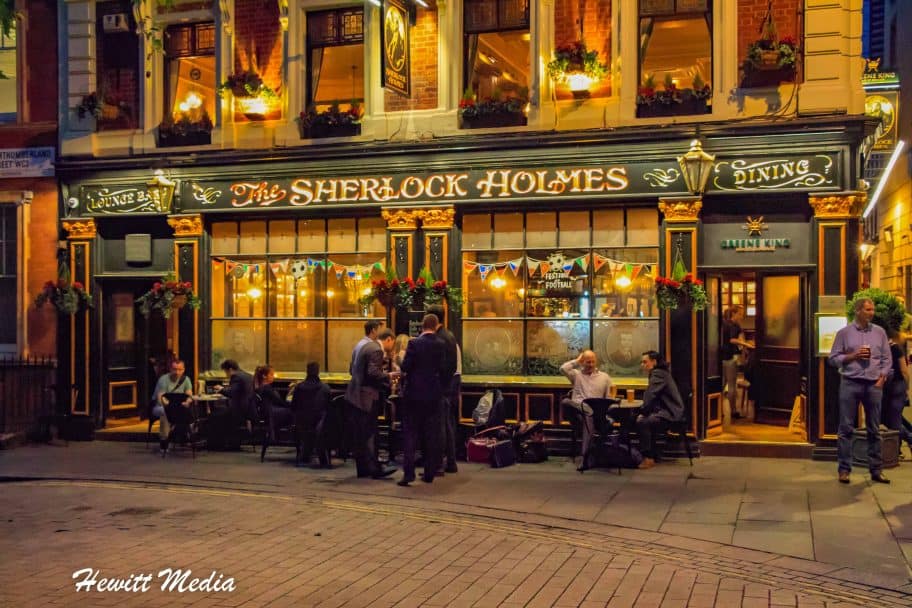
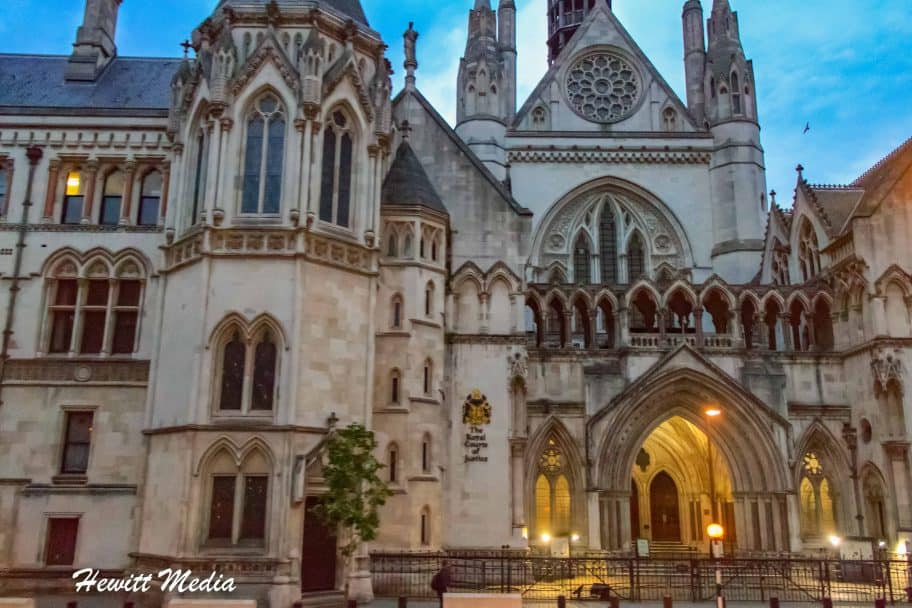
One thing that London is not in short supply of is amazing things to photograph. I was able to capture a lot of great photographs while touring London, and I have included some of my favorites in a gallery in my London travel guide for you to review below.
If you’re interested in exploring more of my travel photography, I’d love for you to join me on Instagram! Creating this blog to share my free guides, itineraries, and travel photography tips takes a lot of effort, and a follow on Instagram would truly mean the world to me. Your support makes it all worthwhile!
FOLLOW ME!










Don’t Forget to Subscribe to My Adventures!

Let Me Help You Save On Your Next Adventure!
‘Start Exploring Today’ Merchandise Available Now!
 |
 |
 |
 |
 |
 |
 |




















Great guide. I’m happy to report I’ve done or seen all of these – some several times – except Abbey Road! I must not be a very big Beatles fan!
Thank you!!! London is an incredible city. I couldn’t resist the Beatles reference 😀