This Spain travel itinerary guide post contains my Hotels.com, Expedia, Vrbo, and Viator affiliate links. I may receive a commission when you book a hotel or tour from this article, though at no additional cost to you. I hand-pick and recommend only the hotels and tours I have thoroughly researched and feel comfortable recommending.
With a wealth of incredible cultural sites, spectacular beaches, and some of Europe’s best food scenes, Spain has long been one of Europe’s top travel destinations. When planning a trip to Spain, the challenge isn’t finding things to see and do. Instead, it is deciding which amazing things to leave off your list. My hope is that this two-week Spain travel itinerary will take some of that stress off of you.
If you have 16 days to travel, this Spain travel itinerary will make sure you hit some of the country’s most can’t-miss spots. You will get to tour Antoni Gaudí’s masterpieces in Barcelona and enjoy authentic tapas and a Flamenco show in Seville. You will see the spectacular gardens in Ronda and be amazed by the beauty of the Alcázar de los Reyes Cristianos in Córdoba. And that is just the tip of the iceberg when it comes to the incredible sights you’ll see on this itinerary.

Plan a Trip of a Lifetime Without the Stress
Planning a trip this big can be stressful, but it doesn’t have to be. I have been planning travel for over a decade and I have personally visited all of the places on this itinerary. Not only will this guide help you plan a once-in-a-lifetime trip to Spain, but it will also make the planning process much easier for you.
I cover the critical entrance requirements for Spain, share my packing recommendations and checklists, and even link to a detailed visitor guide for each destination you visit on this itinerary. With this information in hand, you can be confident in your planning without having to go through all the stress.
Spain Travel Itinerary Overview

Please use the menus that I have provided to help navigate between the different sections of this Spain travel itinerary. I have provided sections on when to visit and where to start and end your trip to make your travel easier.
I also provide you with some packing advice, as well as some important information on making sure you meet Spain’s entrance requirements. Finally, I have provided you with a fun-packed 16-day itinerary that visits some of the most popular attractions in Spain.
 |
Best Times to Visit Spain |
 |
Where to Start and End Your Trip |
 |
Choosing Your Transportation |
 |
What to Pack for Spain |
 |
Spain Entrance Requirements |
 |
Spain Travel Itinerary Outline |
Best Times to Visit Spain

Like most places in the world, there are more enjoyable times of year to visit Spain than others. For this reason, one of the most important decisions you will need to make is when to plan your trip. The time of year you choose, as well as the days of the week you are in each city, will impact what you can see and do.
To assist you in deciding when to plan your trip, I have included some valuable climate information for you to review below. This includes the average temperature and rainfall in this itinerary’s hub cities throughout the year. Using this information, you can plan your travel to Spain during the time of year that is most comfortable for you.
Average Temperature (°F)
While the temperature doesn’t get too cold throughout the year in much of Spain, there are areas where it can drop below freezing during winter. Even the weather in the southern part of the country can get chilly during the winter months. For this reason, I suggest avoiding December through February when planning your trip. Although, if you do decide to visit during this time, you will have very few crowds to contend with.
The summer months of June through August are quite the opposite. In many parts of Spain, the weather can be unbearably hot during the summer. On top of that, this is the peak of tourism season in Spain, so there are typically large crowds to contend with. While it isn’t the ideal time to visit Spain, the weather is typically nice if you can stand the heat.
Average Precipitation (Inches)
For travelers who want to maximize the amount of nice weather they see while visiting Spain, you will be interested in the average rainfall data that I have included below. As you can see in the chart, the summer months of June through August tend to be the driest months of the year in much of Spain.
Conversely, the months of April and October tend to be the rainiest months of the year in much of Spain. For those who are looking to enjoy a lot of outdoor time while visiting Spain, I suggest avoiding these months when you plan your trip.
Best Months to Visit
If you are looking for advice on which months of the year to visit Spain, you have come to the right place. I have included a chart that lays out which months of the year are best to visit in my Spain travel itinerary guide below.
In my opinion, the spring months of April and May, as well as the autumn month of September are the best months to visit Spain. During these months you will find mild temperatures and nice weather, and you will avoid the big crowds of the peak tourism season.

Where to Start and End Your Trip

While you can visit the destinations on this Spain travel itinerary in any order you want, I recommend visiting them in a specific order to maximize your time in the country. By either starting in Barcelona and ending in Madrid or vice versa if you prefer, you will avoid backtracking as you make your way through Spain. Which option you choose is entirely up to your personal preference.
The Four Hub Cities on this Itinerary
To minimize the amount of time you will spend checking in and out of hotels, this Spain travel itinerary is centered around four cities that you will use as hubs during your visit. Not only will you explore these cities themselves, but you can take day trips from these cities to see other destinations without having to lug your suitcases with you. I have included a map that lays out the four hub cities and the itinerary route options for you to review below.

Getting to Spain from Within Europe
Once you have decided where you will start and end your trip, the next step is figuring out how you will get to Spain. While flying is always an option, for those who are visiting Spain from elsewhere in Europe, you have the option of using the rail system as well.
If you are starting to plan your travel to Spain from elsewhere in Europe, I have included a chart with the travel times to the hub cities in Spain from other nearby European cities below.
Travel Time by Train to Spain Hub Cities from Destinations in Europe
| From City | To Madrid | To Barcelona | To Valencia | To Seville |
|---|---|---|---|---|
| Lisbon, Portugal | 7hr 40min | 10hr 20min | 10hr 24min | 5hr 44min |
| Porto, Portugal | 7hr 55min | 10hr 30min | 9hr 01min | 9hr 06min |
| Marseille, France | 10hr 50min | 6hr 25min | 9hr 55min | 12hr 28min |
| Lyon, France | 12hr 03min | 5hr 02min | 10hr 57min | 12hr 37min |
| Paris, France | 15hr 45min | 7hr 08min | 11hr 49min | 14hr 24min |
| Milan, Italy | 16hr 33min | 13hr 59min | 17hr 38min | 20hr 34min |
| Amsterdam, Netherlands | 17hr 38min | 11hr 16min | 15hr 57min | 22hr 35min |
| London, UK | 17hr 58min | 10hr 33min | 15hr 14min | 18hr 02min |
| Florence, Italy | 19hr 00min | 15hr 15min | 19hr 29min | 21hr 23min |
| Munich, Germany | 19hr 08min | 14hr 59min | 19hr 44min | 22hr 47min |
| Rome, Italy | 20hr 45min | 18hr 01min | 22hr 36min | 23hr 17min |
Getting to Spain from Outside Europe
For those who will be visiting Spain from outside of Europe, flying into the country is likely to be your best option. While I recommend starting and ending your trip in the cities of Barcelona and Madrid, there are many international airports in Spain for you to choose from. For your reference, I have included links to the major airports in the four hub cities for this Spain travel itinerary below.
- Josep Tarradellas Barcelona-El Prat Airport (BCN)
- Adolfo Suárez Madrid–Barajas Airport (MAD)
- Valencia Manises Airport (VLC)
- Seville International Airport (SVQ)
Choosing Your Transportation
You will need to make many big decisions as you start to plan your trip to Spain. For instance, one such decision is how you will get around while in the country. Spain has an extensive and convenient rail system that I suggest looking into. No doubt, it can save you time and money in many situations. However, certain destinations are difficult to get to by rail. This makes a car rental an attractive option in some circumstances.
If you are using this Spain travel itinerary to plan your trip, I recommend using the rail system to travel between the hub cities. Trains run frequently between these cities, so you will have plenty of options. There are also high-speed rail routes between these destinations, so it can save you time as well. Not to mention, you won’t worry about having to find parking at your hotels.
I also outline the best way to get to the other outlined destinations in this Spain travel itinerary. For many of these destinations, using the rail system is an excellent option. However, some of the destinations are harder to get to by rail. In these cases, I outline other options that you will have available to you for transportation. This could be a car rental or guided tours that offer transportation.
Driving in Spain

If you are planning on renting a car to get around while you are visiting Spain, there are some things that you will need to know before you arrive. To help you prepare for your trip to Zaragoza, I have included some valuable driving tips for visitors in my Zaragoza, Spain travel guide below.
You must carry your valid primary driver’s license and an international driving permit (IDP) to drive in Spain. There are also several pieces of safety gear that you are required or recommended to have in the car at all times. For an overview of the required licenses and gear you will need, please see the list I have included below.
Required Equipment for Driving in Spain
- Driver’s license and IDP (required)
- Insurance documents (required)
- Car title or rental documents (required)
- Fluorescent jacket for all occupants (required)
- Two warning triangles (required)
- An extra pair of glasses, if you wear them (required)
- Fire extinguisher (recommended)
- First-aid kit (recommended)
In addition to the necessary permits and gear, there are also several driving regulations that you will need to be aware of while driving in Spain. These regulations include the following:
Seat Belts
Passengers in the front and back seats are required to wear seat belts at all times.
Driving Age
In Spain, you must be 18 years old to drive a car and 21 years old to rent a car. Even if you have a valid driver’s license from the United States, you won’t be able to drive in Spain unless you are 18 years of age or older.
Alcohol Consumption
The legal limit for blood alcohol to drive in Spain is 0.05 percent or 0.25 milligrams per liter in exhaled air. You will want to pay extra care to obey this law as the penalties for drunk driving in Spain are very severe.
Cell Phone Usage
The use of cell phones while driving, unless you are using a hands-free system without headphones, is strictly prohibited. You are also not allowed to use screen-based navigation systems while driving in Spain.
Parking
In residential areas, avoid parking next to a yellow line or your vehicle will be towed.
Fuel
In Spain, leaded gasoline is called Super or Super 68, unleaded gasoline is called “sin plomo 98” or “Eurosuper 95”, and diesel is called “gasoleo”.
Moving Violations and Tickets
Unless you have a residence in Spain, you will likely be asked to pay all fines and tickets immediately upon receipt while visiting Spain.
Children
All children under 10 years of age or less than 4 feet, 5.5 inches (135 centimeters) must ride in a car seat.
Emergencies
Dial 112 from anywhere in Europe to be put in touch with Emergency services.
When driving in Spain, you will want to always be aware of the speed limit, even when you don’t see a posting. As a general rule of thumb, the speed limit for roads in Spain can be summarized as follows (unless marked otherwise):
Speed Limit Guidelines in Spain
- Expressways and major highways – 75 miles per hour (120 kilometers per hour)
- Other roads – 56 miles per hour (90 kilometers per hour)
- Urban areas – 31 miles per hour (50 kilometers per hour)
- Residential areas – 15 miles per hour (24 kilometers per hour)
Driving Time Between Destinations in Spain
If you plan to rent a car while visiting Spain, I have included a table listing the drive time between the destinations outlined in this Spain travel itinerary for you to review below.
| Barcelona | ||||||||||
| Valencia | ||||||||||
| Seville | ||||||||||
| Madrid | ||||||||||
| Ronda | ||||||||||
| Gibraltar | ||||||||||
| Córdoba | ||||||||||
| Segovia | ||||||||||
| Zaragoza | ||||||||||
| Toledo |
Using the Train System in Spain

If you do not wish to rent a car while visiting Spain, the other popular mode of transportation with tourists is Spain’s incredible rail system. The rail network in Spain, and throughout Europe, is quite extensive, so you can get to most places by train if you want to. If you are considering using the rail system, I have included some tips for you to review in my Zaragoza, Spain travel guide below.
Tips for Using the Rail System in Spain
- If you plan on taking three or more long train rides while in Spain, a rail pass will likely save you money. Otherwise, you are probably better off just buying your train tickets without a rail pass.
- The two rail pass options you can purchase are the Spain Eurail Pass (good for use just in Spain) and the Eurail Global Pass (good for use in 33 countries).
- Rail passes for Spain cover all travel on trains run by Renfe, Spain’s national railway.
- Many train routes require a paid reservation, which must be paid even if you have a rail pass. This is why it may not make sense to purchase a rail pass if you aren’t planning on taking many longer, expensive rides.
- Rick Steves has a great article on whether it makes sense for you to get a rail pass for your trip to Spain that I would recommend reviewing.
- When purchasing rail tickets, purchasing a round-trip ticket instead of two one-way fares can save you up to 20% of the cost.
- Advanced purchase discounts for AVE trains are available about 60 days ahead of departure, so purchasing your tickets well in advance can save you money as well.
Train Travel Time Between Destinations in Spain
Suppose you plan to utilize the rail system while visiting Spain. In that case, I have included a table listing the travel time by train between the destinations outlined in this Spain travel itinerary for you to review below.
| From Barcelona | ||||||||||
| From Valencia | ||||||||||
| From Seville | ||||||||||
| From Madrid | ||||||||||
| From Ronda | ||||||||||
| From Gibraltar | ||||||||||
| From Córdoba | ||||||||||
| From Segovia | ||||||||||
| From Zaragoza | ||||||||||
| From Toledo |
* All routes to Gibraltar include bus rides
What to Pack for Spain

One thing that often causes travelers stress as they prepare for a trip is deciding what to pack. Like most destinations, packing for a trip to Spain requires some forethought. This is especially true if you are going to be traveling for a few weeks. If you aren’t prepared, it can ruin your trip really fast.
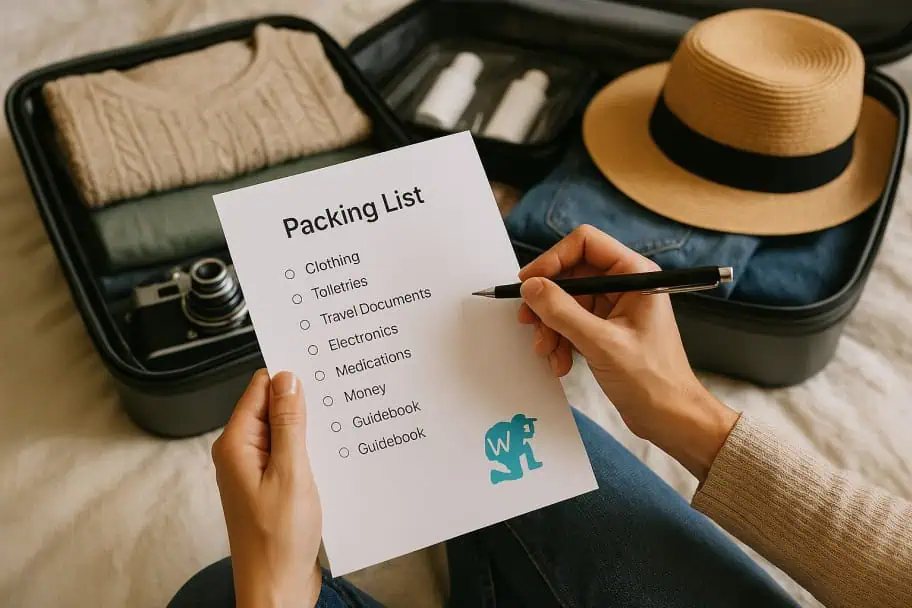
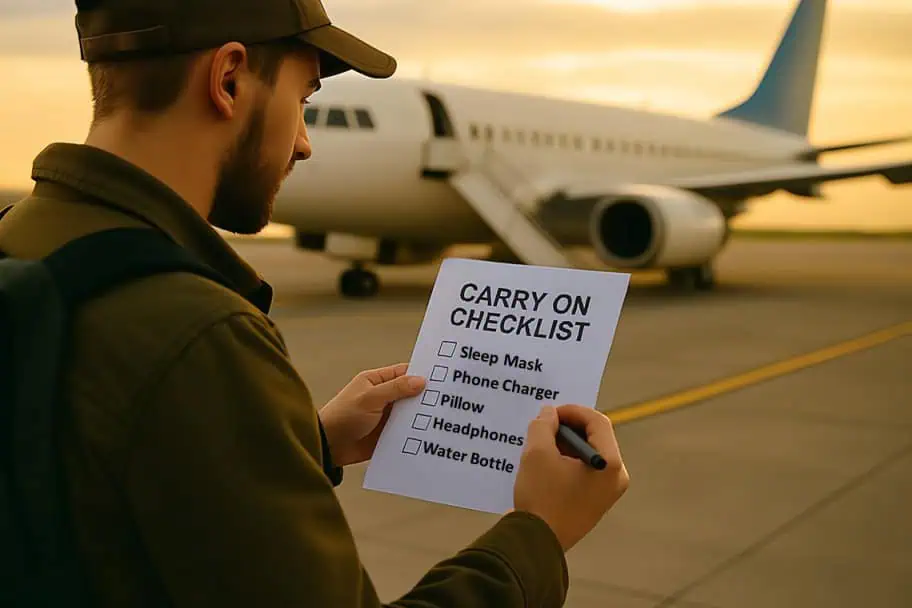
To make sure you have everything you need for your trip, I have included some of my popular packing reference guides for you to review below. In addition to packing advice, they include handy checklists that you can use to ensure you have what you need in your checked and carry-on luggage.
| READ MORE: | |
 |
|
| The Ultimate Travel Packing Check List |
| READ MORE: | |
 |
|
| The Essential Carry-On Checklist |
| READ MORE: |
 |
| 10 Packing Tips That Every Traveler Should Follow |
Spain Entrance Requirements

While all of the pre-trip planning advice that I outline in this Spain travel itinerary is important, nothing is more important than making sure you meet the entrance requirements. If fail to meet an entrance requirement, it can delay or even force you to cancel your trip.
To make sure this doesn’t happen to you, I have linked to my guide on meeting the Spain entrance requirements below. I strongly suggest that you review this guide carefully. I even included a handy checklist in the guide to help you with your planning.

Spain Travel Itinerary Outline

Spain is one of the top travel destinations in the world year after year for a reason. With a wealth of incredible cultural sights, spectacular food, and some of the nicest beaches in Europe, it has it all.
In fact, there is so much to see and do in Spain that it can be a little overwhelming planning a visit. That is why I put together this perfect 16-day Spain travel itinerary. Below, you will find a map overview of the itinerary, followed by detailed sections for each day of the trip.


Day 1: Fly to Barcelona

On your first day in Spain, you will be arriving in Barcelona. If you plan on doing this itinerary in reverse, then you will want to arrange travel to Madrid. You will likely be a bit jet-lagged on your first day, so I don’t have much planned on the first day of this Spain travel itinerary other than to get checked into your accommodations and get settled.
Where to Stay in Barcelona
To assist you in finding the right place to stay while in Barcelona, I have included a list of recommended hotels, hostels, and VRBO properties at different price points for you to review below.


Day 2: Explore Gaudí’s Barcelona

The second day of your trip, or the first full day, is when all of the fun begins. Today, you will be exploring the incredible works of Antoni Gaudí in Barcelona. Through his architecture, Gaudí did more to shape the city of Barcelona than perhaps any other person in history.
Incredible buildings like the La Pedrera-Casa Milà, Casa Batlló, and the spectacular La Sagrada Familia are legendary. Make sure you don’t miss the amazing Park Güell, which I think is one of his best designs. For more information on Antoni Gaudí’s works, check out my Barcelona travel guide linked below.

Day 3: Explore the Rest of Barcelona

After spending a fun day exploring the works of Gaudí, on your second day in Barcelona, you will get to explore the city’s other treasures. Between shopping on the amazing La Rambla street, strolling through Ciutadella Park, and grabbing a bite to eat at the Mercado de La Boqueria, there is a lot to see and do. If you have the time, you can even take a short day trip to see the incredible Montserrat monastery nearby.
Day 4: Travel to Valencia

On the fourth day of this Spain travel itinerary, you will be packing your bags and leaving beautiful Barcelona. The next stop on your incredible Spain adventure is the amazing city of Valencia. Located on the coast, Valencia is a popular European beach destination. It also has several incredible cultural treasures for visitors to enjoy. Once you arrive, check into your hotel and start to explore this amazing city.
Travel Time to Valencia
I would suggest using the rail system for your transportation between Barcelona and Valencia. The drive between the two cities will take you roughly 3 hours and 40 minutes, while the train ride is nearly an hour quicker. There are also plenty of scheduled trains each day, which makes the train a convenient option as well.
Where to Stay in Valencia
To assist you in finding the right place to stay while in Valencia, I have included a list of recommended hotels, hostels, and VRBO properties at different price points for you to review below.

Day 5: Explore Valencia

On your first full day in Valencia, you will get to really see what makes this city so special. With some of Europe’s most beautiful beaches, the city is a beach lover’s dream. If you are interested in just spending your day at the beach, there are a number of great ones to choose from.
For those who want to explore, the city is a treasure trove for tourists. The beautiful Plaza de la Reina is a central spot that is near many of the city’s iconic attractions. This includes the Valencia Cathedral, which is one of the alleged resting spots of the Holy Grail. For history lovers, you will also enjoy stopping at the infamous silk exchange, which played a central role in the silk trade during the days when the Silk Road from China was active.
However, my favorite spot in Valencia is undoubtedly the L’Oceanogràfic. Not only is it the largest aquarium in Europe, but it is one of the most unique and beautiful buildings that I have ever seen. No visit to Valencia is complete without touring this incredible place. For more ideas on things to do while you are in Valencia, make sure you check out my Valencia travel guide linked below.
| READ MORE: |
 |
| The Complete Valencia Spain Travel Guide |
Day 6: Travel to Seville

After spending several incredible days in Valencia, this Spain travel itinerary will take you into the beautiful region of Andalusia on your sixth day. Your destination is the amazing city of Seville. As the birthplace of tapas and Flamenco dancing, Seville is widely considered to be one of the cultural capitals of Spain.
You certainly won’t have to venture far to find the wealth of cultural attractions that Seville has to offer. After checking into your hotel and getting settled, you can start to explore this amazing city.
Travel Time to Seville
Travel between Valencia and Seville is even quicker and more convenient by train than travel to Valencia from Barcelona. Driving to Seville from Valencia will take you nearly 6 hours and 30 minutes, while the train will get you there over two hours faster.
The high-speed routes from Valencia to Seville take roughly 4 hours and 23 minutes. Not only that but there are enough daily trains from Valencia to Seville to make train travel the convenient option as well.
Where to Stay in Seville
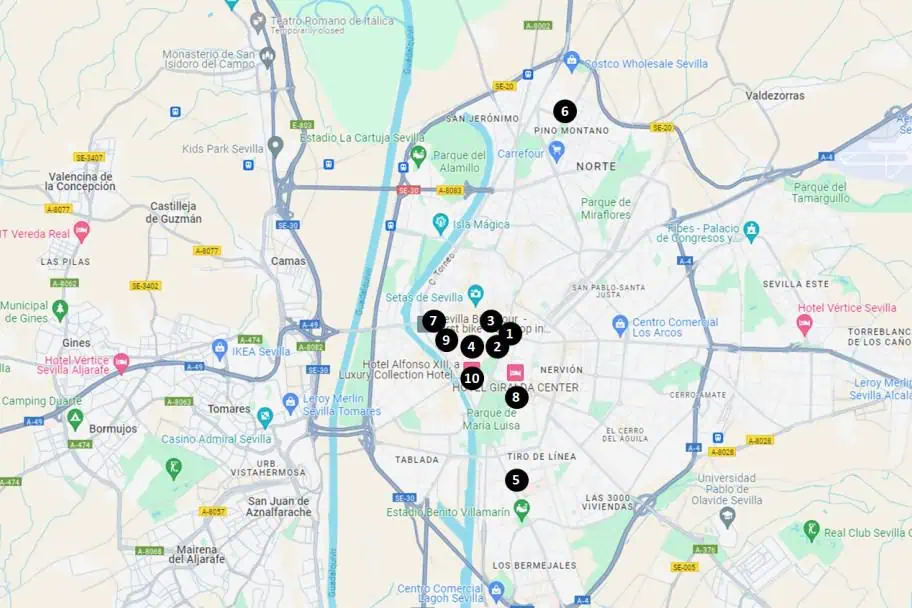
To assist you in finding the right place to stay while in Seville, I have included a list of recommended hotels, hostels, and VRBO properties at different price points for you to review below.
Day 7: Explore Beautiful Seville

Today is all about exploring the treasures that Seville has to offer. And believe me, there is no shortage of amazing things to see in the city. Between the incredible Royal Alcázar, the historic Torre del Oro tower, the breathtaking Plaza de España, and the historic bull ring, you will have an action-packed day of sightseeing.
| READ MORE: |
 |
| Detailed Seville Spain Visitor Guide |
When you have finished your sightseeing for the day, I recommend grabbing a bite to eat at one of the city’s many amazing restaurants. Then, after you have had a nice meal, you might want to purchase tickets to see an authentic Flamenco dance show. Seville has many incredible venues in which to enjoy these beautiful shows, but the Tablao Flamenco El Arenal is my favorite.
Day 8: Take a Day Trip to Córdoba

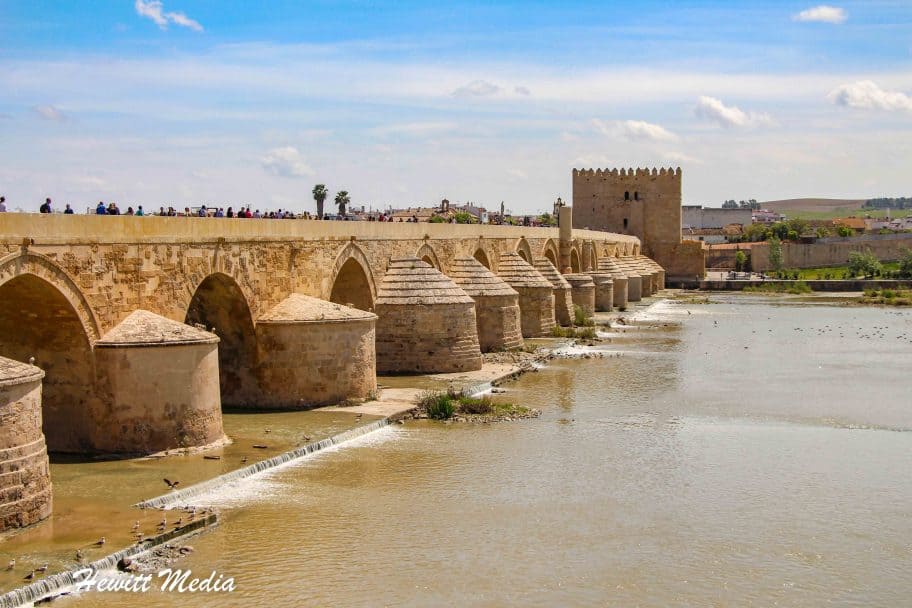
Now that you have spent some time exploring the beautiful city of Seville, the next three days will be spent exploring some of the surrounding cities. First up on that list is the amazing city of Córdoba. Once referred to as the “Pearl of Moorish Spain”, the city of Córdoba is chock full of spectacular cultural sights that you will want to explore.
One of the most popular attractions in the city is the Mosque-Cathedral of Córdoba. This cathedral, turned mosque, turned back into a cathedral is one of the most spectacularly beautiful holy sites you will find in all of Spain. It alone is worth a visit to Córdoba. However, it isn’t the only incredible attraction to see in the city.
Another of my favorite places in the city is the stunning Alcázar de los Reyes Cristianos. With some of the most beautiful gardens I have ever seen, the Alcázar is certain to amaze you. But these two sites are just the tip of the iceberg. I also outline several other amazing things to see and do in my Córdoba travel guide linked below.
| READ MORE: |
 |
| The Definitive Córdoba, Spain Travel Guide |
Best Way to Get There
Most of the train routes from Seville to Córdoba will get you there in roughly 45 minutes, which makes Córdoba an easy day trip from Seville. Unless you have a car rented for other reasons, I would suggest taking the train.
There are enough options daily for you to pick and choose when you want to plan your trip. There are also some good day trip tours to Córdoba from Seville, with transportation included. I have linked to some recommendations for you to review below if interested.
Day 9: Take a Day Trip to Ronda

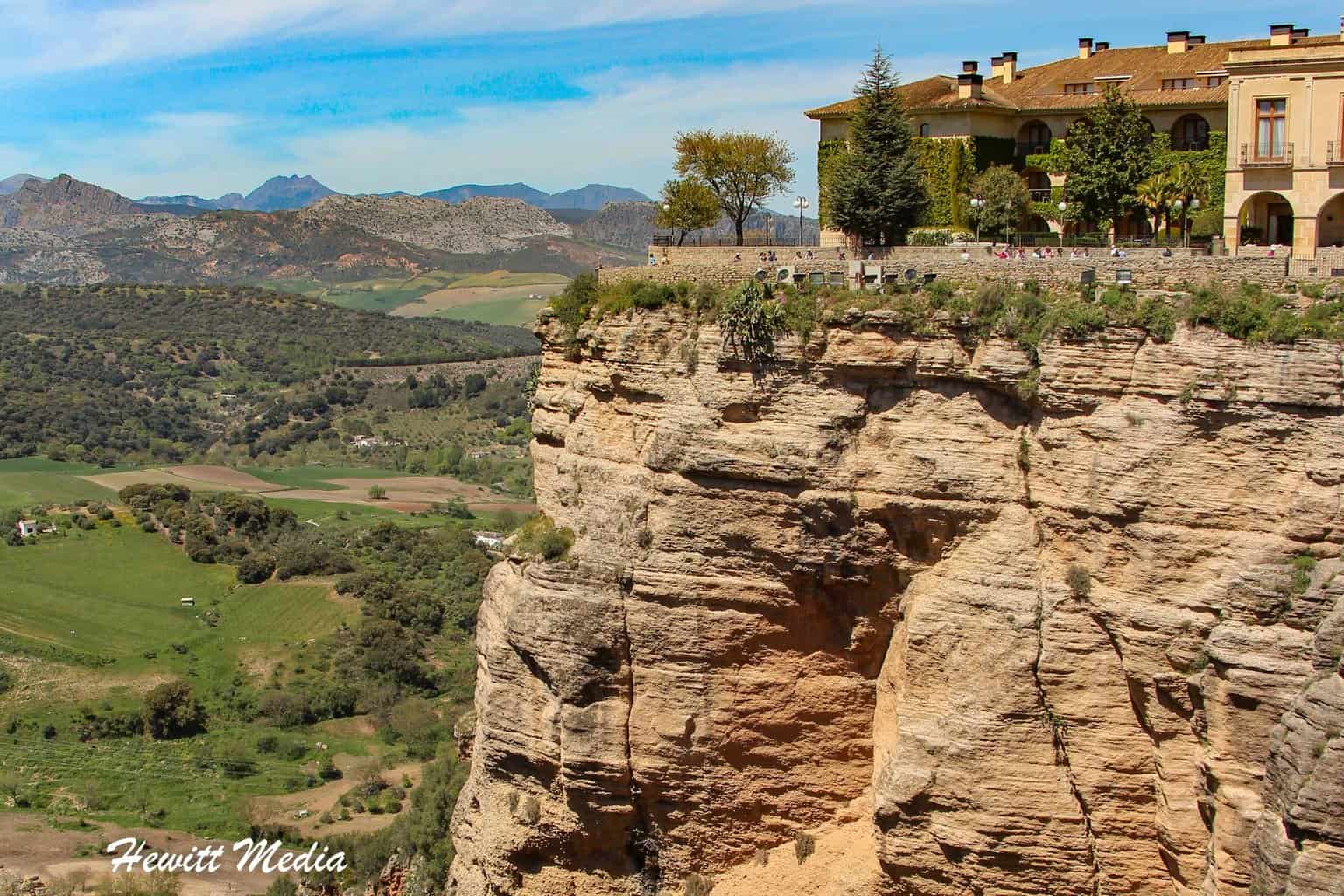
Out of all the destinations on this Spain travel itinerary, the city of Ronda is my absolute favorite. Not only is it one of the prettiest cities in Europe, if not the world, but it is absolutely steeped in history and tradition. The entire city is built on bluffs overlooking a river gorge, which creates the most stunning landscape you will see on this trip.
Beyond its beauty, the city is also home to one of the oldest bull rings in all of Spain. The bullfighters who have come out of Ronda are legendary, as are some of the patrons who have taken in bullfights here.
The likes of Ernest Hemmingway, Orson Welles, and James Joyce have all spent a considerable amount of time in Ronda. For more information on this incredible city and what to see and do there, make sure you check out my Ronda travel guide, linked below.
| READ MORE: |
 |
| The Ultimate Visitor’s Guide to Ronda, Spain |
Best Way to Get There
Ronda is a little bit more difficult to visit on a day trip by train than some of the other destinations on this itinerary. Some trains run from Seville to Ronda, but they aren’t direct. Instead, you will need to make a connection, which means it will take longer to get there. Not only that but there aren’t as many options to choose from each day.
For that reason, I recommend renting a car to visit Ronda or booking a tour that includes transportation. If you do rent a car, you will be able to use it to visit Gibraltar as well, which I cover next on this itinerary. It is even more difficult to get to by train than Ronda. If booking a tour to visit Ronda sounds appealing to you, I have included some recommended options for you to review below.
Day 10: Take a Day Trip to Gibraltar
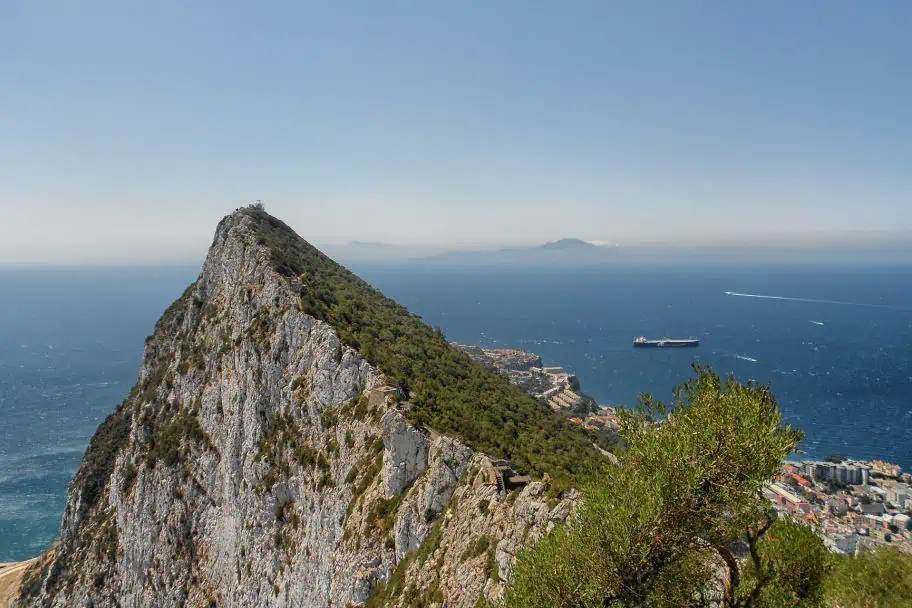
Today you will take your final day trip from Seville, and today’s trip will be one of the more unique and interesting days of your trip. Today will be the only day on this Spain travel itinerary when you leave the country of Spain. That’s because you will be visiting Gibraltar, which is an overseas territory of the United Kingdom. That’s right, instead of tapas and Flamenco, you will have a day of fish and chips and red phone booths.
During your tour, you will learn about the history of Gibraltar and its strategic importance to the British. You will also have a chance to peer across the Strait of Gibraltar to see the continent of Africa. In fact, if you have the time, you can even take a ferry across the strait and visit Morrocco. For more information on the adventures that await you when you visit this iconic destination, make sure you check out my Gibraltar travel guide linked below.
| READ MORE: |
 |
| Ultimate Gibraltar Travel Guide |
Best Way to Get There
If you decide to rent a car to visit Ronda, that rental will come in handy when you visit Gibraltar. Of all the destinations on this Spain travel itinerary, Gibraltar is the most difficult to get to. There isn’t a train station in Gibraltar, so you need to take a train to the towns of Algeciras or San Roque-La Linea. From there, you can take a bus to Gibraltar. So, if you rent a car, it is definitely easier to drive to Gibraltar than take the train.
Another popular option is to book a guided tour of Gibraltar to Seville that includes transportation. This will allow you to visit Gibraltar for the day without having to rely on public transportation or rent a car. If this sounds like an attractive option for you, I have linked to some recommended tour options for you to review below.
Day 11: Travel to Madrid

While I am sure you wish you had an endless amount of time to explore the Andalusia Region, today is the day you move on. However, don’t fret because you will be visiting another iconic region of Spain.
You will be heading to Central Spain, where you will spend the remainder of this Spain travel itinerary exploring Madrid and the country’s iconic castle region. After arriving in Madrid, get settled into your final hotel of the trip and start exploring this incredible city!
Travel Time to Madrid
After spending several incredible days in Andalusia exploring Seville and the surrounding cities, you will make your way back North to spend some time in Madrid. Once again, it is much quicker and more convenient to use the rail system to travel than it is by car. Driving, it would take you roughly 5 hours and 15 minutes to travel from Seville to Madrid. Using the high-speed rail, you can make that trip in approximately 2 hours and 42 minutes.
Where to Stay in Madrid
To assist you in finding the right place to stay while in Madrid, I have included a list of recommended hotels, hostels, and VRBO properties at different price points for you to review below.

Day 12: Explore the Highlights of Madrid

On your first full day in Central Spain, you will be exploring the incredible city of Madrid itself. Even though the city is thousands of years old, you may be surprised to know that it has only been Spain’s capital since the 16th Century. Now, it is one of Europe’s largest cities and one of the continent’s cultural capitals.
| READ MORE: |
 |
| The Ultimate Madrid, Spain Travel Guide |
If you are looking for things to fill out your itinerary for Madrid, I have linked to my Madrid travel guide for you to review above. It includes all of the top things to see and do in Madrid, as well as where to eat and what tours you might want to consider. Tapas tours are trendy in Madrid, and they are a great way to hop around and see the city. If you have the time, I highly recommend booking one!
Day 13: Take a Day Trip to Zaragoza

You are in for a real treat on this day of my Spain travel itinerary. Today, you visit one of the lesser-known gems of Spain. While Zaragoza doesn’t get the attention that some of the country’s top tourist destinations get, it is one of the most beautiful and historically significant cities in all of Spain. Not only is it one of Spain’s oldest cities, but it is also home to one of the world’s most beautiful cathedrals.
With attractions like the breathtaking Basílica del Pilar, ruins of the oldest Roman forum in Spain, and a museum with the masterpieces of famed artist Francisco Goya, there is no shortage of incredible things to see in Zaragoza. For more information on what to see, where to eat, and what tours are popular in the city, please see my Zaragoza travel guide linked below.
| READ MORE: |
 |
| Perfect Zaragoza, Spain Travel Guide |
Best Way to Get There
After spending your first day in Madrid exploring the city, on your second full day, you will take your first-day trip. Getting to Zaragoza from Madrid is fairly quick and convenient by train, so I would strongly recommend using the rail system.
It will only take you 1 hour and 15 minutes to travel each way, which isn’t too bad. You can spend a full day in Zaragoza and then head back to your hotel in Madrid at the end of a fun day of exploration.
NOTE: The city of Zaragoza is equally close to Barcelona and Madrid by train. So, if you would prefer to visit Zaragoza on a day trip from Barcelona instead of a day trip from Spain, you can easily do that.
Day 14: Take a Day Trip to Toledo

After spending a splendid day touring the beautiful city of Zaragoza, today you will take a short trip to visit the stunning city of Toledo. Not only is the city of Toledo beautiful, but it is also one of the oldest and most unique cities that you will find on this Spain travel itinerary. In fact, it was the capital of Spain before Madrid and is still widely considered to be the country’s cultural capital to this day.
With a gorgeous old town that will rival any you will find elsewhere in Spain, the city of Toledo absolutely brims with historical landmarks. Not only that, but it is renowned for its wonderful festivals that date back centuries. For more information on this amazing city, please check out my Toledo travel guide linked below. You will find suggestions on what to see, where to eat, and some fun activities you can do while you are there.

Best Way to Get There
The next day trip you will take from Madrid as part of this Spain travel itinerary is a fun visit to the city of Toledo. Like with Zaragoza, the train ride to Toledo is very quick and painless. It will only take you an hour to travel each way by rail, so it is definitely the most convenient way to get there.
However, if you would like to explore a guided tour with transportation, there are plenty of great options. If you are interested, I have included some highly rated guided day trips to Toledo from Madrid for you to review below.
Day 15: Take a Day Trip to Segovia
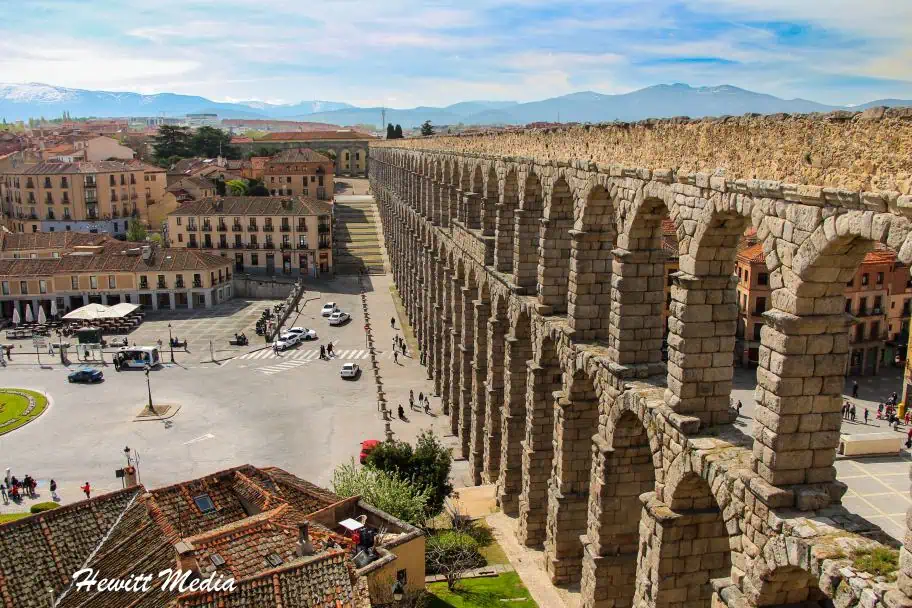
I have left what might be the best stop of your trip for the last day of this Spain travel itinerary. Today, you get to visit the incredible city of Segovia in Spain’s Castile and León region. Renowned for its rich architectural legacy and wealth of historical structures, it is one of the most interesting cities in Spain to tour.
The city is home to the incredible Alcázar of Segovia, which was one of the primary inspirations for the Walt Disney Castle. Not only that, but you will also find the spectacular Roman Aqueduct of Segovia when you visit. Spanning over 800 meters, it is one of the largest and best-preserved Roman aqueducts in the world.
However, these amazing things are just the tip of the iceberg. For more information on what to see, where to eat, and what to do when you visit Segovia, please check out my Segovia travel guide linked below. Soak up every minute of your adventure in the city because your trip is winding down.
| READ MORE: |
 |
| Segovia, Spain Travel Guide |
Best Way to Get There
Once again, the rail system in Spain really shines. It is incredibly easy to visit Segovia from Madrid on a day trip using the rail system. With just an hour ride each way, and plenty of trains running each day, it is a quick and convenient train ride.
However, like with Toledo, there are also a lot of organized tours from Madrid to Segovia as well. If you are interested in one of these, I have included links to some highly rated ones for you to review below.
Day 16: Fly Home

Unfortunately, all good things must come to an end. After fifteen spectacular days, this is where this Spain travel itinerary comes to a close. On day sixteen, you will head to the airport to make your way back home.
If you begin your trip in Barcelona, you will fly home from Madrid. For those who followed this itinerary in reverse order, you will be flying home from Barcelona. Either way, I sincerely hope you found this itinerary useful and were able to plan a trip of a lifetime to Spain!
Don’t Forget to Subscribe to My Adventures!

Let Me Help You Save On Your Next Adventure!
‘Start Exploring Today’ Merchandise Available Now!
 |
 |
 |
 |
 |
 |
 |




















This is fantastic! We are just starting to plan our Spain trip and trying to maximize it. This has such great information. We have 14 days instead of 16, so now I’m trying to figure out which of these amazing stops to skip.
Thanks so much for the kind words Michael!! You will absolutely love Spain!! So excited for you!