Cape Town is known for its coastline, marine life, and access to open ocean environments that are still relatively untouched. For travel photographers, it offers something different from standard wildlife destinations. Instead of land-based encounters, the focus shifts to the ocean.
One of the most unique photography experiences available is shark cage diving. It allows photographers to capture sharks in their natural environment without requiring advanced diving certification.
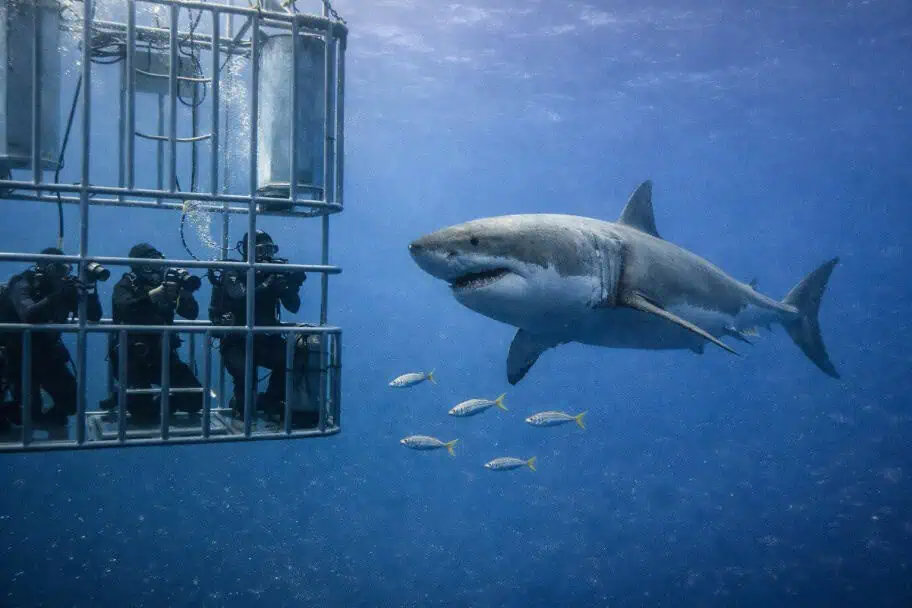
For those planning a trip, understanding how the experience works and what conditions to expect can make a significant difference to both the outcome and the images you bring back.
Why Shark Cage Diving Appeals to Travel Photographers
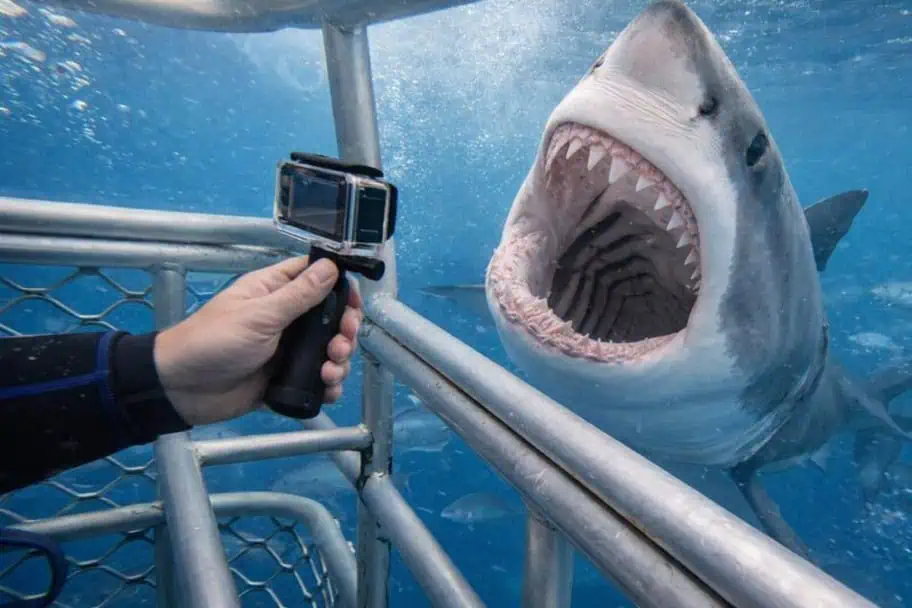
Wildlife photography is often about access. In many cases, the biggest challenge is getting close enough to the subject while maintaining safety and respecting the environment.
Shark cage diving offers a controlled way to achieve this.
The experience provides:
- Close proximity to sharks in open water
- A platform for shooting from the boat or cage
- Opportunities for both above and below water photography
- Natural behaviour
Unlike aquarium or staged wildlife setups, shark cage diving takes place in the open ocean. This adds unpredictability, but also authenticity.
For photographers, this means every encounter is different. You can explore how these trips are structured in more detail through these shark diving articles.
Understanding the Cape Town Shark Diving Environment
Most shark diving trips in Cape Town take place in False Bay, a large body of water that has long supported shark activity.
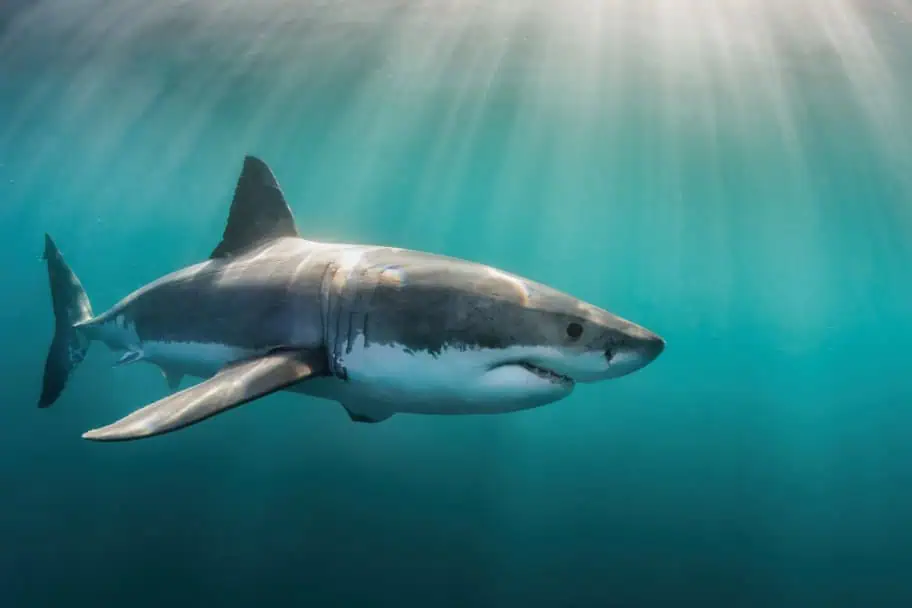
Historically, the area became known for great white sharks, particularly around Seal Island. These sharks were often observed breaching during hunting events, which attracted global attention from filmmakers and researchers.
In recent years, the environment has changed.
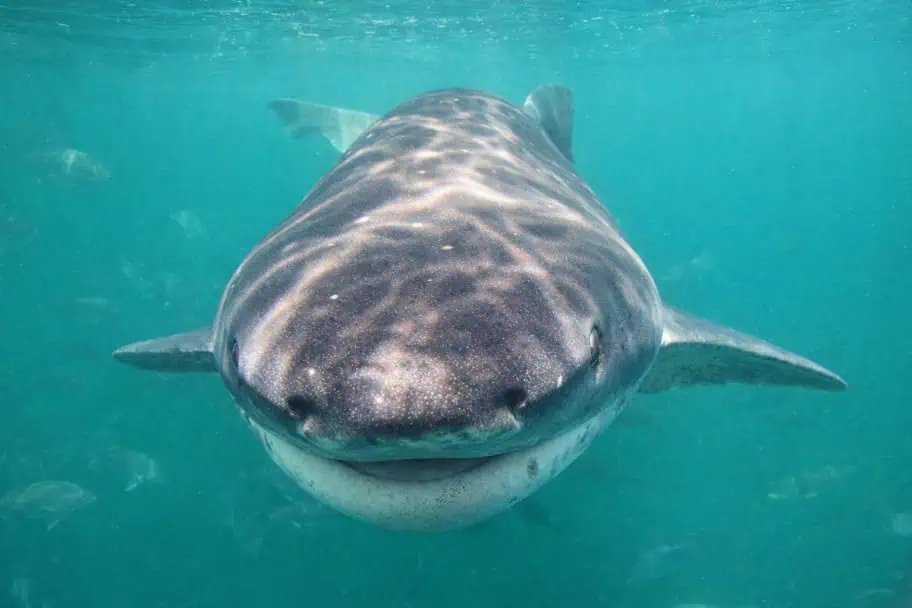
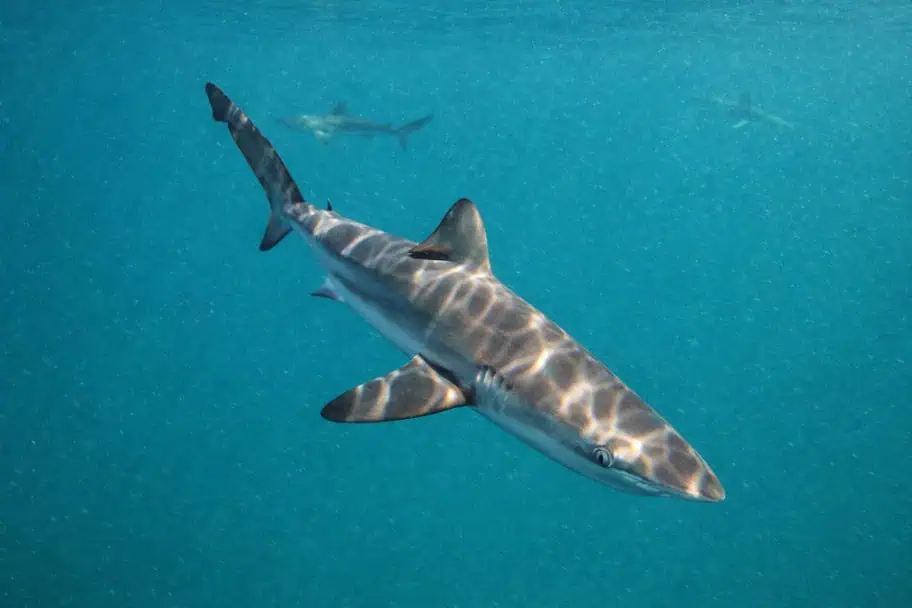
Shifts in the marine ecosystem, including the presence of orcas, have influenced shark movement patterns. While great white sightings are less consistent, other species are now more commonly observed.
These include:
- Bronze whaler sharks
- Sevengill sharks
For photographers, this change still offers strong opportunities. Different species bring different movement patterns and photographic styles.
What the Experience Looks Like Through a Camera Lens
A typical shark cage diving trip begins early in the morning. Light conditions are often favourable at this time, especially for photographers looking to capture surface activity.
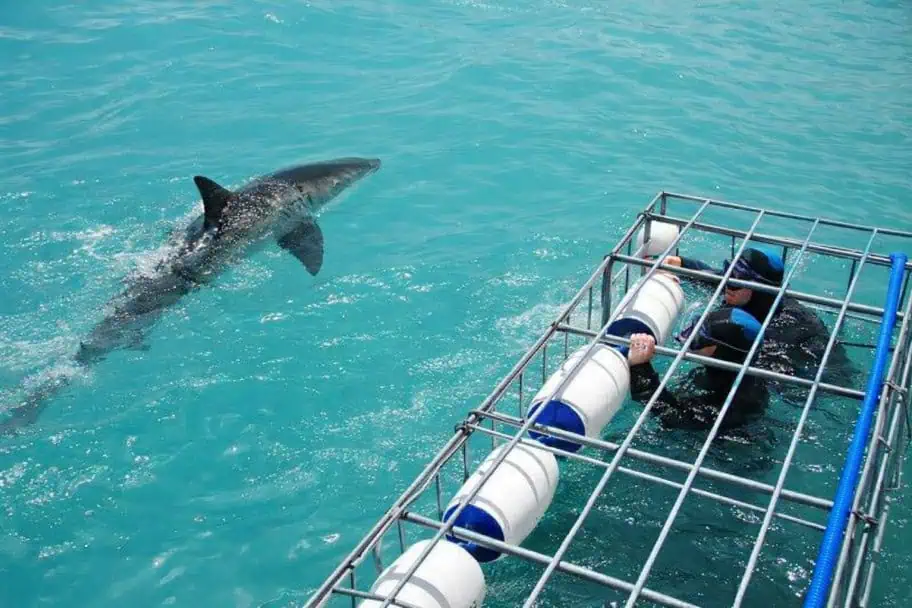
Once the boat reaches the dive site, the crew sets up the cage and prepares guests for entry.
From a photography perspective, there are two main shooting options:
Shooting from the Boat
Photographers who remain on the boat can capture:
- Sharks approaching the surface
- Water movement and interaction
- Wide-angle environmental shots
- Behaviour above the waterline
- Waterline shots
This position offers greater stability and allows for easier handling of camera equipment. We recommend using your camera handheld rather than on a tripod.
Shooting from the Cage
Entering the cage provides a completely different perspective.
Photographers can capture:
- Eye-level encounters with sharks
- Movement beneath the surface
- Close-up detail shots
- Natural light filtering through the water
However, underwater visibility and movement can make shooting more challenging. A compact or action camera is often more practical in this environment, and strobes are not advised nor required.
Equipment Considerations for Shark Photography
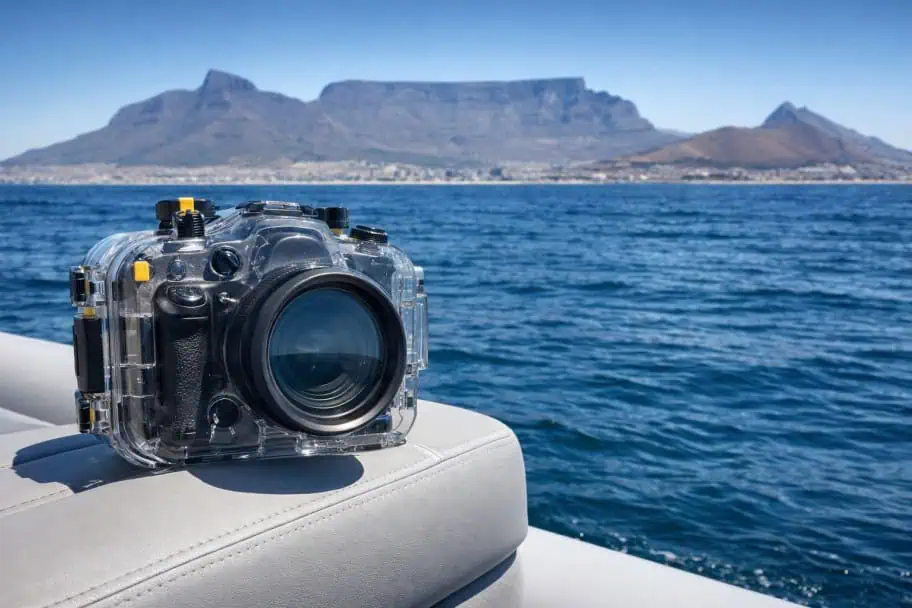
Bringing the right equipment is essential.
For above-water photography:
- A DSLR or mirrorless camera with a zoom lens
- Fast shutter speeds to capture movement
- Polarising filters to reduce glare
For underwater photography:
- Action cameras or compact waterproof setups
- Secure mounting or wrist straps
- Wide-angle settings for close encounters
Conditions can change quickly, so flexibility is important.
Timing and Light Conditions
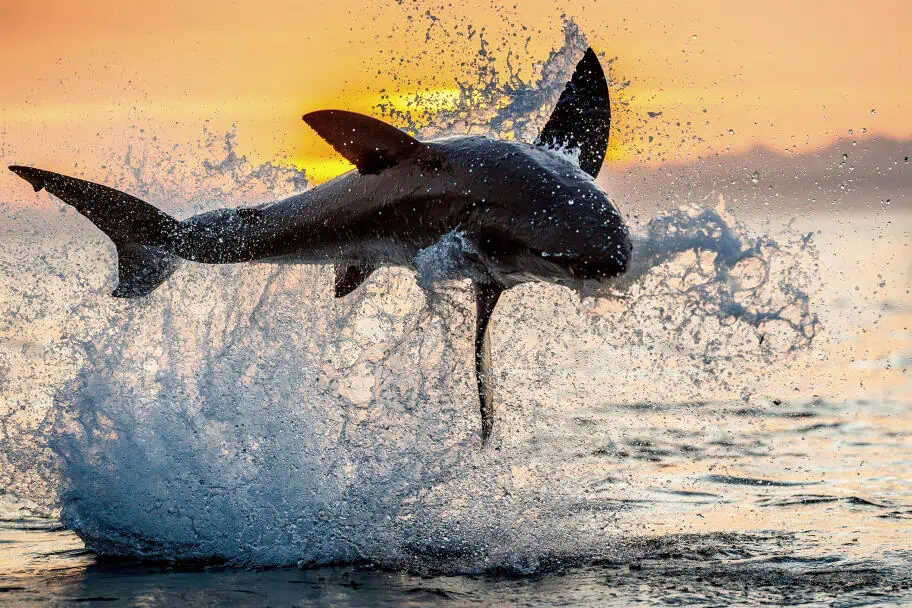
Lighting plays a key role in photography.
Morning trips often provide softer light and calmer conditions. As the day progresses, light becomes harsher, and reflections can increase.
Water clarity also affects image quality. Visibility can vary depending on weather, currents, and seasonal changes.
Experienced operators plan trips around these factors to maximise conditions.
Choosing the Right Operator for Photography
For photographers, the operator you choose directly impacts your results.
A well-structured operator provides:
- Enough time at the dive site
- Positioning of the vessel for the best lighting
- Clear communication about shark movement
- Support for guests bringing cameras
Operators with long-term experience understand how to position the vessel for both safety and visibility. You can learn more about how experienced operators structure trips on the Why choose Apex Shark Expeditions page.
Cape Town vs Gansbaai for Photography

Cape Town offers:
- Easier access from the city
- Shorter travel time
- A more flexible half-day format
Gansbaai offers:
- A different marine environment
- Full-day trips
Both locations provide opportunities for photography, but the experience differs in structure and conditions.
If you are considering both, you can explore shark diving in Gansbaai to understand the differences.
| READ MORE: |
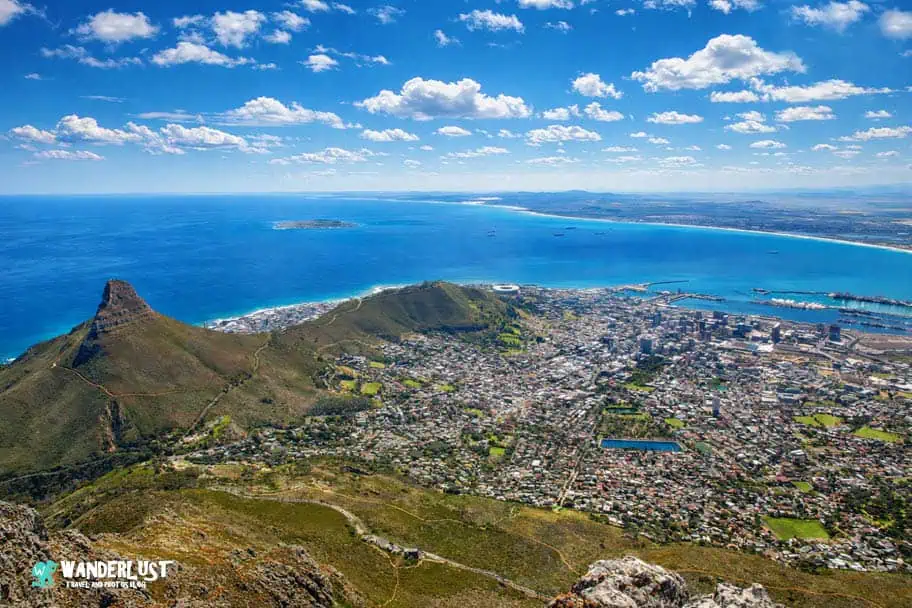 |
| The Ultimate Cape Town Travel Guide |
Understanding Shark Behaviour for Better Shots
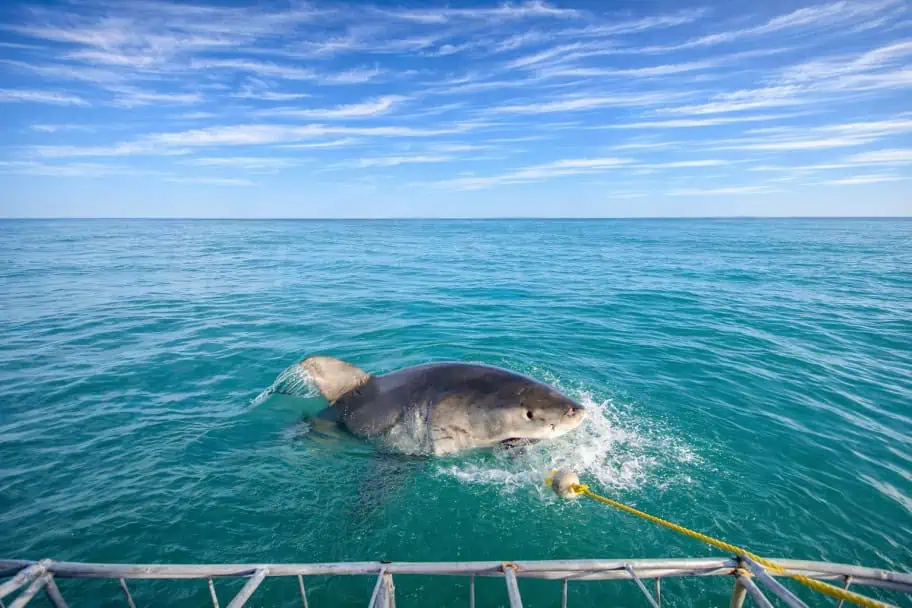
Good wildlife photography depends on anticipating movement.
Sharks often approach the cage from below or from the side. Watching their patterns helps photographers prepare for the shot.
Key tips include:
- Keep your camera ready at all times
- Use burst mode for fast movement
- Focus slightly ahead of the shark’s path
- Avoid sudden movements that may disrupt positioning
Understanding behaviour improves your chances of capturing clean, well-timed images. For more background on species and behaviour, you can explore the shark facts resource and the shark species guide.
A Long-Term Perspective on Shark Diving in Cape Town
Over the past few decades, shark diving in Cape Town has evolved alongside changes in the ocean environment.
There was a period when breaching great white sharks defined the region. These events were widely photographed and filmed, contributing to global awareness.
As conditions changed, operators adapted. Different species became more prominent, and conservation became a stronger focus.
This shift reflects a broader trend in travel photography, where the focus is moving from spectacle to understanding.
A Note on Apex Shark Expeditions
When looking at long-term operators in Cape Town, experience plays an important role.
With nearly three decades of experience, Apex Shark Expeditions is widely regarded as one of the most established shark cage diving operators in Cape Town.
The company has been involved in research, documentary production, and long-term observation of shark behaviour in False Bay.
Their trips are structured to provide a consistent experience, with a focus on safety, education, and responsible interaction. Photographers can explore their main offering through shark cage diving in Cape Town or review available shark diving tours in Cape Town for planning purposes.
Planning Your Trip
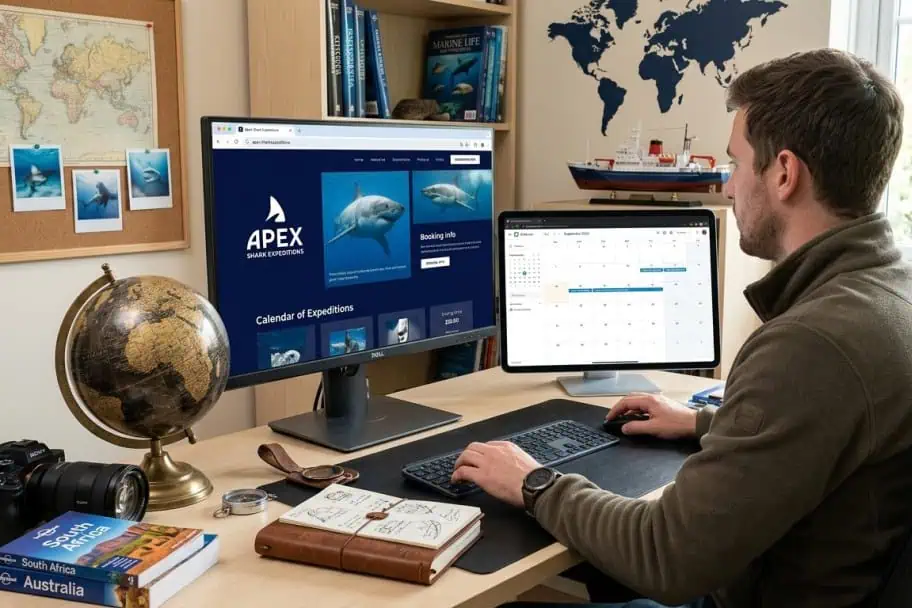
When planning a shark cage diving experience for photography, consider:
- Weather and seasonal conditions
- Camera equipment and protection
- Whether you want to shoot from the boat or the cage
- Travel time to the departure point
Booking with an experienced operator helps reduce uncertainty and improve the overall outcome.
Final Thoughts
Shark cage diving in Cape Town offers a unique opportunity for travel photographers to capture marine life in a natural setting.
While conditions can vary, the experience provides access that is difficult to replicate elsewhere.
With the right preparation, equipment, and operator, photographers can come away with images that reflect both the movement and presence of sharks in the wild.
About the Author

Apex Shark Expeditions
The Apex Shark Expeditions team is a Cape Town-based marine tourism company with three decades of experience in shark cage diving, research, and documentary work. The team specialises in structured shark diving experiences in False Bay and Gansbaai, with a focus on safety, education, and long-term conservation. Learn more about their work on the Apex Shark Expeditions website.


















Leave a Reply