Traveling across Europe by rail can be one of the most affordable and enjoyable ways to explore the continent when you know how to find the best fares. Many first-time visitors assume train travel is expensive, but with the right planning and a few proven Europe rail travel hacks, you can significantly reduce transportation costs while still enjoying a comfortable and convenient journey. From high-speed routes connecting major capitals to regional trains serving charming villages, there are plenty of opportunities to stretch your travel budget.
One of the biggest advantages of European rail travel is the variety of ticket options available. Travelers who are willing to be flexible with their schedules, compare ticket types, and take advantage of discounts often pay much less than those who book at the last minute. Understanding how rail pricing works is one of the keys to enjoying memorable trips without overspending.

Whether you’re planning a multi-country adventure or a vacation focused on a single destination, learning how to save money on European trains can make a noticeable difference in your overall travel budget. The following tips will help you maximize value while still enjoying everything Europe’s incredible rail network has to offer.
| READ MORE: |
 |
| 15 Steps to Save You Money on Flights |

Book Early Whenever Possible

One of the easiest ways to reduce rail travel expenses is to book tickets well in advance. Many European rail operators use dynamic pricing systems that reward travelers who purchase tickets weeks or months before departure. As seats begin to fill, prices often increase, especially on high-speed and international routes.
Booking early can provide access to promotional fares that may be significantly cheaper than standard ticket prices. Popular routes connecting major destinations such as Paris, Amsterdam, Rome, Munich, and Barcelona often offer their lowest fares shortly after tickets become available. Waiting until the final days before departure can sometimes result in paying two or three times more for the exact same journey.
Advance booking is particularly important during summer, holiday periods, and major festivals when demand for train travel is at its highest. Not only will early reservations help you save money, but they also increase your chances of securing preferred departure times and seat selections.
Travel During Off-Peak Times

When possible, consider traveling during off-peak periods rather than during the busiest travel times of the year. Summer vacation months, holiday weekends, and major events often create increased demand for rail travel, which can lead to higher ticket prices and reduced availability.
Traveling during the shoulder seasons of spring and fall often offers the perfect balance of pleasant weather, fewer crowds, and lower transportation costs. Many destinations are just as enjoyable outside peak season, and travelers may benefit from reduced hotel rates as well.
Even within a single day, departure times can affect pricing. Midday departures, early morning trains, and certain weekday routes may offer lower fares than trains traveling during peak commuter periods. One of the most effective Europe rail travel hacks is simply being flexible with your travel dates and departure times.
Consider Regional Trains

While Europe’s famous high-speed trains receive much of the attention, regional trains can be an excellent way to reduce transportation costs. These services are typically slower than premium high-speed routes, but they often provide substantial savings while still offering comfortable travel experiences.
Regional routes can also introduce travelers to destinations that might otherwise be overlooked. Smaller towns, scenic countryside locations, and hidden gems are often best accessed through local rail services rather than express trains. For travelers who are not in a rush, the added travel time may be well worth the savings.
In some cases, a regional train may cost a fraction of the price of a high-speed service covering a similar route. While the journey may take longer, budget-conscious travelers can often use the money saved for accommodations, attractions, or dining experiences.
Compare Rail Passes and Individual Tickets
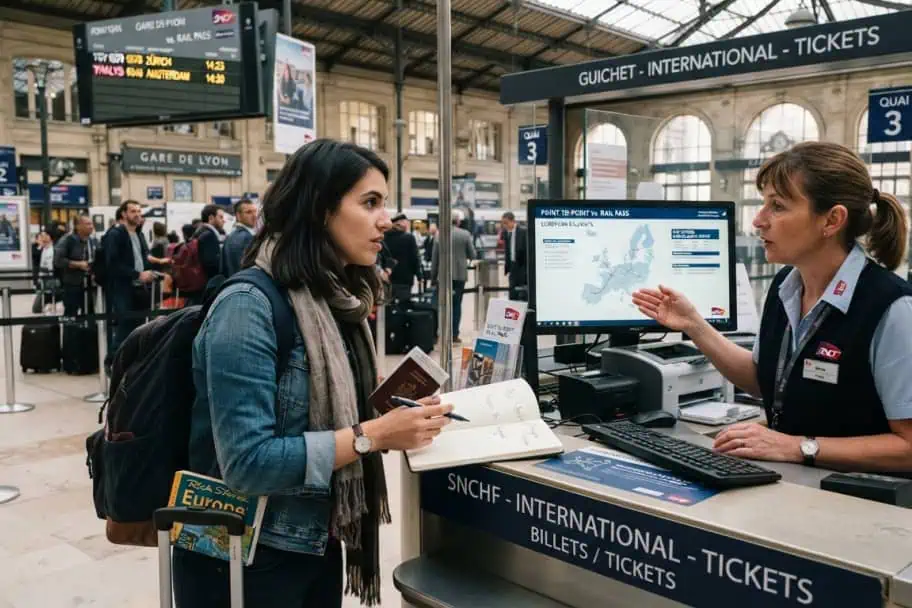
Many travelers automatically assume a rail pass is the most economical choice, but that is not always the case. Before purchasing a pass, compare its cost with the price of buying individual tickets for each planned journey.
Rail passes can provide outstanding value for travelers taking numerous long-distance trips, crossing multiple international borders, or maintaining a flexible itinerary. They eliminate the need to purchase separate tickets and allow for more spontaneous travel decisions.
However, travelers with fixed itineraries may discover that advance-purchase point-to-point tickets are actually cheaper. On many high-speed routes, booking several months in advance can result in fares that are lower than the per-trip cost associated with a rail pass.
The smartest strategy is to calculate your anticipated transportation costs before committing to either option. Comparing both approaches can help you determine which offers the best value for your specific trip.
Take Advantage of Discount Programs

Many European rail operators offer special discount programs for specific groups of travelers. Students, seniors, children, young adults, and families can often qualify for reduced fares that significantly lower transportation costs.
Several national railway operators also provide discount cards that offer reduced pricing throughout the year. These programs can be particularly beneficial for travelers planning multiple train journeys within a single country.
Before purchasing tickets, spend a few minutes researching available discounts through the rail operator’s website. Even relatively small discounts can add up quickly over the course of a longer trip.
- Germany (Deutsche Bahn) – BahnCard 25 and BahnCard 50
- France (SNCF / OUIGO) – SNCF Carte Avantage and OUIGO family fares.
- Italy (Trenitalia & Italo) – Bimbi Gratis, Me&You, Insieme, and FrecciaDAYS
- Spain (Renfe) – Children fares and Tarjeta Dorada Card for riders 60+ years of age.
Look for Promotional Sales and Special Offers

Rail operators frequently run promotional sales that provide exceptional savings on popular routes. These offers can include limited-time discounts, seasonal sales, companion fares, and special event promotions.
Subscribing to email newsletters from major rail operators and booking platforms, such as Interrail’s Newsletter or the Rail Europe Blog, can help you learn about sales before tickets sell out. Following operators on social media can also be an excellent way to stay informed about temporary promotions.
Some of the best bargains occur during seasonal sales when operators release discounted tickets months before departure. Travelers with flexible schedules are often able to secure impressive savings through these promotions.
Be Flexible With Your Route

Many travelers search only for direct routes between destinations, but alternative itineraries can sometimes provide significant savings. Taking a slightly different route or making an additional connection may lower the overall ticket price.
For example, a journey that requires one train change might cost considerably less than a direct high-speed service. While convenience is important, comparing alternate routes can reveal surprisingly affordable options.
This is one of those Europe rail travel hacks that requires only a few extra minutes of research but can result in meaningful savings, especially on longer journeys.
Travel Light to Avoid Additional Expenses

Although trains generally have generous baggage policies, traveling light can still save money throughout your trip. Smaller bags make it easier to use public transportation, walk to accommodations, and avoid storing luggage during extended layovers.
Traveling with manageable luggage can also provide greater flexibility when taking regional trains or making tight connections. The less you carry, the easier it becomes to adjust plans and take advantage of spontaneous opportunities.
Packing efficiently won’t directly lower train ticket prices, but it can reduce many of the ancillary costs associated with travel.
Use Major Cities as Travel Hubs
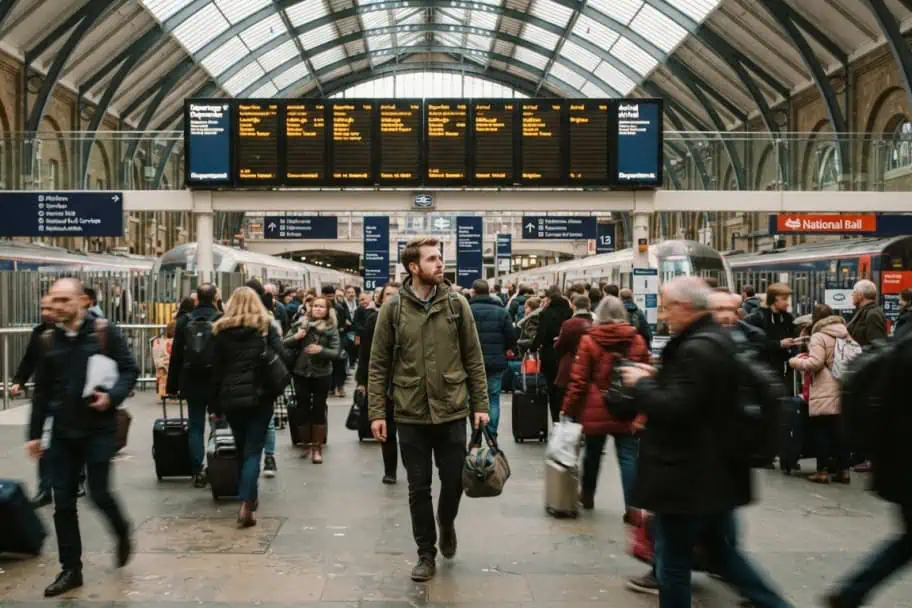
Choosing a centrally located city as a transportation hub can reduce the overall cost of a rail vacation. From a single base city, travelers can take day trips to nearby destinations without repeatedly changing hotels and purchasing long-distance train tickets.
Cities such as Vienna, Munich, Amsterdam, Zurich, and Madrid offer excellent rail connections to surrounding regions. This approach often saves money on accommodations and transportation while reducing trip complexity.
Hub-and-spoke itineraries are especially effective for travelers who enjoy a slower pace and want to explore a region in depth rather than constantly moving between destinations.
Combine Train Travel With Local Transportation

Sometimes the cheapest route is not the most obvious one. Combining regional trains with local buses, trams, or commuter rail services can occasionally provide substantial savings compared to booking only premium train routes.
Many cities offer integrated transportation systems that make transitions between transportation modes simple and affordable. Travelers willing to combine multiple transportation options may find additional opportunities to save money on European trains and related travel expenses.
It is worth researching public transportation options in each destination before finalizing your itinerary.
Plan Ahead for Seat Reservations

Even when traveling with a rail pass, certain trains require advance reservations. These reservation fees can vary significantly depending on the operator and route. Understanding reservation requirements before you travel can help prevent unexpected expenses.
Some high-speed services charge higher reservation fees than regional or conventional trains. In certain situations, choosing an alternate departure or slightly slower route can reduce these supplemental costs while still delivering a comfortable travel experience.
This is another example of why careful planning remains one of the best Europe rail travel hacks available to travelers.
Final Thoughts
European rail travel does not have to be expensive. By booking early, traveling during off-peak periods, considering regional trains, comparing rail passes against individual tickets, and taking advantage of discounts and promotions, travelers can dramatically reduce transportation costs without sacrificing convenience or comfort.
The key is to approach trip planning strategically. Small decisions such as choosing flexible travel dates, researching discount programs, or selecting an alternate route can result in substantial savings over the course of a vacation. Travelers who learn how to save money on European trains often discover that rail travel becomes one of the best values available for exploring the continent.
With a little preparation and a handful of proven Europe rail travel hacks, you can enjoy scenic journeys, efficient transportation, and unforgettable destinations while keeping more money available for the experiences that matter most.
Don’t Forget to Subscribe to My Adventures!

Let Me Help You Save On Your Next Adventure!
‘Start Exploring Today’ Merchandise Available Now!
 |
 |
 |
 |
 |
 |
 |




















Leave a Reply