This Mount Rushmore travel guide post contains my Hotels.com, Expedia, Vrbo, and Viator affiliate links. I may receive a commission when you book a hotel or tour from this article, though at no additional cost to you. I hand-pick and recommend only the hotels and tours that I have thoroughly researched and feel comfortable recommending.
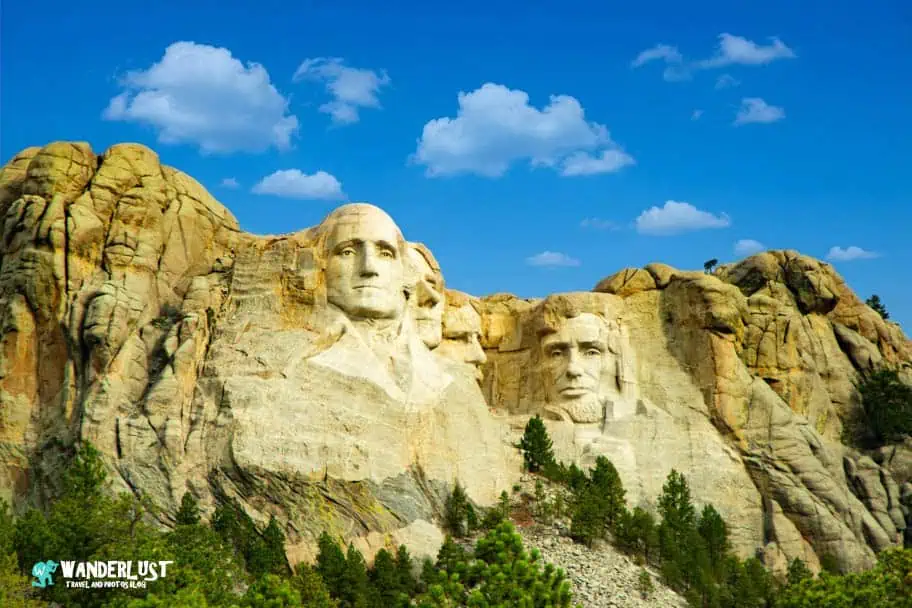
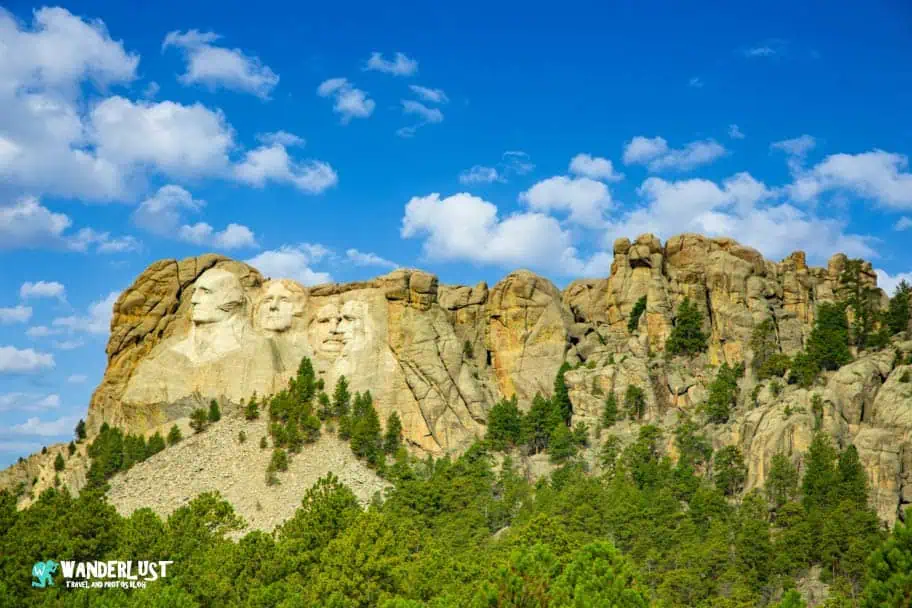
Planning a trip to one of America’s most iconic landmarks? This Mount Rushmore travel guide will help you make the most of your visit to Mount Rushmore National Memorial, a symbol of American history and ingenuity nestled in the scenic Black Hills of South Dakota. Featuring the towering granite faces of Presidents George Washington, Thomas Jefferson, Theodore Roosevelt, and Abraham Lincoln, the memorial attracts millions of visitors each year who come to admire its impressive craftsmanship and breathtaking setting.
Since its dedication, Mount Rushmore has become one of the most recognizable monuments in the United States. Beyond the famous sculpture itself, the memorial offers visitors the opportunity to learn about the history, construction, and cultural significance of the landmark through exhibits, walking trails, ranger programs, and educational displays. Surrounded by forests, wildlife, and stunning Black Hills landscapes, the memorial provides an unforgettable experience for travelers of all ages.
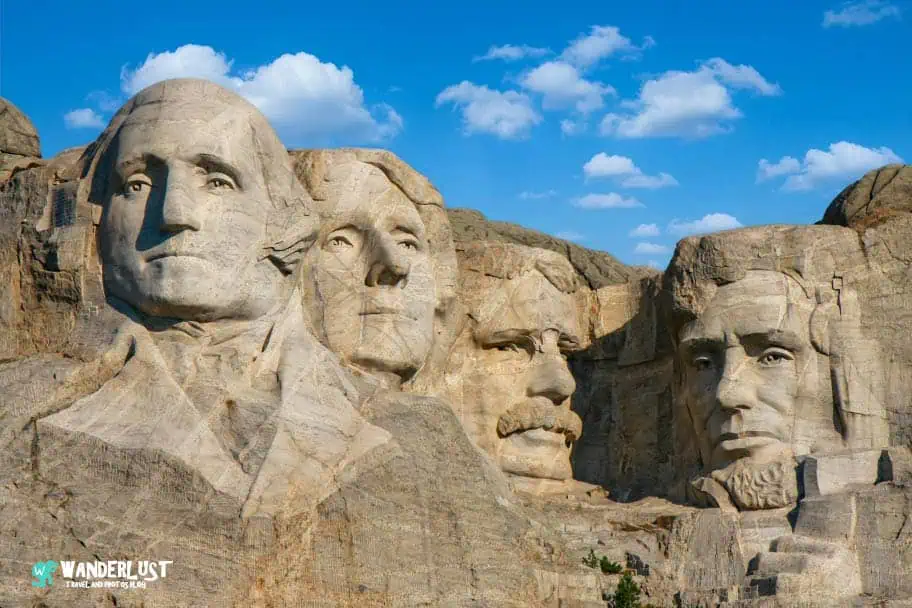
In this Mount Rushmore travel guide, you’ll find essential Mount Rushmore visitor tips to help you plan the perfect trip. We’ll cover how to get to the park, the top things to see and do during your visit, the best times of year to explore the memorial, and where to stay near the park. Whether you’re visiting for a few hours or incorporating Mount Rushmore into a larger Black Hills adventure, this guide has everything you need to prepare for an amazing experience.
Mount Rushmore National Memorial Guide Navigation Menu


How to Get to Mount Rushmore National Memorial
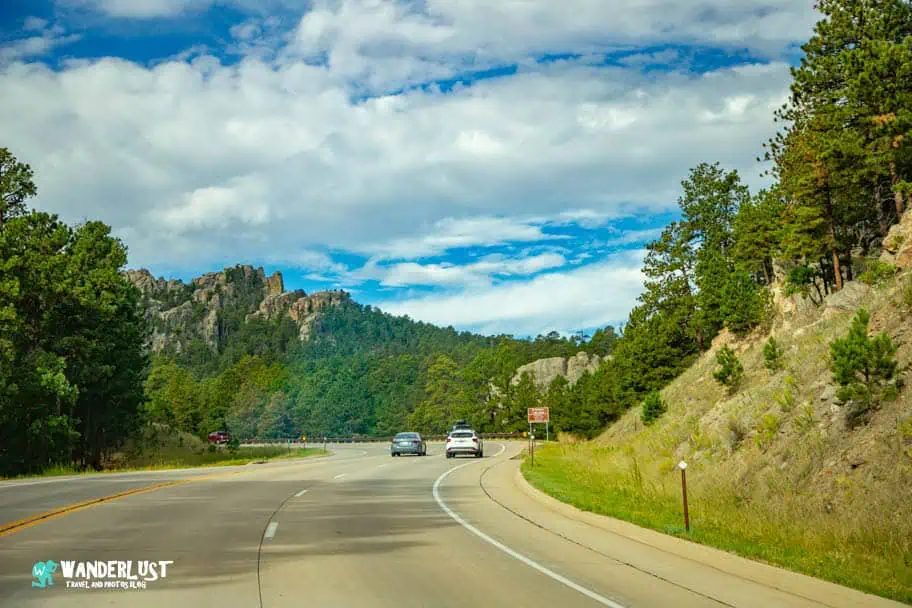
Located in the beautiful Black Hills of western South Dakota, Mount Rushmore National Memorial sits just outside the town of Keystone and about 30 miles southwest of Rapid City. Other nearby destinations include Hill City, Custer, Wind Cave National Park, and Badlands National Park. As you’ll see throughout this Mount Rushmore travel guide, the memorial is centrally located among many of the region’s top attractions.
Most visitors reach Mount Rushmore by car. The closest airport is Rapid City Regional Airport (RAP), located about 35 miles from the memorial, making it the most convenient option for travelers flying into the area. Visitors arriving from farther away may choose Denver International Airport (DEN), the nearest major international airport, before continuing the drive to the Black Hills.
To help with trip planning, I’ve included a table in this Mount Rushmore travel guide below showing driving distances and estimated travel times from major cities, airports, and nearby attractions to Mount Rushmore National Memorial.
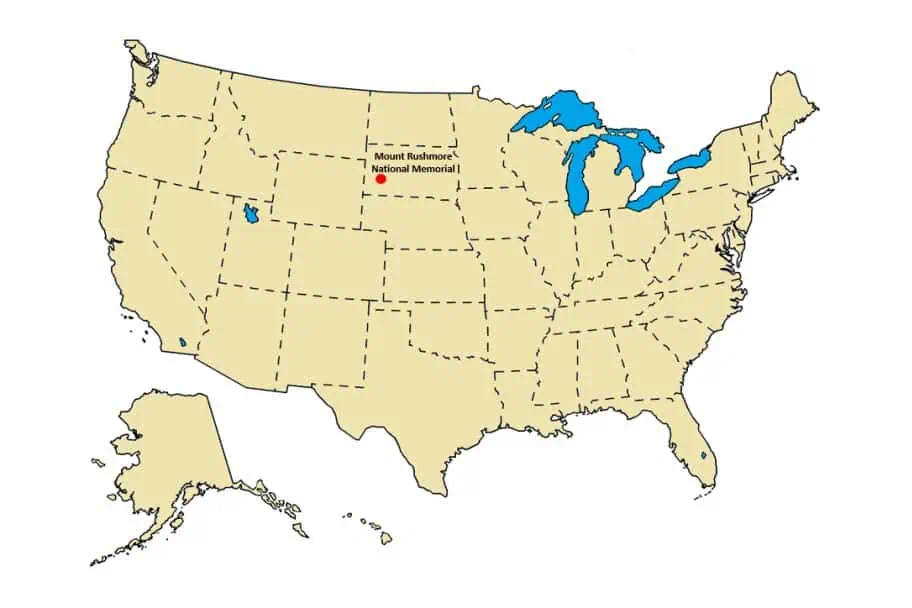
To understand where Mount Rushmore National Memorial is located relative to other large cities and attractions in the region, please refer to the map and driving chart included in this Mount Rushmore National Memorial guide below.
Driving Distance from Other Area Attractions
| City\Park | Distance | Drive Time | Notes |
|---|---|---|---|
| Custer State Park | 18 miles | 0hrs 30min | Famous for bison herds, scenic drives, granite spires, and wildlife viewing. |
| Rapid City, SD | 35 miles | 0hrs 45min | Closest commercial airport to Mount Rushmore; primary gateway to the Black Hills. |
| Jewel Cave National Monument | 35 miles | 0hrs 45min | One of the world's longest cave systems with spectacular calcite formations. |
| Wind Cave National Park | 40 miles | 0hrs 50min | Known for rare boxwork cave formations, prairie ecosystems, and wildlife. |
| Bear Butte State Park | 60 miles | 1hr | Sacred mountain to many Native American tribes and a popular hiking destination. |
| Badlands National Park | 85 miles | 1hr 30min | Dramatic rock formations, fossil beds, wildlife, and dark skies. |
| Devils Tower National Monument | 110 miles | 2hrs | America's first national monument and a sacred Indigenous site. |
| Minuteman Missile National Historic Site | 115 miles | 1hr 45min | Preserves Cold War missile facilities and history. |
| Scotts Bluff National Monument | 215 miles | 3hrs 45min | Landmark along the Oregon Trail featuring dramatic bluffs and historic exhibits. |
| Bighorn Canyon National Recreation Area | 295 miles | 5hrs | Scenic canyon landscape with boating, wild horses, and hiking. |
| Theodore Roosevelt National Park | 300 miles | 5hrs 15min | Rugged badlands, wildlife, scenic drives, and Theodore Roosevelt history. |
| Denver, CO | 390 miles | 6hrs 15min | Largest international airport nearest Mount Rushmore; extensive domestic and international flight options. |
Top Things to See and Do in Mount Rushmore National Memorial

One of the best things about visiting Mount Rushmore National Memorial is that there’s more to experience than just the famous sculpture. Visitors can enjoy scenic viewpoints, walking trails, exhibits, cultural programs, and the popular evening lighting ceremony while learning about the history and creation of this iconic landmark. This Mount Rushmore travel guide highlights the top attractions and activities you won’t want to miss during your visit.
Grand View Terrace
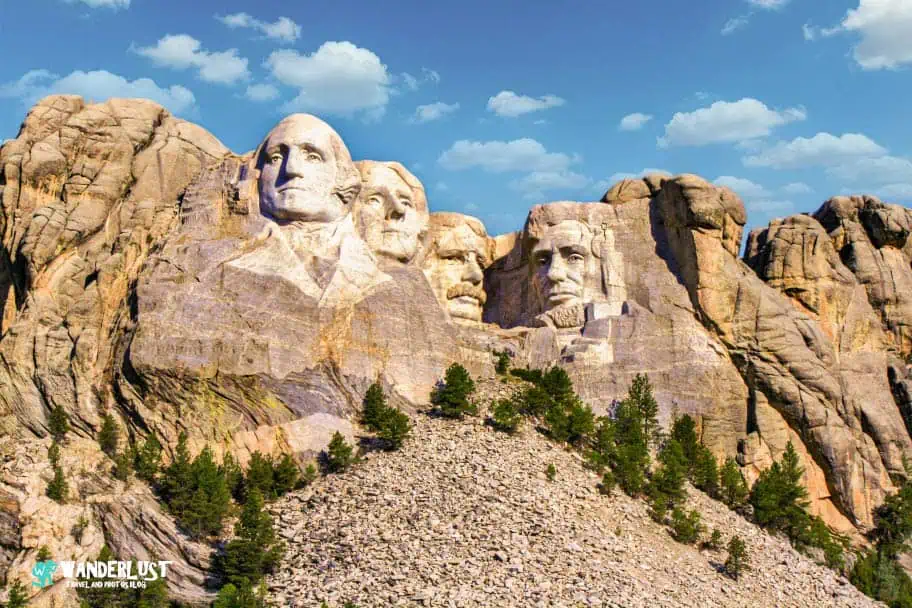
Grand View Terrace is the main viewing area at Mount Rushmore National Memorial and offers some of the best panoramic views of the monument. Located at the end of the Avenue of Flags, this spacious observation area provides an unobstructed look at the massive presidential sculptures carved into the granite mountain.
For many visitors, this is the first stop after entering the memorial. The terrace is an ideal place for photos and serves as the starting point for several of the park’s most popular attractions.
The Presidential Trail
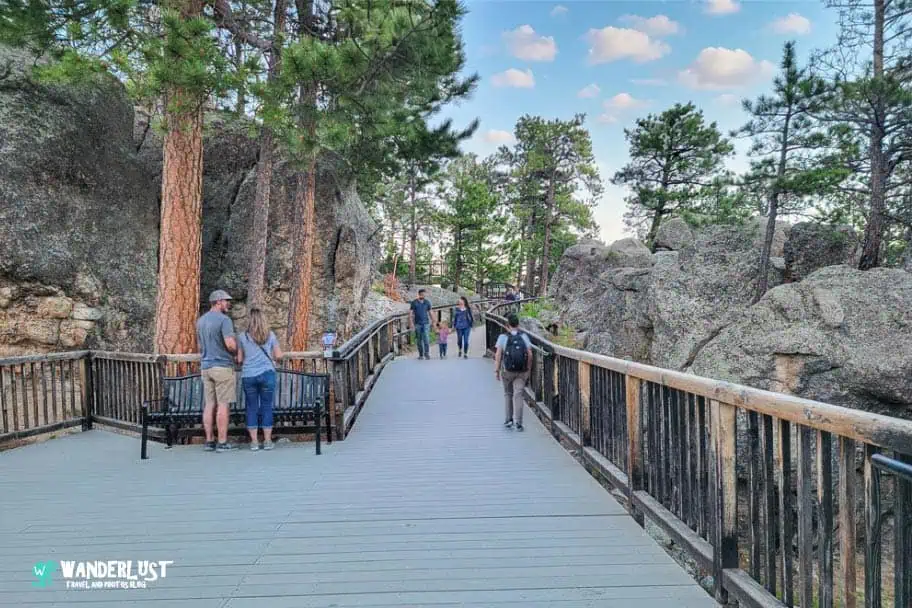
The Presidential Trail is one of the best ways to experience Mount Rushmore up close. This paved walking path loops through the memorial grounds and offers unique viewpoints that aren’t visible from the main observation deck.
Along the trail, visitors will find interpretive signs that explain the history, design, and construction of the monument. The route also brings visitors closer to the mountain, providing excellent photography opportunities and a different perspective of the sculpture.
| Trail Stats | |
|---|---|
| Trail Type: | Loop |
| Distance: | 0.9 miles/1.4 kilometers |
| Elevation Gain: | 137 feet/42 meters |
| Time to Complete: | 0.5 to 1 hours |
| Difficulty Level: | Easy |
| Trail Map |
|---|
Sculptor’s Studio
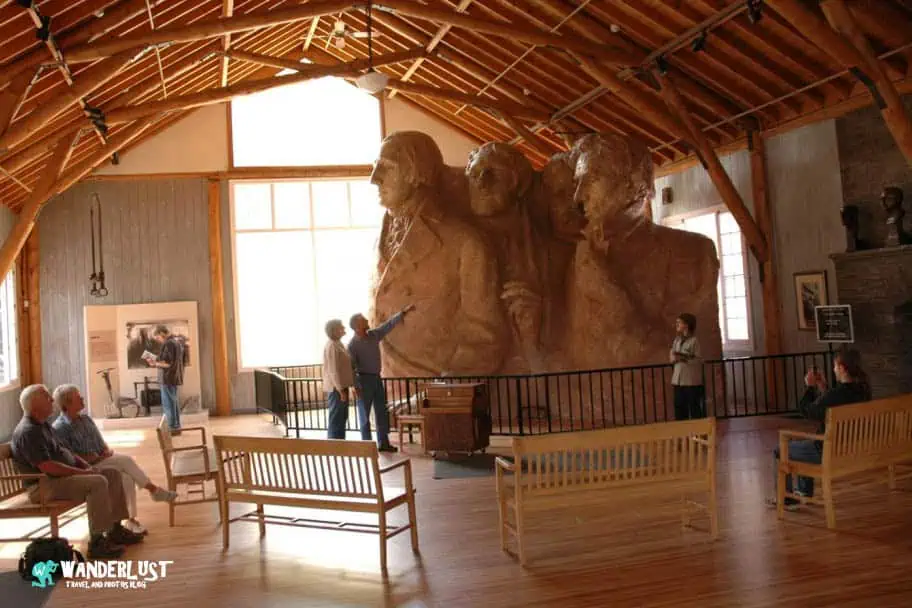
The Sculptor’s Studio offers fascinating insight into the creation of Mount Rushmore. Originally used by sculptor Gutzon Borglum and his team, the studio contains exhibits, models, photographs, and tools that help tell the story of the monument’s construction.
A scale model of the memorial demonstrates Borglum’s original vision and gives visitors a deeper understanding of the massive engineering effort required to complete the project.
The Avenue of Flags
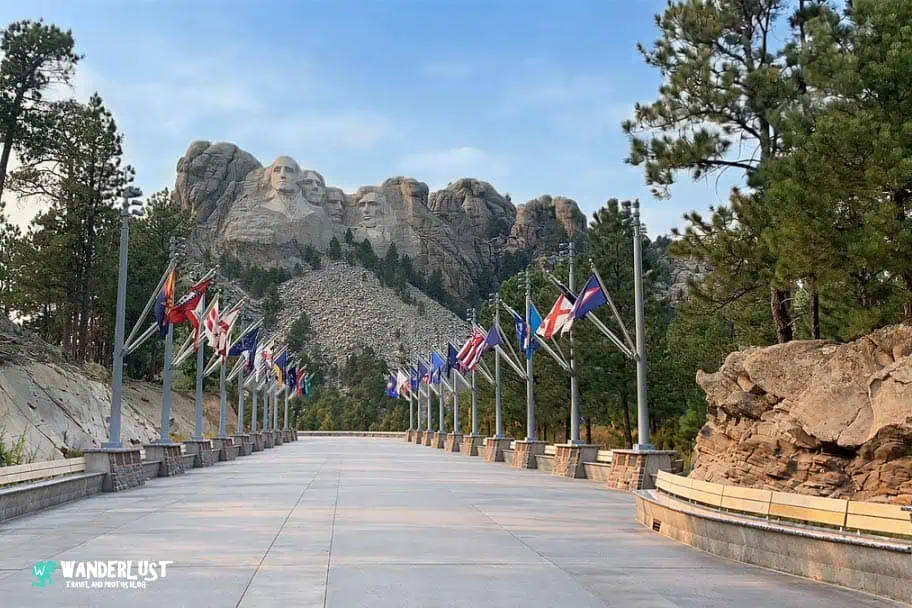
The Avenue of Flags is the ceremonial walkway leading to Grand View Terrace. Lined with the flags of all fifty states, U.S. territories, and the District of Columbia, it creates a striking entrance to the memorial. As you walk through the avenue, you’ll also find markers identifying each state’s admission date to the Union, making it both a beautiful and educational experience.
The Lincoln Borglum Visitor Center

The Lincoln Borglum Visitor Center is the primary educational hub within the memorial. Exhibits, displays, films, and historical artifacts provide valuable context about the monument’s history and the individuals responsible for creating it.
Visitors interested in learning more about the carving process, the workers who built the memorial, and the historical significance of the four presidents should make this a priority stop.
Evening Lighting Ceremony
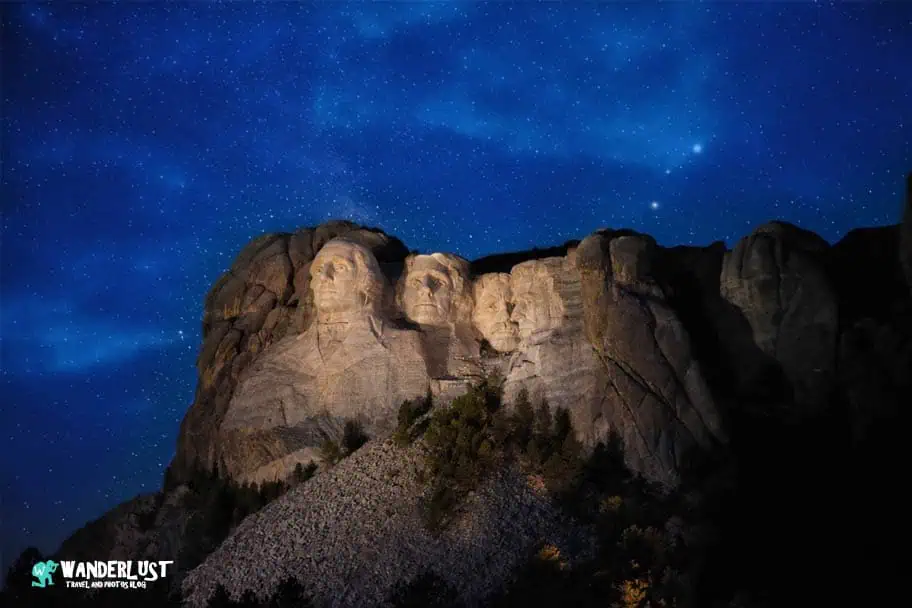
One of the most memorable experiences at Mount Rushmore is the Evening Lighting Ceremony. Held seasonally after sunset, the program includes a ranger presentation, patriotic themes, and the illumination of the mountain’s carved faces. Watching the monument light up against the darkening Black Hills sky creates a unique atmosphere and is often considered a highlight of a visit.
Wildlife Viewing
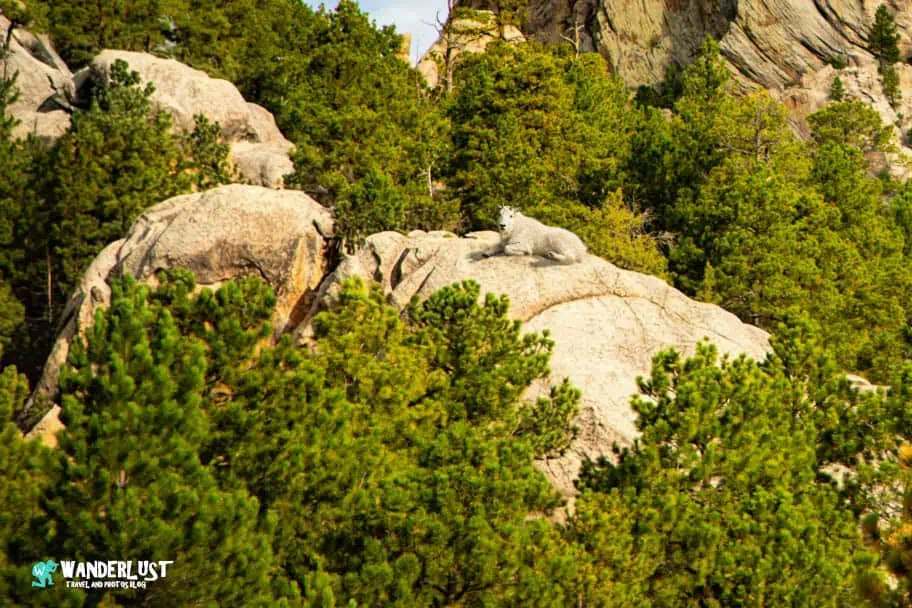
While Mount Rushmore is best known for its famous sculpture, the surrounding Black Hills provide opportunities to spot a variety of wildlife. Deer, wild turkeys, chipmunks, and numerous bird species are commonly seen throughout the memorial and nearby areas.
One of the most exciting animals to watch for is the bighorn sheep, which are occasionally seen on rocky slopes and cliffs near Mount Rushmore and throughout the Black Hills. Early morning and evening are often the best times for wildlife viewing, especially along nearby scenic roads and in neighboring parks such as Custer State Park.
Scenic Drives Nearby
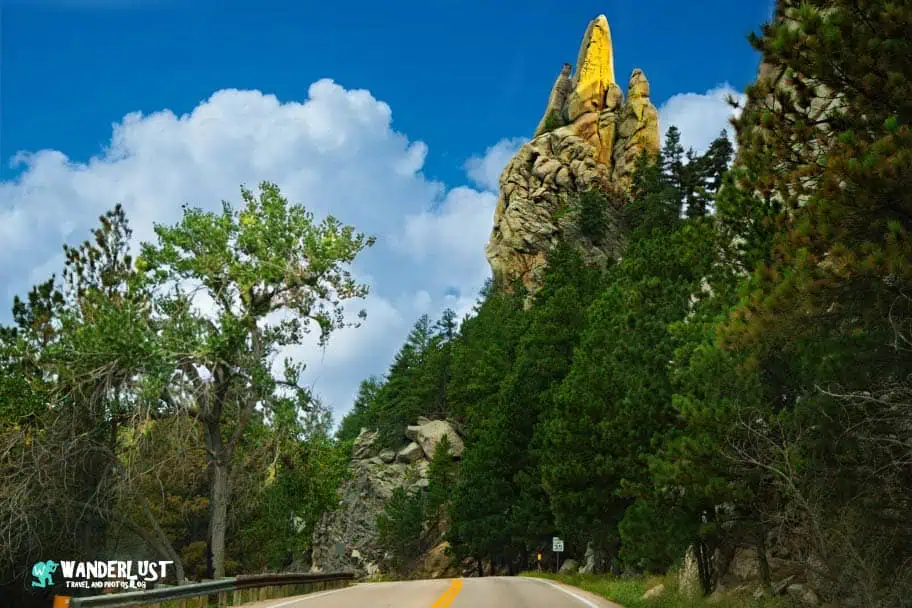
Several scenic drives near Mount Rushmore make excellent additions to any visit. Iron Mountain Road, Needles Highway, and Wildlife Loop Road in nearby Custer State Park are among the most popular routes in the Black Hills.
These drives feature granite tunnels, dramatic rock formations, wildlife viewing opportunities, and spectacular overlooks that complement the Mount Rushmore experience.
Lakota, Nakota & Dakota Heritage Village
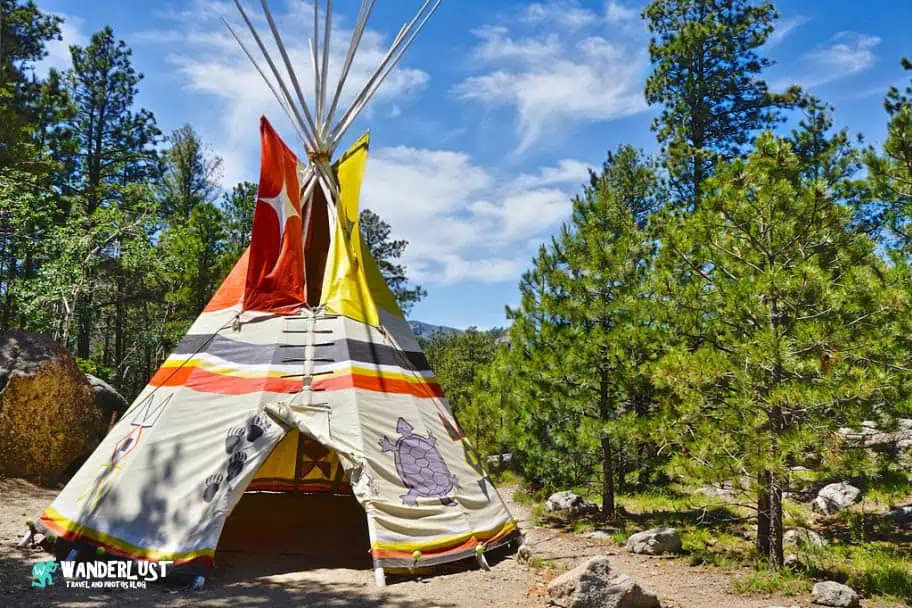
The Lakota, Nakota & Dakota Heritage Village provides visitors with an opportunity to learn about the Indigenous peoples who have deep historical and cultural connections to the Black Hills region.
Educational exhibits and cultural displays help broaden visitors’ understanding of the area’s rich heritage and offer valuable perspectives on the history of the land surrounding Mount Rushmore.
Viewing Mount Rushmore from the Road
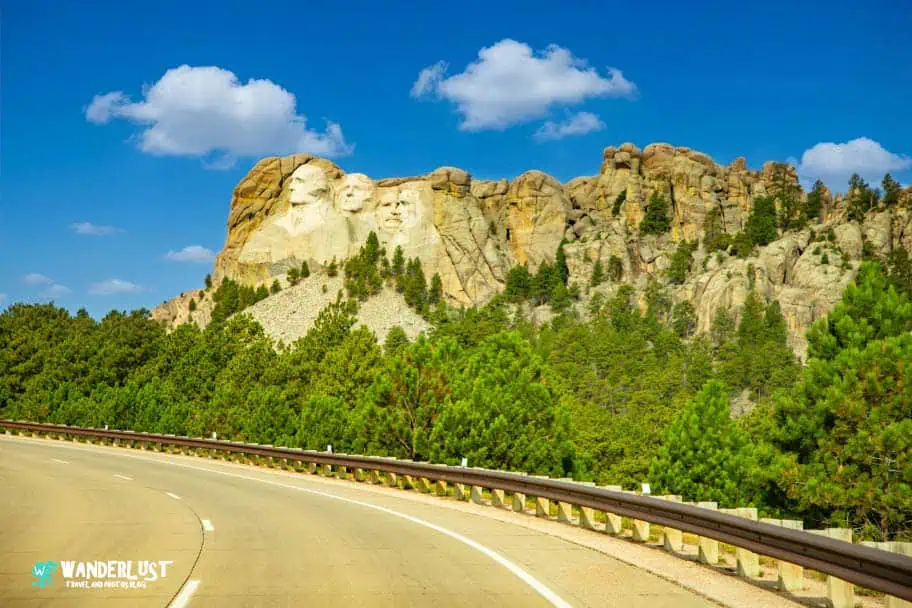
One of the most iconic views of Mount Rushmore can actually be enjoyed before you even arrive at the memorial. Along Iron Mountain Road, several tunnels frame the sculpture perfectly in the distance, creating some of the most photographed views in the Black Hills.
Even travelers who do not immediately stop at the memorial often catch glimpses of the famous monument from nearby roads, adding excitement to the journey and providing unique perspectives that differ from the main viewing areas.
Mount Rushmore National Memorial Resources
Before your visit, it’s helpful to review a few official resources and trip-planning tools to make the most of your time at the memorial. These resources provide additional information and important Mount Rushmore visitor tips on topics such as operating hours, fees, accessibility, seasonal programs, weather conditions, and visitor services. To make planning easier, I’ve included a great list of Mount Rushmore National Memorial resources below.
- Operating Hours and Seasons
- Fees and Passes
- Park Permits and Reservations
- Pet Policy
- Parking Information
- Memorial Maps
- Restaurant Options
- Area Hiking Trails
- Ranger Programs
- Self-Guided Tours
- Associated Tribal Nations
- Stories About Mount Rushmore
When to Visit Mount Rushmore National Memorial
The best time to visit Mount Rushmore National Memorial depends on your preferences for weather, crowd levels, and seasonal activities. Summer offers the warmest temperatures and the full range of visitor services, while spring and fall provide milder weather and fewer crowds. Winter brings a quieter atmosphere and the possibility of snow-covered scenery. One of the most important Mount Rushmore visitor tips is to consider temperature, precipitation, and visitation trends when planning your trip.
Average Temperatures (°F)
Temperatures in the Mount Rushmore area vary significantly throughout the year. Summer highs typically range from the upper 70s to low 80s°F, creating comfortable conditions for walking the Presidential Trail and attending the Evening Lighting Ceremony. Spring and fall often feature pleasant daytime temperatures in the 50s and 60s°F, making these seasons popular for sightseeing. Winter can be cold, with temperatures frequently dropping below freezing, though visitors are often rewarded with peaceful conditions and beautiful snowy landscapes.
Average Precipitation (Inches)
Precipitation levels also fluctuate throughout the year and can affect the visitor experience. Late spring and early summer tend to be the wettest months, with occasional thunderstorms developing across the Black Hills. Summer rain showers are usually brief but can disrupt outdoor activities. Fall is typically drier and offers excellent sightseeing conditions, while winter precipitation often falls as snow, which can create scenic views but may impact driving conditions on local roads.
Average Visitors
Visitor numbers peak during the summer months, especially from June through August when families are traveling and schools are on break. During this period, parking areas, viewing platforms, and nearby attractions can become crowded, particularly during the middle of the day. Spring and fall generally offer a good balance of pleasant weather and lighter crowds, while winter sees the fewest visitors, allowing for a quieter and more relaxed experience at the memorial.
Other Things to See in the Area

Beyond the iconic presidential sculpture, the Mount Rushmore area offers several incredible natural attractions that make a visit to the Black Hills even more rewarding. A complete Mount Rushmore travel guide should include nearby state parks, national parks, caves, and monuments where visitors can enjoy wildlife, scenic drives, hiking, and unique geological formations. Together, these destinations provide a wide range of outdoor adventures within a short drive of Mount Rushmore.
Custer State Park

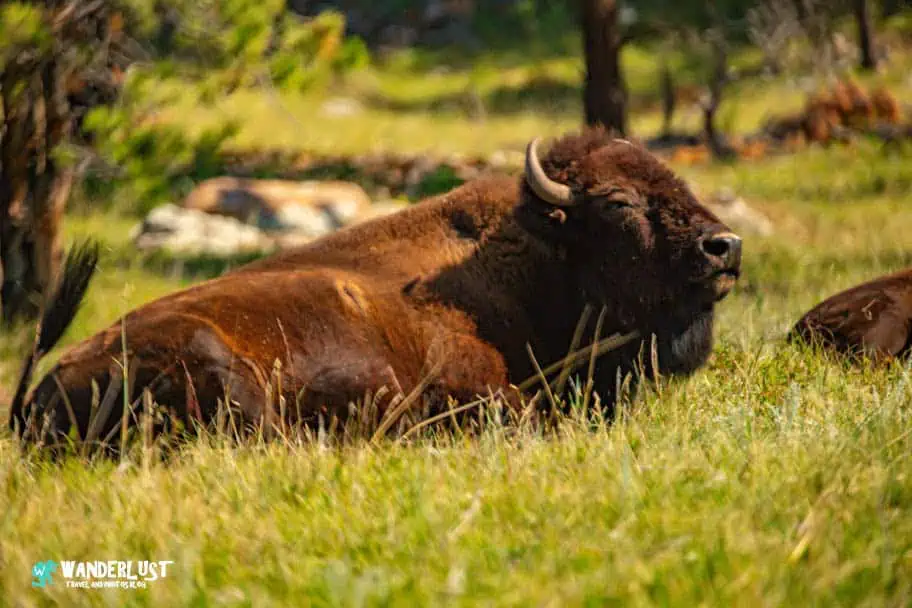
Custer State Park is a beautiful park known for its granite peaks, scenic drives, lakes, and abundant wildlife. Visitors can watch bison roam the grasslands, drive the famous Needles Highway, hike trails, and enjoy camping, fishing, and kayaking. The park is located roughly 17 to 30 miles from Mount Rushmore National Memorial.
Badlands National Park
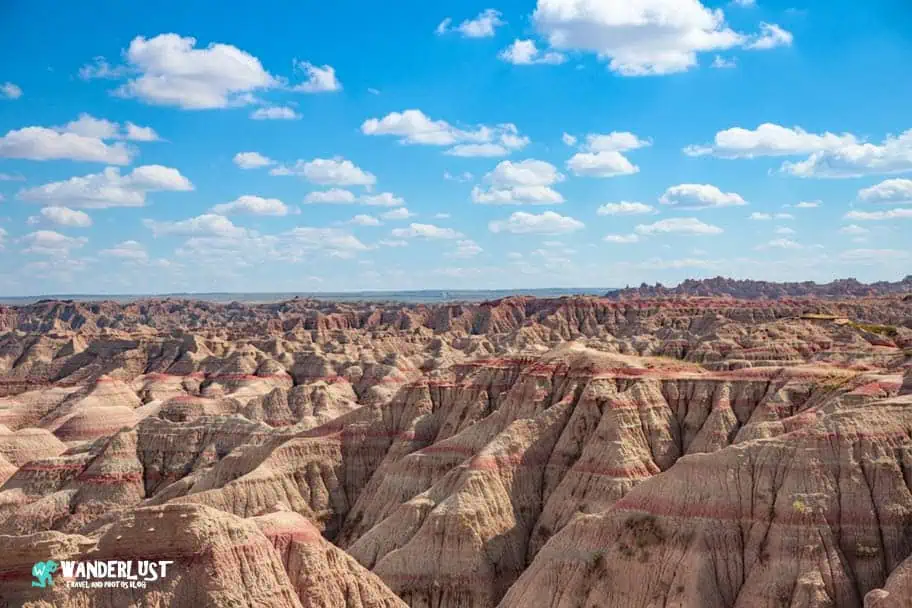
Badlands National Park is famous for its dramatic rock formations, colorful cliffs, and wide-open prairie landscapes. Popular activities include hiking, scenic drives, wildlife viewing, photography, and stargazing. The park is about 100 miles from Mount Rushmore National Memorial, making it a popular day trip from the Black Hills.
Wind Cave National Park
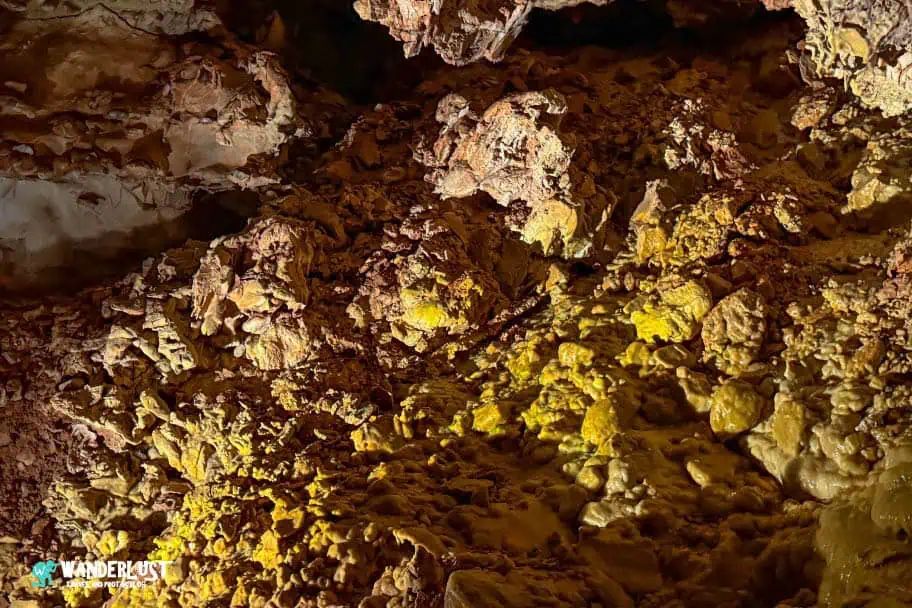
Wind Cave National Park protects one of the world’s longest and most complex cave systems, known especially for its rare boxwork formations. Above ground, the park contains rolling prairies and forests where visitors can spot bison, elk, prairie dogs, and other wildlife. Popular activities include guided cave tours, hiking, wildlife watching, and scenic driving. Wind Cave National Park is about 38 to 41 miles from Mount Rushmore National Memorial, roughly an hour away by car.
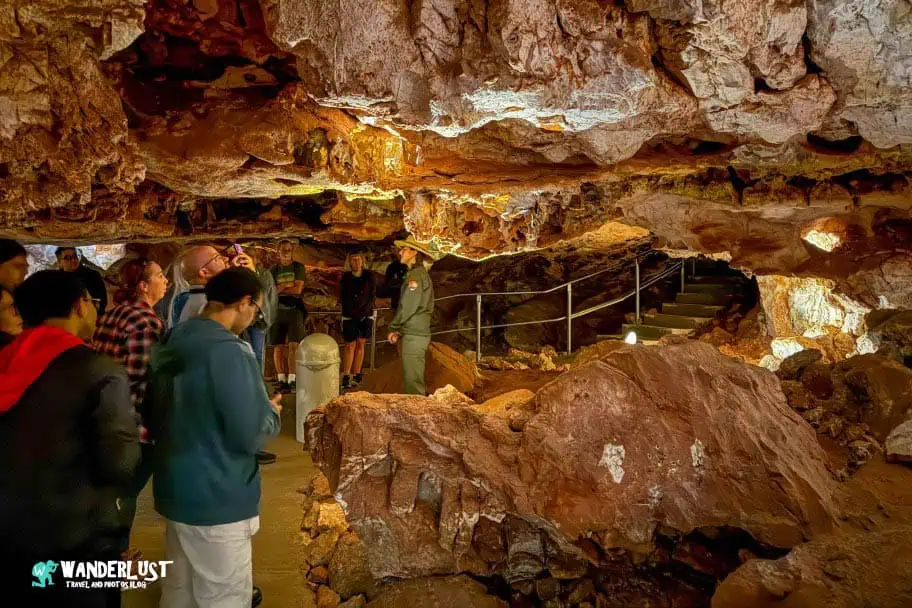
Jewel Cave National Monument
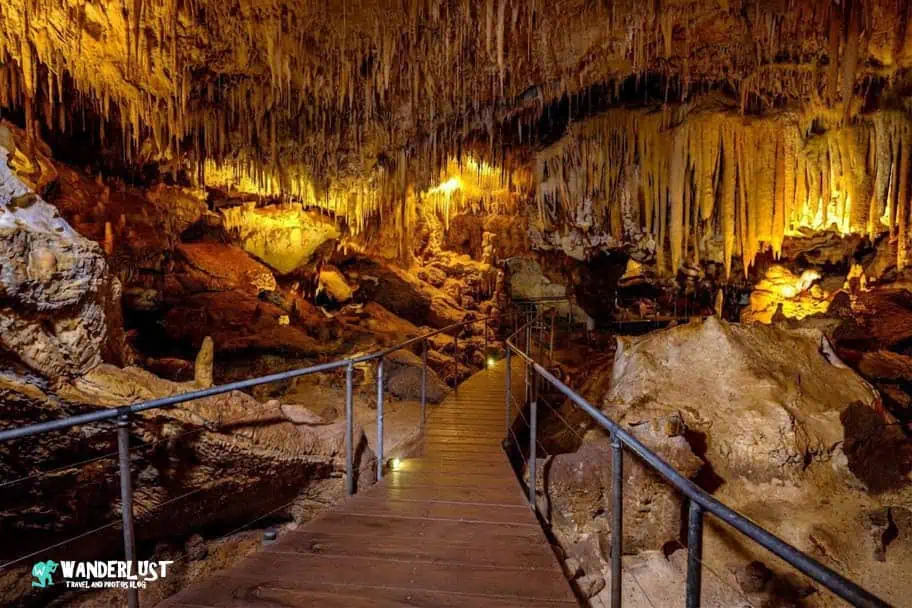
Jewel Cave National Monument preserves one of the longest caves in the world, featuring spectacular calcite crystal formations and vast underground passageways. Visitors can take ranger-led cave tours, learn about cave geology, and explore nearby hiking trails in the Black Hills. The monument offers a fascinating underground adventure that contrasts with the region’s mountainous scenery above ground. Jewel Cave National Monument is approximately 31 to 35 miles from Mount Rushmore National Memorial and can typically be reached in about 45 minutes.
| READ MORE: |
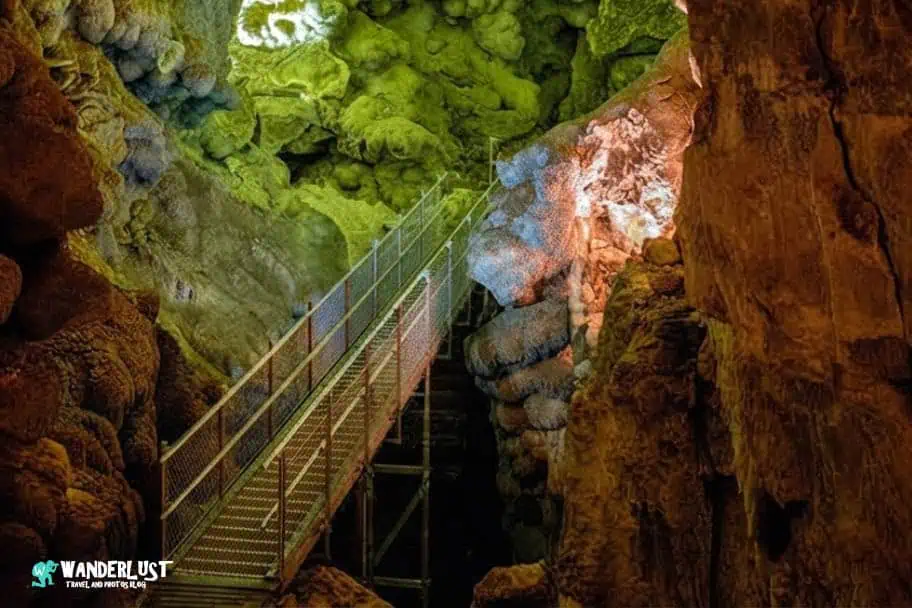 |
| Jewel Cave Visitor Guide: Planning Your Trip |
Devil’s Tower National Monument
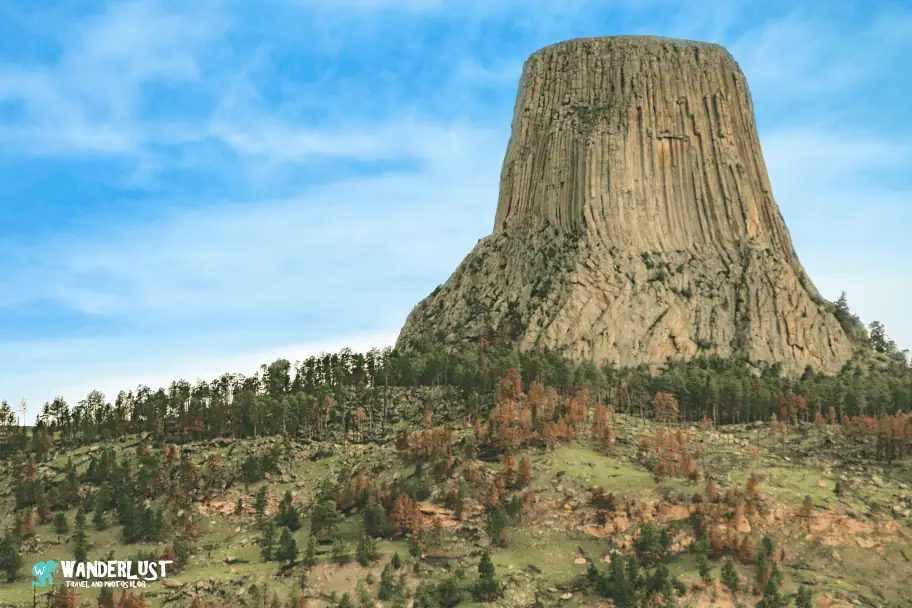
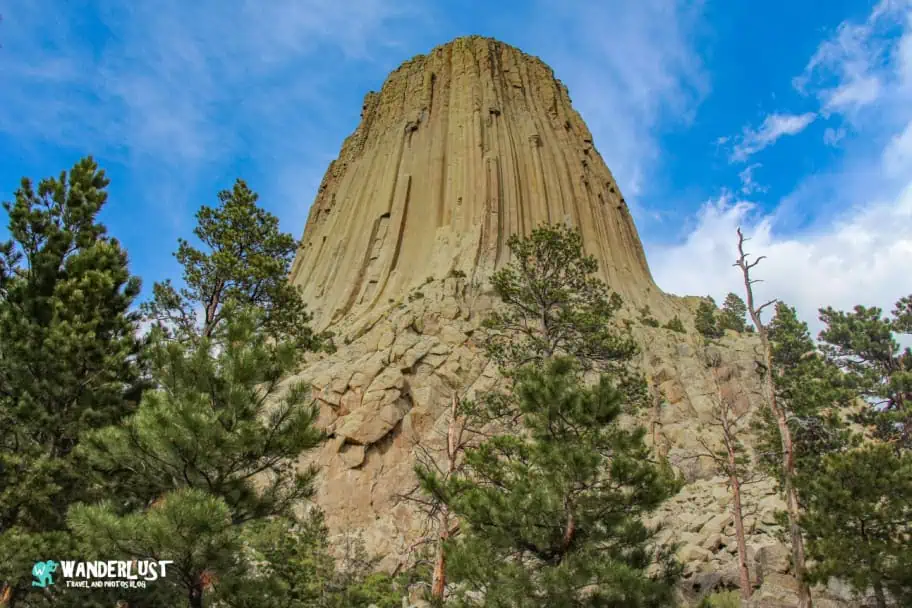
Devil’s Tower National Monument is an enormous rock formation that rises dramatically above the surrounding Wyoming landscape and is considered sacred by several Native American tribes. Visitors can hike around the base of the tower, enjoy scenic viewpoints, photograph wildlife, and learn about the monument’s cultural and geological significance. Rock climbers from around the world also travel here to scale the tower. Devil’s Tower National Monument is about 110 to 130 miles from Mount Rushmore National Memorial, making it an easy and memorable day trip.
Theodore Roosevelt National Park

Theodore Roosevelt National Park in western North Dakota protects a stunning landscape of colorful badlands, rolling prairies, and wildlife-rich valleys that helped inspire Theodore Roosevelt’s conservation efforts. Visitors can enjoy scenic drives, hiking, camping, horseback riding, and opportunities to see bison, wild horses, elk, and prairie dogs. The park offers a more remote and rugged experience than many other parks in the region. Theodore Roosevelt National Park is approximately 270 miles from Mount Rushmore National Memorial, with a drive of about five to six hours, making it a worthwhile extension for travelers exploring the northern Great Plains.
Where to Stay Near Mount Rushmore National Memorial

Finding the right place to stay is easy, thanks to the wide variety of accommodations surrounding Mount Rushmore National Memorial. As highlighted throughout this Mount Rushmore travel guide, the nearby communities of Keystone, Custer, and Hill City serve as the primary lodging hubs for visitors exploring the Black Hills. These towns offer everything from budget-friendly motels to more upscale hotels, with convenient access to Mount Rushmore and other nearby attractions such as Custer State Park, Crazy Horse Memorial, and Wind Cave National Park.
Campgrounds
For travelers who prefer spending their nights outdoors, camping is an excellent option in the Mount Rushmore area. The Black Hills region is home to numerous campgrounds ranging from primitive tent sites to full-service RV parks with modern amenities. Camping provides a great opportunity to enjoy the area’s scenic forests, wildlife, and star-filled night skies. To help you choose the best option, I’ve included a map of recommended campgrounds below.
Hotels
If you’d rather stay in a hotel, you’ll find plenty of choices to fit nearly every budget and travel style. Whether you’re looking for a simple, affordable room close to the major attractions or a more comfortable stay with additional amenities, there are excellent options throughout Keystone, Custer, and Hill City. To make planning easier, I’ve included a list of recommended hotels at a variety of price points below.


Activities and Tours in the Park Area

A visit to Mount Rushmore National Memorial offers much more than simply viewing the famous sculpture. Visitors can walk the Presidential Trail for closer views of the monument, explore the Avenue of Flags, and learn about the history and construction of the memorial through exhibits at the Lincoln Borglum Visitor Center and Sculptor’s Studio. Throughout the site, scenic overlooks provide excellent opportunities for photography and taking in the surrounding beauty of the Black Hills.
One of the most memorable experiences at Mount Rushmore is attending the nightly lighting ceremony, which highlights the monument against the dark sky while sharing stories about American history and the presidents depicted on the mountain. Other helpful Mount Rushmore visitor tips include arriving early to avoid crowds, bringing a camera for the many viewpoints, and spending time in the museum exhibits to gain a deeper appreciation for the memorial’s history and significance.
Mount Rushmore National Memorial Activity Resources
- Ziplining – Mount Rushmore Tramway Adventures
- Ariel Adventure Park – Mount Rushmore Tramway Adventures
- Tubing Hill – Mount Rushmore Tramway Adventures
- Horseback Riding – The Stables at Palmer Gulch
- ATV Tours – Black Hills Wilderness Edge
The adventure doesn’t have to end at the memorial itself. The surrounding Black Hills region offers a wide range of outdoor activities, including hiking, wildlife viewing, scenic drives, cave tours, horseback riding, and visits to nearby parks and monuments. Whether you’re interested in exploring Custer State Park, discovering underground caves, or taking a guided sightseeing excursion through the area, there are plenty of ways to enhance your trip. To help you plan your visit, I’ve included a list of recommended tours below.
Recommended Mount Rushmore National Memorial Area Tours
Mount Rushmore National Memorial Photo Gallery
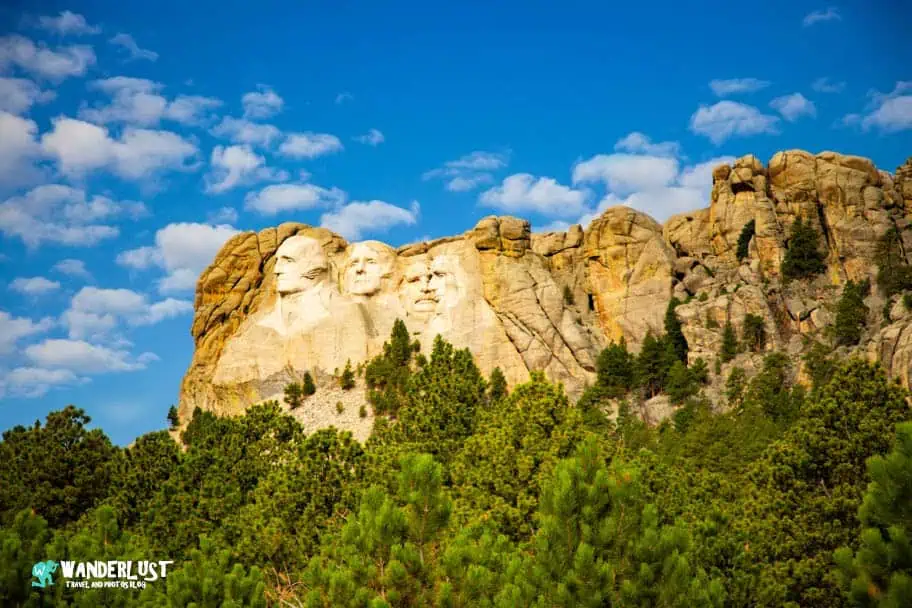
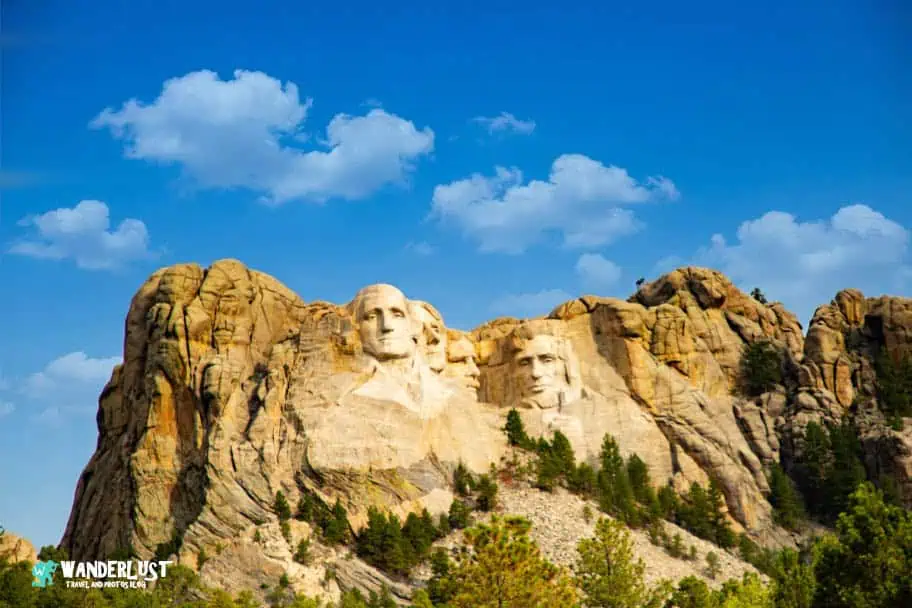
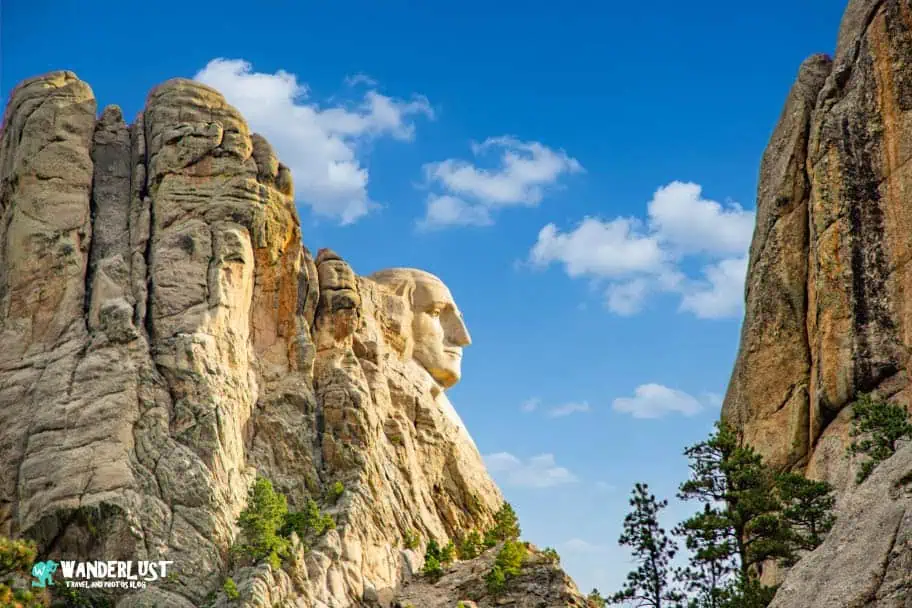
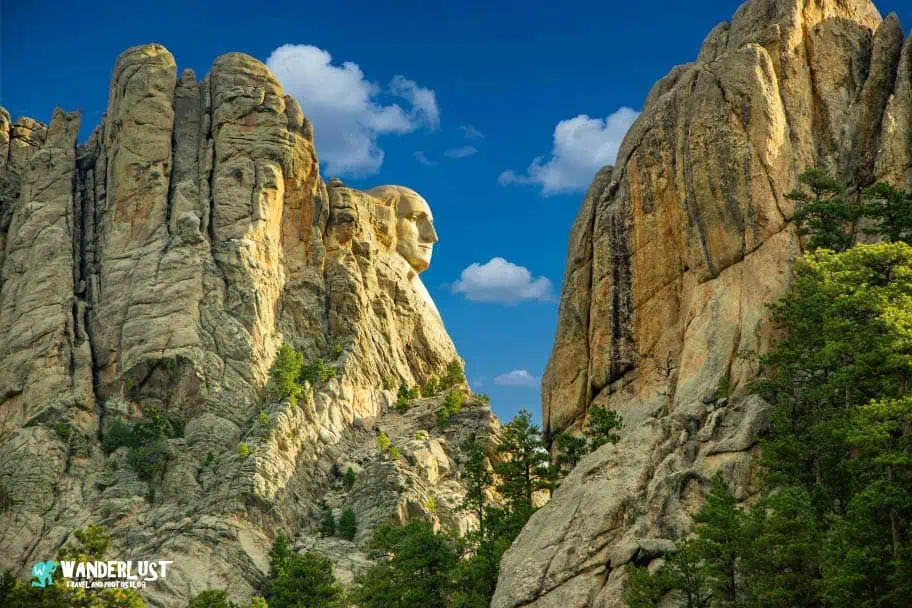
Mount Rushmore National Memorial is one of America’s most iconic landmarks, blending history, artistry, and the natural beauty of South Dakota’s Black Hills. The massive granite carvings and scenic surroundings create unforgettable views from every angle. Below, you’ll find photos from my visit that showcase the monument’s unique character and the stunning landscapes that make Mount Rushmore such a memorable destination.
If you’re interested in exploring more of my travel photography, I’d love for you to join me on Instagram! Creating this blog to share my free guides, itineraries, and travel photography tips takes a lot of effort, and a follow on Instagram would truly mean the world to me. Your support makes it all worthwhile!
FOLLOW ME!

Don’t Forget to Subscribe to My Adventures!

Let Me Help You Save On Your Next Adventure!
‘Start Exploring Today’ Merchandise Available Now!
 |
 |
 |
 |
 |
 |
 |
















Leave a Reply