Train travel is one of the safest, most efficient, and most enjoyable ways to explore Europe. Millions of passengers use the continent’s rail networks every day to travel between major cities, rural villages, and international destinations. While rail travel is generally straightforward, understanding the basics of European rail travel safety can help you avoid unnecessary stress and ensure your journey goes as smoothly as possible.
Most travelers complete their European rail adventures without experiencing any problems. However, crowded stations, busy tourist routes, and unfamiliar transportation systems can sometimes create challenges for those who are unprepared. A little knowledge and planning can help you protect your belongings, navigate stations with confidence, and avoid disruptions that could affect your itinerary.
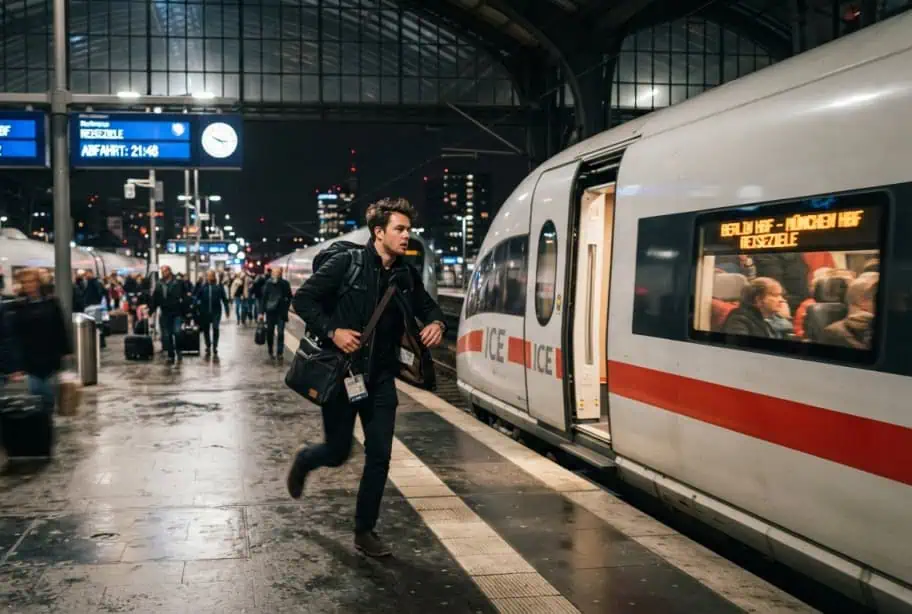
Equally important is avoiding some of the common rail travel mistakes that first-time visitors often make. From overlooking reservation requirements to booking unrealistic connections, seemingly small errors can lead to missed trains, unnecessary expenses, and frustration. Fortunately, these issues are easy to avoid once you know what to watch for.
Protecting Your Belongings

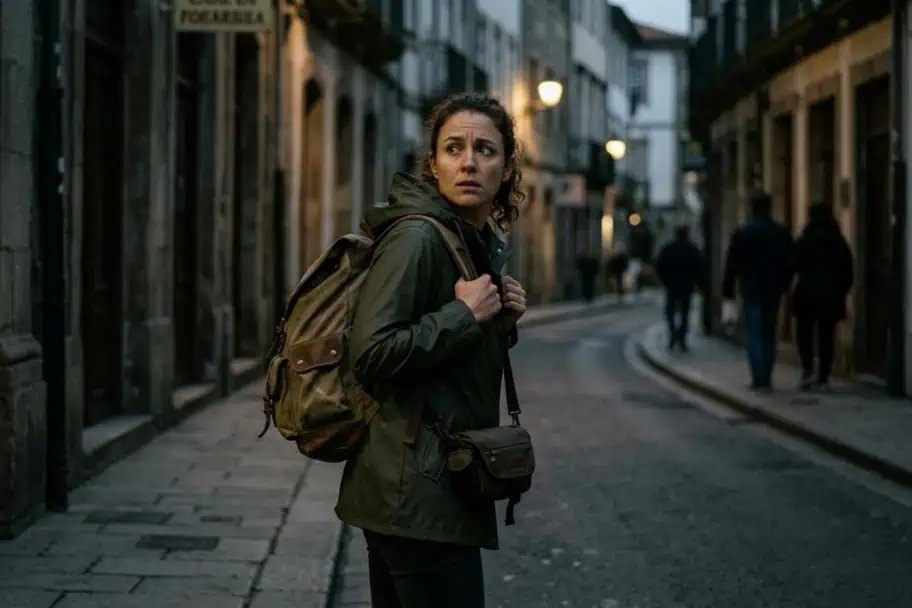
One of the most important aspects of European rail travel safety is keeping your belongings secure. Train stations and rail cars are generally safe environments, but they can also attract opportunistic thieves looking for distracted travelers. The busiest stations in major tourist cities often see the highest concentration of pickpocket activity.
Keep valuables such as passports, wallets, phones, cameras, and travel documents in secure locations that are difficult for others to access. Money belts, anti-theft bags, and zippered pockets can provide an extra layer of protection, especially when navigating crowded stations or boarding trains.
When storing larger luggage in onboard baggage areas, keep essential items with you rather than placing them in communal storage spaces. If possible, choose a seat where you can easily monitor your luggage throughout the journey. Remaining aware of your surroundings is often the simplest and most effective way to protect your belongings.
Master Lock Portable Travel Safe |

|
| View on Amazon.com |
Staying Aware in Busy Stations
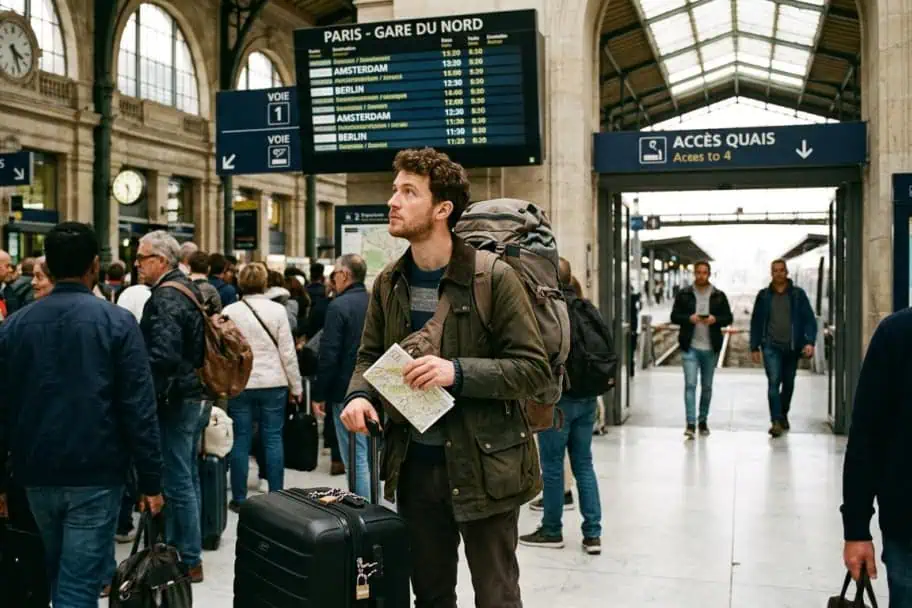
Major transportation hubs such as Paris Gare du Nord, Amsterdam Centraal, Roma Termini, and Berlin Hauptbahnhof handle thousands of passengers every day. While these stations are generally well-organized, the combination of large crowds, multiple platforms, and constant movement can sometimes feel overwhelming.
Arrive with enough time to understand the station layout and locate your departure platform. Rushing through a busy station can increase the likelihood of mistakes or make you more vulnerable to distractions. Pay close attention to departure boards, gate changes, and public announcements, particularly when traveling during peak periods.
Avoid leaving bags unattended, even briefly. If someone approaches offering unsolicited assistance with tickets, luggage, or transportation, proceed cautiously and verify information through official station staff when possible. Practicing good situational awareness is key to maintaining safety during your European rail travel.
Traveling Solo by Train

Solo travel is incredibly popular in Europe, and trains are often one of the safest transportation options for independent travelers. Rail stations are usually busy, trains are well-populated, and onboard staff is available on many services if assistance is needed.
Solo travelers should share itineraries with family or friends, keep important travel documents backed up digitally, and remain aware of their surroundings when arriving in unfamiliar destinations. If arriving late at night, research local transportation options in advance so you know how to reach your accommodation safely.
When selecting seats, many solo travelers prefer sitting near other passengers rather than in isolated areas. Trust your instincts if a situation feels uncomfortable, and do not hesitate to move seats or seek assistance from train staff. With basic precautions, solo train travel can be both safe and highly rewarding.
Overnight Train Safety Tips
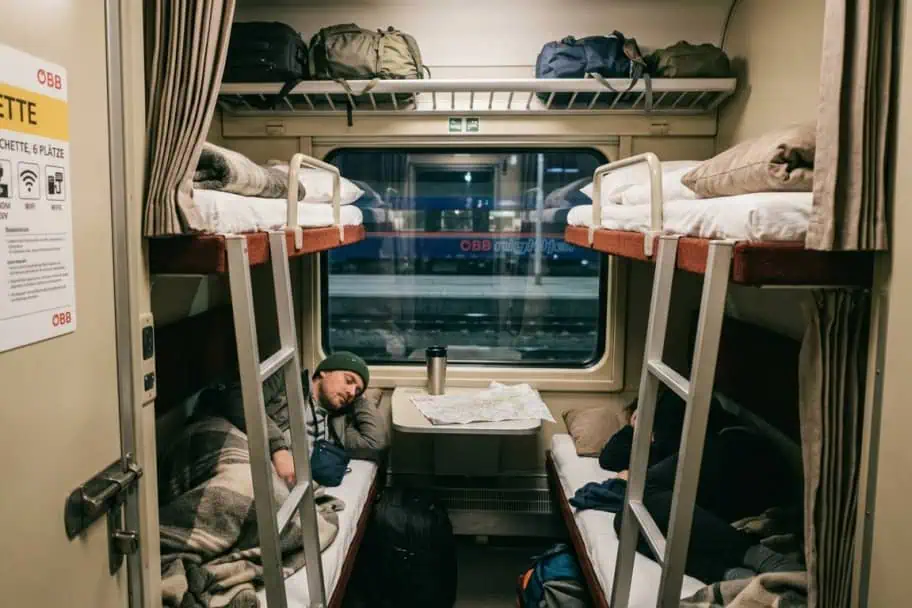
Overnight trains provide a unique way to save time and cover long distances, but they require a few additional considerations. Passengers typically sleep in shared couchettes, private cabins, or standard seats, depending on the service and booking selection.
Keep passports, cash, electronics, and other valuables close to your body while sleeping. Many experienced travelers use small travel pouches or neck wallets to ensure important items remain secure overnight. When possible, choose compartments that can be locked from the inside and verify who will be sharing your accommodation before settling in.
Larger luggage should be secured in designated storage areas or, when appropriate, attached to fixed objects with travel locks. While overnight trains are generally safe, taking these extra steps can provide additional peace of mind and improve your overall travel experience.
Common Mistake: Not Reserving Seats When Required

One of the most common rail travel mistakes involves assuming a train ticket or rail pass automatically guarantees a seat. While this is true on some trains, many high-speed, overnight, and international services require advance reservations.
Countries such as France, Spain, and Italy frequently require reservations on premium rail services. Travelers who arrive without reservations may discover their preferred departure is sold out or that they must wait for a later train.
Before beginning your trip, research reservation requirements for every major route on your itinerary. Booking required seats in advance can prevent unnecessary delays and ensure your travel plans remain on schedule.
| READ MORE: |
 |
| Top 10 Travel Mistakes and How to Avoid Them |
Common Mistake: Underestimating Connection Times
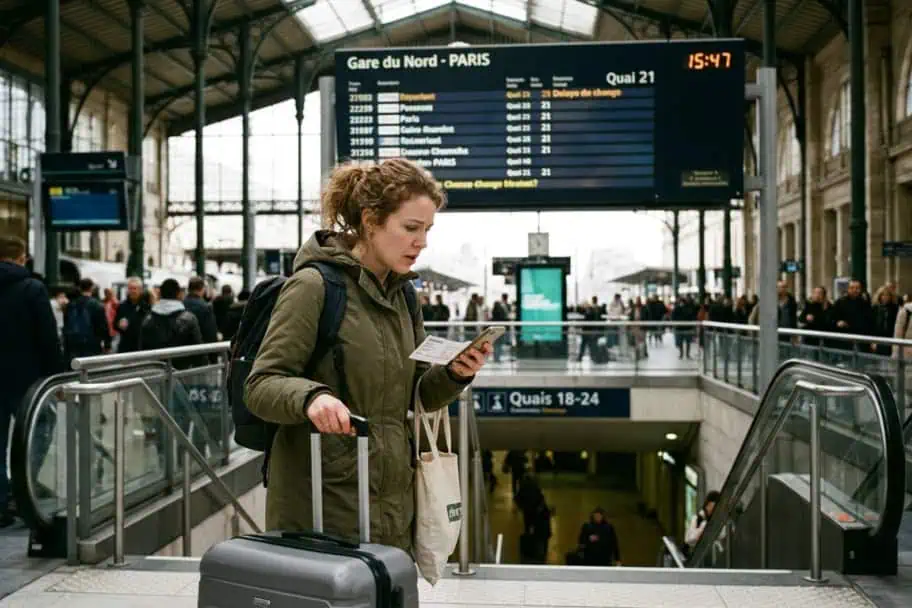
Many travelers focus only on train schedules without considering how long it takes to navigate stations, change platforms, or move between terminals. This can result in stressful transfers and missed connections.
Large European stations can require a significant amount of walking, particularly when changing between platforms located on opposite sides of the station. International routes sometimes involve passport checks or additional procedures that may extend transfer times.
Whenever possible, allow extra time between trains, especially if you’re unfamiliar with the station or traveling with substantial luggage. Building a small buffer into your itinerary can significantly reduce travel-related stress.
Common Mistake: Buying a Rail Pass Unnecessarily
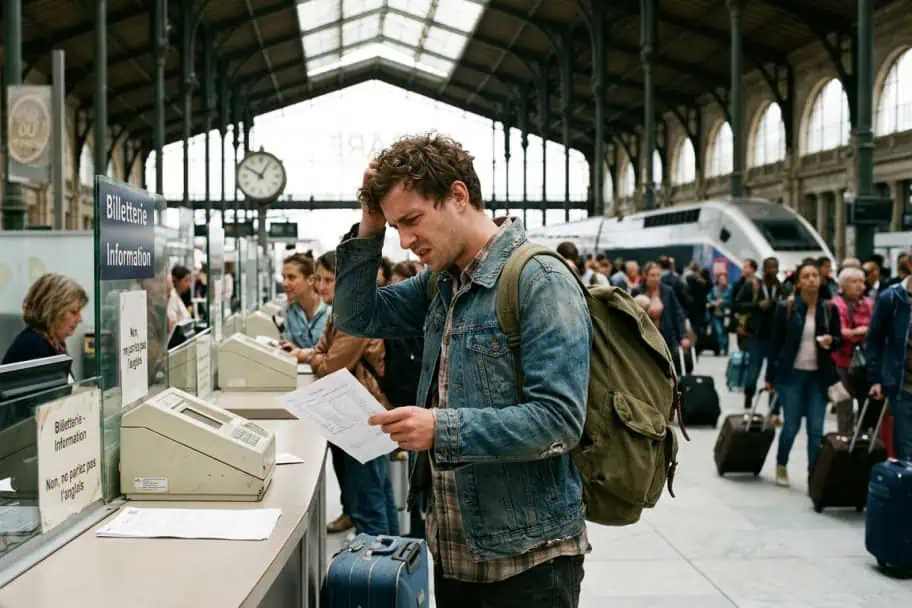
Rail passes can be excellent values for certain travelers, but they are not always the most economical option. One of the most overlooked common rail travel mistakes is purchasing a rail pass without comparing the costs of individual tickets.
Travelers visiting only a few destinations may find that advance-purchase point-to-point tickets cost substantially less than a rail pass. Meanwhile, those taking frequent long-distance journeys across several countries may receive excellent value from pass-based travel.
Before buying any pass, calculate the expected cost of your journeys and compare it against pass pricing. Taking a few minutes to perform this comparison can save a surprising amount of money. You can use utilities like TrainLine and Omio to quickly calculate the cost of tickets with and without a rail pass.
Common Mistake: Waiting Too Long to Book Popular Routes

Many first-time visitors assume train tickets will always be available. While some regional trains operate this way, popular routes can fill quickly during holidays, festivals, and summer travel seasons.
High-speed trains, overnight services, and international routes between major cities often sell out well in advance. Waiting until the last minute may leave you with limited departure options or significantly higher ticket prices.
Booking important routes several weeks or months in advance can help secure the best schedules, lower fares, and preferred seating options. Early planning is one of the simplest ways to improve both convenience and affordability.
Common Mistake: Not Checking Station Names Carefully

Many European cities have multiple train stations. Travelers sometimes assume every train arrives at a city’s main station, only to discover they are departing from or arriving at a completely different terminal.
For example, cities like Paris, London, Milan, Brussels, and Berlin have multiple major stations serving different routes. Booking accommodations or transportation without verifying station locations can create unnecessary confusion and additional travel time.
Always confirm both the departure and arrival stations listed on your itinerary. Reviewing station names carefully before travel can prevent missed trains and costly transportation mistakes later.
Additional Safety Tips for Train Travelers
Beyond the most common concerns, there are several additional ways to improve your rail travel experience:
- Keep digital copies of passports, tickets, and travel insurance documents.
- Carry a portable charger to ensure your phone remains operational during long travel days.
- Download offline maps before arriving in a new destination.
- Monitor official railway websites or apps for schedule changes and service alerts.
- Label your luggage clearly so it can be identified quickly.
- Avoid displaying large amounts of cash in public areas.
These simple habits can help reduce risks and create a more enjoyable travel experience throughout your trip.
Final Thoughts
Train travel remains one of the safest and most enjoyable ways to explore Europe. By following basic European rail travel safety practices, travelers can protect their belongings, navigate stations confidently, and enjoy the convenience of Europe’s world-class rail network. Most issues encountered during rail trips are preventable with a little planning and awareness.
Just as importantly, avoiding common rail travel mistakes such as skipping reservations, underestimating connection times, or purchasing the wrong ticket options can save both money and frustration. Understanding these pitfalls before departure allows you to focus on the journey itself rather than solving avoidable problems along the way.
Whether you’re taking a short domestic journey, a scenic cross-country adventure, or a multi-week European rail vacation, prioritizing European rail travel safety and learning from the experiences of other travelers will help ensure a smooth, comfortable, and memorable trip.
Don’t Forget to Subscribe to My Adventures!

Let Me Help You Save On Your Next Adventure!
‘Start Exploring Today’ Merchandise Available Now!
 |
 |
 |
 |
 |
 |
 |




















Leave a Reply