LAST UPDATED: 8/17/26 – Why National Park Fee Increases Would Not Be a Bad Thing
The United States has recently implemented major changes to national park access, including higher fees for international visitors, expanded timed‑entry systems, and a full digital modernization of park passes. These updates reflect a broader effort to stabilize park funding, manage record visitation, and ensure that U.S. taxpayers—who already support the National Park System—continue to receive the most affordable access.
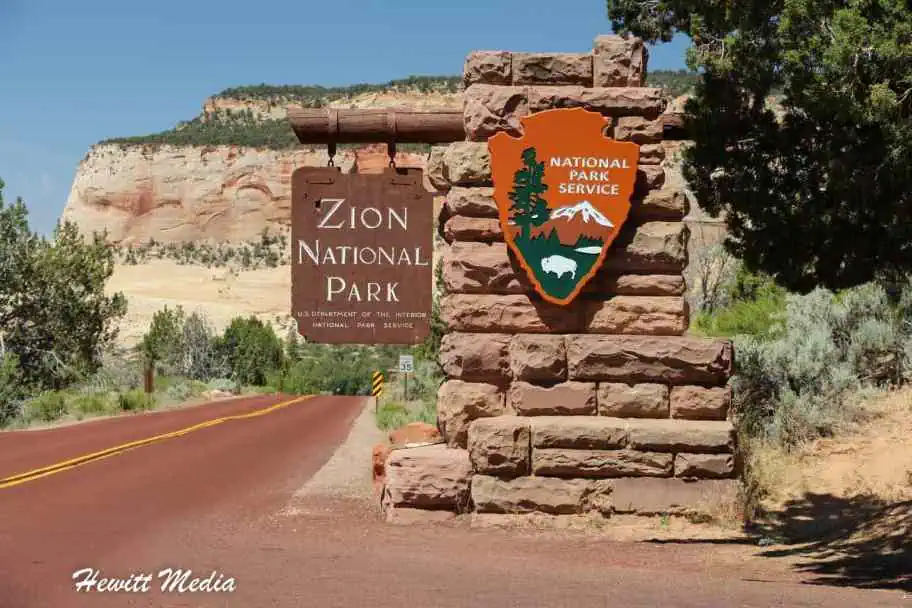
A new resident‑focused fee structure now requires non‑U.S. residents to pay significantly higher rates. Beginning in 2026, the America the Beautiful Annual Pass costs $80 for U.S. residents, but $250 for nonresidents, and nonresidents without an annual pass must pay an additional per‑person fee at several high‑traffic parks. This mirrors what many countries already do and helps maintain parklands without placing additional burden on American taxpayers.

Timed‑entry systems have also expanded since 2025. Several parks now require reservations during peak months to manage congestion and protect fragile ecosystems. Some parks have discontinued timed entry for 2026, but others—such as Rocky Mountain National Park—continue to rely on it during high‑traffic periods. Corridor‑specific reservations remain in place at parks where sunrise access or scenic road capacity is limited.
The Parks Still Need Funding
Deferred maintenance remains one of the most serious issues facing the National Park Service. Billions of dollars in overdue repairs—from crumbling roads to outdated water systems—continue to accumulate. Fee increases alone cannot solve this, but they do provide meaningful support. Under current policy, 80% of collected fees stay within the park where they were generated, while the remaining 20% supports lesser‑visited parks. This ensures that high‑traffic parks can address urgent needs while still supporting the broader system.
Fee Increases Are Targeted and Seasonal
Entrance fees at the most‑visited parks increased in 2024, raising the standard seven‑day vehicle pass to $35. These increases apply primarily during peak season, when visitation is highest, and infrastructure strain is greatest. For families traveling together, the per‑person cost remains modest compared to lodging, transportation, and food costs during peak travel periods.
Timed Entry: What’s New Since 2025
Timed‑entry systems have become a key tool for managing crowding. As of 2026:
- Rocky Mountain National Park continues timed entry during peak months.
- Yosemite, Glacier, Arches, and Mount Rainier have removed timed entry for 2026 but use temporary closures when lots reach capacity.
- Acadia, Haleakalā, and Glacier maintain corridor‑specific reservations such as sunrise access or scenic road permits.
Timed entry is no longer universal, but it remains an important crowd‑control tool where needed.
Digital Passes and Modernized Access

Beginning in 2026, all America the Beautiful passes—including Annual, Senior, Military, 4th Grade, and Access passes—are fully digital and available through Recreation.gov. Visitors can store passes on mobile devices, link them to physical cards, and enjoy faster entry thanks to digital validation tools. This modernization improves efficiency and reduces bottlenecks at park gates.
Season Passes Still Offer Excellent Value
Despite fee increases for nonresidents, the $80 annual pass for U.S. residents remains one of the best deals in American travel. It covers unlimited entry for the passholder and everyone in their vehicle. Senior passes (annual or lifetime) remain unchanged for U.S. citizens.
Free‑entry days continue, though some are now resident‑only, including several federal holidays.
Conservation Must Come First

The reduction of Grand Staircase–Escalante and Bears Ears National Monuments remains a major concern for conservationists. Combined with deferred maintenance and record visitation, the need for sustainable funding and crowd management is more urgent than ever. Fee increases—especially targeted ones—are a practical tool to help preserve these landscapes for future generations.
Don’t Forget to Subscribe to My Adventures!

Let Me Help You Save On Your Next Adventure!
















Leave a Reply