LAST UPDATED 4/1/26 – Craters of the Moon National Monument Visitor Guide
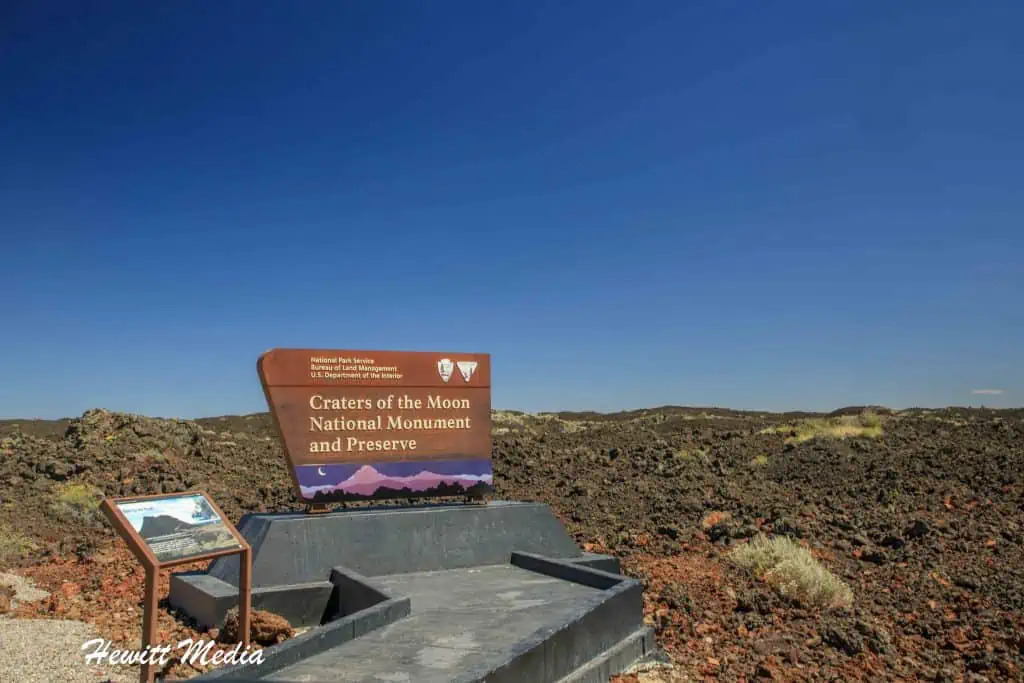
Craters of the Moon National Monument in Idaho is a striking landscape of lava flows, cinder cones, and sagebrush plains that feels like stepping onto another planet. Shaped by ancient volcanic activity, its rugged terrain and eerie beauty offer a rare glimpse into Earth’s geological past.
Travelers are drawn to Craters of the Moon for its solitude, surreal scenery, and sense of adventure. From hiking lava tubes to climbing volcanic cones, the monument invites exploration and reflection in a setting that’s both peaceful and dramatic.
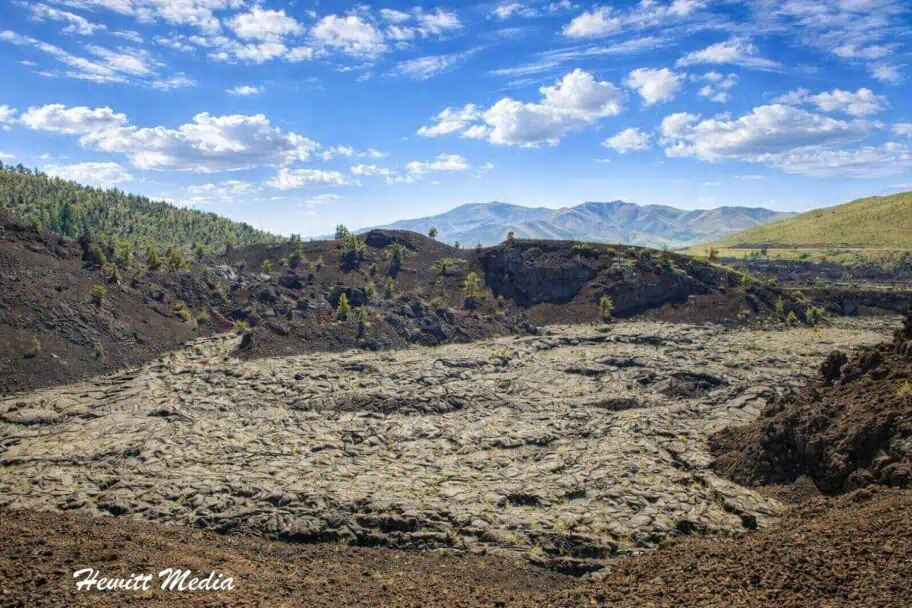
This guide to Craters of the Moon includes everything you need to plan an unforgettable trip. You’ll find recommendations on what to see—from the scenic Loop Road and the Inferno Cone to the mesmerizing lava caves—along with tips on the best times of year to visit for ideal weather and fewer crowds.
I’ll also share helpful resources for planning your journey, including park maps, visitor center info, and safety tips. Plus, you’ll get suggestions on where to stay nearby, from cozy lodges to convenient campgrounds, and a photo gallery showcasing the monument’s stunning landscapes to inspire your adventure.
Craters of the Moon Guide Navigation Menu


How to Get to Craters of the Moon National Monument

Craters of the Moon National Monument is located in Southern Idaho and is a reasonably short drive from Boise, Idaho, Salt Lake City, Utah, and Bozeman, Montana. It is also an easy day trip from Yellowstone and Grand Teton National Parks, so if you are staying at those parks for an extended period and are looking for a good day trip to take, Craters of the Moon National Monument is a great suggestion.
Driving Distance from Other Popular Spots
For more information on how far Craters of the Moon are from other large cities in the Western United States, I have included a table of driving distances from nearby large cities and a map for you to review below.
| City\Park | Distance | Drive Time | Notes |
|---|---|---|---|
| Hailey, ID (SUN) | 60 miles | 1hr | Closest airport; small regional field serving Sun Valley/Ketchum. |
| Hagerman Fossil Beds National Monument | 70 miles | 1hrs 15min | Home to the largest concentration of Hagerman Horse fossils. |
| Shoshone Falls Park | 70 miles | 1hr 10min | “Niagara of the West,” major waterfall on the Snake River. |
| Thousand Springs State Park | 75 miles | 1hr 20min | Waterfalls, springs, and Snake River canyon scenery. |
| Idaho Falls, ID (IDA) | 84 miles | 1hr 30min | Regional airport with multiple domestic connections. |
| Sawtooth National Recreation Area | 90 miles | 1hr 45min | Alpine lakes, rugged peaks, hiking and backpacking. |
| Bruneau Dunes State Park | 95 miles | 1hr 40min | Tallest single‑structured sand dune in North America. |
| Boise, ID (BOI) | 130 miles | 2hrs 30min | Closest international airport; major carriers, good rental car options. |
| City of Rocks National Reserve | 175 miles | 3hrs 15min | Granite spires, world‑class climbing, historic emigrant route. |
| Yellowstone National Park (West Entrance) | 180 miles | 3hrs | Geothermal features, wildlife, iconic landscapes. |
| Castle Rocks State Park | 180 miles | 3hrs 20min | Granite formations adjacent to City of Rocks; climbing & hiking. |
| Bear Lake State Park (ID/UT) | 190 miles | 3hrs 15min | Turquoise lake known as the “Caribbean of the Rockies.” |
| Salt Lake City, UT (SLC) | 250 miles | 4hrs | Nearest major international hub with extensive global routes. |
If you are visiting from outside of the United States and would like to visit Craters of the Moon, I would suggest flying into Boise, Idaho, Salt Lake City, Utah, or Bozeman, Montana. If you are visiting from inside the United States and are planning a road trip out west, I have included a map below that outlines where Craters of the Moon National Monument is in relation to the large cities in the region.
Craters of the Moon National Monument Location Map
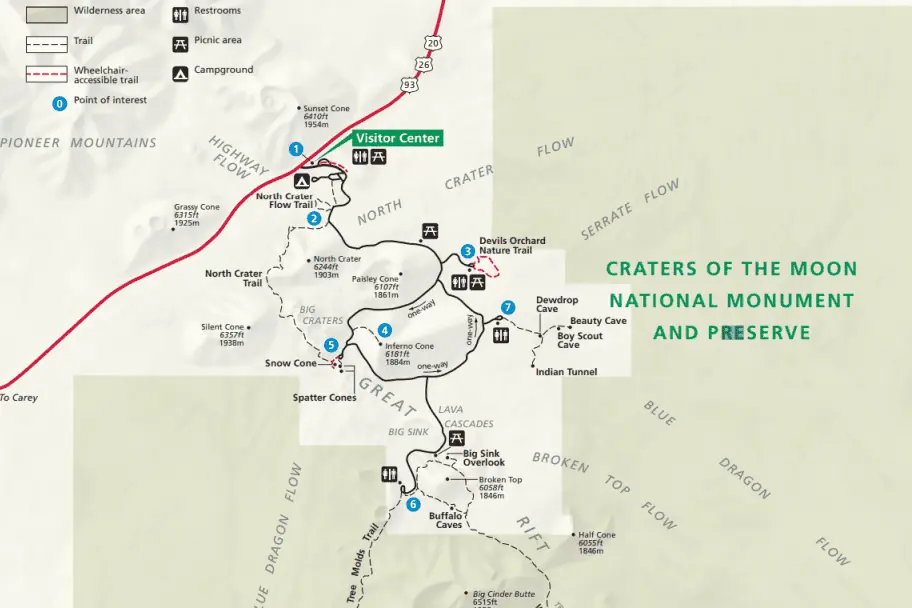
Even though the total size of the park encompasses over 750,000 acres (which is more than 1,100 square miles), the amount of park that is accessible via road is much smaller. However, if you are visiting to just get a glimpse of the amazing and unique landscapes within the park, the park loop road and viewpoints may be exactly what you are looking for.
If you would like to do some hiking and explore the backcountry, there are some great trails for you to do that as well. To assist you in better understanding the layout of the park, I have included the park map (with a link to a downloadable PDF map) for you to review below.
Top Things to See and Do at Craters of the Moon
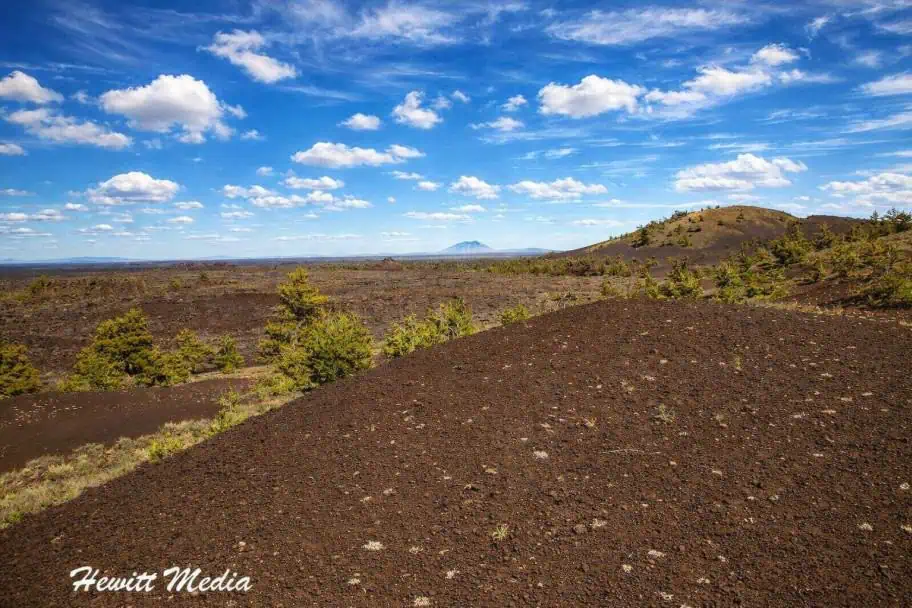
Craters of the Moon National Monument is a big park and there are a lot of really interesting and fun things to see and do while you visit. If you are looking for a list of the can’t-miss things to see and do when you visit, I have compiled a list of my favorite things for you to review below.
North Flow Crater Trail and North Crater Trail
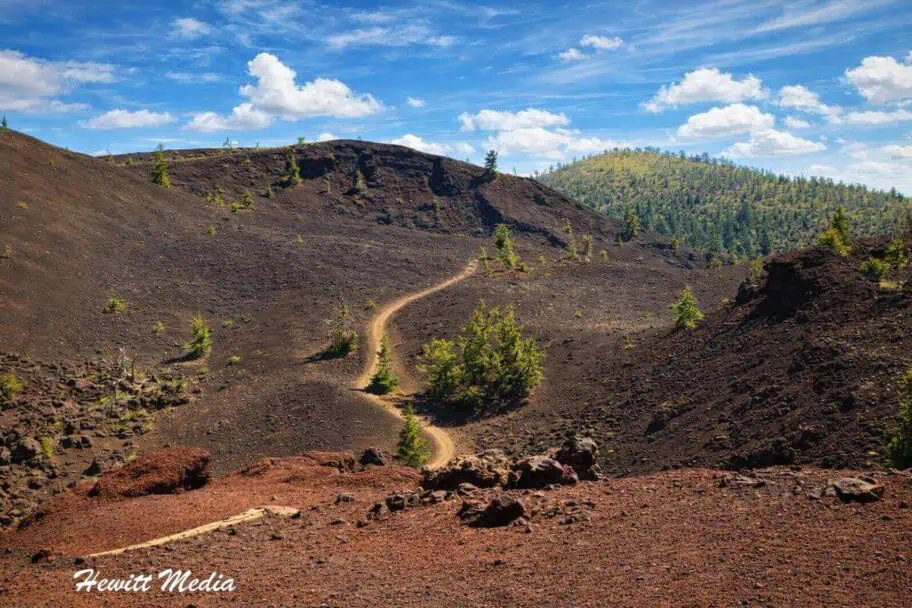
If you enjoy hiking, don’t miss the North Flow Crater Trail or the longer North Crater Trail. The short 0.3-mile loop takes you across the North Crater Flow, formed about 2,000 years ago, offering striking volcanic landscapes and a chance to spot wildlife.
North Flow Crater Trail Stats
| Trail Type: | Loop |
| Distance: | 0.4 miles/0.6 kilometers |
| Elevation Gain: | 16 feet/5 meters |
| Time to Complete: | 0.5 to 1 hours |
| Difficulty Level: | Easy |
North Flow Crater Trail Map
For a more challenging trek, the 3.5-mile North Crater Trail descends into the crater mouth, climbs to the rim of Big Craters, and ends near the Spattered Cones—showcasing unforgettable scenery along the way. Please stay on designated trails to protect the lava formations and follow Leave No Trace principles.
North Crater Trail Stats
| Trail Type: | Out-and-Back |
| Distance: | 3.8 miles/6.1 kilometers |
| Elevation Gain: | 702 feet/214 meters |
| Time to Complete: | 1.5 to 2 hours |
| Difficulty Level: | Moderate |
North Crater Trail Map
Devil’s Orchard Nature Trail
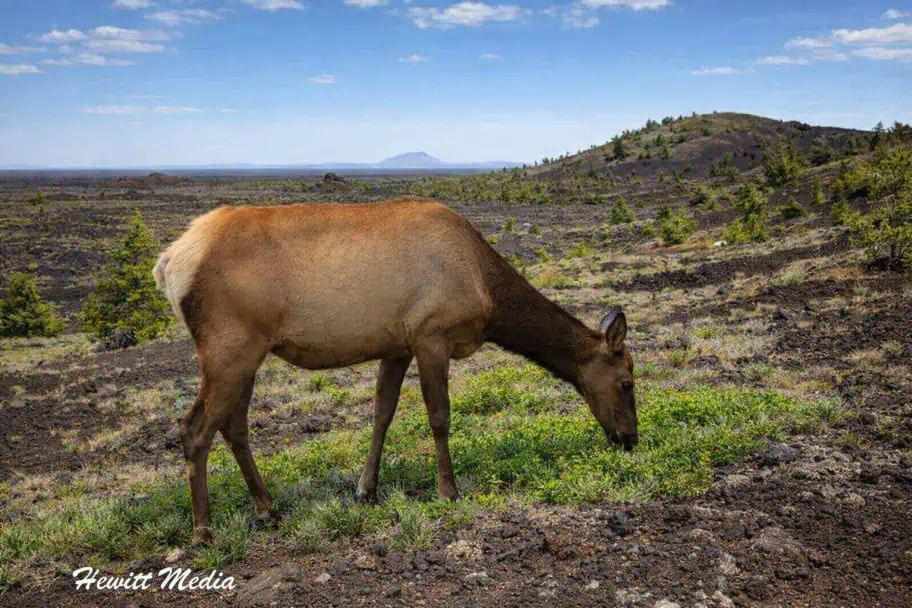
If you have kids with you, one of the top activities that I would recommend in the park is to take a hike along the Devil’s Orchard Nature Trail. Even if you are traveling without kids, the nature trail is an easy trail to hike and is a great way to see the wildlife that lives within the park. Some animals are in the park year-round.
- Garter Snakes
- Western Skinks
- Western Yellow-Bellied Racers
- Black-tailed Jackrabbits
- Bushy-tailed Woodrats
- Coyotes
- Chipmunks
- Mountain (Nuttall’s) Cottontails
- Mule Deer
- Northern Pocket Gophers
- Red Fox
- Western Harvest Mice
- Yellow-bellied Marmots
- and numerous species of bats
Meanwhile, other animals such as the Pronghorn Antelope, Red Squirrels, Moose, Pika, and Elk are visible in the park seasonally.
Devil’s Orchard Nature Trail Stats
| Trail Type: | Loop |
| Distance: | 0.5 miles/0.8 kilometers |
| Elevation Gain: | 3 feet/1 meters |
| Time to Complete: | 0.5 to 1 hours |
| Difficulty Level: | Easy |
Devil’s Orchard Nature Trail Map
The Park’s Many Caves
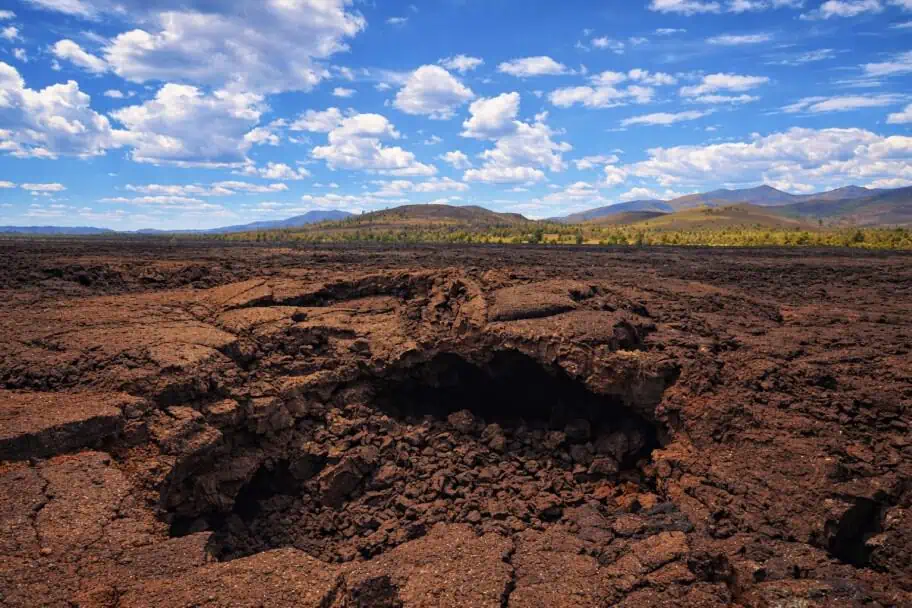
Some of the more popular attractions in Craters of the Moon National Monument are the many caves that can be found throughout the park. Some of the lava formations have created unique caves that are fantastic to explore. You would be surprised to see how big some of these caves can be.
There are five caves that you can explore while visiting the park, and four of those caves are close together along the caves trail. To protect the bat species in Craters of the Moon, the other caves inside the national monument are off-limits to visitors. Please refer to the NPS website for more information on caving inside Craters of the Moon National Monument.
Caves Trail Stats
| Trail Type: | Out-and-Back |
| Distance: | 1.2 miles/1.9 kilometers |
| Elevation Gain: | 49 feet/15 meters |
| Time to Complete: | 0.5 to 1 hours |
| Difficulty Level: | Easy |
Caves Trail Map
Inferno Cone
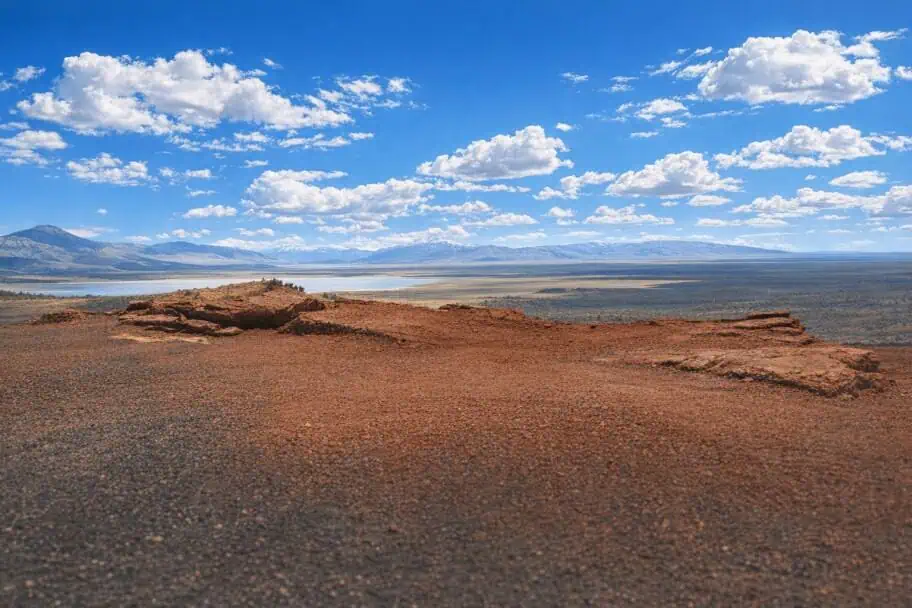
No stop at Craters of the Moon National Monument is complete without taking a short walk up the cinder path to the top of the Inferno Cone. This short 0.5-mile hike to one of the highest points in the park gives you some of the most amazing views of this beautiful national monument. While you are enjoying the breathtaking views of the landscape, enjoy the fact that you are standing on one of the largest cinder cones in the national monument.
Big Sink Overlook

When you visit the park, you will be amazed at how far the lava formations extend throughout the landscape. One of the best places to really get a good view of the massive expanse of lava is the Big Sink Overlook. Make sure you have your camera with you when you visit, as you will get some really amazing shots from this spot!
Best Times to Visit Craters of the Moon National Monument
Before you start planning your trip to visit Craters of the Moon National Monument and the surrounding area, it is important to decide whether it makes the most sense to plan your trip. Depending on what you plan to do during your trip, different times of the year are going to be better for you to visit than others.
Among the factors that you will want to consider when deciding what time of year is the best for your trip are the average temperature, the average amount of precipitation, and the average number of visitors in the park. To assist you in making the decision that is best for your trip, I have included data on all three of these factors for you to review below.
Average Temperature (°F)
When planning your visit to Craters of the Moon, consider the average temperature. Winter (December–February) can be very cold, with snow-covered terrain that obscures the park’s unique landscape, making it the least appealing season. If visiting then, dress warmly and prepare for snowy roads. Summer (June–August) brings high heat, so carry plenty of water, especially if hiking. For comfortable conditions, aim for late spring or early autumn when temperatures are more moderate.
Average Precipitation (Inches)
Craters of the Moon National Monument doesn’t get an overwhelming amount of rain and snowfall throughout the year, but it does get some. If you are planning on spending a lot of time hiking in the backcountry, the average amount of precipitation will likely be an important factor when you plan your visit.
If you would like to visit when the park is the driest, your best bet is to plan your trip from July through September. However, these months also tend to be some of the hottest months of the year in the park, so you will need to make sure you bring enough water with you.
Average Visitors (Park Visitors)
Because most visitors come to Craters of the Moon National Monument to view the amazing lava formations, it should come as no surprise that the summer months where the weather is nicest and there is no snow on the ground, are the most popular months of the year with tourists. In fact, the month of July, which is the middle of the summer in North America, is the busiest month of the year for the park.
If you would like to avoid the crowds, but still want to have comfortable weather when you visit the park, I would suggest looking at the shoulder months of May and October. The weather should be reasonably nice, and the crowds of visitors will be much smaller.
Other Things to See in the Area

In addition to the Craters of the Moon National Monument, there are plenty of other amazing things to see and do in Idaho and the surrounding region. Among these other attractions are Shoshone Falls, which is one of North America’s largest and most beautiful waterfalls, and Yellowstone and Grand Teton National Parks, which sit on the border of Idaho and the states of Wyoming and Montana.
If you are going to be in the area and would like to fill out your itinerary with some additional attractions, I have included a link to my Yellowstone and Grand Teton National Parks Visitor Guide for you to review below.
| READ MORE: | |
 |
|
| Yellowstone and Grand Teton Visitor Guide | |
| READ MORE: | |
 |
|
| The Ultimate Shoshone Falls Visitor Guide |
Where to Stay Near Craters of the Moon National Monument

Campgrounds
When visiting the national parks and monuments of the United States, it is a really neat experience to camp out during your visit. Some of the best campgrounds in America can be found inside the country’s national parks and monuments and the surrounding areas. If you are interested in camping out during your visit, I have included a map of some recommended campgrounds for you to review below.
Hotels
If camping is not your speed, you need not work as there are a variety of good hotels for you to choose from in the area as well. If you are in the process of planning your trip to Craters of the Moon National Monument and are looking for recommendations on hotels in the area, I have included a map and list of recommended hotels and different price points for you to review below.


Craters of the Moon National Monument Resources
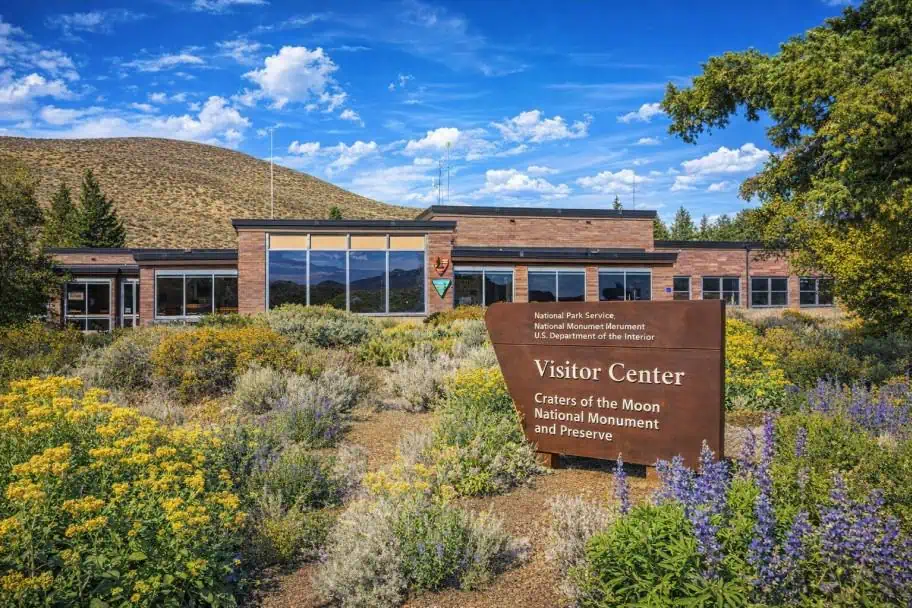
When planning any trip, you can never have too many resources at your disposal. In addition to the information I have provided you in this guide, I have linked to several other official resources from the US National Parks Service below for you to use to plan your trip as well.
- Operating Hours and Seasons
- Permits and Reservations
- Park Map
- Lodging, Campgrounds, and Restaurants
- Park Activities
- Park Plants and Animals
Activities in the Craters of the Moon Area

If you have some extra time while you are in the Craters of the Moon National Monument and the surrounding area and are looking for some activities to do during your visit, I have included a list of suggestions below for you to review.
Craters of the Moon National Monument Photo Gallery
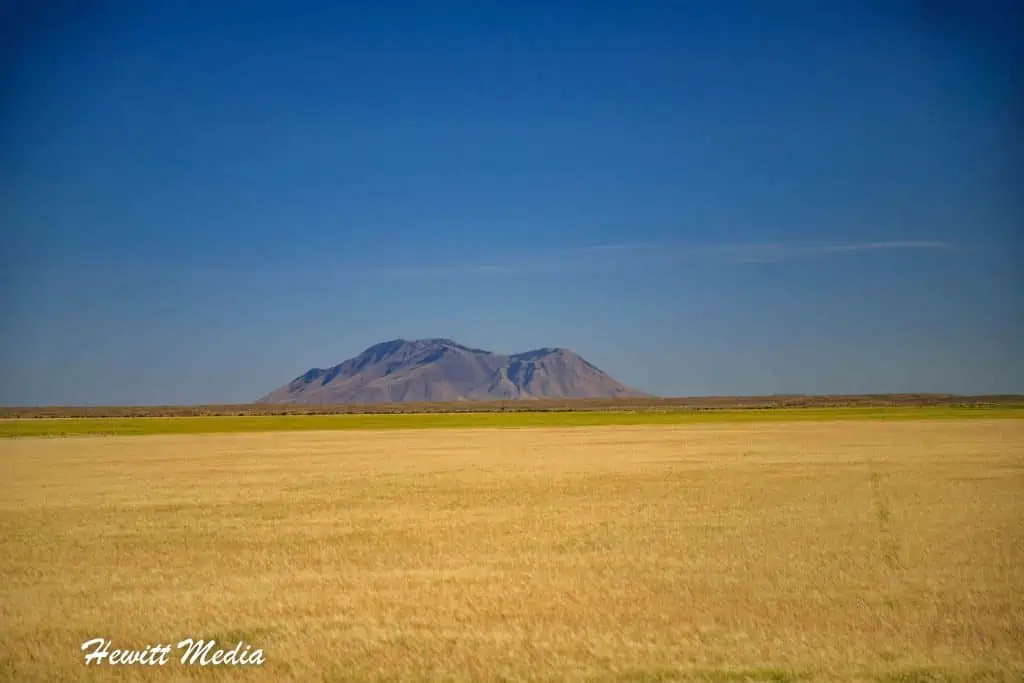
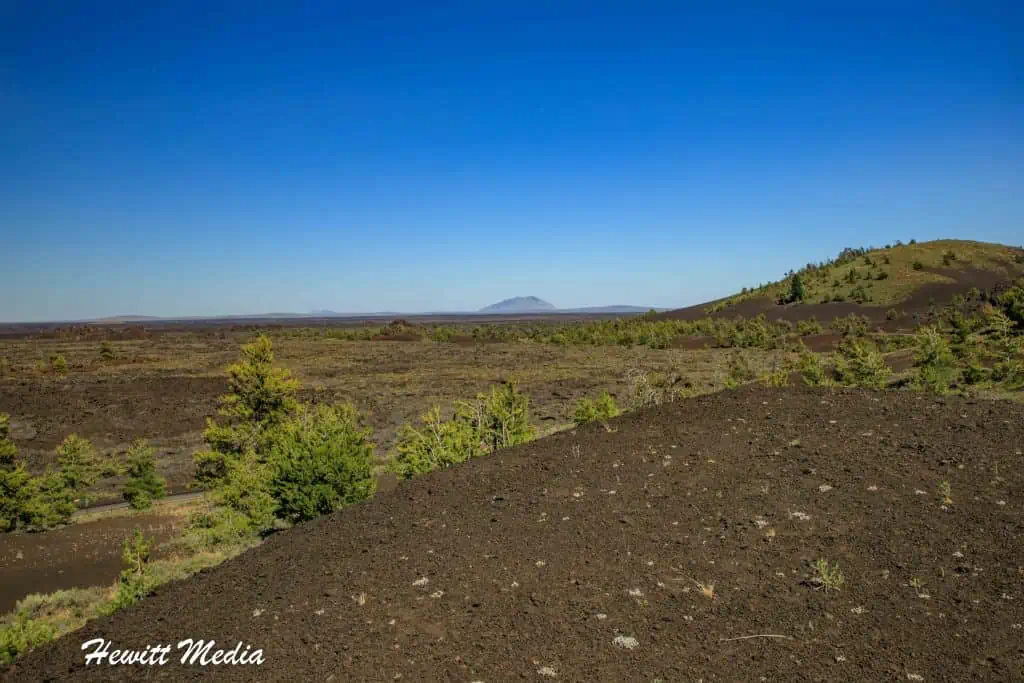
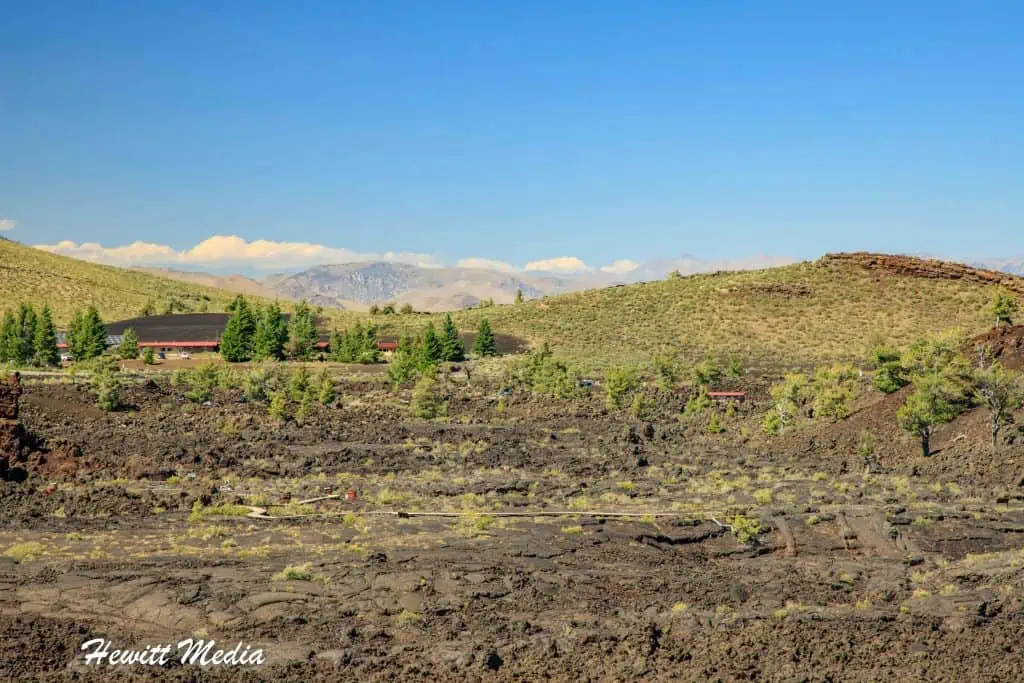
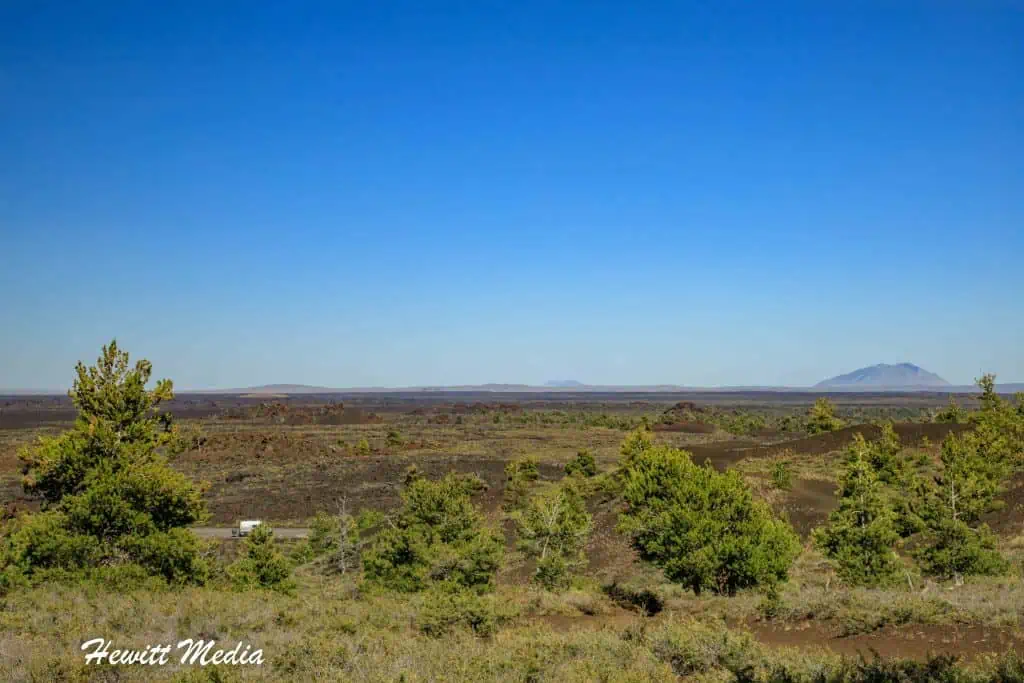
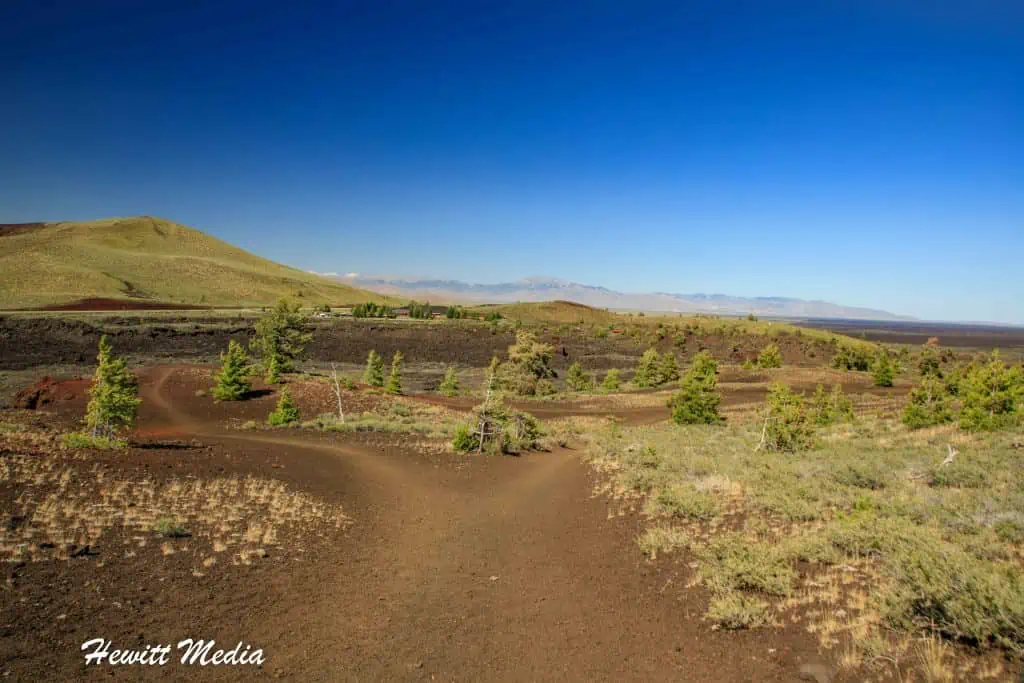
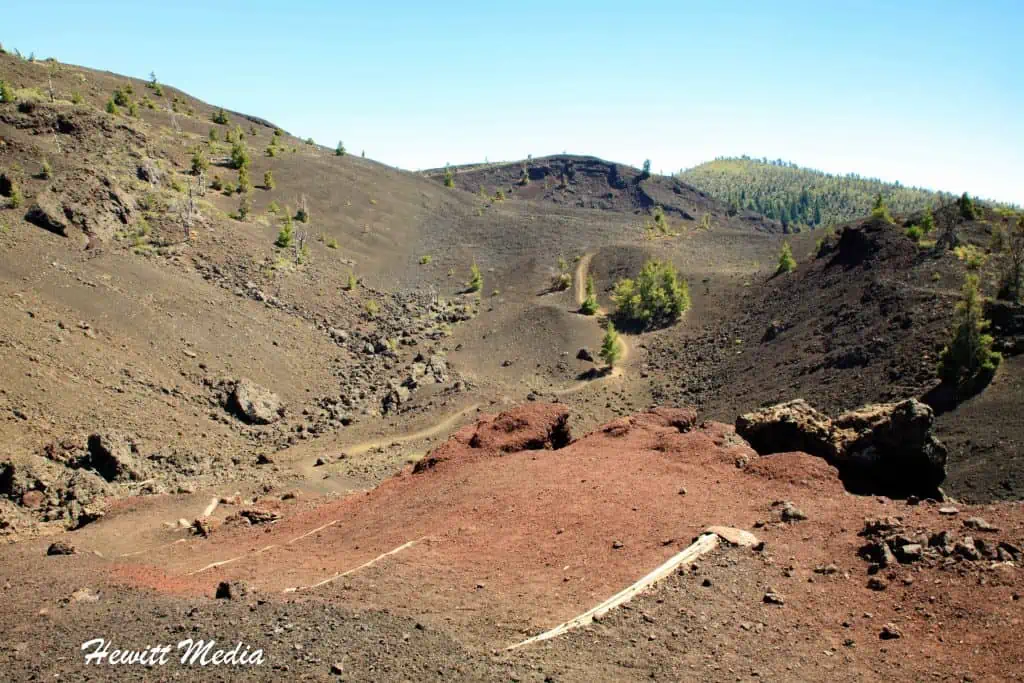
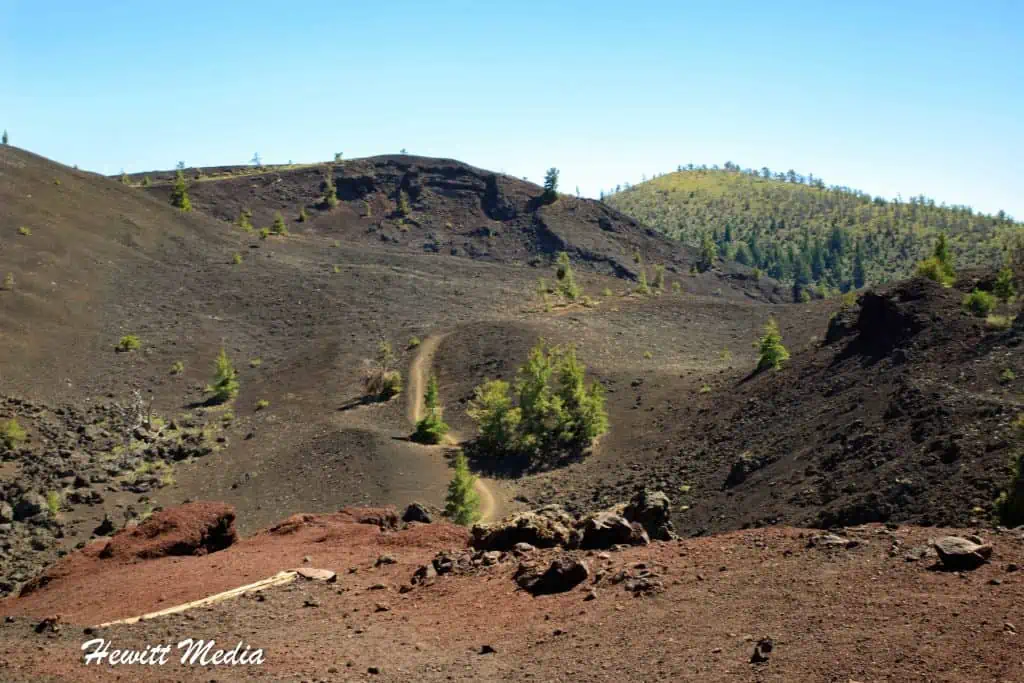
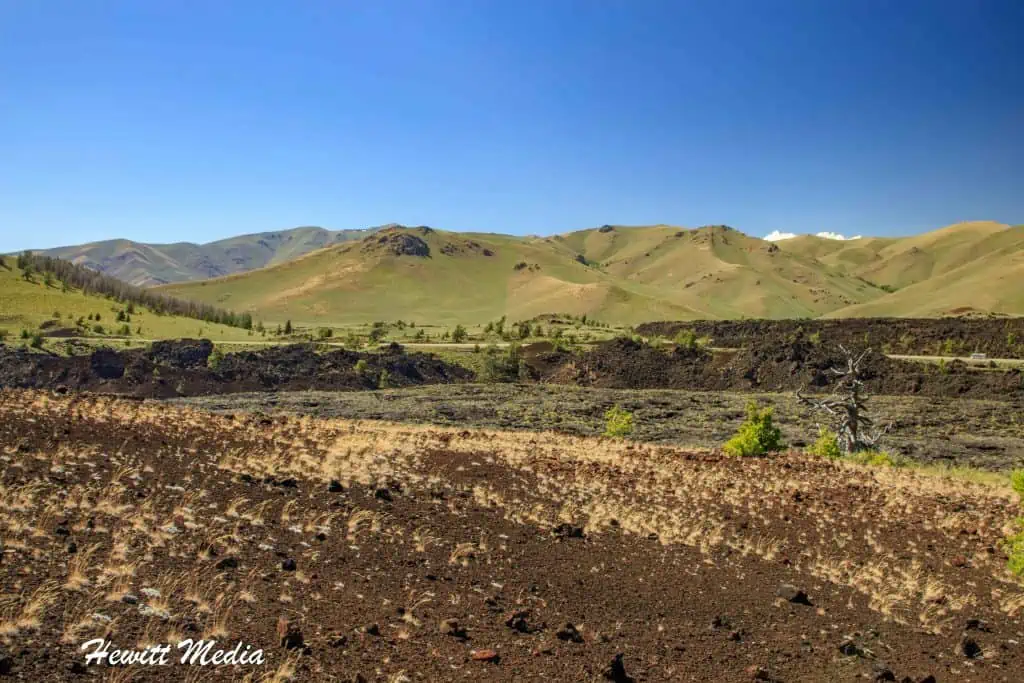
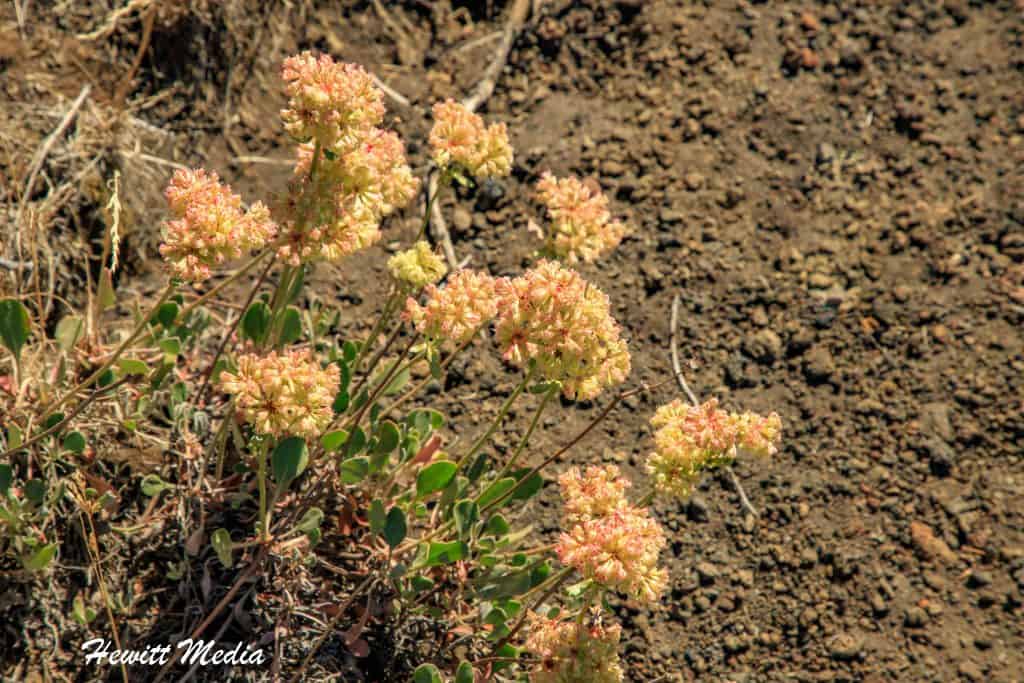
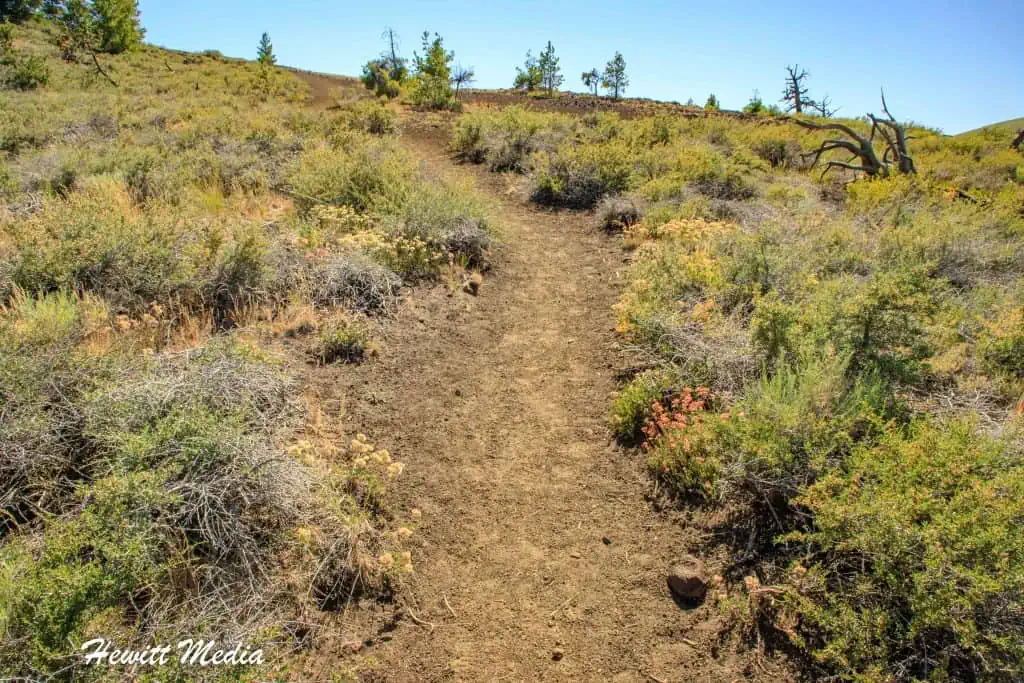
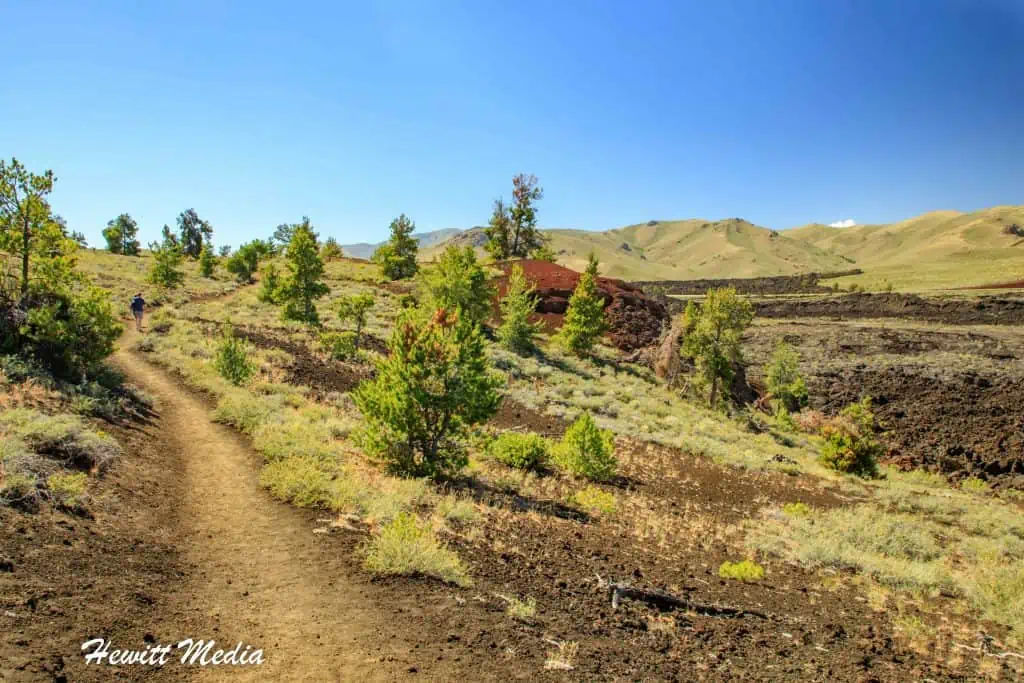
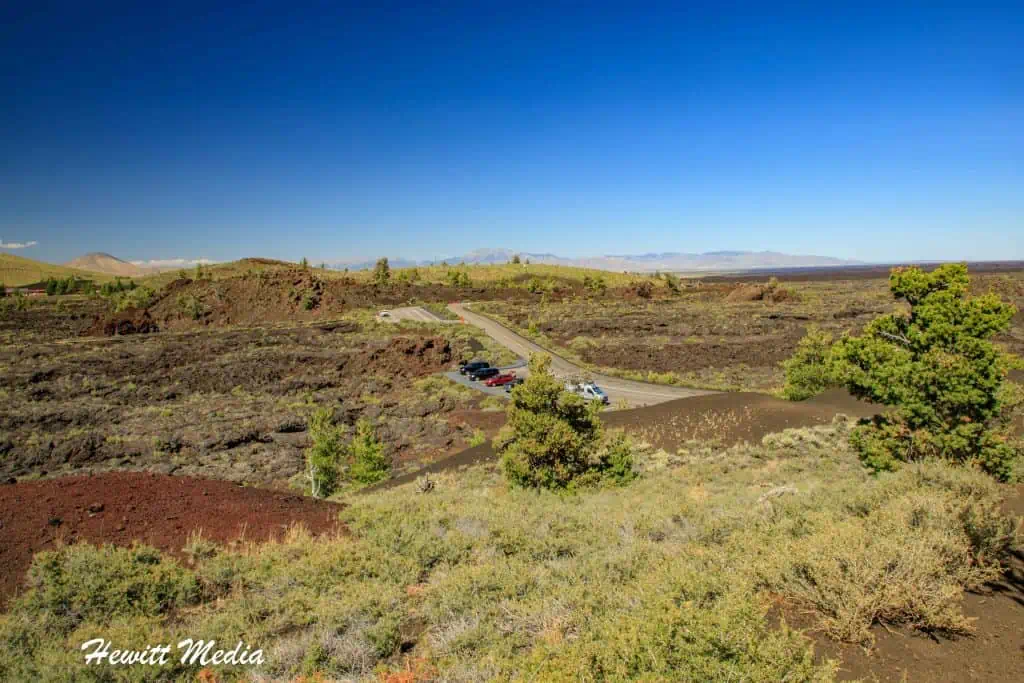
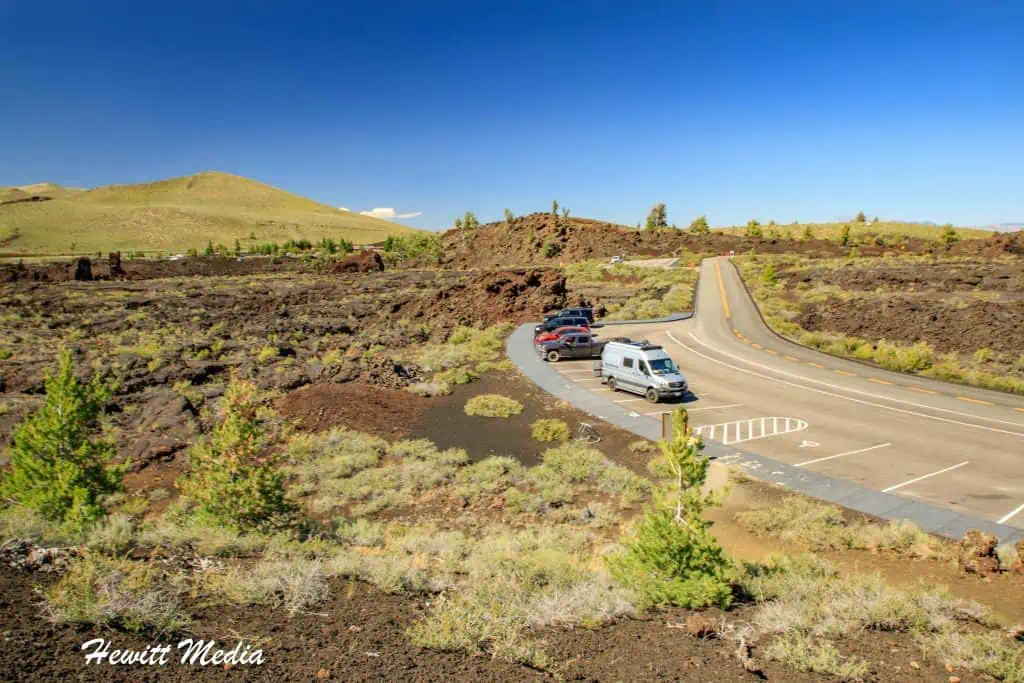
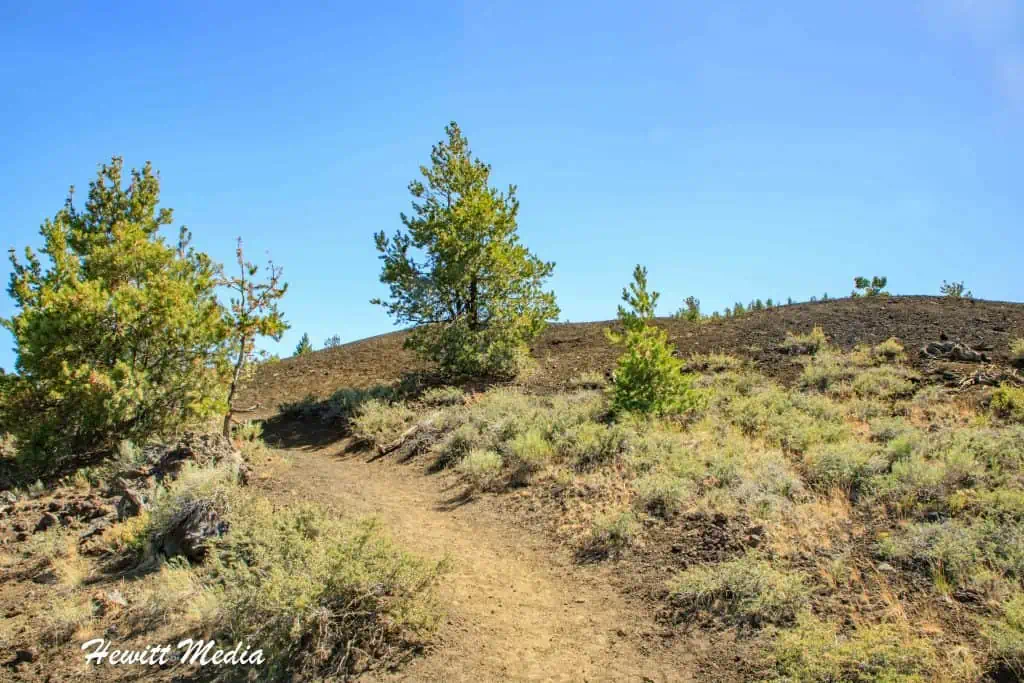
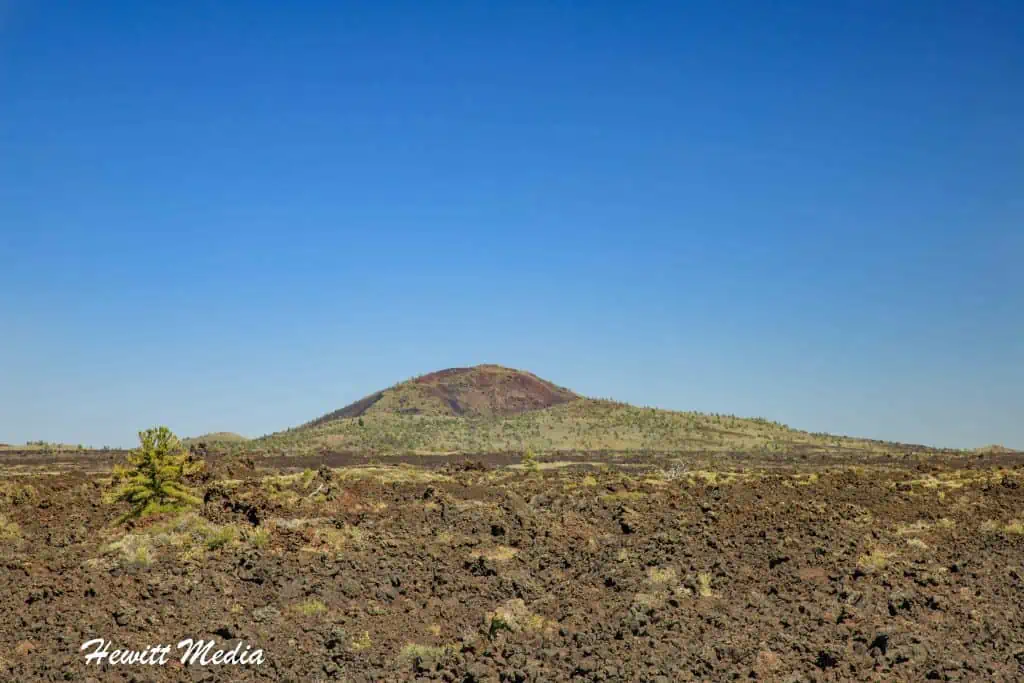
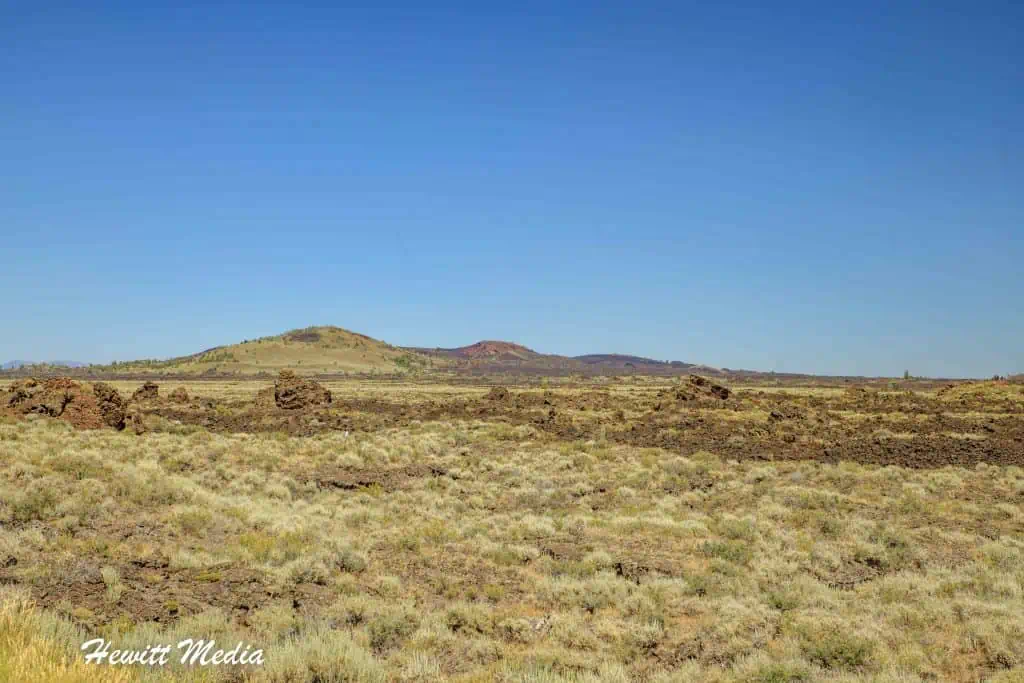
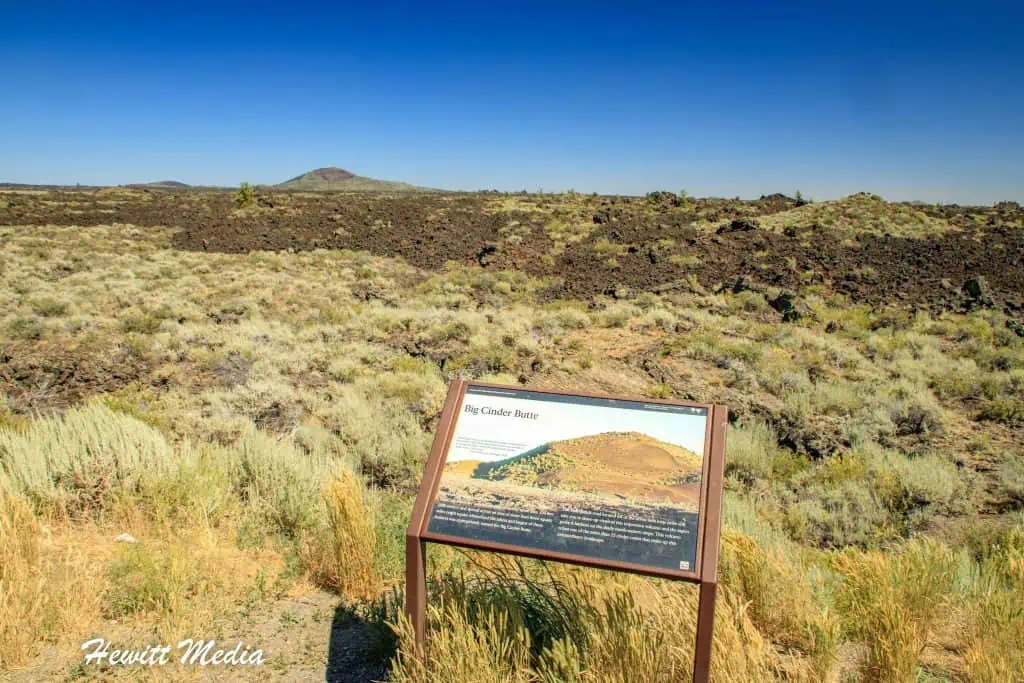
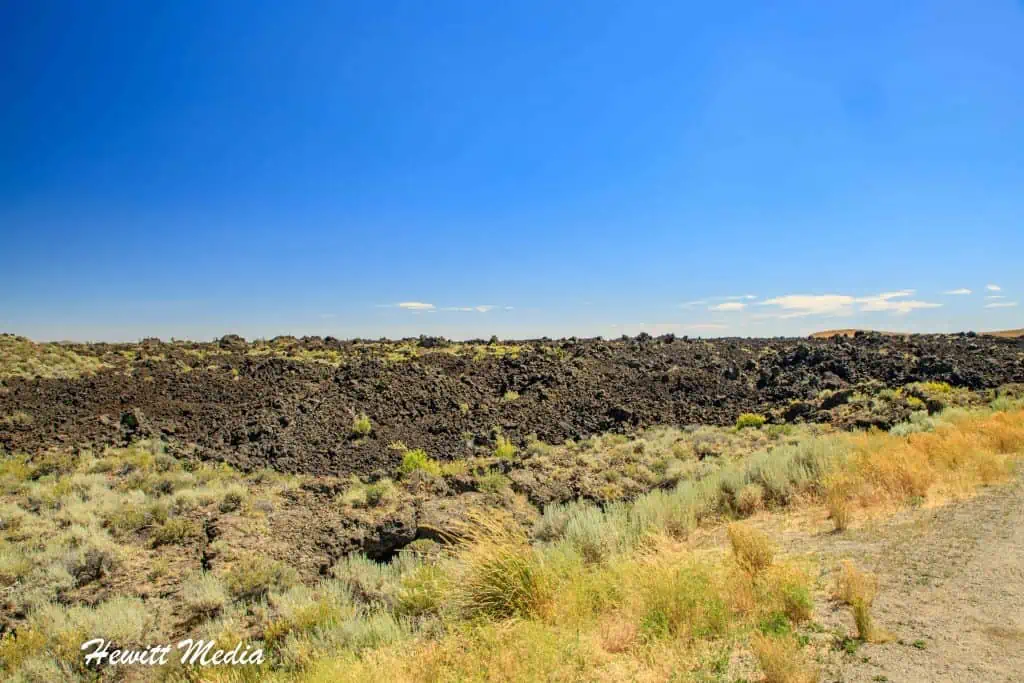
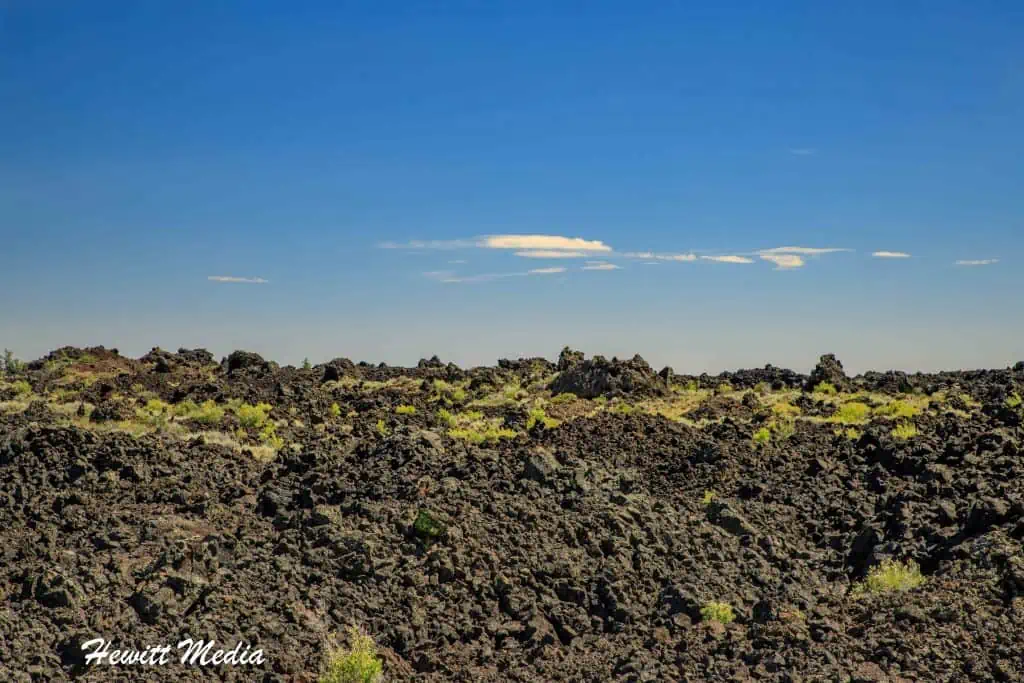
Craters of the Moon National Monument is one of the most unique and interesting landscapes that you will find in the United States. I was able to capture a lot of great shots while I was in the park and have included some of my favorites in a gallery for you to review below.
If you’re interested in exploring more of my travel photography, I’d love for you to join me on Instagram! Creating this blog to share my free guides, itineraries, and travel photography tips takes a lot of effort, and a follow on Instagram would truly mean the world to me. Your support makes it all worthwhile!
FOLLOW ME!










Don’t Forget to Subscribe to My Adventures!

Let Me Help You Save On Your Next Adventure!
‘Start Exploring Today’ Merchandise Available Now!
 |
 |
 |
 |
 |
 |
 |


















Wow! This is more than just a national monument. I hope UNESCO has it as one of its world heritage sites. I mean, we’ve got moon craters in America! This is beautiful and very exciting at the same time. Hope the animals aren’t harsh to visitors/onlookers?
Thank you so much for reading! I agree, it is a very unique and amazing landscape! The animals are safe to humans as long as they are given the proper space 😃
I remember driving through central Idaho once on the way to Jackson, WY. Even on that drive we thought the landscape looked moon-like, so I imagine it would be even more so in the park. Great guide.
Thank you so much!! It was one of the more interesting parks I’ve visited. I guess the star gazing is amazing there too! 👍