Antarctica is one of the most remote, untouched, and unforgiving places on Earth — a destination where preparation isn’t optional; it’s survival. The icy continent delivers staggering beauty, from towering glaciers to curious penguins, but it also confronts travelers with harsh winds, unpredictable weather, and bone‑deep cold. That’s why Antarctica packing list essentials matter so much: the right layers, the right gear, and the right mindset can transform a challenging environment into an extraordinary adventure.
Even on a well‑equipped expedition ship, you’ll spend plenty of time off‑board — stepping onto icy shorelines, riding in open‑air Zodiacs, and exploring landscapes shaped by snow, sea, and wind. Conditions can shift quickly, and your comfort depends on how well you’ve prepared. Smart packing isn’t just about staying warm; it’s about staying dry, mobile, and ready for whatever the continent throws your way.

In this article, you’ll find a complete Antarctica expedition clothing guide along with practical packing principles, cold‑weather tips, and detailed gear lists designed specifically for polar travel. Whether you’re gearing up for your first Antarctic cruise or refining your packing strategy for a return trip, this guide will help you choose the right layers, select the most reliable equipment, and feel fully prepared for every landing, Zodiac ride, and moment on the ice.

Antarctica Packing Tips
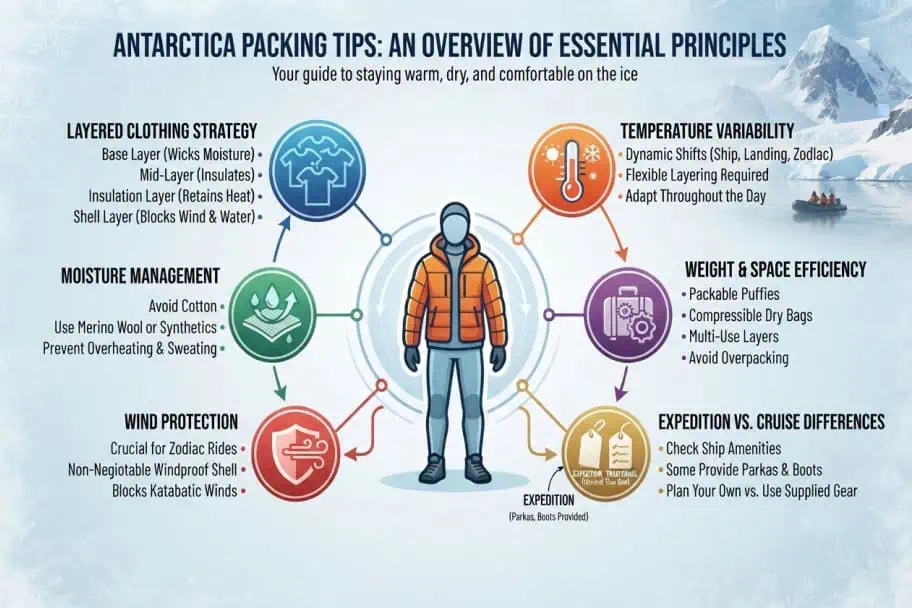
A smart cold‑weather strategy is the backbone of any Antarctica packing list essentials. This section teaches readers why Antarctica requires a different approach and how an Antarctica expedition clothing guide helps them stay warm, dry, and comfortable during every landing and zodiac ride.
Layering Strategy
A reliable layering system is the foundation of every Antarctica expedition clothing guide. Travelers should build four layers — base, mid, insulation, and shell — and adjust them depending on whether they’re on a windy zodiac ride or an active landing. This is one of the core Antarctica packing list essentials, because proper layering prevents overheating, sweating, and sudden chills when temperatures shift.
Moisture Management
Sweat is your enemy in polar environments. Quick‑dry, synthetic or merino fabrics pull moisture away from the skin, keeping you warm even when activity levels spike. A strong moisture management plan is central to any Antarctica expedition clothing guide, ensuring travelers avoid damp layers that can rapidly chill the body. It’s also a key part of the Antarctica packing list essentials for anyone expecting active shore excursions.
Wind Protection
Antarctica’s katabatic winds can cut through clothing if you’re not prepared. A durable, windproof shell is non‑negotiable. In every wind protection overview, experts emphasize that a high‑quality outer layer shields you during zodiac rides and exposed ridgelines. This principle appears in nearly every Antarctica expedition clothing guide, reinforcing why shells matter.
Temperature Variability
Temperatures shift dramatically between the ship, landings, and time spent on the water. A good temperature variability breakdown helps travelers understand how to adapt their layers throughout the day. This flexibility is one of the most overlooked Antarctica packing list essentials, especially for first‑time visitors who underestimate how quickly conditions can change.
Weight & Space Efficiency
Bulky gear can overwhelm a suitcase, so smart compression and multi‑use layers are crucial. A well‑planned efficiency strategy keeps luggage manageable without sacrificing warmth. Many Antarctica expedition clothing guide recommendations highlight packable puffies, compressible dry bags, and lightweight shells as ways to save space.
Expedition vs. Cruise Differences
Not all Antarctica trips are the same. Some expedition ships provide parkas and boots, while others expect travelers to bring their own. A clear expedition vs. cruise comparison helps readers avoid overpacking or missing critical items. This distinction is essential when building an accurate Antarctica packing list essentials section for your blog.
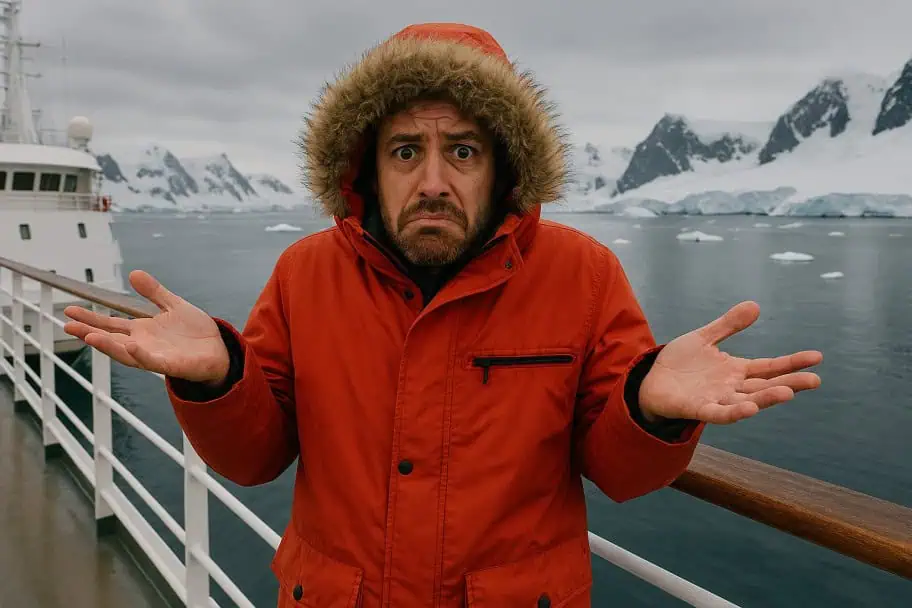
Clothing and Gear to Pack for Antarctica
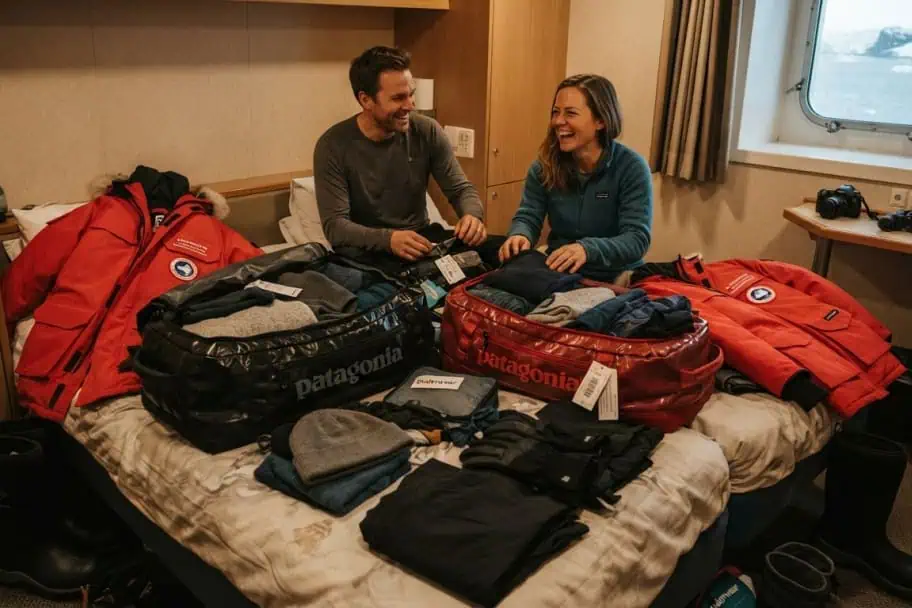
Staying comfortable in Antarctica starts with smart, intentional packing. The continent’s fierce winds, wet landings, and constantly shifting temperatures mean your Antarctica packing list essentials should focus on warmth, waterproof protection, and easy layering. This section highlights the key clothing and gear you’ll want so you’re ready for every Zodiac ride and every step on the ice.
Before You Leave

Before your journey begins, gather the Antarctica packing list essentials that make travel smoother and stress‑free. Keep your passport, travel documents, insurance details, credit cards, medications, motion‑sickness remedies, and all necessary chargers organized and packed in your carry‑on so they’re accessible throughout your trip.
Passport and Visas
 |
A passport and any required visas are essential because nearly all Antarctica trips begin in Argentina or Chile, and you must meet their entry rules before you can board your ship. Without proper documentation—or enough passport validity—you can be turned away at the airport or port, ending your trip before it starts. Keep these documents secure, dry, and easy to access throughout your journey. |
| View Passport Organizers on Amazon.com | |
Travel Documents and Itinerary
 |
Keeping your travel documents and itinerary organized is one of the Antarctica packing list essentials because these details guide every step of your journey—from flights into Argentina or Chile to cruise check‑in and daily excursion schedules. Having printed and digital copies ensures you can quickly access reservation numbers, transfer information, and emergency contacts even if your phone loses signal or batteries drain in the cold. A well‑prepared itinerary keeps your trip running smoothly from departure to the moment you step onto the ice. |
| View Travel Document Holders on Amazon.com | |
Travel Insurance
 |
Travel insurance is an important part of any Antarctica trip because it protects you from unexpected disruptions like flight delays through Argentina or Chile, weather‑related itinerary changes, or medical needs that require evacuation from remote regions. Policies that include trip interruption and emergency coverage ensure you’re financially protected if plans shift suddenly—a common reality in polar travel. Packing this documentation with your other essentials keeps your journey smooth from start to finish. |
| View Travel Document Holders on Amazon.com | |
Credit Cards and Cash
 |
Credit cards and a small amount of cash are important for an Antarctica trip because you’ll need them both during your travel through Argentina or Chile and once you’re on your cruise. A reliable card covers onboard purchases like gear rentals or souvenirs, while carrying some cash helps in ports or small shops where card machines may not work. Keeping both forms of payment handy ensures you’re prepared for anything from unexpected travel changes to simple day‑to‑day expenses. |
| View Travel Wallets on Amazon.com | |
Prescription Medications
 |
Prescription medications are crucial because you won’t have access to pharmacies once you’re in Antarctica, and even the embarkation ports in Argentina or Chile may not carry what you need. Bring enough for your entire trip plus a small buffer, and keep them in your carry‑on so they stay accessible during flights and protected from the cold. |
| View Travel Medication Organizers on Amazon.com | |
Motion Sickness Patches or Pills
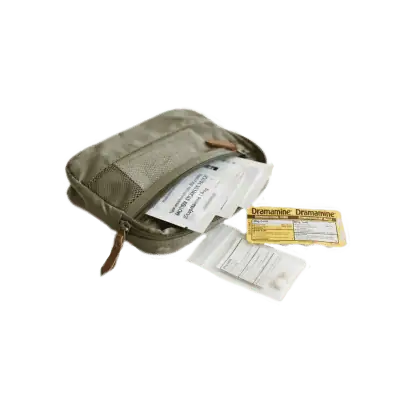 |
Motion sickness patches or pills are among the Antarctica packing list essentials because the Drake Passage is known for strong swells that can make even seasoned travelers feel unsteady. Having reliable remedies on hand ensures you stay comfortable during the crossing and can fully enjoy the days of landings and wildlife viewing that follow. Packing them in your carry‑on keeps them accessible right when you need them most. |
| View Recommendations on Amazon.com | |
Chargers, Cables, and Adapters
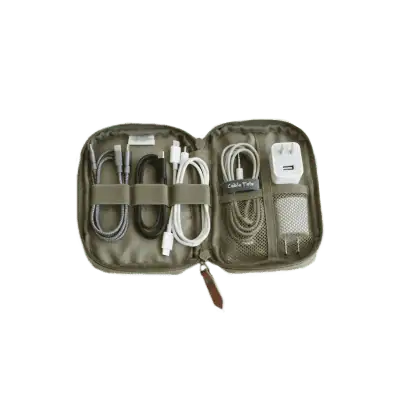 |
Chargers, cables, and adapters are important to pack because your camera gear, phone, and other electronics will drain battery faster in cold Antarctic conditions. Having all the right cords—and a plug adapter for Argentina or Chile—ensures you can recharge devices during long travel days and while on board your ship. Keeping them organized and accessible prevents last‑minute scrambling and helps you stay powered for photos, navigation, and daily excursion updates. |
| View Charger and Cable Organizers on Amazon.com | |
Personal Items

Your cabin already includes basic toiletries, so you only need to bring the personal items you rely on daily. Pack prescription glasses or contacts, preferred skincare products, hearing‑aid supplies, sunglasses, sunscreen, and lip balm to stay comfortable in the bright, dry Antarctic climate.
Prescription Glasses or Contacts
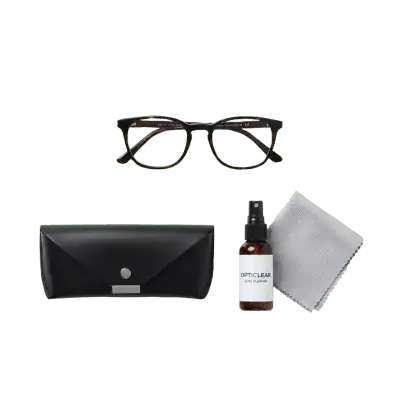 |
If you wear prescription glasses, be sure to pack them for your Antarctica cruise, along with a spare pair if possible. Clear vision is essential for safely boarding zodiacs, navigating icy terrain, and enjoying the continent’s spectacular scenery and wildlife. The cold, remote environment makes replacing lost or damaged glasses extremely difficult, so having a backup pair can help ensure your adventure continues without interruption. |
Sunglasses
 |
Sunglasses are an important Antarctica packing list essential because sunlight reflecting off snow, ice, and water can create an intense glare. A high-quality pair with UV protection helps prevent eye strain and protects your eyes during zodiac cruises, shore landings, and wildlife viewing excursions. Packing sunglasses will ensure you stay comfortable while taking in Antarctica’s breathtaking frozen landscapes. |
Sunscreen
 |
Sunscreen is one of the most overlooked Antarctica packing list essentials, yet it is incredibly important for protecting your skin. The sun’s rays are amplified by reflection from Antarctica’s snow, ice, and surrounding water, increasing the risk of sunburn even on cold or cloudy days. Applying a high-SPF sunscreen regularly will help protect exposed skin during zodiac cruises, shore excursions, and time spent on deck enjoying the spectacular polar scenery. |
Toiletry Items
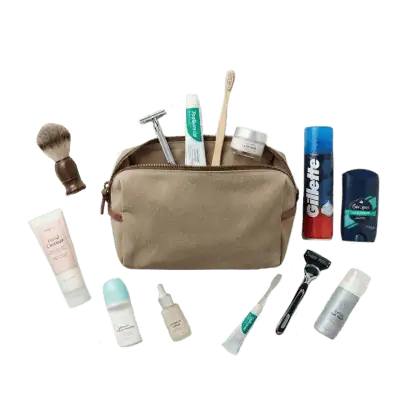 |
Toiletry items are Antarctica packing list essentials that can make your journey much more comfortable in the cold, dry polar environment. Pack personal care products such as a toothbrush, toothpaste, deodorant, shampoo, conditioner, body wash, moisturizer, lip balm, a razor, and any other daily hygiene items you regularly use. While many expedition ships provide basic amenities, bringing your preferred toiletries ensures you have everything you need while exploring one of the most remote regions on Earth. |
Essential Clothing

This Antarctica expedition clothing guide emphasizes layering, comfort, and flexibility. Casual attire works well on board, while thermal base layers, insulating mid‑layers, and backups of hats, socks, and tops ensure you stay warm and dry during excursions. Sleepwear, workout clothing, and optional swimwear round out your everyday needs.
Breathable Base Layer
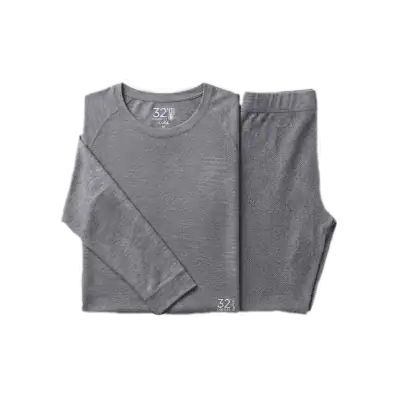 |
A breathable base layer is essential for Antarctica, helping wick moisture away from your skin to keep you dry, warm, and comfortable. In the extreme cold, staying dry is key to maintaining body heat during excursions and outdoor activities. |
| View Recommendations on Amazon.com | |
Heavy Base Layer
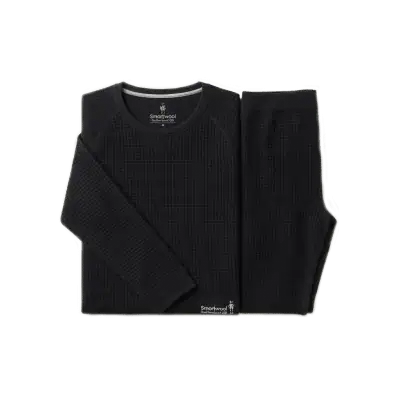 |
A warm wool base layer is one of the most important Antarctica packing list essentials because it provides insulation while helping regulate body temperature in extremely cold conditions. Wool retains heat even when damp and naturally wicks moisture away from the skin, keeping you warm, dry, and comfortable during Antarctic excursions. |
| View Recommendations on Amazon.com | |
Sweaters or Fleeces
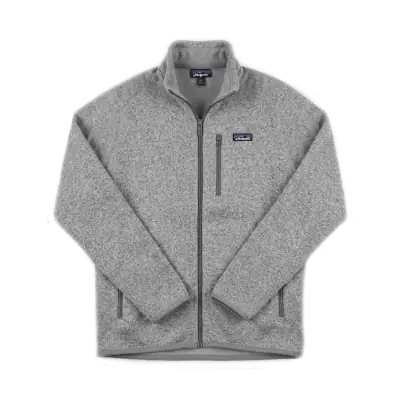 |
Warm sweaters or fleeces are an essential mid-layer for staying comfortable in Antarctica’s freezing temperatures. They provide extra insulation by trapping body heat while remaining lightweight and breathable, helping you stay warm during Zodiac cruises, shore landings, and other outdoor activities. |
| View Recommendations on Amazon.com | |
Down Sweater or Nano Puff Jacket
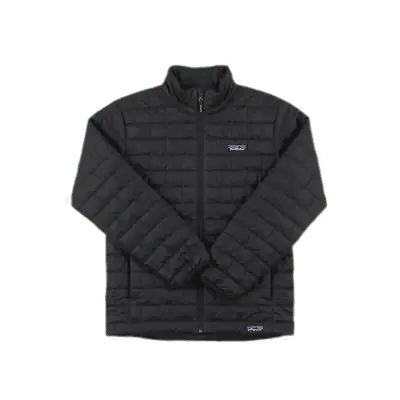 |
A lightweight down sweater or nano-puff jacket is a valuable layering piece for Antarctica because it provides excellent warmth without adding bulk. Easy to pack and wear under a waterproof outer shell, it helps retain body heat during cold excursions while allowing flexibility and comfort throughout your journey. |
| View Recommendations on Amazon.com | |
Athletic Pants
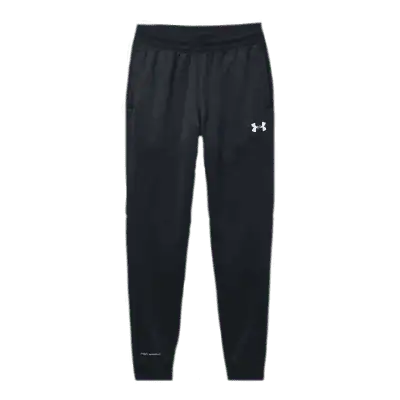 |
Athletic pants are one of the Antarctica packing list essentials, providing an important insulating layer between your base layer and waterproof outer shell. They add warmth, comfort, and flexibility, helping you stay comfortable during shore landings, hikes, and Zodiac excursions in Antarctica’s cold and windy conditions. |
| View Recommendations on Amazon.com | |
Warm Wool Socks
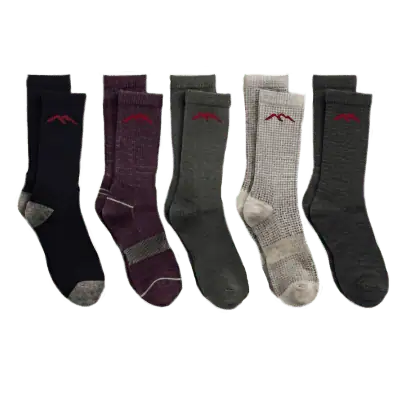 |
Warm wool socks are one of the most important items to pack for Antarctica, helping keep your feet warm and comfortable in freezing conditions. As one of the key Antarctica packing list essentials, wool socks provide insulation, wick away moisture, and help prevent cold feet during shore landings, Zodiac cruises, and other outdoor adventures. |
| View Recommendations on Amazon.com | |
Warm Casual Wear
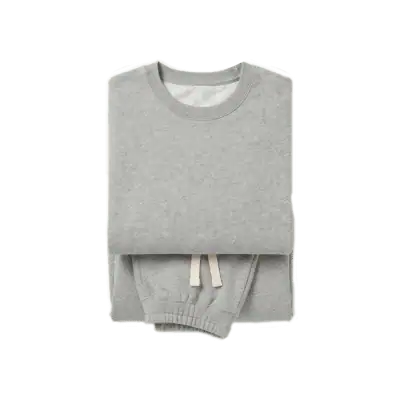 |
Warm, comfortable casualwear is important for relaxing and staying cozy while onboard your expedition ship. After spending time in Antarctica’s cold conditions, you’ll appreciate having comfortable clothes to wear during meals, lectures, and downtime. As part of your Antarctica packing list essentials, casual layers help you stay comfortable throughout the voyage. |
| View Recommendations on Amazon.com | |
Sleepwear
 |
Sleepwear is one of the Antarctica packing list essentials for staying comfortable and well-rested during your voyage. After long days of exploring in cold conditions, comfortable pajamas or sleepwear help you relax and enjoy a good night’s sleep aboard the ship, leaving you refreshed for the next adventure. |
| View Recommendations on Amazon.com | |
Swimwear
 |
If you plan to take the famous polar plunge, don’t forget to pack swimwear. This unforgettable Antarctic tradition gives travelers the chance to take a quick dip in icy polar waters, and having a swimsuit ready ensures you can participate. As one of the fun Antarctica packing list essentials, swimwear helps you make the most of this once-in-a-lifetime experience. |
| View Recommendations on Amazon.com | |
Important Outerwear
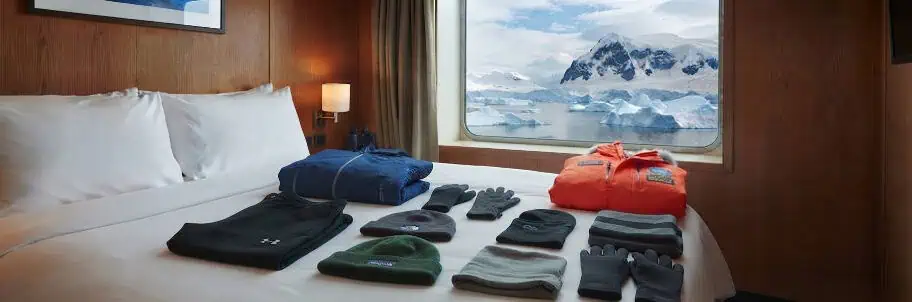
Outerwear is your shield against Antarctica’s wind, snow, and spray, and this Antarctica expedition clothing guide highlights the pieces that matter most. Waterproof jackets, insulated pants, warm hats, neck protection, and durable gloves — plus the complimentary parka provided on board — keep you comfortable during Zodiac rides and landings.
Winter Parka
 |
A winter parka is one of the most important items to include in your Antarctica expedition clothing guide because it provides essential insulation and protection from the continent’s extreme cold, wind, and unpredictable weather conditions. A high-quality parka helps retain body heat during Zodiac cruises, shore landings, and time spent on deck observing Antarctica’s spectacular scenery and wildlife. Fortunately, many Antarctica tour operators provide an insulated expedition parka to passengers, reducing the need to purchase a specialized outer layer before your trip. Even when a parka is supplied, it is still important to verify what gear is included so you can pack appropriately for your adventure. |
Waterproof Rain Jacket
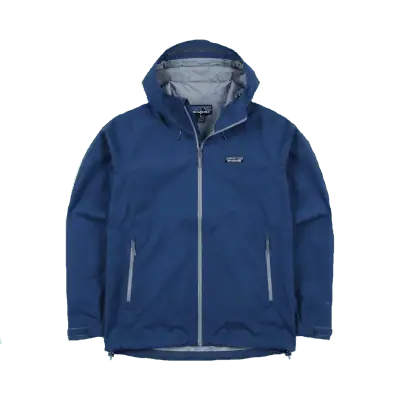 |
A waterproof rain jacket is an important item for any Antarctica trip because it keeps you dry during Zodiac cruises, shore landings, and wet weather. When temperatures are too warm for a heavy parka, a waterproof jacket provides comfortable protection from sea spray, rain, and snow while allowing you to layer underneath as needed. |
| View Recommendations on Amazon.com | |
Waterproof Pants or Bib-Style Overalls
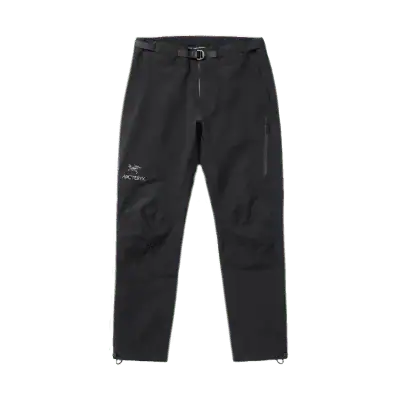 |
Waterproof pants or bib-style overalls are a key part of any Antarctica expedition clothing guide because they help keep you dry during Zodiac cruises, shore landings, and snowy or wet conditions. Worn over your insulating layers, they provide protection from sea spray, wind, and moisture, helping you stay warm and comfortable throughout your Antarctic adventure. |
| View Recommendations on Amazon.com | |
Winter Hats
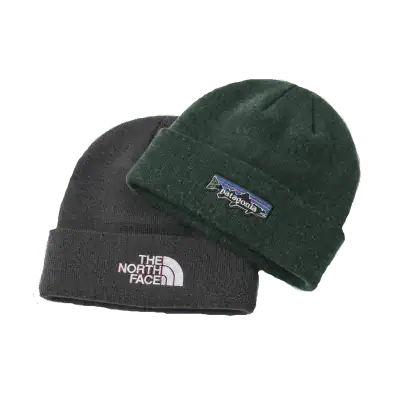 |
Winter hats are an essential item for Antarctica because a significant amount of body heat can be lost through your head when exposed to cold temperatures and strong winds. A warm, insulated hat helps retain heat and keeps you comfortable during Zodiac cruises, shore excursions, and time spent on deck. For added flexibility, consider packing more than one hat in case one becomes wet during your adventure. |
| View Recommendations on Amazon.com | |
Waterproof Gloves or Mittens
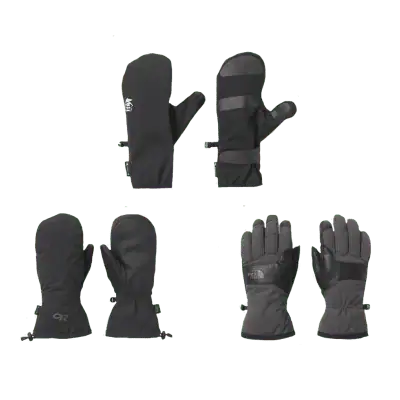 |
Waterproof gloves or mittens are a must-have in any Antarctica expedition clothing guide because they keep your hands dry and protected from cold temperatures, snow, wind, and sea spray. Warm, dry hands make excursions much more comfortable, whether you’re photographing wildlife, riding in a Zodiac, or exploring ashore. While mittens provide the greatest warmth, waterproof gloves offer better dexterity for handling cameras and other gear. |
| View Recommendations on Amazon.com | |
Glove liners
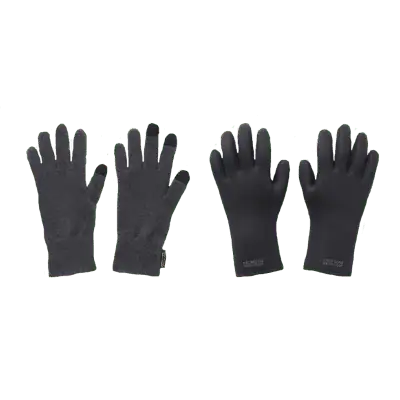 |
Merino wool or neoprene glove liners are a smart addition to any Antarctica packing list because they provide warmth while allowing you to use your hands without removing your outer gloves or mittens. They are especially useful for photographers who need the dexterity to operate camera controls, adjust settings, or handle equipment in cold conditions. Wearing glove liners helps keep your hands protected from the cold while giving you the flexibility needed during Antarctic excursions. |
| View Recommendations on Amazon.com | |
Scarf, Neck Gaiter, or Balaclava
 |
A scarf, neck gaiter, or balaclava is an important item for Antarctica because it helps protect your neck, face, and lower head from cold temperatures and biting winds. These accessories add an extra layer of warmth and can be easily adjusted as conditions change throughout the day. A neck gaiter or balaclava is especially useful during Zodiac cruises and windy excursions when exposed skin can quickly become uncomfortable. |
| View Recommendations on Amazon.com | |
What Footwear to Bring
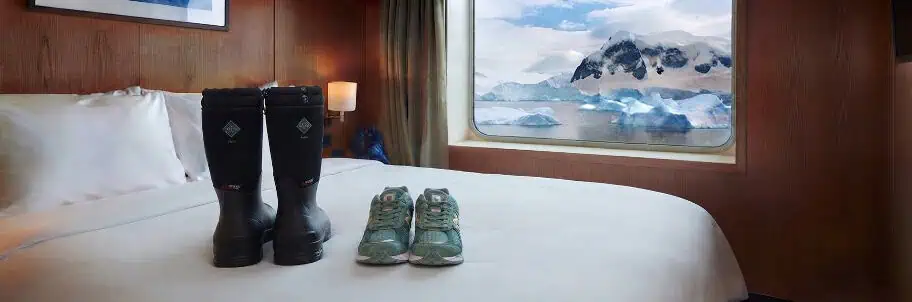
Waterproof, knee‑high boots are required for all shore landings, and rental boots typically work well for most hikes. For life on board, pack comfortable shoes, warm socks, and optional insoles to keep your feet supported and cozy throughout the voyage.
Waterproof Muck Boots
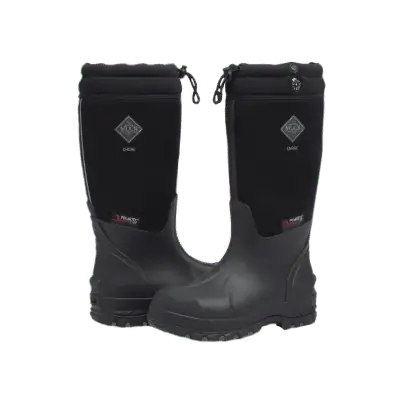 |
Waterproof muck boots are essential for Antarctica because they keep your feet dry and warm during shore landings, where you may need to step into shallow water when boarding or leaving Zodiac boats. Their waterproof design also provides protection from snow, slush, and wet terrain. Fortunately, many Antarctica tour operators either provide waterproof muck boots to passengers or offer rental options, so be sure to check your expedition’s gear policy before packing. |
| View Recommendations on Amazon.com | |
Comfortable Shoes
 |
Comfortable shoes are an often-overlooked item on an Antarctica packing list, but they make a big difference while onboard the ship. You’ll spend plenty of time walking between cabins, dining areas, observation decks, and lecture rooms, so supportive footwear helps keep your feet comfortable throughout the voyage. |
| View Recommendations on Amazon.com | |
Other Gear to Bring

Your Antarctica packing list essentials should also include practical gear for daily excursions. Binoculars, a camera, a reliable daypack, dry bags, waterproof phone protection, and an optional walking stick help you stay prepared for changing conditions and splash‑heavy Zodiac rides.
Binoculars
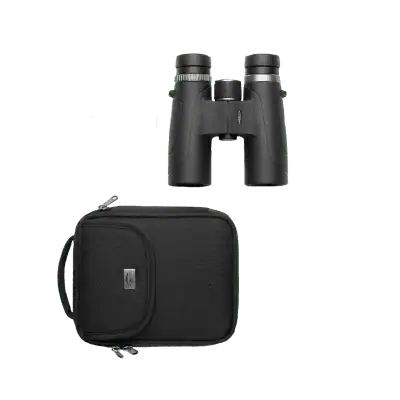 |
Binoculars are a worthwhile item to pack for Antarctica because they allow you to enjoy close-up views of wildlife, icebergs, and distant landscapes that may be difficult to see with the naked eye. They are especially useful for spotting whales from the ship, observing seabirds in flight, and watching penguin colonies from a respectful distance. A compact, waterproof pair is ideal for daily excursions and time spent on deck. |
| View Recommendations on Amazon.com | |
Day Pack
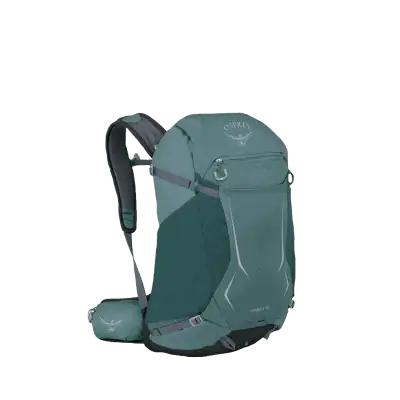 |
A day pack is a useful item for Antarctica because it allows you to comfortably carry essentials such as extra layers, gloves, a camera, water bottle, and binoculars during shore excursions. A lightweight, water-resistant day pack helps keep your gear organized and protected from snow, sea spray, and changing weather conditions while you explore Antarctica’s incredible landscapes and wildlife. |
| View Recommendations on Amazon.com | |
Dry Bags
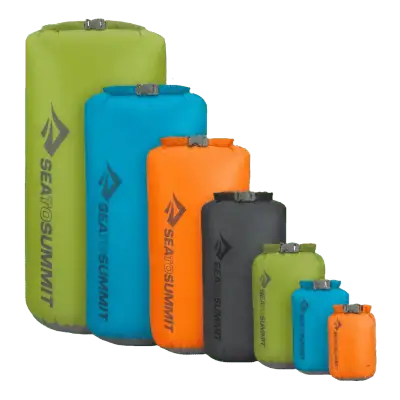 |
Dry bags are one of the Antarctica packing list essentials because they help protect cameras, phones, extra clothing, and other valuables from sea spray, snow, and wet conditions during Zodiac cruises and shore landings. Lightweight and easy to pack, dry bags provide peace of mind by keeping important gear dry while you explore Antarctica’s incredible landscapes and wildlife. |
| View Recommendations on Amazon.com | |
Waterproof Phone Protector
 |
A waterproof phone protector is a smart item to pack for Antarctica because it shields your phone from sea spray, snow, rain, and accidental drops into wet environments during Zodiac cruises and shore excursions. It allows you to safely take photos, videos, and access important information without worrying about moisture damaging your device, helping you capture unforgettable Antarctic memories with confidence. |
| View Recommendations on Amazon.com | |
Collapsible Walking Pole
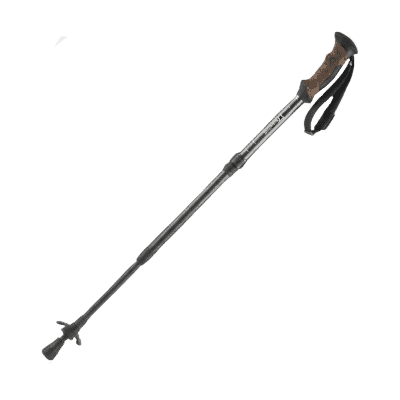 |
A collapsible walking pole can be a helpful addition to your Antarctica packing list, especially if you plan to participate in longer hikes or have concerns about balance on uneven terrain. It provides extra stability when walking across snow, ice, rocky beaches, and slippery surfaces, helping reduce fatigue and improve confidence during shore excursions. Because it folds down for easy storage, a collapsible walking pole is convenient to carry when not in use. |
| View Recommendations on Amazon.com | |
Recommended Camera Gear
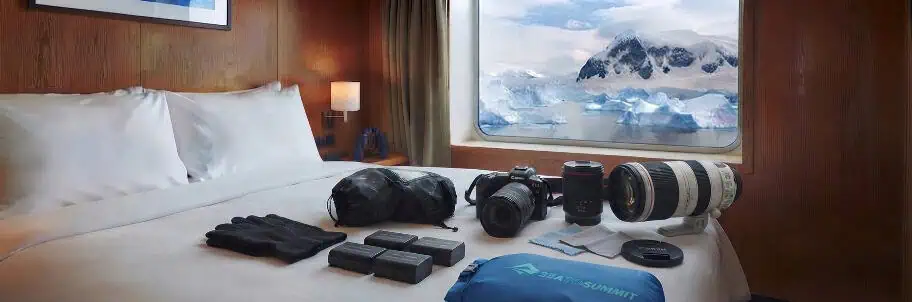
Antarctica is one of the most visually overwhelming places on Earth — a world of blinding white landscapes, fast‑moving wildlife, and constant moisture from snow, sleet, and Zodiac spray. Photographing here isn’t difficult because the scenery lacks drama; it’s difficult because the environment actively fights your camera. Cold drains batteries, saltwater corrodes buttons, condensation fogs lenses, and wind makes changing gear nearly impossible.
To come home with sharp, clean, unforgettable images, you need equipment that can survive the cold, stay dry, and operate reliably even when your hands are numb and the weather shifts by the minute. The gear below is what travelers, expedition guides, and professional photographers rely on in Antarctica — each item chosen to solve a specific challenge.
Weather‑Sealed Mirrorless Camera
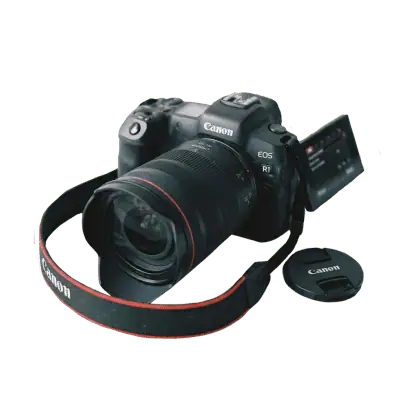 |
A weather‑sealed camera body is one of your Antarctica packing list essentials, because snow, sleet, and saltwater spray are constant threats. Sealed seams and gaskets protect internal electronics from moisture, cold, and corrosion, keeping autofocus and controls responsive during Zodiac rides and landings. With fast‑moving wildlife and shifting light, you need a camera that stays reliable no matter the conditions, allowing you to focus on capturing the moment instead of worrying about gear failure. |
| View Recommendations on Amazon.com | |
Wide‑Angle Zoom Lens (14–30mm or 16–35mm)
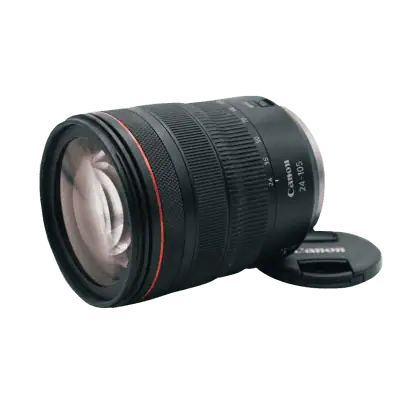 |
A wide‑angle zoom is perfect for Antarctica’s massive icebergs, sweeping glaciers, and dramatic skies. It lets you frame tight Zodiac channels and wide landscapes without changing lenses in harsh wind or spray. The hood helps block snow and droplets, keeping your front element clean. This lens becomes your storytelling tool for scale, depth, and dramatic scenery, allowing you to capture both intimate ice details and panoramic views with ease. |
| View Recommendations on Amazon.com | |
Telephoto Zoom Lens (100–400mm or 70–200mm)
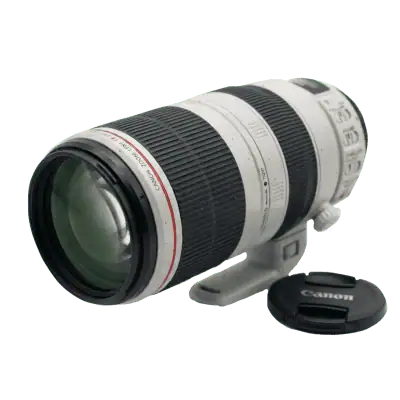 |
A telephoto zoom is essential for wildlife, allowing you to photograph penguins, seals, whales, and seabirds from a respectful distance. Expedition rules prevent close approach, so reach matters. A 100–400mm lens delivers sharp, stable shots even in cold, windy conditions. Weather sealing protects the mount from moisture, ensuring reliable performance when wildlife appears suddenly. This lens helps you capture expressive portraits and dynamic action without disturbing the animals. |
| View Recommendations on Amazon.com | |
Waterproof Rain/Spray Cover
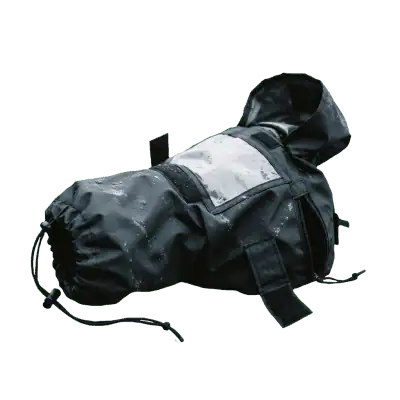 |
Zodiac spray is the biggest threat to your camera. A waterproof cover shields your body and lens from saltwater, preventing corrosion and moisture damage. It keeps your gear usable in rough seas, snowfall, and windy landings. Choose a cover with a clear back window so you can operate buttons and view the LCD while wearing gloves. This simple accessory dramatically increases your camera’s survival odds in unpredictable Antarctic weather. |
| View Recommendations on Amazon.com | |
Dry Bag for Zodiac Landings
 |
A dry bag is another of your Antarctica packing list essentials, protecting your camera during boarding and landings when waves and spray can soak gear instantly. It adds a critical layer of waterproofing and keeps your equipment safe between shooting sessions. Pair it with a padded insert to prevent bumps and impacts as you move between ship, Zodiac, and shore. A dry bag ensures your camera stays dry even when conditions turn unexpectedly rough. |
| View Recommendations on Amazon.com | |
Extra Batteries
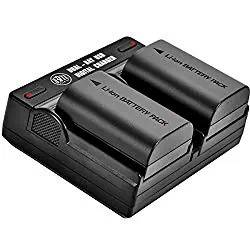 |
Cold temperatures drain batteries quickly, often cutting life in half. Bring 4–6 and keep them warm in an inner pocket. Rotating warm batteries ensures your camera stays powered during long excursions. This simple habit prevents missed shots and keeps your camera functioning reliably throughout the day. In Antarctica’s extreme cold, battery management becomes just as important as lens choice or camera settings. |
| View Recommendations on Amazon.com | |
Lens Hoods
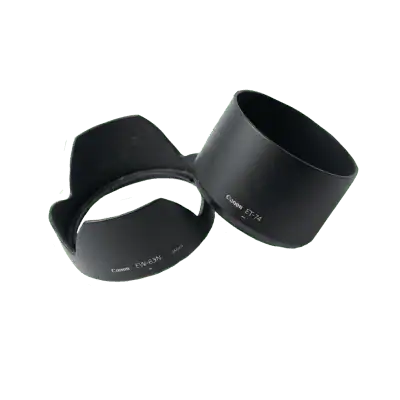 |
Lens hoods are surprisingly important in Antarctica, where snow, sleet, and spray constantly hit your front element. A hood helps block moisture, reduces flare from bright ice and low‑angle sun, and keeps your lens cleaner during Zodiac rides. It also adds a layer of physical protection against bumps or accidental contact with gear or railings. In harsh conditions, a lens hood helps maintain clarity and reduces the need for constant wiping, preserving more shooting opportunities. |
| View Recommendations on Amazon.com | |
Camera Gloves
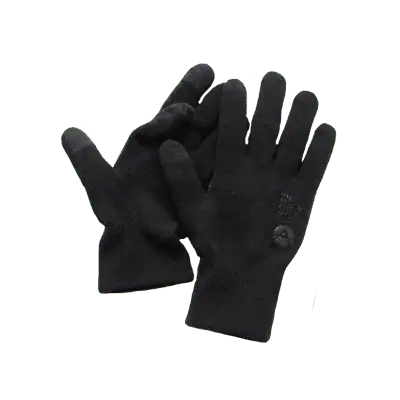 |
Camera gloves are essential in Antarctica, where freezing wind and constant moisture make bare‑hand shooting impossible. Waterproof, windproof gloves like the Crosspoint Knit Waterproof Sport Glove keep your hands warm while still giving you enough dexterity to adjust settings, grip your camera securely, and shoot quickly on Zodiacs. Good gloves prevent numb fingers, dropped gear, and missed wildlife moments, letting you stay outside longer and keep photographing comfortably. |
| View Recommendations on Amazon.com | |
Don’t Forget to Subscribe to My Adventures!

Let Me Help You Save On Your Next Adventure!
‘Start Exploring Today’ Merchandise Available Now!
 |
 |
 |
 |
 |
 |
 |



















Leave a Reply