This Badlands National Park guide post contains my Hotels.com, Expedia, Vrbo, and Viator affiliate links. I may receive a commission when you book a hotel or tour from this article, though at no additional cost to you. I hand-pick and recommend only the hotels and tours that I have thoroughly researched and feel comfortable recommending.
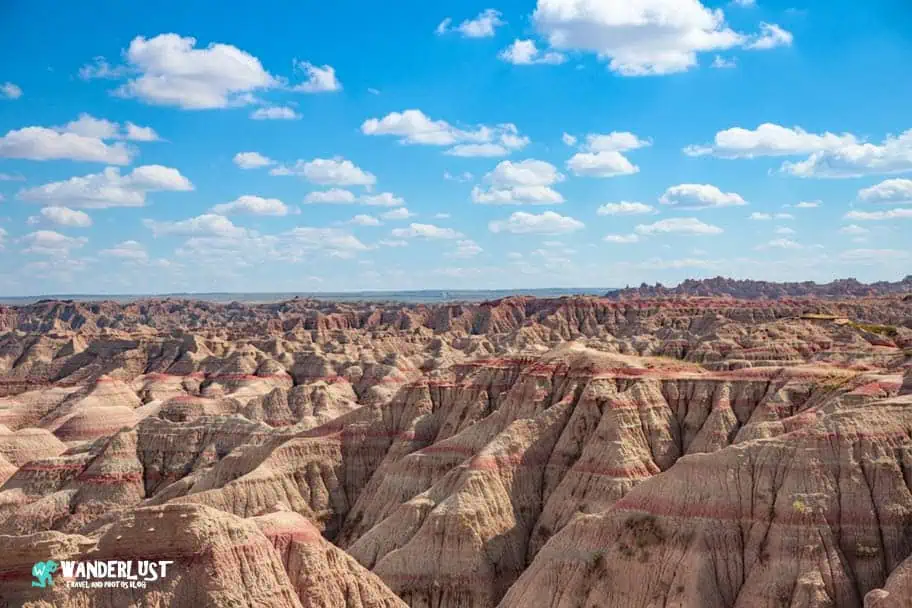
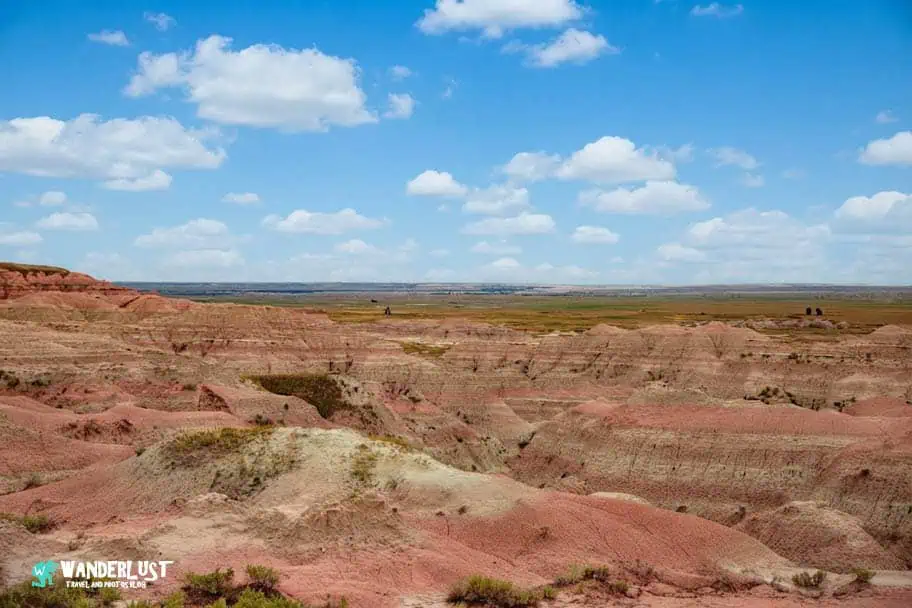
Badlands National Park rises out of the western South Dakota prairie in a maze of striped canyons, jagged peaks, and sweeping grasslands that feel both ancient and otherworldly. This Badlands National Park guide introduces you to one of America’s most dramatic landscapes—a place where eroded formations glow at sunrise, bison wander the open plains, and quiet overlooks make you feel like you’ve stepped into another era.
Beyond its iconic geology, the park is full of surprises: easy boardwalk trails that lead into the heart of the formations, wildlife encounters you’ll remember forever, and scenic drives that reveal new colors and textures around every bend. The Badlands may look harsh from a distance, but once you’re inside the canyons, the landscape becomes intimate—layered, detailed, and endlessly fascinating.
In this guide, you’ll find everything you need to plan your visit, including Badlands travel tips on how to get to the park, the top things to see and do, the best times of year for hiking and photography, and where to stay nearby—whether you prefer lodges, campgrounds, or towns just outside the park. You’ll also get practical advice to help you make the most of your time in the Badlands and navigate the park with confidence.
Badlands National Park Guide Navigation Menu


How to Get to Badlands National Park
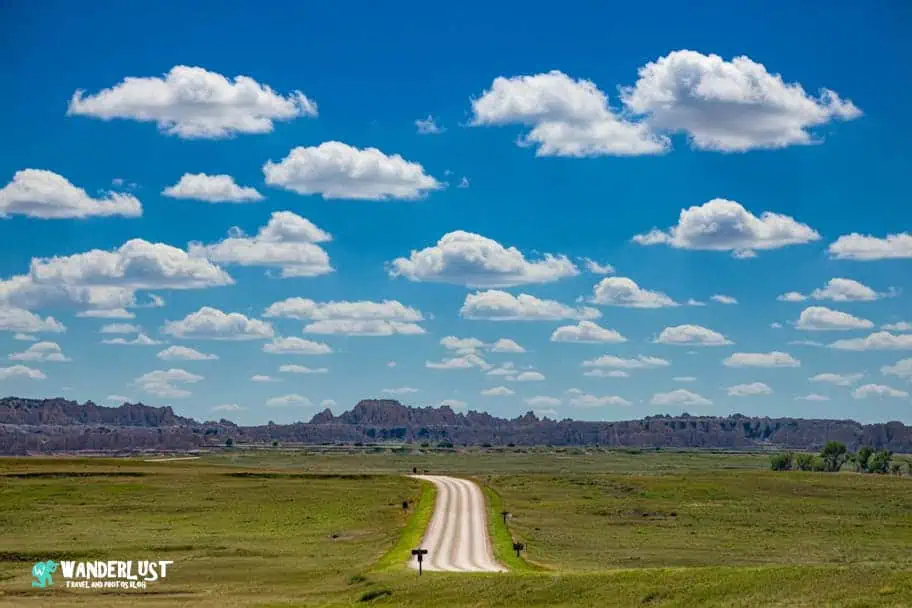
Badlands National Park sits in western South Dakota, surrounded by wide‑open prairie and the rolling landscapes of the Black Hills region. This Badlands National Park guide highlights its location just east of Rapid City and near small gateway towns like Wall, making it an easy stop on most Black Hills or Great Plains road trips.
Getting to the park is simple, with Rapid City Regional Airport as the closest and most convenient entry point—only about an hour’s drive from the main visitor center. For international travelers, Minneapolis–St. Paul International Airport (MSP) offers the strongest flight options and rental‑car availability before making the drive into South Dakota. Whether you arrive by plane or road trip, the park is easily accessible via I‑90 and SD‑240, making it straightforward to reach from both nearby towns and larger Midwest cities.
Below, I’ve included a detailed table outlining driving distances and travel times from nearby cities, major airports, and other national parks and monuments close to Badlands National Park to help you plan your route.
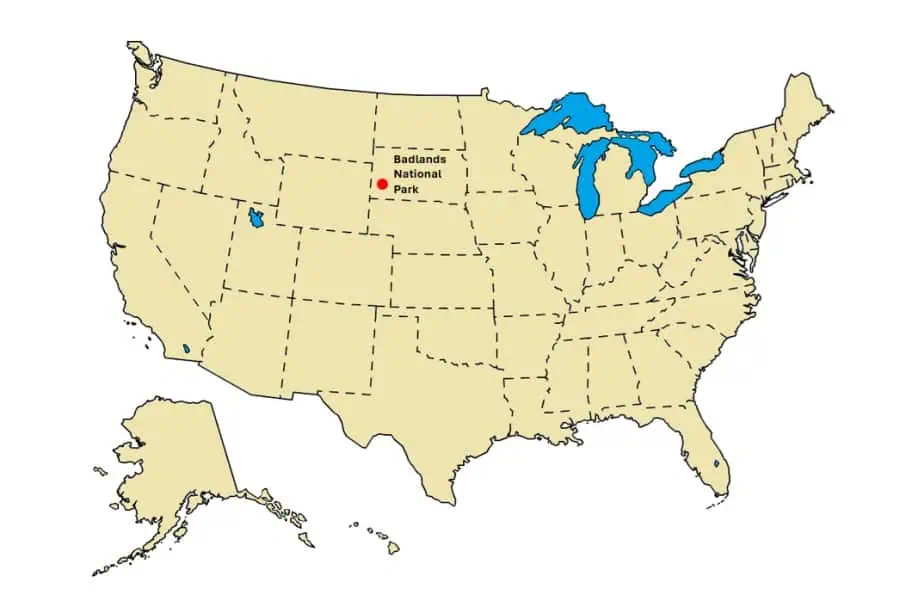
To understand where Badlands National Park is located relative to other large cities and attractions in the region, please refer to the map and driving chart included in this Badlands National Park guide below.
Driving Distance from Other Area Attractions
| City\Park | Distance | Drive Time | Notes |
|---|---|---|---|
| Rapid City, SD | 75 miles | 1hr | Closest major airport (RAP). Full‑service regional airport with rental cars; Rapid City is the main gateway city for Badlands. |
| Denver, CO | 360 miles | 5hrs 30min | Denver International Airport (DEN) is one of the largest U.S. hubs with extensive domestic and international service. |
| Minneapolis, MN | 500 miles | 7hrs 30min | Minneapolis–St. Paul International Airport (MSP) is a major Midwest hub with strong global connectivity. |
| Wind Cave National Park | 110 miles | 2hrs | One of the world’s longest cave systems; known for boxwork formations and prairie wildlife. |
| Mount Rushmore National Memorial | 100 miles | 1hrs 45min | Iconic presidential carving set in the Black Hills; major regional landmark. |
| Jewel Cave National Monument | 135 miles | 2hrs 15min | Third‑longest cave in the world; features stunning calcite crystals. |
| Devils Tower National Monument | 150 miles | 2hrs 45min | Towering volcanic formation; sacred to Indigenous tribes and popular with climbers. |
| Custer State Park | 120 miles | 2hrs | One of America’s best state parks; bison herds, scenic drives, and granite spires. |
| Theodore Roosevelt National Park | 260 miles | 4hrs | Badlands terrain, wildlife, and historic ranch sites in western North Dakota. |
| Agate Fossil Beds National Monument | 170 miles | 2hrs 45min | Renowned Miocene‑era fossil site with preserved bone beds. |
| Scotts Bluff National Monument | 200 miles | 3hrs 15min | Dramatic bluffs rising above the prairie; major landmark on pioneer trails. |
| Bighorn Canyon National Recreation Area | 300 miles | 4hrs 45min | Dramatic canyon walls, lake recreation, and wild horses. |
Top Things to See and Do in Badlands National Park
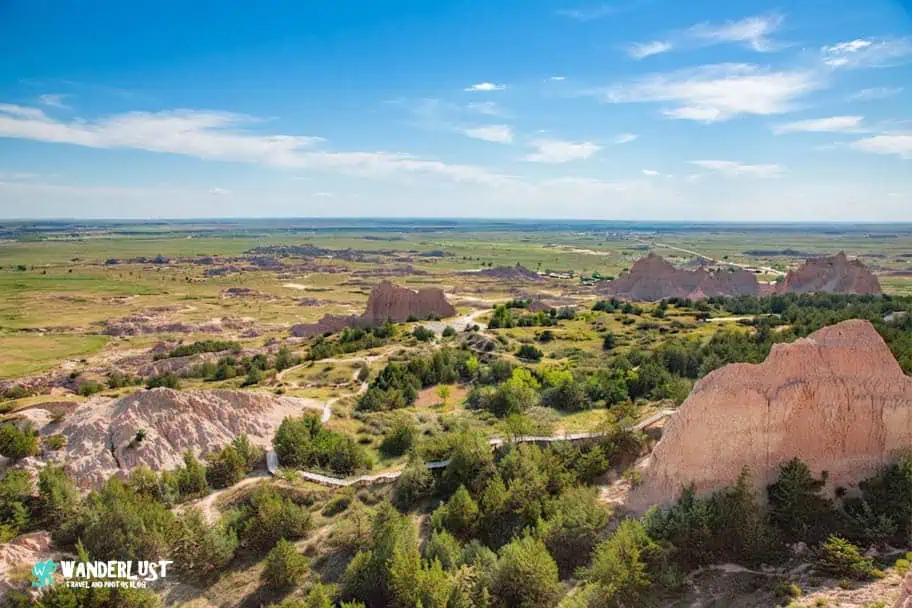
Badlands National Park is packed with dramatic overlooks, colorful geology, wildlife encounters, and short but unforgettable hikes—and this Badlands National Park guide brings all of those experiences together in one place. Whether you prefer scenic drives, boardwalk trails, rugged adventures, or quiet moments under the night sky, the park offers a wide range of things to see and do. From the iconic Badlands Loop Road to the lively prairie dog towns and pastel‑striped formations, each stop reveals a different side of this extraordinary landscape.
Badlands Loop Road
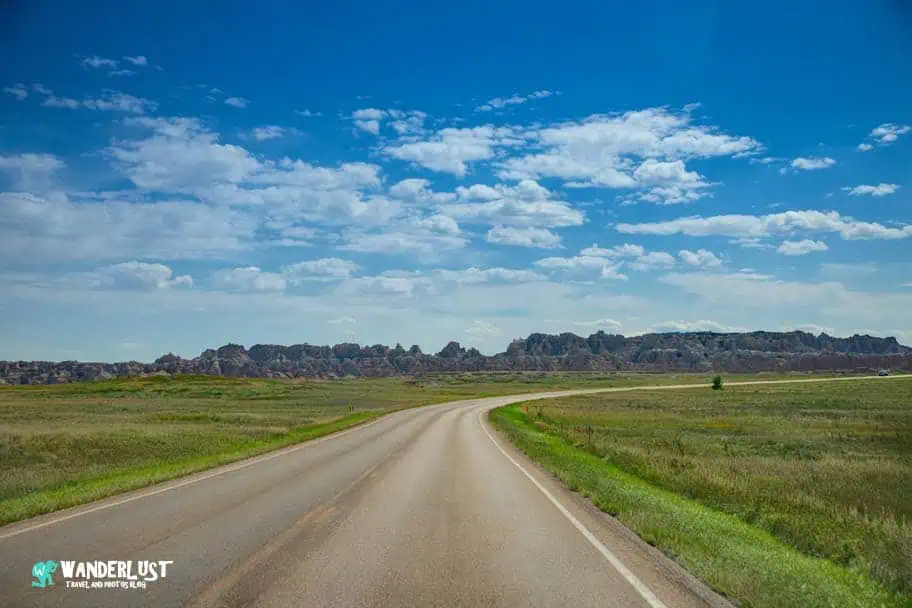
The Badlands Loop Road is the park’s signature scenic drive, stretching 39 miles through the heart of the formations. As you wind along SD‑240, you’ll pass towering spires, eroded canyons, and colorful sediment layers that shift dramatically with the light. Numerous pullouts make it easy to stop for photos, wildlife sightings, or short hikes. For many visitors, this drive is the perfect introduction to the park’s geology and scale, offering a sampler of everything the Badlands has to offer.
Big Badlands Overlook
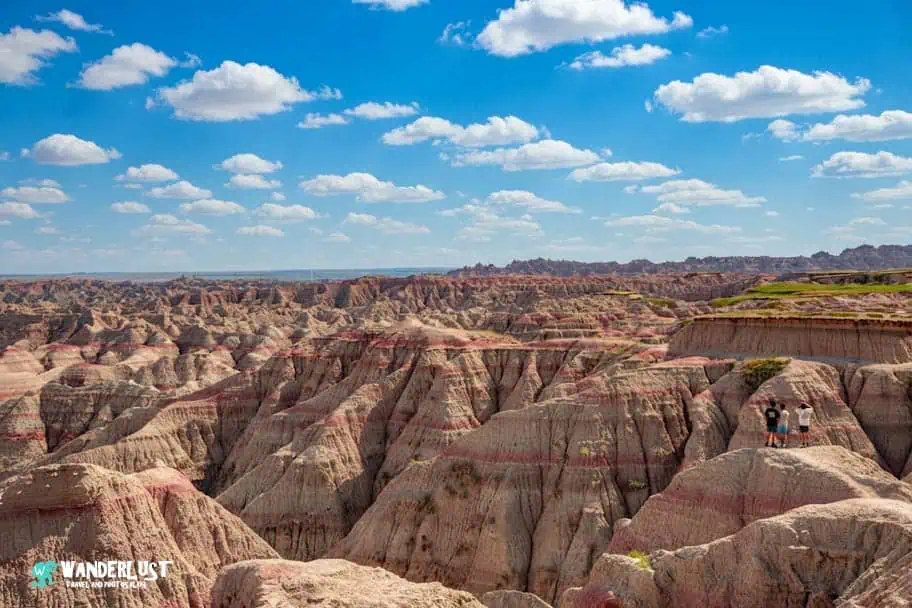
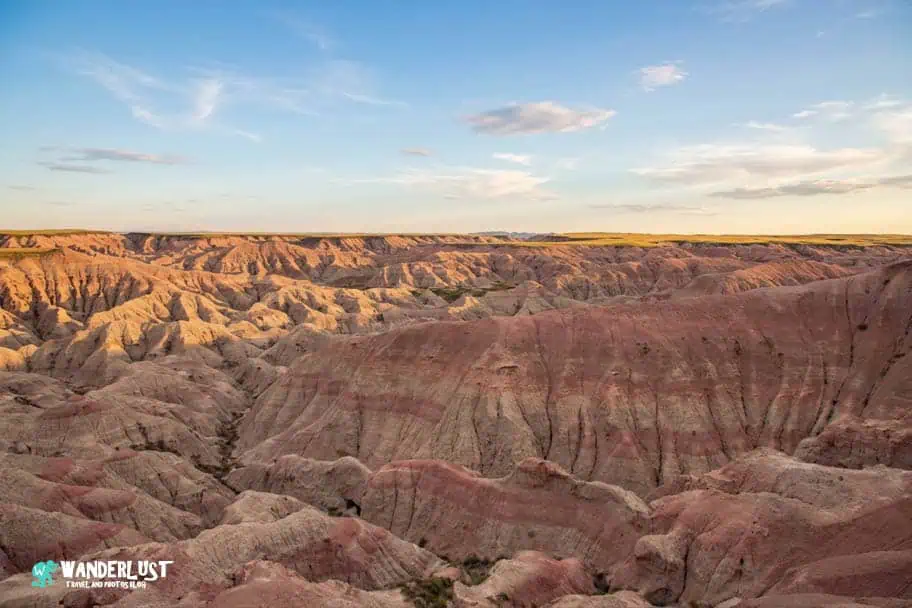
The Big Badlands Overlook provides one of the most sweeping views in the entire park. From this vantage point, the landscape opens into a vast amphitheater of jagged ridges and deeply carved gullies. Sunrise is especially magical here, when soft pink and gold light reveals the fine textures of the formations. It’s a peaceful spot to take in the enormity of the Badlands before diving deeper into the park.
The Door Trail
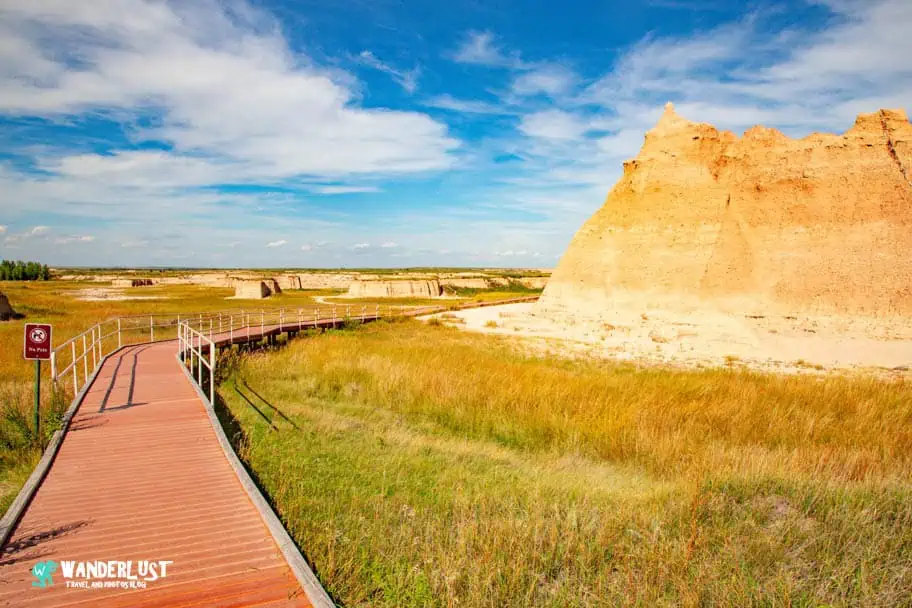
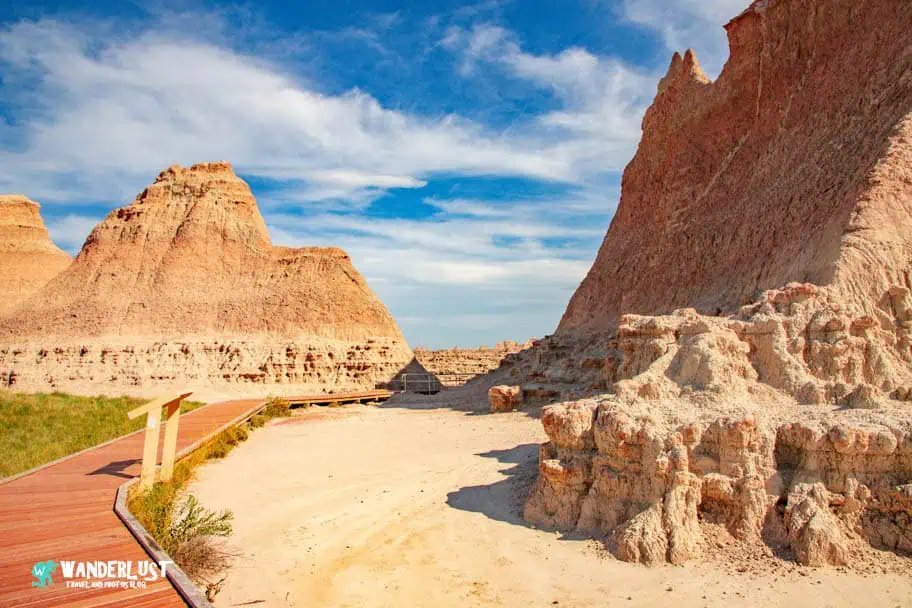
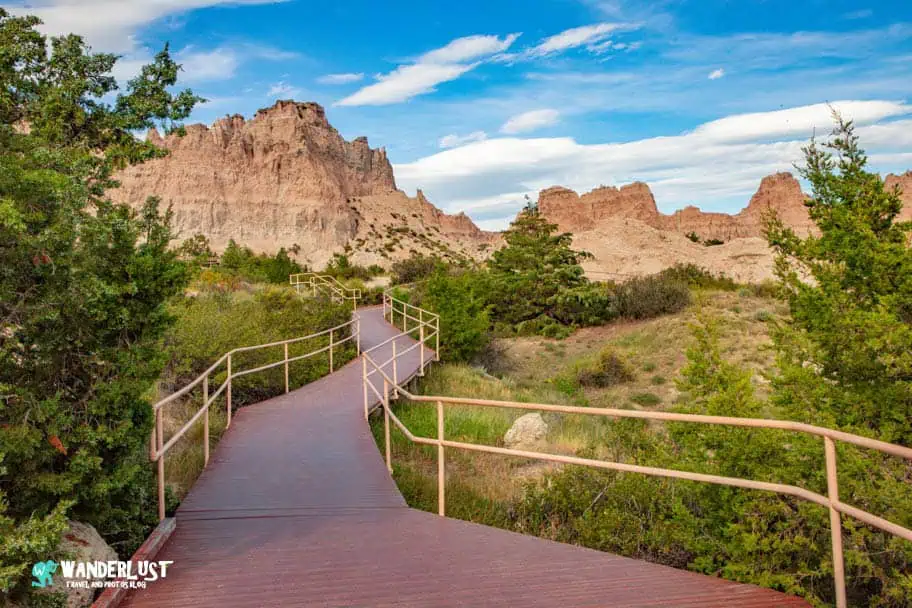
The Door Trail begins with a fully accessible boardwalk leading to a natural “door” in the Badlands Wall. Beyond the boardwalk, the trail becomes an open exploration area marked by posts, allowing you to wander among cracked earth, sharp ridges, and sculpted formations. It’s an easy but immersive way to experience the rugged terrain up close, making it a favorite for families and casual hikers.
| Trail Stats | |
|---|---|
| Trail Type: | Out-and-Back |
| Distance: | 0.8 miles/1.3 kilometers |
| Elevation Gain: | 36 feet/11 meters |
| Time to Complete: | 0.5 to 1 hours |
| Difficulty Level: | Easy |
| Trail Map |
|---|
The Notch Trail
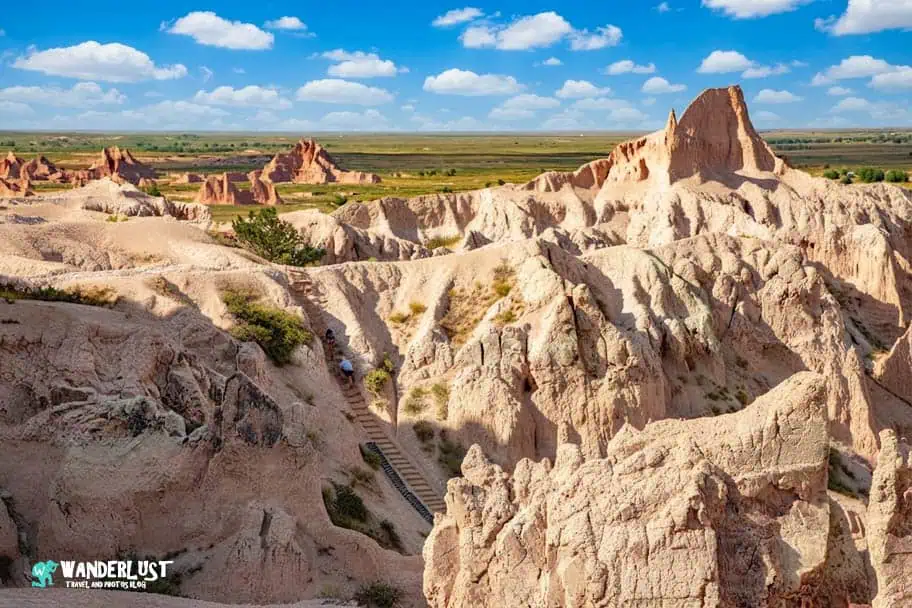
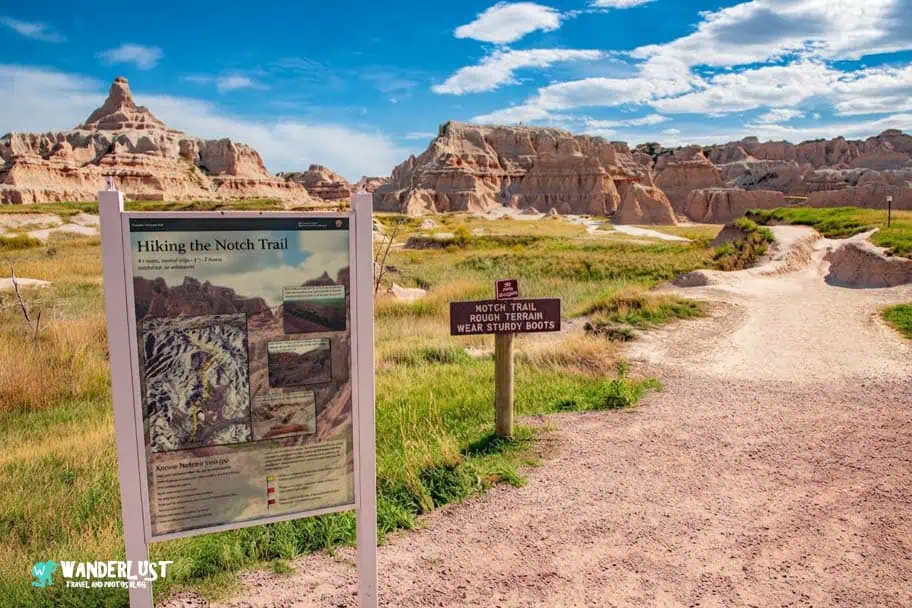
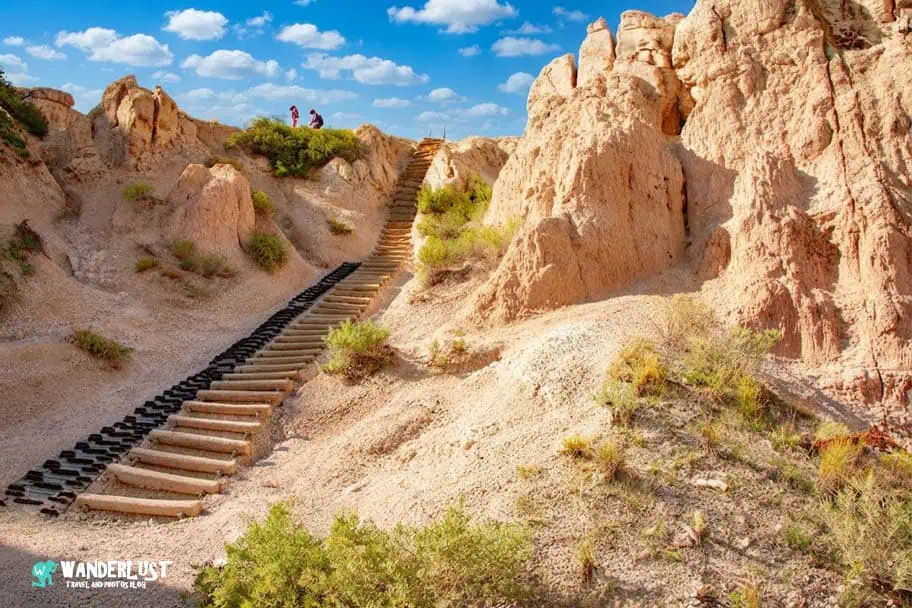
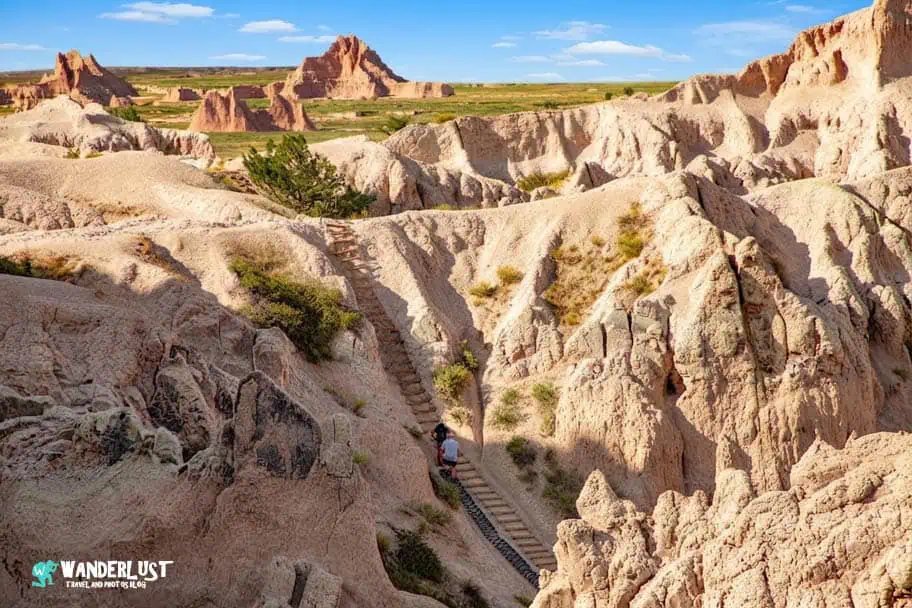
The Notch Trail is one of the park’s most adventurous hikes, featuring a memorable log‑ladder climb and a narrow cliffside path. The trail leads to a dramatic overlook—the “Notch”—with sweeping views of the White River Valley. While not technically difficult, it does require comfort with heights and uneven terrain. For many visitors, this trail becomes one of the most unforgettable experiences in the Badlands.
| Trail Stats | |
|---|---|
| Trail Type: | Out-and-Back |
| Distance: | 1.2 miles/1.9 kilometers |
| Elevation Gain: | 118 feet/36 meters |
| Time to Complete: | 1 to 1.5 hours |
| Difficulty Level: | Moderate |
| Trail Map |
|---|
The Fossil Exhibit Trail
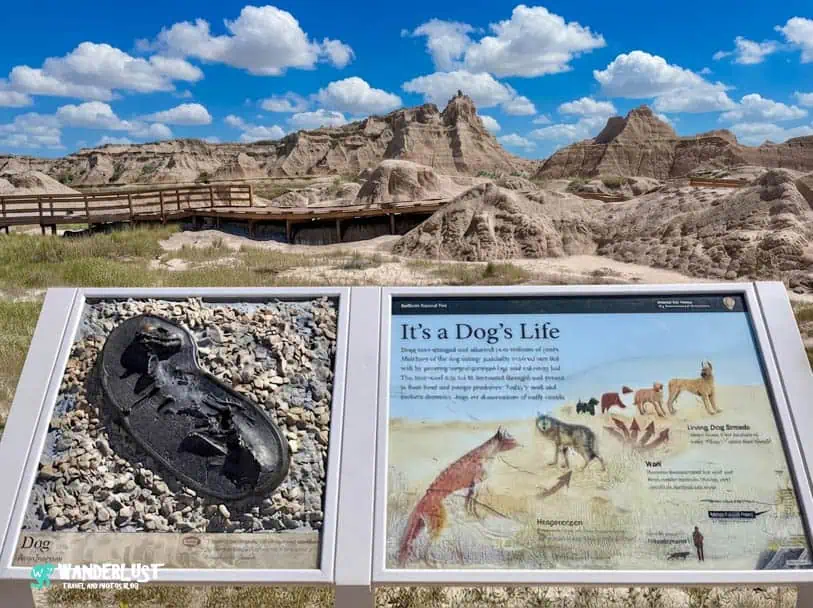
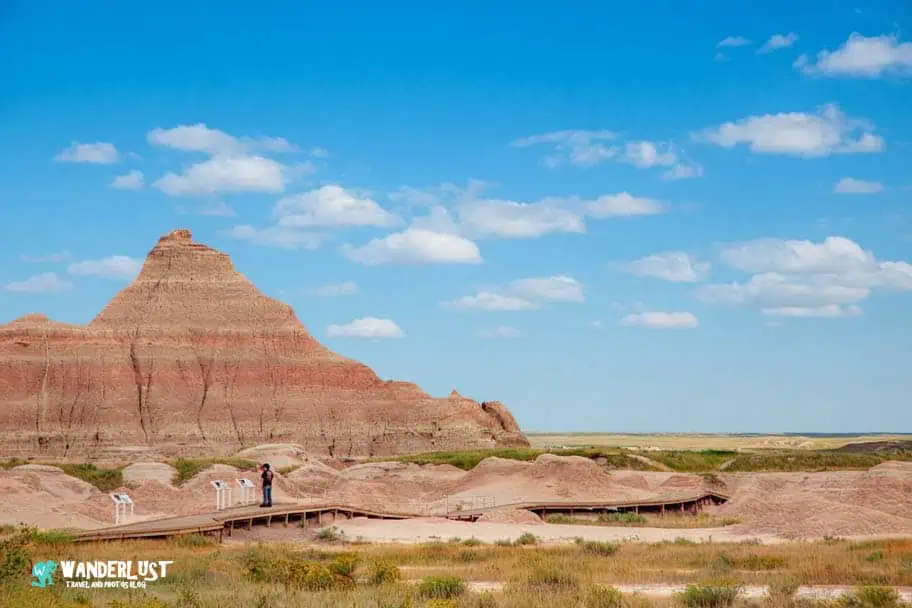
The Fossil Exhibit Trail is a short, fully accessible boardwalk that highlights the park’s rich paleontological history. Interpretive signs describe ancient mammals like the saber‑toothed cat and three‑toed horse that once roamed the region. The trail is ideal for families, geology enthusiasts, and anyone curious about how the Badlands’ unique formations preserve millions of years of natural history.
| Trail Stats | |
|---|---|
| Trail Type: | Loop |
| Distance: | 0.2 miles/0.3 kilometers |
| Elevation Gain: | 3 feet/1 meters |
| Time to Complete: | 0.5 to 1 hours |
| Difficulty Level: | Easy |
| Trail Map |
|---|
Panorama Point
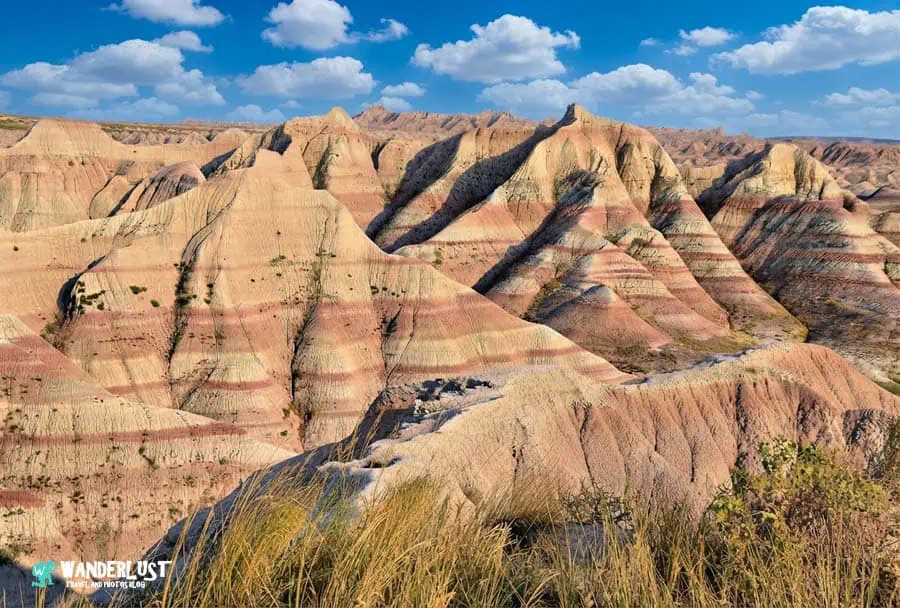
Panorama Point lives up to its name with wide‑open views of layered formations stretching toward the horizon. The overlook is quiet and less crowded than many others, making it a great place to enjoy the solitude and vastness of the prairie. Photographers love this spot for its long sightlines and dramatic lighting late in the day.
Yellow Mounds Overlook
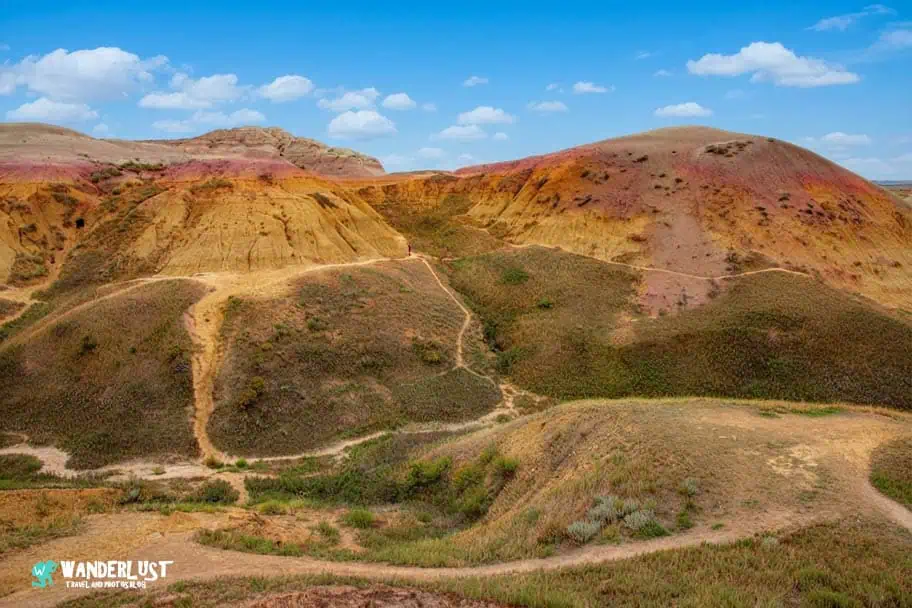
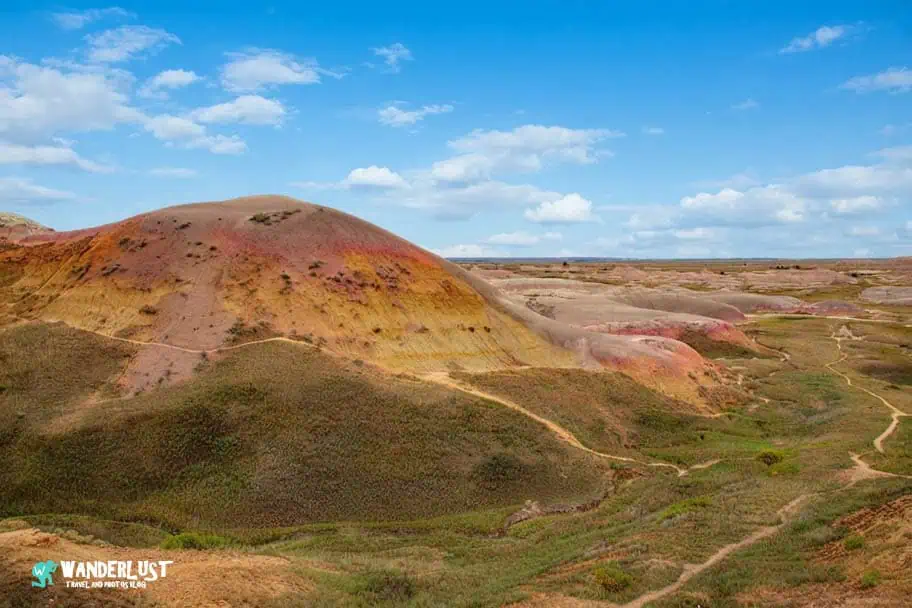
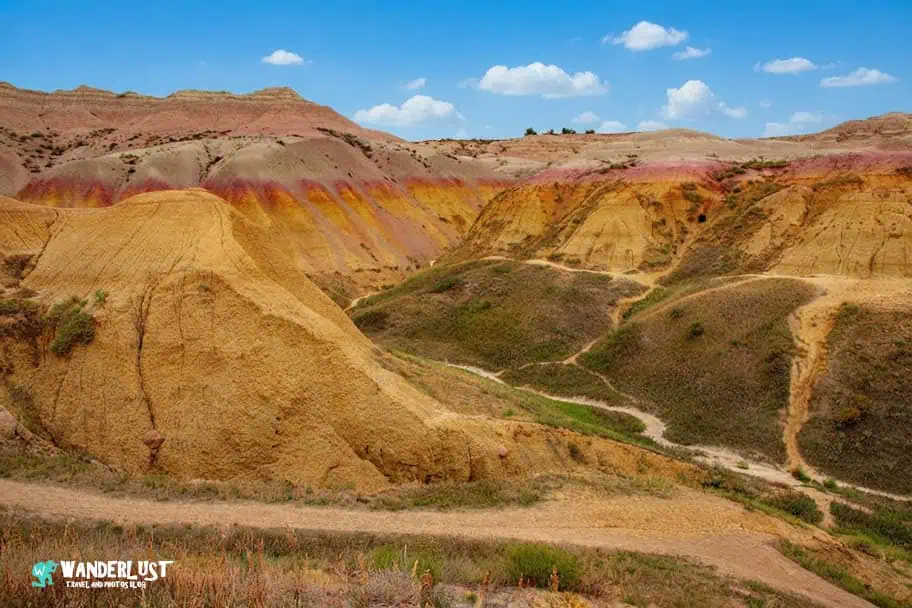
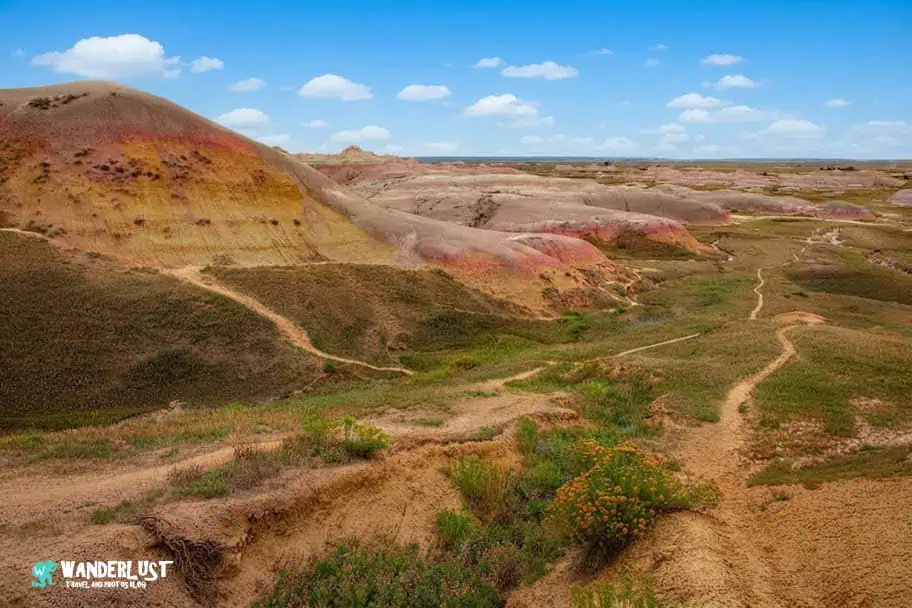
The Yellow Mounds Overlook showcases some of the park’s most vibrant geology. The bright yellow and orange hills are remnants of an ancient seabed, exposed and oxidized over millions of years. The colors shift beautifully with changing sunlight, making this one of the most photogenic stops along the Loop Road.
Roberts Prairie Dog Town

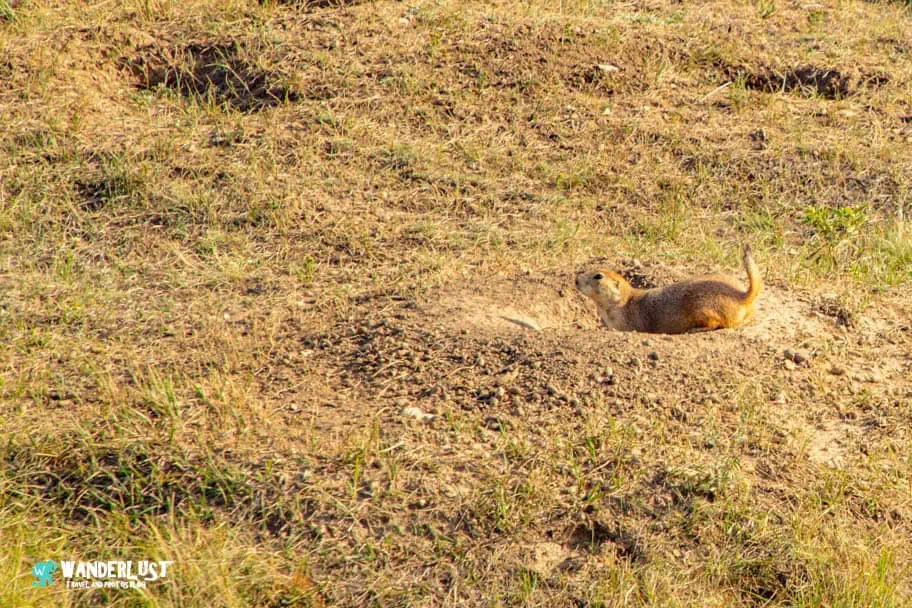
At Roberts Prairie Dog Town, hundreds of prairie dogs scurry, chirp, and pop in and out of their burrows across a wide grassland. Watching their social behavior is endlessly entertaining, and the area often attracts other wildlife like hawks, coyotes, and occasionally bison. It’s one of the most lively and charming wildlife stops in the park.
Wildlife Viewing

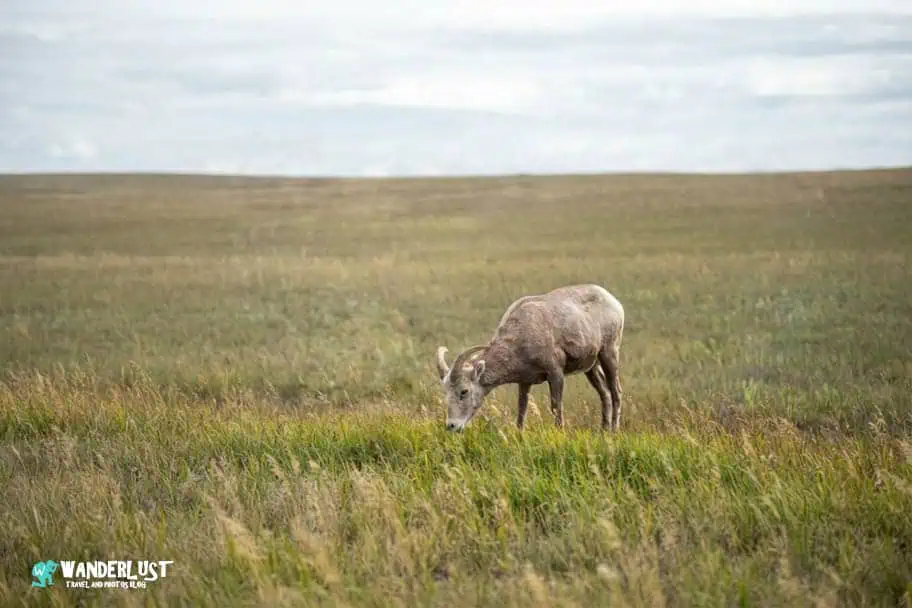
Badlands National Park is home to an impressive array of wildlife, and wildlife viewing is one of the park’s top activities. Bison roam the grasslands, bighorn sheep scale steep cliffs, pronghorn sprint across open prairie, and coyotes often appear at dawn or dusk. Early morning and evening offer the best chances for sightings, especially along Sage Creek Rim Road and near Roberts Prairie Dog Town.
Night Sky Viewing
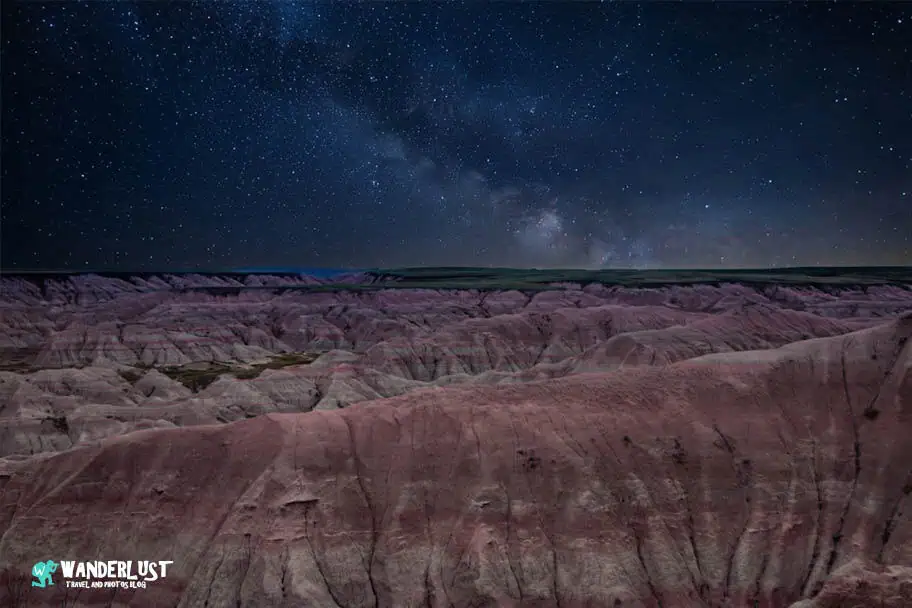
The park’s remote location makes it ideal for night sky viewing. With minimal light pollution, the Milky Way often stretches brightly across the sky, and constellations appear with remarkable clarity. On moonless nights, stargazing becomes a breathtaking experience, and summer visitors may even catch meteor showers. It’s a peaceful and awe‑inspiring way to end a day in the Badlands.
Badlands National Park Resources
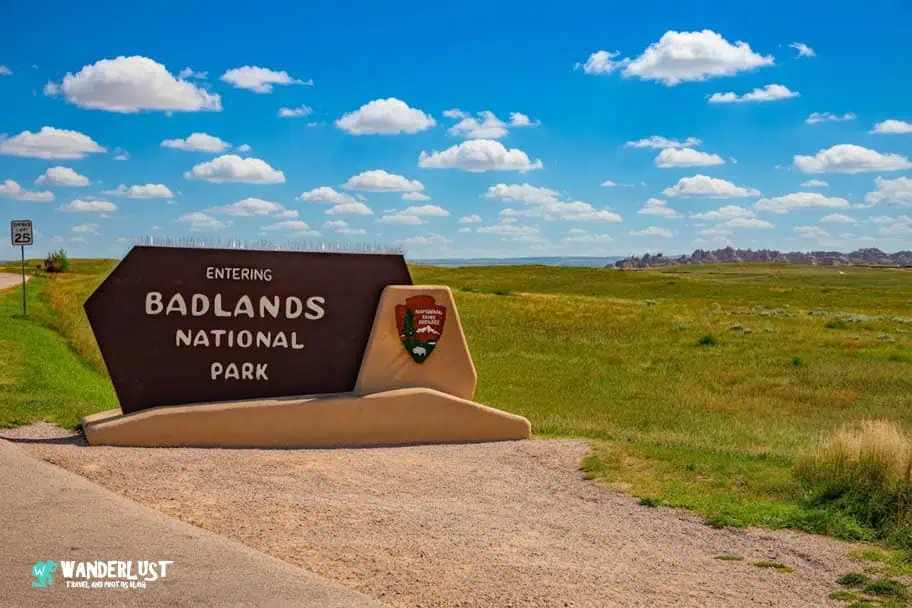
Park resources are a great way to deepen your understanding of the landscape, history, and logistics that shape a visit to Badlands National Park. These tools and references offer essential planning information—from maps and safety guidance to geology insights and Badlands travel tips—so you can explore the park with confidence. Below, I’ve included a curated list of excellent resources for Badlands National Park to help you prepare for your trip.
- Operating Hours and Seasons
- Fees and Passes
- Park Map
- Scenic Drives
- Hiking Trails
- Park Geology and Paleontology
- Prairie Ecology
- Park Wildlife
Park Map
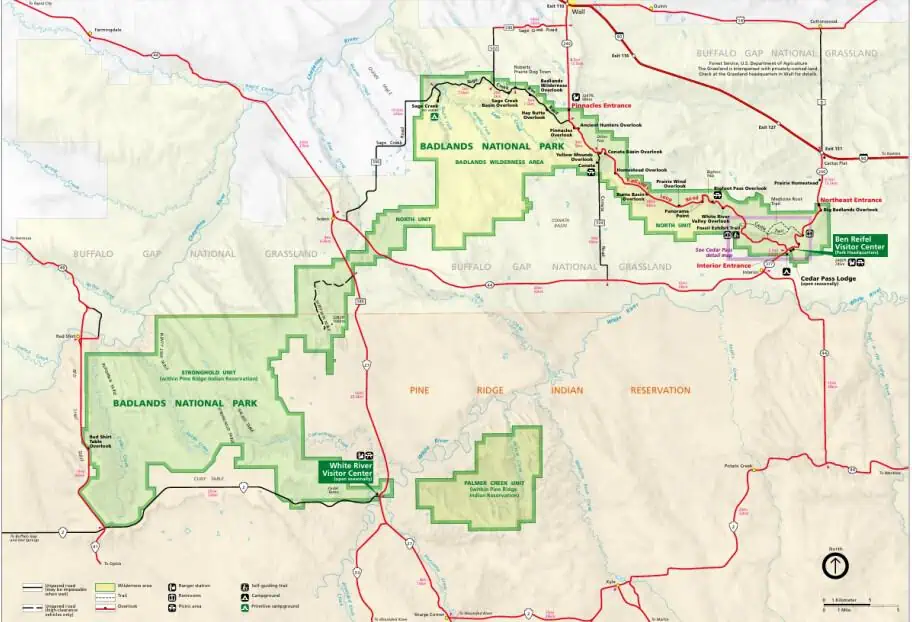
When to Visit Badlands National Park
The Badlands offer rewarding experiences throughout the year, and the best time to visit often depends on how weather patterns shape the landscape. Average temperatures, seasonal precipitation, and visitor trends all play a role in determining what each season feels like, and these Badlands travel tips can help you choose the timing that best matches your interests. Whether you’re hoping for comfortable hiking weather, dramatic photography conditions, or quieter trails, each season brings its own advantages.
Average Temperatures (°F)
Average temperatures in Badlands National Park vary widely throughout the year, creating very different experiences depending on when you visit. Spring and fall typically offer mild, comfortable conditions ideal for hiking and sightseeing, while summer brings hot daytime temperatures that can make midday exploration challenging—though mornings and evenings remain beautiful. Winter is cold and often windy, but it offers peaceful scenery and solitude for those prepared for the conditions.
Average Precipitation (Inches)
Precipitation levels also influence the best times to visit. Spring often brings increased rainfall, which enhances the park’s colors and can make the landscape feel more vibrant. Summer storms are usually brief but can be intense, occasionally affecting trail access. Fall tends to be drier and more stable, making it a popular season for travelers seeking predictable weather. Winter precipitation arrives mainly as snow, adding a quiet, frosted beauty to the formations.
Average Visitors
Visitor numbers fluctuate throughout the year, and these patterns can shape your experience. Summer draws the largest crowds, especially around popular overlooks and trailheads. Spring and fall see moderate visitation, offering a balance of pleasant weather and more relaxed exploration. Winter has the fewest visitors, creating a calm, uncrowded atmosphere that appeals to those who prefer solitude. Understanding these seasonal trends can help you plan a visit that aligns with your preferred pace and style.
Other Things to See in the Area

The Badlands sit at the center of a region filled with dramatic landscapes, historic monuments, and underground wonders, giving travelers plenty to explore beyond the park itself. This Badlands National Park guide highlights several nearby destinations that pair perfectly with a Badlands itinerary—each offering its own blend of scenery, wildlife, culture, or geology. Whether you’re interested in granite spires, world‑famous carvings, or vast cave systems, these nearby attractions add depth and variety to any trip.
Custer State Park

Custer State Park is one of the most scenic and wildlife‑rich state parks in the country, known for its granite spires, rolling hills, clear lakes, and the famous Wildlife Loop Road where bison roam freely. Visitors can hike around Sylvan Lake, drive the dramatic Needles Highway, or enjoy abundant wildlife viewing throughout the park. Custer State Park is located about 120 miles (roughly 2 hours) from Badlands National Park.
Mount Rushmore National Memorial
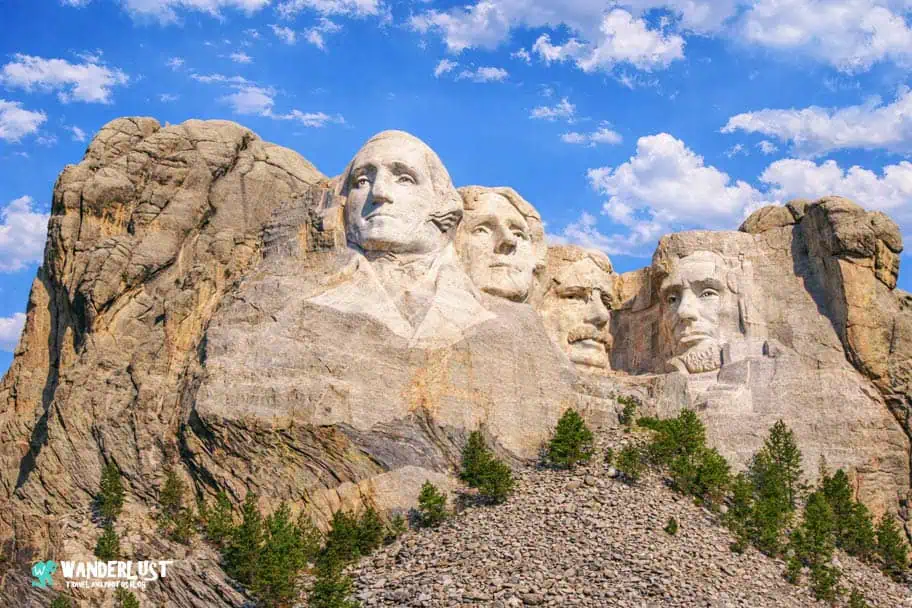
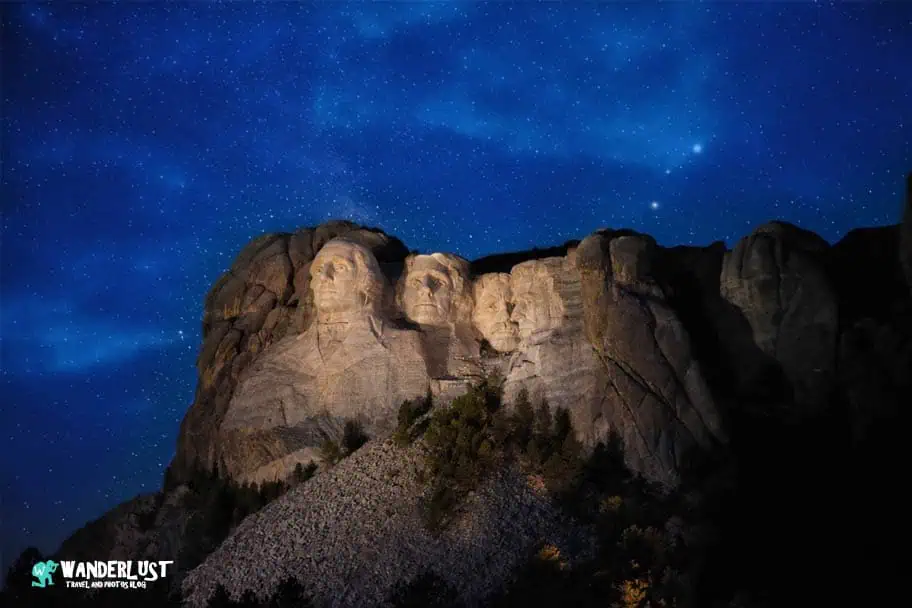
Mount Rushmore National Memorial features the iconic 60‑foot carvings of four U.S. presidents set high in the Black Hills. Visitors can walk the Presidential Trail for close‑up views, explore the Sculptor’s Studio, and learn about the monument’s creation. The memorial blends history, artistry, and mountain scenery. Mount Rushmore is approximately 100 miles (about 1 hour 45 minutes) from Badlands National Park.
Crazy Horse Monument
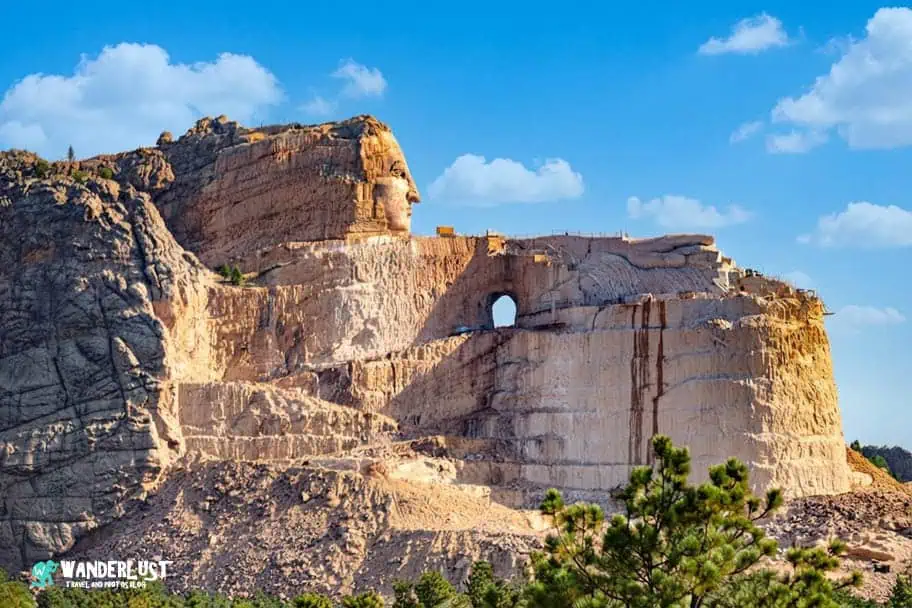
Crazy Horse Monument is an enormous mountain carving dedicated to the Lakota leader Crazy Horse and to Native American heritage. The site includes the carving in progress, a cultural center, museums, and educational exhibits. Visitors can view the sculpture from multiple vantage points and attend seasonal events. Crazy Horse Monument is about 110 miles (around 1 hour 50 minutes) from Badlands National Park.
Wind Cave National Park

Wind Cave National Park protects one of the world’s longest and most complex cave systems, famous for its rare boxwork formations. Above ground, the park’s mixed‑grass prairie is home to bison, elk, pronghorn, and prairie dogs. Visitors can take guided cave tours, hike quiet trails, and enjoy scenic drives through open landscapes. Wind Cave National Park is roughly 110 miles (about 2 hours) from Badlands National Park.
Jewel Cave National Monument
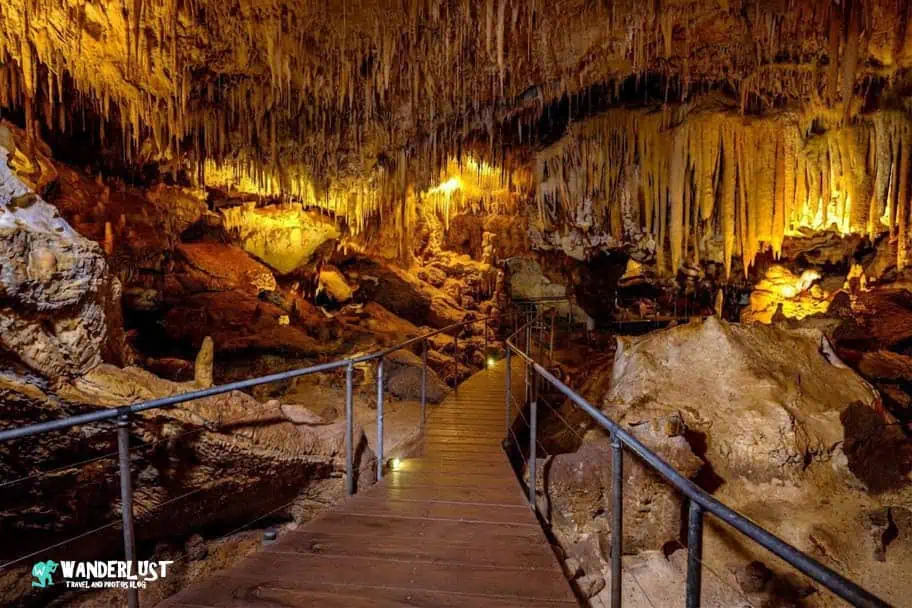
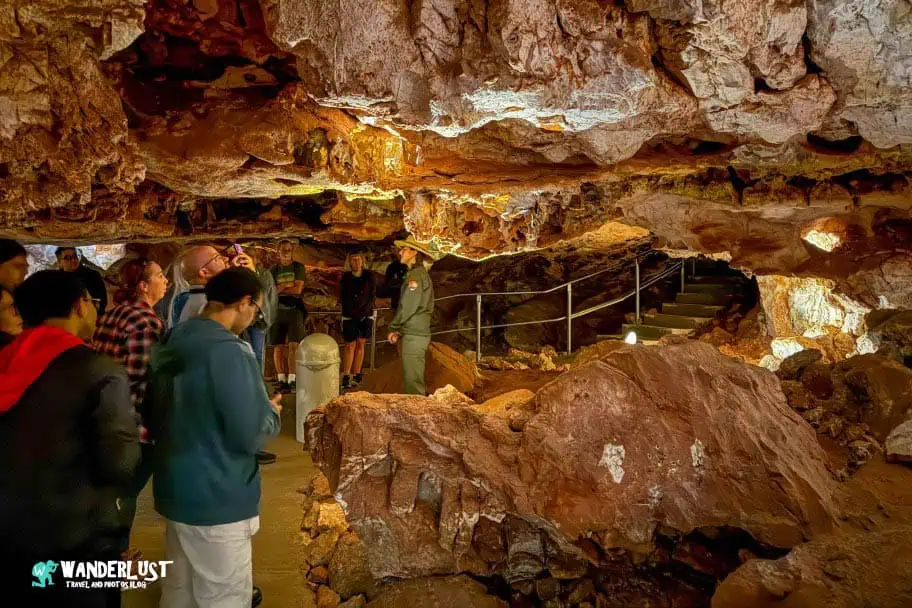
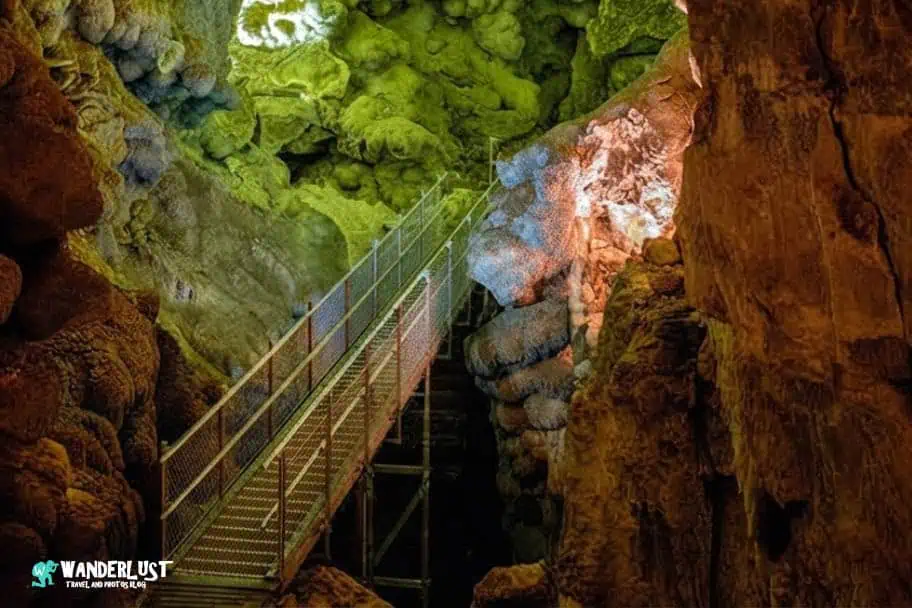
Jewel Cave National Monument contains the third‑longest cave in the world, filled with sparkling calcite crystals and intricate passages. Guided tours take visitors deep underground to see these formations up close, while surface trails offer peaceful walks through ponderosa pine forest. Jewel Cave National Monument is approximately 135 miles (about 2 hours 15 minutes) from Badlands National Park.
| READ MORE: |
 |
| Jewel Cave Visitor Guide: Planning Your Trip |
Devil’s Tower National Monument
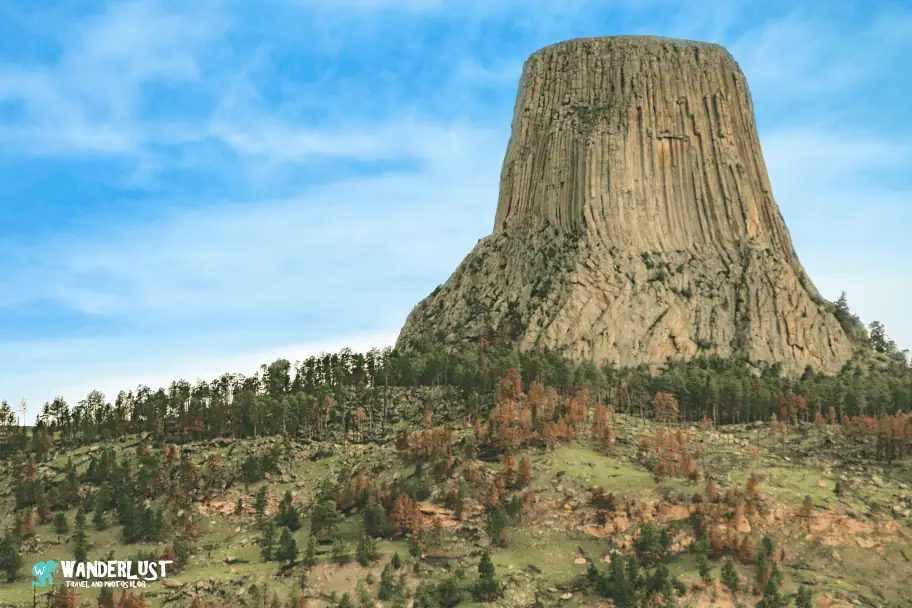
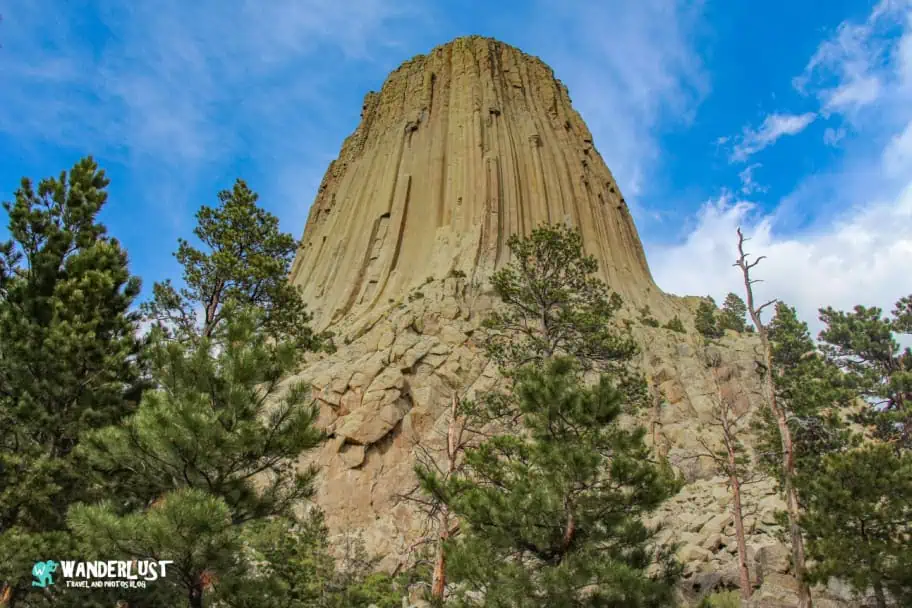
Devils Tower National Monument rises dramatically above the Wyoming prairie as a towering volcanic formation sacred to many Indigenous tribes. Visitors can walk the Tower Trail around its base, watch climbers scale its vertical columns, and enjoy panoramic views of the surrounding landscape. Devils Tower is about 150 miles (roughly 2.5 to 3 hours) from Badlands National Park.
Where to Stay Near Badlands National Park
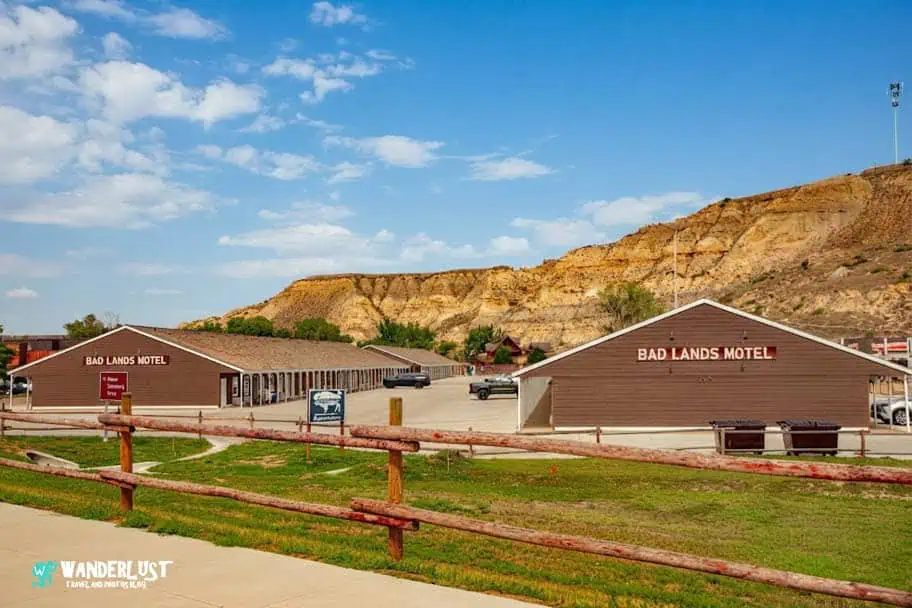
The Badlands region offers a wide range of places to stay, especially in the nearby towns of Wall, Interior, and Kadoka, where most of the area’s lodging options are concentrated. This Badlands National Park guide focuses on these key hubs because they provide the strongest mix of convenience, amenities, and quick access to the park’s main entrances. Wall has the largest cluster of hotels, Interior sits closest to the Ben Reifel Visitor Center, and Kadoka offers additional budget‑friendly choices along I‑90.
Campgrounds
If you prefer to stay close to nature, camping near Badlands National Park is an excellent option. The park and surrounding areas offer both developed and more rustic campgrounds, giving visitors the chance to enjoy sunrise over the formations, quiet prairie nights, and easy access to nearby trails. Below, I’ve included a map of recommended campgrounds to help you choose the best spot for your preferred camping style.
Hotels
For travelers who want traditional lodging, staying in a hotel is the most comfortable and convenient way to explore the park while still enjoying amenities like air‑conditioning, private bathrooms, and easy access to restaurants. Whether you’re looking for budget stays, mid‑range options, or more premium accommodations, the nearby towns offer a variety of choices at different price points. Below, I’ve included a list of recommended hotels across several pricing tiers to help you find the right fit for your trip.


Activities and Tours in the Park Area
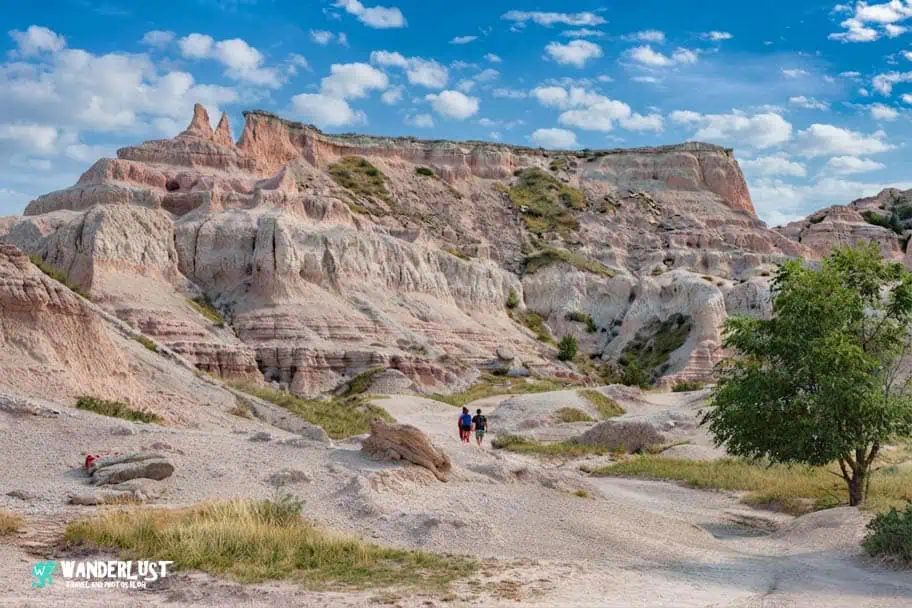
Badlands National Park offers a wide range of activities for visitors, from scenic drives and short hikes to wildlife viewing and photography. These experiences make it easy to explore the park at your own pace, whether you’re stopping at overlooks, walking boardwalk trails, or catching sunrise over the formations. These Badlands travel tips help highlight how flexible the park can be for different types of travelers.
Beyond hiking and scenic viewpoints, visitors can enjoy ranger programs, fossil exhibits, and exceptional night sky viewing thanks to the park’s dark, open skies. Wildlife is abundant throughout the grasslands, with bison, bighorn sheep, pronghorn, and prairie dogs commonly seen along roadsides and trails. Photographers and families alike find plenty to enjoy, especially during the golden hours when the landscape glows with color.
Badlands National Park Activity Resources
- Horseback Riding – Hurley Butte Horseback
- ATV Riding – Badlands UTV Rental
- Hiking Tours – Black Hills Adventure Tours
- Helicopter Tours – Badlands Helicopters
- Wildlife Tours – My XO Adventures
The surrounding region also offers additional activities for travelers who want to expand their adventure beyond the park. Horseback riding, ATV experiences on nearby private land, guided jeep tours, ranch excursions, and cave tours in the Black Hills all add variety to a Badlands itinerary. Below, I’ve included a list of recommended tours to help you choose the best options for your trip.
Recommended Badlands National Park Area Tours
Badlands National Park Photo Gallery
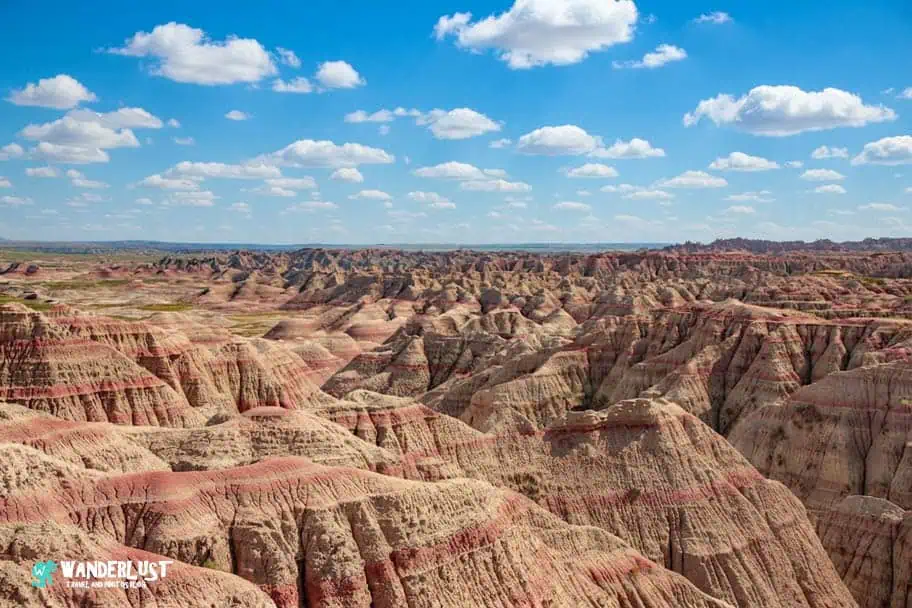
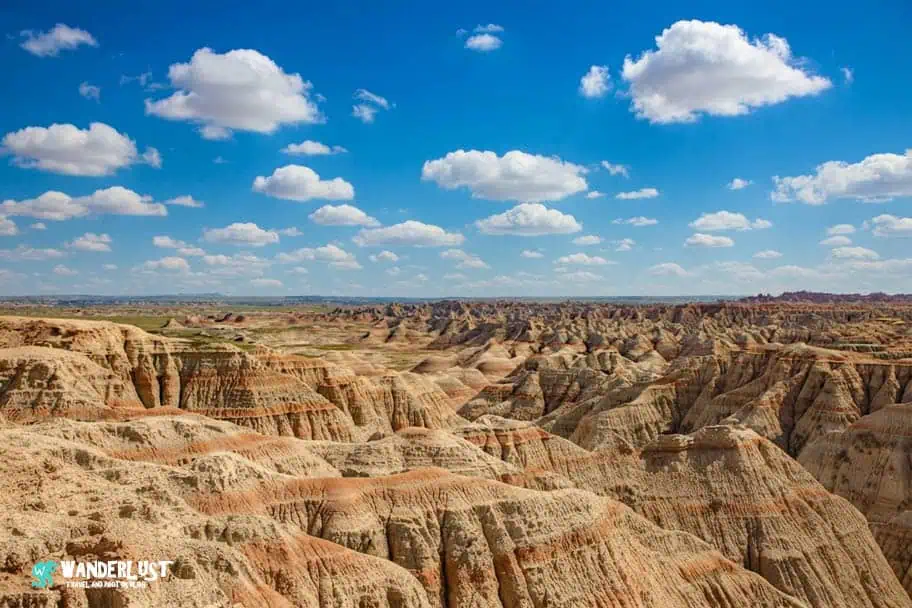
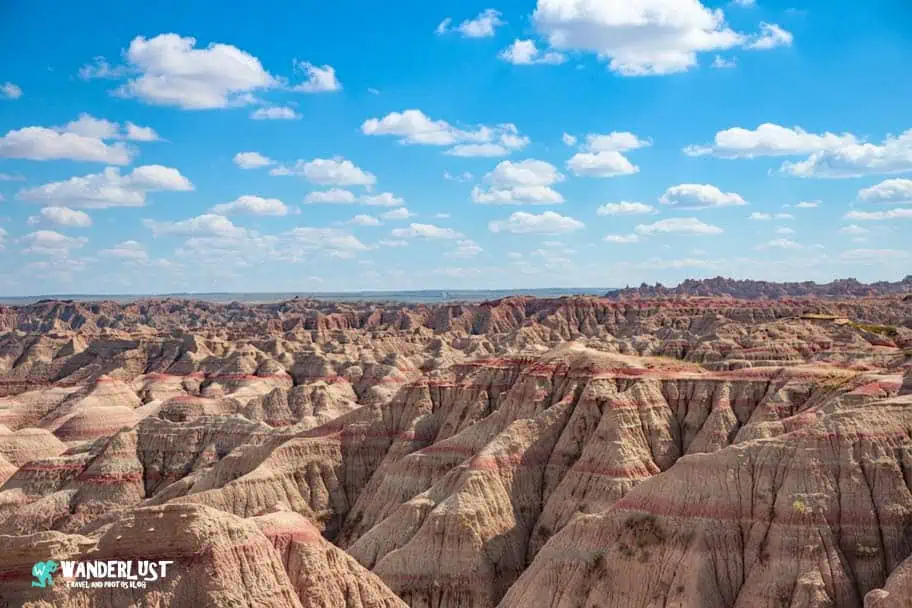
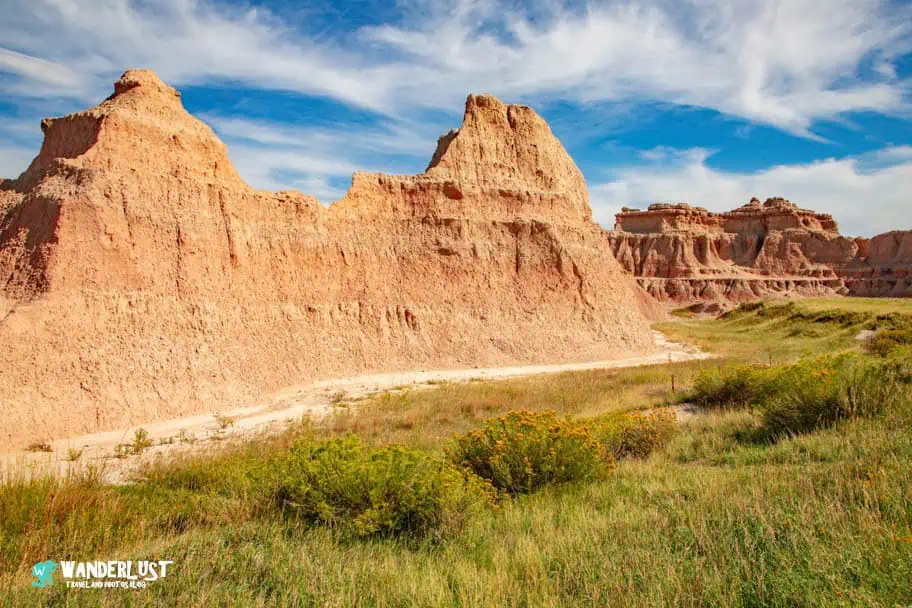
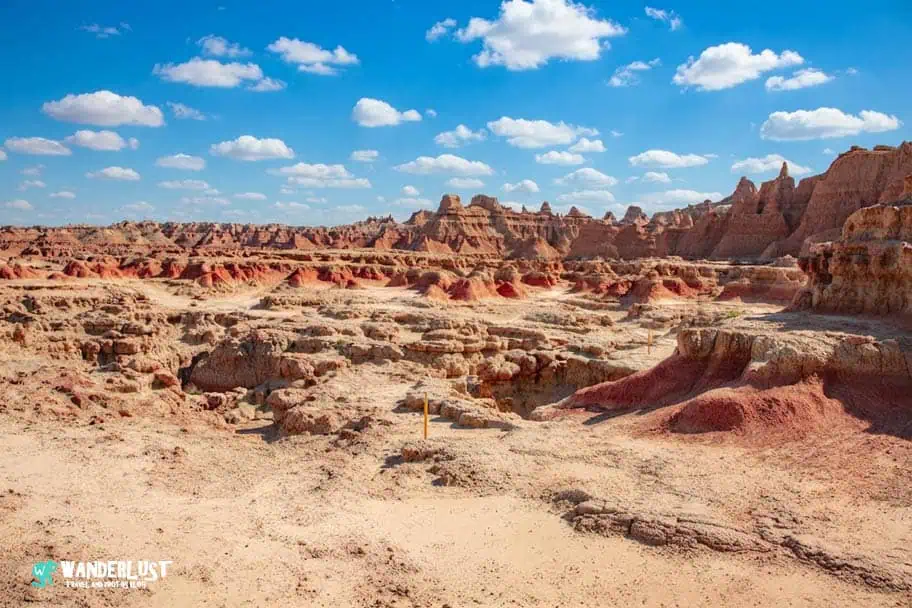
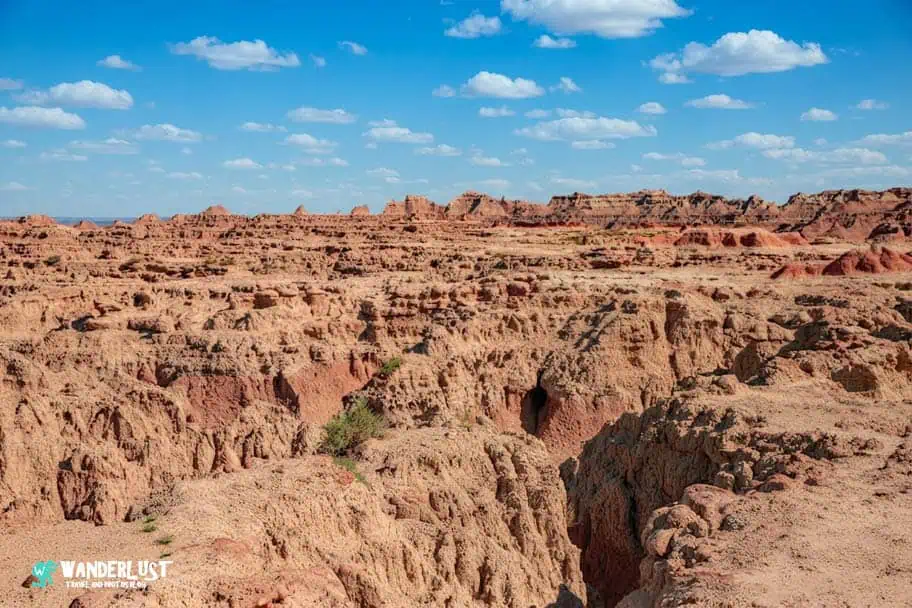
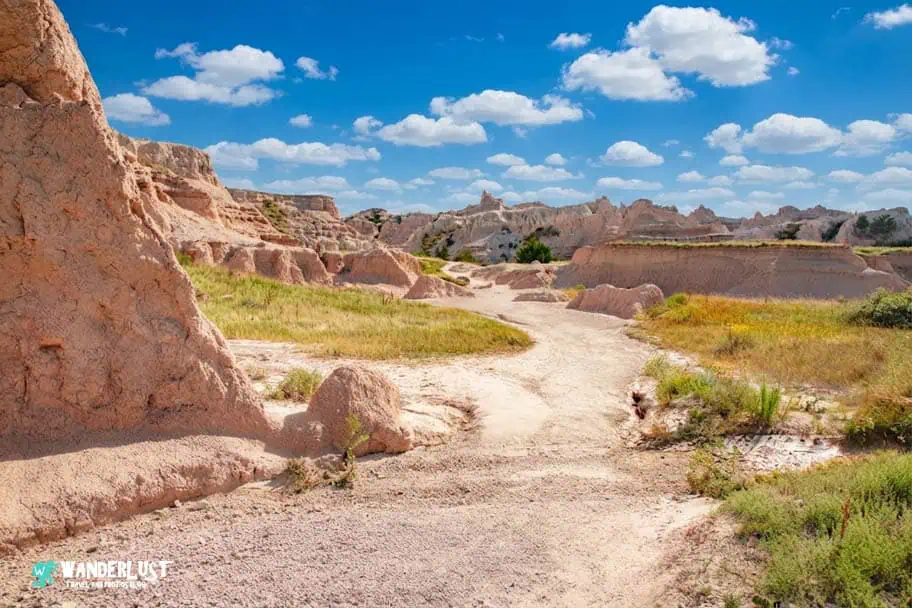
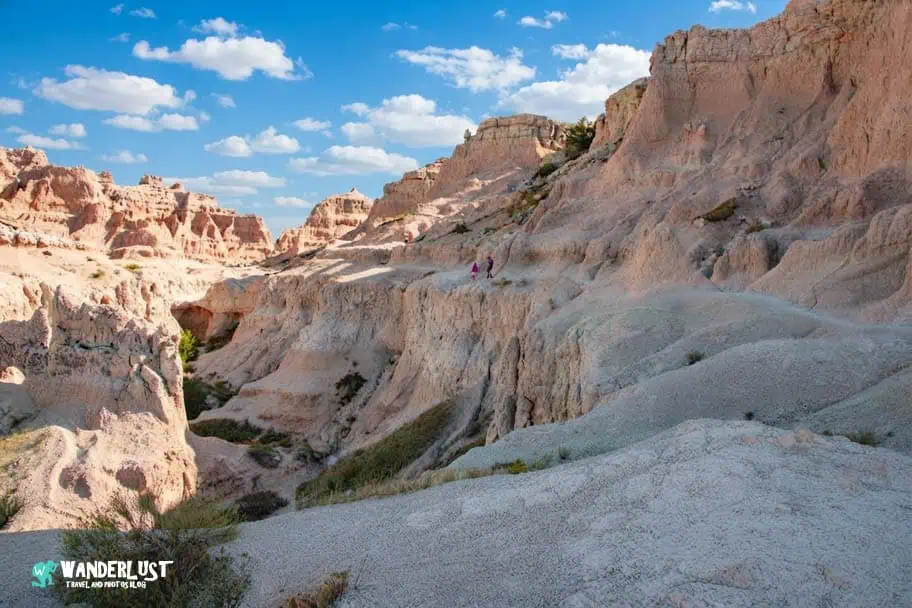
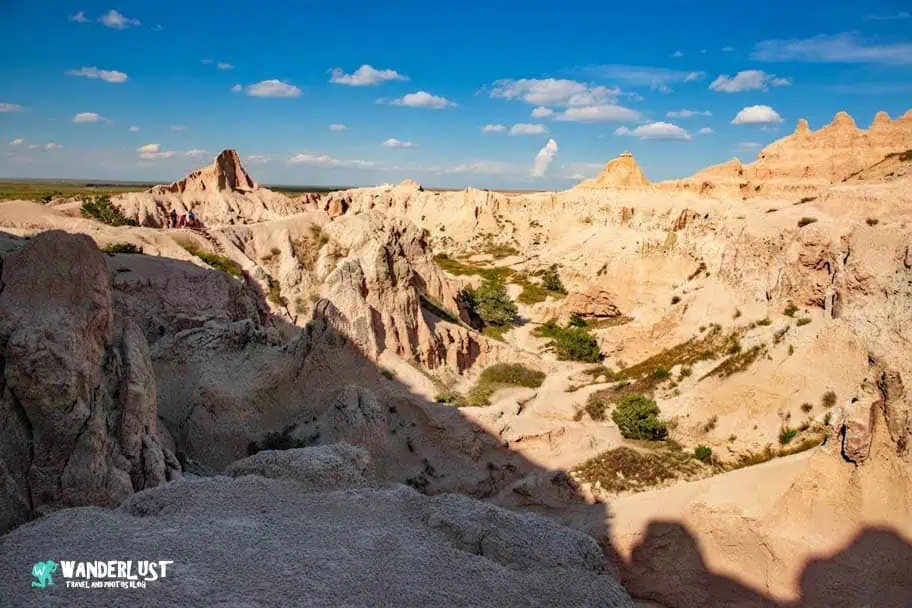
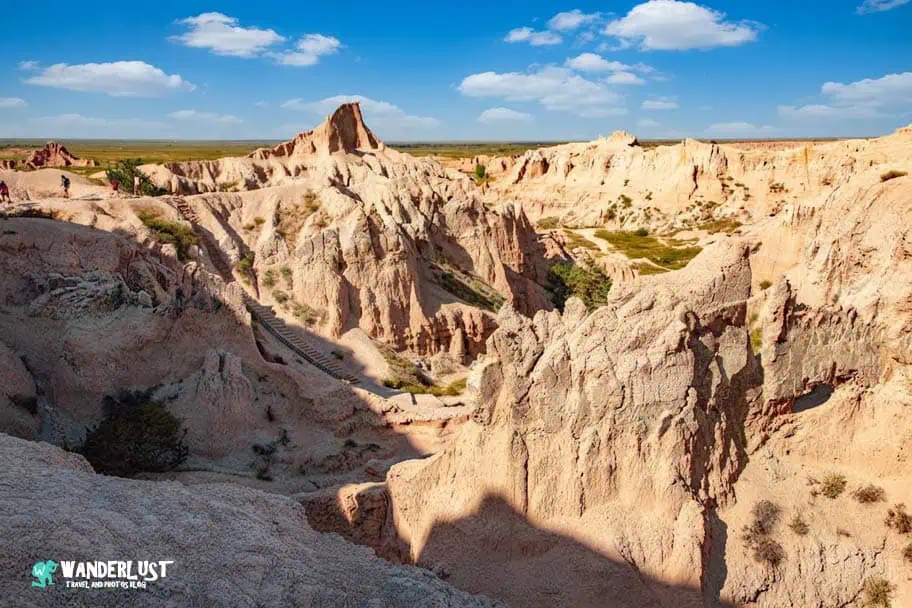
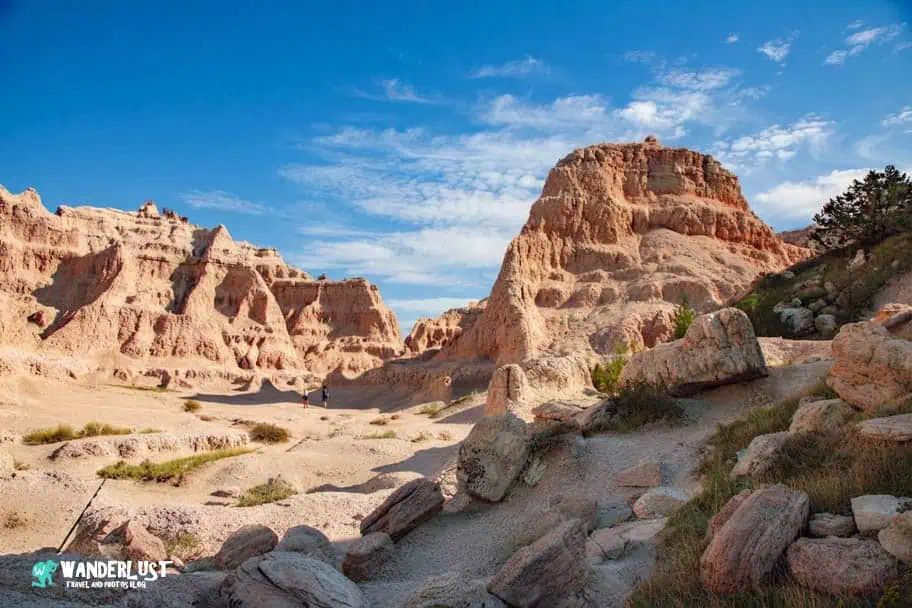
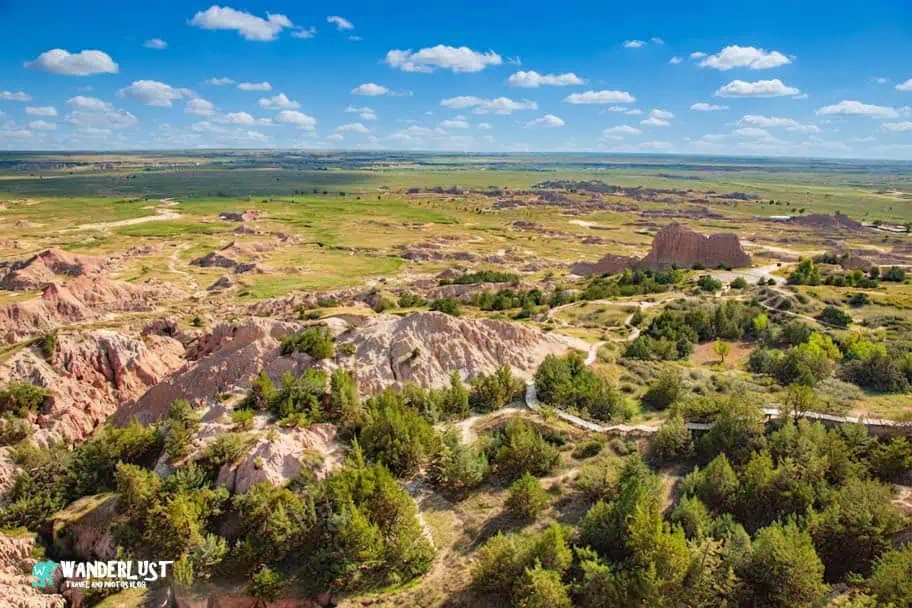
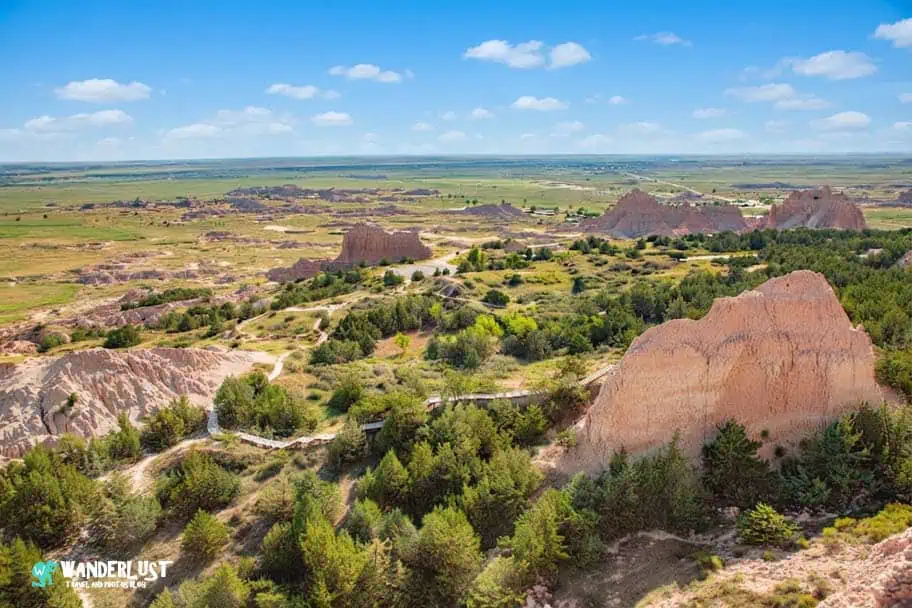
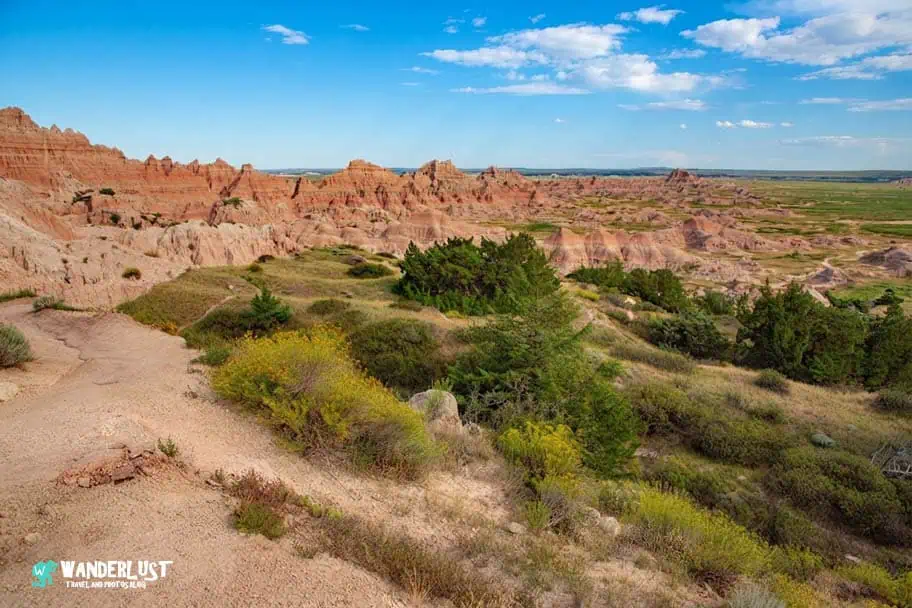
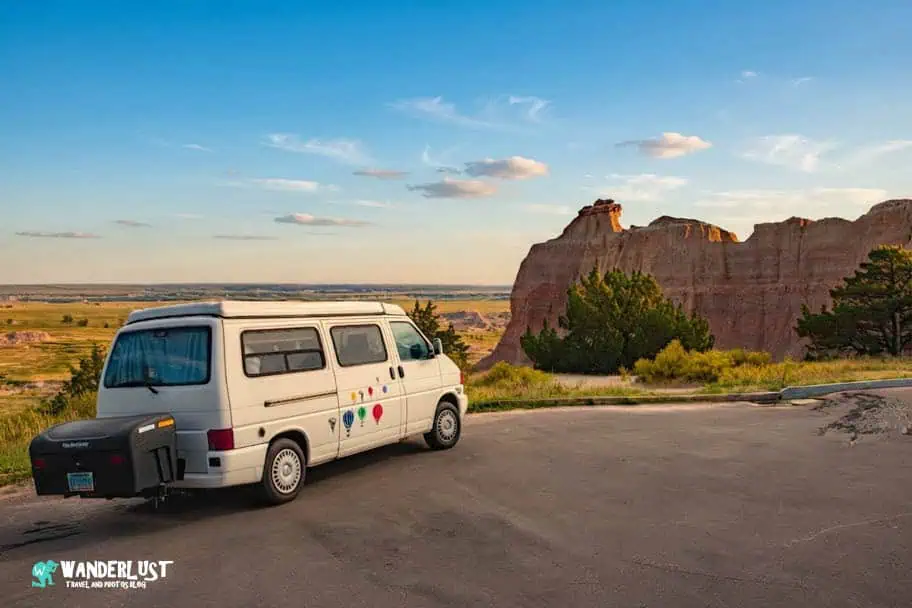
Badlands National Park is one of those places where every turn reveals something striking—jagged formations glowing at sunrise, wide‑open prairies stretching to the horizon, and wildlife moving across the landscape in ways that feel timeless. Its mix of color, texture, and scale makes it unlike anywhere else in the country, and exploring it through a camera lens brings out details you might otherwise miss. Below, you’ll find a curated photo gallery from my visit, capturing the park’s most dramatic overlooks, quiet moments, and the unique beauty that defines the Badlands.
If you’re interested in exploring more of my travel photography, I’d love for you to join me on Instagram! Creating this blog to share my free guides, itineraries, and travel photography tips takes a lot of effort, and a follow on Instagram would truly mean the world to me. Your support makes it all worthwhile!
FOLLOW ME!




Don’t Forget to Subscribe to My Adventures!

Let Me Help You Save On Your Next Adventure!
‘Start Exploring Today’ Merchandise Available Now!
 |
 |
 |
 |
 |
 |
 |
















Leave a Reply