This Wind Cave National Park post contains my Hotels.com, Expedia, Vrbo, And Viator affiliate links. I may receive a commission when you book a hotel Or tour from this article, though at no additional cost to you. I hand-pick And recommend only the hotels And tours that I have thoroughly researched And feel comfortable recommending.
Wind Cave National Park is one of the Black Hills’ most surprising destinations, where quiet prairie landscapes hide an enormous underground world shaped over millions of years. Known for its rare boxwork formations and roaming bison herds, the park blends geology, wildlife, and wide‑open scenery in a way that feels both peaceful and adventurous.
Beyond its famous cave system, the park offers miles of hiking trails through ponderosa forests and rolling grasslands, giving visitors a chance to spot elk, pronghorn, coyotes, and the park’s iconic bison. Ranger‑led cave tours bring you close to the intricate formations and narrow corridors that make Wind Cave one of the oldest and most unique caves in the world.
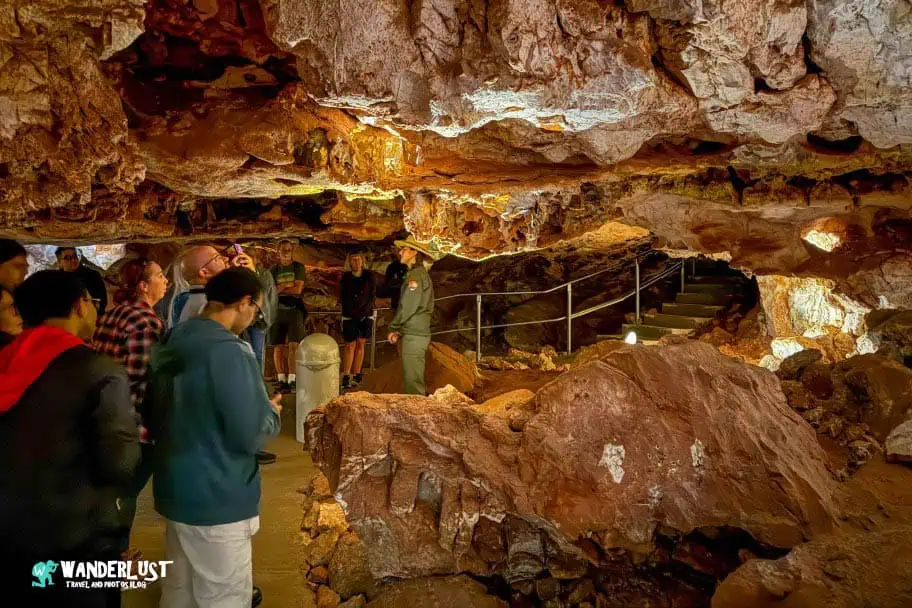
In this Wind Cave visitor guide, you’ll find everything you need to plan the perfect trip — including how to get to the park, the top things to see and do, the best times to visit, and where to stay nearby. Whether you’re building a full Black Hills itinerary or stopping in for a day of cave tours and prairie hikes, this guide will help you make the most of your time in one of South Dakota’s most underrated national parks.
Wind Cave National Park Guide Navigation Menu


How to Get to Wind Cave National Park
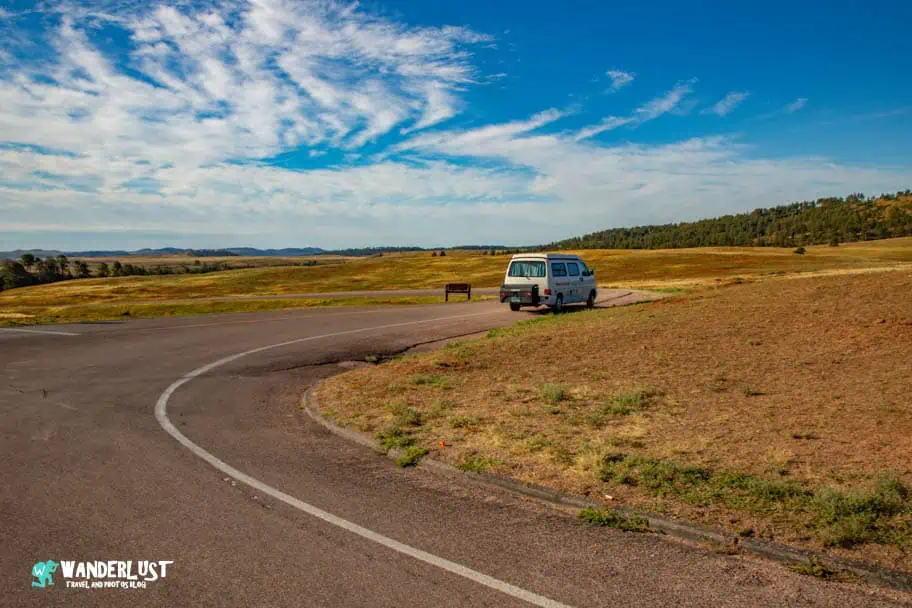
Wind Cave National Park sits in the southern Black Hills of South Dakota, just north of Hot Springs and a short drive from Custer and Rapid City. The area blends quiet prairie landscapes with forested hills, making it easy to pair your visit with nearby attractions like Custer State Park, Mount Rushmore, and Jewel Cave.
Getting to the park is straightforward whether you’re flying or driving. The closest airport is Rapid City Regional Airport, about an hour away, offering convenient connections through Denver, Minneapolis, Chicago, and Dallas. Travelers coming from farther away often use Denver International Airport, a major hub with extensive domestic and international routes, before making the scenic drive north into the Black Hills.
Below, I’ve included a table outlining driving distances from nearby cities and major airports, along with distances from surrounding parks and monuments near Wind Cave National Park to help you plan your trip efficiently.
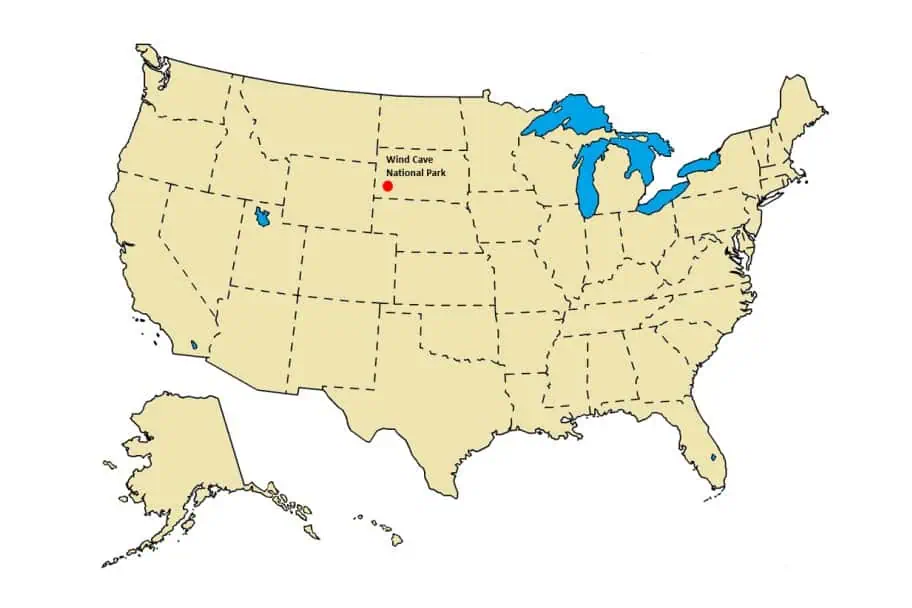
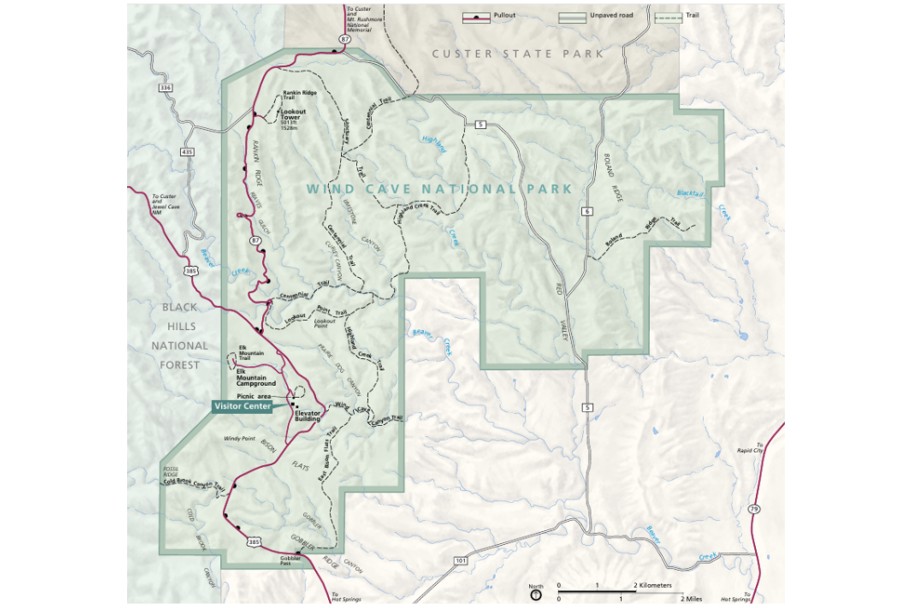
To understand where Wind Cave National Park is located relative to other large cities and attractions in the region, please refer to the map and driving chart included in this Wind Cave National Park guide below.
Driving Distance from Other Area Attractions
| City\Park | Distance | Drive Time | Notes |
|---|---|---|---|
| Custer State Park | 10 miles | 0hrs 15min | Wildlife loop, scenic drives, and iconic Sylvan Lake. |
| Jewel Cave National Monument | 20 miles | 0hrs 25min | One of the longest caves in the world; scenic tours. |
| Crazy Horse Memorial | 30 miles | 0hrs 40min | Massive mountain carving honoring Native heritage. |
| Mount Rushmore National Memorial | 35 miles | 0hrs 45min | Iconic presidential carvings in granite cliffs. |
| Rapid City, SD | 50 miles | 1hr | Closest airport (RAP). Regional hub with flights to Denver, Minneapolis, Chicago, Dallas. |
| Bear Butte State Park | 60 miles | 1hr | Sacred site with panoramic summit views. |
| Badlands National Park | 70 miles | 1hr 20min | Dramatic eroded formations and rich fossil beds. |
| Spearfish Canyon | 70 miles | 1hr 20min | Waterfalls, limestone cliffs, and scenic drives. |
| Devils Tower National Monument | 110 miles | 2hrs | Towering volcanic monolith sacred to Plains tribes. |
| Agate Fossil Beds National Monument | 110 miles | 2hrs | Miocene-era fossils and unique geology. |
| Theodore Roosevelt National Park | 260 miles | 4hrs | North Dakota Badlands with bison, elk, and scenic overlooks. |
| Denver, CO | 350 miles | 5hrs 30min | DEN is a major international airport with extensive domestic and global routes. |
| Minneapolis, MN | 500 miles | 8hrs | MSP is a large Midwest international hub with frequent flights nationwide. |
Top Things to See and Do in Wind Cave National Park

From fascinating cave tours to scenic hiking trails and abundant wildlife, Wind Cave National Park offers a wide range of experiences both above and below ground. Visitors can explore rare cave formations, hike through rolling prairie and forest landscapes, spot bison and elk, and enjoy some of the best stargazing in the Black Hills. Whether you’re interested in nature, history, or outdoor adventure, there’s plenty to discover throughout the park.
Historical Natural Entrance
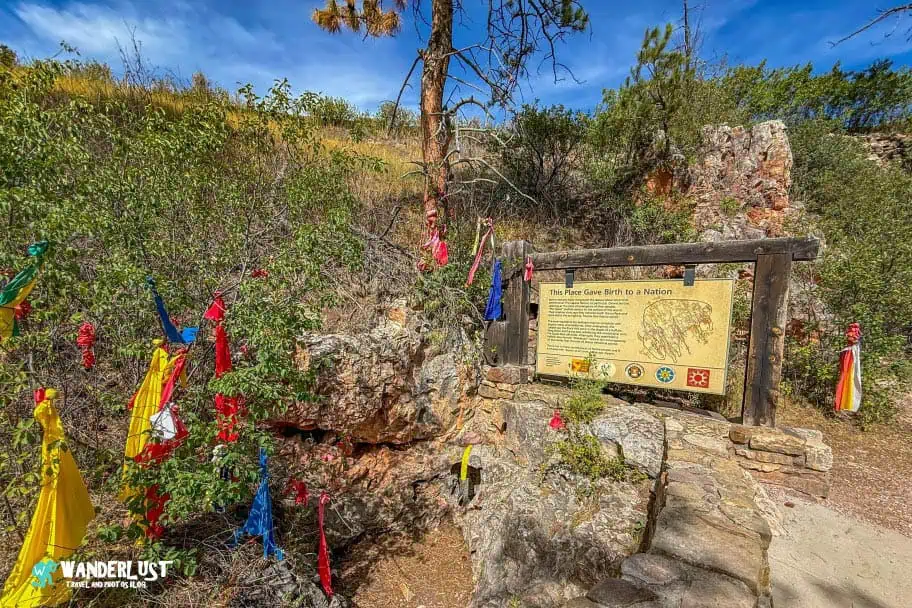
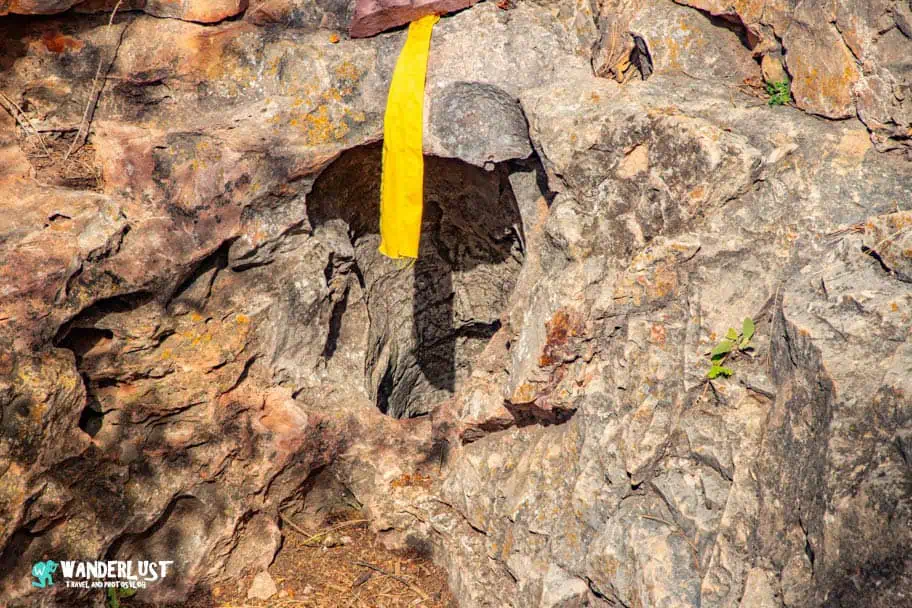
The Historical Natural Entrance is where the story of Wind Cave began. Long before the park was established, visitors were drawn to this opening in the hillside, where air rushing in and out of the cave created the phenomenon that gave Wind Cave its name. Today, interpretive signs help explain the entrance’s significance and the cave’s cultural and historical importance.
Standing near the entrance offers a glimpse into the cave’s discovery and early tourism history. It is also an excellent place to appreciate how the park balances preservation with public access to one of America’s most unique underground environments.
The Garden of Eden Tour
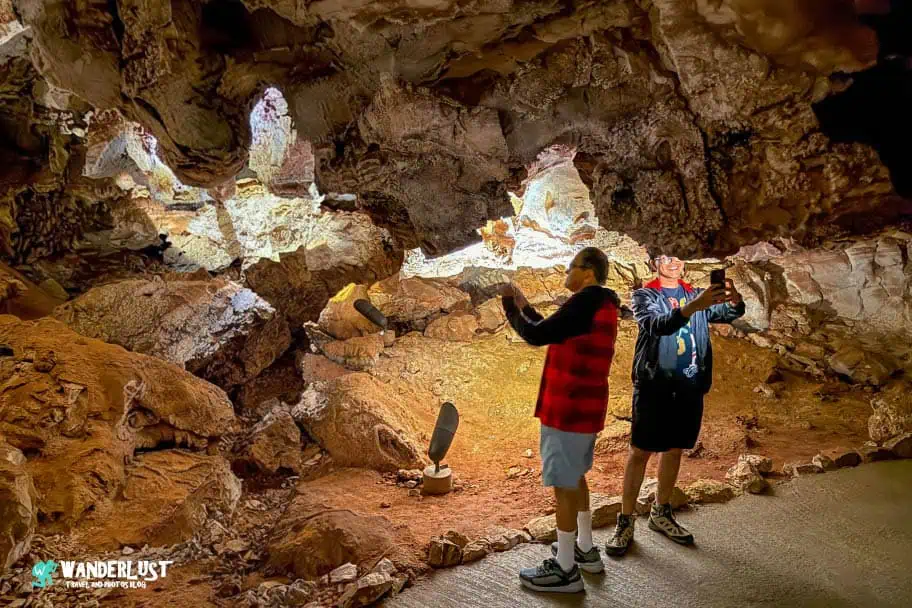
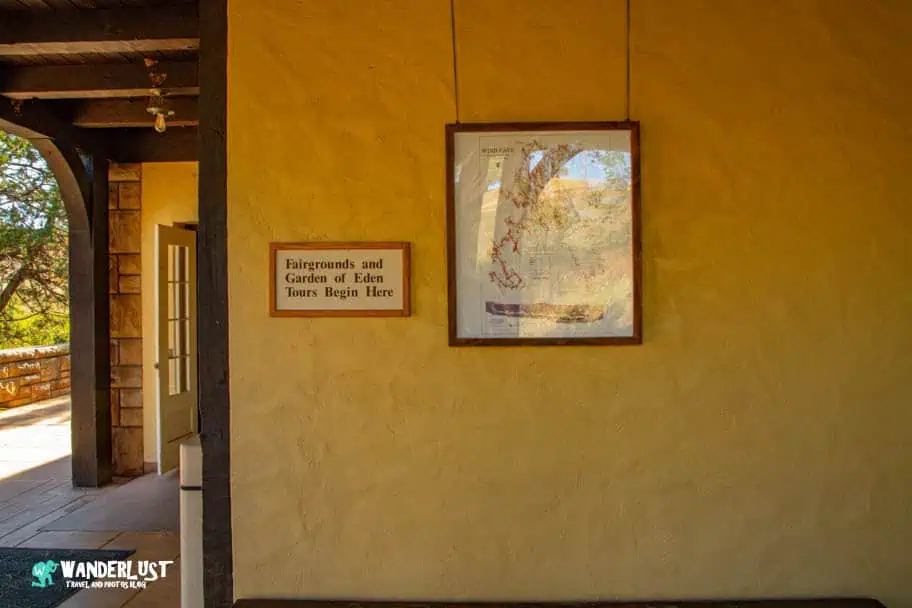
The Garden of Eden Tour is one of the shortest and most accessible cave tours offered in the park, making it ideal for first-time visitors and families. Despite its brief duration, the tour showcases impressive cave features and provides an excellent introduction to Wind Cave’s geology.
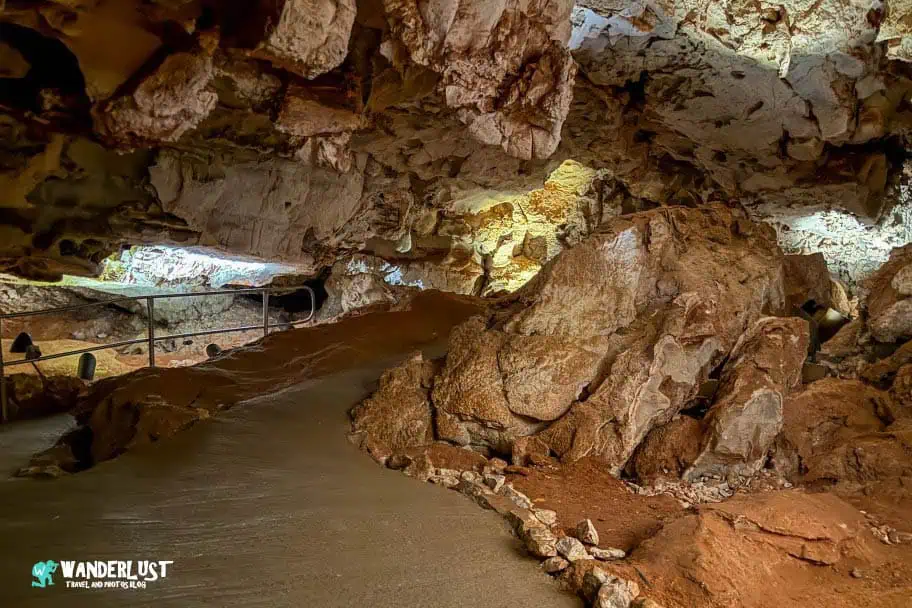
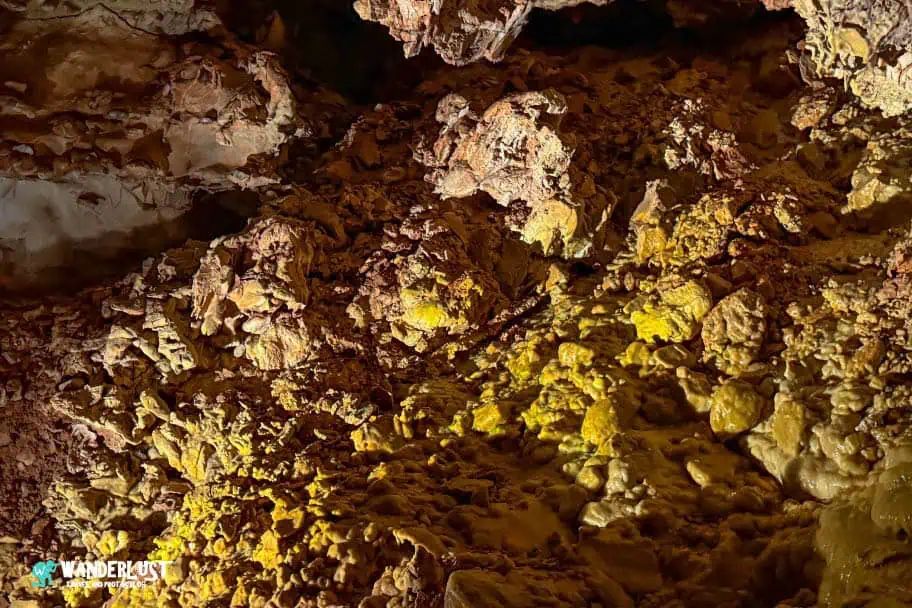
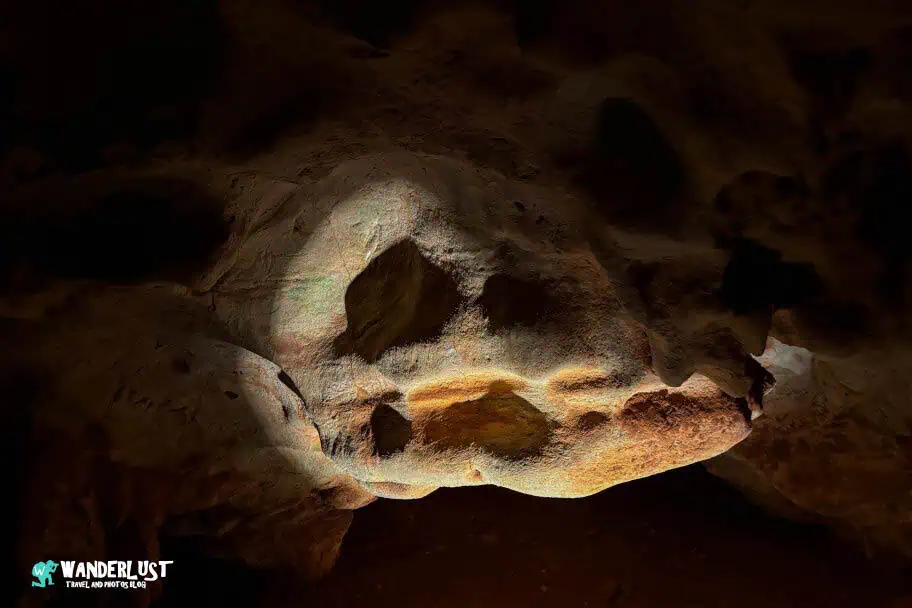
Along the route, visitors can see intricate boxwork formations, honeycomb-like structures that are exceptionally rare worldwide but abundant within Wind Cave. Park rangers also share fascinating insights into how the cave formed and why it remains scientifically significant.
The Fairgrounds Tour
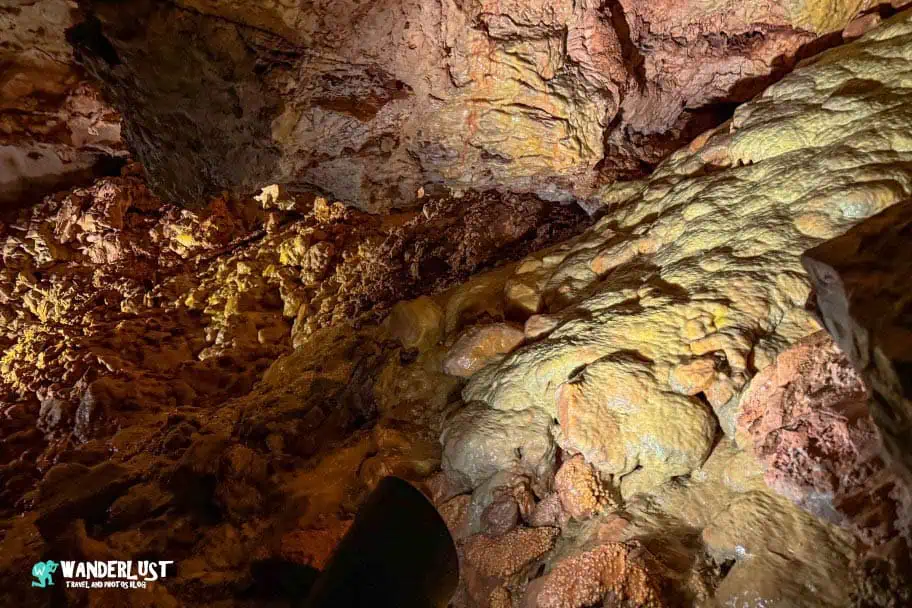
The Fairgrounds Tour takes visitors deeper into the cave system and reveals a wider variety of underground landscapes. The tour passes through large rooms, winding passages, and areas featuring some of the cave’s most striking geological formations.
This tour provides a greater sense of the cave’s immense size and complexity. Visitors often come away with a deeper appreciation for the hidden world beneath the Black Hills and the ongoing efforts to map and study the cave’s extensive passageways.
Wind Cave Canyon Trail
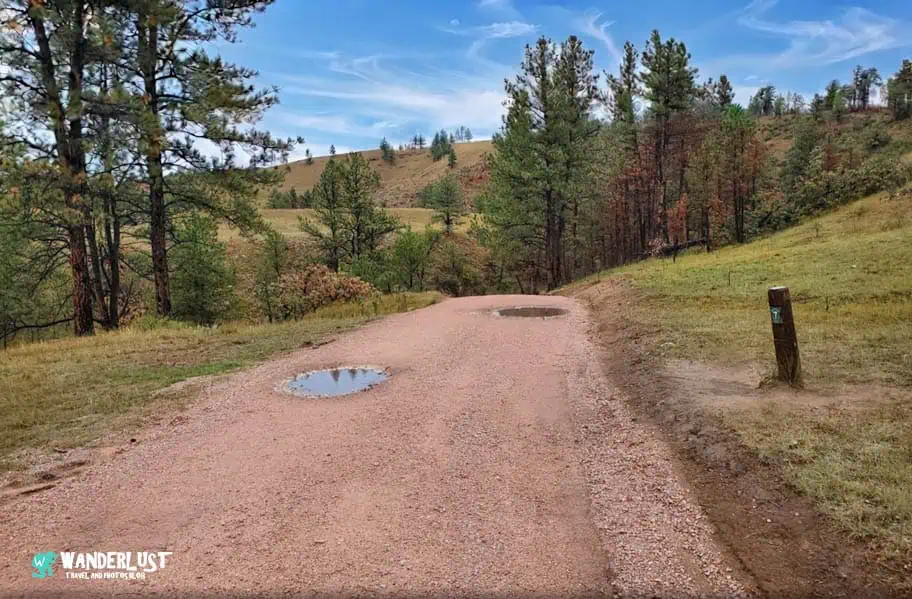
The Wind Cave Canyon Trail is one of the park’s most rewarding short hikes. This scenic route follows a creek corridor through a canyon environment that contrasts beautifully with the surrounding prairie landscape.
Along the trail, hikers may encounter wildlife, towering ponderosa pines, rocky outcrops, and colorful wildflowers. The varied terrain and excellent viewing opportunities make it a favorite for photographers and nature enthusiasts alike.
| Trail Stats | |
|---|---|
| Trail Type: | Out-and-Back |
| Distance: | 3.6 miles/5.8 kilometers |
| Elevation Gain: | 209 feet/64 meters |
| Time to Complete: | 1 to 1.5 hours |
| Difficulty Level: | Easy |
| Trail Map |
|---|
Rankin Ridge Trail

Rankin Ridge rewards visitors with one of the highest viewpoints in the park. A relatively short trail leads to an observation tower where panoramic views stretch across the rolling prairies, forested hills, and surrounding Black Hills region.
On clear days, the expansive vistas provide an outstanding perspective of the park’s diverse ecosystems. Sunrise and sunset are especially memorable times to visit, as warm light blankets the landscape.
| Trail Stats | |
|---|---|
| Trail Type: | Loop |
| Distance: | 1 miles/1.6 kilometers |
| Elevation Gain: | 239 feet/73 meters |
| Time to Complete: | 0.5 to 1 hours |
| Difficulty Level: | Easy |
| Trail Map |
|---|
Wildlife Viewing

Wildlife viewing is one of the park’s most popular activities. Wind Cave National Park protects a thriving ecosystem where visitors regularly encounter bison, pronghorn, deer, coyotes, and numerous bird species.
Driving the park roads or hiking its trails offers excellent opportunities to observe animals behaving naturally in their native habitat. Bringing binoculars and maintaining a safe distance can greatly enhance the experience.
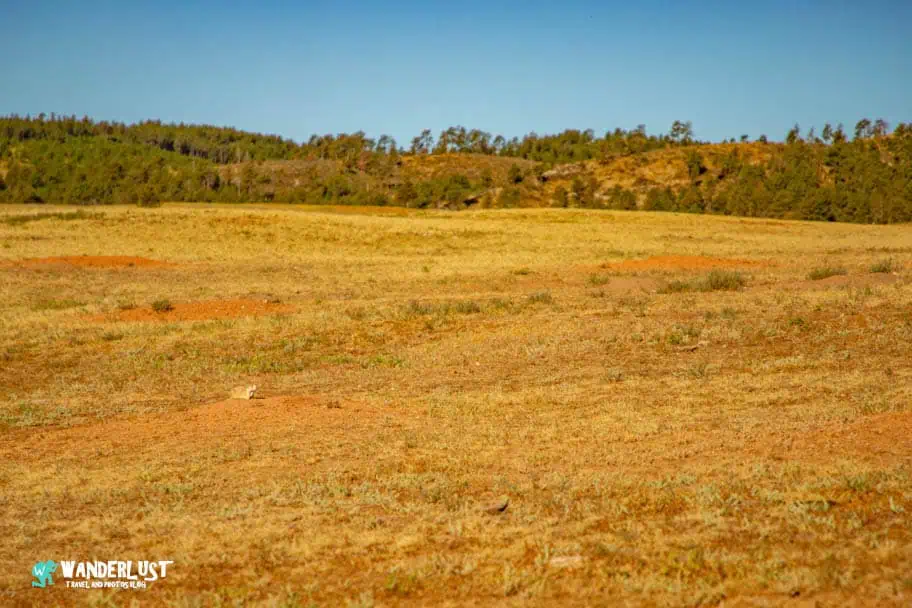
Prairie Dog Towns
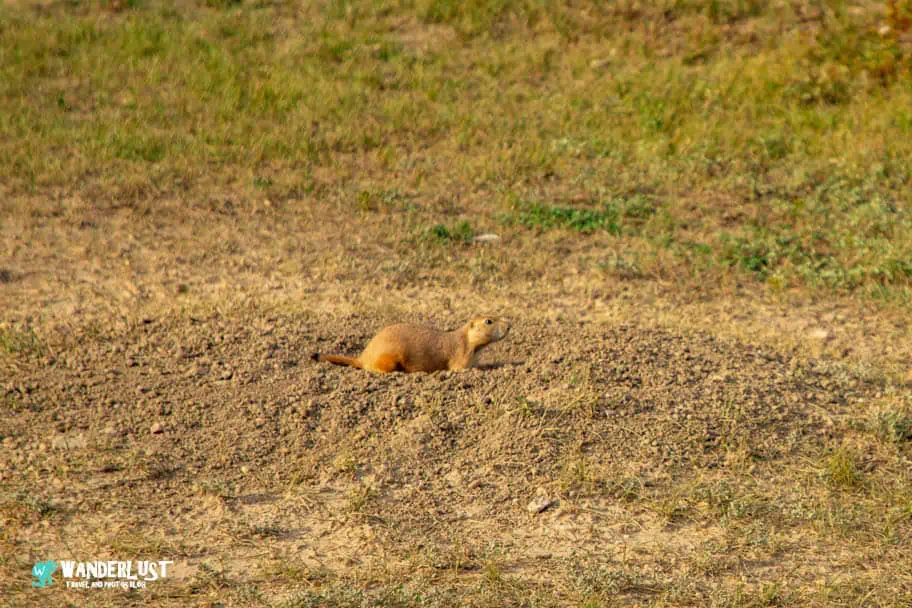
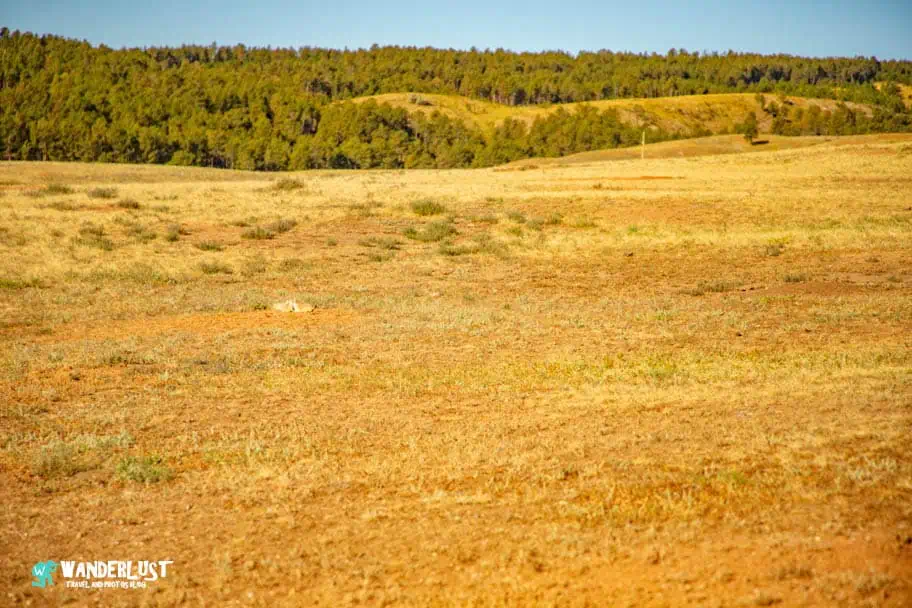
The park’s prairie dog towns are lively and entertaining places to observe one of the prairie’s most iconic residents. These social animals communicate through distinctive calls, stand watch near burrow entrances, and interact constantly with neighboring colonies.
Watching prairie dogs provides insight into the rich ecological relationships that define grassland ecosystems. Their colonies also support other wildlife species that depend on prairie habitats for survival.
Hiking the Centennial Trail

The Centennial Trail passes through portions of Wind Cave National Park and offers some of the area’s most scenic backcountry hiking opportunities. The trail traverses prairie landscapes, pine forests, ridges, and valleys while showcasing the region’s natural diversity.
Whether tackling a short section or planning a longer adventure, hikers can enjoy peaceful surroundings and frequent opportunities to encounter wildlife. The trail is particularly appealing for those seeking a more immersive outdoor experience.
| Trail Stats | |
|---|---|
| Trail Type: | Loop |
| Distance: | 4.8 miles/7.7 kilometers |
| Elevation Gain: | 501 feet/153 meters |
| Time to Complete: | 2 to 2.5 hours |
| Difficulty Level: | Moderate |
| Trail Map |
|---|
Elk Mountain Campground Nature Walk
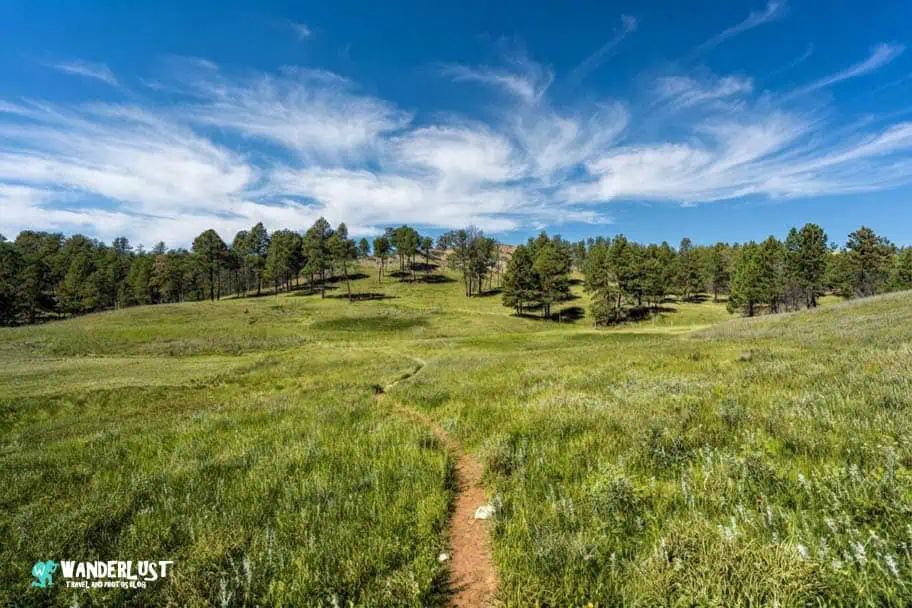
The nature walk near Elk Mountain Campground provides a relaxing way to learn about the park’s flora, fauna, and ecological history. This easy walk is suitable for a wide range of visitors and offers interpretive information about the surrounding environment.
The area around the campground often provides excellent opportunities to spot birds and other wildlife. It is a great activity for families and anyone looking for a leisurely introduction to the park’s natural resources.
| Trail Stats | |
|---|---|
| Trail Type: | Point-to-Point |
| Distance: | 0.7 miles/1.1 kilometers |
| Elevation Gain: | 91 feet/28 meters |
| Time to Complete: | 0.5 to 1 hours |
| Difficulty Level: | Easy |
| Trail Map |
|---|
Night Sky Viewing
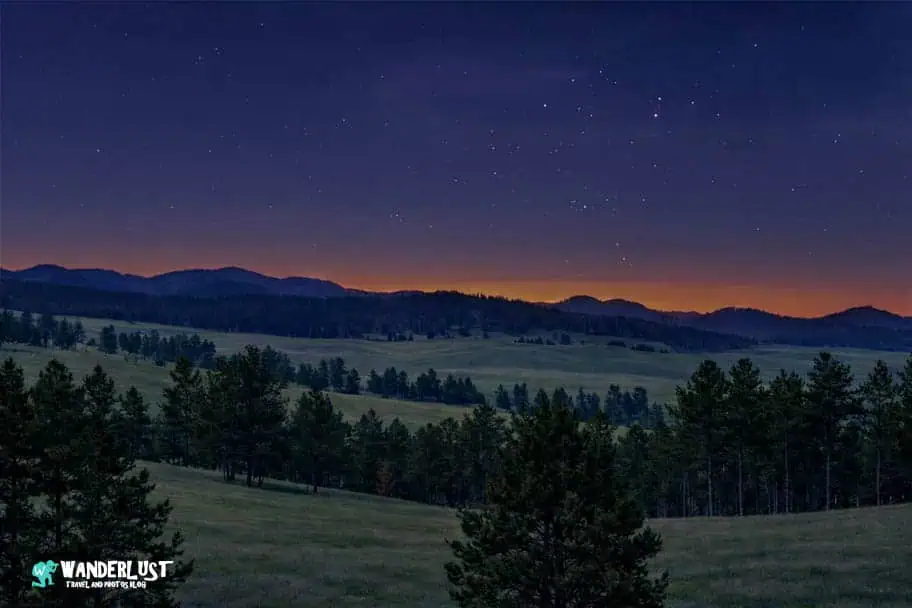
As darkness settles over the park, Wind Cave National Park becomes an exceptional destination for night sky viewing. Limited light pollution allows stars, constellations, and the Milky Way to shine with remarkable clarity.
Visitors can enjoy stargazing from campgrounds, overlooks, and open prairie areas throughout the park. On moonless nights, the sky becomes a spectacular display that highlights the beauty and solitude of the Black Hills landscape.
Wind Cave National Park Resources
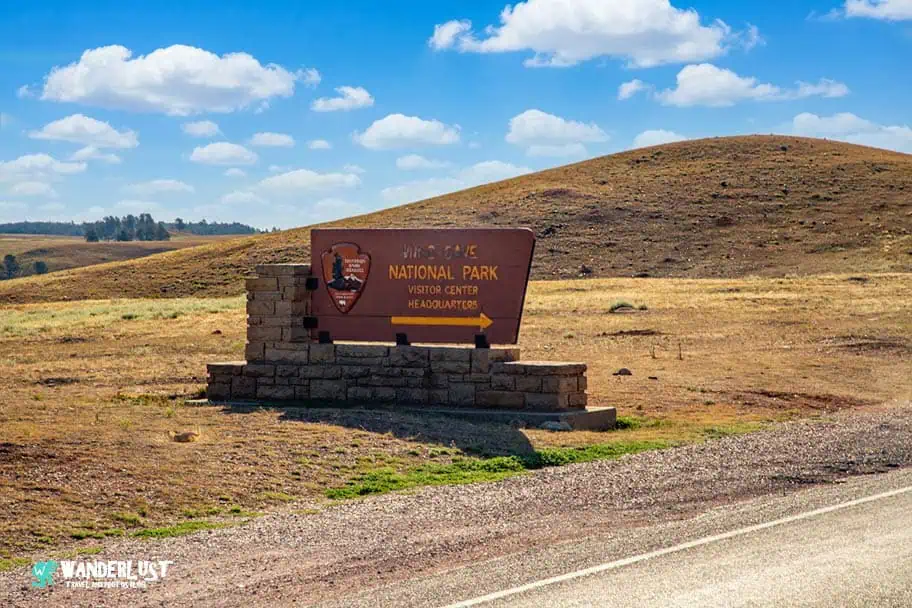
Before you start planning your adventure, it’s helpful to explore a few key resources that can make your visit even more enjoyable. These resources provide additional information important for planning a trip to visit Wind Cave National Park, including details about cave tours, hiking trails, camping, wildlife viewing, and seasonal conditions. To help you get started, I’ve included a great resource list below, along with useful links and information to complement this Wind Cave visitor guide.
- Operating Hours and Seasons
- Fees and Passes
- Permits and Reservations
- Park Maps
- Camping in the Park
- Cave Tours
- Hiking Trails
- History of Native Tribes of the Area
- Early Cave Explorers
- Historic Places in the Park
- Collected Park Stories
- Geology of the Park
- Animals Found in the Park
Park Map
When to Visit Wind Cave National Park
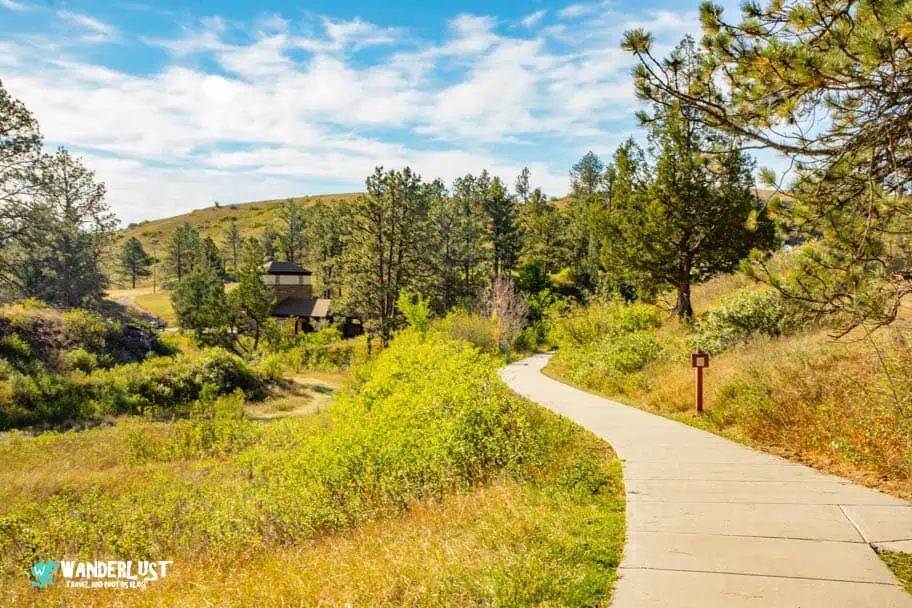
The best time to visit Wind Cave National Park depends on your preferences for weather, scenery, and crowd levels. Many visitors find spring and fall to be especially enjoyable thanks to mild temperatures and comfortable outdoor conditions. As you’ll learn throughout this Wind Cave visitor guide, every season offers its own unique advantages.
Average Temperatures (°F)
Temperatures vary considerably throughout the year. Summers are generally warm and ideal for hiking, wildlife viewing, and cave tours, while winters can be cold with occasional snow. Spring and fall typically provide moderate temperatures that make exploring the park especially pleasant.
Average Precipitation (Inches)
Precipitation levels tend to be highest during late spring and early summer, helping create greener landscapes and colorful wildflower displays. Fall is usually drier, making it a great time for hiking and sightseeing. Winter snowfall can add scenic beauty but may occasionally impact travel plans.
Average Visitors
Visitor numbers peak during the summer months when families are traveling, and park services are fully available. Spring and fall generally see fewer crowds, allowing for a more relaxed experience at trails, viewpoints, and cave tours. Winter is the quietest season and can be a great option for visitors seeking solitude.
Other Things to See in the Area
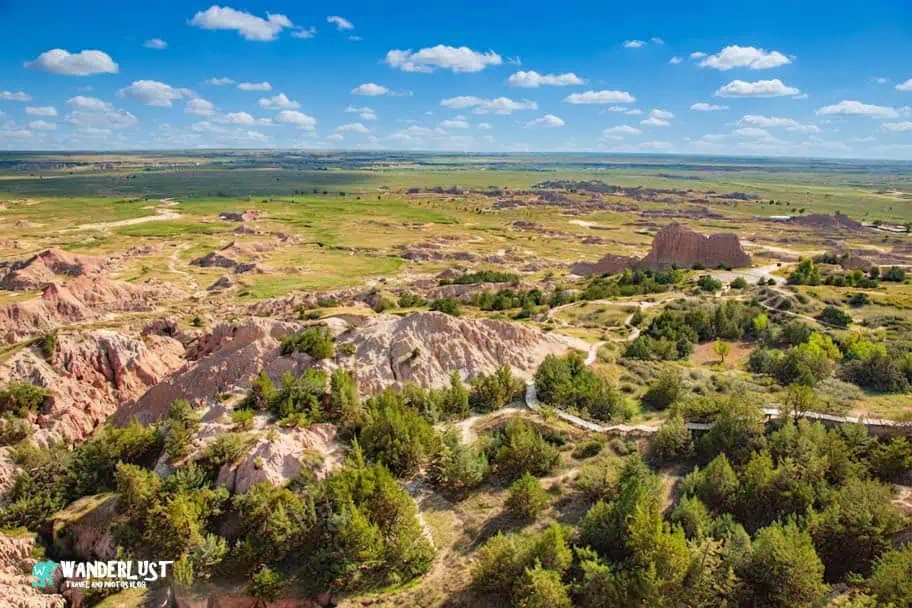
While Wind Cave National Park offers plenty of incredible experiences, it is also surrounded by some of the Black Hills region’s most popular attractions. From scenic state parks and underground cave systems to dramatic national parks and iconic monuments, visitors will find plenty of opportunities for additional sightseeing and outdoor recreation nearby. These destinations make excellent additions to a Wind Cave itinerary and can easily be explored as day trips during your visit.
Custer State Park

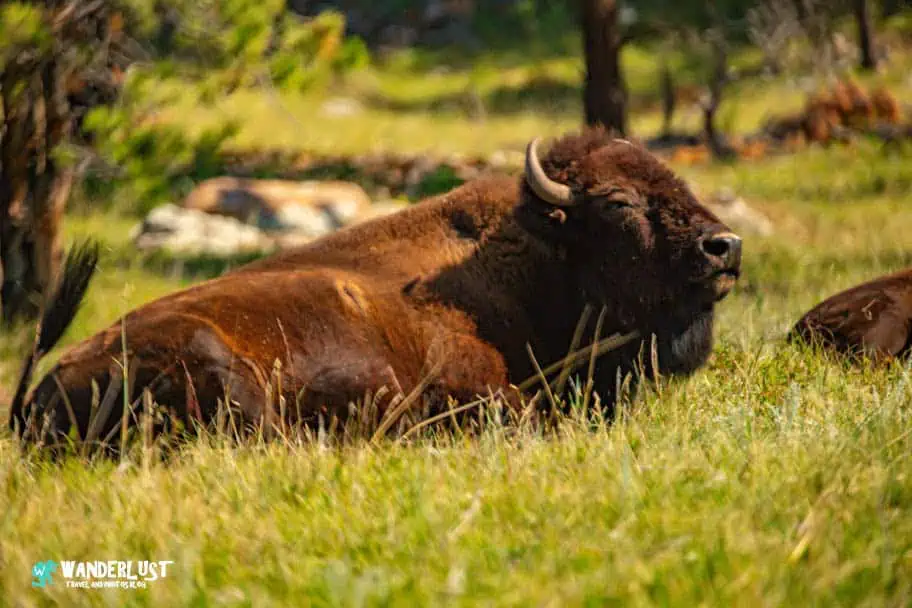
Custer State Park is one of South Dakota’s premier outdoor destinations, covering more than 70,000 acres of scenic mountains, rolling grasslands, and crystal-clear lakes. Visitors can enjoy wildlife viewing along the famous Wildlife Loop Road, hike numerous trails, kayak or fish on the park’s lakes, and drive the scenic Needles Highway. The park is especially known for its large bison herd and abundant wildlife. Custer State Park borders Wind Cave National Park on the north side and is located just a few minutes from many of the park’s main entrances.
Jewel Cave National Monument
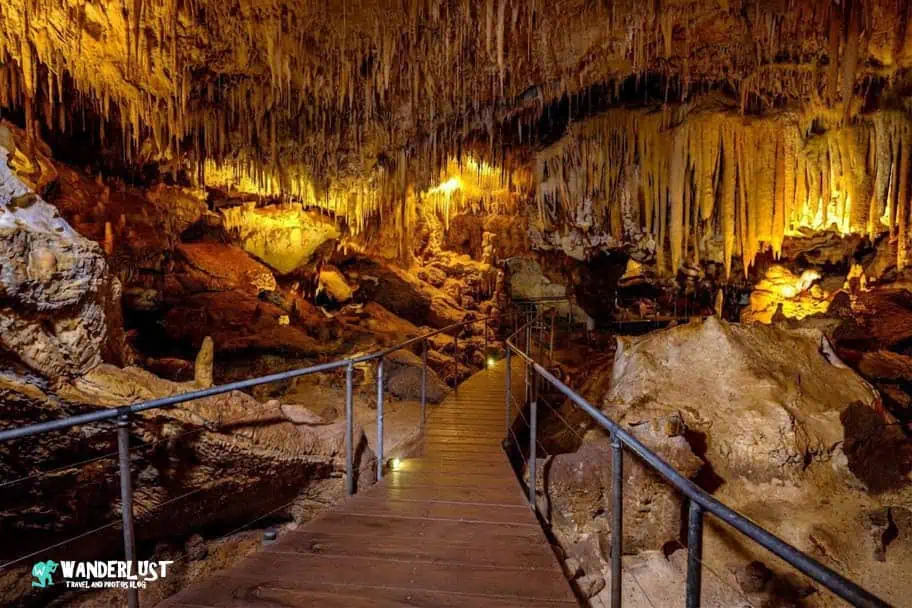
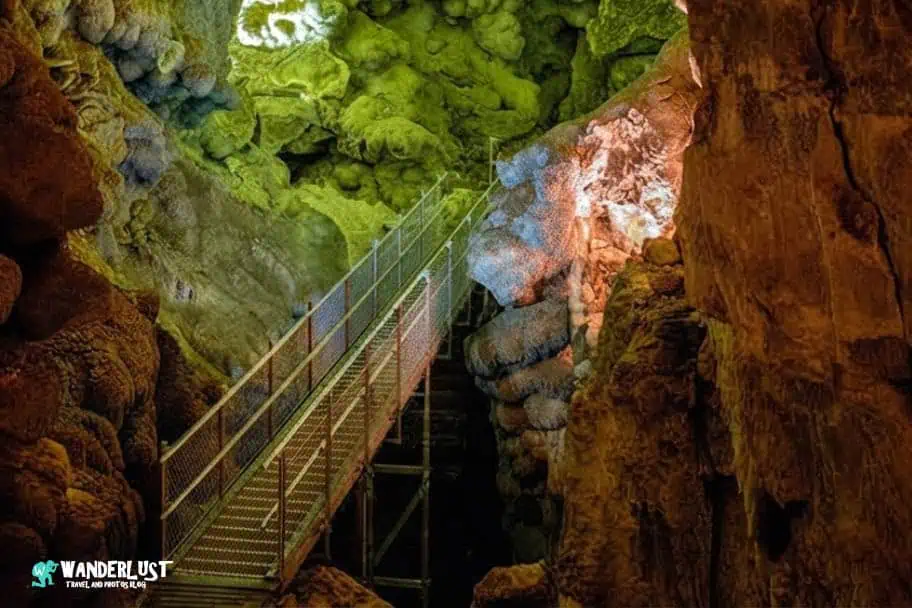
Jewel Cave National Monument protects one of the longest cave systems in the world and is a fascinating complement to a visit to Wind Cave. Guided cave tours allow visitors to explore spectacular underground passages filled with sparkling calcite crystals, while hiking trails above ground showcase beautiful Black Hills scenery. The monument offers a very different cave experience from Wind Cave, making it a worthwhile stop for anyone interested in geology. Jewel Cave National Monument is located approximately 30 miles west of Wind Cave National Park.
| READ MORE: |
 |
| Jewel Cave Visitor Guide: Planning Your Trip |
Badlands National Park
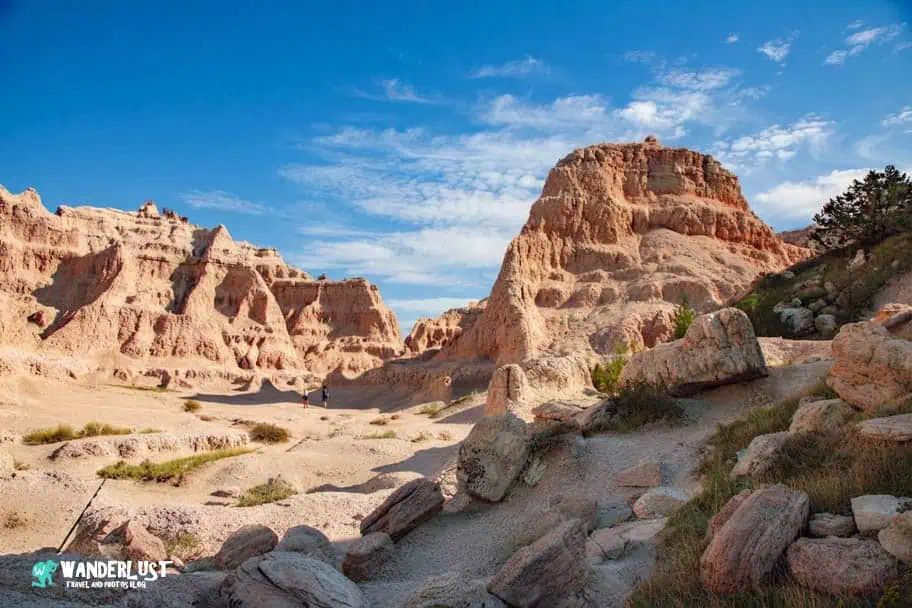
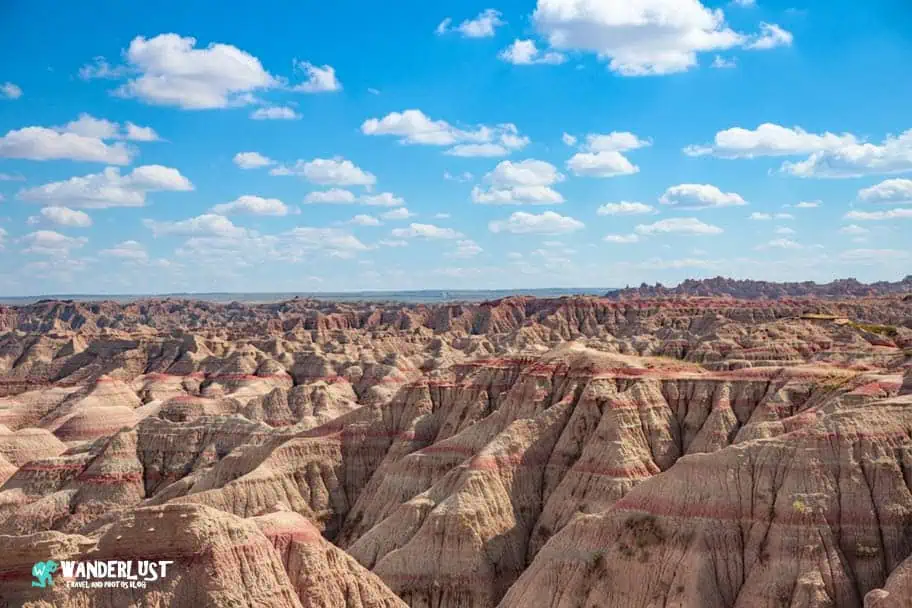
Badlands National Park features one of the most striking landscapes in the American West, with colorful rock formations, dramatic canyons, towering pinnacles, and expansive prairie habitats. Popular activities include scenic drives, hiking, wildlife viewing, photography, and ranger-led programs. The park’s unique terrain provides a dramatic contrast to the forests and grasslands found around Wind Cave. Badlands National Park is located about 75 miles northeast of Wind Cave National Park, making it a popular day trip destination.
Mount Rushmore National Memorial
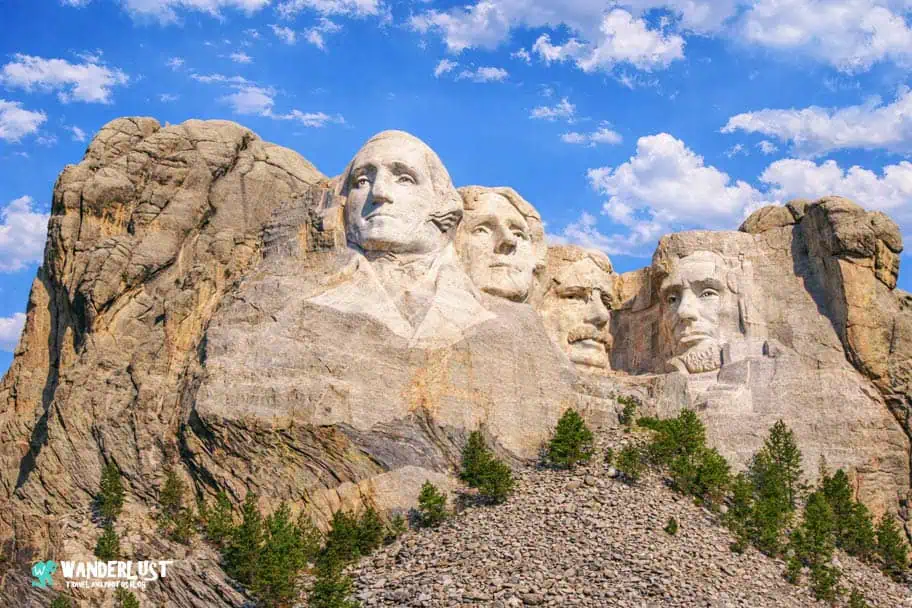
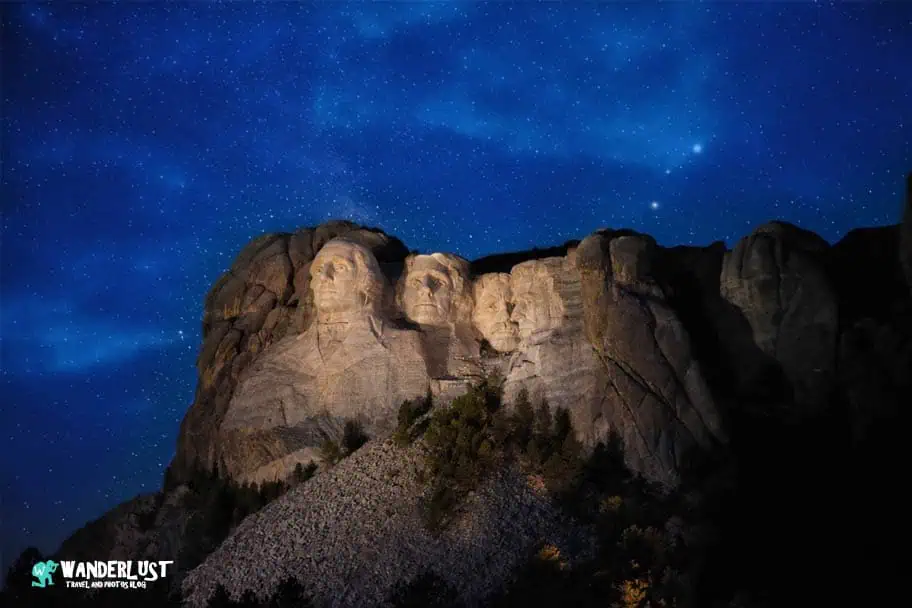
Mount Rushmore National Memorial is one of the most famous landmarks in the United States, featuring the massive granite sculptures of four U.S. presidents carved into a mountainside. Visitors can explore the Presidential Trail, visit the museum and visitor center, attend ranger programs, and enjoy evening lighting ceremonies during the summer months. The memorial combines history, culture, and impressive engineering in a spectacular setting. Mount Rushmore is located approximately 35 miles north of Wind Cave National Park.
Crazy Horse Memorial
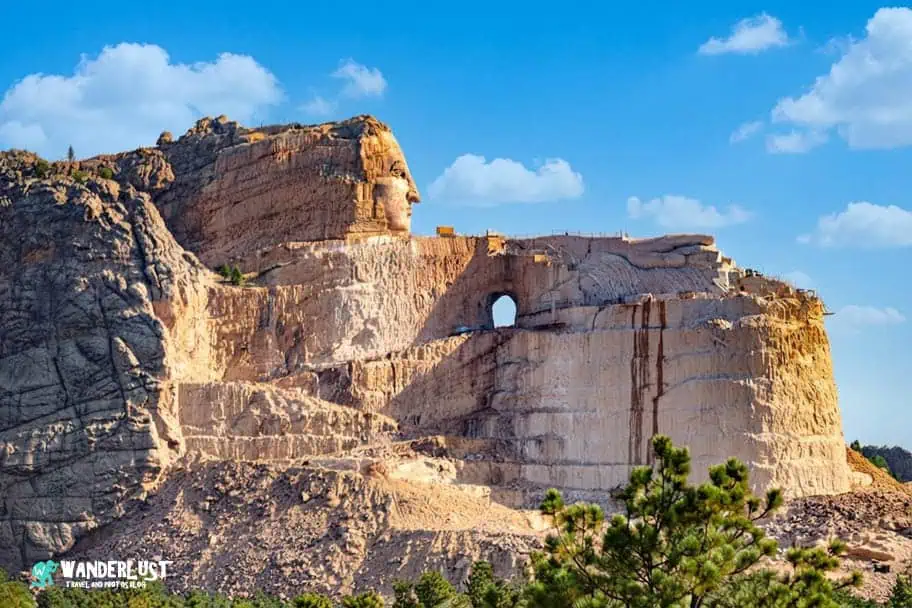
Crazy Horse Memorial is an ongoing mountain carving dedicated to the Lakota leader Crazy Horse and is one of the largest sculpture projects in the world. Visitors can learn about Native American culture and history through museums, cultural exhibits, educational programs, and special events offered throughout the year. The monument provides a unique cultural experience alongside impressive views of the massive carving. Crazy Horse Memorial is located about 25 miles north of Wind Cave National Park, making it an easy stop while exploring the Black Hills region.
Devil’s Tower National Monument
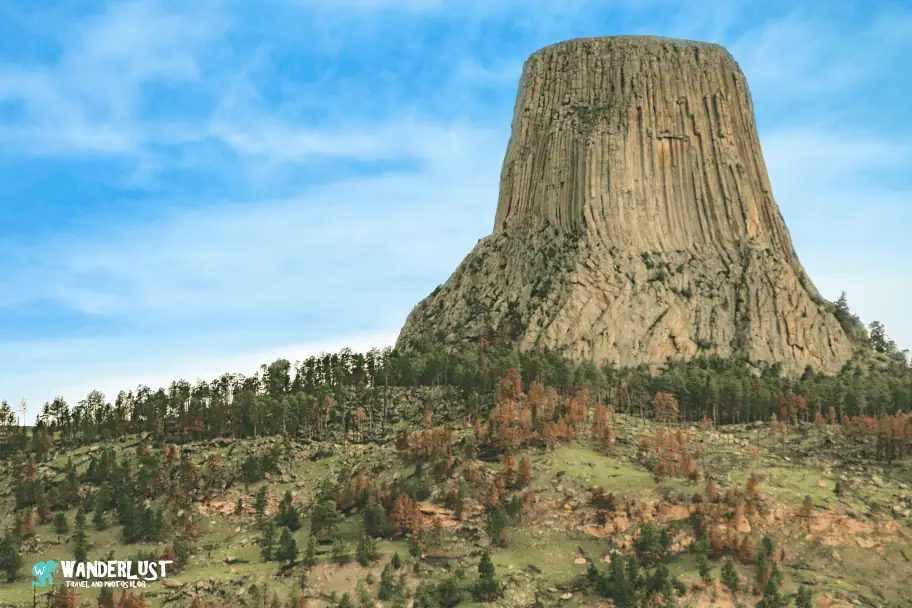
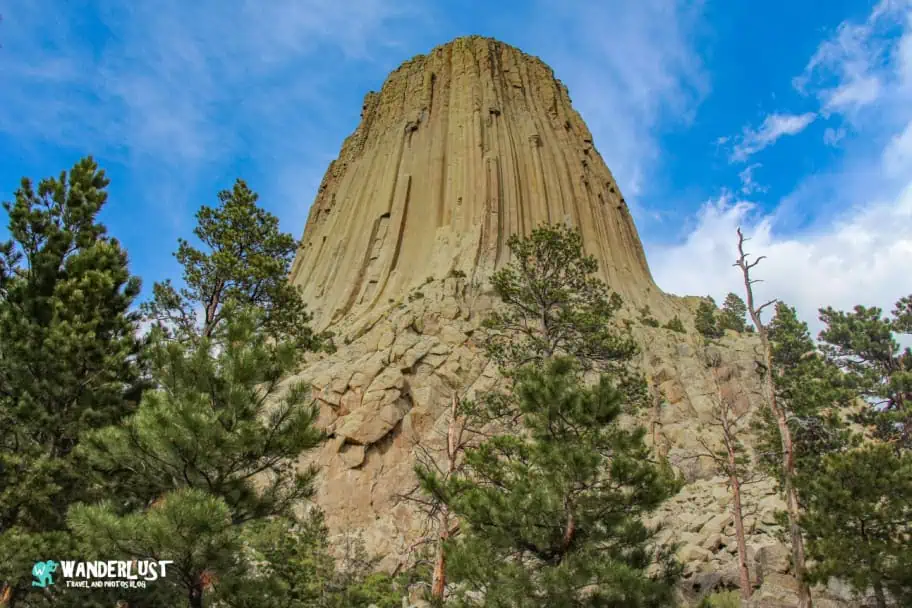
Devils Tower National Monument is one of the most distinctive natural landmarks in the United States, rising dramatically above the surrounding landscape of northeastern Wyoming. Visitors can walk the paved Tower Trail that circles the base of the formation, enjoy hiking, wildlife viewing, photography, and ranger-led programs, or watch rock climbers scale the monument’s impressive vertical walls.
The tower also holds deep cultural significance for many Indigenous tribes and is a fascinating destination for both nature lovers and history enthusiasts. Devils Tower is located approximately 100 miles northwest of Wind Cave National Park, making it a popular day trip for visitors exploring the Black Hills region.
Where to Stay Near Wind Cave National Park
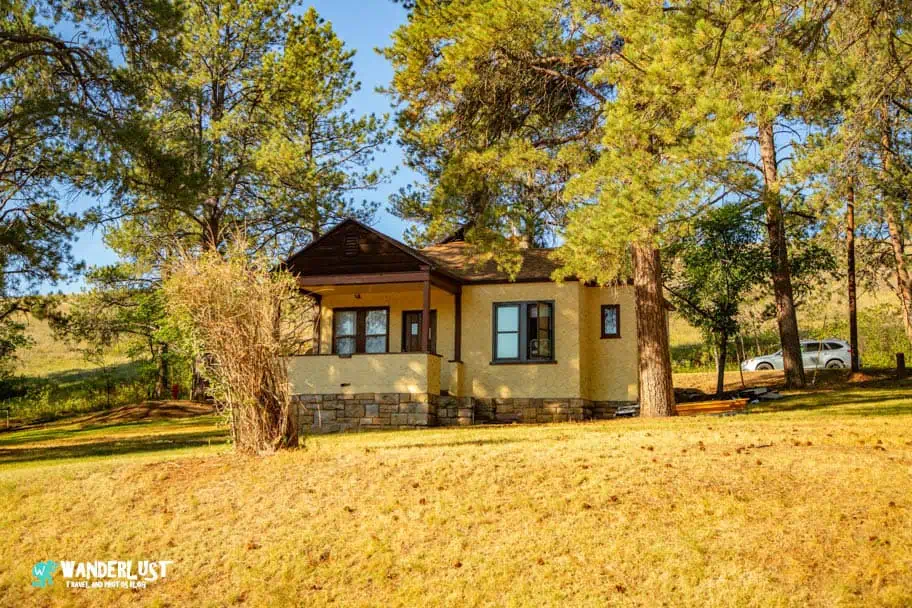
Wind Cave National Park sits just north of Hot Springs and a short drive from Custer, Keystone, Hill City, and Rapid City — the main hubs where travelers find the widest range of accommodations. These towns offer everything from budget motels to upscale lodges, and they’re exactly where the hotels in your list are concentrated, making them the most convenient bases for exploring Wind Cave National Park and the surrounding Black Hills.
Campgrounds
If you prefer camping, the area around the park offers several scenic options, from quiet forested sites to lakeside campgrounds with easy access to hiking trails and wildlife viewing. To help you compare locations and choose the best fit, I’ve included a map of recommended campgrounds below.
Hotels
For travelers who want the comfort and convenience of a hotel, the nearby towns provide plenty of choices across all price ranges. I’ve included a list of recommended hotels at different price points below so you can easily find the right match for your Wind Cave stay.


Activities and Tours in the Park Area

Wind Cave National Park offers a wide variety of activities that allow visitors to experience both its underground wonders and its expansive prairie landscapes. Guided cave tours are among the park’s biggest attractions, providing opportunities to see the cave’s famous boxwork formations and learn about its unique geology. Above ground, visitors can enjoy hiking, wildlife viewing, scenic drives, nature photography, and stargazing beneath some of the darkest skies in the Black Hills region.
Whether you’re looking for a leisurely nature walk or a more adventurous backcountry hike, there is something for every type of traveler. As highlighted throughout this Wind Cave visitor guide, popular activities include exploring the Wind Cave Canyon Trail, visiting prairie dog towns, hiking sections of the Centennial Trail, spotting bison and elk, and taking in panoramic views from overlooks such as Rankin Ridge.
Wind Cave National Park Activity Resources
- Wind Cave National Park – Cave Tours
- Zipline Adventure – Pinnacle Zip Tour
- Hot Air Balloon – Black Hills Balloons
- Horseback Riding – Blue Bell Stables
The area surrounding the park offers even more opportunities for adventure and sightseeing. Nearby attractions feature additional hiking trails, scenic drives, cave explorations, wildlife viewing areas, historic landmarks, and iconic Black Hills destinations. To help you make the most of your visit, I’ve included a list of recommended tours and experiences in the Wind Cave National Park area below.
Recommended Wind Cave National Park Area Tours
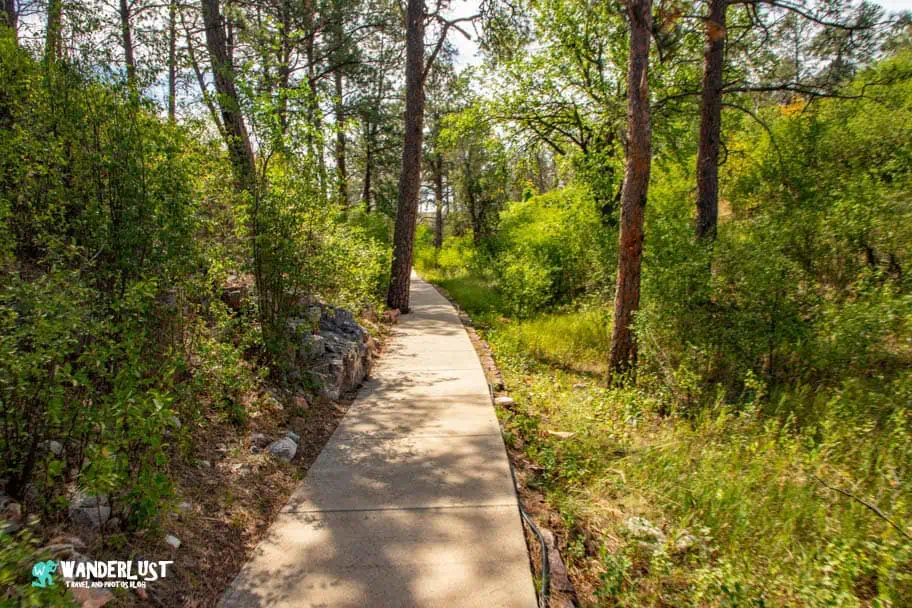
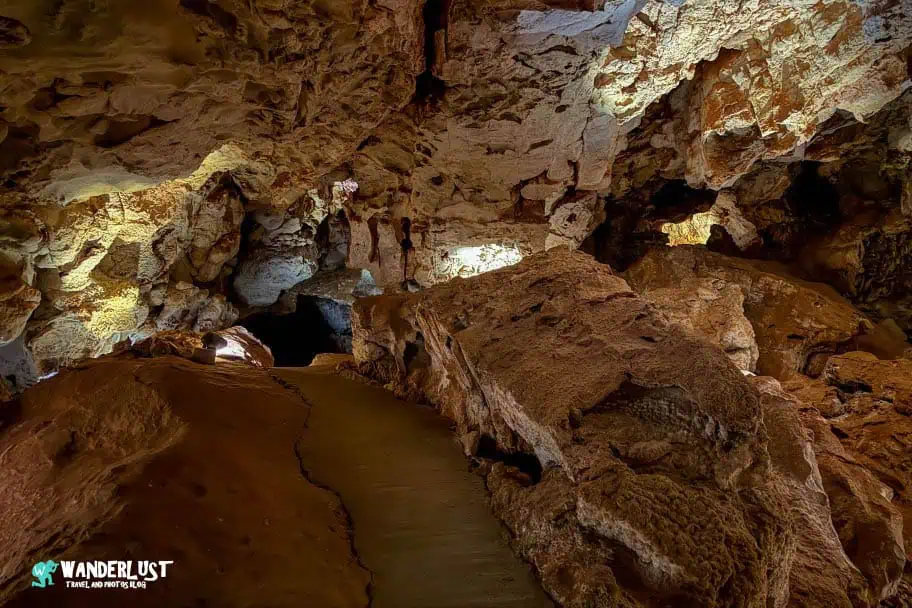
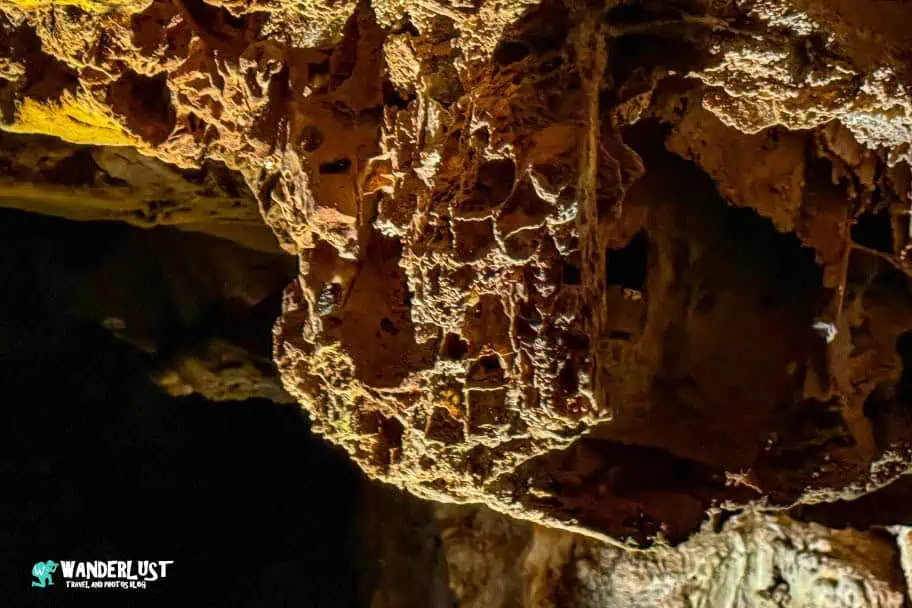
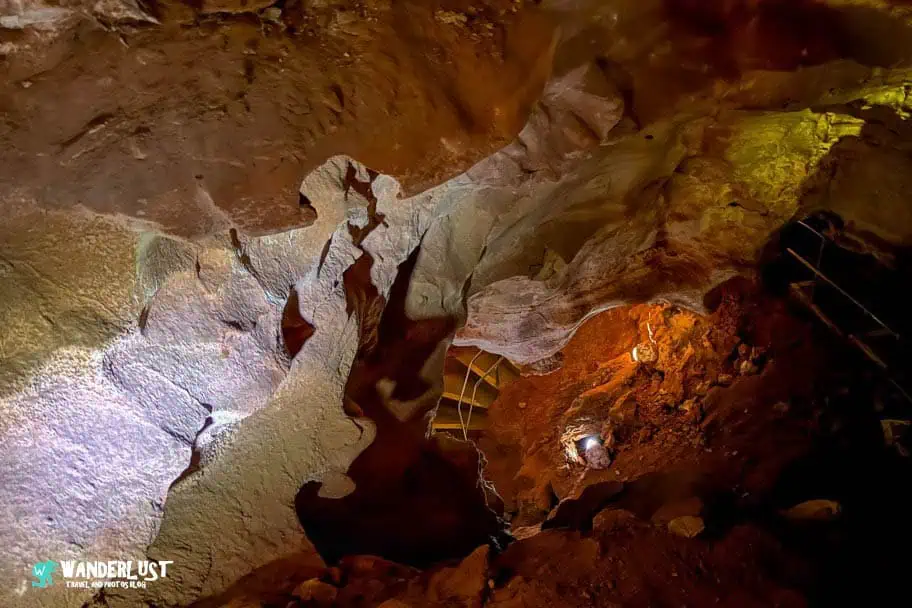
Wind Cave National Park Photo Gallery
Write a paragraph to introduce my photo gallery from my visit to Wind Cave National Park to be used in a Wind Cave National Park travel guide article for a travel blog. The paragraph should briefly discuss the beauty and uniqueness of the park and then introduce my photo gallery listed below. Don’t say stuff like This introduction sets the stage
If you’re interested in exploring more of my travel photography, I’d love for you to join me on Instagram! Creating this blog to share my free guides, itineraries, and travel photography tips takes a lot of effort, and a follow on Instagram would truly mean the world to me. Your support makes it all worthwhile!
FOLLOW ME!








Don’t Forget to Subscribe to My Adventures!

Let Me Help You Save On Your Next Adventure!
‘Start Exploring Today’ Merchandise Available Now!
 |
 |
 |
 |
 |
 |
 |



















Leave a Reply