LAST UPDATED – 9/15/26 – Belgium Entrance Requirements
Before traveling to Belgium, make sure you meet the Belgium entrance requirements for passport, visa, and immunizations — failure to do so will result in denied entry. Don’t wait until the last minute, as resolving issues can take time. To help you prepare, this article outlines all the necessary requirements, and the linked checklist offers a simple way to track your progress.
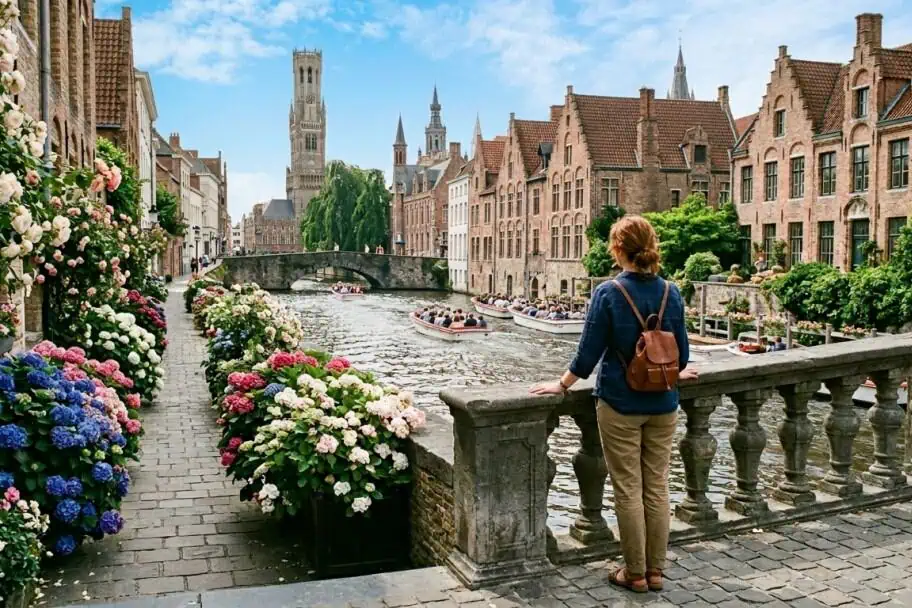
This article will guide you through the key Belgium entrance requirements, including passport validity rules, visa categories, immunization recommendations, and customs regulations. It’s designed to help travelers understand what documents they need, what items they can bring, and how to prepare for Schengen‑area border procedures—so you can focus on enjoying your trip.
View Belgium Passport, VISA, Customs, and Immunizations Checklist
Belgium Passport Requirements

To enter Belgium, your passport must meet standard Schengen‑area requirements. Your passport must be valid for at least three months beyond the date you plan to leave the Schengen Area, and it must have been issued within the last 10 years at the time of entry. Travelers should also keep the following points in mind:
- Damaged or heavily worn passports may be rejected at Belgian border control.
- You should have one to two blank pages available for entry and exit stamps.
- Airlines and transit countries may apply stricter rules than Belgium itself—some carriers require six months of validity regardless of your destination.
Before traveling, check your passport’s expiration date, issue date, and physical condition. If it is close to expiring, older than 10 years, or shows signs of damage, renewing it ahead of time is the safest choice.
| Passport Validity | Blank Passport Pages |
|---|---|
| Your passport must be valid for at least three months beyond your planned departure from the Schengen Area and must have been issued within the past ten years. | One to Two Pages Required for Stamps. |
Belgium VISA Requirements
Travelers planning a trip to Belgium will find that visa rules vary depending on their nationality, and this section explains how those differences fit into the broader Belgium entrance requirements. Belgium follows Schengen Area immigration policies, meaning some visitors may enter visa‑free for short stays, while others must obtain a Schengen visa before arrival. Understanding which category you fall into is essential for planning a smooth and stress‑free trip.
Visa‑Exempt Travelers
Many travelers benefit from the Schengen Area’s visa‑waiver policy, which allows short‑term entry into Belgium without applying for a traditional visa. Under this system, eligible visitors may stay in Belgium—and anywhere else in the Schengen Zone—for up to 90 days within any 180 days.
Beginning in 2026, however, most visa‑exempt travelers will need to obtain ETIAS (European Travel Information and Authorization System) approval before departure. ETIAS is a digital pre‑travel authorization similar to the U.S. ESTA or the UK ETA. It screens travelers in advance and grants electronic permission to board transportation to the Schengen Area.
Once approved, ETIAS is typically valid for multiple entries over three years or until the traveler’s passport expires. Importantly, ETIAS does not change the 90‑day stay limit—it simply adds a required security step for visa‑exempt visitors.
 |
Albania (*) |  |
Honduras (*) |  |
Poland (***) |
 |
Andorra (*) |  |
Hungary (***) |  |
Portugal (***) |
 |
Antigua & Barbuda (***) |  |
Iceland (***) |  |
Romania (***) |
 |
Argentina (*) |  |
Ireland (***) |  |
Saint Lucia (*) |
 |
Australia (*) |  |
Israel (*) |  |
Samoa (*) |
 |
Austria (***) |  |
Italy (***) |  |
San Marino (*) |
 |
Bahamas (**) |  |
Japan (*) |  |
Serbia (*) |
 |
Barbados (**) |  |
Kiribati (*) |  |
Seychelles (**) |
 |
Bosnia & Herzegovina (*) |  |
Latvia (***) |  |
Singapore (*) |
 |
Brazil (**) |  |
Liechtenstein (***) |  |
Slovakia (***) |
 |
Brunei (*) |  |
Lithuania (***) |  |
Slovenia (***) |
 |
Bulgaria (***) |  |
Luxembourg (***) |  |
Solomon Islands (*) |
 |
Canada (*) |  |
Malaysia (*) |  |
South Korea (*) |
 |
Chile (*) |  |
Malta (***) |  |
Spain (***) |
 |
Colombia (*) |  |
Marshall Islands (*) |  |
St Vincent & Grenadines (*) |
 |
Costa Rica (*) |  |
Mauritius (**) |  |
St. Kitts & Nevis (**) |
 |
Croatia (***) |  |
Mexico (*) |  |
Sweden (***) |
 |
Cyprus (***) |  |
Micronesia (*) |  |
Switzerland (***) |
 |
Czechia (***) |  |
Moldova (*) |  |
Timor-Leste (*) |
 |
Denmark (***) |  |
Monaco (*) |  |
Tonga (*) |
 |
Dominica (*) |  |
Montenegro (*) |  |
Trinidad & Tobago (*) |
 |
El Salvador (*) |  |
Netherlands (***) |  |
Tuvalu (*) |
 |
Estonia (***) |  |
New Zealand (*) |  |
U.A.E. (*) |
 |
Finland (***) |  |
Nicaragua (*) |  |
U.K. (***) |
 |
France (***) |  |
North Macedonia (*) |  |
U.S.A. (*) |
 |
Georgia (*) |  |
Norway (***) |  |
Ukraine (*) |
 |
Germany (***) |  |
Palau (*) |  |
Uruguay (*) |
 |
Greece (***) |  |
Panama (*) |  |
Vanuatu (*) |
 |
Grenada (*) |  |
Paraguay (*) |  |
Venezuela (*) |
 |
Guatemala (*) |  |
Peru (*) |
| * – 90 Days |
| ** – 3 Months |
| *** – Freedom of Movement |
All Other Travelers
Travelers who do not qualify for visa‑free entry must obtain a Schengen short‑stay visa (Type C) before traveling to Belgium. The application process typically includes:
- Completing an online visa application
- Paying the required visa fee
- Providing biometric data (fingerprints and photo)
- Submit supporting documents such as travel plans, accommodation details, and proof of financial means
- Attending an appointment at a Belgian consulate or visa application center
Once approved, a Schengen visa allows travel throughout the entire Schengen Area for up to 90 days within 180 days.
Belgium Immunization Recommendations
Important Note: I am not a medical doctor and don’t have medical experience. The information provided in this section is a summary of information that I got from the Centers for Disease Control and Prevention in the United States for travel to Belgium. I am providing you with this information to help bring awareness of the necessary vaccinations to you. Still, consultation with my guide should not replace a discussion about your travels with your doctor or a travel medical clinic.
| Vaccinations Requirements |
|---|
| No vaccinations are required for entry into Belgium, but there are vaccination recommendations below. |
Although there are no specific vaccination mandates for entry into Belgium, it is still advisable to consider certain standard vaccinations for international travel. These recommendations apply in addition to the routine vaccinations suggested for all adults, regardless of travel plans. For further guidance on the recommended vaccinations before your trip to Belgium, please refer to the tables provided below or consult a qualified healthcare professional.
Recommended Vaccinations for Belgium
There are several vaccinations that public‑health organizations recommend you consider before traveling to Belgium, and I’ve outlined them for you below. Please pay close attention to the details in this section and be sure to discuss all vaccination decisions with your doctor or a travel health clinic before your trip.
| Vaccine | How Disease Spreads | Details |
|---|---|---|
| Hepatitis A | Food and Water. | Recommended for most travelers. |
| Hepatitis B | Blood and Body Fluids. | Recommended for unvaccinated travelers younger than 60 years old. Unvaccinated travelers 60 years and older may get vaccinated before traveling. An accelerated schedule is available. |
| Measles | Contact with Infected Individuals. | Cases of measles are on the rise worldwide. Travelers are at risk of measles if they have not been fully vaccinated at least two weeks prior to departure, or have not had measles in the past, and travel internationally to areas where measles is spreading. All international travelers should be fully vaccinated against measles with the measles-mumps-rubella (MMR) vaccine, including an early dose for infants 6–11 months, according to CDC’s measles vaccination recommendations for international travel. |
| Tick-borne Encephalitis | Bite from an infected tick. | For travelers moving or traveling to TBE-endemic areas. The TBE vaccine is recommended for persons who will have extensive exposure to ticks based on their planned outdoor activities and itinerary. |
Routine Vaccinations for Travel
In addition to the vaccinations recommended specifically for travel to Belgium, there are also routine vaccinations that you should be up to date on before traveling anywhere in the world. For an overview of the routine vaccinations recommended by major public‑health organizations, please review the chart included below.
| Vaccine | How Disease Spreads | Advice |
|---|---|---|
| Measles, Mumps, Rubella (MMR) | Various Vectors. | Given to anyone unvaccinated and/or born after 1957. One time adult booster recommended. |
| TDAP (Tetanus, Diphtheria & Pertussis) | Through open wounds & airborne transmission. | Only one adult booster of pertussis required. |
| Chickenpox | Direct contact with infected individuals & airborne transmission. | Given to those unvaccinated that did not have chickenpox. |
| Shingles | Direct contact with infected individuals. | Vaccine can still be given if you have had shingles. |
| Pneumonia | Airborne transmission. | Two vaccines given separately. All 65+ or immunocompromised should receive both. |
| Influenza | Airborne transmission. | Vaccine components change annually. |
| Meningitis | Direct contact with infected individuals & airborne transmission. | Given to anyone unvaccinated or at an increased risk, especially students. |
| Polio | Spread by contact with infected persons. | In addition to the childhood vaccine, there is a one-time booster shot that is available for adults who are traveling to high-risk areas. |
Non-Vaccine Preventable Diseases
In addition to the recommended vaccinations, there are other health precautions you should consider when visiting Belgium to help reduce your chances of getting sick. While these precautions are not part of the official Belgium entrance requirements, they are still important steps you can take to stay healthy and avoid illness during your trip.
AVOID CONTAMINATED WATER
When traveling, one of the easiest ways to get sick is through exposure to contaminated water. While Belgium’s public water supply is generally safe, there are still water‑related illnesses found in Europe that can be transmitted through untreated or contaminated sources, especially in rural areas or natural environments. Before you depart for your trip, it’s helpful to be aware of the potential risks outlined below. To reduce your chances of getting sick, stick to drinking bottled or treated water when in doubt, and avoid swimming in stagnant or unmaintained bodies of water.
| Vaccine | How Disease Spreads | Advice |
|---|---|---|
| Leptospirosis | Touching fluids of infected animal or drinking or swimming in contaminated water. | Avoid contaminated water and soil. |
BE AWARE OF AIRBORNE AND DROPLET ILLNESSES
Airborne diseases are among the most difficult illnesses to protect yourself against while traveling. Unlike illnesses spread through direct contact or contaminated surfaces, airborne infections can be transmitted simply by being near an infected person, and no spray or repellent can prevent them.
For this reason, it’s important to stay aware of your surroundings, be mindful of those you interact with, and take sensible precautions to reduce your exposure to potentially harmful airborne illnesses during your trip to Belgium. According to major public‑health organizations, the airborne illnesses you should be aware of when traveling in Europe, including Belgium, are outlined below.
| Vaccine | How Disease Spreads | Advice |
|---|---|---|
| Hantavirus | From breathing in air or accidentally eating food contaminated with the urine, droppings, or saliva of infected rodents Bite from an infected rodent or being bitten by a rodent. | Avoid rodents and areas where they live and avoid sick people. |
| Tuberculosis (TB) | Breathe in TB bacteria that is in the air from an infected and contagious person coughing, speaking, or singing. | Avoid sick people. |
Belgium Customs Restrictions

Another important consideration when traveling to Belgium is understanding the country’s customs regulations. Like many nations, Belgium restricts or prohibits certain items from being brought across its borders. To help you avoid costly mistakes—such as packing goods that are not allowed—I’ve outlined Belgium’s customs entry requirements below for your review.
| Customs Restrictions |
|---|
| Certain customs restrictions apply when entering Belgium, as outlined below. |
FREE IMPORT FROM WITHIN THE EU
According to the VISAHQ.com website, the following items are considered free-import items when entering Belgium from a country inside the European Union, but with limits (as described below).
- 800 cigarettes; 400 cigarillos (max. 3g each); 200 cigars; 1kg smoking tobacco.
- 10 litres of spirits over 22%; 20 litres of alcoholic beverages under 22%; 90 litres of wine (no more than 60 litres of sparkling wine); 110 litres of beer. These quantities may be seized if customs determine they are for commercial use.
FREE IMPORT FROM OUTSIDE THE EU
The following items are considered free-import items when entering Belgium from a country inside the European Union, but with limits (as described below).
- Standard travelers may bring 1L spirits over 22% OR 2L under 22%, plus 4L wine and 16L beer (first two categories can be combined up to 100% total). Reduced allowances apply to frontier‑zone residents, frontier workers, and transport crews (0.5L spirits, 0.5L low‑strength alcohol, 0.5L wine, 2L beer).
- By air/sea: 200 cigarettes OR 100 cigarillos OR 50 cigars OR 250g tobacco. By land: 40 cigarettes OR 20 cigarillos OR 10 cigars OR 50g tobacco. Each option equals 100% of the total allowance.
- Medication for personal use; non‑commercial personal items up to €430 (air/sea), €300 (land), or €150 (under age 15). Goods must be for personal/family use or gifts, not commercial import.
IMPORTANT NOTES: The legal drinking age in Belgium is 18, which is the minimum age to purchase or be served alcohol in shops, restaurants, and bars. There are no exceptions for drinking alcohol at a younger age, even when accompanied by an adult. The legal age to buy tobacco products in Belgium—including cigarettes, rolling tobacco, cigars, and vaping products—is also 18, and sales to anyone under that age are prohibited.
PROHIBITED ITEMS
Before you are allowed into Belgium, you will also need to clear customs to ensure you are not carrying any prohibited or restricted items. Like many countries, Belgium enforces strict rules on what travelers may bring across its borders. For example, travelers are prohibited from bringing the following types of items into Belgium:
- Meat, milk, and related products from non‑EU countries are prohibited, except for limited quantities from Andorra, the Faeroe Islands, Greenland, Iceland, and small approved exceptions from certain other regions.
- Protected species and products banned under CITES (e.g., ivory, tortoise shell, coral, reptile skins, Amazonian hardwoods).
CONTROLLED ITEMS
In addition to these prohibited items, the government of Belgium places limits on several other goods that travelers may bring into the country. If you plan to travel with any of the items listed below when visiting Belgium, you should review the restrictions carefully to ensure you do not violate Belgium’s entry requirements.
- Pets: Must be identifiable (tattoo or microchip), vaccinated against rabies, and accompanied by a valid health certificate; check with your nearest embassy for full details.
- Meat & dairy: Up to 10 kg of meat, milk, and dairy products from Croatia, the Faeroe Islands, Greenland, or Iceland.
- Baby food & medical diets: Powdered baby milk, child food, and special medical foods allowed if shelf‑stable, sealed, and brand‑packaged — up to 10 kg from the regions above, or 2 kg from other countries.
- Fish: Allowed only if eviscerated and not exceeding 20 kg.
Belgium Currency Requirements
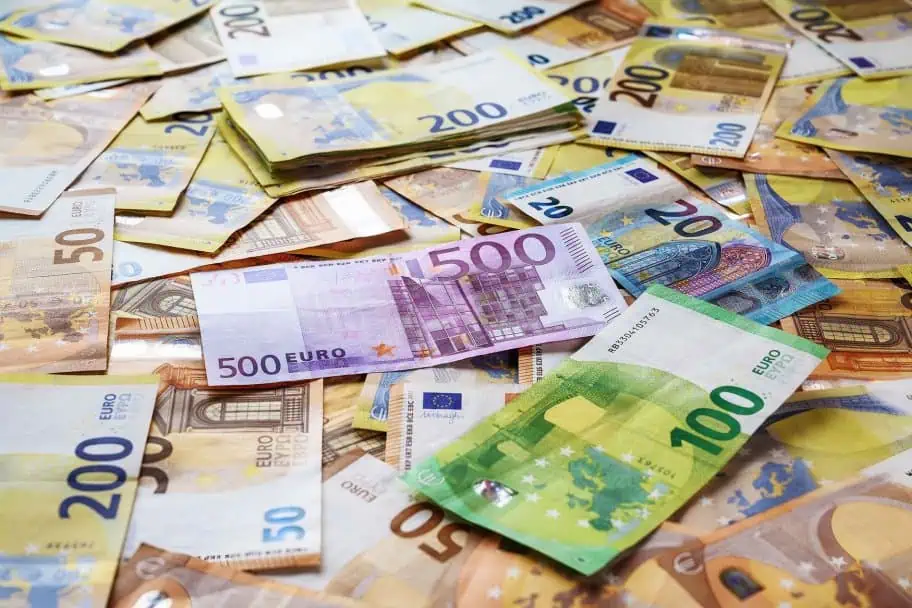
The final aspect of Belgium’s entrance requirements that travelers should be aware of is the amount of currency they bring into or out of the country. Like many EU destinations, Belgium does not limit how much money you may carry. However, large cash movements are closely monitored, and travelers must follow the EU’s declaration rules to avoid delays, questioning, or penalties.
According to the US State Department website, anyone entering or leaving Belgium (or any EU Member State) with €10,000 or more in cash—or the equivalent in another currency—must declare it to Belgian customs. This requirement applies whether the money is carried by a single traveler or divided among members of a group traveling together.
| Currency Restrictions for Entry | Currency Restrictions for Exit |
|---|---|
| €10,000 or more in cash (or the equivalent in another currency) must be declared to Belgian customs. | €10,000 or more in cash (or the equivalent in another currency) must be declared to Belgian customs. |
- Travelers entering Belgium with €10,000 or more in cash (or the equivalent in another currency) must file a declaration with Belgian customs.
- Travelers leaving Belgium with €10,000 or more in cash must also declare it before departure.
These requirements apply whether the funds are carried by one person or split among a group.
Withdrawing and Carrying Cash
Managing cash in Belgium is simple thanks to the country’s widespread acceptance of cards, reliable ATMs, and generally safe urban environments. Still, carrying and accessing money wisely can make your trip smoother. Keeping small denominations handy, withdrawing cash from reputable banks, and storing backup funds securely will help you avoid hassles and stay prepared throughout your visit.
- Use major‑bank ATMs — Withdraw cash from reputable banks for better reliability and lower fees.
- Carry small denominations — Many cafés, markets, and small shops prefer €5–€20 notes.
- Split your cash — Keep money in multiple places (wallet, day bag, hotel safe) to reduce risk.
- Avoid airport currency exchange — Rates are weaker; use ATMs or city exchange offices instead.
- Carry only what you need — Belgium is highly card‑friendly; cash is mainly for small vendors or rural areas.
- Store emergency cash securely — Keep a backup stash in your hotel safe or a hidden pouch.
- Use a currency‑conversion app — Helps track spending and avoid overpaying.
Don’t Forget to Subscribe to My Adventures!

Let Me Help You Save On Your Next Adventure!
‘Start Exploring Today’ Merchandise Available Now!
 |
 |
 |
 |
 |
 |
 |


















Thank you for the detailed and informative write-up!
Thank you so much for the kind words!! 😀